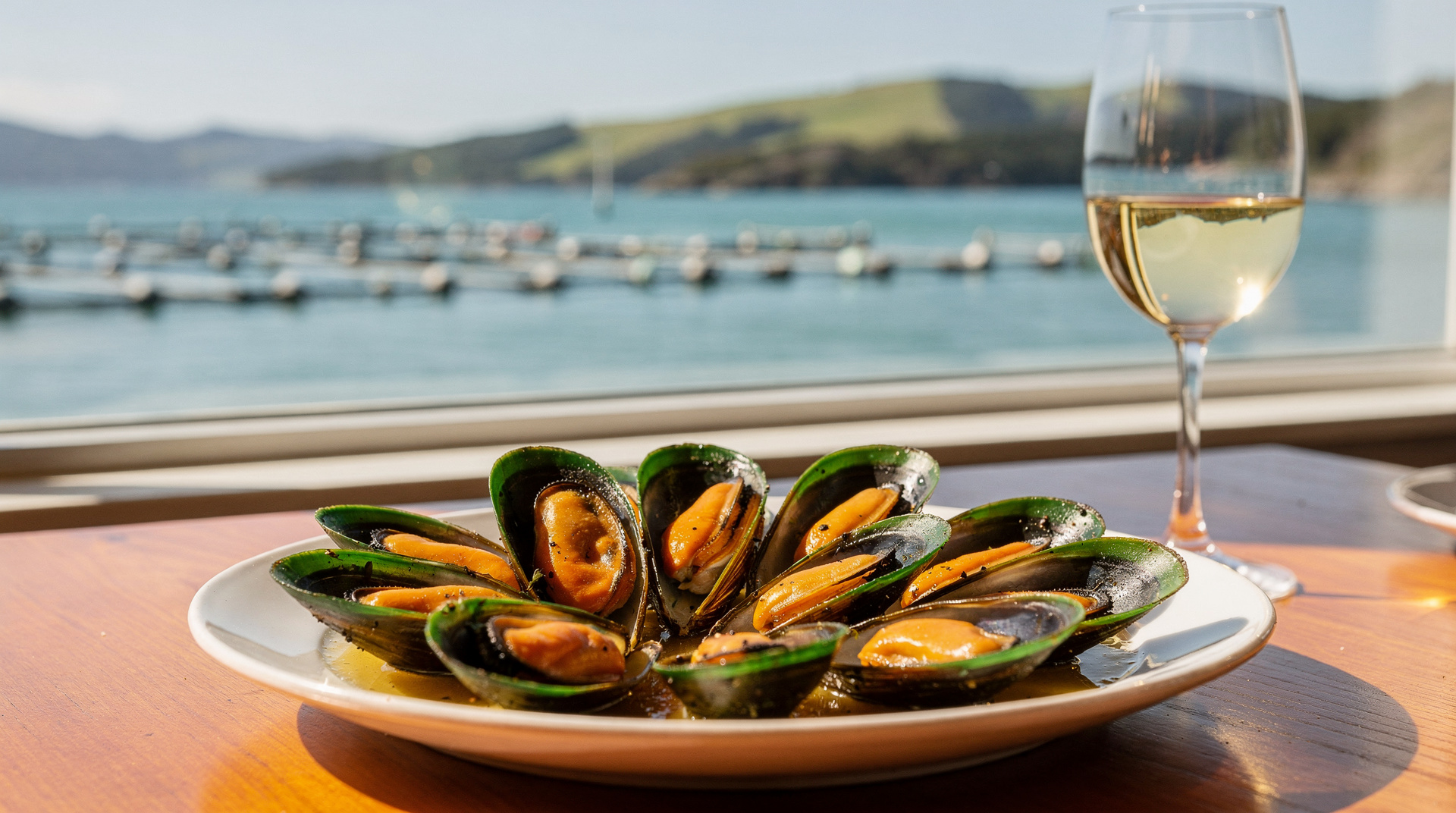
Green-lipped mussels of Marlborough
Where are New Zealand's famous green-lipped mussels from?
New Zealand green-lipped mussels (Perna canaliculus) are farmed primarily in the Marlborough Sounds on the South Island. The Havelock greenshell mussel cruise (NZD 90–115 / USD 54–69 / EUR 50–63) shows you the farms and feeds you freshly harvested mussels on the water.
| Where | Marlborough Sounds, near Havelock and Picton, South Island |
| Cost | around NZD 90-180 for cruises; NZD 22-38 for a restaurant meal |
| Time needed | 3 hours for a mussel cruise; a full day combined with a wine tour |
| Getting there | Havelock is 35km west of Blenheim; Picton is the main ferry town |
| Best time | Year-round; February-April overlaps with peak scallop season too |
New Zealand’s most famous seafood product
The green-lipped mussel (Perna canaliculus) is endemic to New Zealand — found nowhere else in the world in its natural state, though farmed internationally. The species is named for the distinctive green band on the shell edge; the flesh is more substantial and flavourful than European blue mussels, with a sweet, briny intensity that pairs exceptionally well with white wine, cream-based sauces, and the acidic sharpness of a Marlborough sauvignon blanc.
New Zealand exports approximately 75,000 tonnes of mussels annually, making it the world’s largest producer of this species. The primary farming location is the Marlborough Sounds — the sunken river valleys and sheltered channels that form the northeastern tip of the South Island. The sounds’ clean, cold water, strong tidal exchange, and phytoplankton richness make ideal mussel-growing conditions. Farms grow the mussels on ropes suspended from floating longlines; the entire growing cycle from spat to harvest takes 12–18 months.
The Havelock greenshell mussel cruise
The most direct way to experience where the mussels come from is a boat trip through the sounds to the farming area. The Havelock greenshell mussel cruise from Havelock (the “mussel capital of the world,” 35 km west of Blenheim) includes a cruise through the Pelorus and Kenepuru Sounds to an active mussel farm, a demonstration of the harvesting process, and steaming freshly harvested mussels on board with Marlborough wine.
The combination — sitting on a boat in a dramatic drowned-valley landscape, eating mussels pulled off a longline 20 minutes ago, with a glass of local sauvignon blanc — is genuinely one of the best food experiences available in New Zealand. It’s not expensive for what it delivers.
Price: NZD 90–115 / USD 54–69 / EUR 50–63 per adult (including mussels and wine/juice pairing).
The Picton Marlborough Sounds seafood cruise from Picton covers similar ground — the sounds landscape and a mussel tasting — but departs from the more conveniently located ferry terminal town. Both cruises are approximately 3 hours.
Where to eat green-lipped mussels in New Zealand
Fresh green-lipped mussels are on restaurant menus throughout New Zealand, but quality and freshness vary significantly by distance from the farms:
Havelock (Marlborough): The Havelock Hotel serves excellent mussels; the Slip Inn has them steamed to order with various sauces. Havelock is the place to eat the freshest possible mussels — from farm to table in under a day.
Blenheim: Most Blenheim restaurants offer mussels; freshness is generally good given proximity to the farms. Arbour Restaurant (best dining in Blenheim) serves them in a more refined preparation.
Picton: The cafes along the wharf serve mussels consistently. The town’s position as a ferry hub means it caters to passing travellers, and mussel dishes are among the better choices.
Wellington: Multiple good fish restaurants (Ortega Fish Shack, Shed 5) serve Marlborough mussels within a day of harvesting — the supply chain to Wellington is fast. Quality here is reliable.
Auckland: Further from the farms, but the supply chain is still efficient. Good mussels available at O’Connell Street Bistro and The Fish, among others.
How to eat them
Half shell (baked or grilled): One mussel per half-shell, topped with garlic butter, cheese, or breadcrumbs, then baked or grilled. This is the most photogenic and widely served preparation; it highlights the individual mussel’s size and the bright green shell edge.
Steamed (moules marinière style): A pot of mussels steamed open with white wine, garlic, and herbs. The liquid in the pot is the best part — dip good bread. This preparation shows the mussels’ natural sweetness most clearly.
Smoked: Cold-smoked green-lipped mussels in oil are a popular shelf product available from Marlborough’s mussel processors. These appear on wine charcuterie boards throughout New Zealand and are an excellent souvenir — they travel well and last for months.
Raw on the half-shell: Available at some restaurants; the least common preparation but arguably the most revealing of the mussel’s natural flavour and texture. Worth trying if the source is clearly stated as fresh and local.
Health claims and glucosamine
Green-lipped mussels have attracted significant attention from the pharmaceutical supplement industry for their naturally occurring omega-3 fatty acids and glucosamine content. Numerous studies have examined their potential for joint health, inflammation reduction, and arthritis management. The evidence is suggestive rather than conclusive; supplement forms (freeze-dried powder) are sold globally at significant premiums over simply eating the mussels fresh.
The honest take: the nutritional profile of green-lipped mussels is genuinely impressive (high protein, omega-3s, zinc, iron, vitamin B12). Whether supplement concentrates deliver benefits beyond what fresh mussels provide is unclear. The mussels are worth eating as food on their own merits.
Marlborough Sounds seafood beyond mussels
The sounds produce more than mussels:
Salmon: King salmon (Oncorhynchus tshawytscha, Chinook) are farmed in the cold Marlborough Sounds water. Marlborough King Salmon is one of New Zealand’s premium seafood exports. At the Havelock or Blenheim level, fresh salmon is available from farm direct.
Scallops: Dredged from the seabed in Marlborough Sounds; seasonal (February–April is peak availability). Sweeter and more delicate than mussels.
Paua (abalone): Wild-caught from the rocky shores of the sounds; expensive and regulated by quota. Available at some Marlborough restaurants; the flavour is intense and distinctive.
Bluff oysters: Not from Marlborough (they’re from Foveaux Strait, near Bluff), but available in Marlborough restaurants during the Bluff oyster season (approximately March–August). New Zealand’s finest oyster.
The Marlborough Sounds by boat
The Marlborough Sounds are extraordinary geography beyond their food value — 1,500 km of coastline across three main sounds (Pelorus, Kenepuru, Queen Charlotte), sheltered sea water, native bush to the waterline, and no road access to most of the interior. The mail boat, charter cruises, and water taxis are the only way to reach most of this area.
The Queen Charlotte Sound mail boat cruise from Picton delivers mail and provisions to isolated bays and settlements — a 6-hour round trip that covers 100 km of the sounds and is one of the most atmospheric boat journeys in New Zealand. No food focus, but the landscape is spectacular. For walkers, the Queen Charlotte Track — one of New Zealand’s Great Walks — follows much of the same coastline on foot, with water taxi access to sections if a full multi-day walk doesn’t fit your schedule.
Pairing mussels with a Marlborough day
The mussel cruise works well as one half of a Marlborough day trip, with a Marlborough wine tour as the natural second half — sauvignon blanc tasting in the afternoon after mussels and a sounds cruise in the morning. If you’re arriving via the Interislander ferry, Picton is the obvious base; if you’re coming from Christchurch or Kaikoura, note that Kaikoura’s whale watching is a further 2 hours south and can be combined into a longer Marlborough-Kaikoura coastal loop.
Costs summary (NZD / USD / EUR)
| Activity | NZD | USD | EUR |
|---|---|---|---|
| Havelock mussel cruise (with tasting) | 90–115 | 54–69 | 50–63 |
| Picton seafood sounds cruise | 95–125 | 57–75 | 52–69 |
| Queen Charlotte mail boat cruise | 145–180 | 87–108 | 80–99 |
| Mussels at a restaurant (main dish) | 22–38 | 13–23 | 12–21 |
| Smoked mussels (shelf product, 200g) | 8–15 | 5–9 | 4–8 |
Exchange rate: 1 NZD ≈ 0.60 USD ≈ 0.55 EUR.
Honest verdict
Worth it — both the mussel cruise (as an activity) and fresh mussels as a meal. The cruise specifically is excellent value: 3 hours on the sounds, a proper seafood experience, and wine pairing for under NZD 120. It’s one of the more honest food tourism experiences in New Zealand — you’re eating what you’ve just seen farmed, in the water where it grew. Book alongside a Marlborough wine tour for a complete regional food-and-drink day.
Frequently asked questions
Why are New Zealand green-lipped mussels better than regular mussels?
Size (significantly larger), flavour intensity (richer, sweeter, more briny), and the distinctive shell appearance all differentiate them from European blue mussels (Mytilus edulis). The farming environment (cold, clean, phytoplankton-rich Marlborough Sounds water) produces mussels with exceptional texture and taste. This is not marketing hyperbole — the comparison is clear when you eat both in the same week.
Can I buy green-lipped mussels to take home?
Smoked mussels in oil can be purchased and taken in checked luggage (subject to airline liquid rules for oil products). Live mussels can be purchased at Marlborough seafood suppliers but require refrigerated transport and have a short shelf life. Freeze-dried mussel supplements are the most practically portable form for international travellers.
Are green-lipped mussels sustainable?
New Zealand mussel farming is considered one of the world’s most sustainable forms of aquaculture. The mussels are rope-farmed (no dredging), require no feed input (they filter-feed on naturally occurring phytoplankton), and the farms are located in clean ocean environments subject to DOC oversight. The species is farmed, not wild-caught, so there is no depletion risk.
Should I do the mussel cruise from Havelock or Picton?
Havelock is closer to the actual farms and marginally fresher, and it’s the more atmospheric small-town base (“mussel capital of the world”). Picton is more convenient if you’re already there for the Interislander ferry or exploring the Marlborough Sounds more broadly, and its cruise covers similar sounds scenery. Neither is a wrong choice; pick based on where you’re already staying.
Related reading
Related guides
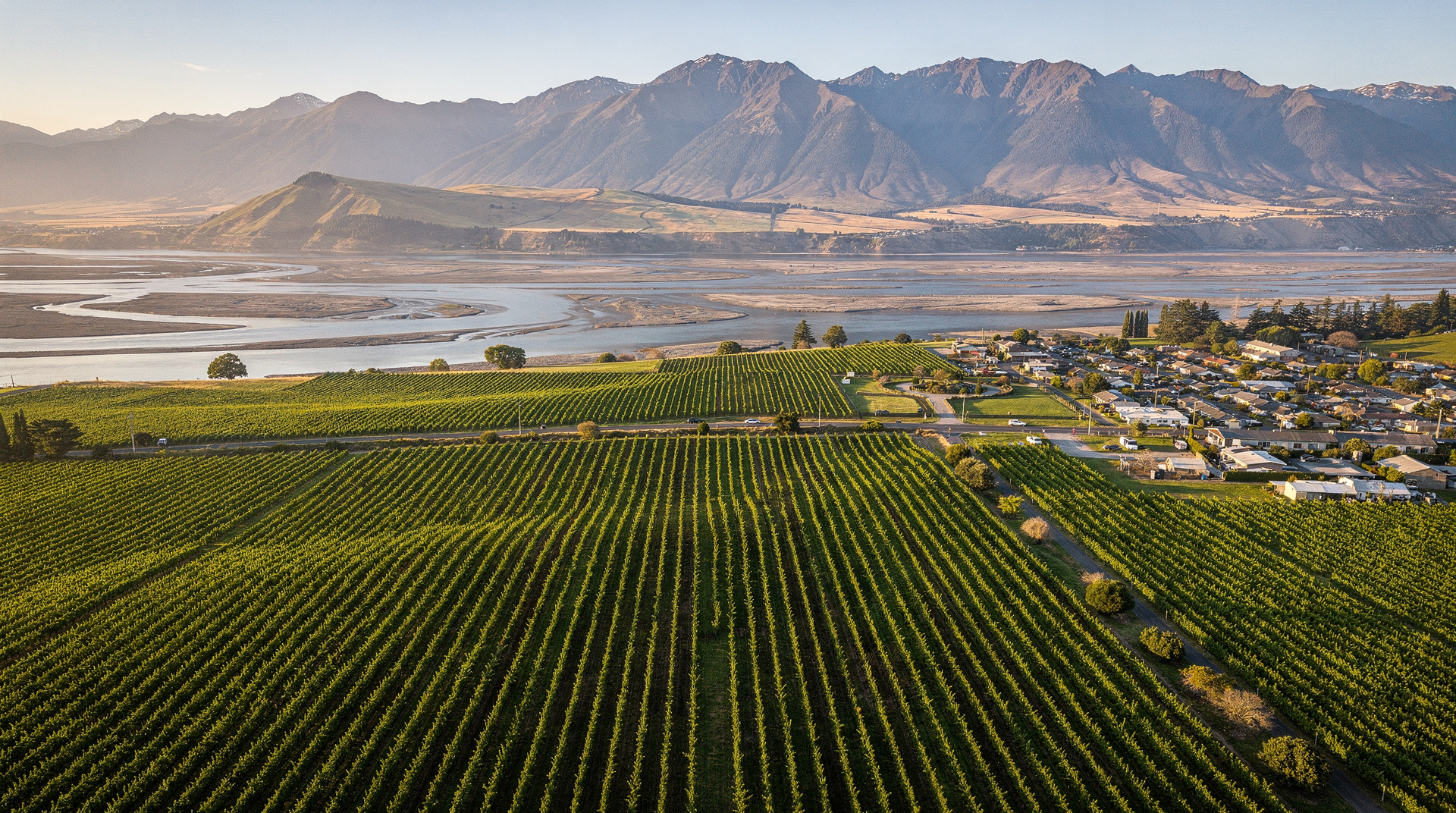
Marlborough
Honest Marlborough guide: Picton ferry gateway, Queen Charlotte Sound, Blenheim wineries, Havelock mussels. Real NZD/USD/EUR prices and practical logistics.
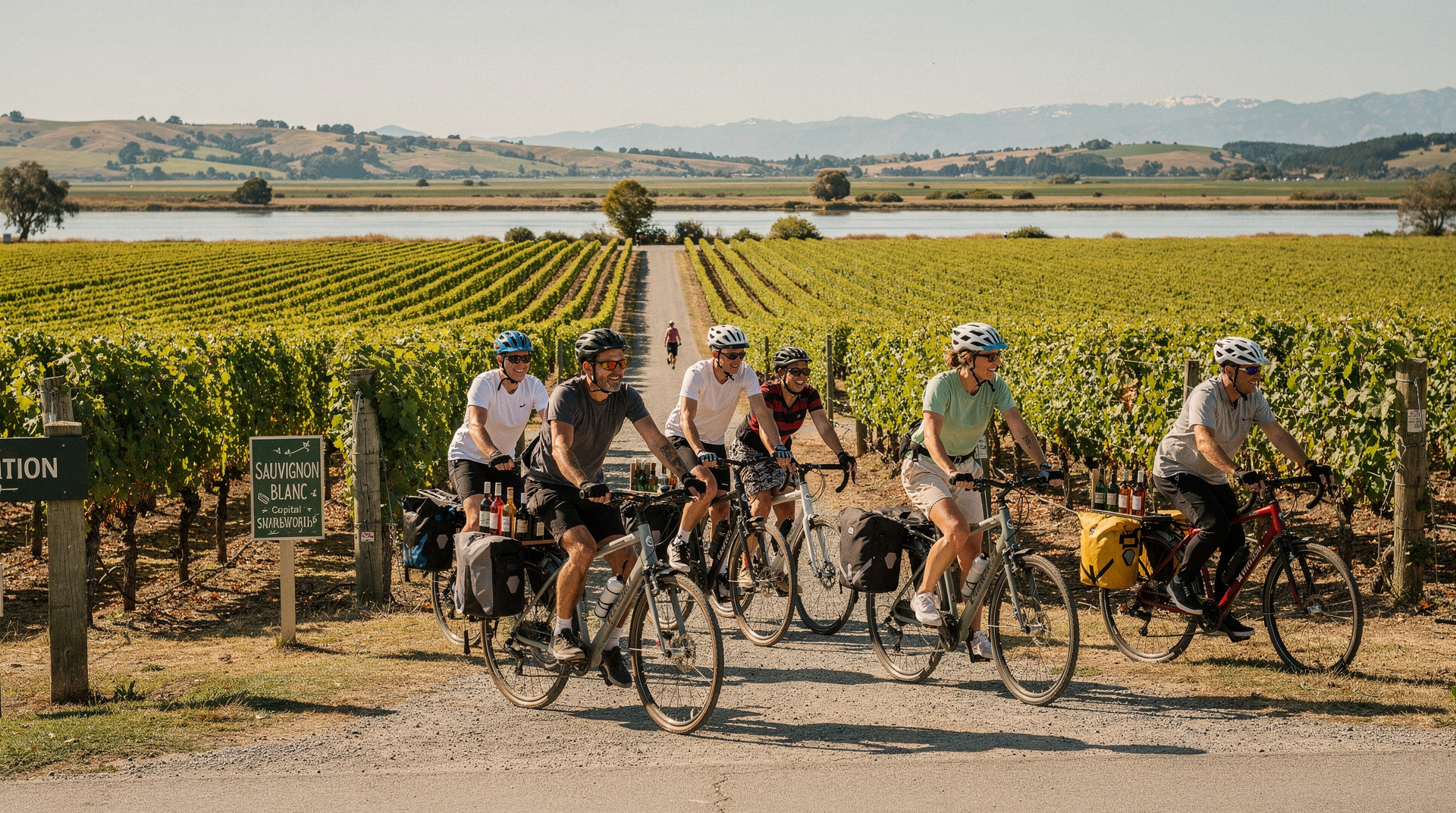
Marlborough wine tour guide
Marlborough produces 77% of NZ's wine. Self-drive routes, guided tours, top wineries around Blenheim — prices NZD/USD/EUR and drink-drive tips.
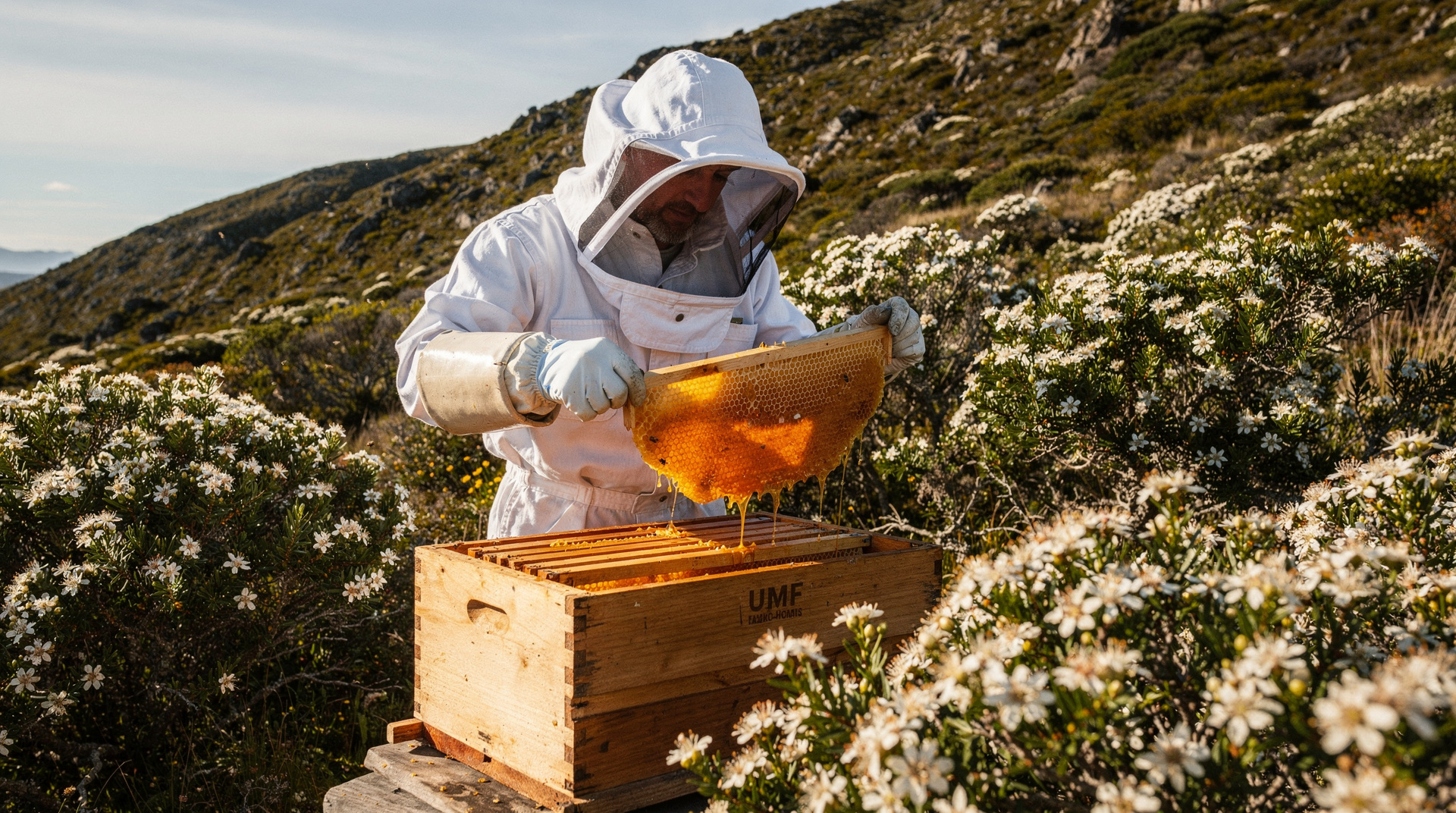
Manuka honey — New Zealand's liquid gold
NZ manuka honey is prized for its UMF antibacterial rating. UMF explained, buying guide, prices NZD/USD/EUR, and how to spot counterfeits.
Queenstown food and drink guide
Queenstown has New Zealand's best adventure dining scene. Food tours, top restaurants, local wines, and honest picks for every budget — prices (NZD/USD/EUR).
Picton
Picton: your Cook Strait ferry arrival point, gateway to Marlborough Sounds, Queen Charlotte Track, and the wine region. Real costs NZD/USD/EUR.
Last reviewed: