New Zealand in April
Is April a good time to visit New Zealand?
April is one of the most beautiful months in New Zealand, particularly in the South Island. Arrowtown's poplar avenues turn gold, Wanaka's lakeshore maples change colour, and Central Otago's wine country glows amber. Crowds drop sharply after Easter and prices follow. Most Great Walks close their staffed huts in late April (Milford, Routeburn, Kepler). ANZAC Day (25 April) is a significant national day. The Wanaka Festival of Colour typically runs in late March or early April.
The golden month — autumn arrives in full colour
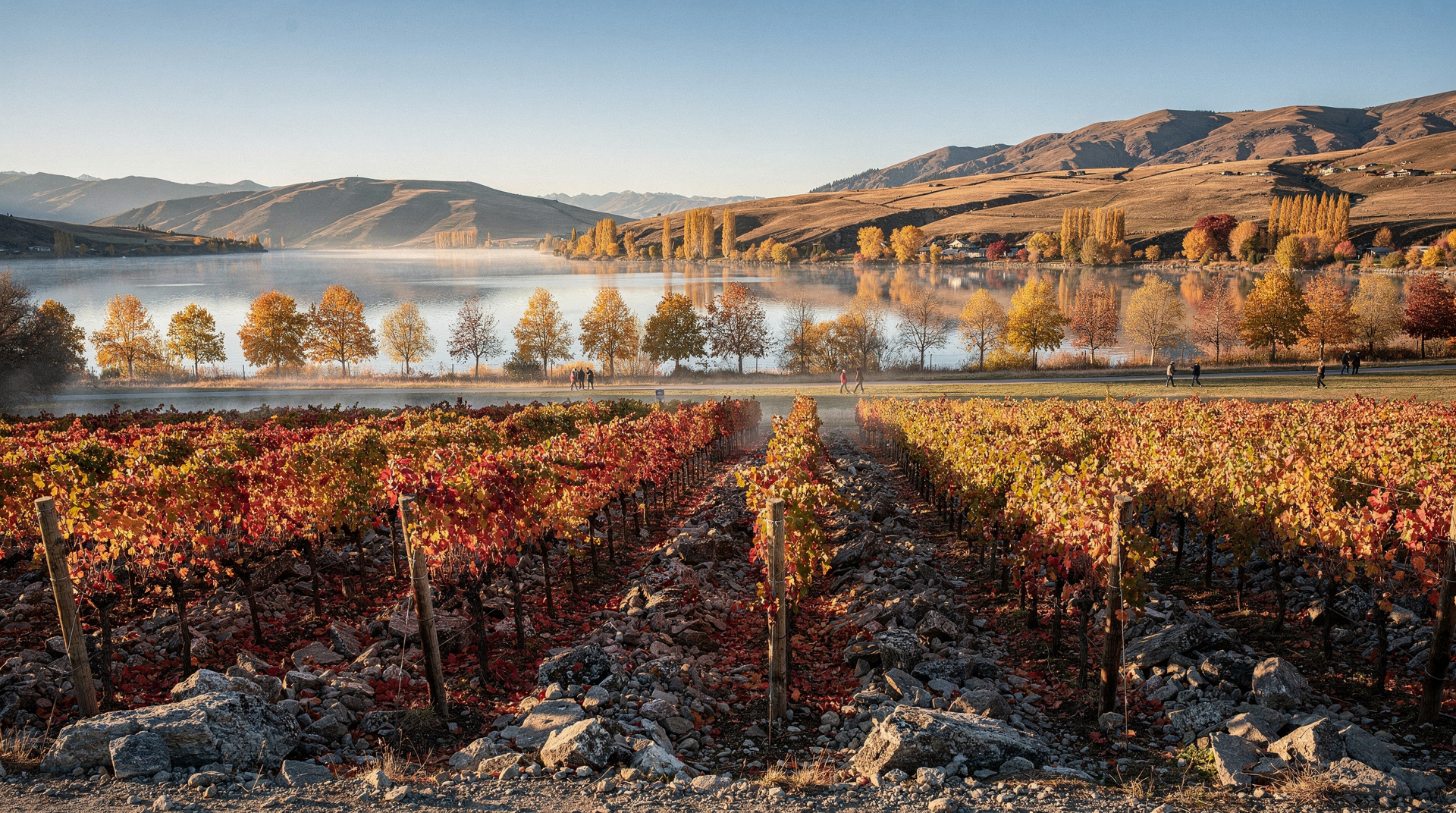
April is when New Zealand’s South Island reveals a side most summer visitors never see. The deciduous trees planted by European settlers — poplars, willows, maples, oaks — turn in waves of gold, russet, and crimson through April. Arrowtown, the gold-rush village 20 minutes from Queenstown, is the most famous spot: its main street lined with poplars, the surrounding hills changing colour against the still-blue Crown Range sky. Wanaka’s lake-shore plane trees and the vineyard rows in the Gibbston Valley create a wine-country autumn scene of genuine beauty.
ANZAC Day falls on 25 April — a public holiday and one of New Zealand’s most deeply felt national observances. Dawn services begin at 6am at every RSA, cenotaph, and memorial throughout the country. The Gallipoli exhibition at Te Papa in Wellington is extraordinary and best visited around this time when the commemoration is felt most acutely. Wellington and Auckland host the largest services; regional services in smaller towns are often more moving for being intimate.
Easter (dates shift annually) falls in April in most years and creates a long weekend that generates the last summer-style rush of domestic tourism before the true low season begins. Book any Easter accommodation 6–8 weeks ahead.
| Best for | autumn colour, ANZAC Day, wine touring, lower prices |
| Weather | 14–22°C days depending on region, cooling fast after Easter |
| Crowd level | high over Easter week, low afterwards |
| Great Walks | Milford, Routeburn, Kepler close staffed huts late April |
| Booking lead time | 6–8 weeks for Easter; otherwise 1–2 weeks |
Weather: real numbers, not the brochure
Auckland and Northland: 19–22°C days, 13–15°C nights. Sea temperature at the Bay of Islands: 19–21°C — still warm for swimming. Daylight hours dropping: around 12 hours by late April. Autumn in Auckland is genuinely pleasant — lower humidity, reliable temperature, and the pohutukawa berries ripening on the coast.
Rotorua and Central North Island: 16–20°C days, 8–12°C nights. Comfortable walking weather. The geothermal parks look atmospheric in cooler morning air.
Wellington: 15–18°C days. April Wellington is windy as always but the autumn light on the harbour is beautiful. Good month for the capital’s café and culture scene.
Queenstown and Central Otago: 14–19°C days, 5–9°C overnight. The colour change in Central Otago happens fastest in April — from mild gold in early April to full russet and crimson by the Anzac Day weekend. This is the month locals specifically plan trips to Arrowtown.
Fiordland: Still wet. The Great Walks begin closing their staffed huts in late April. Milford Sound in April is still accessible for cruises and scenic flights, but Great Walk hut closures make multi-day tramping options more limited.
Marlborough and Nelson: 18–22°C days, excellent for wine touring. The harvest is complete; the wineries are settling into post-harvest mode with barrel tastings on offer. Temperatures remain comfortable for outdoor visits.
Best things to do in April
Arrowtown autumn walk and gold-rush village — the most iconic April experience in New Zealand. The walk along the Arrow River, lined with poplar trees, is extraordinary in colour. Arrowtown itself has the Chinese Settlement historic area, the Arrowtown Museum, and excellent cafés. No GYG tour is needed here — it’s a self-guided experience. Combine with the self-guided bike tour through the Gibbston Valley for a perfect April day: morning in Arrowtown for the colour, afternoon cycling through the autumn vineyard rows.
Wanaka Festival of Colour — an arts, music, and performance festival held in Wanaka (dates vary — typically late March or early April, every two years). World-class performers in a small lakeside venue setting. If dates align with your trip, tickets are worth securing — it draws international acts to an otherwise small town. Check the festival website for 2026 dates and programme.
ANZAC Day Dawn Service (25 April) — attending a dawn service is one of those travel experiences that transcends tourism. At 6am, with buglers playing The Last Post as the first light appears over the harbour, city, or hills, the commemoration connects you to something genuinely important in New Zealand and Australian cultural identity. Recommended at any cenotaph; Wellington’s service is large and formal, regional services are intimate and moving.
Milford Track in early April — the last weeks before the staffed huts close (typically late April) offer the Milford Track in superb conditions: smaller walker numbers than January, early autumn light in the beech forests, and the track still in excellent condition. Book DOC huts for early-to-mid April as soon as they open (bookings open 6 months ahead). The track closes for independent walkers when huts close; guided walks continue through April with their private huts. If the huts have already closed by your dates, the Great Walks overview covers year-round alternatives like the Abel Tasman and Kepler.
Central Otago wine touring (Cromwell and Gibbston) — April in Central Otago’s wine country is post-harvest but the barrel tastings are extraordinary. The Central Otago wine tour from Queenstown covers the Gibbston Valley and Cromwell Basin wineries that are pouring the year’s newly fermented Pinot Noir alongside older vintages. The vineyard rows in April colour are beautiful.
Abel Tasman last open days — the Abel Tasman huts remain open in April (year-round operation on this track). April is genuinely quiet on the Coast Track and the autumn light on the golden beaches is lovely. The water is cooler (16–17°C) but still swimmable. A day sail in Abel Tasman from Nelson with lunch is the most effortless way to see the park’s best bays without committing to the multi-day walk.
Te Papa Gallipoli exhibition (ANZAC period) — Wellington’s Te Papa museum has the long-running Gallipoli exhibition (Peter Jackson’s Weta Workshop produced it) that tells the Gallipoli story through giant-scale sculptures of six ANZAC soldiers. Visiting around ANZAC Day, when the memorial context is alive, gives this exhibition its maximum impact. The early access Te Papa Gallipoli exhibition tour is the best-structured experience with expert guide context.
What to avoid in April
The last Milford Track huts before closure can be rushed. If you’re doing the Milford Track in April, confirm the exact hut-closure date with DOC for the current season — it varies by year. Starting a 4-day walk 3 days before the huts close is not a viable plan.
Easter weekend accommodation without advance booking. The Easter long weekend (Fri–Mon, dates variable) is the last peak domestic travel weekend before winter low season. Queenstown, Wanaka, Bay of Islands, and the Coromandel all fill. Book 6–8 weeks ahead.
The Crown Range at night in late April. By late April, the Crown Range (SH89 between Queenstown and Wanaka) gets its first overnight frosts that can leave ice on the road. Prefer daylight driving from mid-April onward on all South Island mountain roads.
Crowds and prices in April
April marks the year’s first genuine price drop:
- Mid-range hotel (Queenstown, early April): NZD 195–290 / USD 117–174 / EUR 107–160
- Mid-range hotel (Queenstown, after Easter): NZD 155–230 / USD 93–138 / EUR 86–127
- Mid-range hotel (Arrowtown B&B): NZD 160–250 / USD 96–150 / EUR 88–138
- Mid-range motel (Wanaka): NZD 150–220 / USD 90–132 / EUR 83–121
- Hostel dorm: NZD 35–55 / USD 21–33 / EUR 19–30
- Central Otago wine tour (half-day): NZD 85–130 / USD 51–78 / EUR 47–72
Booking lead time for April: Milford Track early April huts — 4 months. Easter weekend accommodation (Queenstown/Wanaka) — 6–8 weeks. Wanaka Festival of Colour tickets (if occurring in 2026) — as soon as on sale.
Best regions in April
Arrowtown and Central Otago is the undisputed April champion. The combination of colour, wine, cycling, and the gold-rush atmosphere of Arrowtown makes this the area most people remember best from any autumn New Zealand trip. Allow 2–3 nights here; one day for Arrowtown and the Gibbston Valley, one for Wanaka (45 minutes away) and Roy’s Peak, one for the Cromwell basin wineries.
Wanaka — April is the month. Roy’s Peak at dawn with the first autumn light, Lake Wanaka’s reflections with changing shoreline trees, and far fewer visitors than January. The Wanaka destination guide covers accommodation and activity detail.
Wellington (ANZAC weekend) — the best city to be in for ANZAC Day. The dawn service, Te Papa, the harbour, and Cuba Street’s café culture make Wellington an April highlight.
Abel Tasman and Nelson — open, quiet, and beautiful. The autumn light is superb on the national park’s golden beaches. October is no longer the “only” time — April rivals it for quality with fewer fellow walkers.
April weather hacks
Layer up from mid-April, especially in the South Island. The temperature swing between a sunny Arrowtown afternoon (18°C) and a post-sunset evening (7°C) is significant. Carry a warm layer for evenings. South Island mountain roads: daylight driving only from mid-April. ANZAC Day dawn services: 6am in autumn means it’s dark and cold — dress warmly and take a thermos.
Frequently asked questions about visiting in April
When exactly does Arrowtown reach peak autumn colour?
Peak colour in Arrowtown typically falls in the second and third weeks of April, depending on the year’s temperature. A warm March delays the change; a cold snap accelerates it. The Arrowtown Autumn Festival (held during peak colour) includes markets, music, and tours. Check the Arrowtown Village Association website for current-year festival dates.
Do the Great Walks close in April?
Most close in late April. The exact date varies annually and by track. Recent years: Milford Track huts close late April; Routeburn Track late April; Kepler Track late April. The Abel Tasman, Heaphy, Paparoa, and Rakiura tracks remain open year-round. Check DOC’s website for current-year closure dates before planning.
What is ANZAC Day?
ANZAC Day (25 April) commemorates the Australian and New Zealand Army Corps (ANZACs) who served in World War I and subsequent conflicts, particularly the Gallipoli campaign of 1915 in which thousands of New Zealanders died. It is a public holiday observed with dawn services, parades, and national reflection. New Zealand’s ANZAC Day traditions are among the most deeply observed in the world.
Is April good for skiing?
No — it’s the gap between summer and ski season. Ski fields don’t open until June. April weather can include snow on the mountains (particularly late April) but lifts and facilities are closed. April is purely a walking, wine, and autumn-colour month in terms of outdoor activity.
How much should I budget per day in April?
Budget traveler: NZD 90–125 / USD 54–75 / EUR 50–69 per person. Mid-range couple: NZD 360–540 / USD 216–324 / EUR 198–297 per day. Wine touring adds NZD 85–150 / USD 51–90 / EUR 47–83 per person per wine tour. These rates are 15–25% lower than January equivalents.
Is Easter in New Zealand expensive?
Easter is New Zealand’s last domestic travel surge before winter. Long weekend prices in popular destinations (Queenstown, Bay of Islands, Coromandel) match or exceed summer rates for the 4-day period. Outside of that weekend, April rates are genuinely low-season.
How to combine April travel with the rest of New Zealand
April is most rewarding in the South Island. Fly into Queenstown, spend 2–3 days in Arrowtown and Central Otago for the colour, continue to Wanaka for Roy’s Peak and the lake, drive to Fiordland for a Milford Sound cruise (if the Milford Track hasn’t yet closed), then head north through Christchurch and Kaikoura before a Wellington finish and ferry crossing to the North Island. The 7-day South Island itinerary adapts naturally to April. Cross-reference the May guide if your trip extends — May brings full low-season prices and the last mild conditions before winter closes the alpine environment.
Related guides
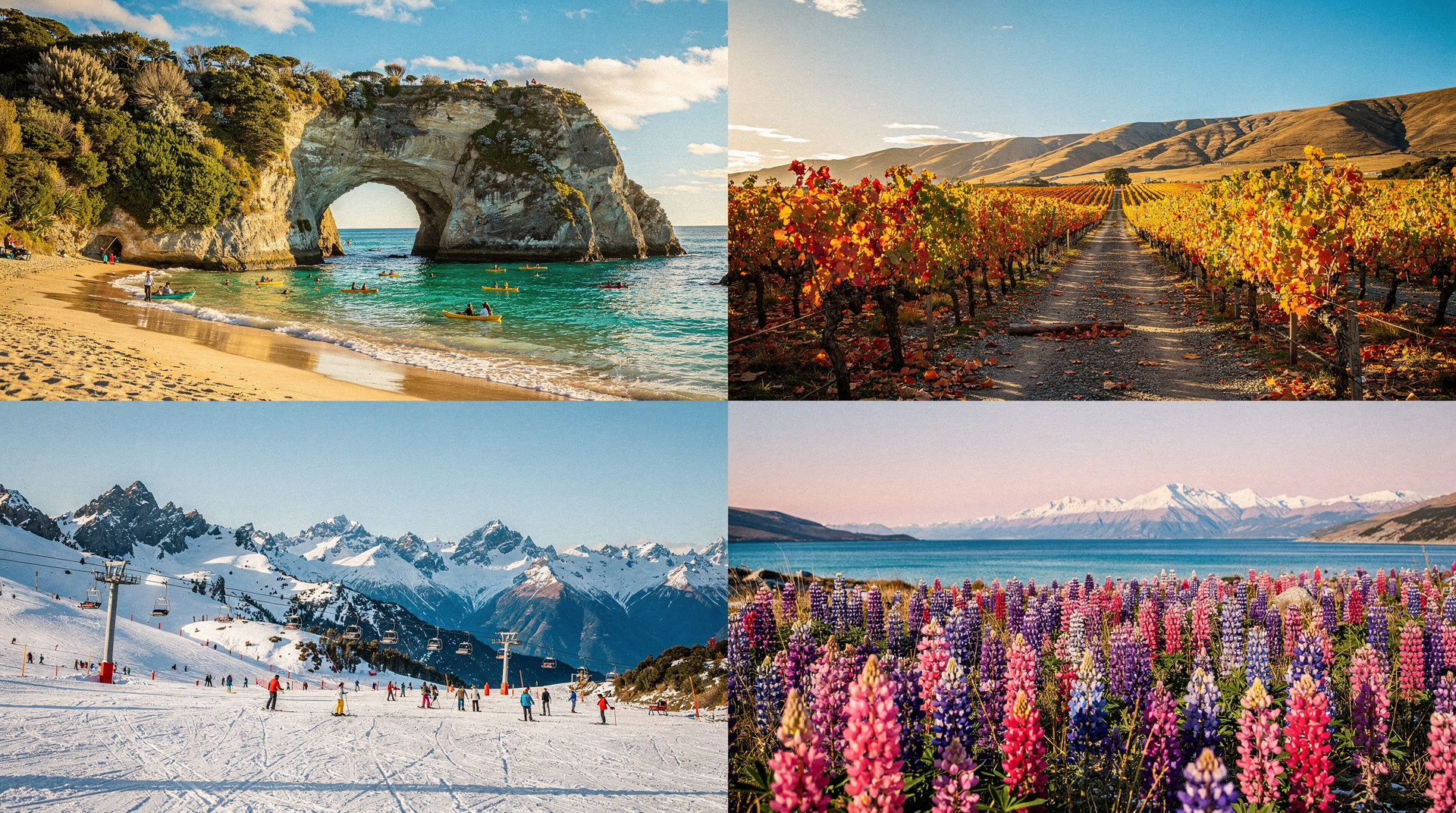
Best time to visit New Zealand
When to visit New Zealand: honest breakdown by season, region, and activity type. Summer is not always best. Spring and autumn often outperform the peak season.
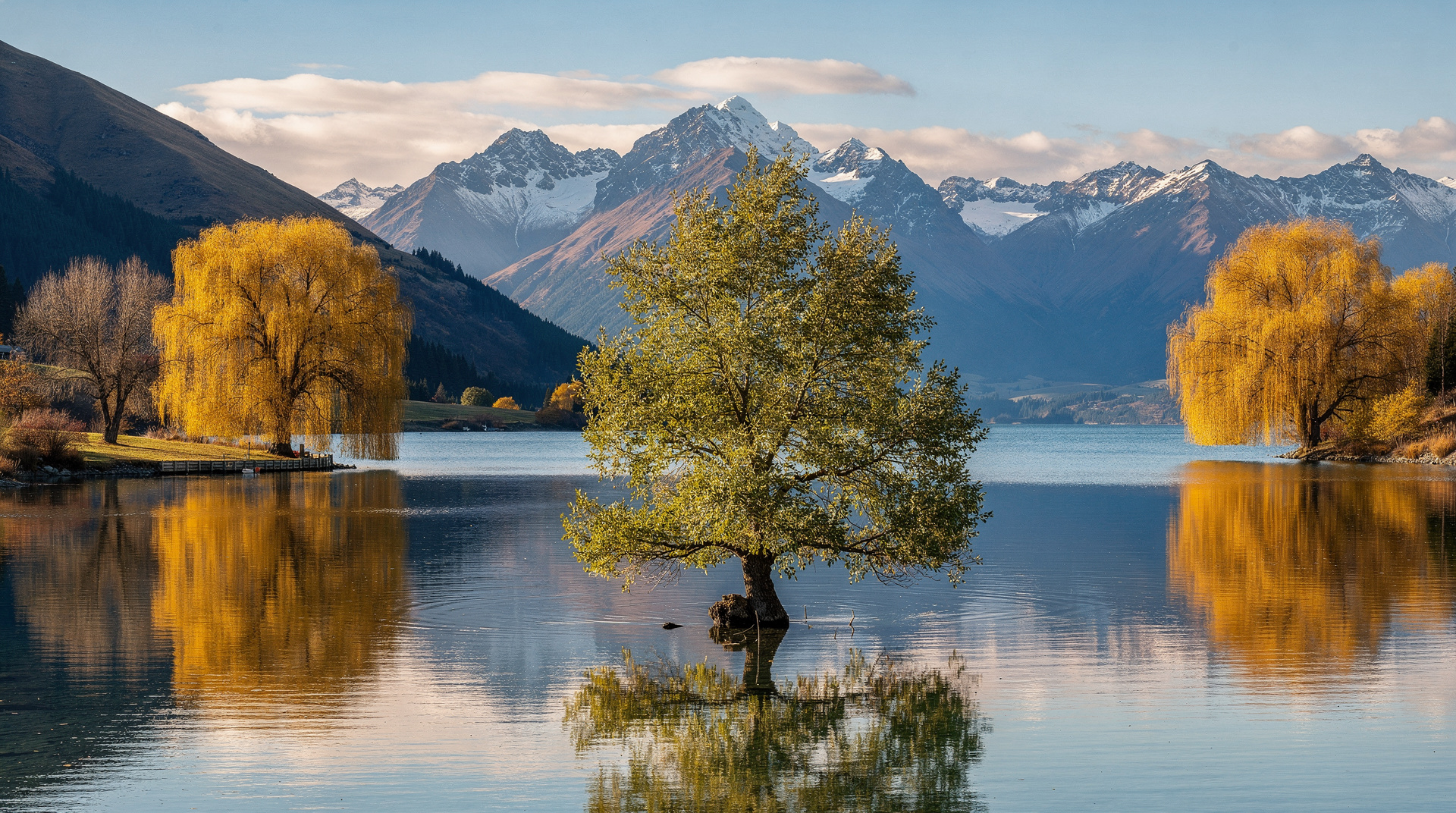
New Zealand in March
Late summer fades into early autumn in March. Fewer crowds, lower prices, autumn colours starting in Central Otago and Arrowtown. NZD/USD/EUR pricing.
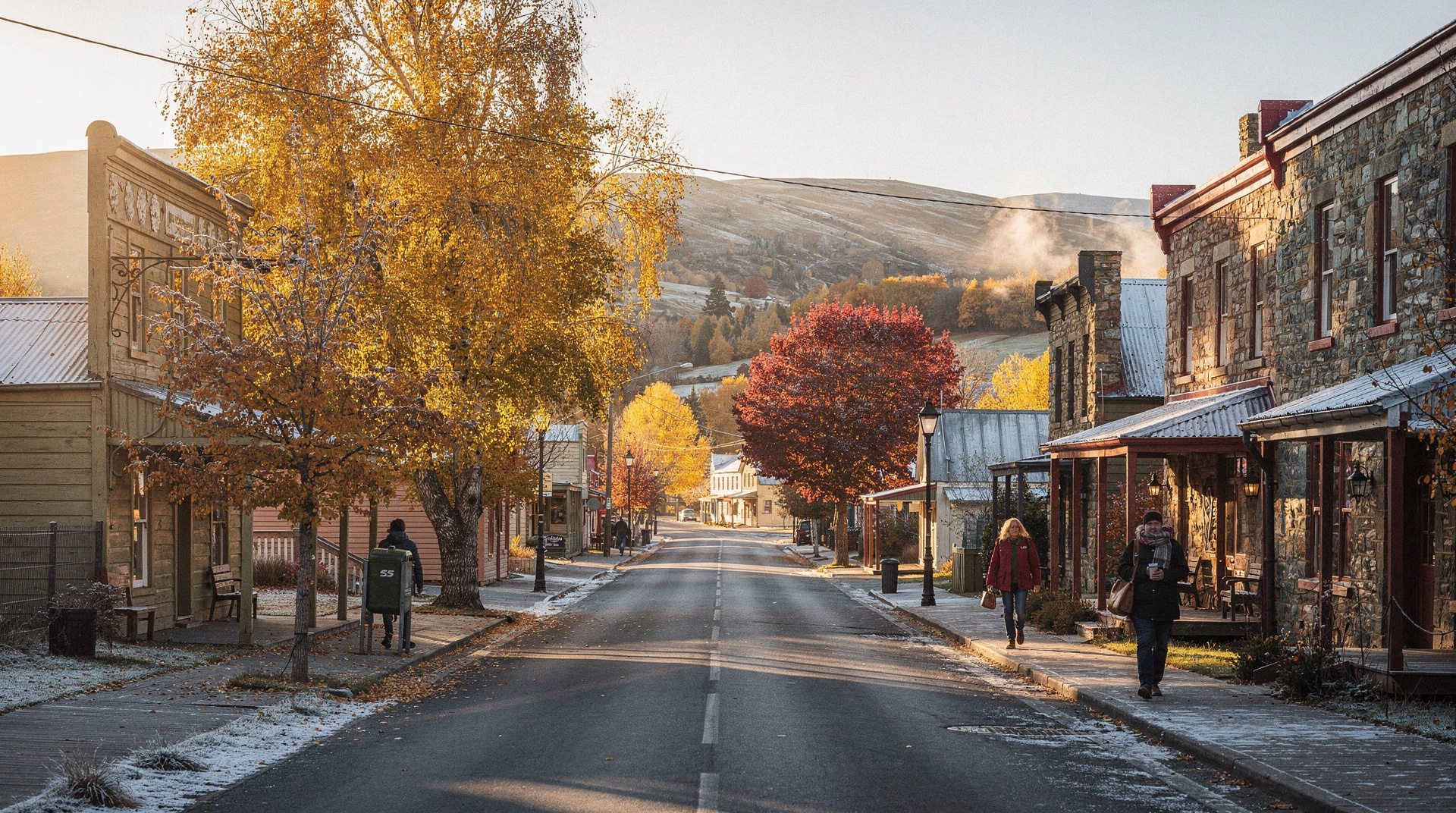
New Zealand in May
May is New Zealand's quietest month: lowest prices of the year, late autumn charm in Central Otago, North Island mild. Real NZD/USD/EUR pricing inside.
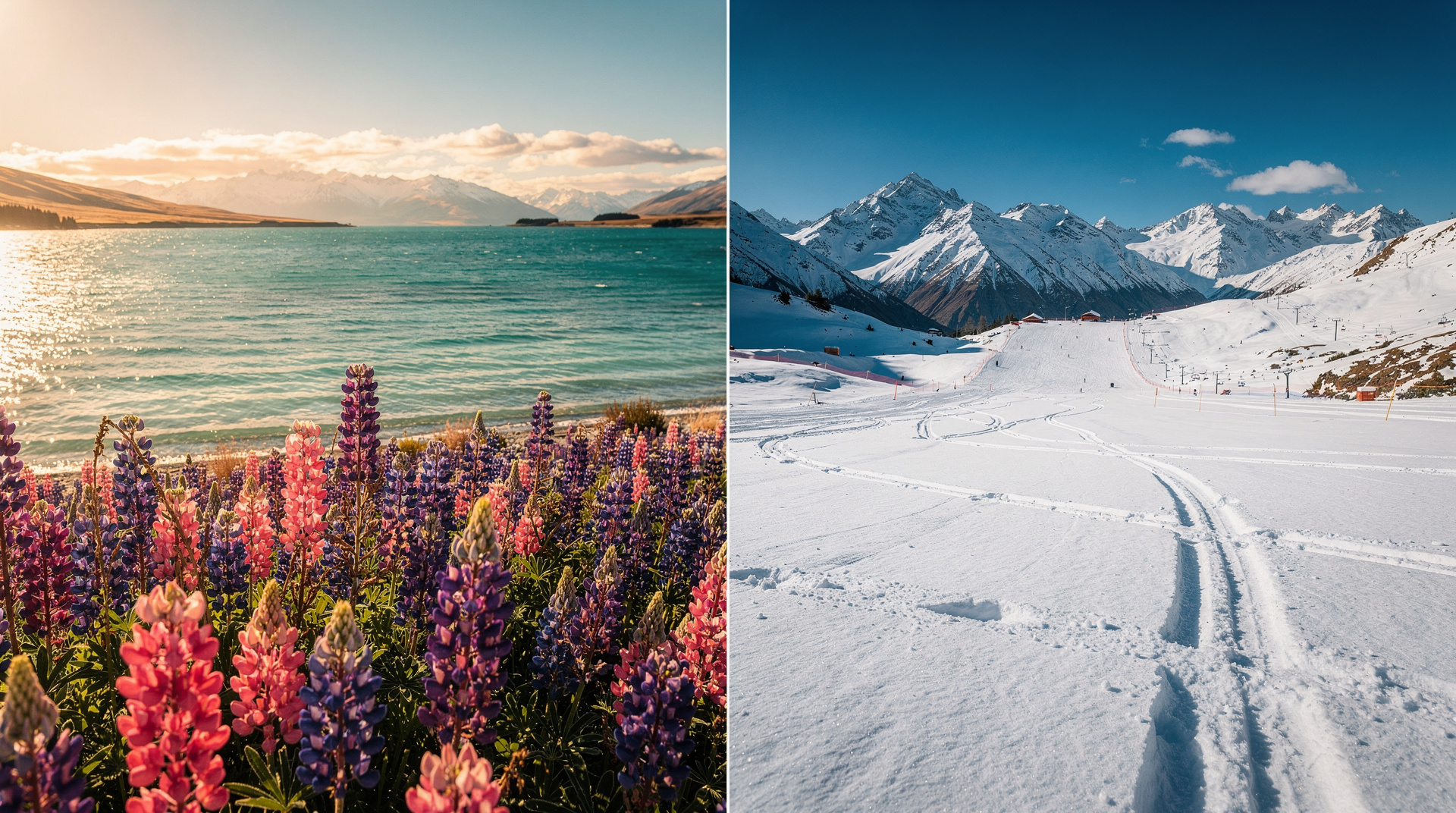
Summer vs winter in New Zealand
Summer vs winter in New Zealand: weather, crowds, costs and the honest verdict on which season suits your trip. NZD/USD/EUR prices throughout.
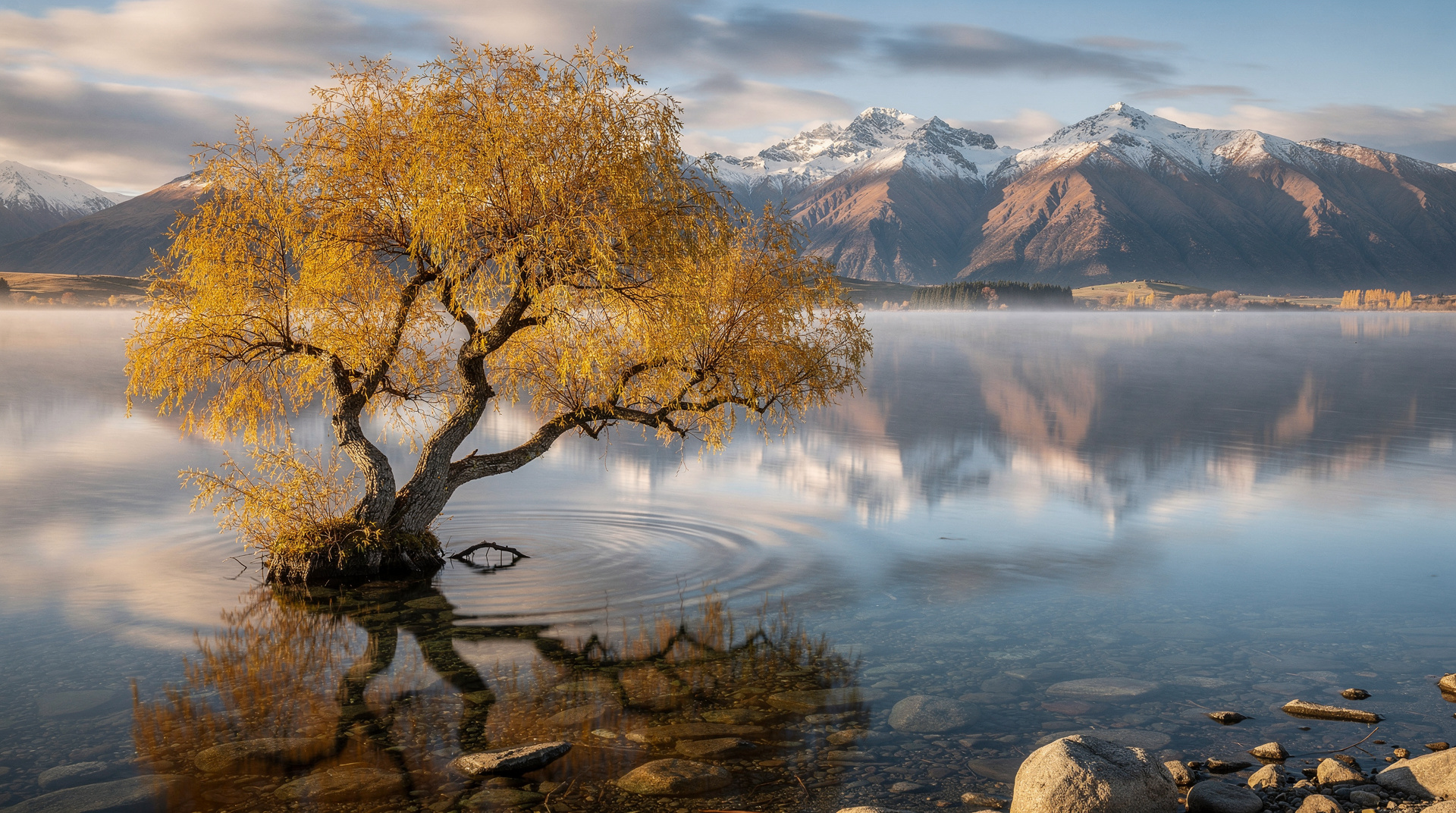
Wanaka
Honest Wanaka guide: Roy's Peak, Cardrona ski, lake kayaking — real NZD/USD/EUR costs and the honest Queenstown vs Wanaka verdict.
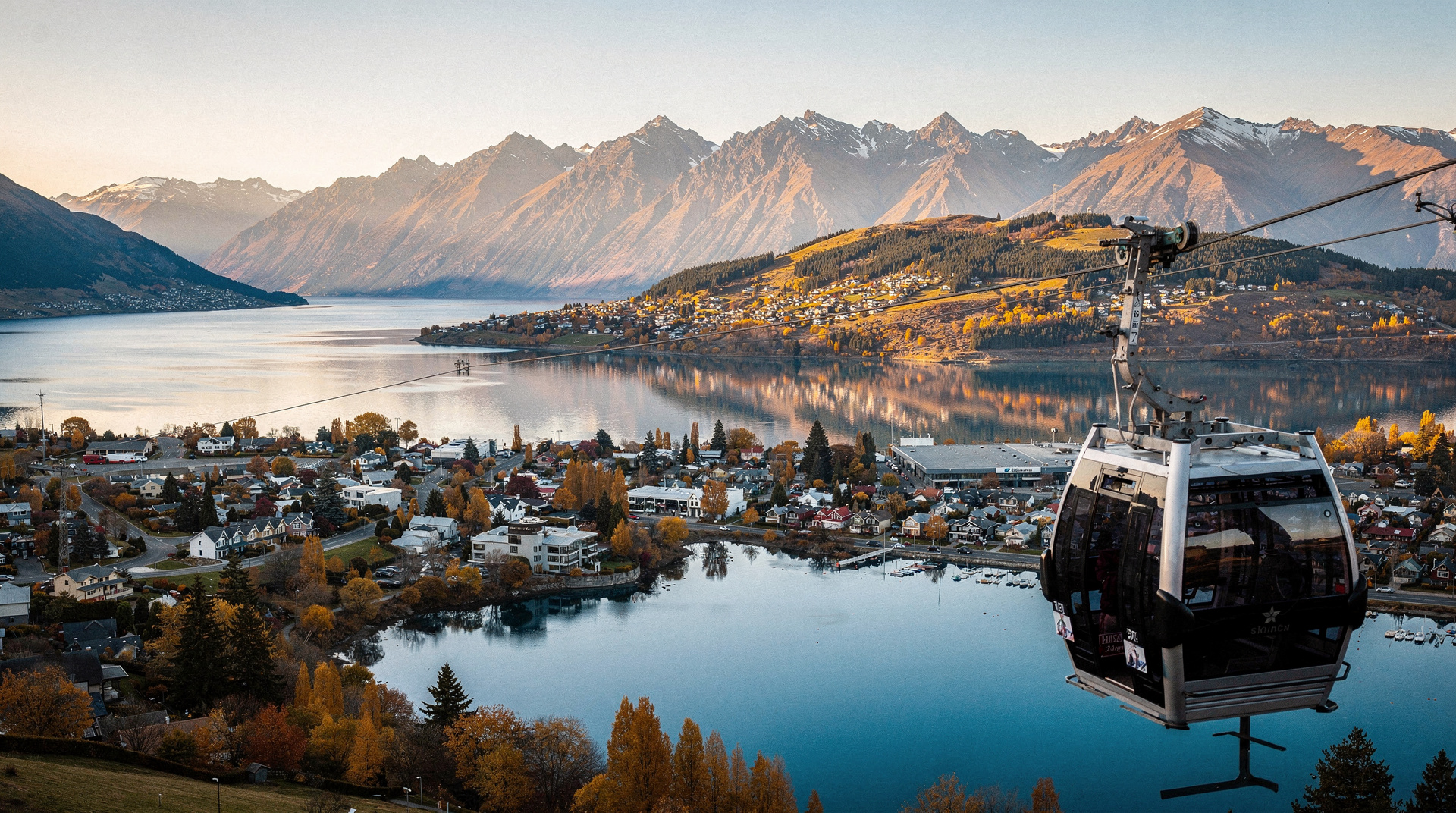
Queenstown
The honest Queenstown planner: bungy, jet boat, ski, scenic flights — real prices in NZD/USD/EUR, what to skip and what's worth your money.
Last reviewed: