New Zealand in May
Is May a good time to visit New Zealand?
May is the quietest and cheapest month in New Zealand — and often underrated. The North Island stays mild (15–18°C in Auckland), the late autumn colours persist in Otago into early May, and accommodation prices are at their annual low. Most Great Walks have closed their staffed huts. Ski mountains are preparing but not yet open. Best for independent travelers who prefer empty attractions, minimum crowds, and genuinely low prices — not the best for outdoor-focused summer itineraries.
The quietest month — low season in full effect
May is the genuine low season in New Zealand. The summer crowds are long gone, the ski season hasn’t opened, and the international visitor numbers are at their annual low. The result is a country where you can walk into popular restaurants without a reservation, find accommodation within a day of arrival in most places, and experience iconic attractions without queuing. Hobbiton in May has a fraction of January’s visitor numbers. Rotorua’s geothermal parks are quiet and atmospheric. The Bay of Islands runs whale-watching cruises with a handful of passengers.
The North Island holds up well in May. Auckland averages 16–18°C, which is genuinely pleasant for sightseeing, food exploration, and urban culture. Wellington is cooler but very liveable. Rotorua and Taupo are fully operational with their geothermal parks, jet boating, and cultural programmes at minimum wait times.
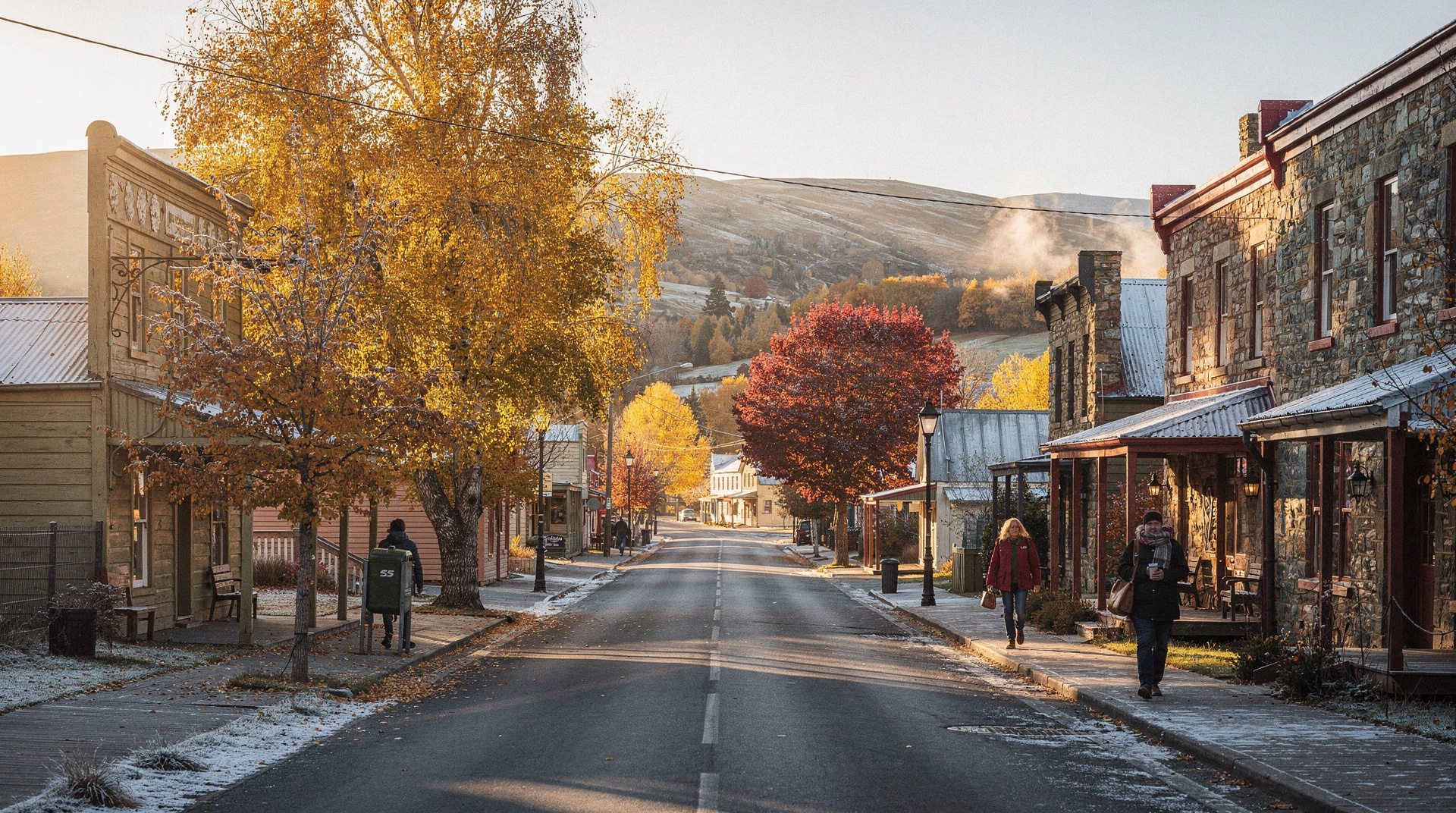
The South Island is more challenged in May. The Great Walks (except Abel Tasman, Heaphy, Paparoa, Rakiura, and Whanganui) have closed their staffed huts. The ski fields are not open yet. Queenstown and Wanaka have a between-seasons quietness that some travelers find appealing and others find underwhelming. The last autumn colour in Central Otago sometimes persists into early May — if you catch it, it’s beautiful.
| Best for | Low prices, uncrowded North Island culture, Kaikoura whales |
| Avoid for | Great Walk multi-day tramps, ski season, warm swimming |
| Typical daily budget (mid-range) | NZD 310–480 / USD 186–288 / EUR 171–264 per couple |
| Booking lead time | 1–2 weeks for most things; Hobbiton a little more |
| Great Walks still open | Abel Tasman, Heaphy, Paparoa, Rakiura, Whanganui Journey |
Weather: real numbers, not the brochure
Auckland and Northland: 15–18°C days, 10–12°C nights. Daylight: approximately 10.5 hours. Rain is more frequent than summer but rarely sustained. Auckland in May is distinctly cooler than summer but still mild enough for café culture, markets, and harbour activities.
Rotorua and Central North Island: 12–16°C days, 6–9°C nights. Comfortable for thermal park visits. Mt Ruapehu’s lower slopes may have early snowfall by late May — the ski season could open in late May in a good year, though June is typical.
Wellington: 12–15°C days, cold and often wet. The city’s indoor attractions (Te Papa, Zealandia, craft breweries) are ideally suited to May.
Queenstown and Central Otago: 10–14°C days, 3–7°C overnight. Some colour remaining in early May. Ski fields preparing — snow guns may be testing on Coronet Peak by late May. The town centre has a settled, locals-only feeling in May that is noticeably different from peak season.
Fiordland: Cold and very wet. Milford Sound still accessible for cruises. The walks (including the day walk options from Te Anau) are viable for well-equipped visitors. The main Great Walk huts are closed.
West Coast: Wet and cold. Franz Josef and Fox Glacier helicopter tours depend heavily on weather; May has a higher cancellation rate than summer. Best to book flexible cancellation rates.
Marlborough and Nelson: 14–17°C days. Wineries are in barrel-ageing mode — cellar door visits still work but the harvest energy is gone.
Best things to do in May
Rotorua geothermal parks with no queues — Wai-O-Tapu, Te Puia, and Waimangu Volcanic Valley are at their most atmospheric in cool weather. Steam rises more visibly in cold air, geysers seem more powerful against grey skies, and the absence of large tour groups makes the experience feel intimate. The Wai-O-Tapu entry ticket (which includes the Lady Knox Geyser performance at 10:15am) is excellent value at NZD 50–55 / USD 30–33 / EUR 28–30 per person, and in May you may be in a group of 10–15 people rather than 100+.
Waitomo Glowworm Caves — one of New Zealand’s best experiences and genuinely compelling in any season, but May allows you to experience it without the group-tour pressure of summer. The Waitomo Glowworm Caves guided tour (45 min) is the standard introduction to the cathedral cave and the glowworm chamber. For adventurous visitors, the black water rafting tour at Waitomo (tubing through underground caves lit by glowworms) is the one to do — cold water, but extraordinary.
Auckland food and urban culture — May is the best month to experience Auckland as a city rather than a tourist hub. The restaurant scene operates at full capacity, reservations are easy to get at normally-hard-to-book places, and the harbour and Ponsonby food strip are pleasant in the mild autumn. The Auckland Flavours Walking Food Tour is an excellent way to cover the city’s multicultural food landscape in an afternoon.
Wellington museums and culture — Te Papa without queues, Zealandia sanctuary in the quiet season, and the Wellington Craft Beer scene. The Zealandia urban wildlife sanctuary day visit gives access to kaka, kiwi habitat, and the extraordinary conservation story of a predator-free valley 2km from the Wellington CBD. May is when the kaka are most active in the early morning.
Kaikoura whale watching — sperm whale sightings remain reliable through May. This is May’s wildlife highlight and one of the best reasons to include the Kaikoura coast on a May itinerary. The Kaikoura whale-watching boat cruise runs year-round with the same guarantee as summer. Sea conditions in May can be rougher than August — sea sickness medication is worth taking if you’re prone.
Hobbiton in low season — the Hobbiton Movie Set is fully operational in May and the experience of visiting with 40 people rather than 400 is dramatically better. The staff have time for genuine conversation, the tour is unhurried, and the Green Dragon Inn has a quiet, atmospheric quality. Book 1–2 weeks ahead (a luxury impossible in January). The Hobbiton guided tour from Matamata remains the same regardless of month — the quality is consistent; the crowd variable is entirely in your favour in May.
What to avoid in May
Expecting South Island outdoor adventure to deliver summer results. May is not the month for the Tongariro Alpine Crossing (snow and ice possible on upper sections without crampons), the Milford Track (huts closed), or the Routeburn (huts closed). Day walks from Queenstown and Te Anau remain viable but require proper cold-weather gear.
The West Coast glaciers in May without flexibility. Franz Josef and Fox helicopter tours are cancelled for weather far more often in May than summer. Book with free cancellation and plan at least 2–3 nights in the area to weather-wait for a flyable day.
Driving mountain passes at night. The Crown Range and Lewis Pass can get icy overnight in May. Stick to daylight driving in the South Island.
Crowds and prices in May
May has the lowest prices of the year for most destinations:
- Mid-range hotel (Queenstown): NZD 140–200 / USD 84–120 / EUR 77–110
- Mid-range hotel (Auckland, Wellington, Rotorua): NZD 115–170 / USD 69–102 / EUR 63–94
- Hostel dorm: NZD 30–48 / USD 18–29 / EUR 17–26
- Campervan rental: NZD 95–150 / USD 57–90 / EUR 52–83 per day
- Hobbiton tour: NZD 99 / USD 59 / EUR 54 per person (fixed price; no seasonal variation in tour cost, only in crowds)
- Waitomo glowworm tour: NZD 55–75 / USD 33–45 / EUR 30–41
Booking lead time for May: Essentially any accommodation can be booked 1–2 weeks ahead. The only exception is Hobbiton (which still books out some days in advance given its fixed-capacity tours) and specific DOC hut dates on the year-round tracks.
Best regions in May
North Island (Auckland, Rotorua, Waitomo, Wellington) is the May circuit. The North Island weather holds up better through May than the South Island, and the specific attractions — geothermal parks, Waitomo caves, Hobbiton, Wellington’s cultural infrastructure — are all indoor-or-all-weather experiences that benefit enormously from low-season crowds.
Queenstown and Wanaka (early May) — catch the last of the autumn colour before it fades completely, then enjoy the town in its quiet between-seasons mode. Accommodation is the cheapest of the year and the town has a genuine local character that peak season obscures. May is when Queenstown’s residents reclaim their town.
Kaikoura — a May stop on the north-south coastal route. Whale watching, crayfish, and the dramatic coastal landscape between Christchurch and Blenheim. Combine with Marlborough Sounds for a quiet South Island week.
Stewart Island/Rakiura — for the truly adventurous, May on Stewart Island is extraordinary. Kiwi sightings (brown kiwi are active year-round, easiest to see at night in the bush around Oban), the Rakiura Track still open, and essentially no other tourists. The Stewart Island wild kiwi encounter tour gives near-guaranteed kiwi sightings in natural habitat — something few New Zealanders even manage. The ferry from Bluff takes 1 hour.
Nelson and Marlborough — often skipped by May itineraries, but worth the detour if you’re routing between Wellington and Queenstown. The wineries are quiet, Nelson’s café scene runs at full capacity without queues, and the Abel Tasman (see above) is at its most peaceful. Two or three nights here breaks up the drive south nicely and adds one of the year-round Great Walks to an otherwise North Island-heavy May trip.
The Great Walks that stay open in May
Five of New Zealand’s ten Great Walks run all year without staffed seasons, and May is arguably the best month to do them: the summer crowds and the 6-month booking scramble are both gone. The Great Walks guide covers all ten in detail, but for May specifically:
Abel Tasman Coast Track — huts and campsites are bookable year-round, water taxis run a reduced but reliable May timetable, and the golden beaches at the top of the South Island are close to empty. Cool nights (8–10°C) but comfortable walking days.
Rakiura Track (Stewart Island) — see the Stewart Island section below; May is one of the best months for this track precisely because so few people attempt it.
Whanganui Journey — the canoe/kayak trip down the Whanganui River is runnable year-round; May’s autumn colour along the riverbanks and lower water levels make for a mellower paddle than summer’s higher flows.
For anyone whose heart is set on Milford, Routeburn, or Kepler, May is not the month — huts are unstaffed and the alpine sections carry real avalanche and exposure risk. Push that trip to October or later; the best time to visit guide has the month-by-month breakdown for planning around it.
May weather hacks
Warm mid-layer and waterproof outer essential in the South Island from May. The North Island is milder but evenings in Rotorua and the Central Plateau drop to near-zero. Sea sickness medication for Kaikoura or Bay of Islands cruises — May seas can be rougher than summer. Check DOC conditions before any alpine or exposed coastal walking. May days are short (10.5 hours in Auckland, 9.5 in Queenstown) — plan outdoor activities for morning. For a fuller breakdown of what a trip actually costs at this end of the calendar, see the New Zealand on a budget guide.
Frequently asked questions about visiting in May
Is May worth visiting New Zealand?
For independent travelers who value uncrowded experiences and low prices, May is excellent. For those seeking warm beaches, all Great Walks, and summer adventure activity, it’s the wrong month. The sweet spot for May: North Island culture and geothermal tourism, Hobbiton and Waitomo, South Island early-season skiing in late May (some years), and Kaikoura wildlife.
Can I ski in May?
Possibly from late May if snowfall has been early. In some years, Coronet Peak or Mt Hutt opens in late May with limited terrain. In most years, June is the first reliable ski month. Check individual mountain websites from late April for opening date announcements.
What are the last warm days of the year?
In Northland and the Bay of Islands, May days of 18–20°C are possible on fine days. Auckland typically has at least 1–2 weeks of May warmth. In the South Island, the warmth disappears more definitively after April; Queenstown May days are 10–14°C, which is pleasant in sunshine but definitively cool.
Is the Tongariro Crossing safe in May?
Not for the standard experience. By mid-May, the upper section of the Crossing (around the Emerald Lakes and the ascent to South Crater) typically has snow and ice. Without crampons and appropriate experience, the Crossing in May is dangerous. The Tongariro Northern Circuit and Alpine Crossing are best left until October when conditions are reliably safe.
How much should I budget per day in May?
Budget traveler: NZD 80–115 / USD 48–69 / EUR 44–63 per person — the cheapest month of the year. Mid-range couple: NZD 310–480 / USD 186–288 / EUR 171–264 per day. Campervan travelers see the biggest savings in May — rental rates and campground fees are both at annual lows.
Are the Waitomo Caves worth visiting in May?
The Waitomo Glowworm Caves are genuinely an all-year experience — the glowworms are not seasonal. May is arguably the best month to visit: smallest groups, most attentive guides, and the black water rafting adventure is cold (always) but far more enjoyable without a queue of 60 people ahead of you.
Which Great Walks are open in May?
Only the five year-round tracks: Abel Tasman Coast Track, Heaphy Track, Paparoa Track, Rakiura Track, and the Whanganui Journey. Milford, Routeburn, Kepler, and the Tongariro Northern Circuit are in their unstaffed off-season and are not recommended for standard walkers until they reopen in October. See the Great Walks guide for the full year-round calendar.
How to combine May travel with the rest of New Zealand
May suits a North Island focus with an optional South Island extension. A 10-day North Island circuit (Auckland → Bay of Islands → Waitomo → Rotorua → Taupo → Wellington) works perfectly in May — all the key experiences accessible, quiet, and cheap. If extending to the South Island, Christchurch → Kaikoura → Marlborough → Nelson → Queenstown is a fine autumn route, with the note that Queenstown in May is quiet. Cross-reference the June guide if your trip extends into ski season, and the April guide for the autumn colour window that May’s first week sometimes catches.
Related guides
Best time to visit New Zealand
When to visit New Zealand: honest breakdown by season, region, and activity type. Summer is not always best. Spring and autumn often outperform the peak season.
New Zealand in April
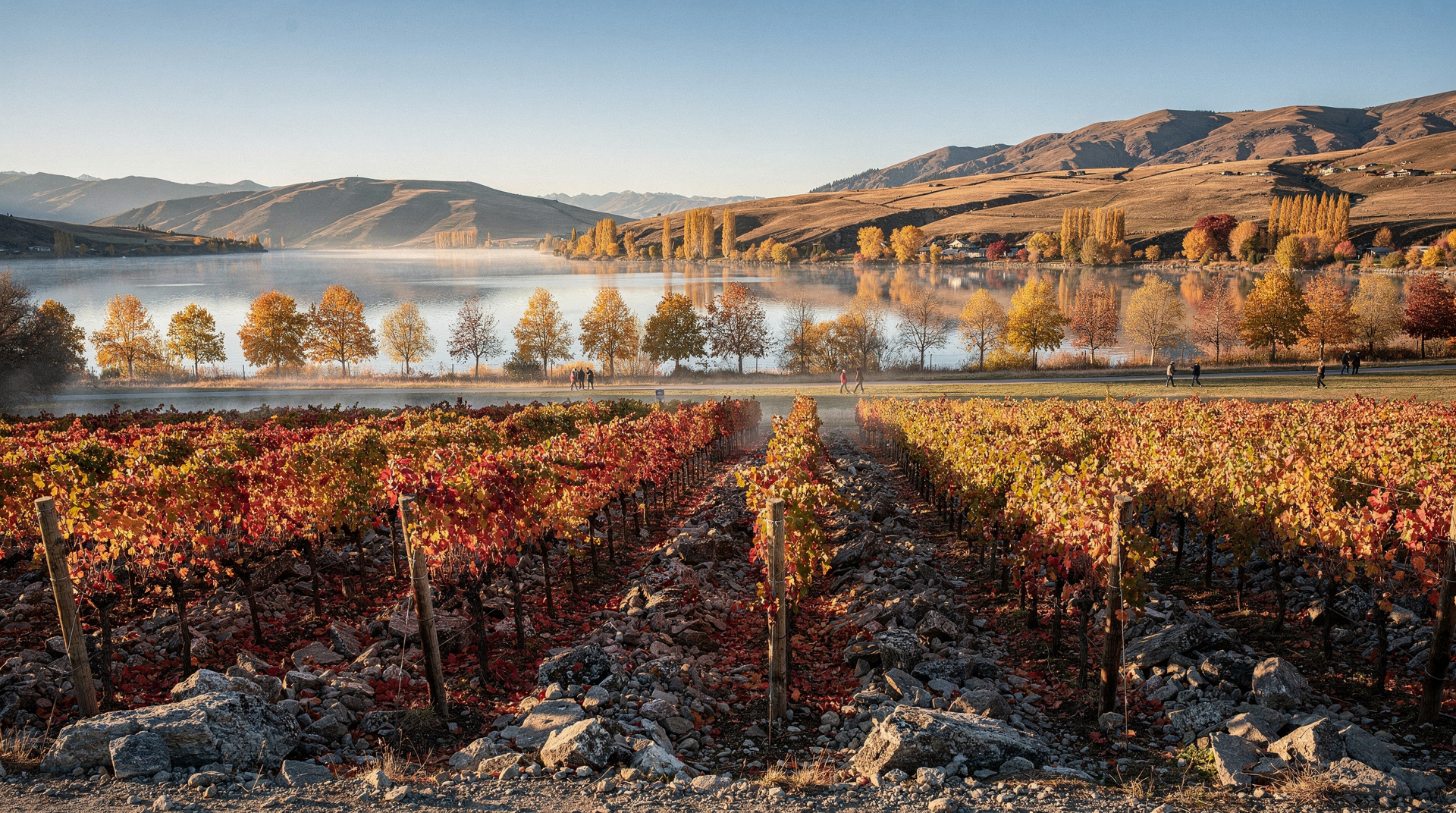
April brings brilliant autumn colours to Arrowtown and Wanaka, ANZAC Day commemorations, and the year's first genuine price drops. NZD/USD/EUR pricing.
New Zealand in June
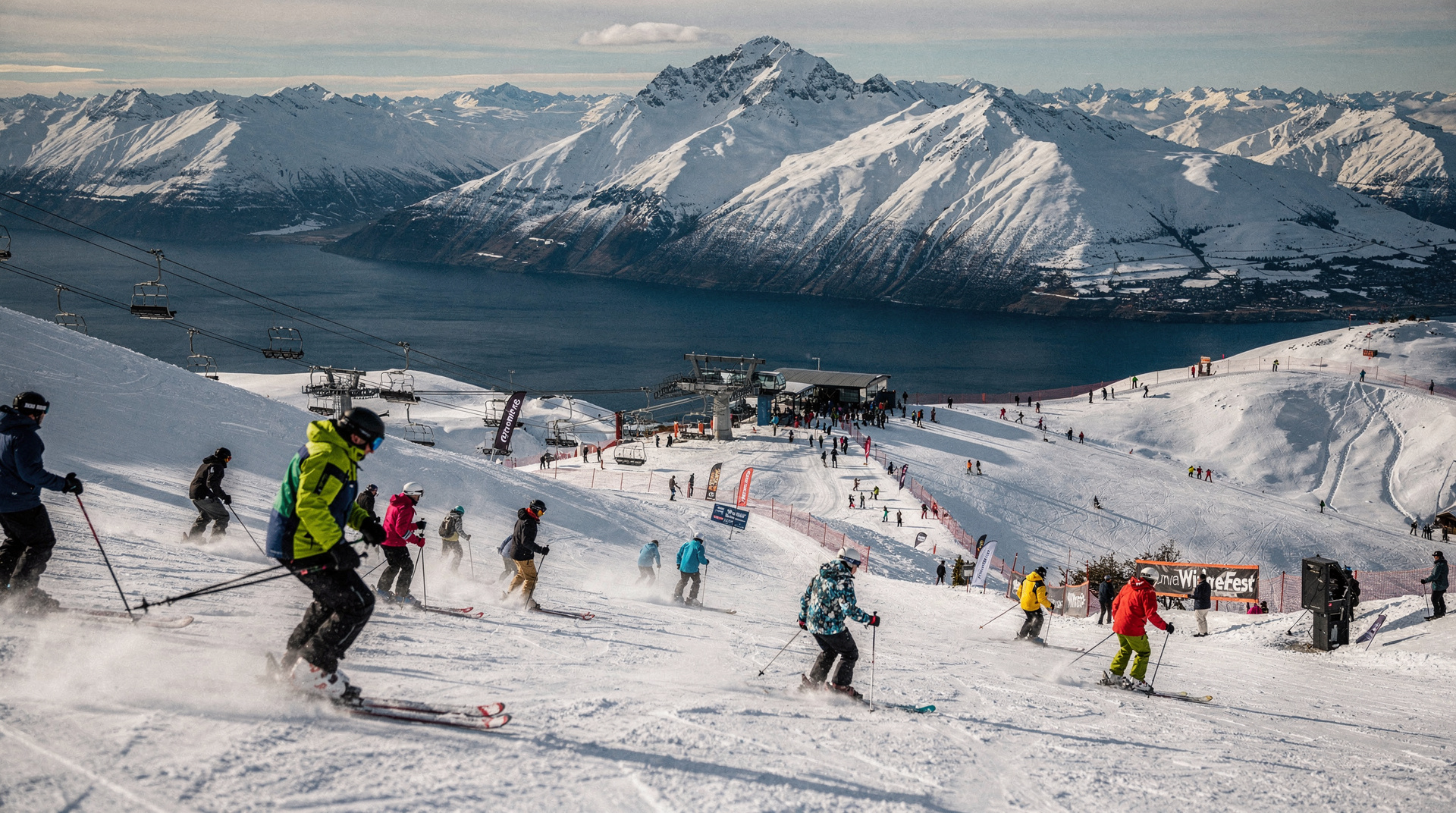
Ski opens in June, Matariki (Maori New Year) is a public holiday, and prices drop sharply. NZD/USD/EUR prices and what still works in winter.
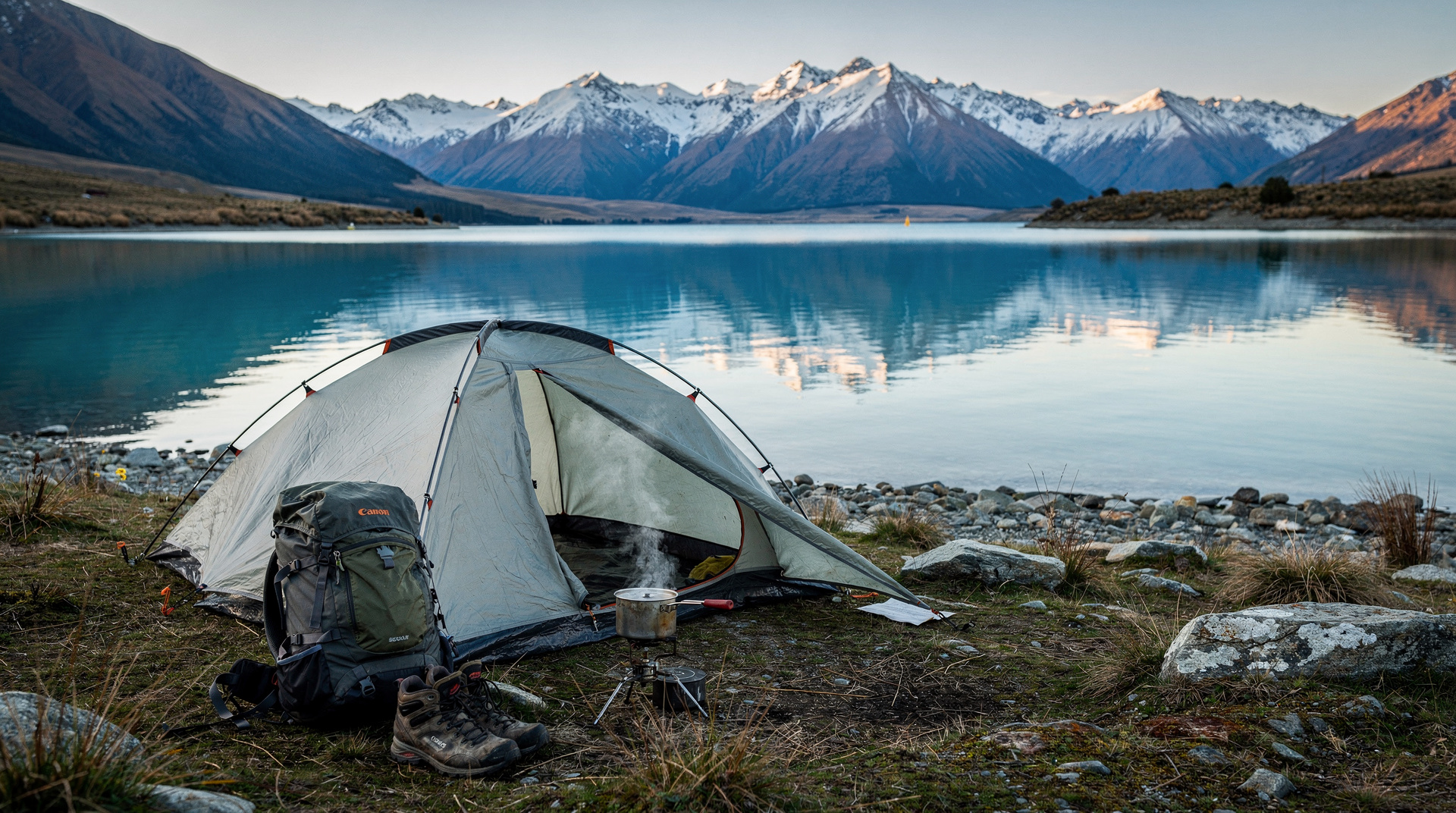
New Zealand on a budget
Honest budget guide to NZ: real daily costs, where to save, where not to cheap out, free things, and how to stretch NZD on a backpacker or mid-range budget.
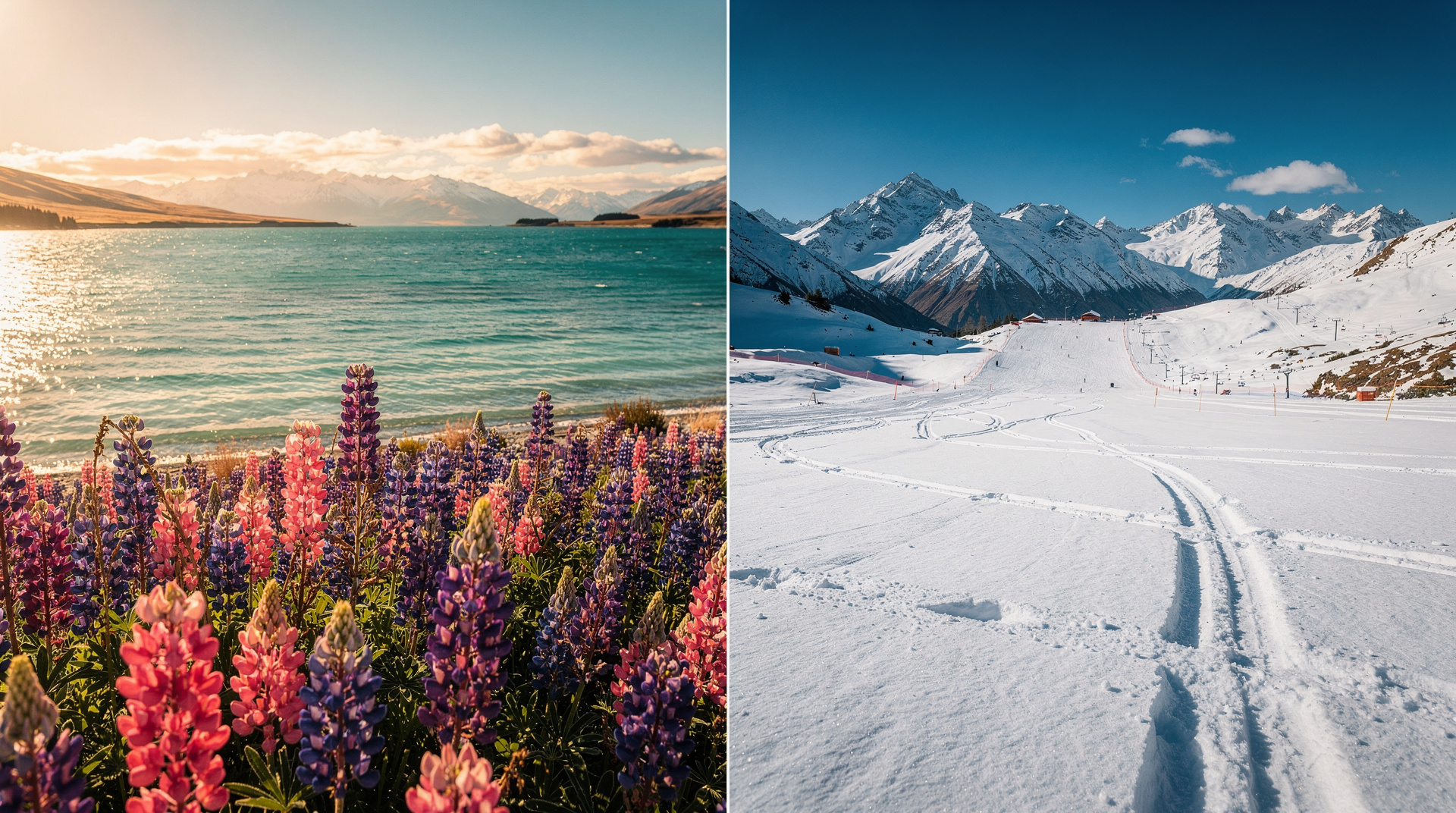
Summer vs winter in New Zealand
Summer vs winter in New Zealand: weather, crowds, costs and the honest verdict on which season suits your trip. NZD/USD/EUR prices throughout.
Last reviewed: