New Zealand in March
Is March a good time to visit New Zealand?
March is excellent — arguably better than January for most visitors. Summer warmth continues into mid-March, international tourist numbers drop slightly, and the first autumn colours begin appearing in Central Otago and the Marlborough wine country by late month. Prices are lower than January and February. Great Walks are fully open. The Marlborough wine harvest is in full swing and oyster season is beginning on the Coromandel.
Late summer, early autumn — the sweet spot
March is a transitional month in New Zealand and one of the better-kept travel secrets. The summer heat softens to something more comfortable, particularly in the South Island where January and February can feel genuinely harsh in places like Cromwell or Alexandra. International visitor volumes begin to drop as European and North American travelers return home. The result is a country that still feels alive and fully operational, but with noticeably more breathing room.
The cultural calendar adds texture: Pasifika Festival in Auckland (usually mid-March) is the largest Pacific Island cultural gathering in the world, and genuinely extraordinary if you find yourself in the city. On the South Island, the Marlborough wine harvest is at its peak in early March — Sauvignon Blanc and Pinot Gris grapes being picked by early morning crews, roadside farm stalls selling fruit, and wineries in full working mode. The Wanaka Festival of Colour happens in late March or early April, bringing arts, music, and theatre to one of the most beautiful lake settings in the country.
| Best for | late-summer warmth, Marlborough harvest, thinning crowds |
| Weather | 18–26°C across most regions, first cold fronts possible late month |
| Crowd level | moderate, dropping steadily through the month |
| Great Walks | all 11 open, hut availability easing from January peak |
| Booking lead time | 6–8 weeks for Queenstown; 1 week for wine tours |
Weather: real numbers, not the brochure
Auckland and Northland: March remains warm — 21–25°C days — but humidity drops and evenings become pleasant. Sea temperature at the Bay of Islands holds at 21–23°C, still excellent for swimming. Daylight hours: 13 hours. March is often drier than February in the north.
Rotorua and Central North Island: 19–24°C, comfortable walking weather. The thermal regions are less crowded. Mt Ruapehu may see its first dustings of snow on the summit by late March, signalling the coming ski season.
Wellington: 18–21°C, the winds easing slightly. A superb month for the capital — long lunches at Ortega Fish Shack, the Cuba Street scene, and Te Papa without January queues.
Marlborough and Nelson: Harvest time. 22–26°C days. The vineyards are buzzing. This is arguably the best month to visit Marlborough specifically.
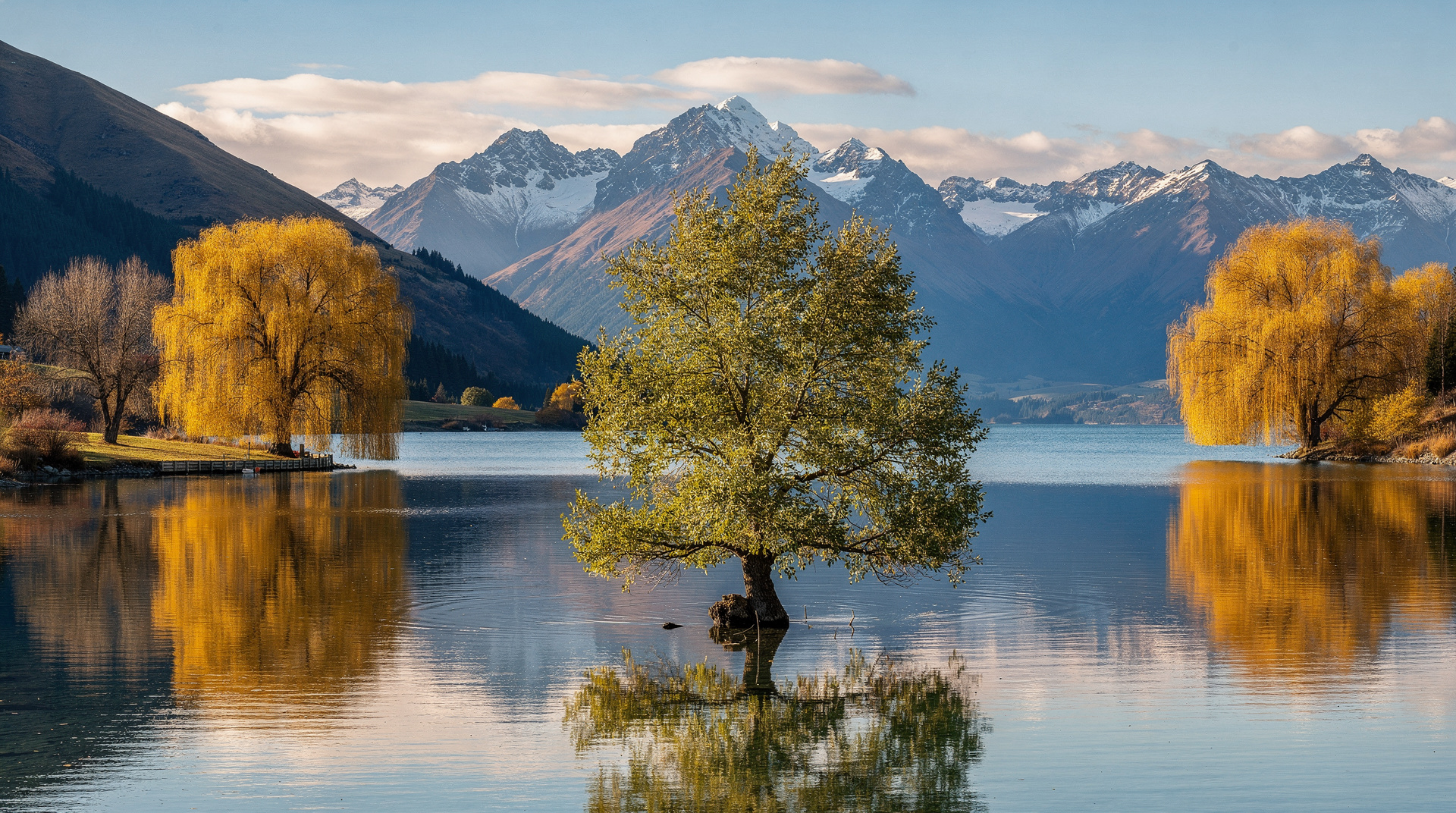
Queenstown and Central Otago: 18–24°C, noticeably cooler than February. The first poplar and willow trees begin turning gold in late March — an early preview of the autumn spectacle. Arrowtown, in particular, starts showing color by mid-to-late March.
Fiordland: Similar to summer — wet, often stunning. Waterfalls at full height. Milford Sound in March can have exceptional visibility; the rain brings the cascades to life and then a clear sky follows.
West Coast: Rainfall continues year-round. Franz Josef and Fox Glacier walks are open. Helicopter tours are the most reliable way to see the glaciers regardless of ground-level weather.
Best things to do in March
Marlborough wine harvest tours are at their absolute peak in early March. The region’s 150+ wineries are in working mode, and a guided tour with winery access feels genuinely different from a regular tasting visit. The Marlborough gourmet wine tour from Blenheim covers 4–5 producers with a vineyard lunch. If you’d rather explore independently, the self-guided bike wine tour through Marlborough is excellent — flat terrain, well-signposted, and winery doors are open all day.
Pasifika Festival, Auckland — if you’re in Auckland in mid-March, this is unmissable. Free entry, 10 Pacific island village sites (Samoa, Tonga, Fiji, Cook Islands, Niue, Tokelau and more), food, dance, and craft. The Cook Islands stall alone is worth the trip. It’s held at Western Springs in late March. Check Auckland Council’s website for exact dates.
Tongariro Alpine Crossing — still fully operational in March, and significantly less crowded than January. The best walking months on the Tongariro plateau are arguably February and March — snow-free, dry paths, and the crater lakes still at peak color. Shuttle transfers from Taupo remain the easiest access point. See the Tongariro Alpine Crossing guide for detail.
Coromandel oysters — the Coromandel Peninsula oyster season is in full swing by March. The local Ostrea edulis are smaller and more flavourful than Pacific oysters, and you’ll find them at roadside stalls and fish-and-chip shops throughout the peninsula. Combine with a morning at Cathedral Cove (far less crowded than January) and Hot Water Beach in the afternoon.
Great Walks walking — all 11 Great Walks are open in March, and the Milford, Routeburn, and Kepler tracks see significantly fewer walkers than the January peak. DOC hut bookings for March can sometimes be sourced at short notice (2–4 weeks), particularly for weekdays on the Kepler and Routeburn. Milford Track huts remain difficult regardless.
Wanaka autumn preview — by late March, Wanaka’s lakefront trees begin turning and the light has the golden quality that makes South Island autumn photography so celebrated. The Mou Waho Island cruise and walk from Wanaka is an excellent half-day: a 40-minute cruise across Lake Wanaka to a predator-free island with good short walking tracks and panoramic views of the lake and surrounding mountains.
Franz Josef and Fox Glacier helicopter flights — the glaciers are best appreciated from the air, and March offers reasonable weather windows. The Franz Josef Glacier helicopter with alpine landing puts you down on the neve field with mountain views in all directions. Book via the Franz Josef Glacier Guides’ booking system and understand that all tours are weather-dependent — book a flexible cancellation rate.
What to avoid in March
Assuming summer lasts through the month uniformly. Late March in the South Island can bring cold fronts from Antarctica, particularly in Southland and Fiordland. The temperature swing from a warm Central Otago afternoon to a cold Queenstown evening can be 10–15°C. Pack warm layers even if the forecast looks fine.
The Milford Road without checking road alerts. March can bring early autumn rainstorms to Fiordland. The Milford Road is the single most landslide-prone main road in New Zealand. Check NZTA journey alerts before departure every day.
Overplanning around Pasifika Festival dates. The festival dates shift year to year and sometimes overlap with other events. Verify current-year dates before booking Auckland accommodation around them.
Crowds and prices in March
March sees the first meaningful price drops of the year:
- Mid-range hotel (Queenstown): NZD 210–310 / USD 126–186 / EUR 116–171
- Mid-range motel (Christchurch, Nelson): NZD 140–200 / USD 84–120 / EUR 77–110
- Hostel dorm: NZD 38–60 / USD 23–36 / EUR 21–33
- Campervan rental: NZD 120–190 / USD 72–114 / EUR 66–105 per day
- Marlborough wine tour (half-day): NZD 85–130 / USD 51–78 / EUR 47–72
- Milford Sound cruise: NZD 75–105 / USD 45–63 / EUR 41–58
Booking lead time for March: Milford Track huts — still 4–5 months. Queenstown hotels — 6–8 weeks. Abel Tasman kayak multi-day — 2–3 weeks. Marlborough wine tours — 1 week usually sufficient.
Best regions in March
Marlborough is the clear South Island winner in early March. Harvest, sunshine, seafood, and significantly cheaper than Queenstown. Combine with Picton, the Queen Charlotte Sound by boat, and the Marlborough Sounds for a complete wine-and-water experience.
Central Otago and Arrowtown — the colour change is just beginning in late March and worth positioning yourself to catch. Arrowtown’s main street is genuinely one of the most photogenic spots in New Zealand in autumn. Combine with the Gibbston Valley wineries, a cycle on the Lake Hayes loop, and a night in Wanaka.
Bay of Plenty and Coromandel — warm sea, oyster season, fewer crowds than January. Hot Water Beach is magical in early morning March light with fewer people. The surf lesson at Mt Maunganui is a worthwhile half-day — the beach break there is consistent and ideal for beginners.
Wellington — at its best in March. The city’s food, café, and arts scene operates year-round but March adds the Wellington Jazz Festival (typically late February/early March). Te Papa is excellent and rarely crowded after mid-February.
March weather hacks
Sunscreen remains essential through March — UV index drops from extreme to very high but is still significant. Start building a warm layer habit from mid-March: morning walks and evening outdoor dining require a fleece or light down jacket, especially in the South Island. For Fiordland, the same rule as always applies: pack rain gear regardless of what the forecast shows.
Frequently asked questions about visiting in March
Is March better than February for visiting New Zealand?
For many travelers, yes. March offers almost identical weather in the first half of the month with measurably lower prices, fewer crowds, and the unique appeal of harvest season in Marlborough and early autumn colour in Central Otago. The Great Walks are fully open and hut availability improves. The only genuine advantage February holds is the Waitangi Day cultural experience (6 February).
What is the Pasifika Festival?
Pasifika is the world’s largest Pacific Island festival, held in Auckland, typically in mid-March (dates vary annually — check Auckland City Events). Admission is free. The festival centres on village-style pavilions representing each Pacific Island nation — Cook Islands, Samoa, Tonga, Fiji, Tokelau, Niue, Tuvalu, and others — with traditional food, dance, craft, and cultural demonstrations. It draws 200,000+ visitors over two days.
Is the wine harvest season accessible to visitors?
Yes — Marlborough wineries welcome visitors during harvest, and some offer harvest volunteering experiences. The harvest lunch events at larger wineries (Cloudy Bay, Seresin, Brancott) are not always public but wine tour operators have relationships that get visitors closer to the picking action than self-guided visits typically manage.
How much should I budget per day in March?
Budget traveler: NZD 100–140 / USD 60–84 / EUR 55–77 per person. Mid-range couple: NZD 400–600 / USD 240–360 / EUR 220–330 per day. These are 10–15% lower than February equivalents.
Are there deals in March?
Yes. South Island accommodation shows the first meaningful shoulder-season deals. Queenstown hotels that were NZD 300 in January are often NZD 200–230 in March. Campervan rental companies offer March specials for last-minute bookings. Abel Tasman water taxi operators sometimes offer March discounts if bookings are slow.
Are the Great Walks still worth doing in March?
Fully — March is one of the best months. The Milford, Routeburn, and Kepler are operating at peak conditions with reduced walker numbers compared to January. Weather on the Routeburn and Milford tracks is often clearer in March than the wet December–January period. Bring warm layers for hut nights.
How to combine March travel with the rest of New Zealand
March connects naturally with April if your trip spans both months — April brings the full autumn colour display to Arrowtown and Wanaka, and the shoulder-season crowd reduction becomes more pronounced. For visitors arriving from the northern hemisphere in early March, the 14-day New Zealand itinerary works well. A South Island focus adding 3–4 days in Marlborough for harvest is the standout March combination. The 7-day South Island itinerary can be extended by adding Marlborough at the start (ferry crossing from Wellington → Picton → Blenheim → Nelson → Westland → Queenstown).
Related guides
Best time to visit New Zealand
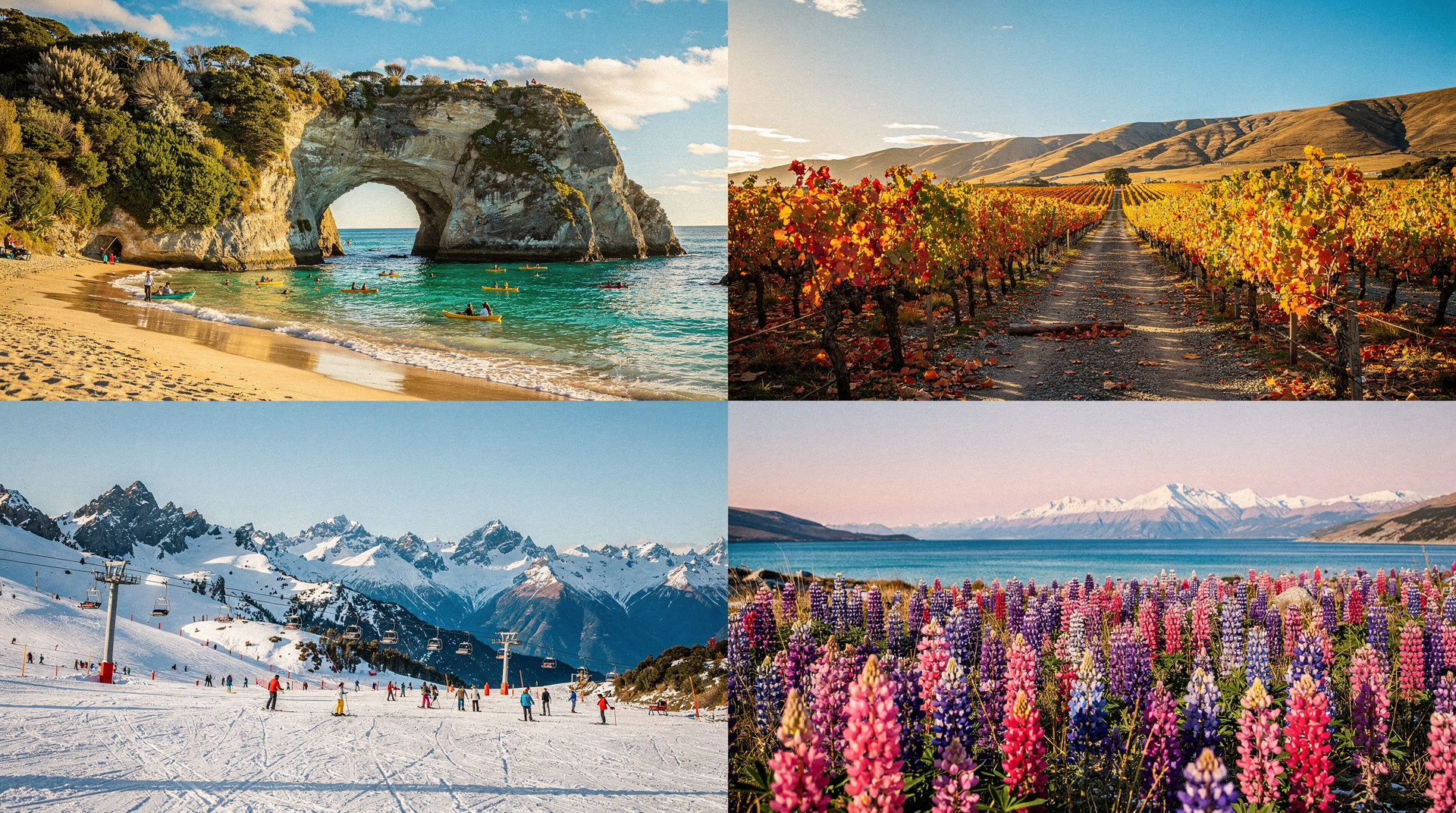
When to visit New Zealand: honest breakdown by season, region, and activity type. Summer is not always best. Spring and autumn often outperform the peak season.
New Zealand in February
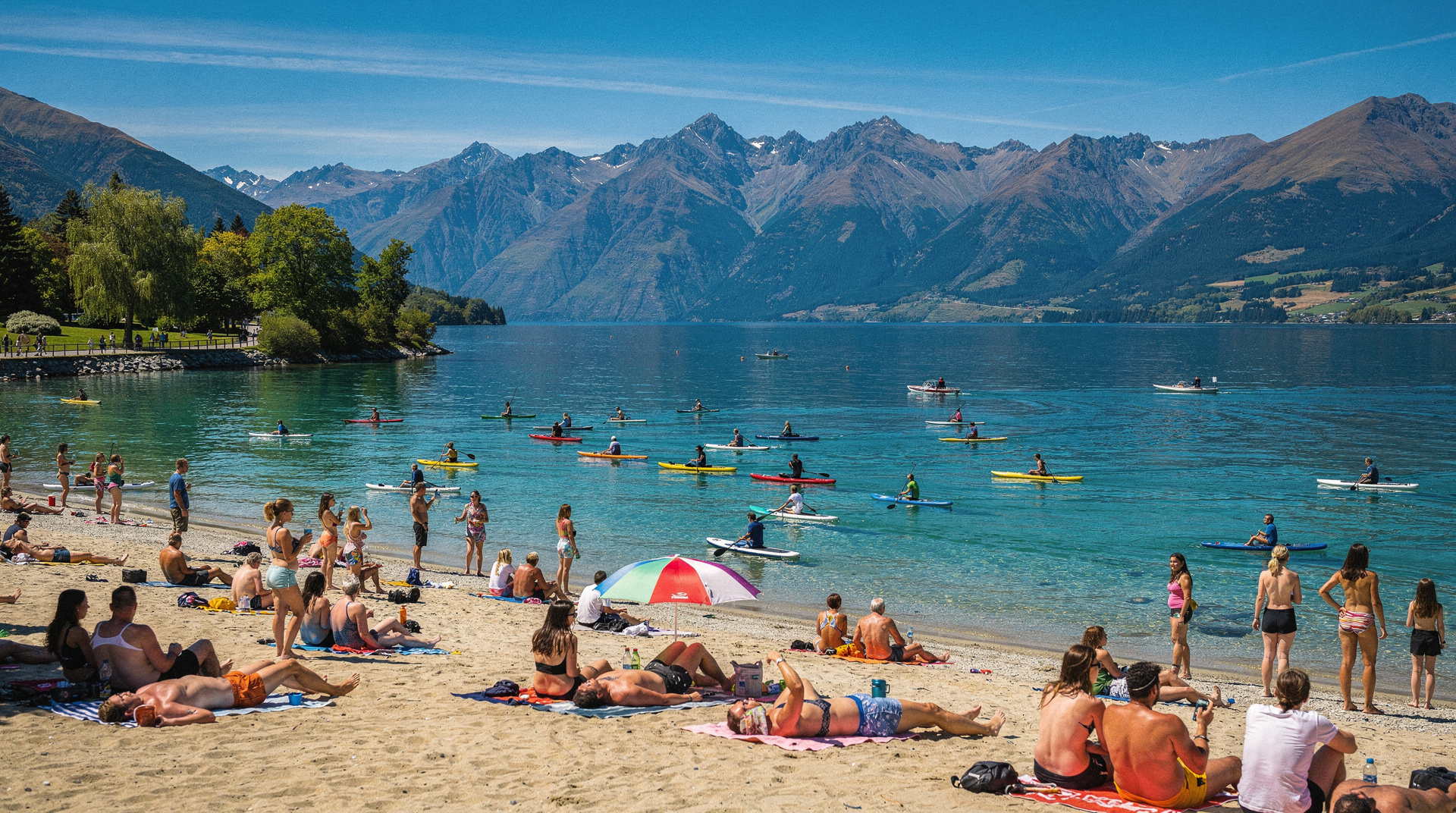
February is NZ's best month: warm summer, post-holiday crowds thinning, wine harvest starting. Real prices in NZD/USD/EUR and what to book ahead.
New Zealand in April
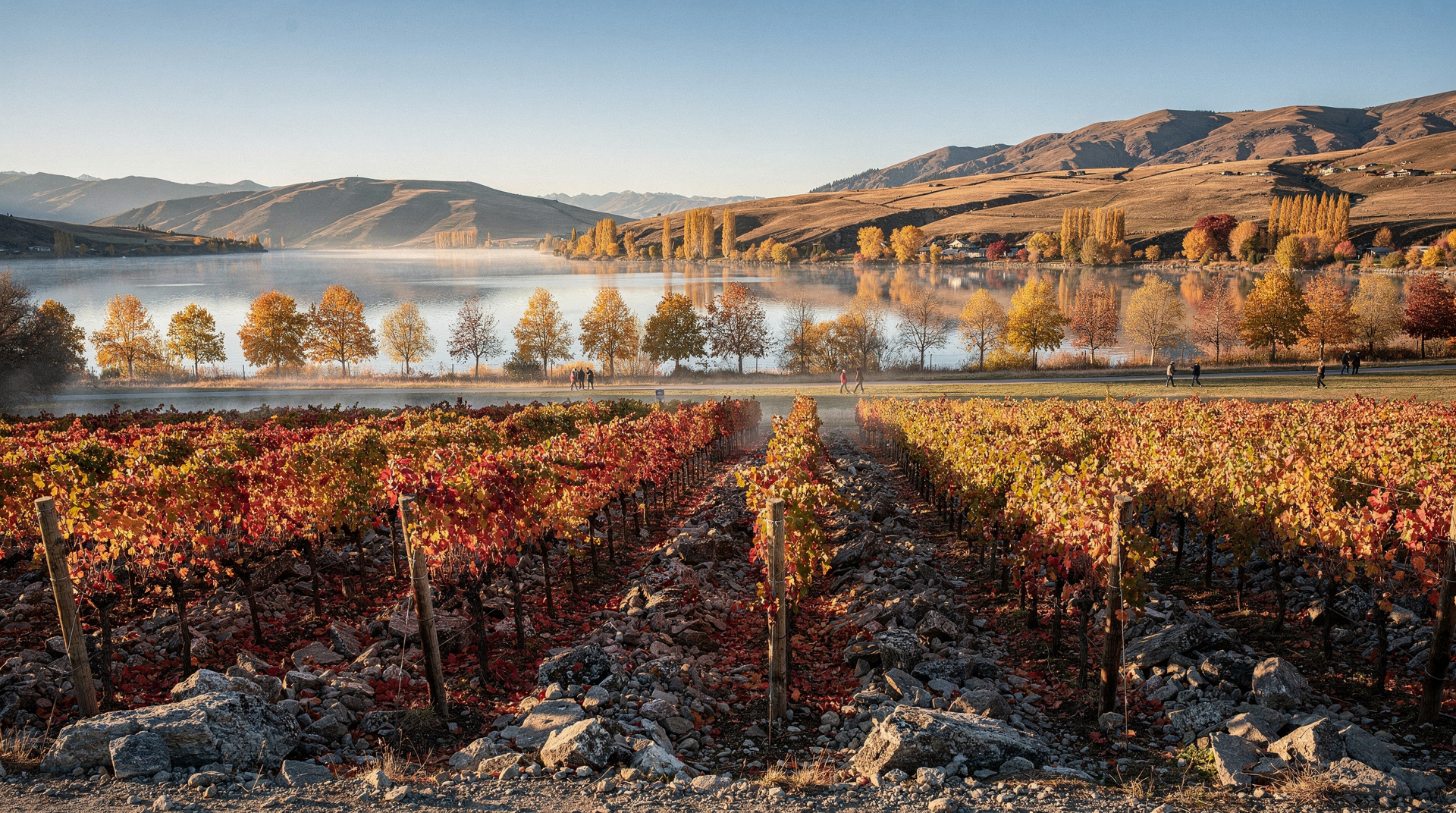
April brings brilliant autumn colours to Arrowtown and Wanaka, ANZAC Day commemorations, and the year's first genuine price drops. NZD/USD/EUR pricing.
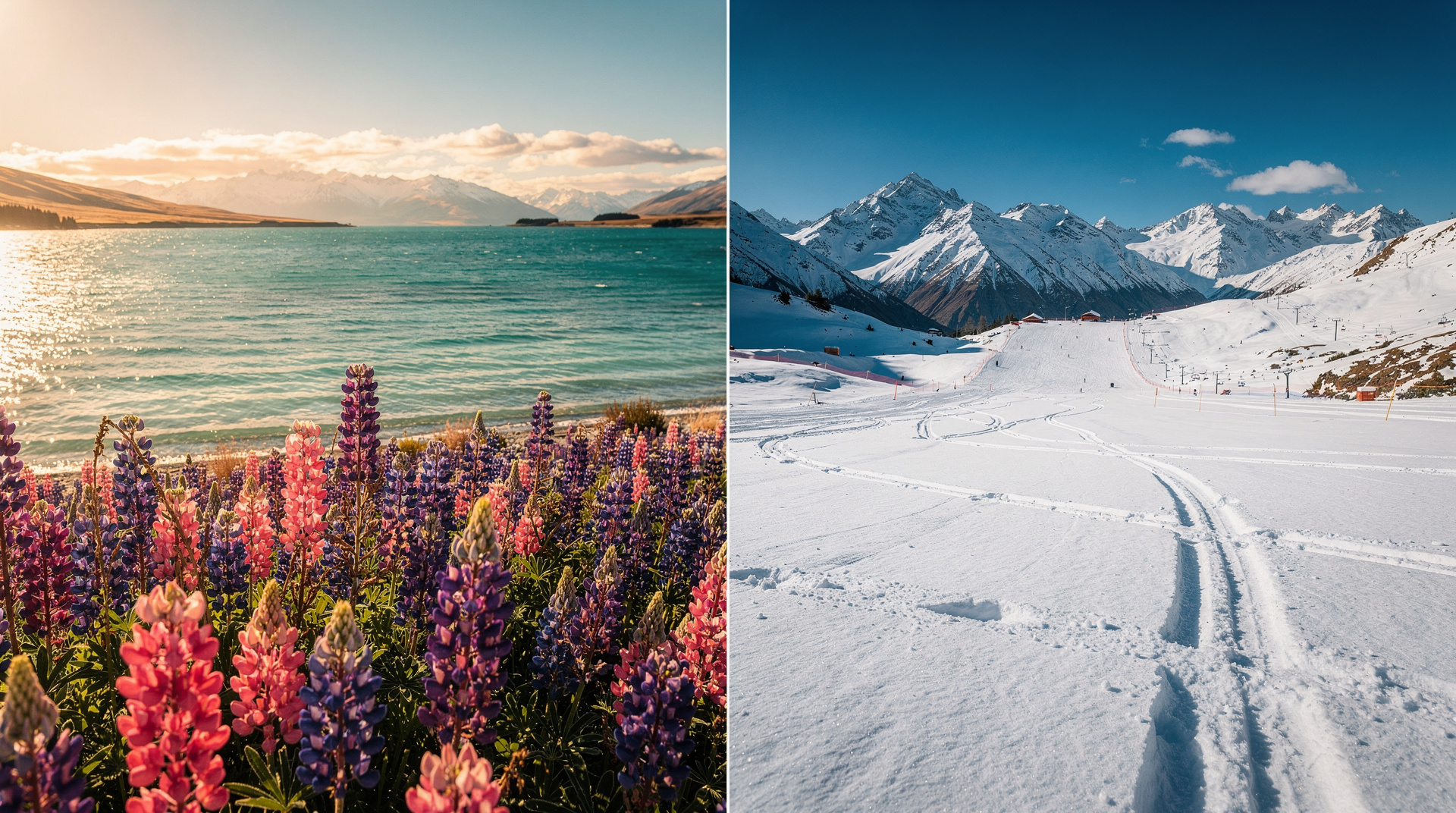
Summer vs winter in New Zealand
Summer vs winter in New Zealand: weather, crowds, costs and the honest verdict on which season suits your trip. NZD/USD/EUR prices throughout.
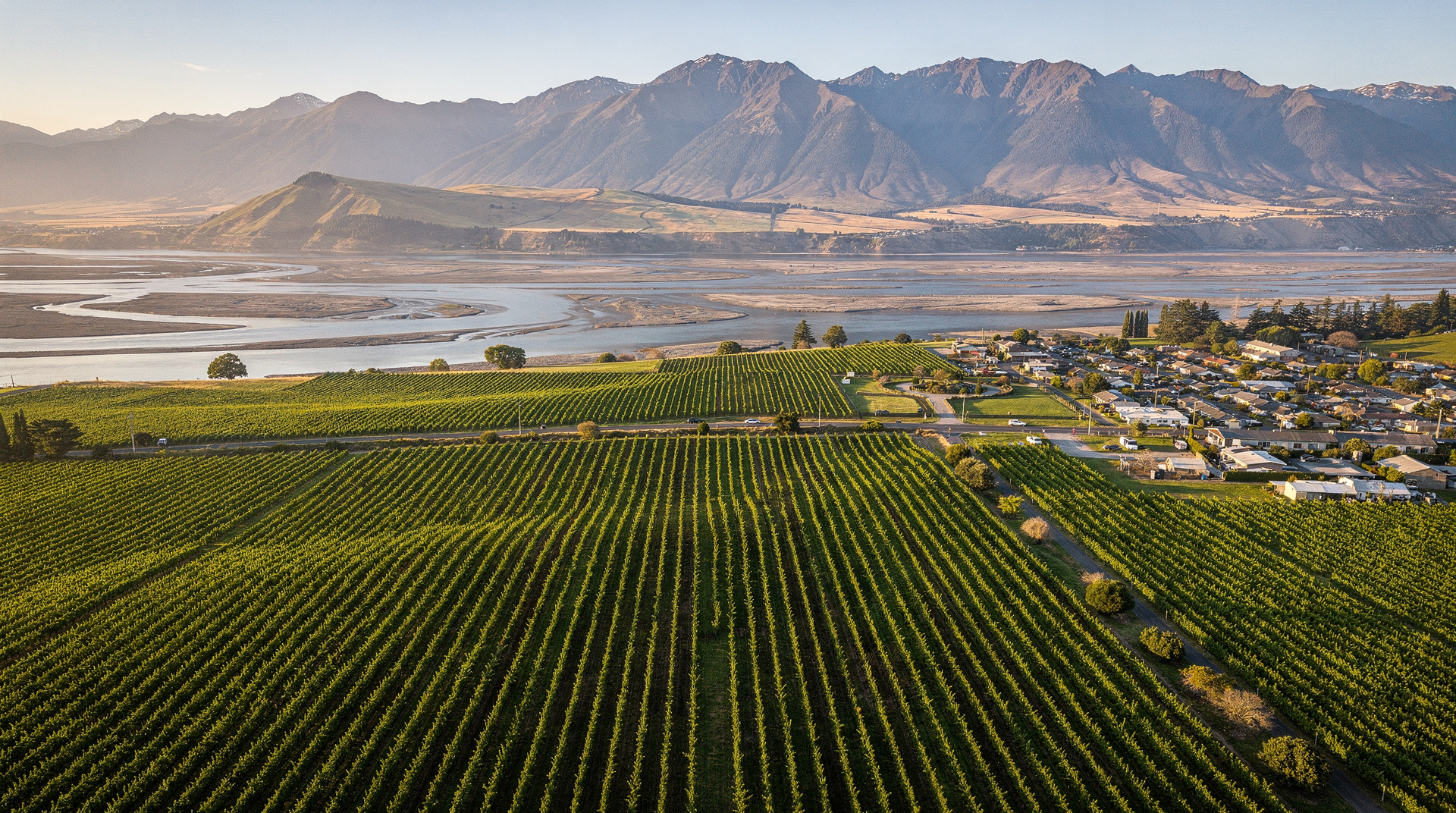
Marlborough
Honest Marlborough guide: Picton ferry gateway, Queen Charlotte Sound, Blenheim wineries, Havelock mussels. Real NZD/USD/EUR prices and practical logistics.
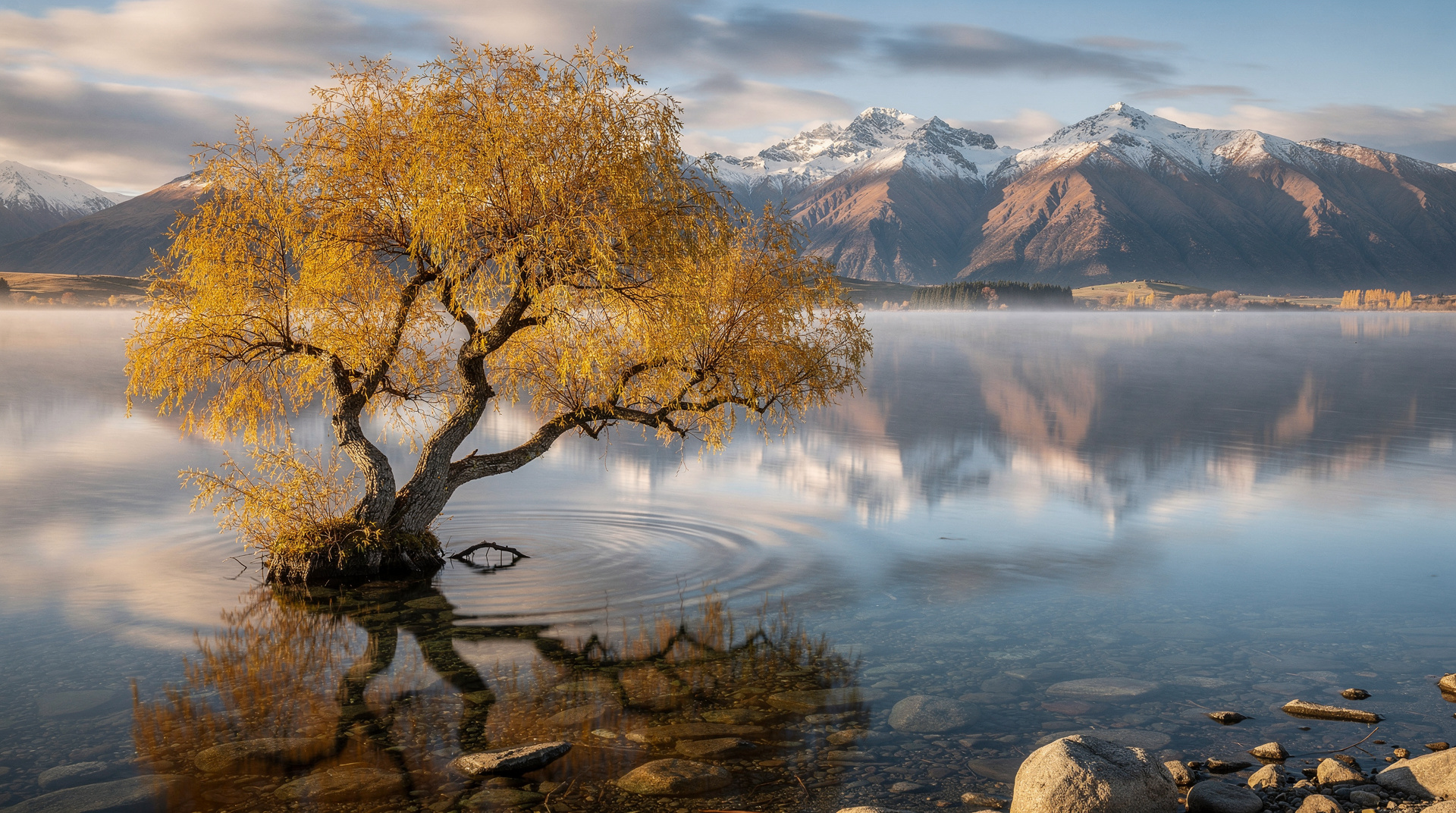
Wanaka
Honest Wanaka guide: Roy's Peak, Cardrona ski, lake kayaking — real NZD/USD/EUR costs and the honest Queenstown vs Wanaka verdict.
Last reviewed: