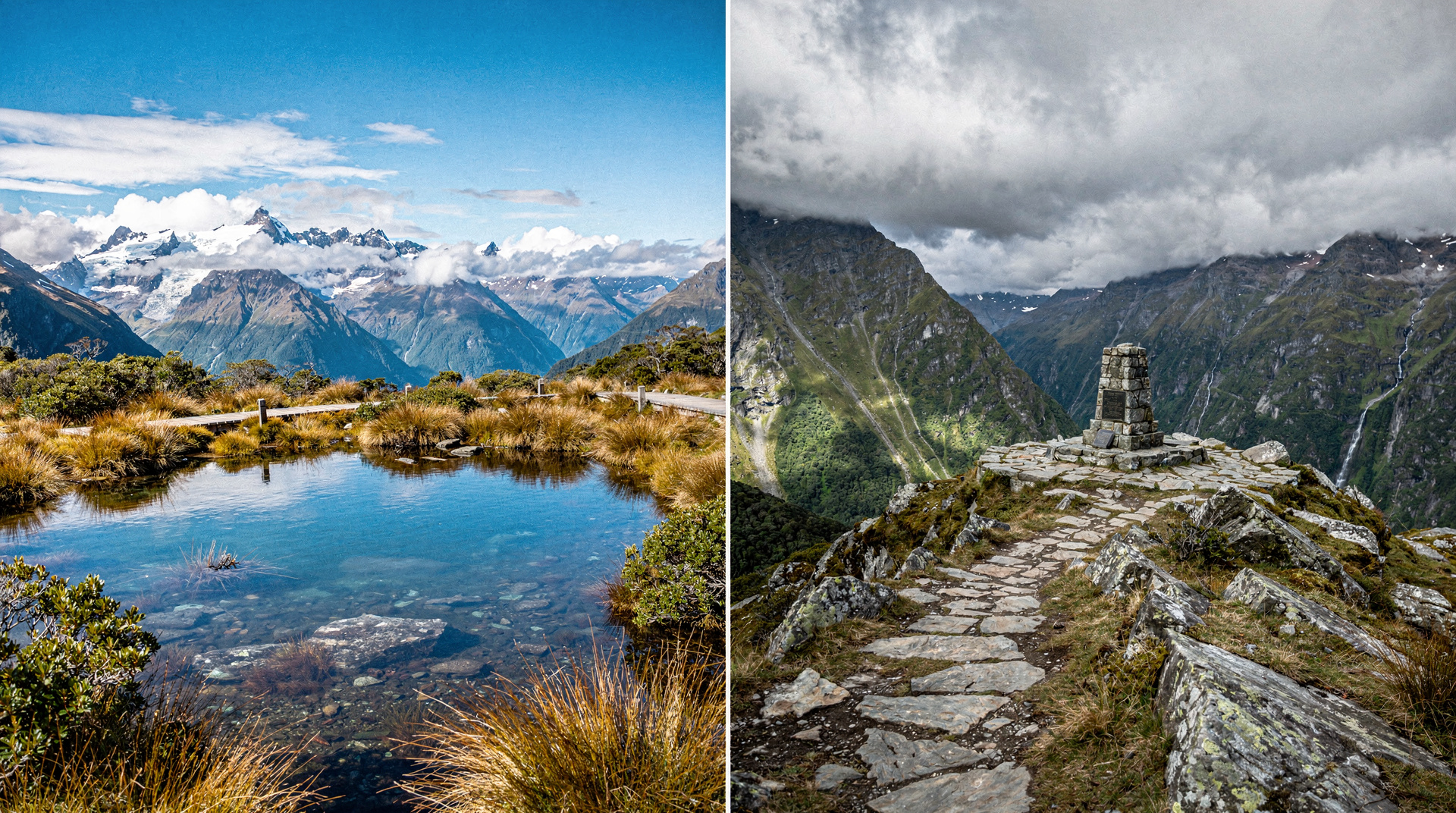
Routeburn Track — Great Walk on the Fiordland-Otago divide
How long is the Routeburn Track and how do I book it?
32km, typically 2-3 days. Book DOC huts at doc.govt.nz from June for the Great Walk season (October-April). Huts cost NZD 132/night. One-way track between the Divide (on the Milford Sound highway) and Glenorchy — transport logistics required at both ends. Challenging but one of NZ's finest alpine walks.
The alpine crossing that rivals Milford
Popular experiences here
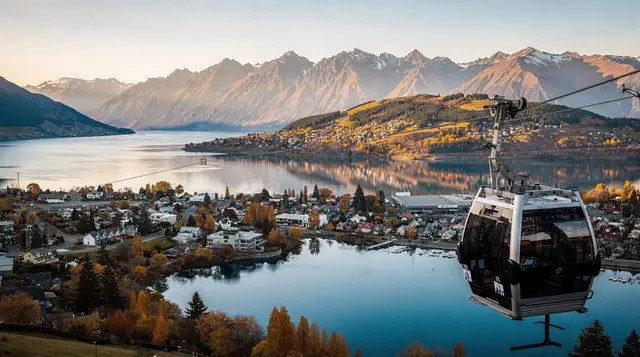
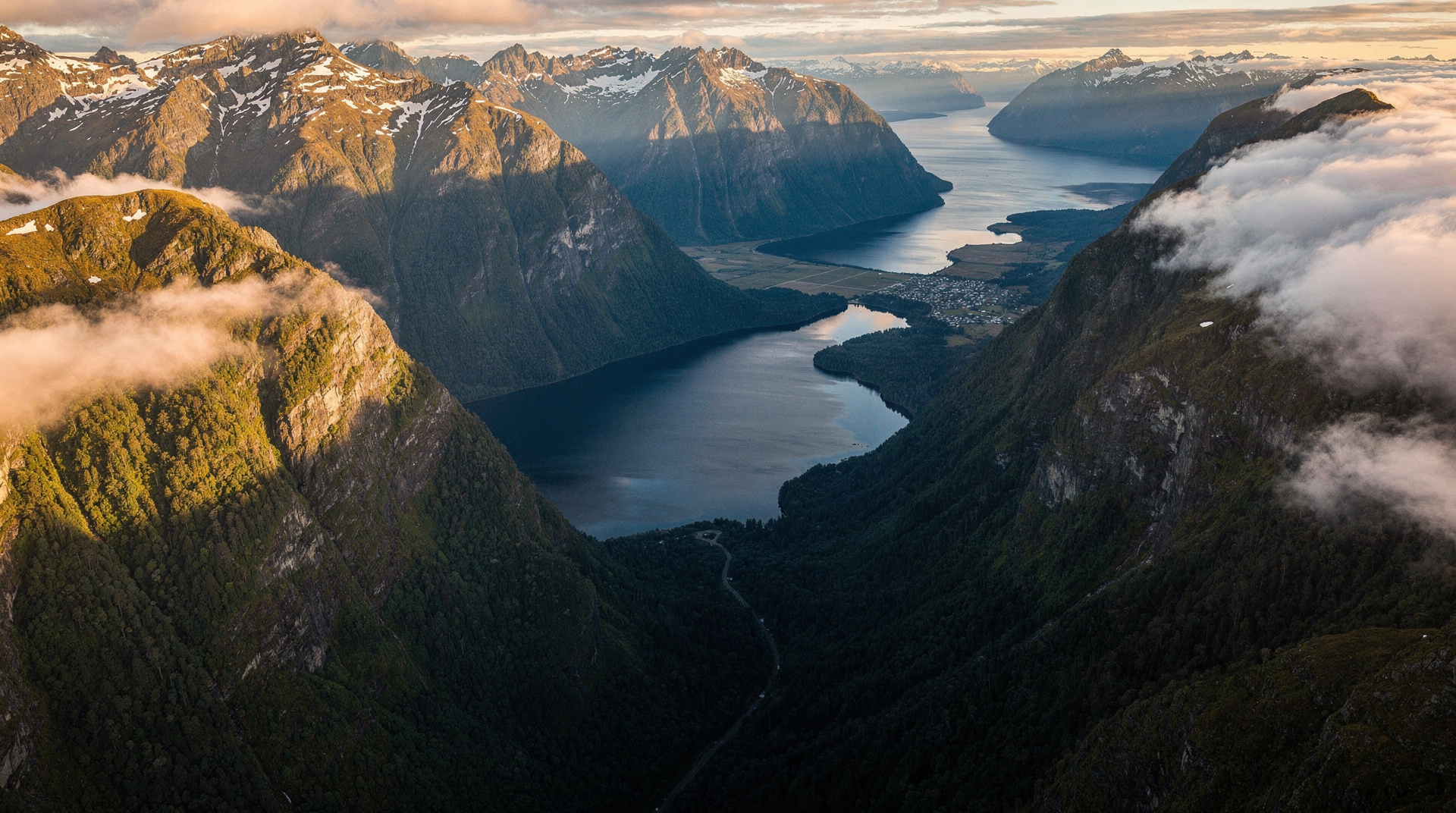
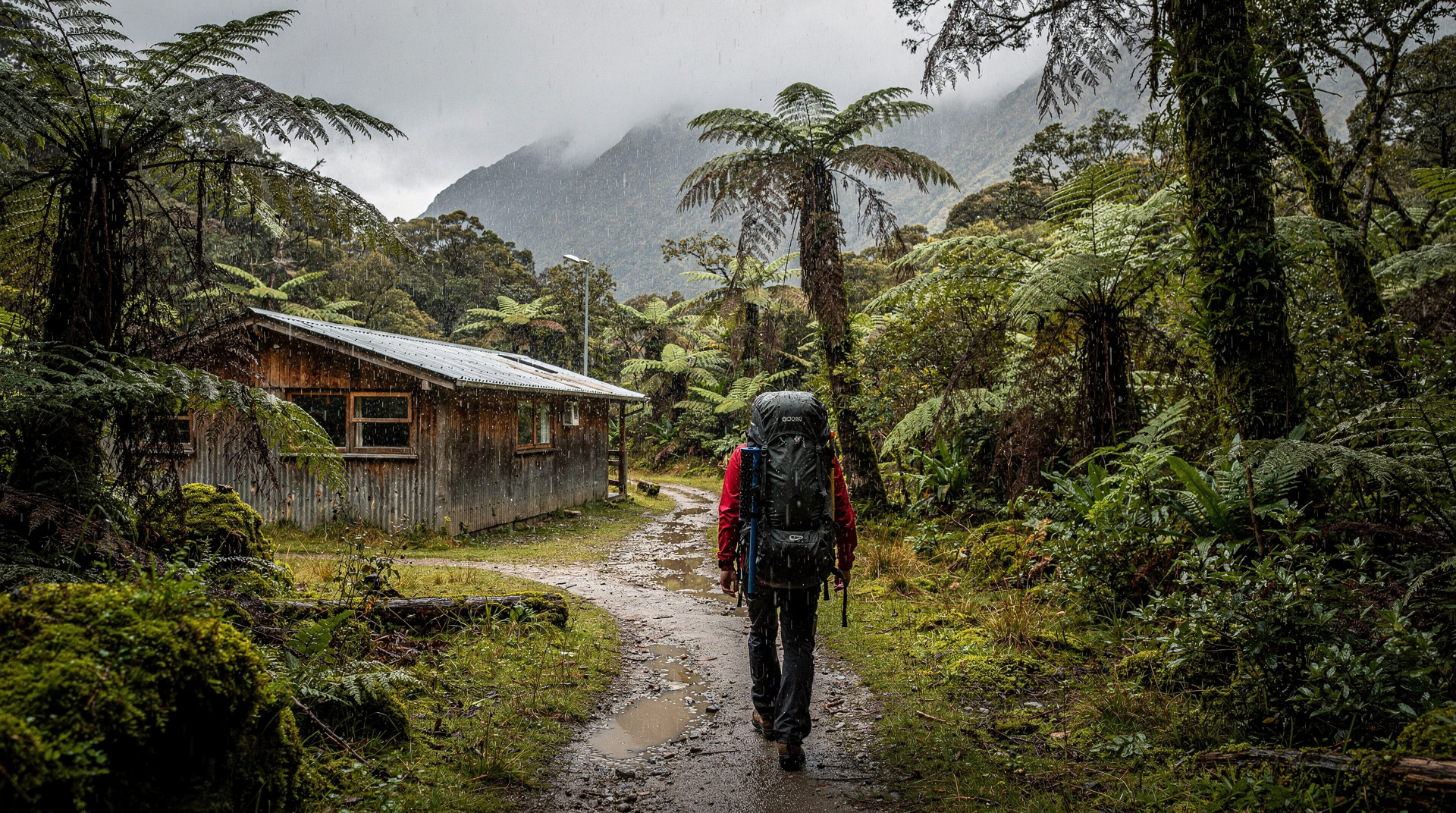
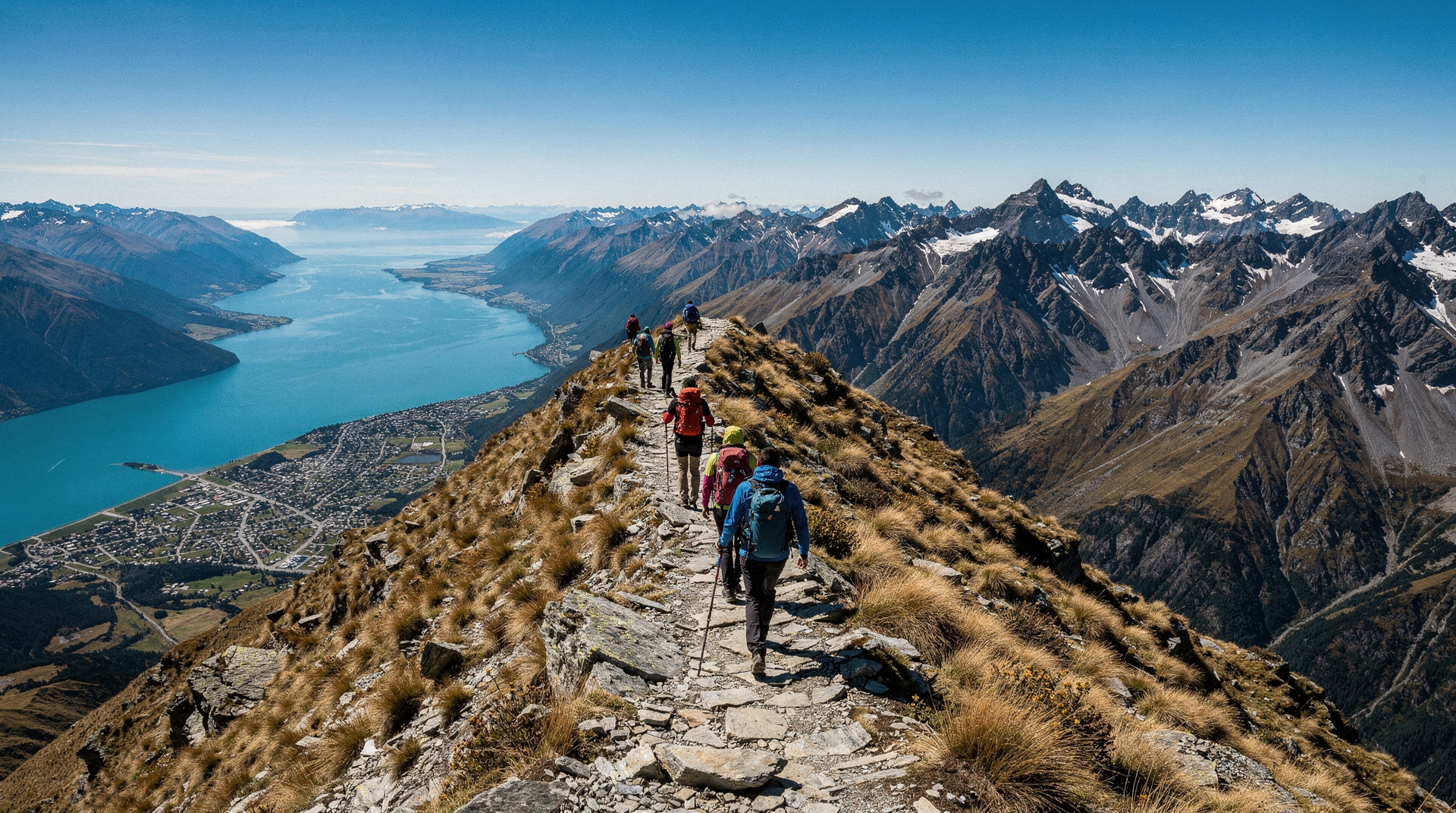
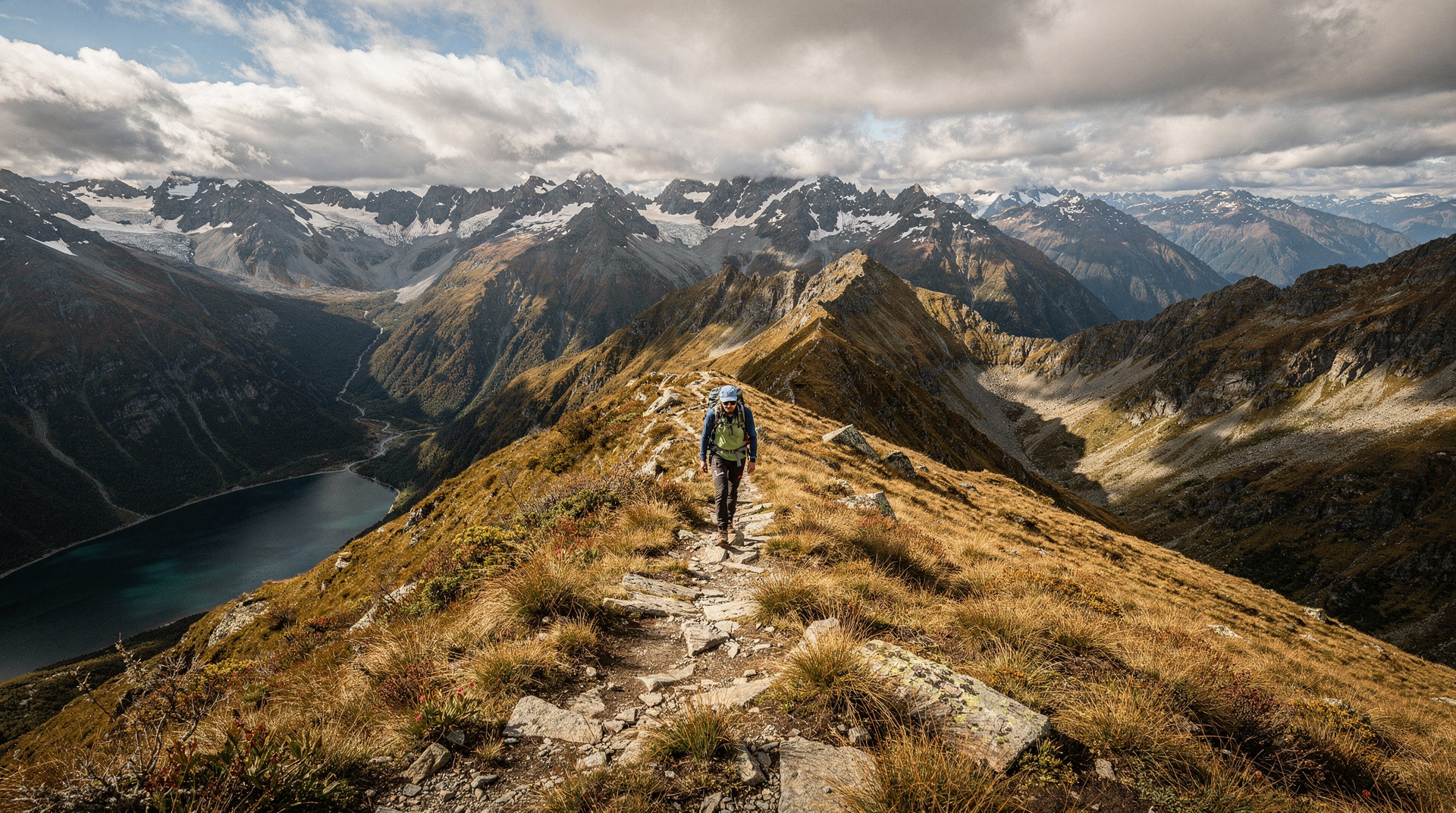
The Routeburn Track covers 32 km through arguably New Zealand’s most dramatic alpine scenery — climbing from the beech forests of Glenorchy into the exposed passes of the Fiordland-Otago divide, then descending into the Hollyford Valley. Unlike the Milford Track’s one-way management system, the Routeburn can be walked in either direction; unlike most other Great Walks, it traverses a true mountain pass rather than following a valley or coastline.
The Routeburn is shorter and more committing than the Milford Track. At 32 km in 2-3 days rather than 53.5 km in 4 days, the daily distances are longer. The terrain above the bushline is genuinely alpine — exposed, prone to rapid weather changes, and occasionally requiring route-finding in cloud.
It is also consistently described by experienced hikers as one of the finest multi-day walks in the world. The claim holds up.
| Where | Fiordland-Otago divide, between Glenorchy and the Divide (SH94) |
| Cost | around NZD 132/night hut fee (Great Walk season) |
| Time needed | 2-3 days, plus transport at both ends |
| Getting there | Shuttle from Queenstown to Glenorchy, or bus to the Divide |
| Best time | December-March for the most settled alpine weather |
Quick stats
| Detail | Value |
|---|---|
| Total distance | 32 km |
| Total climb | ~1120m |
| Duration | 2-3 days |
| Hut fee (Great Walk season) | NZD 132/night (USD 79 / EUR 73) |
| Season | October to April |
| Direction | Either direction (Glenorchy or the Divide) |
| Booking | doc.govt.nz, opens June |
The huts
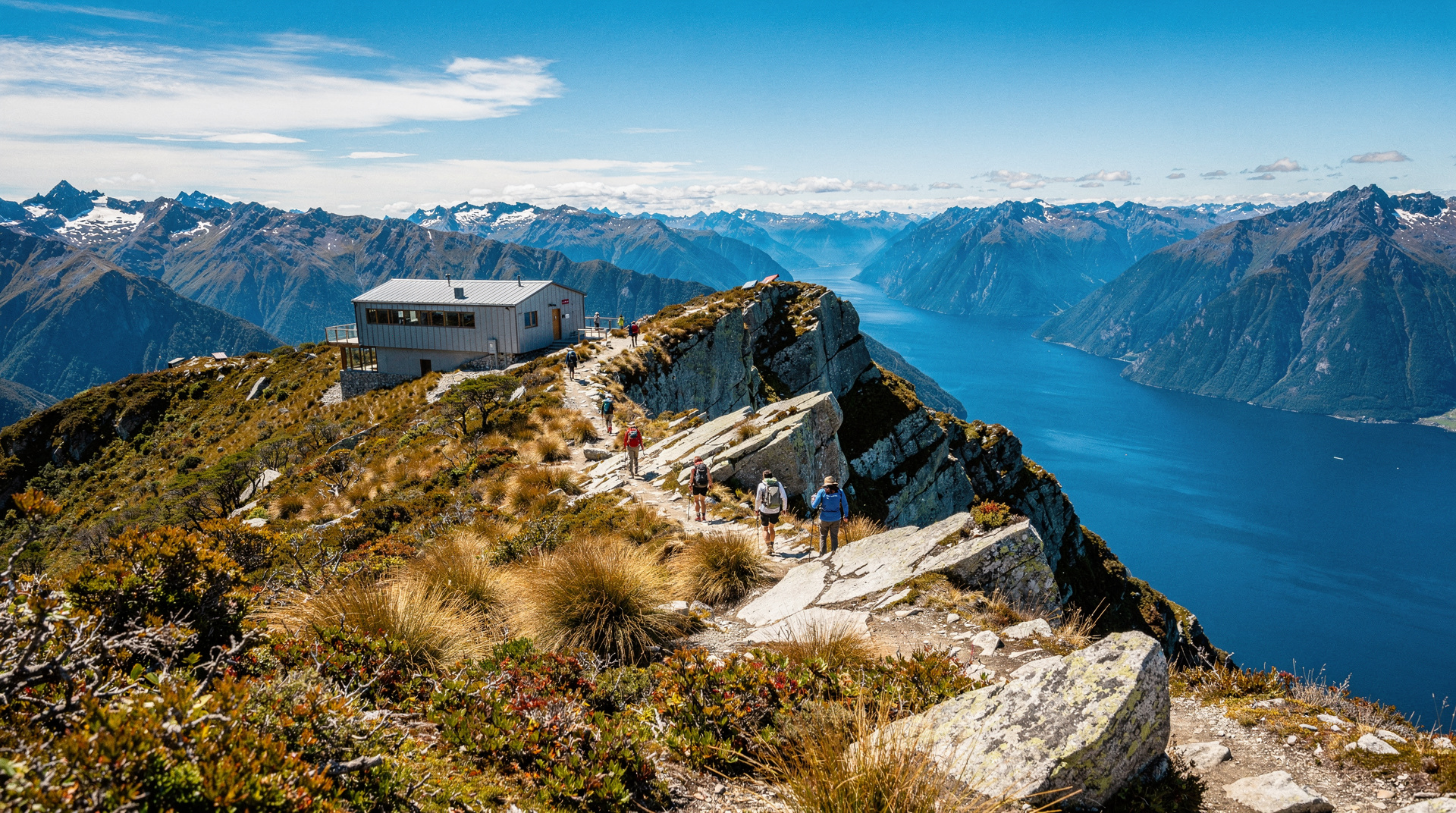
Lake Mackenzie Hut (60 bunks): At the heart of the track, above the bushline at 1000m. Views over Lake Mackenzie, Darran Mountains, and — on clear days — the Tasman Sea. The most spectacular hut location on the Routeburn.
Routeburn Falls Hut (48 bunks): Above Routeburn Falls at 1000m, near the head of the valley. Access to the alpine zone is a 15-minute walk from the hut. Spectacular mountain views.
Routeburn Flats Hut (20 bunks): Lower elevation option on the valley floor. Less dramatic views but protected from alpine weather.
Walking from the Glenorchy end (recommended)
Starting from Routeburn Shelter near Glenorchy (46 km north of Queenstown) allows most walkers to finish at the Divide, take a bus back to Te Anau or Queenstown, and keep transport logistics straightforward.
Day 1 (Glenorchy start) — Routeburn Shelter to Lake Mackenzie Hut (20.5 km, 7-8 hours): A full day that climbs from beech forest to the alpine zone. Harris Saddle at 1255m is the high point — a ridge walk with views into both Fiordland and Otago. The descent to Lake Mackenzie Hut involves crossing exposed terrain; in poor weather, this section requires navigational confidence.
Day 2 — Lake Mackenzie Hut to the Divide (11.5 km, 4 hours): Shorter and more dramatic — the track descends through the forest to the Hollyford Valley. The Divide road end connects to the Milford Sound highway (SH94), from where buses run to Te Anau and Queenstown.
For a 3-day itinerary, spend the first night at Routeburn Falls Hut (10.5 km from the shelter) before continuing to Lake Mackenzie (10 km) and the Divide.
Transport logistics: the essential detail
The Routeburn is a one-way track with two road ends that are 3+ hours apart. You cannot simply drive to one end and walk back. Options:
Option 1 (most common): Drive or shuttle from Queenstown to Glenorchy. Walk to the Divide. Bus from the Divide back to Queenstown via Te Anau.
Option 2: Bus from Queenstown to the Divide. Walk to Glenorchy. Arrange shuttle or pick up from Glenorchy.
Option 3: Fly from Queenstown to the Glenorchy area by helicopter, walk to the Divide, bus back.
The Glenorchy + Paradise tour visits the departure point before your walk — excellent for orienting yourself to the Routeburn’s southern end. Worth it
From Queenstown: Lord Of The Rings Tour to Glenorchy
Glenorchy and Paradise valley tour from Queenstown — see the Routeburn's southern trailhead in context.
From NZD 85–115 / USD 51–69 / EUR 47–63
Transport companies (including TrackNet) run dedicated Routeburn shuttle services from Queenstown. Book these at the same time as your DOC huts — they fill up in peak season.
The alpine environment: what to expect
The Routeburn spends more time above the bushline than any other New Zealand Great Walk. From Harris Saddle to Lake Mackenzie, the track traverses fully exposed alpine terrain at 1000-1255m. This means:
Weather: The Fiordland-Otago divide catches weather systems from both directions. Visibility can drop to near zero rapidly. Rain is frequent. Snow is possible in October, November, March, and April. The track is not suitable for winter use without alpine experience.
Kea: The alpine parrots will find your pack, your boots, and anything edible you’ve left outside the hut. Secure everything.
Birdlife: In the forest sections, South Island robins and riflemen are common. Above the bushline, New Zealand falcon (kārearea) are occasionally seen hunting.
Avalanche risk: The basin below Lake Mackenzie carries avalanche risk in winter. The track stays clear of the main avalanche paths, but off-track travel is not recommended.
What to pack
The alpine exposure makes the Routeburn’s gear requirements more serious than most Great Walks:
- Full waterproofs (jacket + trousers — not optional)
- Warm insulation layer (down or synthetic, compressible)
- Gloves and hat (even in summer, Harris Saddle can be cold and windy)
- Trekking poles (especially useful on the Harris Saddle section in wind)
- Sleeping bag liner (huts provide mattresses)
- 2-3 days of food
- Navigation backup (printed map — phone signal is absent on the alpine sections)
Cost breakdown (NZD / USD / EUR)
Cost breakdown
Prices approximate 2026. DOC hut fees at NZD 132/night.
| Item | NZD | USD | EUR | Verdict |
|---|---|---|---|---|
| 2-night hut (independent) | NZD 264 | USD 158 | EUR 145 | Worth it |
| 3-night hut (independent) | NZD 396 | USD 238 | EUR 218 | Worth it |
| Shuttle Queenstown to Glenorchy | NZD 35–50 | USD 21–30 | EUR 19–28 | |
| Bus Divide to Queenstown/Te Anau | NZD 40–65 | USD 24–39 | EUR 22–36 | |
| Guided walk (3 days, all-in) Private lodges, meals, and guide staff included | NZD 2,100–2,600 | USD 1,260–1,560 | EUR 1,155–1,430 | Splurge |
Which direction to walk
Starting from Glenorchy and finishing at the Divide is the more common choice, mainly because it front-loads the longest, steepest day (Routeburn Shelter to Lake Mackenzie) while you’re freshest, and it lands you at the Divide road end where a bus connection to Te Anau or Queenstown is straightforward.
Walking the other direction — starting at the Divide — means tackling the steep climb to Harris Saddle on your final day, which some trampers prefer as a dramatic finish rather than a dramatic opener. Neither direction is objectively better; it’s a question of whether you’d rather front-load or back-load the hardest terrain. Compare this against the Routeburn vs Milford Track writeup if you’re still deciding which Great Walk suits your fitness and timeframe.
How the Routeburn fits a wider South Island trip
Because the Routeburn touches both the Glenorchy/Queenstown side and the Te Anau/Fiordland side, it’s one of the easier Great Walks to slot into a broader South Island loop without major backtracking. Many trampers base in Queenstown before and after, using the extra days for the Shotover Jet or a day hike around Glenorchy. If Fiordland is your priority beyond the track itself, Milford Sound and Te Anau are both within reach from the Divide end, making a Routeburn-then-Milford-cruise combination realistic in a single week.
Planning the weeks around your walk
A Great Walk booking rarely stands alone. Most people build a loop around it, and the order matters. If you arrive in the region early, give yourself a buffer day in Queenstown before the walk: it lets you sort out shuttle pickups, buy any missing gear and check the forecast without the pressure of a fixed start. The Queenstown day hikes and the Wanaka day hikes are good ways to test boots and legs on shorter ground first.
A spare day after the walk is just as useful. Weather on the divide can force a delayed start or a slower finish, and a rigid onward flight or ferry crossing leaves no room for that. If you are building a longer trip, the 14-day itinerary, the Great Walks circuit itinerary and the South Island week all show where a multi-day walk can sit without squeezing everything else.
Reading the weather and deciding on the day
The decision that matters most on the Routeburn is made at the hut, not at the trailhead. Before leaving Routeburn Falls Hut or Lake Mackenzie Hut, check the forecast posted by the hut warden and ask about conditions on the saddle. Cloud that sits low over Harris Saddle can turn a spectacular ridge into a navigation exercise, and strong wind makes the exposed stretches tiring rather than enjoyable. If the warden advises waiting, wait: a late start in clearing weather beats pushing on through a whiteout.
Pace yourself on the climb. The long ascent rewards a steady rhythm and regular layering changes. Strip a layer before you sweat, add one before the saddle, and keep snacks within reach so you do not have to unpack in the wind. Treat the descent with the same respect; tired knees and wet rock are where most slips happen.
Combining the walk with other Fiordland and Otago highlights
The Routeburn pairs naturally with the rest of the region. Before or after, a Milford Sound cruise shows you the fiord from the water, and the road to it passes the Divide. Base yourself in Te Anau for a quieter few days, or head to Glenorchy for the lake and valley scenery that surrounds the southern trailhead. Walkers who want a second big trek in the same trip can weigh the Milford Track, the Kepler Track and the Great Walks overview against their dates and energy.
If you are planning a hiking-heavy trip, other regions offer comparable days on foot. On the North Island, a half-day guided walk in Tongariro gives a taste of volcanic terrain without a full crossing, and in the Marlborough Sounds a boat-and-hike day on the Queen Charlotte Track combines a cruise with a section of coastal path. Both suit travellers who want walking variety but not another multi-day commitment. For the bigger North Island walk, see the Tongariro Alpine Crossing and how it compares with the Routeburn.
Leave no trace and share the huts well
Huts on a Great Walk work because everyone follows the same small etiquette. Pack out all rubbish, keep boots at the door, and keep noise down once people start sleeping, since many walkers rise early for the alpine sections. Store food away from the bunks and from kea, and use the cooking areas rather than the sleeping rooms. Treat the track itself the same way: stay on the formed path across the tussock, because trampled alpine plants take years to recover. A little care from each walker is what keeps the Routeburn in the condition that draws people to it.
Frequently asked questions about Routeburn Track — Great Walk on the Fiordland-Otago divide
How does the Routeburn compare to the Milford Track?
The Milford Track is longer (53.5 km vs 32 km), has more controlled logistics (fixed daily distances, one-direction only booking), and finishes at Milford Sound itself. The Routeburn is more committing on a per-day basis, has longer exposed alpine sections, and offers arguably more consistent alpine scenery. Both are exceptional. See Routeburn vs Milford Track.
Can I do the Routeburn as a day walk?
Some experienced walkers do the Glenorchy-to-Lake Mackenzie section as a very long day (20.5 km, 7-8 hours) and return, but this is demanding and doesn’t allow for the full experience. The track is designed as a multi-day walk.
What’s the weather like in October or April?
Shoulder season conditions are variable. Snow on Harris Saddle is possible in both months. The track is open and manageable, but requires more conservative gear (microspikes in case of ice). DOC hut wardens will advise on current conditions. Some walkers find October and April more dramatic than January — the mountain colours and light quality are different.
Is there a guided option?
Yes. Routeburn Guided Walk (Ultimate Hikes) operates private lodges along the track and provides guide staff, equipment, and meals. More expensive but removes all logistics complexity and offers a completely different standard of comfort. Book directly with Ultimate Hikes.
Can I see the Routeburn without walking the whole track?
Yes — the Glenorchy and Paradise valley tour reaches the southern trailhead area and gives a strong sense of the landscape without committing to the multi-day walk. It’s a reasonable option if a full Great Walk doesn’t fit your schedule but you still want to see where it starts.
Related guides and reading
- Milford Track guide — the longer Fiordland Great Walk
- Kepler Track guide — easier to book, Te Anau base
- Routeburn vs Milford Track comparison
- Glenorchy and Paradise — the southern end of the track
- Day hikes around Queenstown
- Fiordland National Park guide