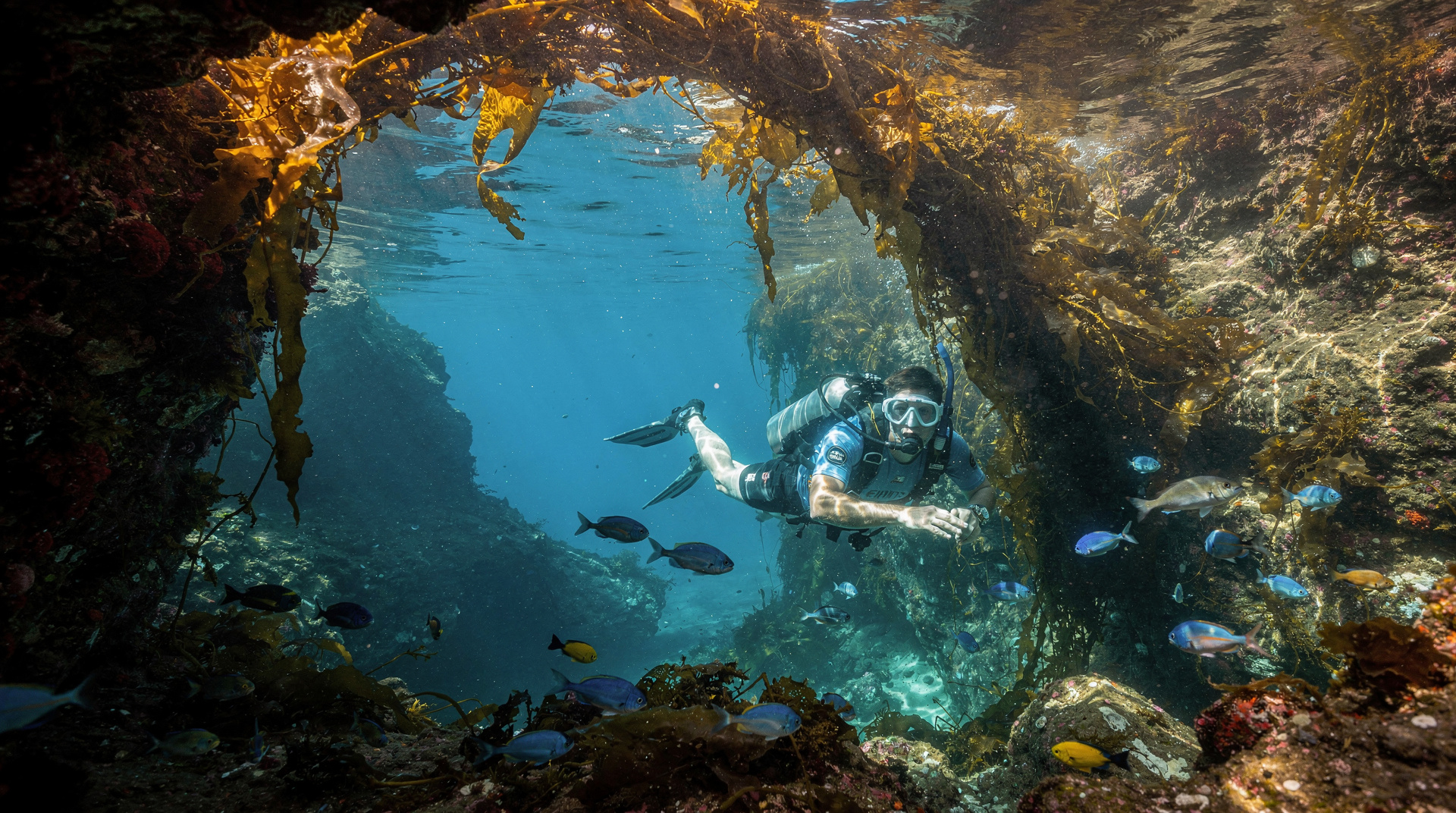
Snorkelling at Poor Knights Islands — New Zealand's best dive site
Are Poor Knights Islands worth visiting for snorkelling?
Yes — Jacques Cousteau reportedly called it one of the top 10 dive sites in the world. The marine reserve has exceptional visibility (25–30m), subtropical fish species, sea caves, and kelp forests. Day tours from Tutukaka run NZD 130–195 / USD 78–117 / EUR 72–107.
Poor Knights Islands has the reputation of New Zealand’s best dive site, and the marine reserve protection since 1998 backs that up with real fish density rather than just marketing. Here’s what a day trip actually involves, what it costs, and how it compares to the rest of the country’s marine environments.
| Where | 24 km offshore from Tutukaka, 2.5 hours north of Auckland |
| Cost | Snorkelling around NZD 130–155; diving around NZD 180–220 |
| Time needed | Full day (around 8 hours door to door from Tutukaka) |
| Getting there | Self-drive to Tutukaka Marina, then a 45–60 min boat crossing |
| Best for | Snorkellers and divers, January–April for the warmest, clearest water |
The dive site Jacques Cousteau rated among the world’s ten best
The claim attributed to Jacques Cousteau — that Poor Knights Islands was one of the ten best diving locations in the world — appears in multiple publications and has not been publicly retracted. The specific context: Cousteau visited the Poor Knights in the early 1990s, reportedly naming it among the world’s ten best dive sites based on the combination of water clarity, marine diversity, and geological interest (the sea caves and arches are an unusual physical environment for marine life).
Whether this precise ranking stands in the company of global dive destinations like the Great Barrier Reef or Palau is debatable. What is not debatable: Poor Knights Islands is New Zealand’s finest marine environment for snorkelling and diving, and the marine reserve protection since 1998 has produced a measurable abundance of marine life relative to surrounding waters.
The islands are uninhabited (the Ngāti Wai tribe abandoned the islands after a massacre in the 1820s and declared them tapu — the islands remain off-limits to landing except with special cultural permission). This means the marine environment sees no land-based disturbance, and the sea caves and arches are accessible only from the water.
What makes Poor Knights exceptional
Water clarity: The subtropical current flowing down the east coast of the North Island maintains water temperatures at 19–24°C in summer and provides visibility of 20–30 metres on good days. This exceeds any dive site near the main South Island by a significant margin.
Fish diversity: 120+ species of fish have been recorded, including subtropical species (from the Lord Howe Island latitude) not found in New Zealand mainland waters. The marine reserve protection since 1998 has significantly increased fish density.
Sea caves and arches: The volcanic rock of the Poor Knights contains a network of sea caves, caverns, and arches accessible by snorkel or scuba. Northern Arch — a submarine arch at 20m depth — is a dive destination; shallower caves are accessible to snorkellers with freediving experience.
Giant kelp forests: Undersea kelp forests (to 10m height) create an underwater landscape visually unlike anything above the water. Snorkelling through kelp on a calm day is disorienting in a pleasant way.
Sea turtles: Green sea turtles are occasional visitors (not guaranteed, but sighted several times per season).
Getting there: Tutukaka and the dive operators
The gateway to Poor Knights Islands is Tutukaka Harbour — 31 km northeast of Whangarei, 2.5 hours north of Auckland. The islands are 24 km offshore; the boat journey takes 45–60 minutes.
Day trips depart from Tutukaka Marina and include the boat journey, guided snorkelling (or scuba diving with gear for certified divers), lunch, and return. No self-guided access to the islands is permitted.
For snorkellers: Tours typically spend 4–5 hours at the islands, with guided snorkel sessions in multiple locations. Equipment (wetsuit, mask, fins) is provided. NZD 130–155 / USD 78–93 / EUR 72–85.
For scuba divers: Certified divers can use their own gear or hire from the operator. Two dives are standard on a day trip. NZD 180–220 / USD 108–132 / EUR 99–121 for certified divers with gear.
Day trip schedule
Typical Poor Knights day trip from Tutukaka:
- 8:30am: Depart Tutukaka Harbour
- 9:30am: Arrive at the islands, first snorkel site
- 11:00am: Second snorkel site (cave system or arch area)
- 12:30pm: Lunch on board at anchor
- 1:30pm: Third snorkel location (fish-feeding site with high fish density)
- 3:30pm: Depart Poor Knights
- 4:30pm: Arrive Tutukaka
Note: Conditions at sea (wave height, wind direction) can affect which sites are accessible on any given day. Tour operators know the islands well and will substitute accessible equivalents if a preferred site is rough.
Season and conditions
Best conditions: January through April — warmest water (22–24°C), best visibility, highest fish activity. Subtropical species are most abundant in late summer.
Winter (June–August): The water cools to 17–18°C, visibility remains good (often better than summer due to clearer conditions), and the subtropical fish species are absent. The dive experience is still excellent but different in character. Wetsuit requirement: 5mm versus 3mm summer.
Weather cancellation rate: The offshore location means the trip is weather-dependent. Northeasterly swells in winter can cancel trips — perhaps 20–30% of bookings May–August. Summer cancellation rates are low (5–10%). Operators provide the option to reschedule rather than refund.
Getting to Tutukaka from Auckland
Driving: Auckland to Tutukaka is 160 km, approximately 2 hours via SH1 to Whangarei, then the eastern route. Leave Auckland by 6:30am for an 8:30am departure.
Overnight option: Stay in Tutukaka or Whangarei the night before — removes the early Auckland departure pressure, and the Tutukaka area has good accommodation and a well-regarded dive bar/restaurant at the marina.
Combining with Northland: Poor Knights works well combined with a Northland circuit — Auckland north to Whangarei and Tutukaka (Poor Knights day), then north to Paihia and Bay of Islands (sailing and Hole in the Rock), then Cape Reinga, then loop back via Dargaville and the Kauri Coast.
Comparing Poor Knights to other NZ marine environments
| Site | Temperature | Visibility | Access | Cost (NZD) |
|---|---|---|---|---|
| Poor Knights Islands | 19–24°C summer | 20–30m | Day trip from Tutukaka | 130–195 |
| Goat Island Marine Reserve | 16–22°C | 5–15m | Shore dive (Auckland 1.5h) | Free/minimal |
| Milford Sound underwater | 8–14°C | 5–15m | Day cruise + guided dive | 200+ |
| Fiordland (diving) | 8–12°C | 8–20m | Liveaboard or day charter | 300+ |
Poor Knights wins on water temperature and visibility; Fiordland wins on unique ecology (see Fiordland diving). For a temperate-water snorkelling experience, Poor Knights is the clear top choice in New Zealand.
If the weather rules out Poor Knights
Northland’s coastline has other water activities that are less exposed to the same offshore swell. Surfing at Raglan, on the west coast, operates under a different weather system entirely and can be a fallback if a Poor Knights trip cancels, though it’s a significant drive from Tutukaka rather than a same-day swap. Closer by, the sheltered waters of the Bay of Islands offer calmer sailing and swimming conditions even when the open-water crossing to Poor Knights is too rough.
Age, experience, and equipment requirements
Snorkelling:
- Minimum age: 8 years (must be comfortable swimming)
- No certification required
- Equipment provided by tour operator (wetsuit, mask, snorkel, fins)
- Basic swimming competency required — open ocean snorkelling involves distance from the boat
Scuba diving:
- Open Water certification or equivalent required
- Advance Open Water recommended for cave sections
- Gear hire available on tour if not bringing own equipment
Frequently asked questions
Is the Cousteau claim verified?
The claim is attributed to Cousteau in New Zealand tourism literature but the original source is difficult to verify definitively. Cousteau did visit New Zealand in the early 1990s and made positive statements about the Poor Knights. Whether “top ten in the world” was his precise formulation is uncertain. The claim should be understood as reflecting genuine quality, not marketing fabrication — the marine reserve is genuinely exceptional. The “one of the top ten” framing is accurate in spirit even if unprovable in literal attribution.
Can I see sharks at Poor Knights?
Bronze whaler and other reef shark species have been sighted at Poor Knights, but shark encounters are uncommon rather than typical. The fish density is high because predator pressure (including sharks) is part of a functioning marine ecosystem. If shark encounters are your goal, the Poor Knights is not specifically marketed for this; cage diving operations near Stewart Island are more focused on that experience.
Can I go ashore on the islands?
No. The Poor Knights Islands are off-limits to landing — they remain tapu (sacred) to Ngāti Wai. All activity is from the water. No exceptions are made for tourists regardless of interest.
Is Poor Knights better for snorkelling or scuba diving?
Both work well, but the choice depends on your certification and comfort in open water. Snorkellers can access the surface layers, kelp forests, and shallower caves with no certification required, while certified divers reach the deeper Northern Arch and see more of the fish density at depth. If you’re uncertified but curious about diving, Poor Knights is a reasonable place to consider a first “discover scuba” experience given the exceptional visibility.
More water activities in northern New Zealand
Related guides
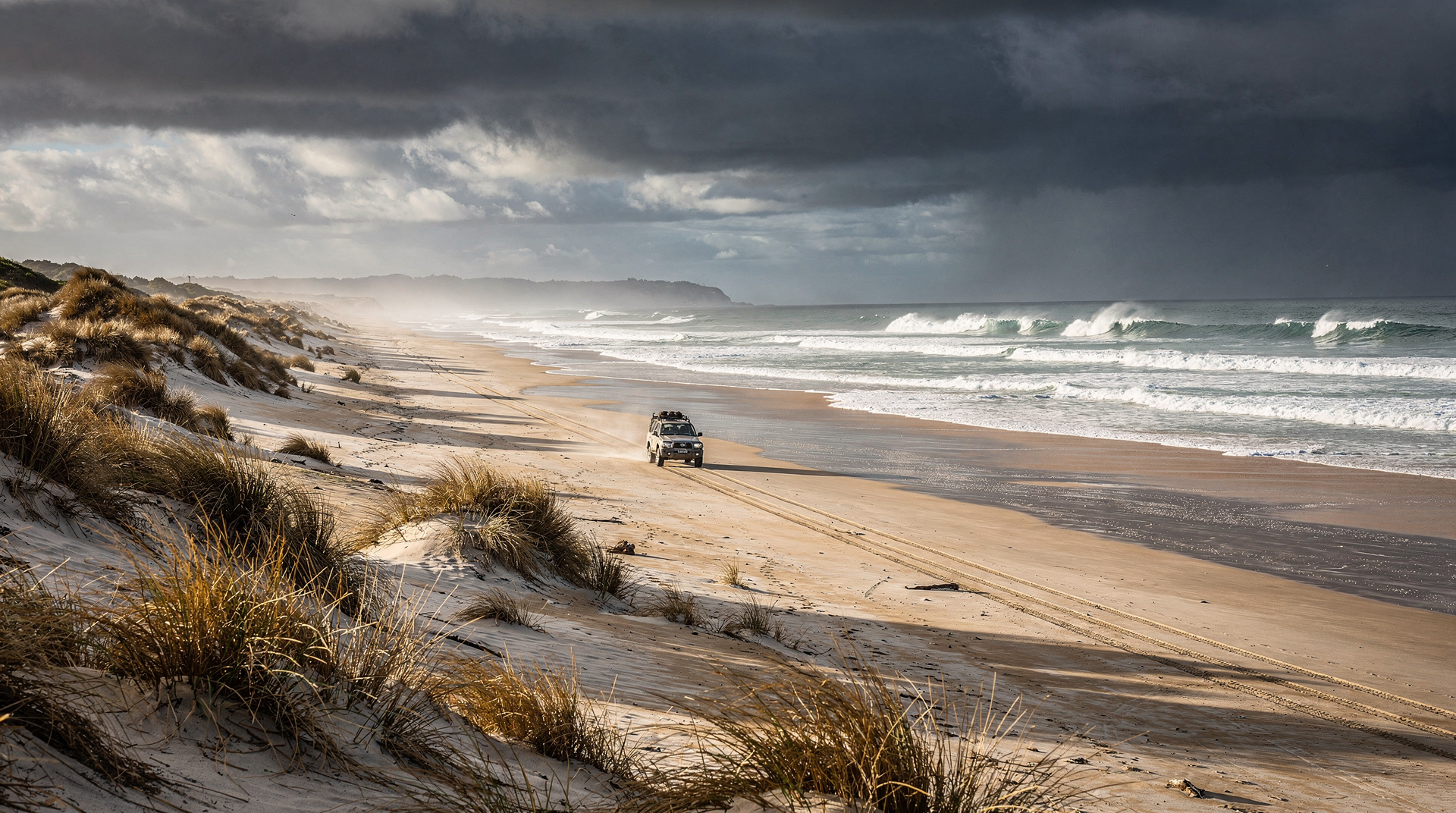
Northland
Honest Northland planner: Bay of Islands, Cape Reinga, 90 Mile Beach, Paihia, Russell, Whangarei. Real NZD/USD/EUR costs, what's worth your time.
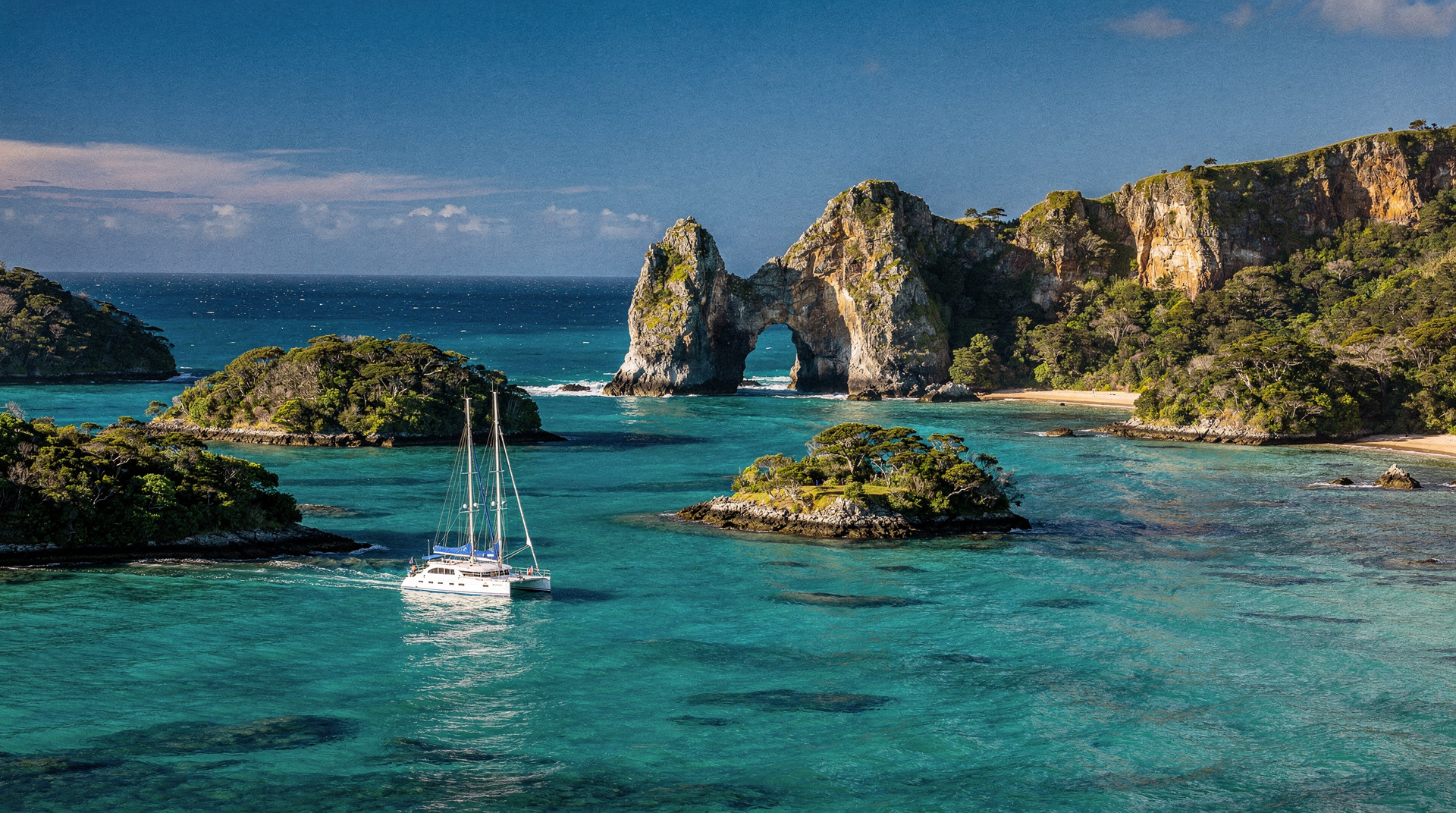
Bay of Islands
Honest Bay of Islands guide: Hole in the Rock cruise, dolphin swimming, Waitangi Treaty Grounds, Cape Reinga, real costs NZD/USD/EUR.
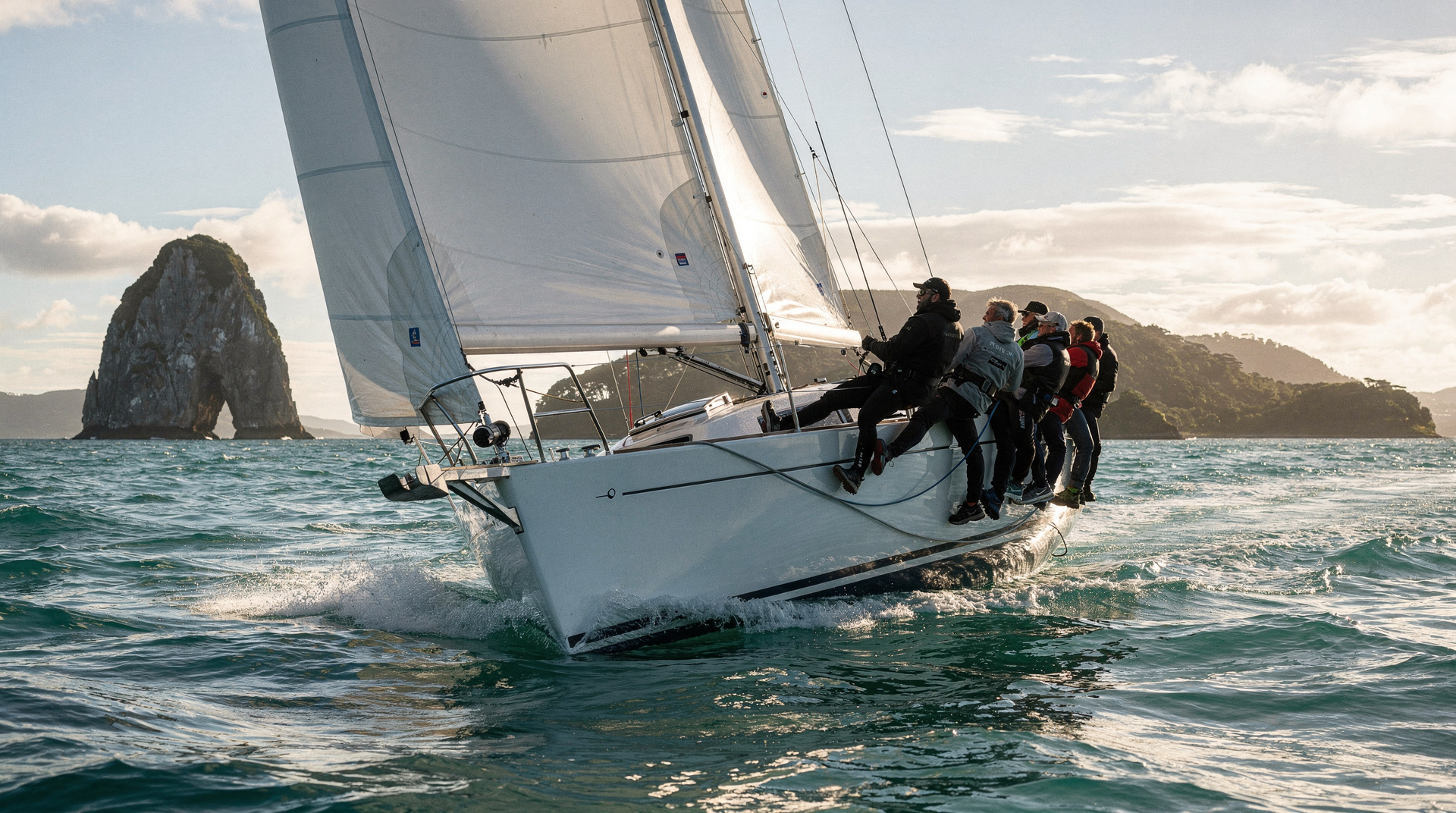
Sailing in Bay of Islands — cruises, catamarans, and overnight charters
Bay of Islands sailing guide: day cruises, dolphin watching, Hole in the Rock, and overnight charters. Prices NZD/USD/EUR and honest operator comparison.
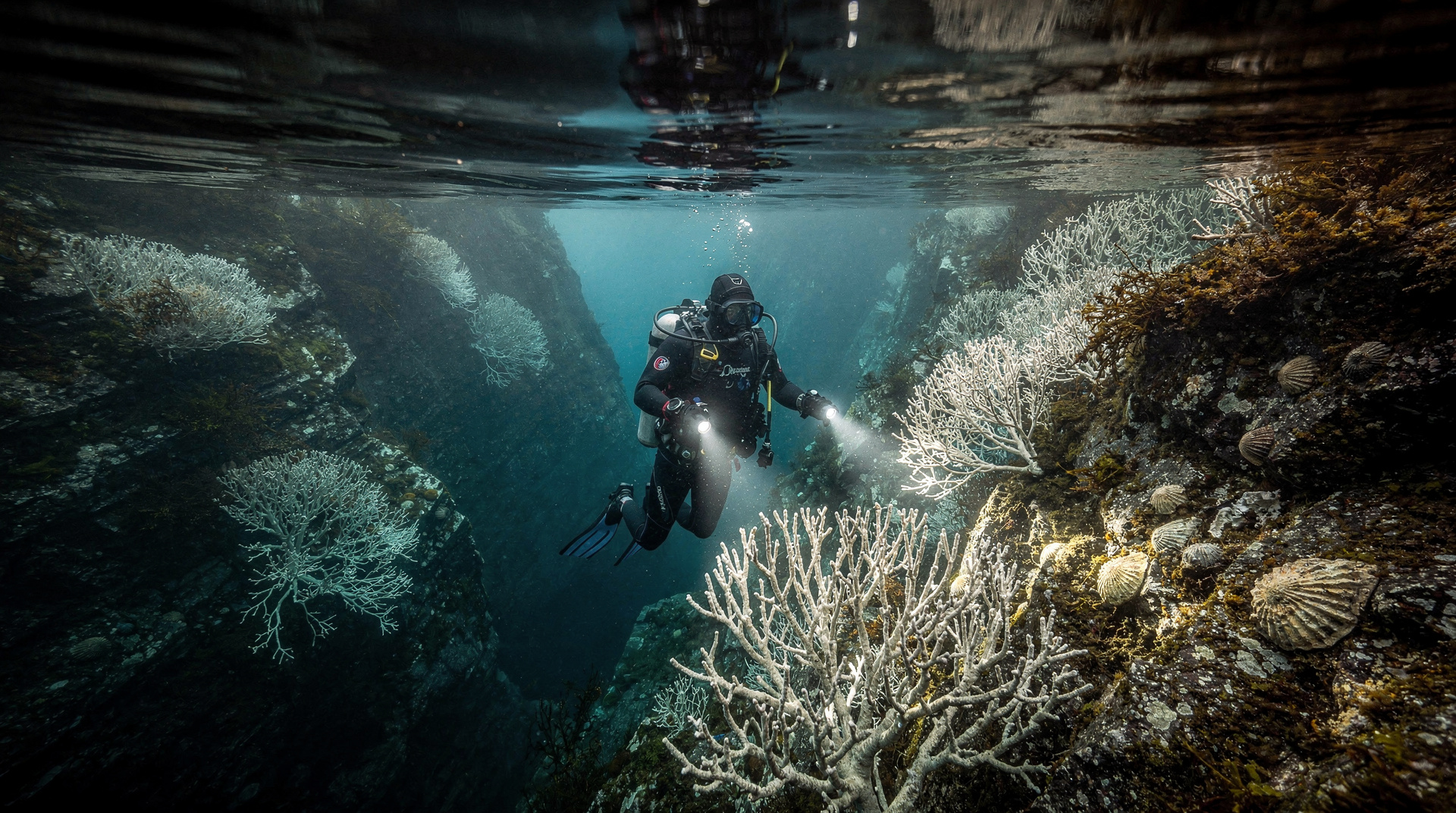
Diving in Fiordland — black coral and cold-water wonders
Fiordland diving: black coral at 10m depth, cold dark water, rare species. Prices NZD/USD/EUR, certifications needed, and what makes it unique in the world.
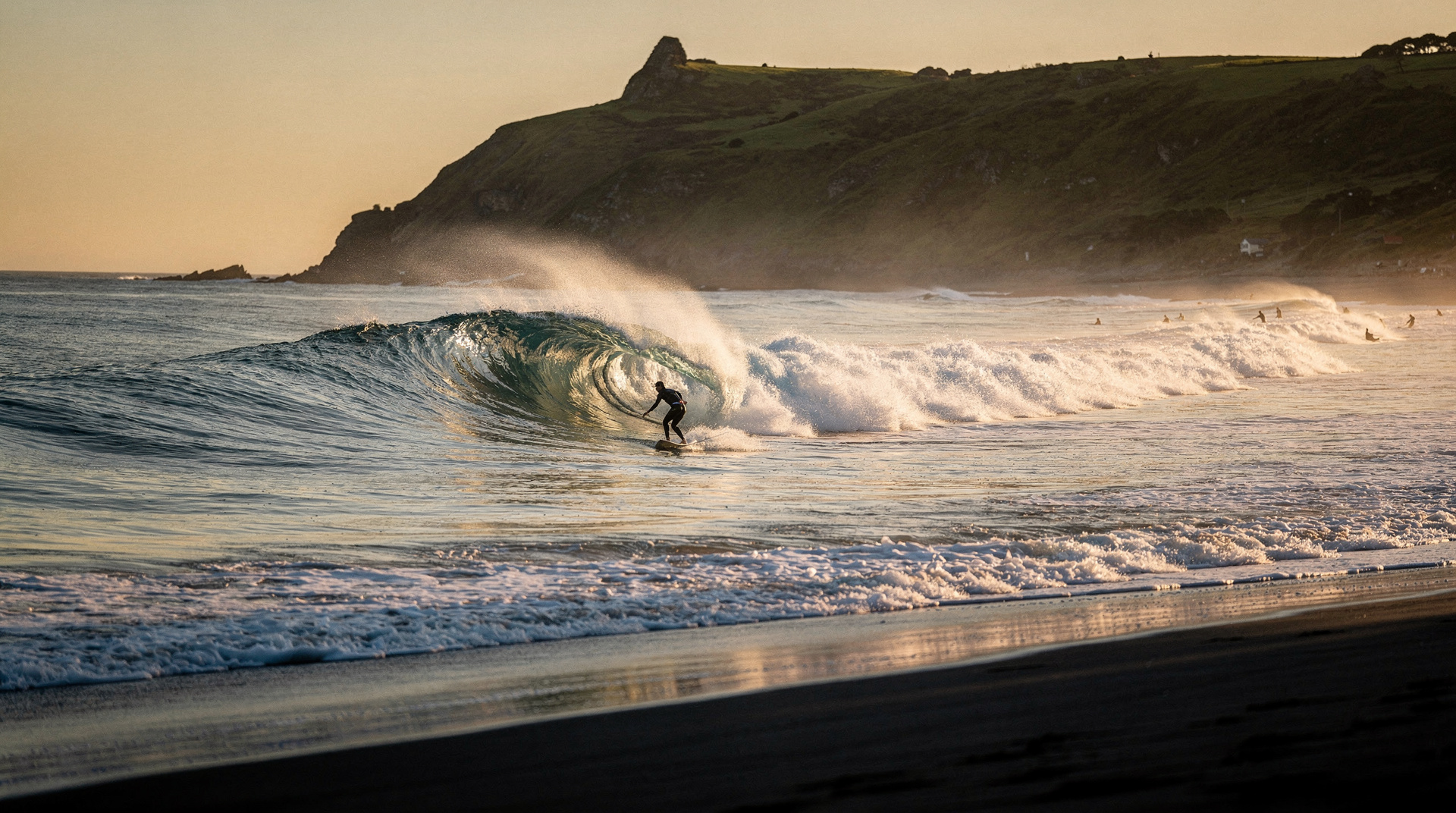
Surfing in Raglan — New Zealand's best left-hand break
Raglan surf guide: the world-famous left-hand point breaks, beginner lessons, board hire, and the best times to visit. Prices NZD/USD/EUR.
Last reviewed: