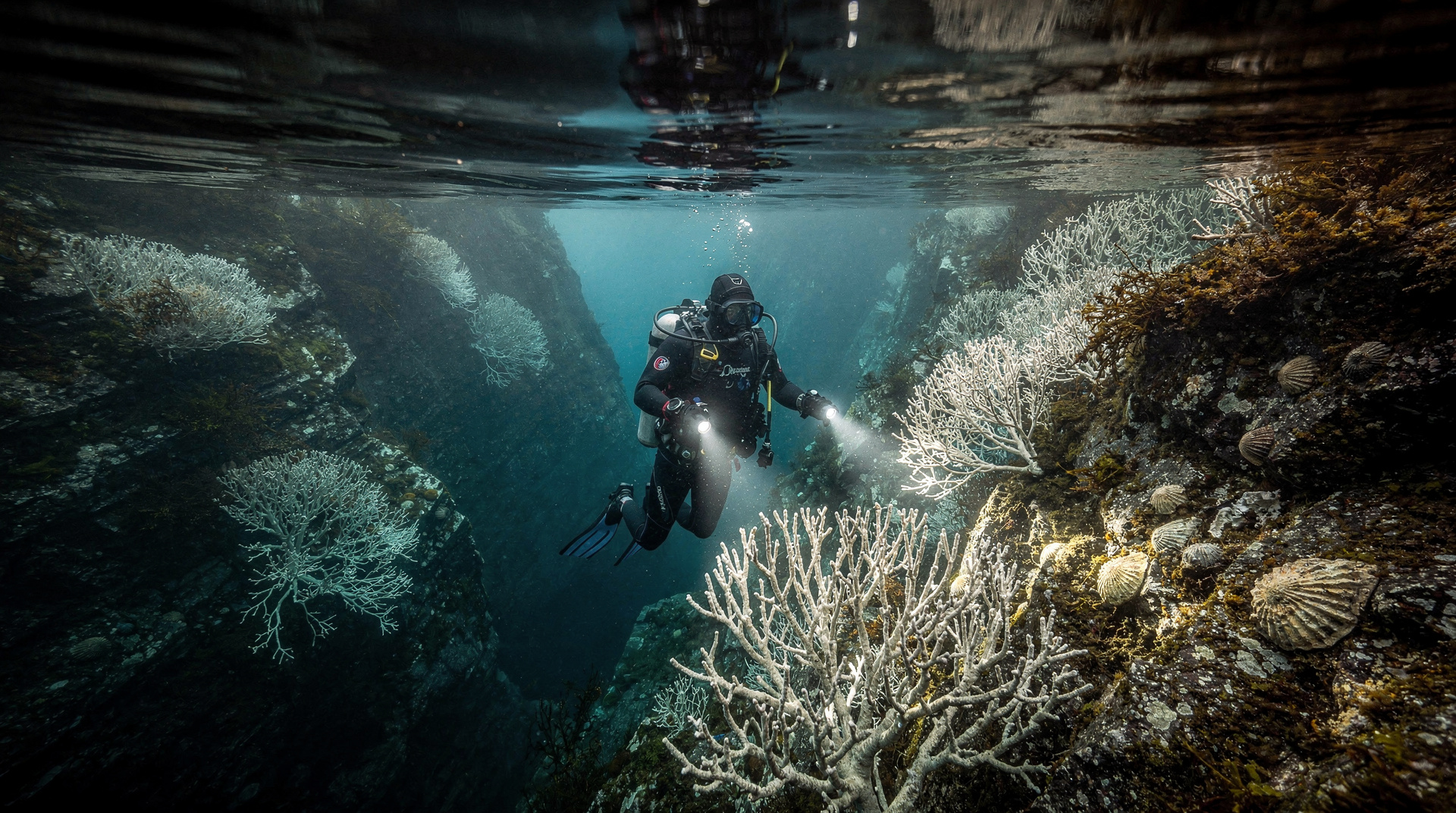
Diving in Fiordland — black coral and cold-water wonders
What makes Fiordland diving unique and how much does it cost?
Fiordland's freshwater layer creates permanent darkness from 1–10m depth, letting deep-water species (black coral, brachiopods) live in shallow water. This unique ecology is found nowhere else. Day dives from NZD 200–350 / USD 120–210 / EUR 110–193. Advanced OW certification required.
Deep-sea species at 10 metres — Fiordland’s unique underwater world
The diving in Fiordland’s fiords — Milford Sound (Piopiotahi), Doubtful Sound (Patea), and Dusky Sound — is unlike any other diving environment in the world. The explanation is the geology and the rainfall.
Fiordland receives 6,000–9,000mm of annual rainfall. This enormous freshwater input sits on the surface of the salt water in the fiords — a layer of fresh water 1–10m deep that blocks light far more effectively than the clear salt water below. The effect is permanent underwater darkness from the surface down.
Deep-water species that typically live at 40m+ in open ocean — black coral (antipatharia), brachiopods, crinoids, red and orange sponges — have migrated to 5–15m depth in Fiordland because their biological requirement is darkness, not depth. You can find black coral at 10m in Milford Sound. This does not happen anywhere else in the world at this latitude.
The consequence for diving: ordinary recreational divers can access what would otherwise require technical diving equipment. The Fiordland dive experience is cold (8–12°C water temperature), dark (torchlight required even on sunny surface days), and requires a drysuit or very thick wetsuit — but the species encountered are genuinely unique.
| Where | Milford Sound (day trips) or Doubtful/Dusky Sound (liveaboard) |
| Cost | Around NZD 220–280 (Milford, 2 dives) to NZD 800–1,200 (Doubtful liveaboard) |
| Certification | Open Water minimum; Advanced OW strongly recommended |
| Water temp | 8–14°C year-round; drysuit preferred |
| Best for | Certified divers seeking black coral and unique cold-water ecology |
Verdict: Splurge. Fiordland diving is expensive, cold, and requires Advanced Open Water certification. For qualified divers with interest in marine biology or rare ecosystems, it is one of the most distinctive dive experiences on Earth.
Where to dive in Fiordland
Milford Sound (Piopiotahi): The most accessible fiord. One operator — Dive! Tutoko — runs scuba diving trips from the Milford Sound wharf. Day trips depart Milford Sound (you need to get yourself to Milford first, which is 2 hours from Te Anau). Maximum two dives per day trip.
Doubtful Sound (Patea): Reached only via Manapouri — boat across Lake Manapouri, then a bus through the underground power station, then another boat into the fiord. This three-transfer access means Doubtful Sound diving is typically a multi-day liveaboard expedition. The diving is considered better than Milford — deeper penetration of the fiord, less tourist boat traffic, and more pristine black coral gardens. But logistics are significant.
Dusky Sound: The most remote of the accessible fiords. No day trips possible — liveaboard only. Extremely limited operator access. If Dusky Sound is your goal, you are planning a specialist trip, not adding a dive day to a tourism circuit.
Pricing and operators
Milford Sound dive trip (Dive! Tutoko): approximately NZD 220–280 / USD 132–168 / EUR 121–154 for two dives, includes wetsuit (not drysuit — check at booking). Full gear hire available.
Doubtful Sound liveaboard diving expedition: NZD 800–1,200 / USD 480–720 / EUR 440–660 per person for a 3-day package. This typically includes accommodation on the dive vessel, all meals, guides, and equipment.
Note: The above prices are approximate — this is a small specialist market and prices vary. Contact operators directly for current rates and availability.
What you’ll see in Fiordland
Black coral (Antipatharia): The iconic Fiordland species. Found at 8–15m depth throughout the fiords. The black coral trees reach 2–3m height in established colonies — a slow-growing organism that can live for centuries. The black colour is misleading — living black coral is typically covered in white or gold polyps; the dark skeleton is revealed only after death or when cleaned.
Brachiopods (Lingula and others): Living fossils — creatures largely unchanged since the Cambrian period (500 million years ago). Found at 5–10m depth in Fiordland, typically in the transition zone between the fresh and salt water layers.
Crinoids (sea lilies): Related to sea urchins and starfish, but looking like underwater ferns. Found attached to rock faces in the dark zone.
Red and orange sponges: Massive, colourful, covering entire cliff faces in the dark zone. The contrast between the dark water column and the sponge-covered walls is the dominant visual of Fiordland diving.
Fish: Grouper, blue cod, wrasse, and the occasional rig shark. Fish density is lower than Poor Knights Islands — Fiordland diving is about the invertebrates and unique ecology, not fish abundance.
Dolphins: Bottlenose dolphins are resident in some of the fiords and occasionally interact with divers on the surface. Not a reliable sighting but a real possibility.
Qualifications required
Minimum: Open Water (PADI or equivalent) for the basic Milford Sound dive. However, the conditions — cold, dark, drysuit environment with low visibility — make Advanced Open Water the practical minimum for a comfortable experience.
Recommended: Advanced Open Water plus experience in cold-water or low-visibility diving. Fiordland is not where you do your first cold-water dive. If you’re coming from tropical diving backgrounds, expect a significant adjustment in buoyancy (drysuit versus BCD), vision (torch navigation), and thermal management.
Not suitable for: Brand-new Open Water divers, those uncomfortable in dark or cold water, or those without prior drysuit experience (unless the operator provides training, which some do as a pre-dive briefing).
Logistics: getting to Milford for diving
The most common approach: drive from Te Anau to Milford Sound (119 km, 2 hours), dive in the morning, and return to Te Anau in the afternoon. This is viable if you’re also doing other Milford activities (kayak in the morning, dive in the afternoon) but means arriving at Milford by 8am — an early Te Anau departure.
From Queenstown: 286 km, 4.5 hours. A dive day from Queenstown means departing at 4am. Overnight in Te Anau is strongly recommended.
The Milford Sound cruise and diving can be combined in the same day if the schedule permits — the dive typically runs in the early hours before the cruise boats arrive in number.
Season and thermal considerations
Fiordland diving is possible year-round but conditions vary:
Summer (December–February): Slightly warmer water (10–14°C), more daylight hours, more fresh water layer from rainfall (better contrast between surface zone and dark zone below). Most popular time.
Winter (June–August): Water 8–10°C, colder air, fewer tourists, fully operational. The dark underwater environment doesn’t change seasonally — this is one of few dive destinations where season is largely irrelevant to underwater conditions.
Drysuit requirement: A 7mm wetsuit is marginally adequate in summer; a drysuit is preferred year-round for extended bottom time. Operators typically provide drysuit hire. If you own a drysuit and have experience with it, bring it.
Combining a dive with the rest of a Fiordland trip
Fiordland diving works best as one component of a longer Te Anau or Milford Sound stay rather than a stand-alone reason to visit the region. A typical structure: base in Te Anau, drive to Milford Sound for a morning dive, then either overnight at Milford Sound Lodge to catch the fiord at dawn and dusk without the day-tripper crowds, or return to Te Anau the same evening. Divers who also want the classic surface-level Milford experience should budget a separate day for a scenic cruise — trying to combine a dive and a full cruise in one day is a long day even by Fiordland standards, and the early dive departure (often before 8am) leaves little energy for an afternoon boat trip afterwards.
For non-divers travelling with a diver, Milford Sound and Doubtful Sound both offer standard scenic cruises that run independently of the dive schedule, and kayaking in Milford Sound is a good alternative for a shared water-level experience that doesn’t require certification.
Frequently asked questions
Do I need a drysuit for Fiordland diving?
For Milford Sound summer conditions, a 7mm wetsuit with hood and gloves allows 2 dives before hypothermia risk. For Doubtful Sound, winter, or multiple days, a drysuit is strongly recommended. Operators provide drysuit training and hire — book this in advance as supply is limited.
How does Fiordland compare to Poor Knights Islands for diving?
They are completely different experiences. Poor Knights is warm, clear, subtropical, and accessible without certification upgrades. Fiordland is cold, dark, temperate, and biologically unique. If you want to snorkel or do tropical-style diving, Poor Knights is better. If you want to see black coral and living fossils at recreational depths, Fiordland is unique in the world.
Is Fiordland diving appropriate for beginners?
No. The conditions (cold, dark, limited visibility, drysuit) require established dive skills and comfortable self-rescue capability. Open Water divers on their second or third dive trip should dive Milford Sound only with an instructor or experienced divemaster escort. Most operators will assess experience at briefing and adjust the dive accordingly.
Can I snorkel in Fiordland?
Technically yes, but the interesting biology begins below the fresh water layer (5–10m depth), which is inaccessible to surface snorkelling. A free-dive snorkel to 5–8m reaches the transition zone where some black coral and sponges are visible. This requires freediving competency and cold-water tolerance. Surface snorkelling in Milford Sound is cold and visually limited — the main attraction is underwater.
More Fiordland experiences
Related guides
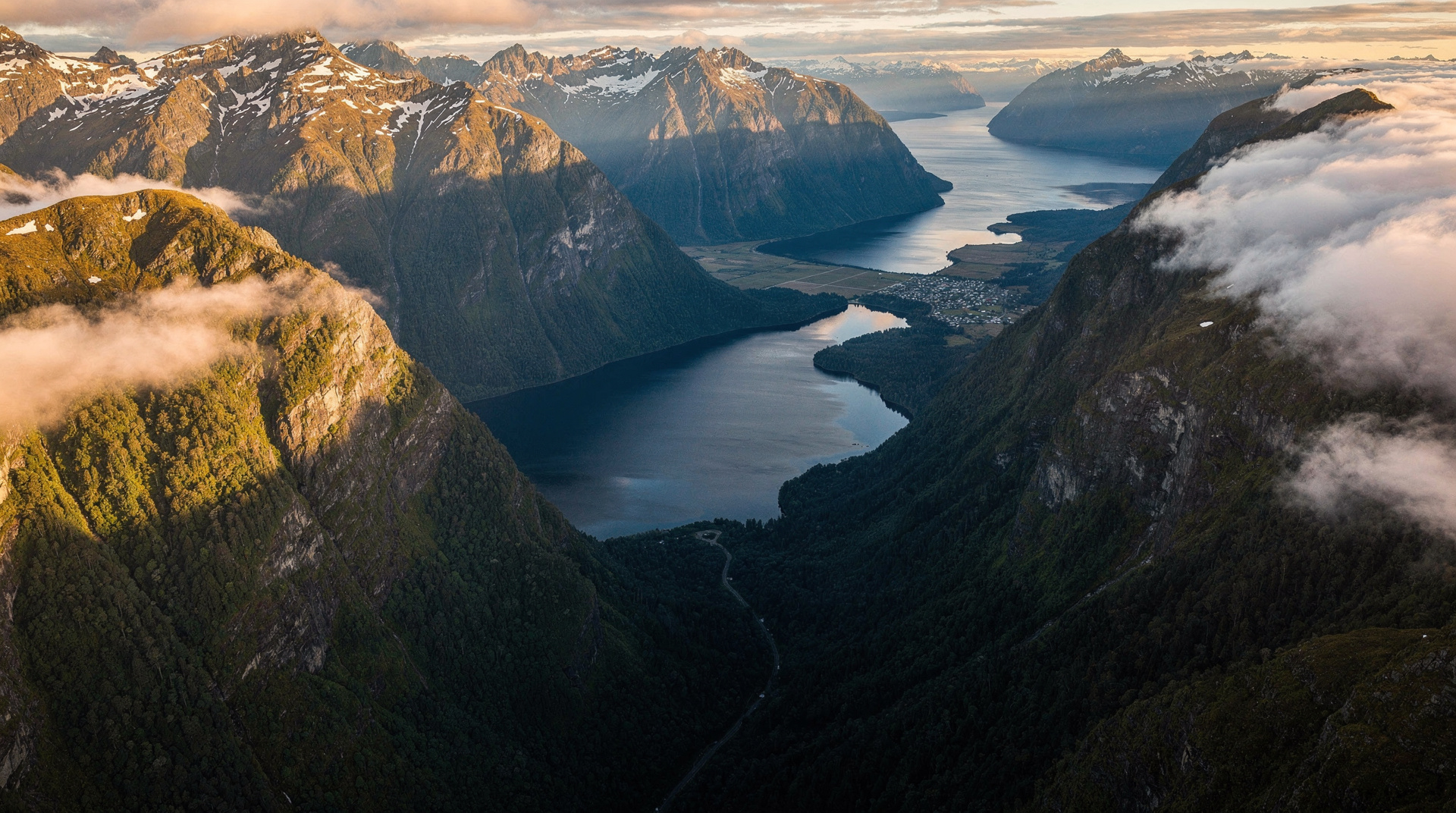
Fiordland
Honest Fiordland planner: Milford Sound vs Doubtful Sound, Te Anau base, Milford Track booking, real NZD/USD/EUR costs and what most guides won't tell you.
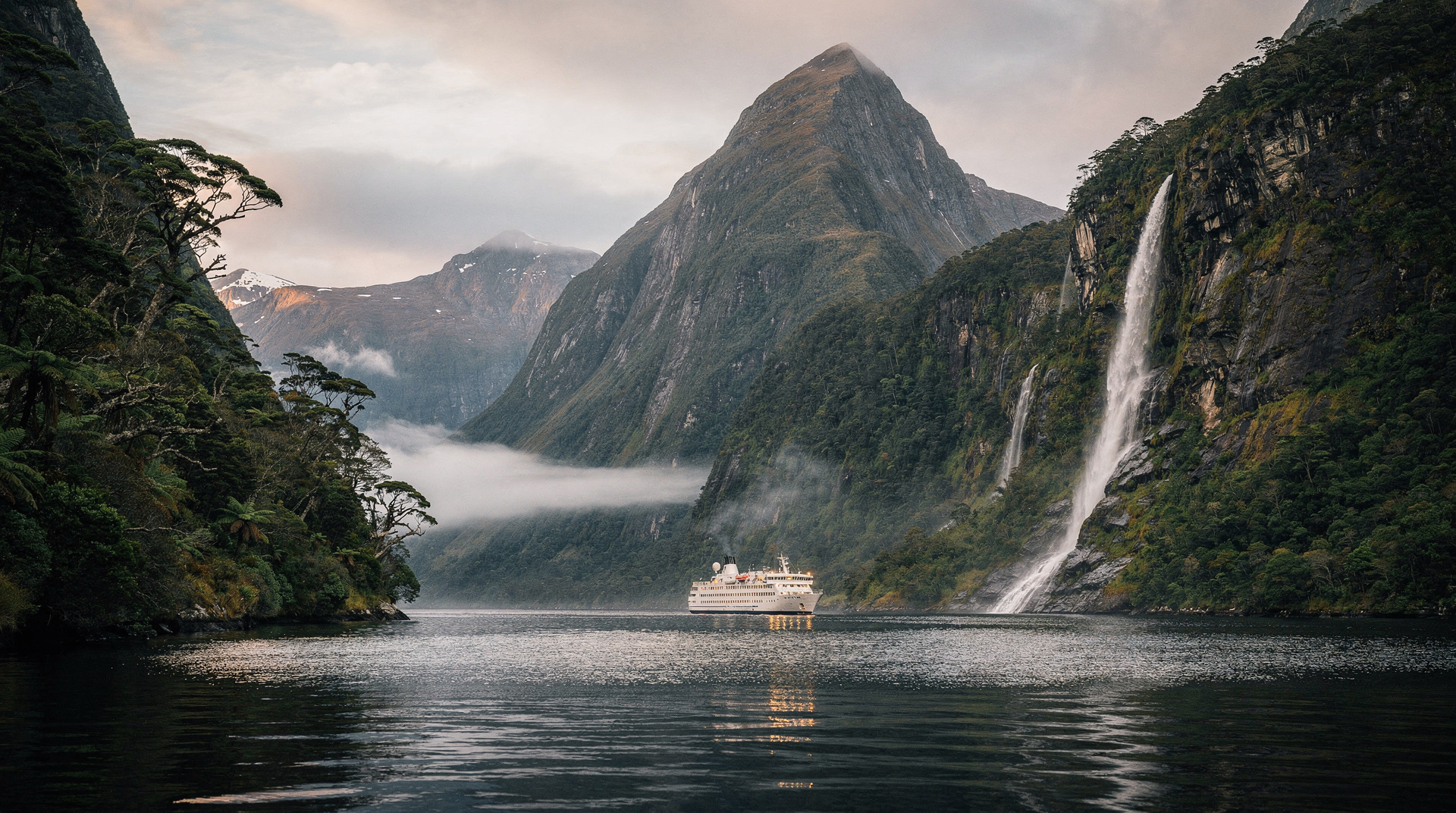
Milford Sound
Everything honest about Milford Sound: best cruises, scenic flights, real NZD/USD/EUR prices, and why you should stay in Te Anau first.
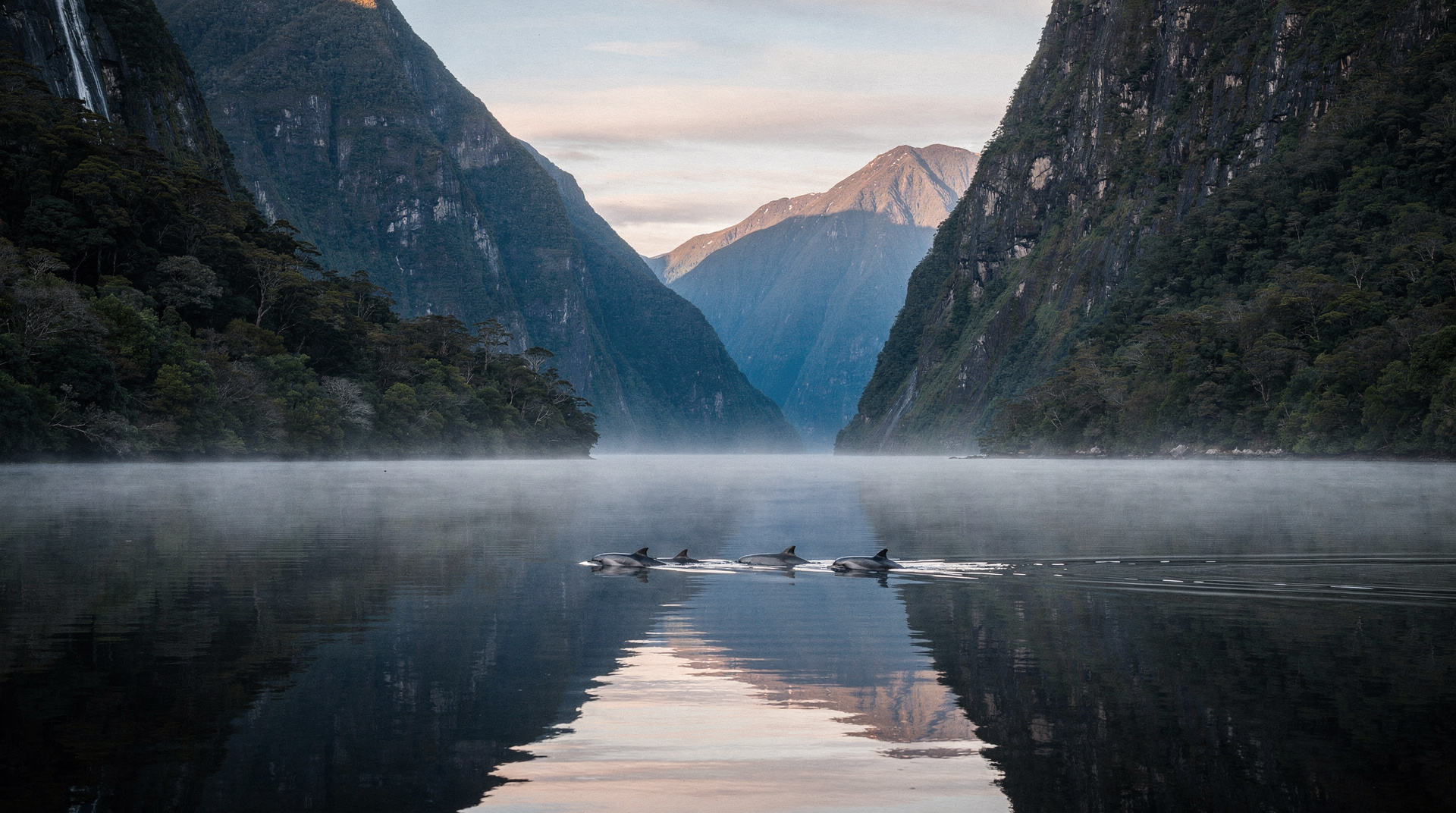
Doubtful Sound
Honest Doubtful Sound guide: how to get there, best cruises, overnight options — real NZD/USD/EUR costs and the honest Milford comparison.
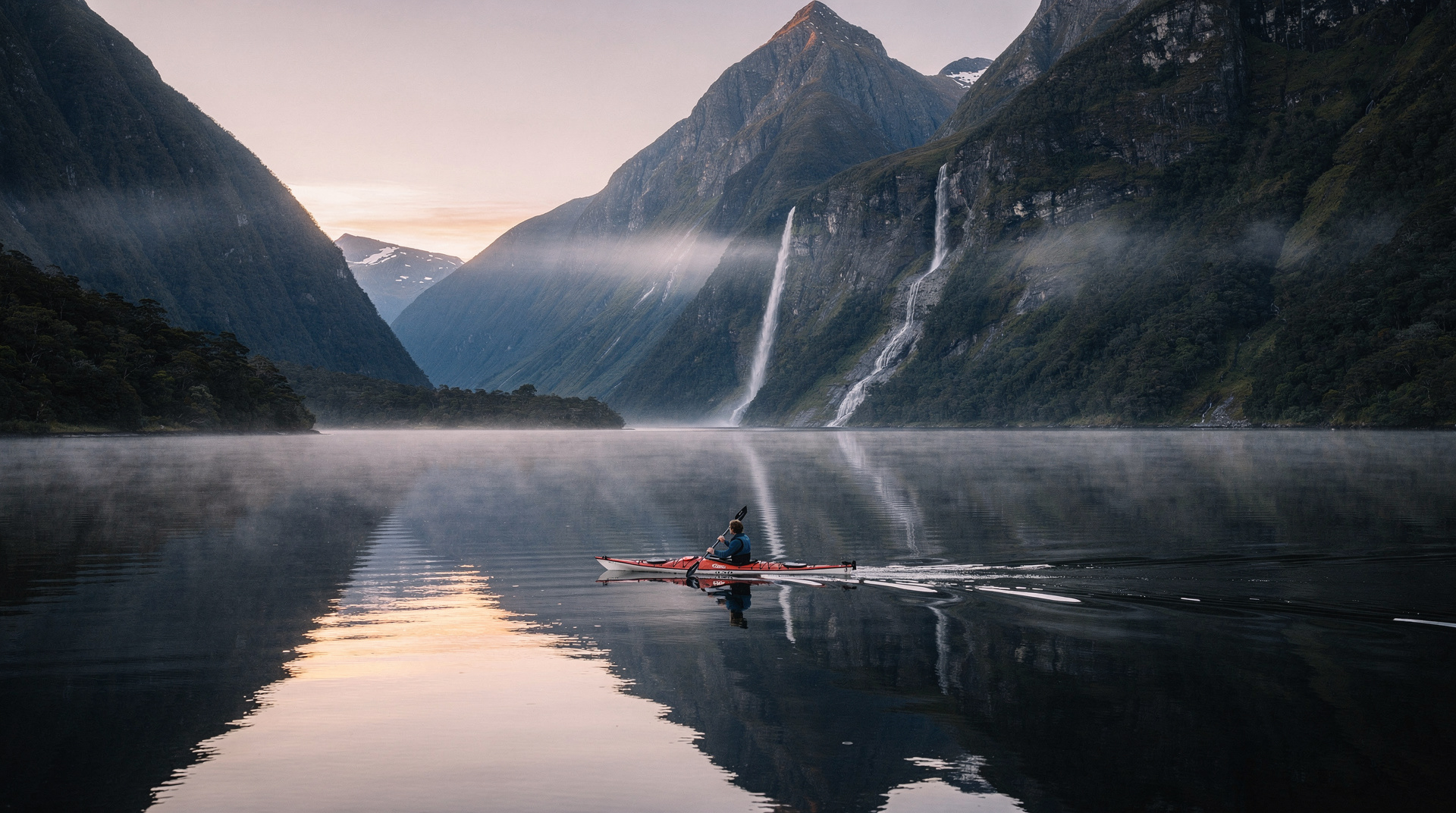
Kayaking in Milford Sound — paddling beneath the cliffs
Milford Sound kayaking guide: paddle beneath 1,692m Mitre Peak, see waterfalls and fur seals from water level. Prices NZD/USD/EUR and what to expect.
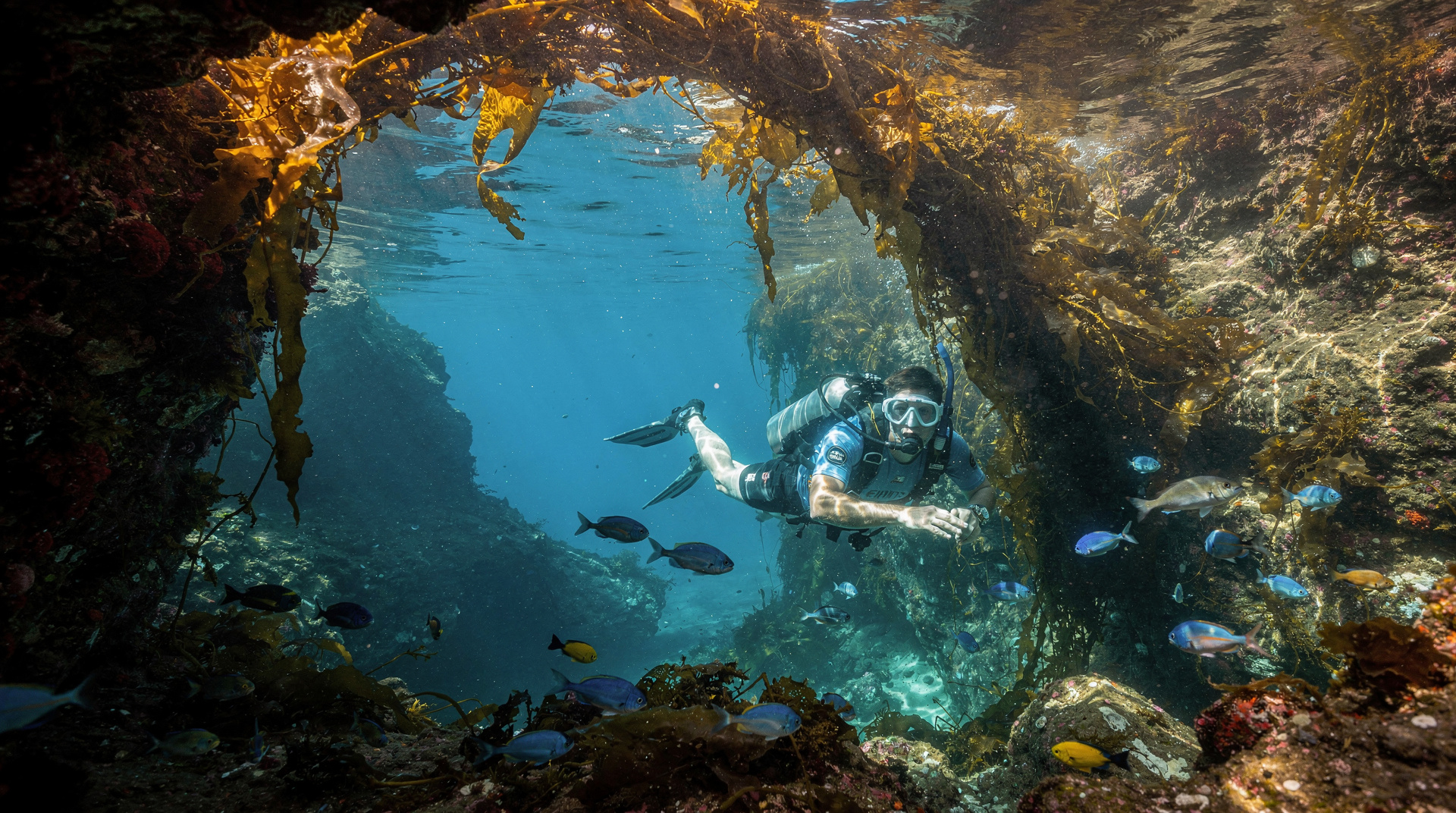
Snorkelling at Poor Knights Islands — New Zealand's best dive site
Poor Knights Islands snorkelling guide: Jacques Cousteau's acclaimed dive site, tours from Tutukaka, prices NZD/USD/EUR, marine life, and seasonal tips.
Last reviewed: