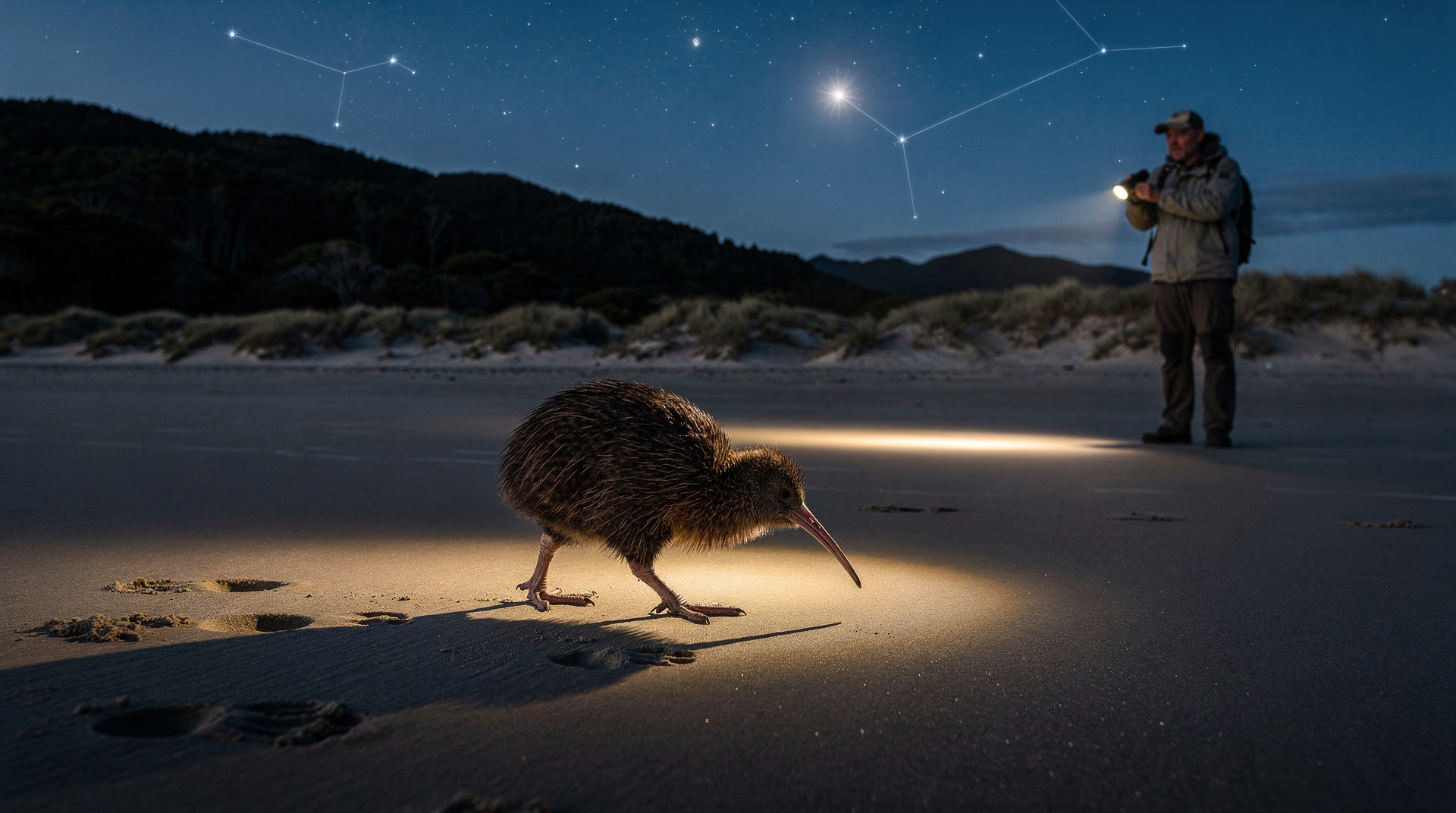
Stewart Island kiwi spotting review — seeing wild kiwi on Rakiura
Can you actually see wild kiwi on Stewart Island?
Yes — Stewart Island/Rakiura has the highest density of wild brown kiwi in New Zealand, and the guided evening tours have strong sighting rates on Ocean Beach. It is one of very few places on earth to reliably see a kiwi in the wild. The logistics of getting there are real: a 1-hour catamaran from Bluff plus at least one overnight stay.
One of earth’s great wildlife encounters — ✓ Worth it
The kiwi (kiwi in te reo Maori, the name onomatopoeic for the male’s call) is New Zealand’s most recognisable animal and one of the most difficult to see in the wild. On the North Island, captive wildlife parks — Zealandia in Wellington, Rainbow Springs in Rotorua — offer nocturnal kiwi in artificial lighting. Wild kiwi require either luck on the Great Walks (rare) or a deliberate trip to one of a handful of protected areas where populations remain significant.
Stewart Island/Rakiura is the clearest answer. The island — 1,746 square kilometres, population approximately 400, connected to Bluff by a 1-hour catamaran — holds an estimated 15,000–20,000 brown kiwi. On Ocean Beach, on the island’s eastern coast, kiwi come down to feed at the waterline in the early evening. The guided tours go at dusk, walk quietly to the beach, wait, and watch.
Sighting rates are not 100%. They’re high — the operators quote 85–90% when conditions are reasonable. But kiwi are wild animals and they do not operate on schedules. Understanding this before you book is important.
| Where | Ocean Beach, Stewart Island/Rakiura |
| Getting there | 1hr catamaran, Bluff to Oban |
| Cost | Around NZD 255/person for the tour |
| Sighting rate | Operators quote 85–90% |
| Time needed | Minimum 2 days including travel |
Stewart Island: Wild Kiwi Encounter
Stewart Island wild kiwi encounter — evening guided tour to Ocean Beach with small group.
From NZD 255 / USD 153 / EUR 140
What you actually get
Getting to the tour
The kiwi encounter departs from Oban, the island’s only settlement. To be in Oban for a dusk tour, you need to either be staying overnight on the island (strongly recommended) or catch the early morning catamaran from Bluff and spend the day before the evening tour.
The catamaran (Real NZ / Stewart Island Experience) departs Bluff multiple times daily and takes approximately 1 hour crossing Foveaux Strait. The crossing is sometimes rough — Foveaux Strait is exposed Southern Ocean; pack layers and take sea-sickness prevention if needed. Book the ferry well in advance in summer.
To get to Bluff: it’s 27 km south of Invercargill (30 minutes), and Invercargill is 3.5 hours from Queenstown. The Stewart Island detour is not a casual addition — it is a deliberate choice that adds at minimum 2 days to any South Island itinerary.
The evening tour itself
Groups depart from Oban at dusk — the timing varies by season (earlier in winter, later in summer — ask the operator for that day’s departure time when you book). Maximum group size is typically 8–10. The guide carries a red-light torch (kiwi are sensitive to white light; red light doesn’t disturb them or obscure their senses).
The walk to Ocean Beach takes 20–30 minutes through coastal regenerating bush. The guide walks quietly, stops regularly, and listens. Kiwi are vocal; the male’s whistling call carries in the still evening air. When a kiwi is located — either by sound approaching the beach or by sight on the sand — the group is brought into a quiet observation position.
What you see: At the beach, kiwi probe the sand and seaweed with their long bills, foraging for sandhoppers, worms, and small invertebrates. Their movement is deliberate and purposeful. They’re larger than most people expect — adult brown kiwi weigh 2–3 kg, and at close range on an open beach you can see the detail of their rudimentary wings and hair-like feathers. They are completely unbothered by a silent group of humans at 10–15 metres distance; the guides know the approach behaviours well.
Duration: The round trip — walk to beach, observation time, walk back — is approximately 2.5–3.5 hours. The observation time varies significantly based on kiwi activity. Some nights: one kiwi visible briefly, 20 minutes observation, walk back in the dark. Other nights: three or four kiwi on the beach simultaneously, extended observation while they forage. This variability is real and the operator is transparent about it.
What the sighting actually looks like
No spotlights. No cages. No staged feeding. This is a wild kiwi on a beach in darkness, observed with a red torch from a respectful distance. The experience is quieter and more intimate than a zoo nocturnal house — and precisely because the animal has no obligation to be there, the encounter carries a different emotional weight.
People who have never cared much about birds frequently describe the kiwi encounter as moving in a way they didn’t anticipate. The combination of context — this is a species that came within a breath of extinction, on an island that functions as a mainland sanctuary, observed by a small group in complete quiet — gives the sighting a depth that ticking off a zoo exhibit does not.
What it costs and what’s not included
Cost breakdown
Prices approximate 2026. Ferry prices vary seasonally — book via stewartislandexperience.co.nz.
| Item | NZD | USD | EUR | Verdict |
|---|---|---|---|---|
| Wild kiwi encounter (guided evening tour) Includes guide, red-light torches, small group | NZD 255 | USD 153 | EUR 140 | ✓ Worth it |
| Ferry Bluff–Oban–Bluff (return) Per person, each way approx NZD 52–58 | NZD 105–115 | USD 63–69 | EUR 58–63 | ✓ Worth it |
| Accommodation in Oban (mid-range per night) | NZD 150–280 | USD 90–168 | EUR 83–154 | |
| Ulva Island guided walk (day activity before evening tour) Recommended addition — see daytime NZ birds | NZD 139 | USD 83 | EUR 76 | ✓ Worth it |
| Invercargill to Bluff return (fuel/road) | NZD 20–30 | USD 12–18 | EUR 11–17 |
What’s not included: Meals (Oban has one main restaurant, the South Sea Hotel, and a small general store — options are limited, book dinner early), the ferry crossing, accommodation, transport to Bluff from Invercargill or Queenstown. Budget NZD 500–700 per person for the full Stewart Island overnight trip including transport, accommodation, and the tour.
Who should book ✓ Worth it
- Seeing wild kiwi is a priority on your NZ trip — this is the most reliable place to do it outside of captive facilities
- You’re spending 10+ days in NZ and can absorb the 2-day detour for Rakiura
- You’re a birdwatcher or naturalist — Stewart Island has exceptional daytime bird life as well (Ulva Island in particular)
- You want to see the kiwi as a wild animal in its natural environment rather than in a nocturnal house at a wildlife park
- You’re already in Southland or planning to visit Milford Sound/Te Anau — the detour from Invercargill is the most manageable routing
Who should skip ✕ Skip
- You have 7 days or fewer in NZ — the logistics cost too much time relative to the itinerary
- You’re not willing to accept the 10–15% chance of no sighting — the alternative is a captive kiwi nocturnal house at Zealandia (Wellington) or Rainbow Springs (Rotorua) where sightings are guaranteed
- Rough sea crossings are a genuine problem — Foveaux Strait is exposed Southern Ocean and the ferry can be uncomfortable in poor weather
- You’re basing yourself only in the North Island — the Stewart Island addition from Auckland is a 1.5-hour flight to Invercargill followed by the Bluff drive and ferry
- The wildlife priority is daytime birds rather than nocturnal kiwi — Ulva Island delivers exceptional daytime wildlife without the kiwi encounter’s timing dependencies
When to splurge ★ Splurge
The Ulva Island guided wilderness walk and cruise is the logical upgrade for people spending two nights on Stewart Island. Ulva is an offshore island sanctuary — predator-free since the 1990s — accessible by water taxi from Oban. Daytime bird life is exceptional: Stewart Island robins approach within arm’s reach, kaka (native parrot) call from the canopy, South Island saddlebacks and tuis fill the understory, and you may see yellow-eyed penguins (hoiho) in the late afternoon.
Stewart Island: Ulva Island Guided Wilderness Walk & Cruise
Ulva Island guided wilderness walk and cruise — predator-free sanctuary with rare NZ birds.
From NZD 139 / USD 83 / EUR 76
The combination of an Ulva Island morning (daytime birds, including rare species found nowhere else in NZ) followed by an evening kiwi encounter is a legitimate wildlife day that stands among NZ’s best.
How to actually get there
From Queenstown (most common routing)
Queenstown to Invercargill: 3.5 hours via SH-6 through Gore (SH-94 via Te Anau and Milford is longer but more scenic — combine with a Milford Sound visit). From Invercargill to Bluff: 27 km, 30 minutes. Total: 4–4.5 hours before the ferry.
Flying option: Air New Zealand operates Queenstown–Invercargill daily (approximately 35 minutes, NZD 80–180 depending on timing). This saves 3 hours of driving and is worth considering if you’re time-constrained.
From Te Anau/Fiordland
Te Anau to Invercargill: 170 km, approximately 2 hours via SH-94 south. If you’re finishing Fiordland, the Stewart Island overnight makes natural geographical sense before heading north again.
Ferry booking
Book the Stewart Island ferry well in advance — summer departures (December–February) can sell out days to weeks ahead. The operator is Stewart Island Experience / Real NZ. The return trip is approximately NZD 105–115 per adult, bookable online. The ferry is a purpose-built catamaran; Foveaux Strait crossings take 60 minutes and range from glassy-calm to genuinely rough depending on the day.
Motion sickness: Take preventative medication (Stugeron or similar) at least 1 hour before departure if you’re susceptible. The crossing is not always smooth.
If you would rather lock in the crossing first, you can reserve the catamaran crossing between Bluff and Oban online and then build the rest of the trip around it. For the destination itself, the Stewart Island destination page covers the island beyond the kiwi tour, and the Rakiura Track guide is the place to start if you want to add a Great Walk.
Fitting Stewart Island into a wider South Island trip
Stewart Island works best as the southern end of a loop rather than a stand-alone trip. Many travellers arrive from Queenstown or Te Anau, spend two nights on Rakiura, and then continue through Southland towards Invercargill and the Catlins. If you are planning the bigger picture, the South Island seven-day itinerary and the driving guide for New Zealand help you judge whether the extra two days fit. Anyone with more time can pair the island with Fiordland and a Milford Sound cruise, which sits on the same general side of the country.
Honest red flags
No sighting is a real possibility. The 85–90% sighting rate quoted by operators is honest, not false modesty. Roughly 1 in 8–10 groups sees no kiwi, or sees one briefly at distance. If this happens, the operator does not offer a refund — you’ve paid for a guided wildlife experience, not a guaranteed sighting. Know this before you book.
The experience is quiet and requires patience. Some visitors find the 2.5–3.5-hour tour, much of which is walking in the dark and waiting, less dynamic than expected. If you’ve been going hard on adventure activities, this is a very different tempo. It suits naturalist-minded travellers better than pure thrill-seekers.
Oban’s services are limited. One restaurant, one general store, one petrol station (expensive). There is one ATM but intermittent EFTPOS reliability — bring cash. The South Sea Hotel pub is the social hub and the food is reliable. Book dinner before you leave for the kiwi tour.
Accommodation books out. Oban has perhaps 200 beds total. In peak summer, accommodation can be fully booked 4–6 weeks ahead. Book your accommodation before booking the ferry or the tour.
No mobile coverage in most of Rakiura. Limited connection in Oban; none on the walking tracks. Download offline maps (Maps.me or AllTrails) before you leave the mainland.
Alternatives if you don’t book
Zealandia Ecosanctuary, Wellington: The best North Island alternative for wild-adjacent kiwi. Zealandia is a 225-hectare fenced sanctuary in suburban Wellington where kiwi roam freely at night. Night tours enter the sanctuary after dark and sighting rates are good — the kiwi are genuinely wild-born but within a protected enclosure rather than open country. Tour cost NZD 75–95. No ferry required.
Rainbow Springs Kiwi Encounter, Rotorua: Captive nocturnal house with guaranteed kiwi sighting. Less wild; more controlled. The Rainbow Springs facility includes a hatchery that’s part of Operation Nest Egg, NZ’s main kiwi hatching programme. Educational value is high. Suitable for families with children who need more certainty. Cost NZD 75 adult.
Ulva Island day trip without the kiwi tour: If the kiwi encounter logistics are too complex, Ulva Island alone — booked via water taxi from Oban, self-guided or guided — delivers extraordinary daytime birdlife. Many birders consider Ulva Island the finest place in NZ to see endemic forest birds. Book Stewart Island Ulva Island guided wilderness walk and cruise as a standalone activity if you’re making the trip to Stewart Island for other reasons.
Weather and the best conditions for a sighting
Kiwi activity on Ocean Beach correlates with recent rainfall — after rain, sandhoppers and invertebrates rise closer to the surface, and kiwi forage more actively and for longer. Guides watch the forecast closely and will sometimes adjust the route or timing based on recent conditions. Calm, overcast evenings with light drizzle are, counterintuitively, often the best nights for a sighting — clear, dry, windy evenings can push kiwi to forage further inland, away from the beach where the tour walks. None of this is something you can control by choosing your travel dates precisely, but it explains why sighting rates vary night to night even with the same guides and the same beach.
Other wildlife worth knowing about on the way
Kiwi are the headline, but the south rewards anyone who looks for more. The wildlife guide for New Zealand gives the wider picture, and on the mainland coast of Otago and Southland you can add yellow-eyed penguins to the list. If the kiwi tour is your first wild-bird experience, it helps to read the companion kiwi spotting overview so you know what the animal is doing when you watch it. For anyone who prefers to keep the evening free and look for birds in daylight, the island’s guided walks in the bush are an alternative; an evening guided walk to find wild kiwi on the beach remains the most direct way to see the bird itself, and it is the tour this review is based on.
Packing for the crossing and the tour
Foveaux Strait’s exposure means the ferry can be genuinely rough even when Bluff itself looks calm — pack a warm, windproof layer regardless of season, and take seasickness medication before boarding if you’re at all prone to it. For the evening kiwi tour, dress for a 20–30 minute walk through coastal bush in the dark: sturdy closed shoes (not sandals), a warm layer, and a torch of your own as backup, even though the guide provides red-light torches for the group.
Rain is common in Rakiura year-round, so a proper rain jacket — not just a light shower jacket — is worth the pack space. Because there’s no mobile coverage on the walking tracks, download offline maps before leaving Bluff, and let your accommodation know your evening tour timing so someone knows your plan.
If this is your first long trip in the country, the packing list for New Zealand and the guide to the best time to visit cover the layers and seasons that matter most in the far south. A slower, more reflective account of the island is in the blog piece on slow travel on Stewart Island, which pairs well with this review if you are deciding how many nights to stay.
Frequently asked questions about Stewart Island kiwi spotting review — seeing wild kiwi on Rakiura
How reliable are the kiwi sightings on Stewart Island?
Operators quote 85–90% sighting rates on Ocean Beach tours. This is one of the highest rates for wild kiwi encounters anywhere in NZ. Factors affecting sightings: recent rainfall (kiwi are more active after rain), wind direction (affects how far their foraging carries them), and the specific time of year (nesting season — June–November — keeps some birds inland). No encounter can guarantee a sighting.
Is Stewart Island worth the trip just for kiwi?
Depends on your priorities. If seeing wild kiwi is a primary objective and you have 10+ days in NZ, yes. If you’re on a shorter trip, the logistical commitment (Bluff, ferry, overnight stay, return) is hard to justify for a single wildlife encounter. The island offers more than kiwi — the birdlife, the remoteness, the Rakiura Track — but the full value only manifests over 2+ nights.
What’s the best time of year to go?
January–April has the most stable crossing weather and longest evenings (kiwi tours run later, giving more daylight for Ulva Island activities). June–August is quieter, cheaper for accommodation, and the ferry is less crowded — but winter crossings can be rougher and kiwi nesting behaviour changes. Summer is the most popular for good reason: better weather, longer days, and the full range of water taxi services to Ulva is available.
Do I need to book the kiwi tour well in advance?
Yes. Summer departures (December–February) fill 2–4 weeks ahead. The tours run with 8–10 people maximum; there may be only one or two departures per week in quieter periods. Book the tour before booking anything else — if the tour dates are full, the trip doesn’t make sense.
Is there any chance of seeing kiwi without a guided tour?
Technically yes — kiwi are present across much of the island, and some visitors walking the Rakiura Track at night hear them (the male’s call is unmistakeable: a series of 15–20 ascending whistles). Seeing one requires local knowledge of where they forage, a red torch, and patience. The guided tour significantly improves your odds and ensures your approach doesn’t disturb them. Self-guided kiwi watching is possible but unlikely to succeed on a single short visit.
Can children join the kiwi encounter?
Most operators accept children aged 8 and over. Younger children are sometimes accommodated at the guide’s discretion if they can commit to sustained quiet. The 2.5–3.5-hour walk in the dark requires the ability to move quietly for extended periods. For families with young children who may struggle with this, Zealandia in Wellington (nocturnal house, shorter duration) is more appropriate.
What should I do during the day before the evening kiwi tour?
Ulva Island is the clear answer — a half-day guided wildlife walk on the predator-free sanctuary, bookable through the same operators. Alternatively: the Ackers Point lighthouse walk (2 hours return, excellent for sooty shearwaters and little blue penguins in the evening); the Observation Rock lookout (30 minutes return from Oban); or simply sitting in Halfmoon Bay watching the Foveaux Strait. The South Sea Hotel does a very good lunch and the bar is one of the few places in NZ where you might find a sperm whale vertebra on the wall and three generations of crayfishing families at the next table.
Related guides
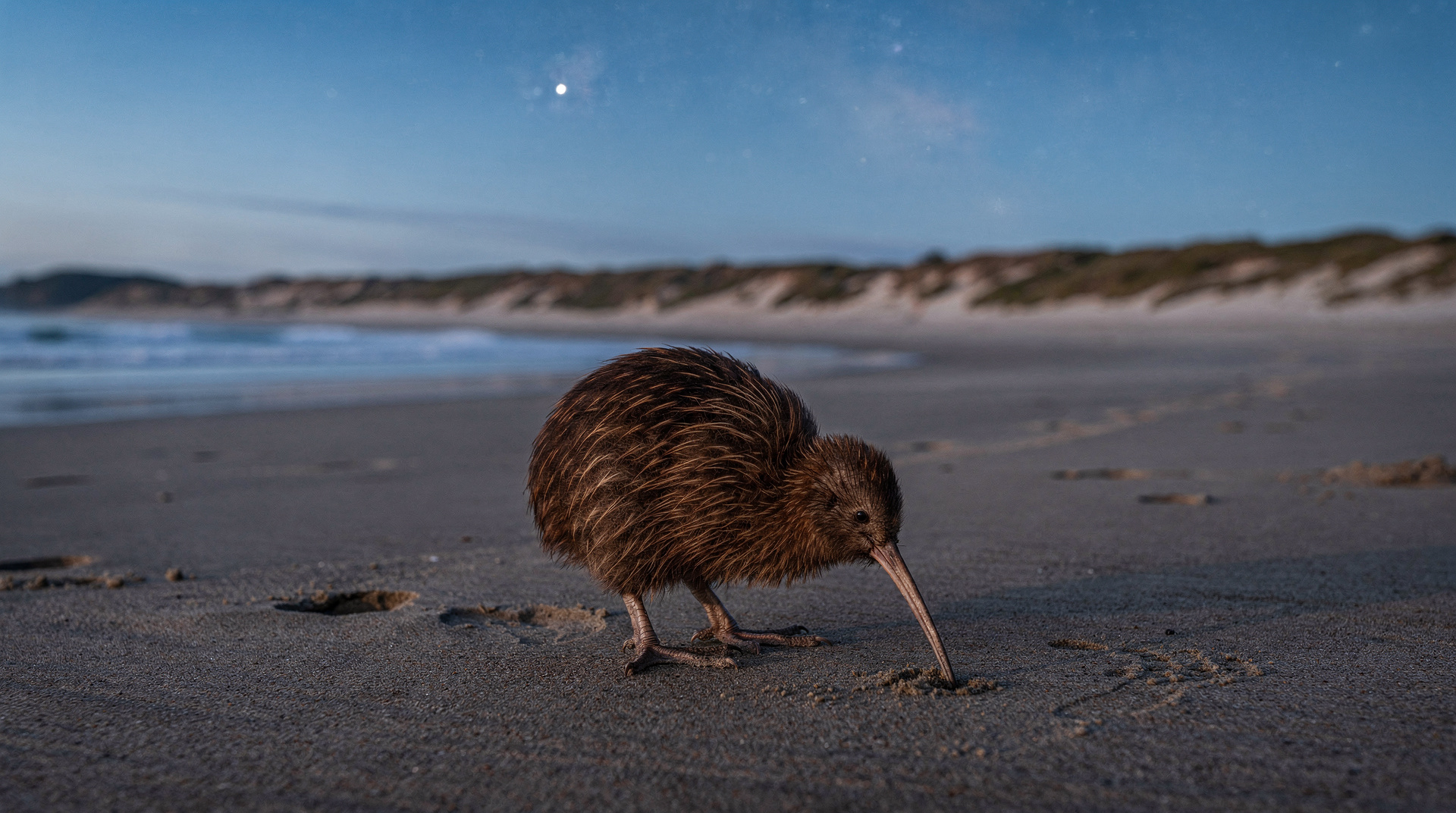
Stewart Island / Rakiura
Honest guide to Stewart Island / Rakiura: wild kiwi at night, Ulva Island bird sanctuary, Rakiura Track, Foveaux Strait ferry, real prices NZD/USD/EUR.
Kiwi spotting on Stewart Island/Rakiura
Stewart Island/Rakiura has New Zealand's highest kiwi density. Guided night tours, costs (NZD/USD/EUR), ferry access, and what to realistically expect.
Stewart Island / Rakiura
Honest guide to Stewart Island / Rakiura: wild kiwi at night, Ulva Island bird sanctuary, Rakiura Track, Foveaux Strait ferry, real prices NZD/USD/EUR.
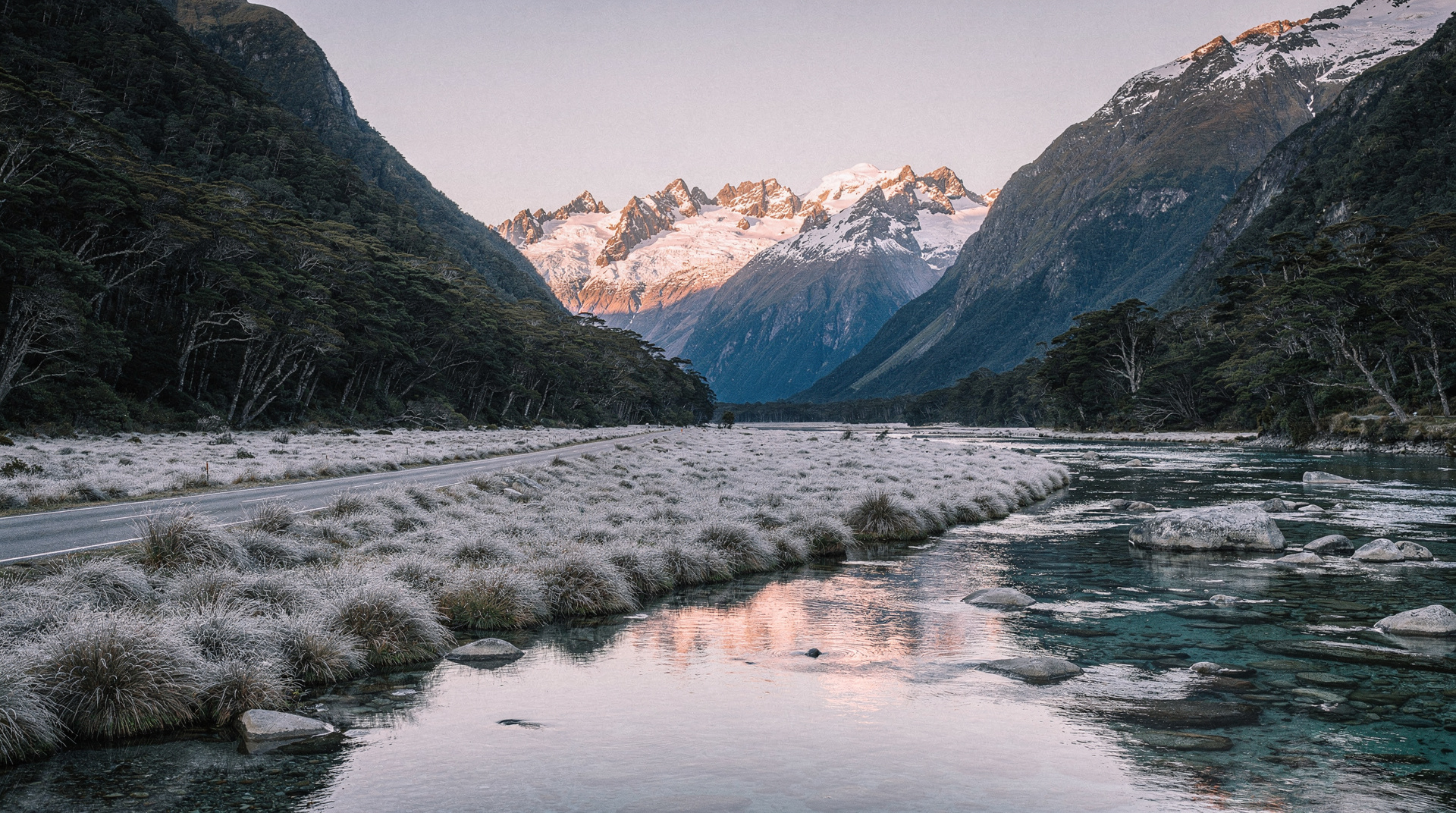
Southland
Honest Southland guide: Invercargill, The Catlins wildlife coast, Bluff oysters, gateway to Stewart Island/Rakiura.
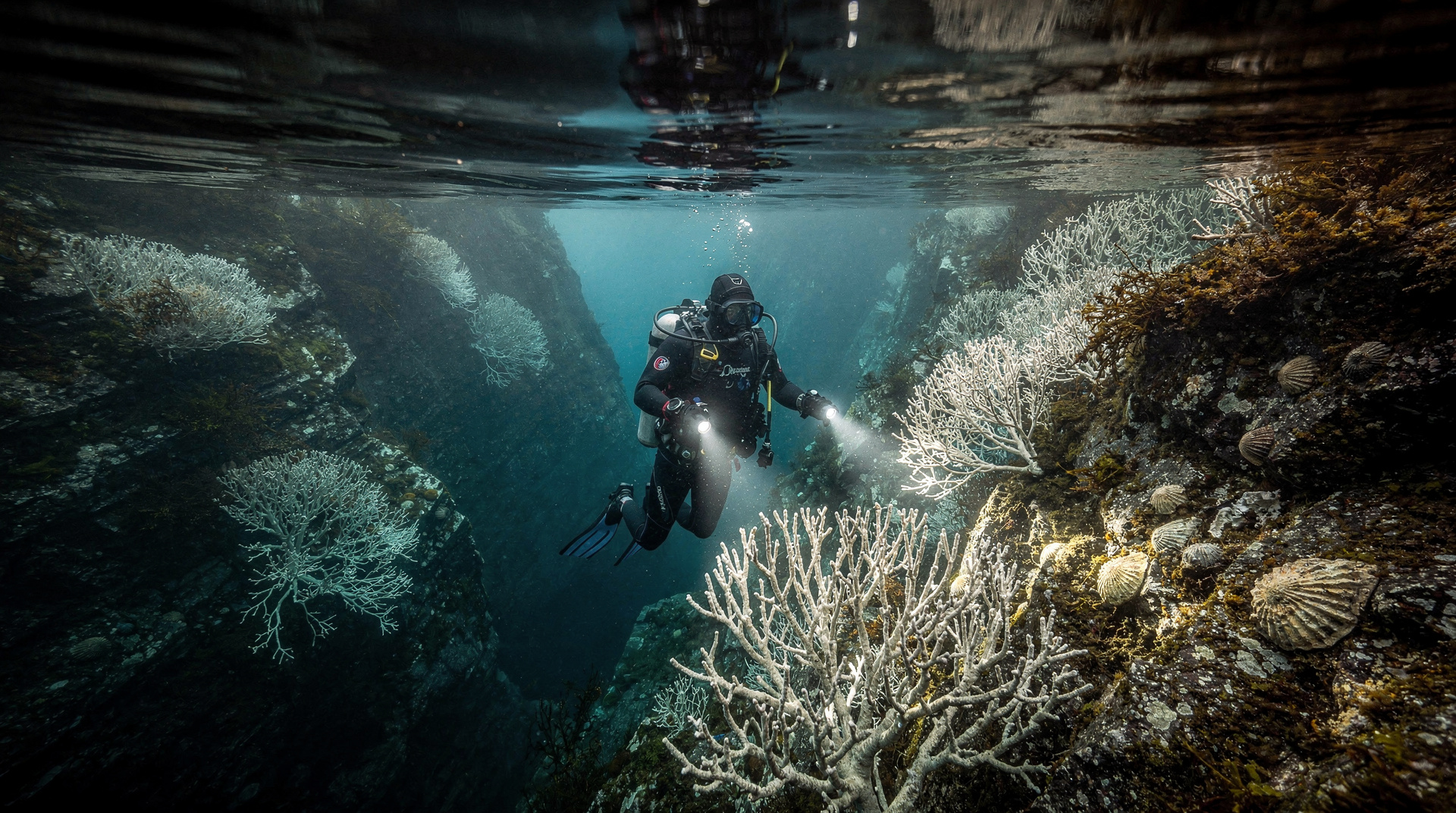
Diving in Fiordland — black coral and cold-water wonders
Fiordland diving: black coral at 10m depth, cold dark water, rare species. Prices NZD/USD/EUR, certifications needed.