Southland
Honest Southland guide: Invercargill, The Catlins wildlife coast, Bluff oysters, gateway to Stewart Island/Rakiura. NZD/USD/EUR costs and practical logistics.
Quick facts
- Region
- Southernmost mainland region of New Zealand
- Major hubs
- Invercargill, Bluff, Gore, Riverton
- Currency
- NZD — 1 NZD ≈ USD 0.60 / EUR 0.55
- Best for
- The Catlins wildlife coast, Bluff oysters, Stewart Island gateway, off-the-beaten-track travel
- Skip if
- You have fewer than 8 days in the South Island and need to prioritise Fiordland and Queenstown
Southland in one minute
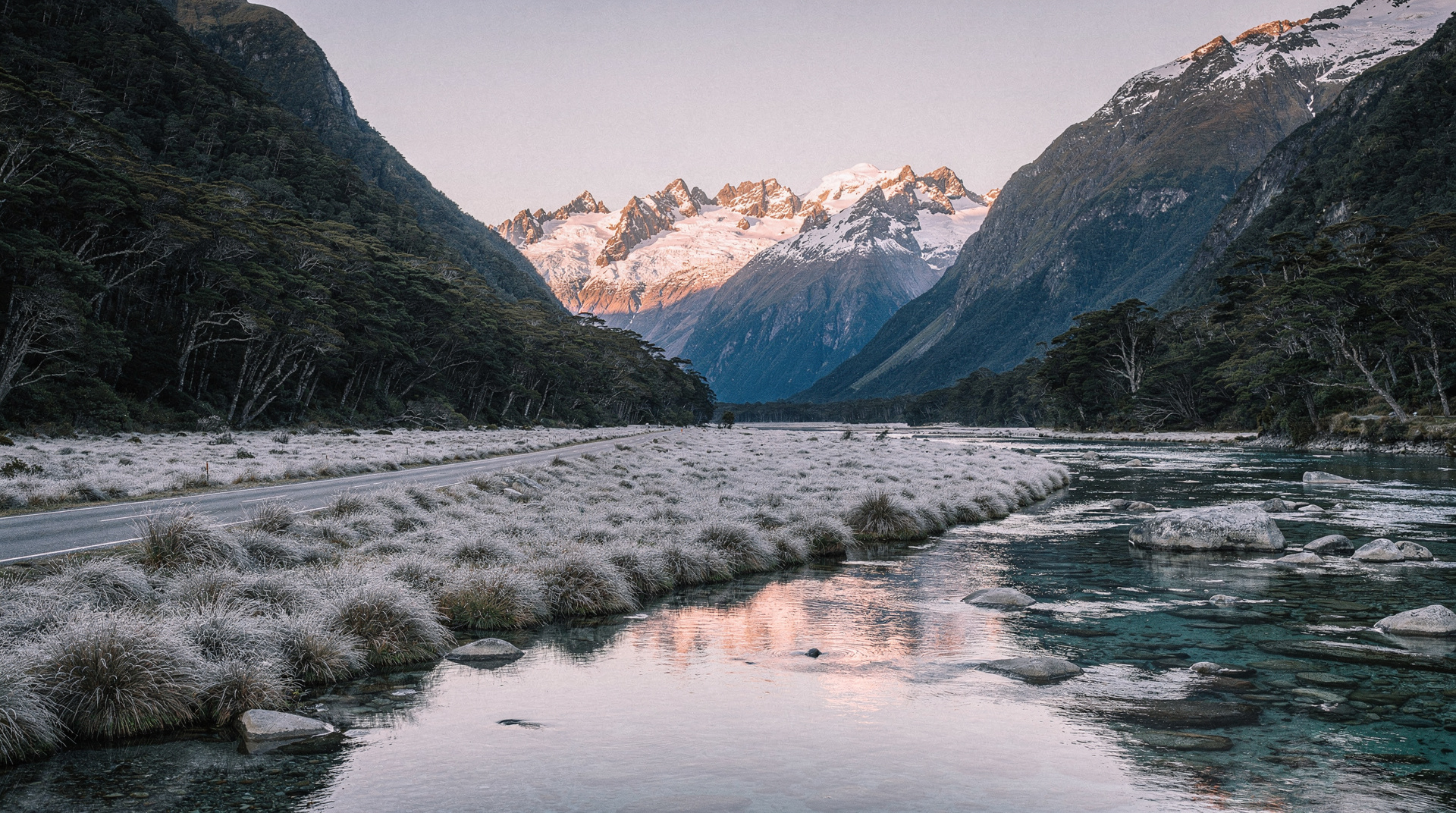
Southland is New Zealand’s southernmost mainland region — flat, agricultural, windy, and less visited than any other part of the South Island. Invercargill (pop ~56,000) is the regional city: not charming, not scenic, but functional and occasionally quirky (it has the southernmost Burger King in the world, and more practically, a very good E. Hayes hardware shop with an eccentric museum of vintage vehicles and curiosities). Bluff, 27km south, is the industrial port famous for its oysters — the Bluff oyster is a seasonal delicacy (April-August) considered among the finest shellfish in the world.
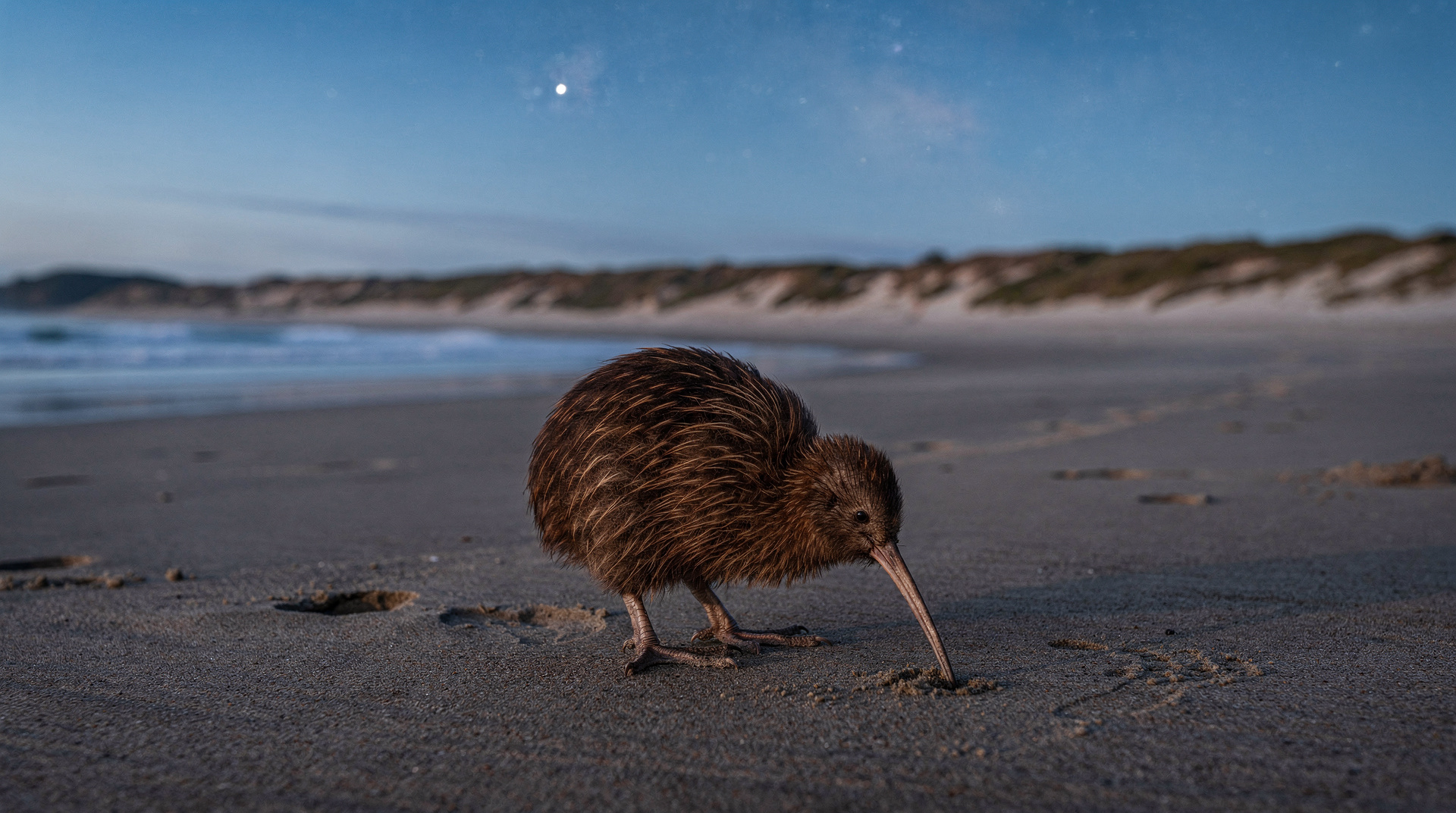
The real reasons to come: The Catlins, and Stewart Island. The Catlins is a wildlife coast stretching 100km east of Invercargill to Balclutha — remote, often wild, and home to yellow-eyed penguins (among the world’s rarest), Hector’s dolphins, New Zealand fur seals, sea lions, and the southernmost stands of native forest in New Zealand. Stewart Island/Rakiura lies 36km south of Bluff across the Foveaux Strait — a 470km² island of native bush, wild beaches, and kiwi so confident they walk the beach at night.
| Where | Southernmost mainland region, south of Fiordland and Dunedin |
| Cost | Around NZD 105–145 for the Stewart Island ferry or a guided Catlins day |
| Time needed | 3–5 days for The Catlins, Invercargill, and a Stewart Island crossing |
| Getting there | Self-drive from Queenstown (2.5–3 hrs) or Dunedin (2.5–4 hrs) |
| Best time | October–April for Catlins wildlife; April–August for Bluff oysters |
Most travellers either skip Southland entirely (rushing from Queenstown to Dunedin) or use it as a transit stop for Stewart Island. Both approaches miss the Catlins.
The honest case for Southland
Do not come for Invercargill. The city is serviceable but not scenic and not interesting enough to anchor a trip.
Do come for The Catlins. It is one of the most genuinely wild and uncrowded wildlife experiences in New Zealand — and the only place where you can see yellow-eyed penguins, sea lions, Hector’s dolphins, and fur seals in the same day without a boat.
Do come as a gateway to Stewart Island. The ferry from Bluff is 1 hour to Oban; the kiwi-on-the-beach experience at Ulva Island and Mason Bay is extraordinary and cannot be replicated anywhere else in New Zealand.
The honest trade-off: Southland is weather-exposed. Rain and wind are constant companions. The Catlins roads are narrow, partly unsealed, and slow. This is part of the character — but budget more time than you think.
Where to base yourself
Invercargill is the practical hub. The only city-level accommodation and services in the region. Good as a base for day trips in any direction, useful for overnight before the Stewart Island ferry.
Papatowai or Owaka (The Catlins) are the two main “towns” (very small communities) within The Catlins. Staying in The Catlins proper rather than commuting from Invercargill is significantly better — you get evening penguin viewing at Curio Bay, morning sea lion patrols on Cannibal Bay, and the light is best at either end of the day.
Riverton (Aparima) is 40km west of Invercargill — a small fishing town with a pleasant estuary, the oldest building in Southland (a hotel from 1827), and excellent fishing. An alternative base for travellers who want a character-filled small town rather than Invercargill.
Bluff is essentially a suburb of Invercargill — no reason to stay here except for an early Stewart Island ferry connection.
Top experiences in Southland
The Catlins wildlife coast
The Catlins is a 30km-deep wildlife reserve stretching 100km along the southern coast. The main sites:
Curio Bay: The largest known petrified forest in the Southern Hemisphere (165 million years old, visible at low tide — tree stumps preserved in stone). At dusk, yellow-eyed penguins (hoiho) return from the sea and walk across the rocks to their nests — visible from the cliff viewing platform without disturbing them. Yellow-eyed penguins are one of the world’s rarest penguin species; The Catlins has one of the most reliable viewing sites.
Cannibal Bay: New Zealand sea lions (rāpoka) haul out on the beach here year-round — the largest sea lions in the world (males to 400kg). You must keep 20m distance. Walk the beach in the morning (or late afternoon) for the best encounters.
Nugget Point (Tokata): A lighthouse on a dramatic rocky headland, with rocky stacks (the “nuggets”) that host colonies of fur seals, shags, royal spoonbills, and at the right season, yellow-eyed penguins. One of the most photogenic coastal scenes in the South Island.
Purakaunui Falls: A 3-tiered waterfall in native rainforest — 10 minutes from the road on a flat track. One of the most photographed waterfalls in Southland and genuinely lovely.
Waipapa Point: The site of New Zealand’s worst peacetime maritime disaster (the wreck of the Tararua, 131 lives lost in 1881). A lighthouse and a striking coastline. Little blue penguins nest here in summer.
For travellers driving from Dunedin to Invercargill or vice versa, the Catlins coastal route adds 1-2 hours to the journey (compared to the inland highway) and is enormously more interesting. Do it.
Invercargill to Dunedin via The Catlins one-way guided tour — NZD 145 / USD 87 / EUR 80. Ideal if you want someone to narrate the wildlife and history; covers all the main sites in a day.
Full guide: The Catlins beaches guide.
Bluff oysters
The Bluff oyster (ostrea chilensis) season runs April to August. This is a flat oyster — the only native oyster in New Zealand — with a distinct flavour different from the Pacific oysters cultivated elsewhere. They are served simply (raw on the half shell with lemon) or in a chowder. The Oyster Cove restaurant in Bluff and the Batch Bar in Invercargill are the most reliable year-round options; during season, the Bluff Oyster & Food Festival (May) draws visitors from around the country.
Budget: NZD 35-60 / USD 21-36 / EUR 19-33 for a plate of 6-12 Bluff oysters.
Stewart Island ferry gateway
Bluff is the ferry port for the 1-hour crossing to Oban/Halfmoon Bay on Stewart Island/Rakiura. The Foveaux Strait crossing can be rough (it’s open ocean, no shelter) — check conditions before booking and take seasickness medication if in doubt.
Stewart Island ferry service between Bluff and Oban — NZD 105 / USD 63 / EUR 58 one-way. Runs 3x daily in summer; 2x in winter. Real Journeys is the main operator.
For the complete Stewart Island experience (kiwi encounters, Ulva Island, Rakiura Track), see Stewart Island guide.
Invercargill’s surprises
Invercargill is not a destination, but it has two or three things worth knowing about:
E. Hayes Hardware and Museum: A working hardware store that has been in continuous operation since 1895. The ground floor is a conventional store; the back rooms contain an extraordinary collection of vintage motorcycles, cars, aircraft memorabilia, and general machinery. Free entry. 30-45 minutes.
Bill Richardson Transport World: 1km from the E. Hayes store. The largest private collection of vintage vehicles in New Zealand — trucks, motorcycles, and cars from the 1900s to 1970s in a purpose-built museum. NZD 18 / USD 10.80 / EUR 9.90 adult.
The Southland Museum and Art Gallery (Te Ara a Kiwa): Includes the world’s only public display of tuatara (pre-European reptile, living fossil). The vivarium displays 6-10 tuatara; the keepers give 15-minute talks at scheduled times. Free entry; the tuatara alone justify the stop.
Riverton/Aparima: 40km west, on the estuary of the Aparima River. A genuinely charming small coastal town with a maritime museum, good coffee at the Rocks Cafe, and the oldest continuously licensed hotel in the South Island (the Riverton Hotel, 1856).
Combining Southland with Fiordland
Southland and Fiordland share a regional border and a driving route, and many travellers combine the two rather than treating Southland as a standalone stop. From Te Anau, the drive to Invercargill or The Catlins is 2–2.5 hours, making it feasible to base in Te Anau for Milford Sound and use Invercargill or Curio Bay as the next stop south rather than backtracking through Queenstown. This routing also avoids doubling back if you’re continuing along the self-drive itinerary toward Dunedin.
Getting there and getting around
From Queenstown: 200km via SH6, SH98, and SH1. Allow 2.5-3 hours. Good sealed highway.
From Dunedin: 220km via SH1 (inland, 2.5 hours) or via The Catlins coastal route (3.5-4 hours — strongly recommended).
Within Southland: A rental car is essential. The Catlins has no public transport. Invercargill has local buses within the city but nothing useful for tourism. The Bluff ferry terminal is a 5-minute taxi from central Invercargill.
To Stewart Island: Ferry from Bluff (1 hour, 3x daily in summer). Stewart Island Flights also operates an 18-minute scenic flight from Invercargill to Oban — NZD 115-140 / USD 69-84 / EUR 63-77 one-way. A good option in rough weather conditions.
Where to stay
Budget (NZD 35-90 / night)
Invercargill Central Backpackers — central, basic, clean. Dorm NZD 35; private NZD 85.
Curio Bay Accommodation (The Catlins) — the best-positioned budget accommodation in The Catlins, steps from the Curio Bay penguin viewing area. Self-contained units from NZD 85.
The Catlins Farmstay (Owaka area) — working farm accommodation, basic self-catering. Around NZD 90-120 per night.
Mid-range (NZD 120-250 / night)
Invercargill’s Distinction Hotel — the best city hotel, reliable, pool, restaurant. NZD 150-220.
Lazy Dolphin Lodge (Curio Bay) — the most popular mid-range in The Catlins. Good position, comfortable rooms, helpful owners who know the penguin and sea lion timing. NZD 140-180.
Riverton’s Aparima Motel — on the estuary, good views, comfortable. NZD 130-160.
Luxury (NZD 280+)
Southland does not have a true luxury lodge offering comparable to the Fiordland or Queenstown options. The best choice for a splurge is the Fiordland Lodge outside Te Anau (just over the regional border) or the self-contained cottages at Curio Bay.
Best time to visit
October to April for The Catlins wildlife: yellow-eyed penguins are present year-round but breeding season (September-February) gives more visibility; sea lion pups appear from December. Hector’s dolphins at Porpoise Bay are most reliably seen in summer.
April to August for Bluff oysters — the seasonal window for the genuine article. The Bluff Oyster and Food Festival in May is the peak event.
Year-round for Invercargill — the city attractions operate regardless of season. The E. Hayes museum and Transport World are covered and weather-immune. Winter in Invercargill is cold and windy but rarely severe by international standards.
The Catlins in winter: Quieter, sometimes dramatic in a moody coastal way, but the light fades early and the yellow-eyed penguin viewing at Curio Bay works best in the longer summer evenings.
Common mistakes
Taking the SH1 inland route from Dunedin to Invercargill. It’s faster but goes through flat agricultural land. The Catlins coastal route adds 1-1.5 hours and adds wildlife, waterfalls, sea cliffs, and a sense of southern New Zealand that the highway entirely misses.
Not staying overnight in The Catlins. Day-tripping from Invercargill means you miss the dusk penguin viewing at Curio Bay and the dawn sea lion patrol at Cannibal Bay. Both are best at opposite ends of the day — which requires one overnight in the Catlins.
Going to Bluff without oyster context. Outside the April-August season, Bluff oysters may be unavailable at the source. The town itself has little to offer without the oysters or the ferry connection.
Underestimating The Catlins roads. The Southern Scenic Route through The Catlins uses a mix of sealed and unsealed roads. Some sections are narrow and shared with farm vehicles. Allow 50% more time than Google Maps suggests; don’t rush to make connections.
Sample itineraries
1-day Catlins express (from Dunedin)
Leave Dunedin by 7:30am. Nugget Point lighthouse (2 hours, including seabirds). Purakaunui Falls (30 min). Lunch in Owaka. Curio Bay mid-afternoon (check penguin timing — arrive 1 hour before dusk). Yellow-eyed penguins at sunset. Drive to Invercargill (1 hour). Overnight Invercargill.
3-day Southland circuit
Day 1: Queenstown to Invercargill (3 hours). Afternoon: E. Hayes Museum and Transport World. Dinner at Batch Bar (Bluff oysters if in season).
Day 2: Drive The Catlins — Nugget Point, Cannibal Bay (sea lions), Purakaunui Falls, Curio Bay sunset penguin viewing. Overnight Curio Bay.
Day 3: Morning sea lion walk (Cannibal Bay or Surat Bay). Drive to Bluff ferry (1 hour). Cross to Stewart Island for day visit or overnight. Return Invercargill. Drive to Queenstown or Dunedin.
5-day with Stewart Island
Days 1-2: As above (Invercargill and The Catlins).
Days 3-4: Cross to Stewart Island. Kiwi encounter evening (day 3). Ulva Island guided walk (day 4). Return to Bluff by afternoon ferry.
Day 5: Drive Invercargill to Queenstown via Kingston and Lake Wakatipu scenic route.
For the full South Island circuit see 7-day South Island itinerary and 14-day New Zealand itinerary.
FAQ
Is The Catlins worth the detour from the main tourist route?
Yes, if you have an extra day and a rental car. The Catlins is the most undiscovered region on the South Island’s tourist circuit — wildlife encounters that rival the Otago Peninsula but without the tour bus infrastructure. If your South Island itinerary has flexibility, put The Catlins in.
When are yellow-eyed penguins visible at Curio Bay?
Year-round, but the best timing is dusk (approximately 30-60 minutes before sunset). The penguins return from the sea to nest in the vegetation behind the beach. The viewing platform at Curio Bay allows close observation without disturbing them. September-February breeding season means more active penguin activity; birds are visible year-round.
Is the Stewart Island ferry rough?
The Foveaux Strait is open ocean and can be significantly rough. Wind-driven swells of 2-3m are not unusual. The ferry company posts conditions online and cancels in genuinely dangerous weather. Take seasickness medication (starting 1 hour before departure) if you’re at all prone. The 18-minute flight from Invercargill is a reliable alternative in rough weather.
Are Bluff oysters available outside the April-August season?
No. The Bluff oyster (ostrea chilensis) is a wild fishery with a strictly managed season — typically early April to August, depending on DOC and MPI assessments each year. Outside this window, you may find preserved or chilled Bluff oysters at some restaurants (limited quality), or Pacific oysters (aquaculture, available year-round but a different species). If the oysters are specifically a reason to visit Bluff, confirm the season is open before your trip.
How do I see the yellow-eyed penguins at The Catlins?
Curio Bay is the primary site — free, no booking required. Arrive 1 hour before sunset, position yourself on the viewing platform, and wait. The penguins walk from the sea across the rocks and beach toward their nests. Keep 10m distance and don’t use flash photography. The DOC information board at the car park has the day’s predicted penguin return time.
Can I combine Southland with a Fiordland visit in one loop?
Yes, and it’s a genuinely efficient route. Base in Te Anau for Fiordland and Milford Sound, then drive 2–2.5 hours south to Invercargill or The Catlins rather than returning to Queenstown first. This avoids backtracking and lets you continue toward Dunedin along the southern coast.
Is a rental car essential for Southland?
Yes, essentially. The Catlins has no public transport at all, and Invercargill’s local buses don’t serve the wildlife sites or Riverton. A self-drive itinerary, with time built in for the narrow and partly unsealed Catlins roads, is the only practical way to see the region properly.
Top experiences: southland New Zealand
See all →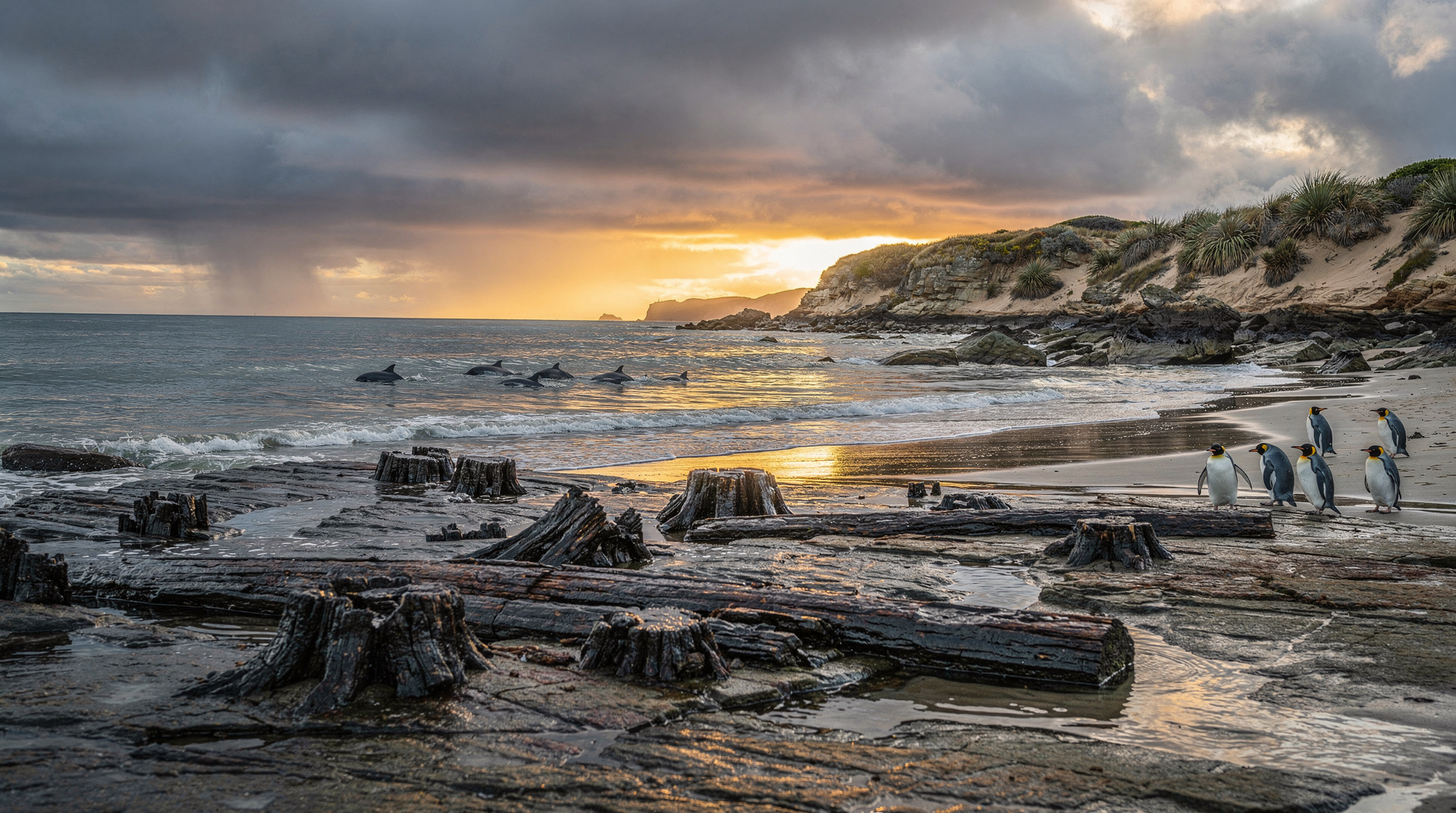
Related guides
Invercargill
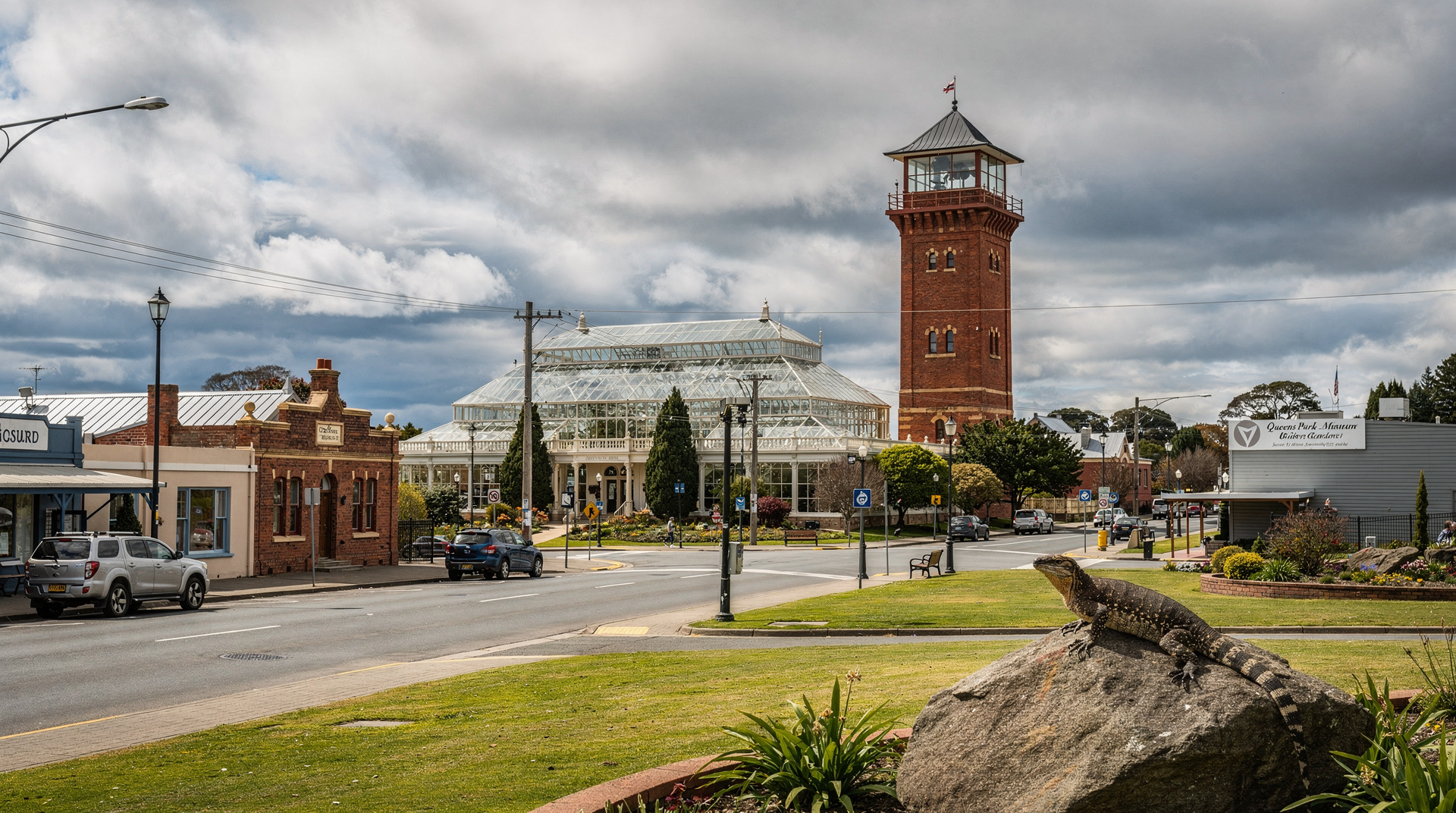
Invercargill: New Zealand's southernmost city, gateway to Stewart Island and the Catlins. Honest half-day guide with real costs NZD/USD/EUR.
Stewart Island / Rakiura
Honest guide to Stewart Island / Rakiura: wild kiwi at night, Ulva Island bird sanctuary, Rakiura Track, Foveaux Strait ferry, real prices NZD/USD/EUR.
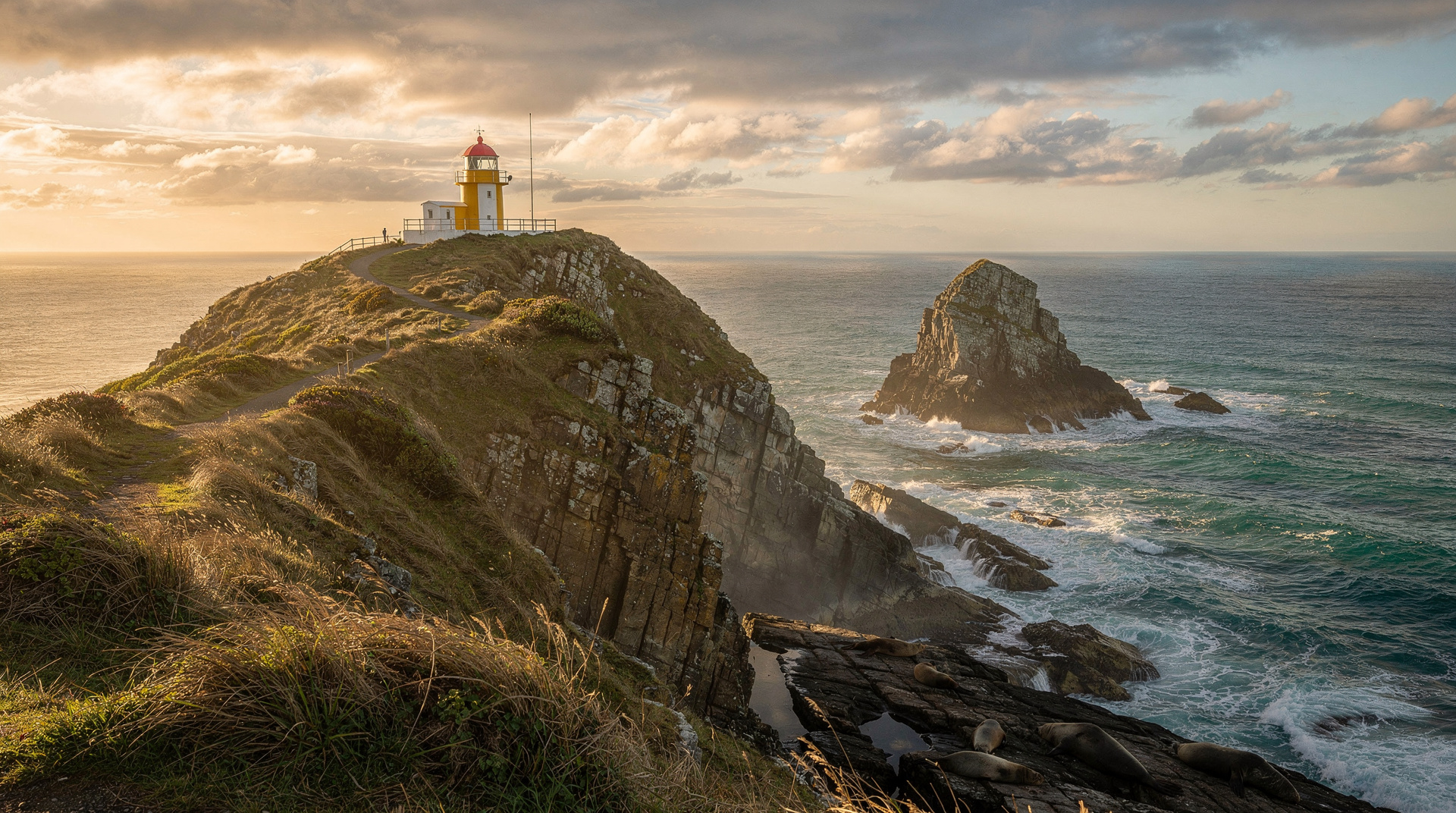
The Catlins
The Catlins: yellow-eyed penguins, Hooker's sea lions, the Curio Bay petrified Jurassic forest, and Nugget Point lighthouse. Honest guide NZD/USD/EUR.
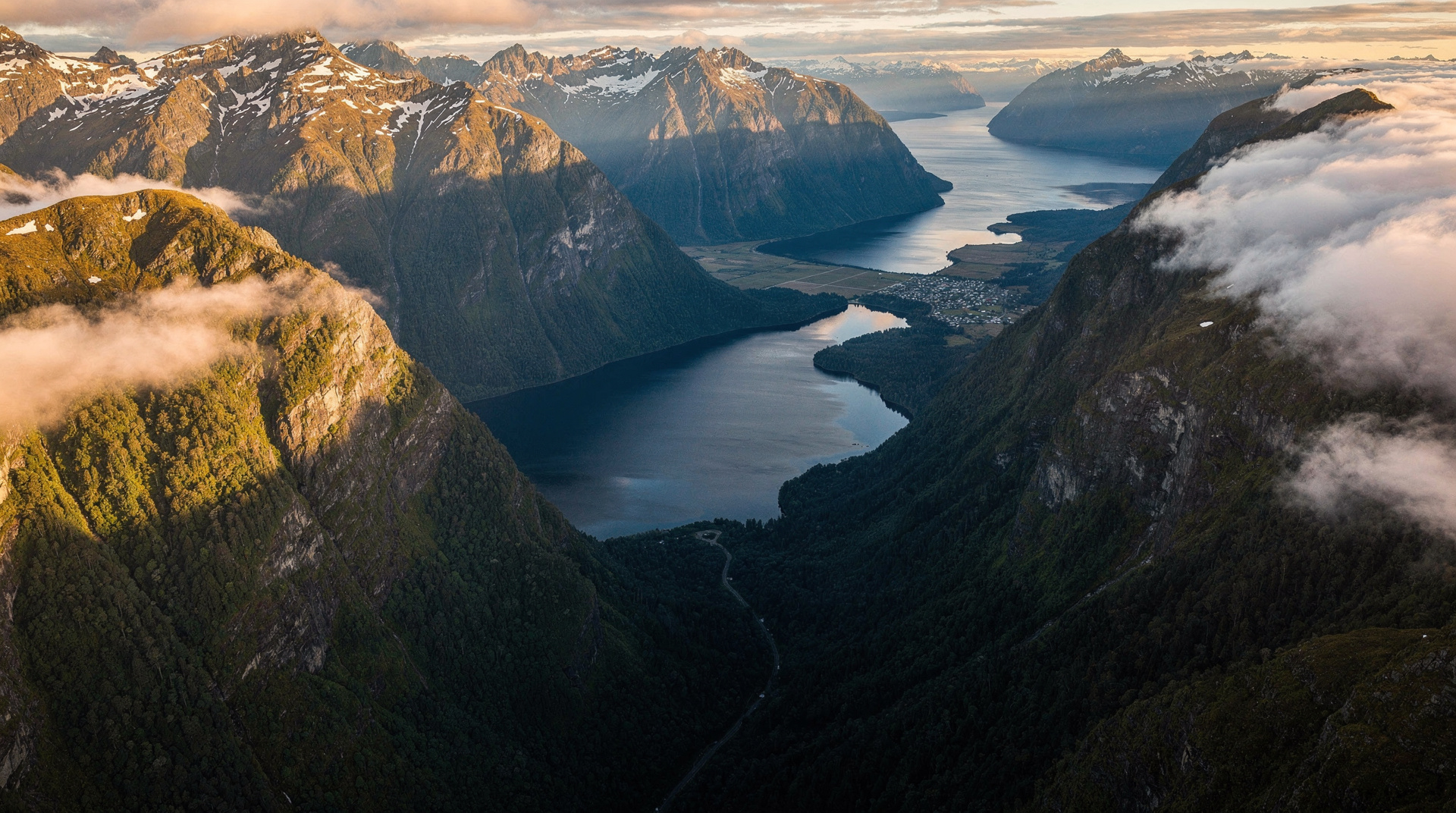
Fiordland
Honest Fiordland planner: Milford Sound vs Doubtful Sound, Te Anau base, Milford Track booking, real NZD/USD/EUR costs and what most guides won't tell you.
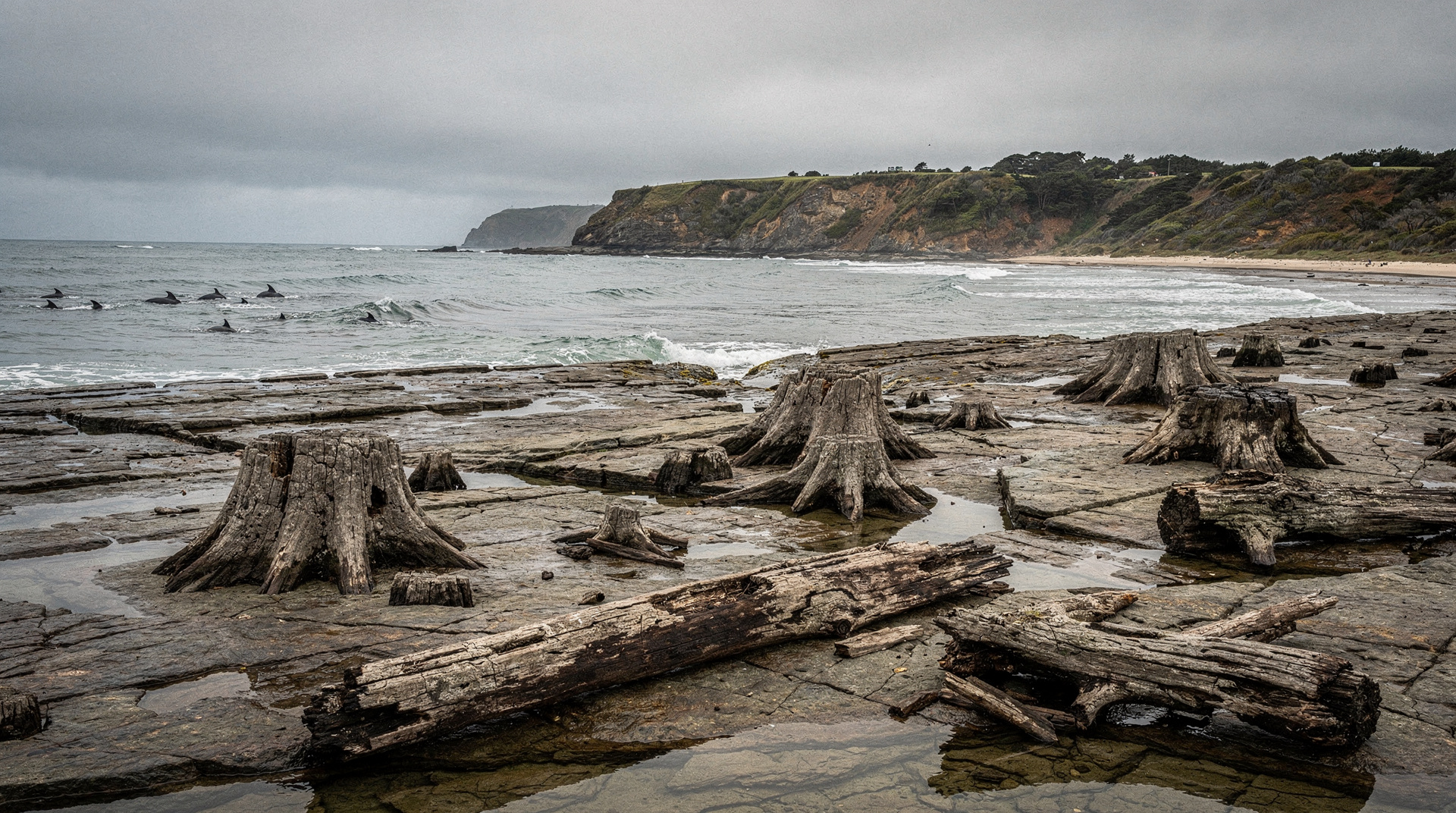
The Catlins self-drive guide — 2 to 3 days along New Zealand's forgotten coast
Drive The Catlins in 2-3 days: Nugget Point, Cathedral Caves, Curio Bay petrified forest, yellow-eyed penguins. Tide times, where to stay, real costs.
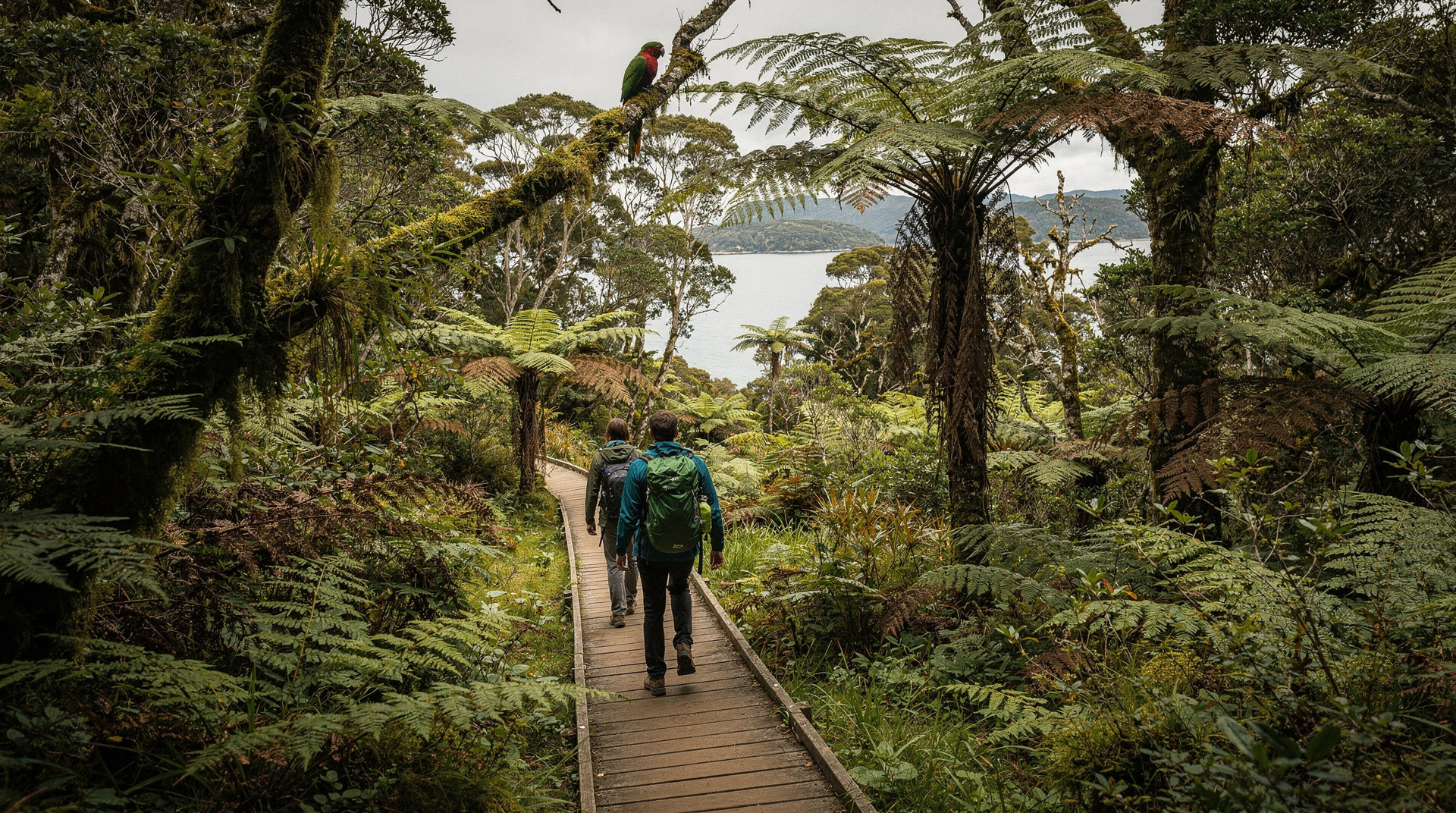
Rakiura Track — Great Walk on Stewart Island/Rakiura
Rakiura Track: 36km circuit, 3 days, open year-round. The kiwi Great Walk — real wild kiwi at night. Ferry from Bluff. Book DOC huts at doc.govt.nz.
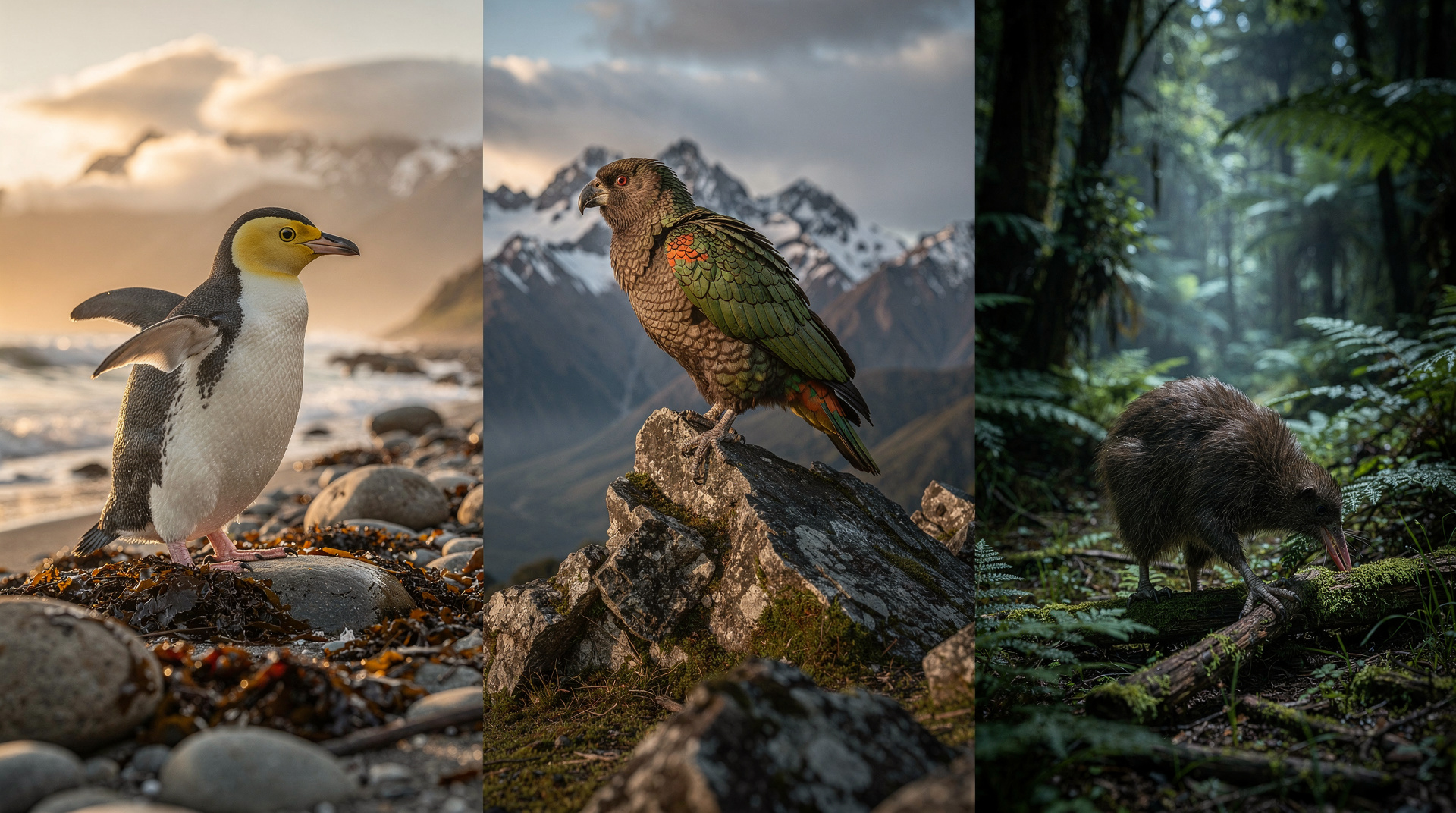
Wildlife in New Zealand — kiwi, penguins, whales, and more
Where to see NZ wildlife honestly: kiwi nights, yellow-eyed penguins, sperm whales at Kaikōura, royal albatross, fur seals. Best locations, real costs.
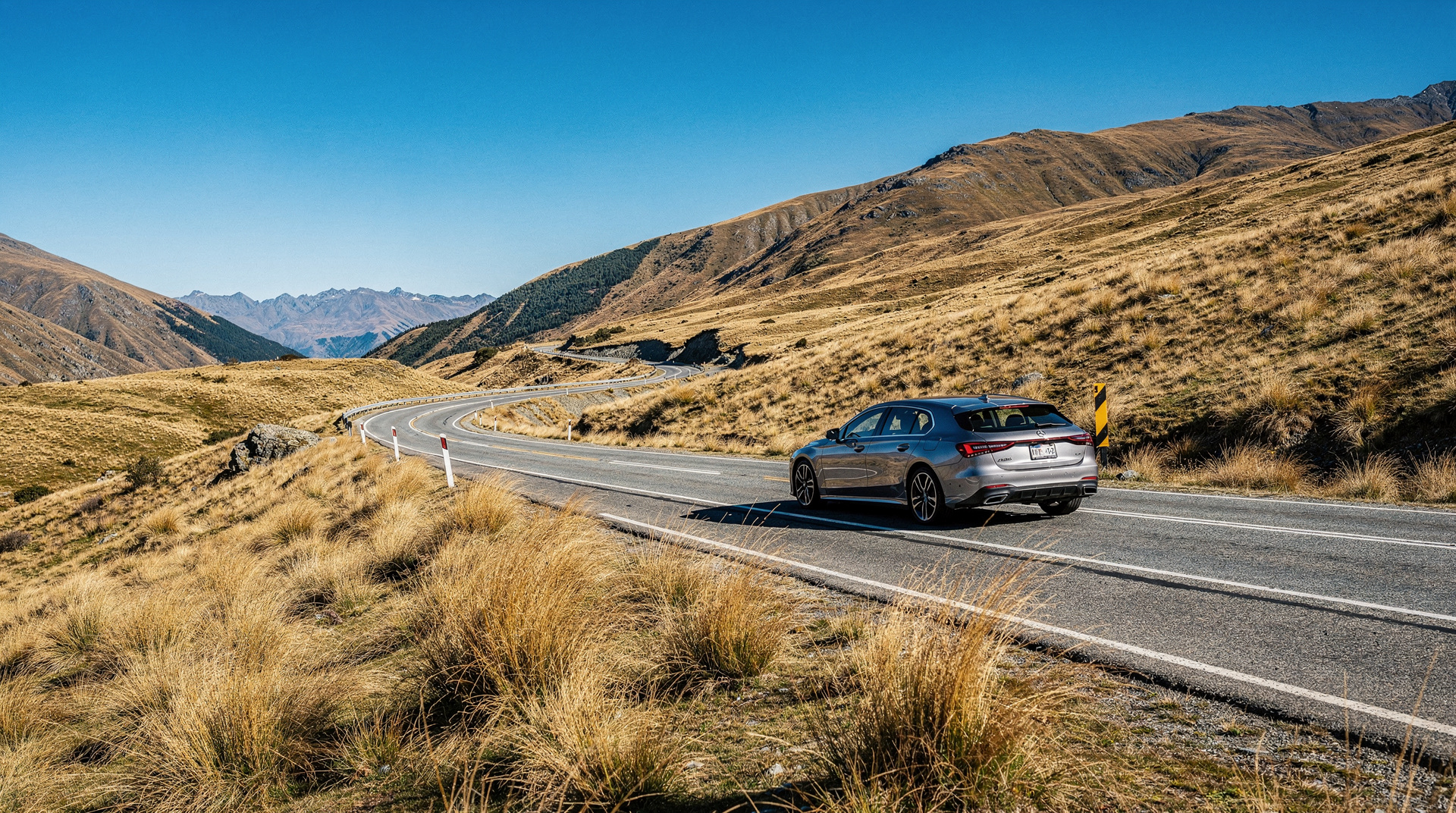
New Zealand self-drive itinerary — 14 days, car and motel
The classic 14-day NZ self-drive road trip by rental car and motels: both islands, ferry crossing, honest road times and costs in NZD, USD, and EUR.
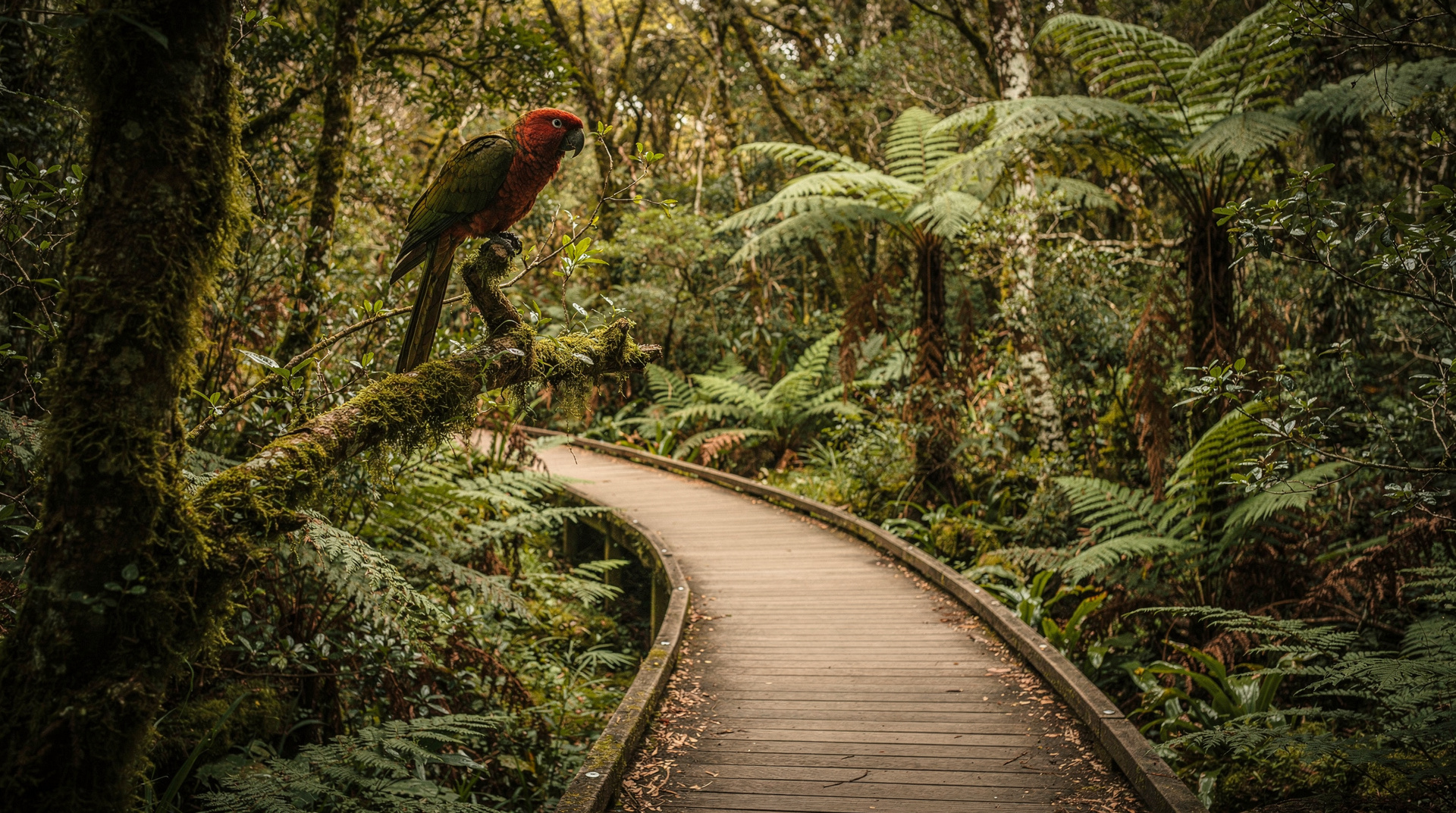
Slow travel on Stewart Island/Rakiura — three days in New Zealand's third island
Stewart Island/Rakiura in winter: no crowds, wild kiwi at dusk, and a ferry crossing that earns its reputation. A case for going further south.
Last reviewed: