Te Puia Te Pō evening review — hangi, kapa haka, and the geyser at night
Is the Te Puia Te Pō evening worth NZD 170?
Yes, if this is your primary Maori cultural experience in New Zealand. Te Puia is iwi-led, the performance is genuine kapa haka rather than a tourist show, the hangi is authentic, and the after-dark geyser viewing is something the daytime experience cannot replicate. Skip it if you're also doing Mitai Maori Village — the two evenings overlap significantly and one is enough.
The verdict — ✓ Worth it
Te Puia is not the most comfortable Maori cultural experience in Rotorua and it is not the cheapest. It is the most credible. The attraction sits within the Whakarewarewa geothermal valley — an environment that Ngati Wahiao and Tuhourangi-Ngati Wahiao hapu have lived in and managed for centuries. The thermal springs, the geysers, and the carved meeting house are not reconstructed for tourism: they predate the tourism by generations. When a Te Puia guide tells you that their ancestors cooked in these springs and that their marae has stood on this ground for hundreds of years, the statement is accurate.
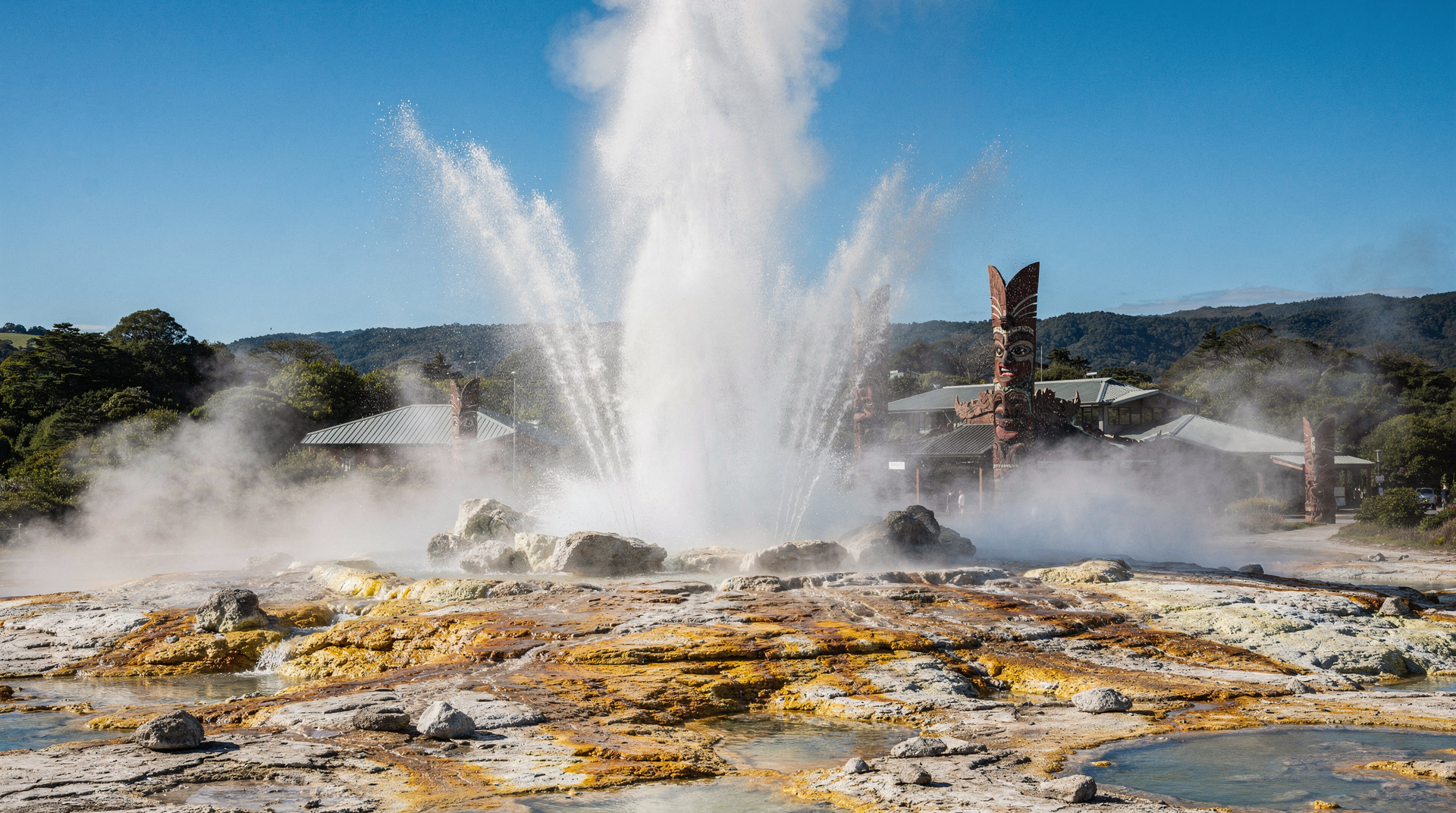
The Te Pō evening programme (Te Pō means “the night” in te reo Maori) runs from approximately 6pm, beginning with a pōwhiri — a formal Maori welcoming ceremony — followed by a kapa haka performance (traditional song and dance), a hangi feast, and a guided walk through the geothermal park in darkness, including the Pohutu geyser under night lighting.
For visitors with one evening in Rotorua and a genuine interest in Maori culture rather than an entertainment simulacrum of it, this is the right choice. For visitors who want a lighter, more festive, and less culturally demanding evening — a performance you watch as an audience rather than participate in as a guest — Mitai Maori Village is a better fit. Visitors who want the full daytime picture of the site — the geothermal park, the carving school, the kiwi enclosure — before deciding on the evening should read the full Te Puia guide first.
Te Puia: Te Ra Guided Day Tour
Te Puia guided tours — daytime Te Ra programme. For the evening Te Pō, book direct via Te Puia website.
From NZD 55–170 / USD 33–102 / EUR 30–94
What you actually get
The Te Pō evening begins with arrival at the Te Puia main gate (on Hemo Road, 3 km from central Rotorua). A formal pōwhiri receives the visitor group — this is not a theatrical approximation of a welcome ceremony but an actual welcome on Maori terms, conducted in te reo Maori with translation. The significance of the pōwhiri in Maori culture is the transfer of tapu (sacred restriction) from the visitors to the hosts, allowing the group to enter the marae as manuhiri (guests) rather than strangers. Your guide will explain this context before and after.
The kapa haka performance follows. Te Puia’s performance group are not professional entertainers in the commercial sense — they are community members who perform kapa haka as a living cultural practice. The difference is perceptible. The haka (Ka Mate is included but is not the centrepiece — other songs and dances are more central), the poi (balls on strings), the waiata (songs), and the titi torea (stick games) form a 45-60 minute programme. Children frequently find the haka impressive; adults who are unfamiliar with kapa haka often describe the poi sequences as unexpectedly beautiful.
The hangi meal follows the performance. Traditional hangi involves food cooked underground in a pit heated with volcanic rocks — at Whakarewarewa, the geological heat is available at the surface rather than requiring a pit fire, and some food preparation uses this geothermal heat directly. The buffet includes kumara (sweet potato, a staple of pre-European Maori diet), chicken, lamb, pork, fish, rewena (Maori sourdough bread), and seasonal vegetables. The food is generous. The setting — large communal tables inside or near the meeting house — has more atmosphere than a hotel banquet.
The geothermal walk after dinner is the component that most consistently exceeds expectations. Pohutu geyser (New Zealand’s largest active geyser, erupting to approximately 30 metres) under night lighting, with steam rising from the spring pools in the cold air, is genuinely spectacular. During the daytime Te Ra programme, Pohutu erupts frequently but the light is ordinary. In darkness with the thermal steam backlit, the visual experience is different in kind. Your guide continues the contextual explanation of the geothermal system — the Wairakei connection, the subsurface hydrology, the management of the park’s ecological integrity — during the walk.
The evening ends approximately 9:30-10pm. Transfers back to central Rotorua are included in most booking packages.
What it costs and what’s not included
Cost breakdown
Te Puia Te Pō evening programme, 2026 prices. NZD/USD/EUR at 1 NZD ≈ 0.60 USD ≈ 0.55 EUR.
| Item | NZD | USD | EUR | Verdict |
|---|---|---|---|---|
| Te Pō evening (adult) — pōwhiri + kapa haka + hangi + geothermal walk | 170 | 102 | 94 | ✓ Worth it |
| Te Pō evening (child 5–15) | 85 | 51 | 47 | |
| Te Ra daytime programme for comparison No hangi, no evening atmosphere | 55–85 | 33–51 | 30–47 | |
| Te Puia hangi lunch (daytime, no evening programme) Good standalone option if evenings don't suit | 60–75 | 36–45 | 33–41 | ✓ Worth it |
| Tamaki Maori Village evening (for comparison) More theatrical, more commercial — different experience | 130–145 | 78–87 | 72–80 | |
| Mitai Maori Village evening (for comparison) Glow-worm walk added — see separate review | 120–135 | 72–81 | 66–74 | |
| Hotel pickup/return transfer (if not included) | 20–35 | 12–21 | 11–19 |
What’s included in the Te Pō price varies slightly by booking channel — confirm whether hotel transport is included when booking. Photography is permitted throughout the evening except during specific ceremonial moments, which your guide will indicate.
Who should book this — ✓ Worth it
Visitors for whom Maori culture is a primary New Zealand interest. Te Puia is the iwi-led option — the cultural practice here is owned and managed by the tangata whenua (people of the land) rather than by a tourism company that employs Maori performers. If the distinction matters to you, and it should, Te Puia is the correct choice.
Visitors spending one evening in Rotorua. Rotorua’s cultural evening options are extensive — Te Puia, Mitai, Tamaki, Te Pa Tu, and others. If you only have one evening, Te Puia’s Te Pō is the most complete single experience: cultural performance, traditional food, and geothermal park access in one package.
International visitors who want genuine context rather than entertainment. The guides at Te Puia are consistently cited in visitor reviews for their ability to explain Maori concepts — manaakitanga (the practice of generosity and hospitality toward guests), tapu, noa, whakapapa (genealogy) — in ways that are accessible without being condescending. The experience has depth for curious visitors.
Groups that include older travellers or those with limited mobility. The Te Pō programme involves walking but not strenuous terrain. The geothermal park paths are sealed and accessible. The meeting house and dining area are covered. Compare this to Mitai, which involves an outdoor walk to a bush stream at night, which is less accessible in wet conditions.
Who should skip this — ✕ Skip
Visitors also doing Mitai Maori Village. The two evenings cover similar content: a pōwhiri equivalent, kapa haka performance, and a hangi meal. Mitai adds the glow-worm walk; Te Puia adds the geothermal park. Doing both in the same trip creates overlap and is not recommended unless you have a specific academic or cultural research interest. Choose one.
Visitors who expect a theatrical dinner show experience. Te Puia’s Te Pō is more formal and more culturally demanding than Mitai or Tamaki. The pōwhiri is conducted with appropriate gravity. There are moments where the cultural requirements are specific — removing shoes to enter the meeting house, for instance, and following the pōwhiri protocol as directed. This is appropriate respect, not inconvenient. But visitors who want to sit at a table, be entertained, and eat without engaging with cultural protocol will be more comfortable at a more theatrical venue.
Budget travellers for whom NZD 170 is not the right allocation. The Te Ra daytime programme at NZD 55-85 includes the geothermal park access and Pohutu geyser viewing but not the hangi or the evening atmosphere. This is the correct option for visitors who want Te Puia context without the evening commitment.
The hangi — what the food is actually like
The hangi buffet at Te Puia is one of the better in Rotorua. The food reflects the actual hangi tradition — earth-oven cooking produces meat that is flavoured by the steam and the rocks in a distinctive way that slow-cooking alone cannot replicate. The chicken is particularly well-suited to hangi — it absorbs the mineral-inflected steam during cooking and emerges moist and distinctively flavoured.
Vegetarian options are available at all Te Puia meals. Inform the team at booking. The rewena bread (a fermented sourdough made with potato) is excellent and often listed among the meal’s highlights by visitors who had not encountered it before. Dessert typically includes kiwifruit pavlova and New Zealand cream.
The dining setting is communal — long tables rather than individual settings. This is consistent with Maori concepts of shared hospitality (manaakitanga). The effect is a more social, less formal meal than a restaurant setting.
The geothermal park at night — what makes it different
The daytime Te Puia visit is excellent but the geothermal landscape in darkness is a different experience. The primary reason is sensory: the steam from the thermal pools, visible but not striking in daylight, becomes dramatic when backlit against a dark sky. The sulfurous smell of the geothermal area is constant day or night, but at night the olfactory becomes a larger part of the overall impression.
Pohutu geyser erupts to approximately 30 metres, typically 10-25 times per day at unpredictable intervals. The Te Pō programme times the geothermal walk to maximise the chance of a Pohutu eruption — your guide will monitor the pre-eruption indicators (related smaller geyser called Prince of Wales’ Feathers usually erupts before Pohutu). An eruption at night with the steam column illuminated from below is among the most photographically interesting moments in Rotorua.
The mud pools and silica terraces visible during the evening walk are less accessible from the daytime route — the evening programme includes areas of the park that the standard daytime admission does not cover. This is a significant practical advantage for visitors who have done the daytime programme and are returning for the evening.
Comparison: Te Puia vs Mitai vs Tamaki
| Feature | Te Puia Te Pō | Mitai Maori Village | Tamaki Maori Village |
|---|---|---|---|
| Iwi ownership | Yes | Yes (Mitai family) | No (commercial operator) |
| Cultural depth | High | Moderate | Moderate |
| Glow-worm walk | No | Yes | No |
| Geothermal access | Yes (after dark) | No | No |
| Hangi feast | Yes | Yes | Yes |
| Price (adult) | NZD 170 | NZD 120-135 | NZD 130-145 |
| Theatrical entertainment | Moderate | High | High |
| Accessibility | Better (sealed paths) | Moderate (bush walk) | Good |
The honest summary: Te Puia for cultural depth and geothermal setting, Mitai for the glow-worm addition and more festive atmosphere, Tamaki for a more overtly theatrical experience that prioritises entertainment over authenticity. None of these is wrong. They are different products for different interests.
Rotorua: Maori Culture Small Group Afternoon Tour incl. Te Puia
Rotorua afternoon Maori culture small-group tour including Te Puia — daytime alternative.
From NZD 90–115 / USD 54–69 / EUR 50–63
Practical tips
Book in advance. The Te Pō programme has limited capacity and is frequently full during peak season (November-March). Two weeks ahead is minimum; four weeks for January and February.
Wear layers. The geothermal park at night in winter (June-August) is cold. The steam keeps the immediate vicinity of the pools warmer than the surrounding air, but the transition between areas is sharp. A light jacket is adequate in summer; a proper warm layer is needed in winter.
Remove shoes when entering the wharenui. The meeting house (wharenui) is tapu space and shoes are removed at the entrance. Socks are appropriate. This is not optional — it is cultural practice, not a preference.
Allow extra time in the carving school. Te Puia houses the New Zealand Maori Arts and Crafts Institute — the national school for teaching traditional carving (whakairo) and weaving (raranga). Students work on pieces visible to visitors. This aspect of Te Puia is available during the Te Pō evening and is worth more than the 5 minutes most visitors give it.
Sulfur smell in clothing. Visitors who spend extended time in the geothermal park sometimes notice the sulfur smell persisting in clothing. This is not damaging but is a practical consideration if you’re immediately attending a formal dinner elsewhere. It dissipates after an hour in open air.
Getting there and combining it with the rest of Rotorua
Te Puia sits on Hemo Road, about 3km south of central Rotorua — a NZD 10–15 taxi ride or a short drive with parking on site. Most Te Pō bookings include a hotel pickup option; confirm this when you book rather than assuming it. Because the evening starts around 6pm, plan a light late afternoon rather than a full day of activity beforehand — visitors who stack a strenuous hike or a long Waimangu Volcanic Valley walk onto the same day tend to arrive tired and get less out of the pōwhiri.
If you’re building a longer Rotorua itinerary, the Rotorua destination guide covers how to sequence the geothermal parks, the Polynesian Spa, and the cultural evenings without overloading a short stay, and the day trips from Rotorua guide is useful if you have more than two or three days in the region.
Learning a handful of words from our te reo Maori basics guide before you arrive — even just kia ora and the pronunciation of “wh” — noticeably changes how the pōwhiri and the guide’s commentary land, and the wider Maori culture overview is worth ten minutes if this is your first hangi anywhere in New Zealand.
Preparing for the pōwhiri and the meal
The pōwhiri is easier to enjoy if you know roughly what the protocol asks of you. Our marae etiquette guide explains why guests are received the way they are, who speaks, and how to behave once you step inside the wharenui. If the vocabulary in the guide’s commentary is new to you, the te reo Maori glossary is a quick reference for terms such as manuhiri, tapu and whakapapa.
Anyone curious about how the food is prepared before sitting down to it can read our hangi experience guide and the broader hangi feast guide, which compare how different venues approach the meal. If the evening format does not suit your schedule, a daytime hangi lunch at Te Puia gives you the food and the setting without the late finish, and a Rotorua Maori cultural performance is another way to see kapa haka if the Te Pō dates are full. Check the booking page for what each option includes before you commit.
Building the rest of your Rotorua days around it
Because the Te Pō evening already covers a geothermal walk, you can use your daytime hours for something different. The Te Puia attraction guide covers the site by day, while Wai-O-Tapu Thermal Wonderland and Waimangu Volcanic Valley show other faces of the same volcanic landscape and make a natural pairing with a cultural evening. If your trip touches Auckland or the Bay of Islands, the Auckland Museum cultural performance review and the Waitangi Treaty Grounds guide offer contrasting Maori cultural experiences, and travelling in winter, the Matariki festival guide explains the season’s events.
Frequently asked questions about Te Puia Te Pō evening review — hangi, kapa haka, and the geyser at night
What is the pōwhiri at Te Puia?
The pōwhiri is a formal Maori welcoming ceremony that has been conducted on marae for centuries. The ceremony recognises the potential danger that strangers represent (tapu) and transforms that status through a ritual exchange — call and response, speech, and hongi (the pressing of noses, a formal greeting) — that establishes the visitors as guests (manuhiri) rather than strangers. At Te Puia, the pōwhiri is conducted with the seriousness appropriate to the setting. You do not need prior knowledge to participate correctly — your guide will give you complete instructions.
Is the hangi vegetarian-friendly?
Yes. Vegetarian options are available at all Te Puia meals. Advise the team when booking. Vegan options require advance notice and may be more limited. The rewena bread and kumara are vegetarian staples. Halal options are available on request.
How long does the Te Pō evening run?
Approximately 3.5-4 hours, from arrival at 6pm to conclusion at approximately 9:30-10pm. The programme is structured with defined stages — there is no self-paced exploration option during the evening.
Is Te Puia suitable for children?
Yes. Children aged 5 and over engage well with the kapa haka performance (the haka is particularly effective with younger audiences), the hangi food is accessible, and the geothermal park is visually engaging for all ages. The reduced child ticket is available from age 5. Children under 5 are at the host’s discretion — contact Te Puia directly.
Can I visit Te Puia during the day instead of the evening?
Yes. The Te Ra daytime programme runs standard guided tours of the geothermal park with Pohutu geyser viewing, access to the carving school, and a cultural introduction. It does not include a hangi or the evening atmosphere. The daytime programme is appropriate for visitors who want geothermal context without the full cultural evening commitment. Price from NZD 55 adult.
What is the Te Puia carving school?
Te Puia houses the New Zealand Maori Arts and Crafts Institute, established in 1963, which is the national institution for teaching traditional Maori carving (whakairo) and weaving (raranga). Students — who complete a multi-year programme — work on their pieces in visible workshops. The carved meeting house at Te Puia, Te Aronui a Rua, is a product of the institute’s graduates. This is a living educational institution, not a reconstruction.
Related guides
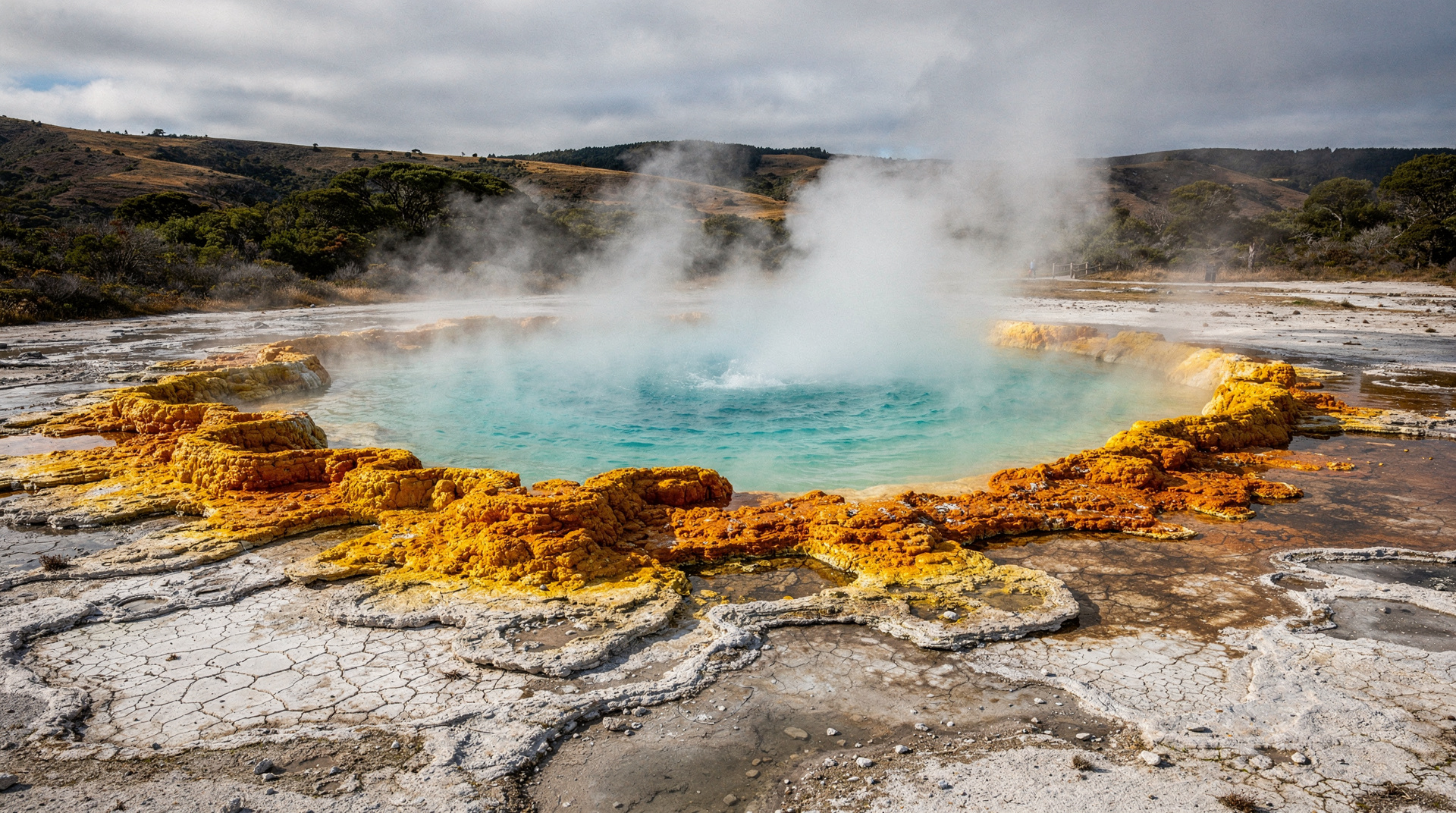
Rotorua
Honest Rotorua guide: Te Puia, Wai-O-Tapu, Polynesian Spa, Maori hangi, real prices NZD/USD/EUR, tourist traps to avoid, and best 2 days.
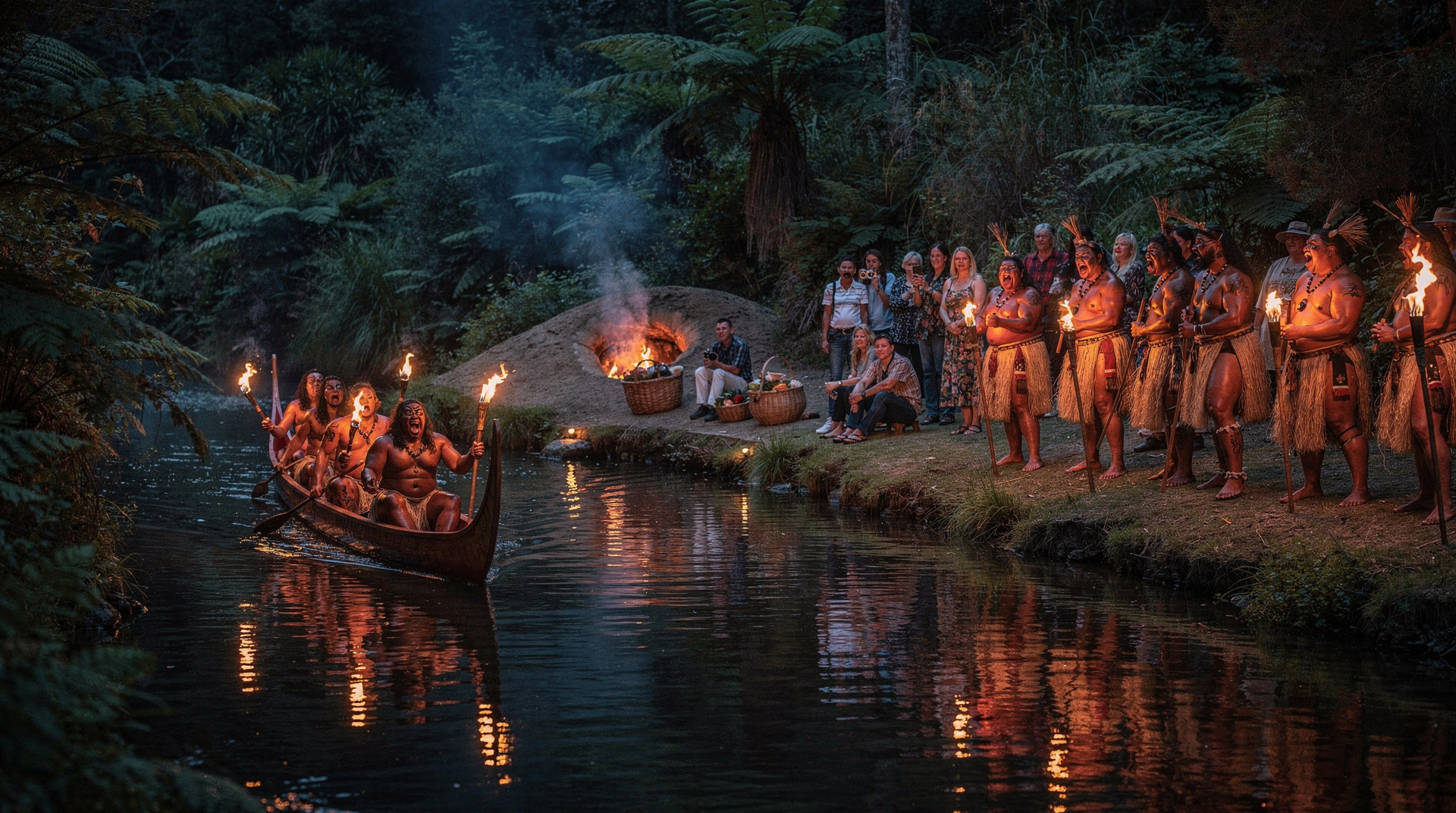
Mitai Maori Village review — honest verdict on Rotorua's best-known evening
Mitai Maori Village review: kapa haka, hangi, and glow-worm walk for NZD 135. Who it's for, what the food is like, and how it compares to Te Puia.
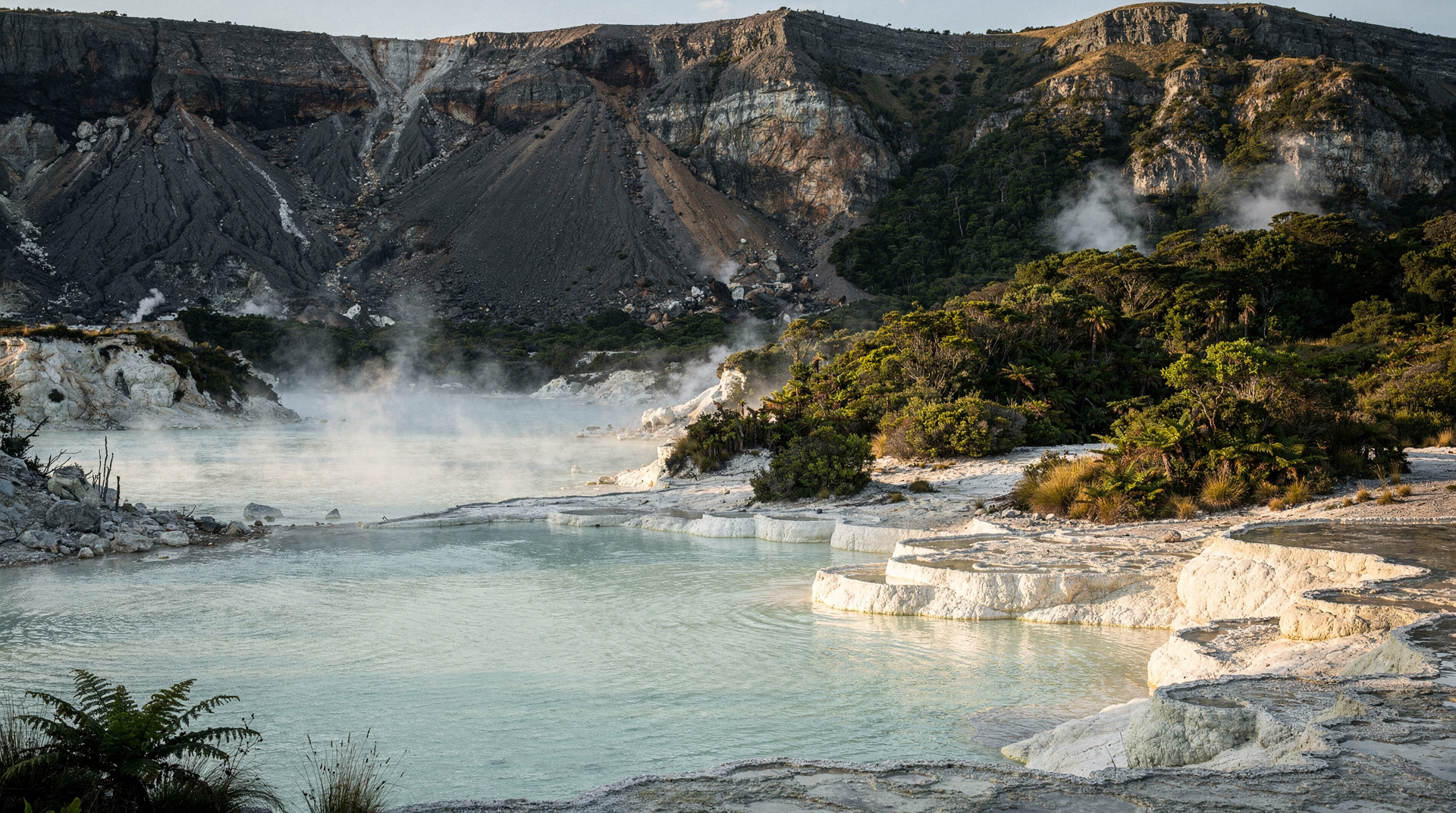
Waimangu Volcanic Valley
Waimangu was created by the 1886 Mt Tarawera eruption — earth's youngest geothermal system. Frying Pan Lake, Inferno Crater, boat tours.
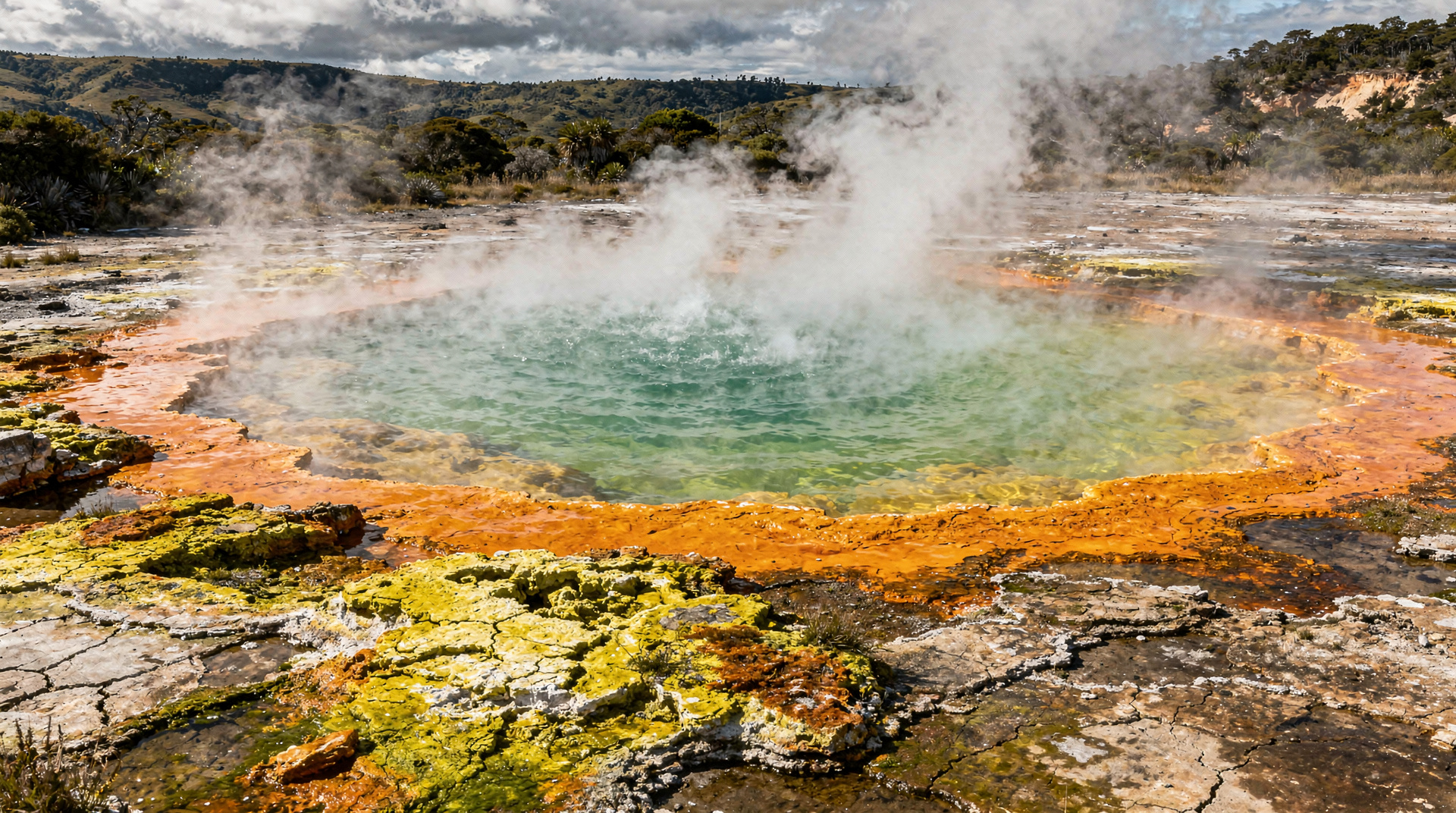
Wai-O-Tapu Thermal Wonderland
Wai-O-Tapu is NZ's most colourful geothermal park — Champagne Pool, Lady Knox Geyser, 18 km² of volcanic landscape. Entry NZD 42 / USD 25. Tour guide 2026.
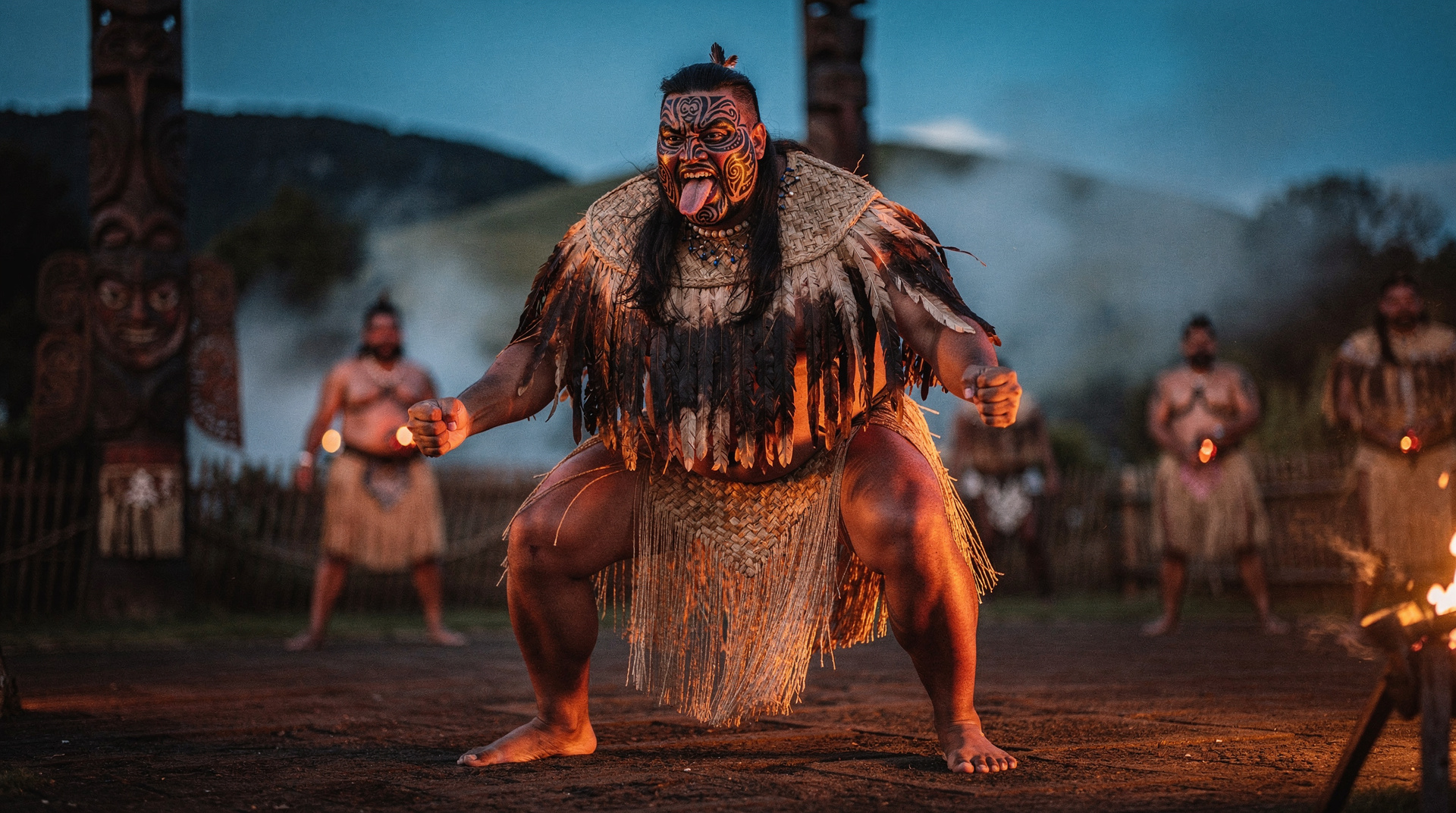
Maori culture overview — what every visitor should know
Respectful introduction to Maori culture for visitors: tangata whenua, Te Tiriti, tikanga basics, language, cultural experiences.
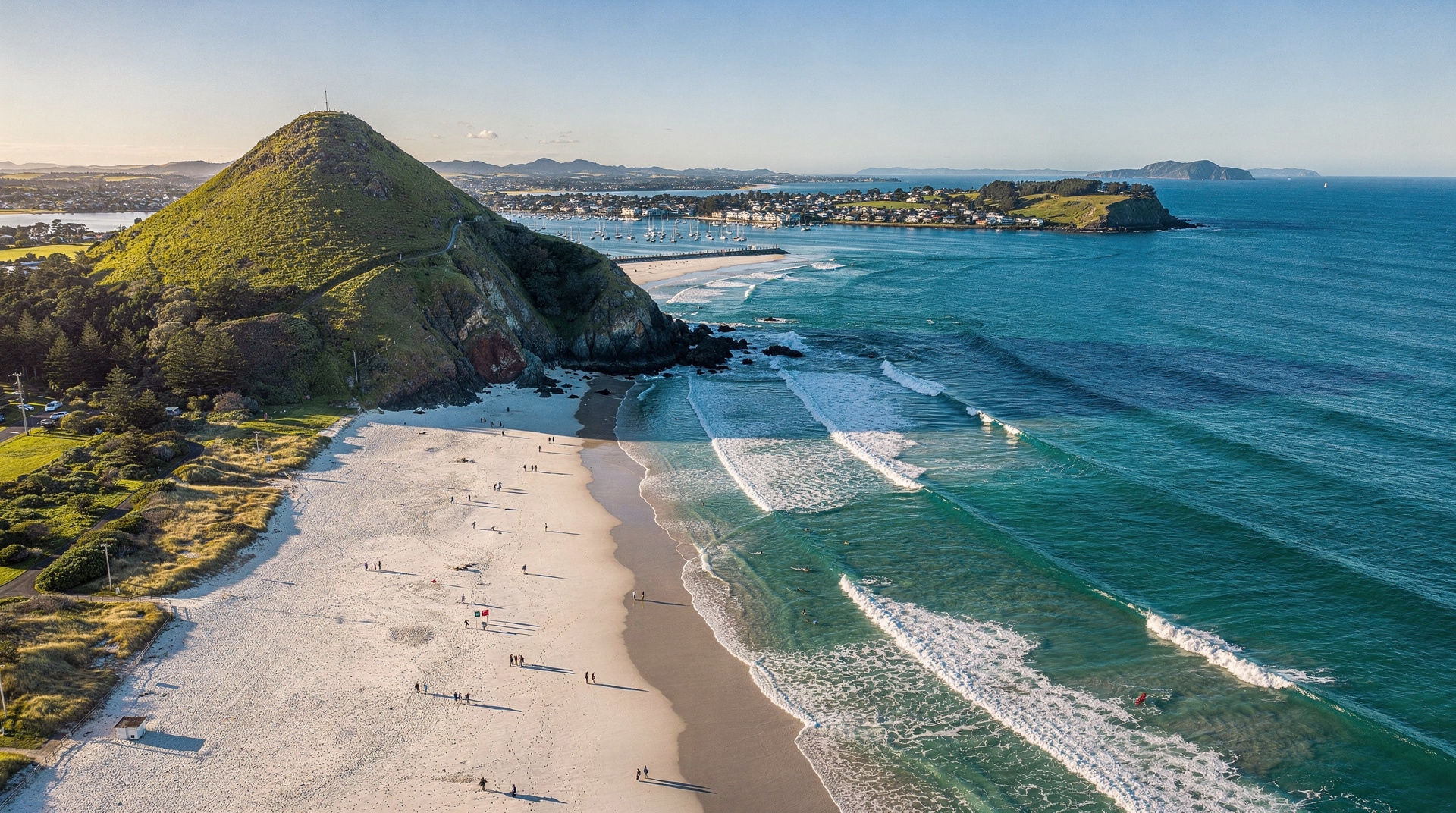
Bay of Plenty
Bay of Plenty region guide: Tauranga, Mount Maunganui surf, Whakatane, Whakaari/White Island eruption facts. Real NZD/USD/EUR costs, honest verdicts.