Te Puia Rotorua — the complete iwi-led cultural experience guide
Is Te Puia in Rotorua worth the money and what makes it authentic?
Te Puia is operated by Te Arawa, the local iwi of Rotorua, making it the most culturally substantial commercial Maori experience in New Zealand. It includes the Pohutu Geyser (the largest active geyser in the Southern Hemisphere), a living carving and weaving school, kapa haka performances, a kiwi sanctuary, and hangi dinners. Adult day entry is approximately NZD 60–75; evening cultural performance with hangi is NZD 150–175 per adult.
| Where | Hemo Road, Te Whakarewarewa, ~2km from central Rotorua |
| Cost | Day entry NZD 60–75; evening with hangi NZD 150–175 |
| Time needed | 2–3 hours day visit; 3.5 hours evening experience |
| Getting there | Walk, cycle, or short taxi/Uber from central Rotorua |
| Best time | Late morning for a Pohutu eruption window plus the carving school; evening for hangi and kapa haka |
Why Te Puia is different
Rotorua has more commercial Maori cultural experiences than any other city in New Zealand — Tamaki Maori Village, Mitai Maori Village, Te Pa Tu, and others. The question visitors rightly ask is: which is authentic, and what does “authentic” mean in this context?
Te Puia sits apart from its competitors in one fundamental respect: it is operated by Te Arawa, the iwi (tribe) of the Rotorua region. The site — known formally as Te Whakarewarewa Thermal Village — is not a constructed cultural theme park; it is a living community site that has been inhabited by Maori for centuries, whose geothermal activity the Te Arawa people have used for cooking, heating, and bathing within living memory. The Ngati Wahiao subtribe still has residents within the thermal village. The carving school (New Zealand Maori Arts and Crafts Institute) has been training carvers and weavers in traditional methods since 1963 under Crown statute.
This does not mean that Te Puia is immune to the commercial logic of tourism — it is a business and must be, given its scale. But the starting point is fundamentally different from a cultural performance created for tourist consumption. You are visiting an iwi’s site, on their terms, with their guidance. That matters.
The geothermal environment
The Whakarewarewa thermal field that Te Puia occupies is one of the most active geothermal areas in New Zealand. The landscape is extraordinary: steaming vents, boiling mud pools, silica terraces, and mineral deposits in extraordinary colours — all within walking distance of the entrance.
Pohutu Geyser: The centrepiece. Pohutu (“big splash” in te reo Maori) erupts 10-25 times daily, reaching heights of 20-30 metres. It is the largest active geyser in the Southern Hemisphere and one of the most reliably active in the world. Unlike Yellowstone’s Old Faithful (which has a predictable schedule), Pohutu’s eruption pattern is natural and irregular — you may wait 20 minutes or witness an eruption within minutes of arrival. The area immediately around the geyser is managed for safety: stay on the paths and boardwalks.
The supporting geothermal features — the Prince of Wales Feathers geyser immediately beside Pohutu, the Papakura mud pool, the silica terrace formations — make the walk through the thermal field genuinely spectacular independent of any cultural experience.
The New Zealand Maori Arts and Crafts Institute
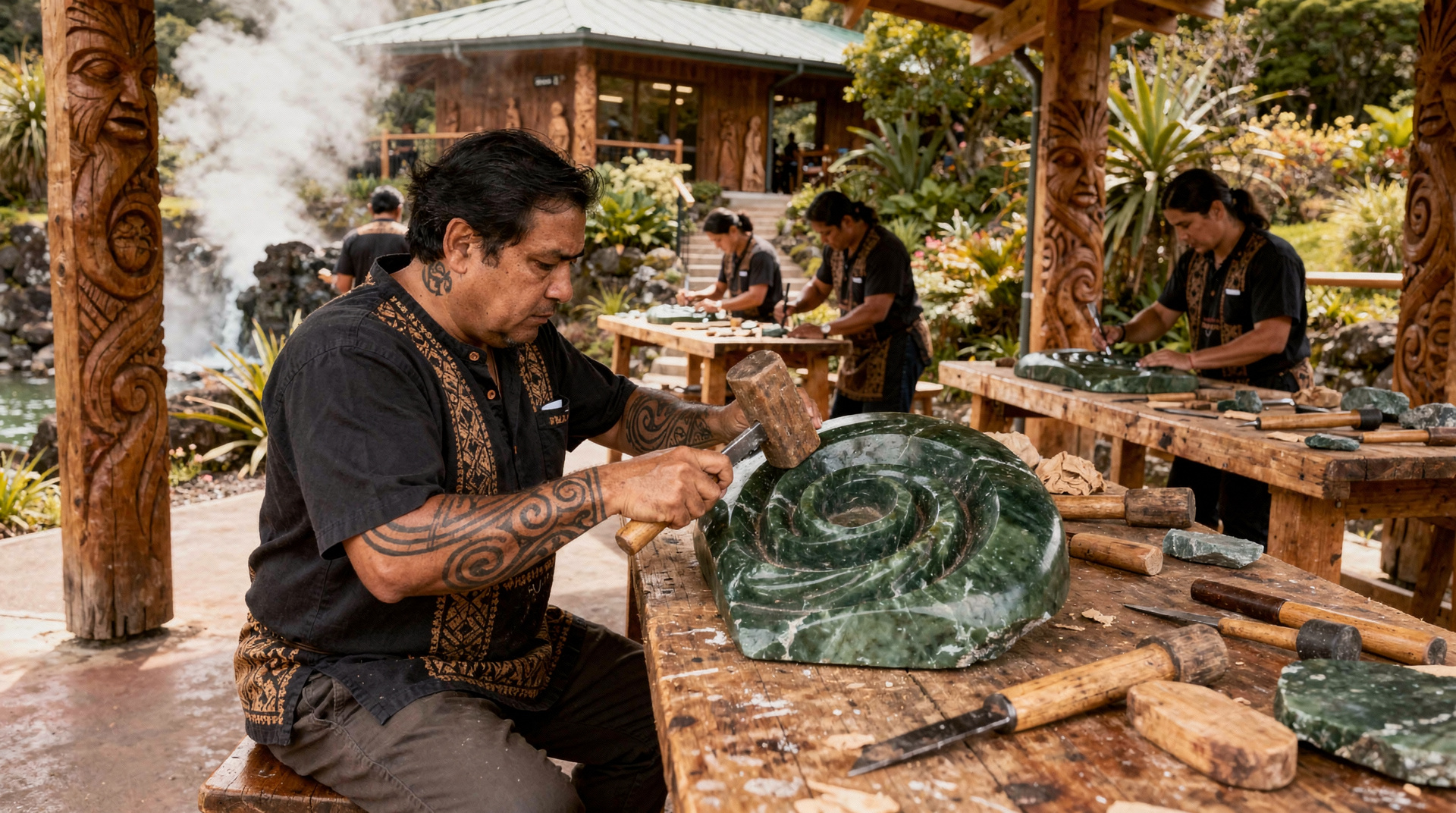
This is the element of Te Puia that most distinguishes it from every competitor. The NZ Maori Arts and Crafts Institute (established under the Maori Arts and Crafts Act 1967) is a living school where tohunga (masters) teach traditional carving (whakairo), weaving (raranga), and tattoo (ta moko) to students in a multi-year apprenticeship programme.
Carving: The carving school is visually striking — a large open studio where students at various stages of training work on pieces ranging from practice exercises to major architectural carvings. The work is traditional: indigenous timber (totara, kauri, puriri), traditional forms (tiki figures, manaia, koru, kowhaiwhai). The students are predominantly young Maori; the teachers are recognised tohunga whakairo. Visitors can observe and, in some sessions, speak with carvers about their work.
Weaving: The raranga (weaving) programme covers both traditional harakeke (New Zealand flax) weaving and the more complex kiekie and other fibre traditions. A single korowai (feather cloak) of the type displayed in the gallery can take 18 months to complete. Watching the weavers at work gives genuine appreciation of what the garments in museum collections represent.
Kiwi sanctuary: Te Puia operates a kiwi house with nocturnal kiwi in near-natural conditions. Kiwi are legally protected and almost never seen in the wild by visitors — the Te Puia kiwi house is one of the few reliable opportunities to observe these birds. Note that photography with flash is prohibited in the kiwi sanctuary.
The cultural performances
Te Puia runs cultural performances multiple times daily. The evening Te Ra experience is the most comprehensive: a full powhiri (welcome ceremony), kapa haka performance, and hangi feast.
Kapa haka: The performance includes poi (spinning weighted balls on cords — a form of coordination and rhythm training developed by Maori women), action songs, and haka. The performers are Te Arawa members, not actors; the performances are rehearsed presentations of real cultural material, not invented spectacle. The standard is professional.
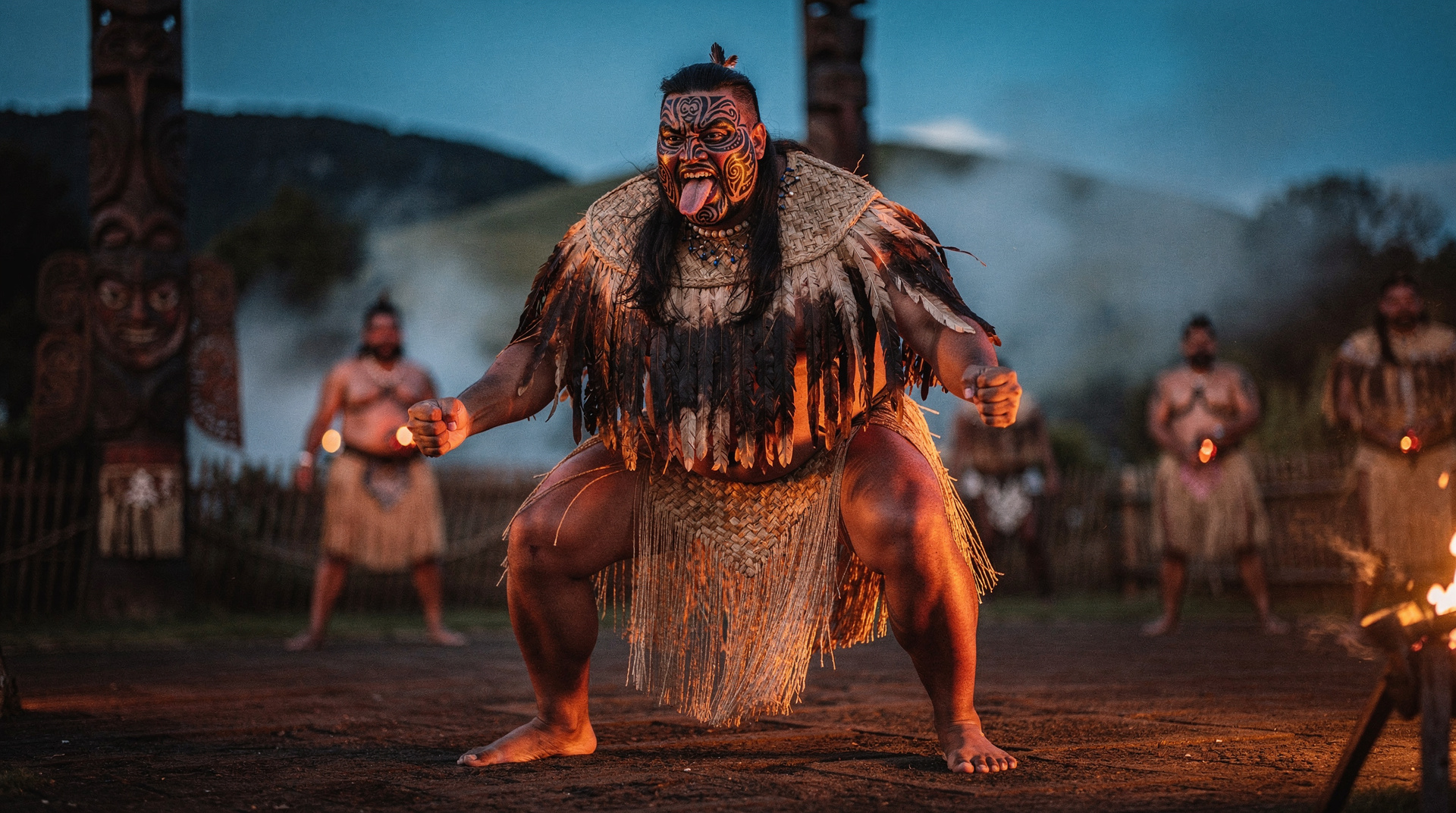
The haka: Te Puia’s kapa haka group performs a range of haka, including both ceremonial haka and the war haka (peruperu) that involves the full-body engagement and eye contact that most visitors associate with the word. What is important to understand is that haka is not simply “war dance” — it is a form of oratory that can express welcome, challenge, grief, celebration, or argument. The specific haka performed in a cultural experience context are chosen to be shareable; ceremonial haka for specific occasions remain within the community.
Te Puia Rotorua — guided tour with traditional hangi lunch Te Puia Te Ra full-day cultural experienceThe hangi feast
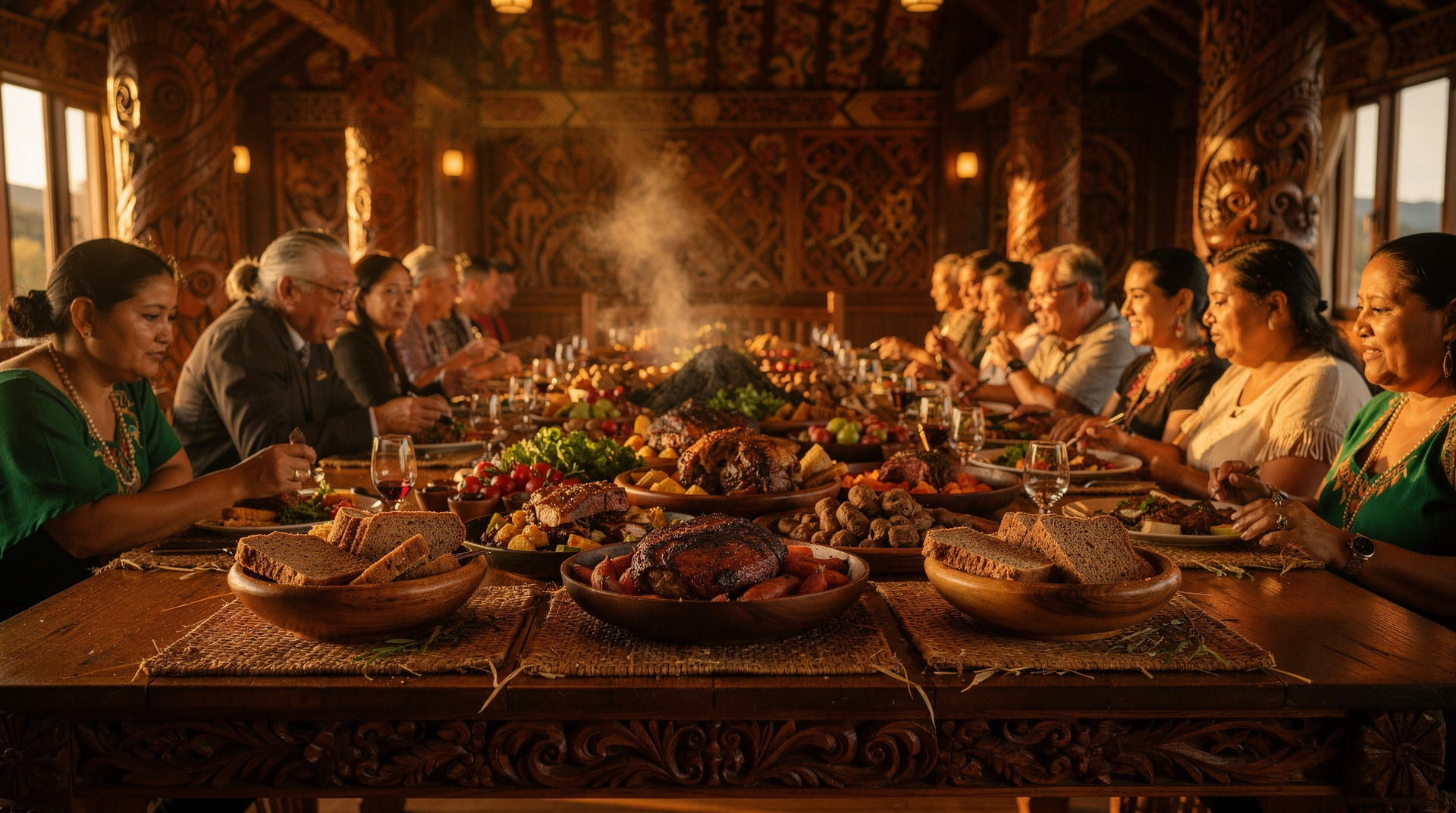
A hangi is a meal cooked in an earth oven — the central cooking method of Maori for centuries. Stones are heated in a fire for several hours until extremely hot, lowered into a pit dug in the ground, and the food (wrapped in flax and placed in baskets) is lowered on top and covered with earth for 2-3 hours. The result is steam-cooked meat and vegetables with a distinctive, slightly smoky flavour.
At Te Puia, the hangi is served as a buffet following the evening cultural performance. The food is: lamb, chicken, beef, potato, kumara (sweet potato), pumpkin, bread rolls (rewena — Maori sourdough). Quality is consistently good; portions are generous. Dietary requirements (vegetarian, vegan) are accommodated with notice.
The evening experience with hangi (NZD 150-175 / USD 90-105 / EUR 83-96 per adult) is significantly better value than the day entry + lunch option (NZD 105-125 / USD 63-75 / EUR 58-69). If you can only do one, the evening is the right choice.
For a deeper understanding of hangi as a cultural practice (not just as food), see the hangi feast guide.
Honest comparison: Te Puia vs Mitai vs Tamaki
This is the question every visitor to Rotorua asks. The honest answer:
Te Puia is the most culturally substantial — the iwi connection, the living carving school, and the geothermal landscape are unique. It is also the busiest, most commercial, and least intimate. Coach groups are large; the hangi buffet can feel like institutional catering at scale.
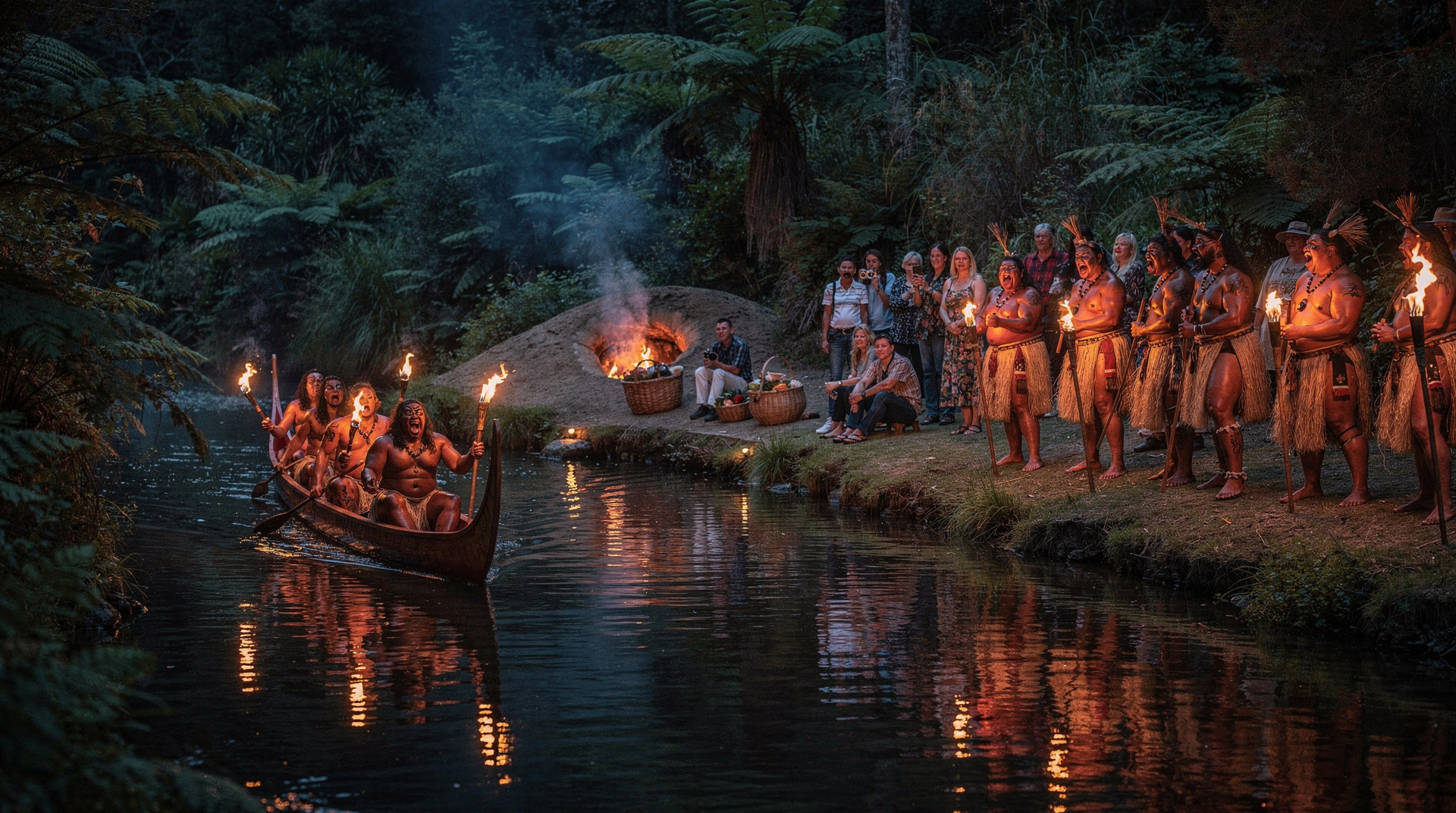
Mitai Maori Village is family-run, smaller, and more intimate. The waka arrival ceremony is theatrical and effective; the glowworm walk is a good bonus. For visitors who want a personal rather than institutional experience, Mitai is often preferred. See the Mitai guide.
Tamaki Maori Village is the most purpose-built for large-scale tourist groups — bused to a constructed village, very professional performance, well-organised. Less culturally deep than either Te Puia or Mitai, but technically excellent if you must accommodate a large group.
Recommendation: If time and budget allow only one — Te Puia, for the combination of geothermal landscape and the carving school that has no equivalent anywhere. If intimacy matters more than comprehensiveness — Mitai.
Practical information
Location: On Hemo Road, Te Whakarewarewa, Rotorua — approximately 2km from the city centre. Walking, cycling, or a short taxi/Uber.
Opening hours: Daily 9am–5pm (day entry). Evening experiences from 6pm (performance and hangi, ends approximately 9:30pm).
Day entry tickets: Adults NZD 60–75 / USD 36–45 / EUR 33–41. Children (5-15) NZD 30–38. Family passes available.
Evening experience with hangi: Adults NZD 150–175 / USD 90–105 / EUR 83–96. Children NZD 75–88.
Booking: Advance online booking recommended. Evening experiences sell out days in advance in January-February and during school holidays.
Photography: Permitted in most areas. Kiwi house: no flash. Always ask before photographing the carvers — most are fine with it; a few prefer not to be photographed while working.
Maori cultural concepts relevant to Te Puia
Understanding a few key concepts enriches the Te Puia experience considerably:
- Mana (prestige, authority): The mana of Te Arawa is expressed through the carving traditions, the performance quality, and the generosity of the manaakitanga (hospitality) extended to visitors.
- Tapu (sacred restriction): The thermal area has tapu dimensions — geothermal features are connected to the spiritual world. Follow path restrictions.
- Mauri (life force): The geothermal energy of Whakarewarewa has its own mauri in te reo Maori cosmology — it is not merely geological.
- Kaitiakitanga (guardianship): Te Arawa’s management of the site is kaitiakitanga — cultural guardianship of the land, the thermal features, and the knowledge systems associated with them.
- Whakapapa (genealogy): The genealogical connections the carvers express in their work, and the performers in their pepeha (self-introductions), are not formulaic — they are real genealogical lines connecting living people to named ancestors over many generations.
Reading the marae etiquette guide before you go is genuinely useful here — the pōwhiri protocol, shoe removal in the wharenui, and the basics of hongi are all covered, and knowing them in advance means you can pay attention to the ceremony rather than to what to do with your hands. The wider Maori culture overview is a good companion piece if Te Puia is your only cultural stop in New Zealand.
Planning your visit around Rotorua
Te Puia works best as a half-day slot rather than a rushed add-on between other activities — the geothermal walk alone rewards an unhurried pace, and the carving school deserves more than the five minutes most visitors give it. If you’re building a longer Rotorua stay, the day trips from Rotorua guide covers how to combine Te Puia with Waimangu or Wai-O-Tapu without cramming, and the Rotorua destination guide is the place to start for logistics and neighbourhoods.
Travelling with kids? The kid-friendly Rotorua guide has age-specific notes that go beyond the general child-ticket information here. If glowworms rather than geysers are the draw, the Waitomo Glowworm Caves guide is a natural pairing on the same North Island loop.
Frequently asked questions
Do I need to book in advance?
For day entry, walk-in is usually possible outside peak season. For evening cultural performances with hangi, advance booking is strongly recommended — these are limited capacity events. Book at least 2-3 days ahead in summer; 2 weeks ahead for the Art Deco Festival or Christmas/New Year period.
Is Te Puia appropriate for children?
Yes, excellent for children over 5. The geyser, the kiwi, the carvers at work, and the performance all engage children well. The evening experience runs until 9:30pm — this is late for young children; the daytime hangi lunch option is better for families with children under 8.
What is the connection between Te Puia and the Whakarewarewa Thermal Village?
They share the same thermal field. Te Puia is the commercial tourism operation; the Whakarewarewa Thermal Village (accessed from a separate entrance on Tryon Street) is the living community operated by Ngati Wahiao with their own guided tours. Visiting both provides a broader picture of the site’s history and present — the Ngati Wahiao village tour is more intimate and community-focused.
Is the hangi food actually cooked in the ground?
At Te Puia, the hangi for the evening experience is genuinely ground-cooked using the traditional method. This is worth confirming — some Rotorua operators use oven-cooked “hangi-style” food instead. Te Puia maintains the traditional method as a point of cultural integrity.
How does Te Puia’s carving school operate?
The school accepts Maori students for multi-year programmes (typically 3 years for carving, 2 years for weaving). Students learn from tohunga (masters) in a traditional apprenticeship model. Graduates have gone on to create significant architectural carvings in New Zealand and internationally. The school operates under the New Zealand Maori Arts and Crafts Act 1967 and receives some government funding alongside Te Puia’s commercial revenue.
Related guides
Mitai Maori Village Rotorua — honest review and visitor guide
Honest review of Mitai Maori Village Rotorua: the family-run waka arrival, kapa haka, hangi feast, and glowworm walk. Costs in NZD/USD/EUR and booking tips.
Hangi feast guide — New Zealand's earth oven cooking explained
What is a hangi? Earth oven cooking explained, cultural meaning, best places to try authentic hangi in NZ (Rotorua, Waitangi), and costs in NZD/USD/EUR.
Maori culture overview — what every visitor should know
Respectful introduction to Maori culture for visitors: tangata whenua, Te Tiriti, tikanga basics, language, cultural experiences, and how to engage honestly.
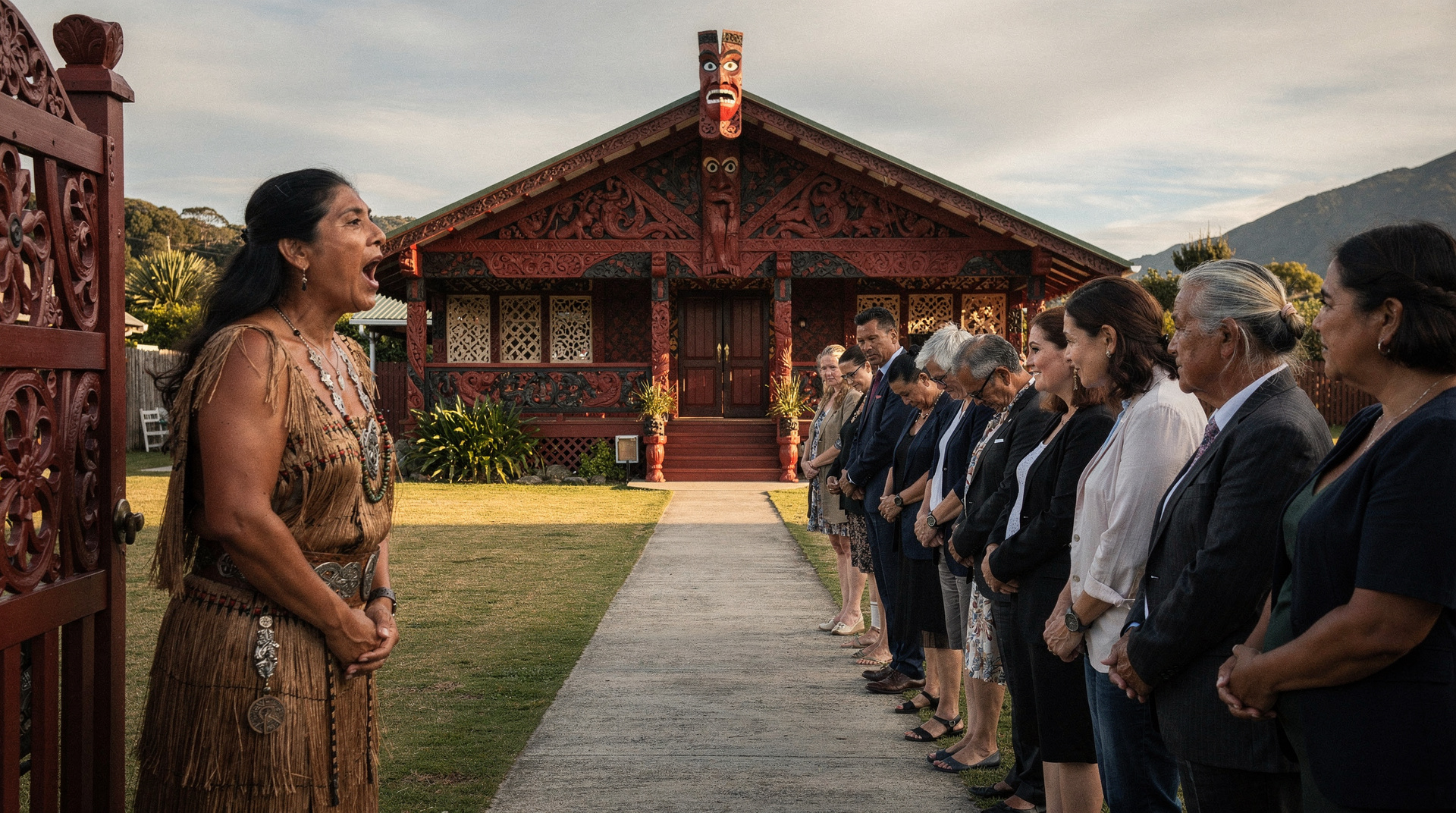
Marae etiquette for visitors
Marae etiquette: powhiri protocol, hongi greeting, shoes off, what not to do, and how to be a respectful guest at a Maori meeting place.
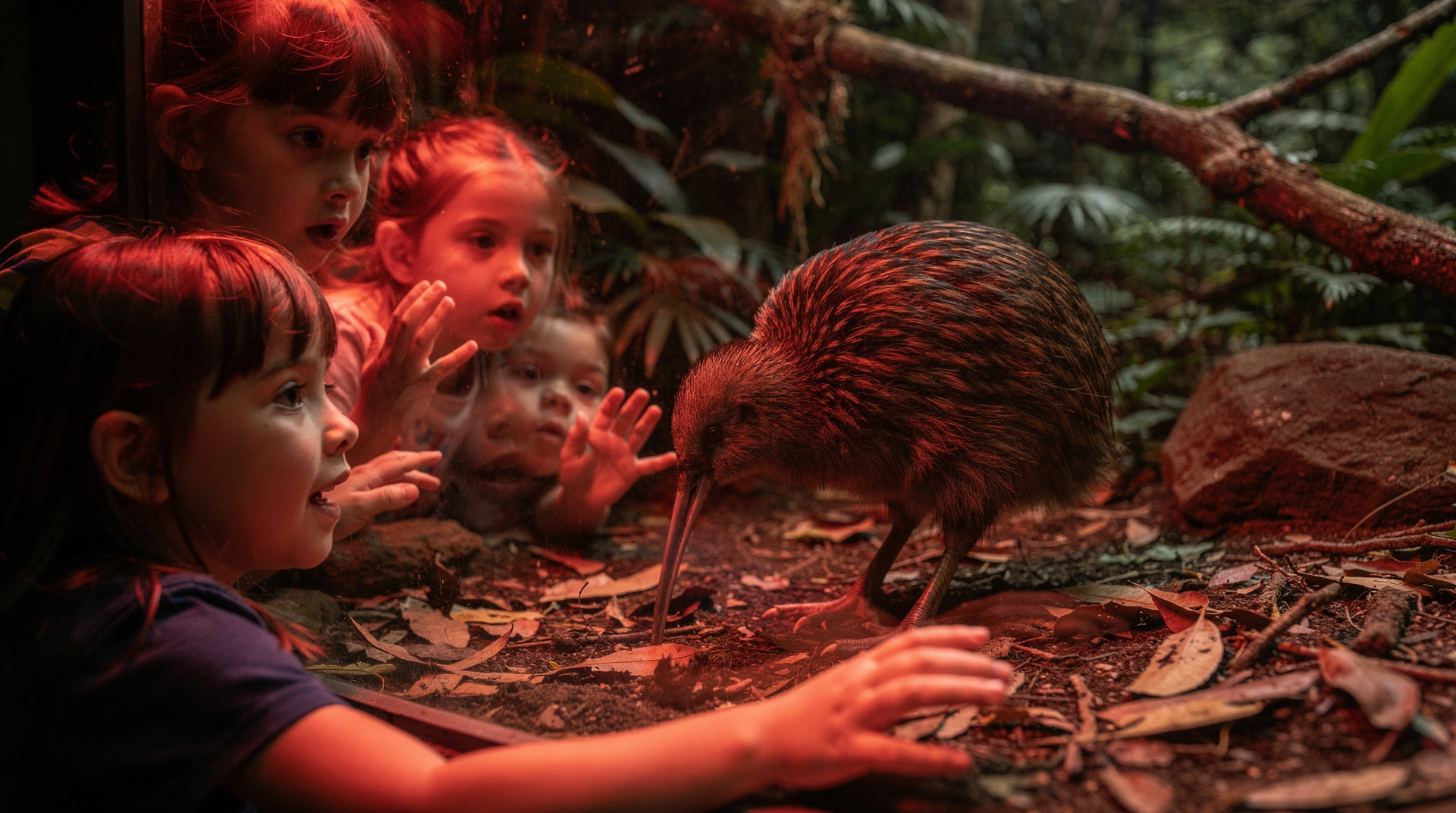
Kid-friendly activities in Rotorua — best things to do with children
Best kid-friendly activities in Rotorua: Te Puia geysers, zorbing, Agrodome, Rainbow Springs, gondola luge, and Polynesian Spa family pools. NZD/USD/EUR prices.
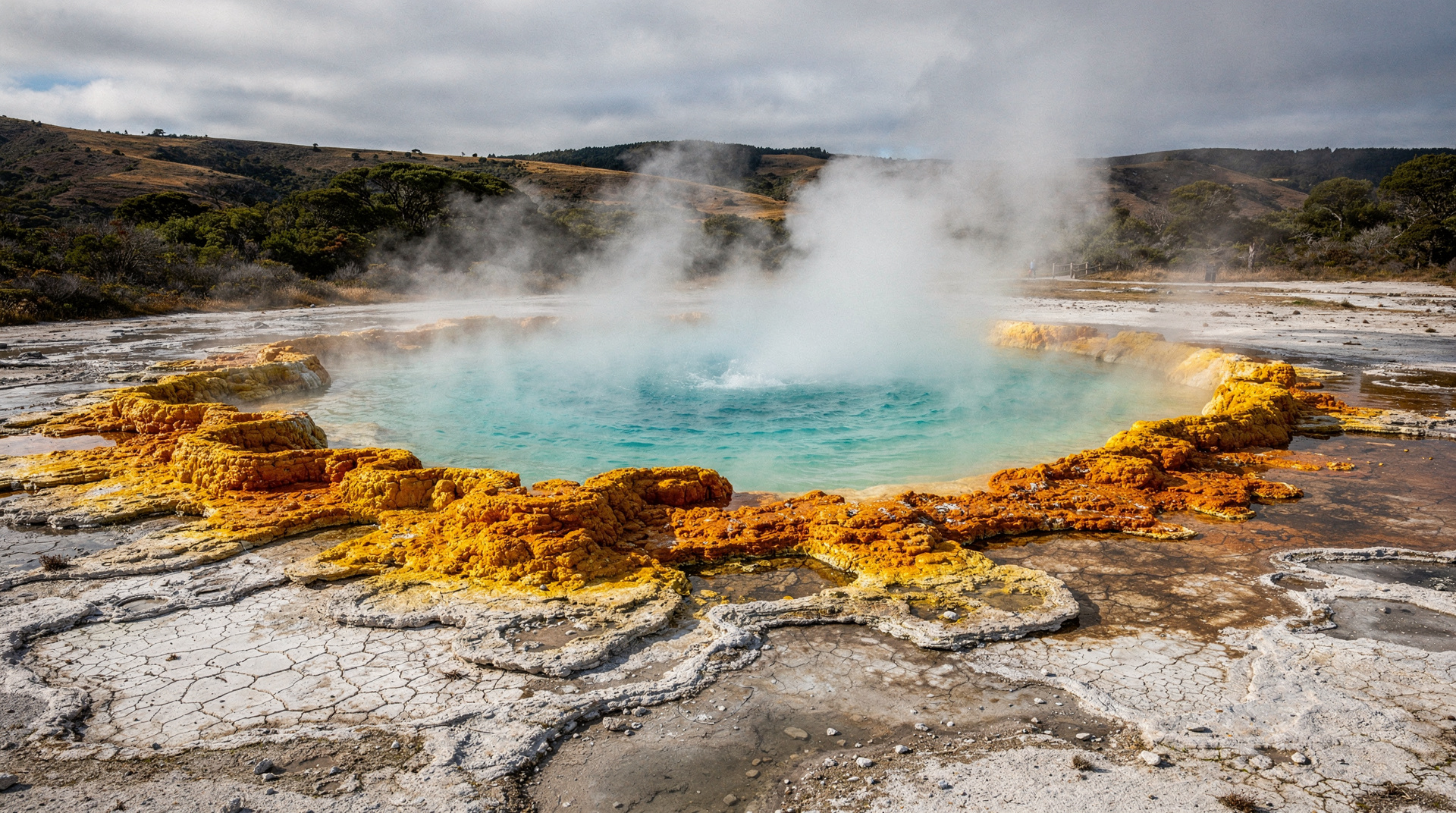
Rotorua
Honest Rotorua guide: Te Puia, Wai-O-Tapu, Polynesian Spa, Maori hangi, real prices NZD/USD/EUR, tourist traps to avoid, and best 2 days.
Last reviewed: