Lord of the Rings locations — a pilgrimage that's still worth doing
Kawarau Bridge to Glenorchy: what the films actually looked like
The first thing you notice when you arrive at Glenorchy is the silence. Forty-five minutes north of Queenstown on a lakeside road that curves and dips with Lake Wakatipu on one side and the Humboldt Mountains rising on the other. The Dart River valley opens ahead of you — flat-floored, glacier-carved, ringed by peaks that don’t look quite real.
This is where you realize the films weren’t cheating. The landscape actually looks like Middle-earth. They found it because it was already there.
| Must-do | Hobbiton, Matamata (permanent set, ~2hrs from Auckland) |
| Craft side | Weta Workshop, Wellington (~2hrs, NZD 39+) |
| Landscape side | Glenorchy valley, Queenstown (45 min drive) |
| Off the beaten path | Mt Sunday / Edoras, Hakatere Conservation Park (2.5hrs from Christchurch) |
| Time needed | Half-day per major stop; a week to cover all regions properly |
Hobbiton: the one you must do first
Matamata, in the Waikato. From Auckland it’s about two hours south. The Shire set was built on a working sheep farm — Alexander Farm — and it’s been there, in various states, since Peter Jackson chose the site from the air in 1998. The current version is the permanent set built for The Hobbit trilogy.
The guided tour takes about two hours and covers all 44 hobbit holes, the mill and the bridge, the Green Dragon Inn (you get a pint at the end). It’s NZD 99 / USD 71 / EUR 63 for an adult in 2018. A lot of people complain the price is too high. I’d argue the immersive quality of the set and the sheer specificity of it — the lived-in details, the working vegetable patches, the scale variations between Hobbit-sized and human-sized holes — justify the ticket if this is something you care about.
Book well in advance. The tours fill up. The Hobbiton Movie Set guided tour is the standard experience. An evening banquet option exists at higher cost — worth it if you’re a serious Tolkien fan, probably excessive otherwise.
The set is not in a dramatic landscape. Bag End looks out over a lake and green rolling hills. It’s pastoral, intimate, and completely convincing.
Wellington: where the craft lives
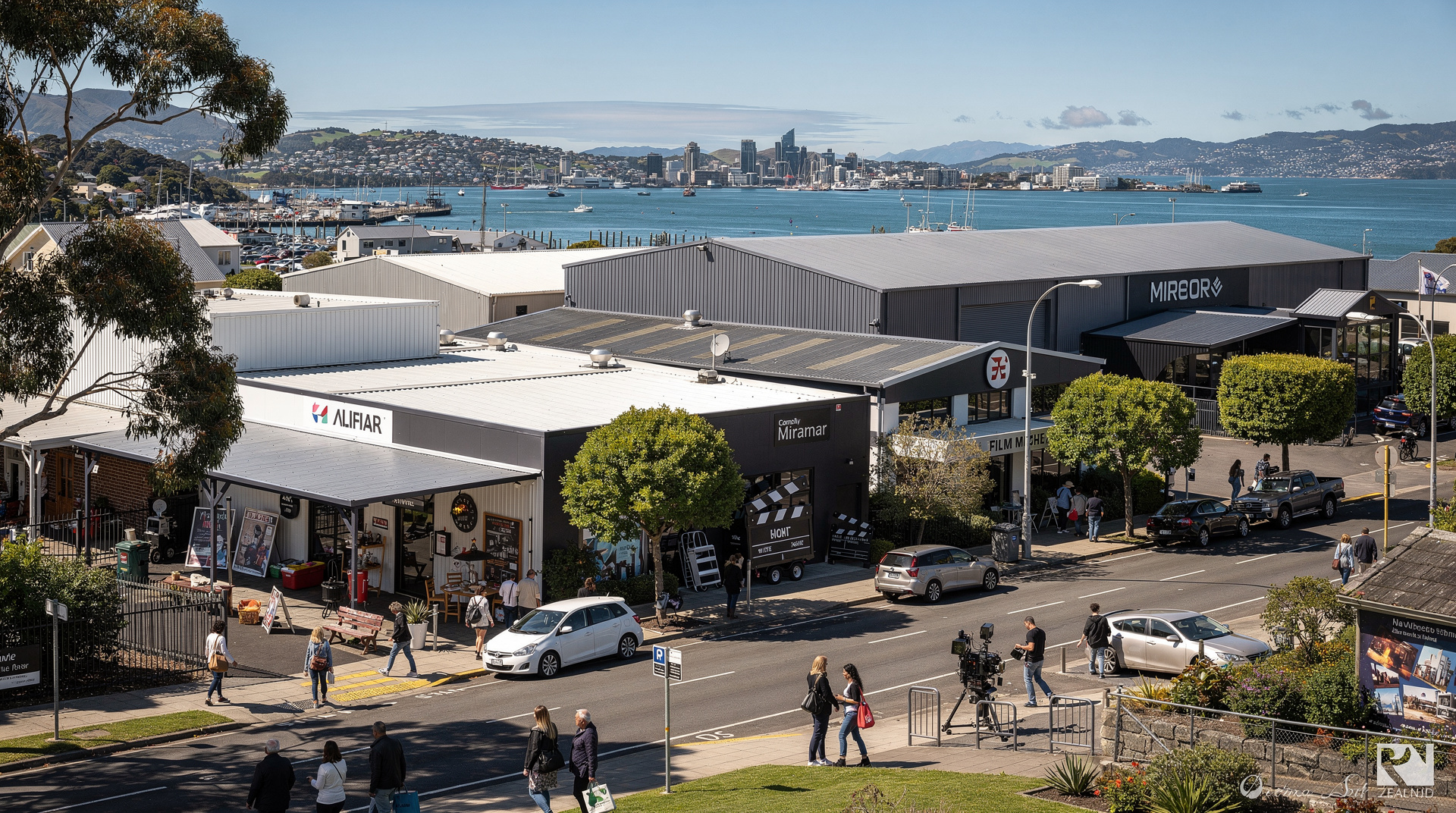
Wellington contributed more to the films than most visitors realize. Weta Workshop, founded by Richard Taylor, was responsible for all the physical props, armour, weapons, and creature suits — everything that wasn’t CGI. The Weta Cave (now Weta Workshop) in Miramar is the most honest way to connect with the actual filmmaking.
The Weta Workshop guided tour takes you through the working studio — it’s still active, producing props for current productions. You’ll see scale miniatures, prosthetics, and some of the original LOTR pieces. The guides are working artists who speak about the craft with genuine authority. Two hours, NZD 39 / USD 28 / EUR 25 in 2018.
The Wellington LOTR filming locations tours cover sites around Miramar and the greater Wellington area. Some are compelling (Harcourt Park near Upper Hutt, used for Rivendell exteriors and the Gladden Fields), some are just suburban roads with a connection to a background shot. Be selective. The Wellington Lord of the Rings filming locations tour focuses specifically on the genuine production locations — Harcourt Park, Kaitoke Regional Park (Rivendell), Dry Creek Quarry — rather than padding the route with incidental connections.
Worth taking if Wellington LOTR is your primary reason for being in the city. For a tighter half-day format, the Wellington half-day Lord of the Rings locations tour covers the highest-value sites in 3-4 hours — a reasonable commitment if Wellington is primarily a transit stop before the South Island.
The South Island: the big landscapes
The South Island is where the epic scale of the films was shot — the landscapes that no set could replicate.
Glenorchy valley is the centrepiece. The area around Glenorchy and the Dart River served as Isengard, the Argonath approach on the Anduin, Lothlorien, the Dimrill Dale, and various Rohan locations. The views from the road north of Glenorchy toward Paradise (an actual place, with an actual sign) are among the finest in New Zealand. A half-day tour from Queenstown is the most efficient way in; a full-day covers more ground.
A Lord of the Rings locations half-day tour from Queenstown will cover the key Glenorchy sites with a guide who knows the specific scenes. Worth taking at least once, if only to have someone point out why one particular hillside looks so familiar.
For the most comprehensive LOTR access, a 4WD is the better tool — it reaches sites on the valley floor beyond the road. The 4WD Lord of the Rings half-day tour from Queenstown gets into the backcountry terrain used for Isengard and the Anduin river valley approaches. The full-day 4WD LOTR tour with lunch extends the coverage into the upper Dart Valley — the deeper in, the more the landscape stops looking like New Zealand and starts looking like the films’ Middle-earth. A proper full day including lunch at Glenorchy.
Queenstown itself features in fewer scenes than people expect. The Kawarau Gorge, just east of town, was used for some Rohan approaches. The gondola up to the Skyline gives views that weren’t in the films but look like they should have been.
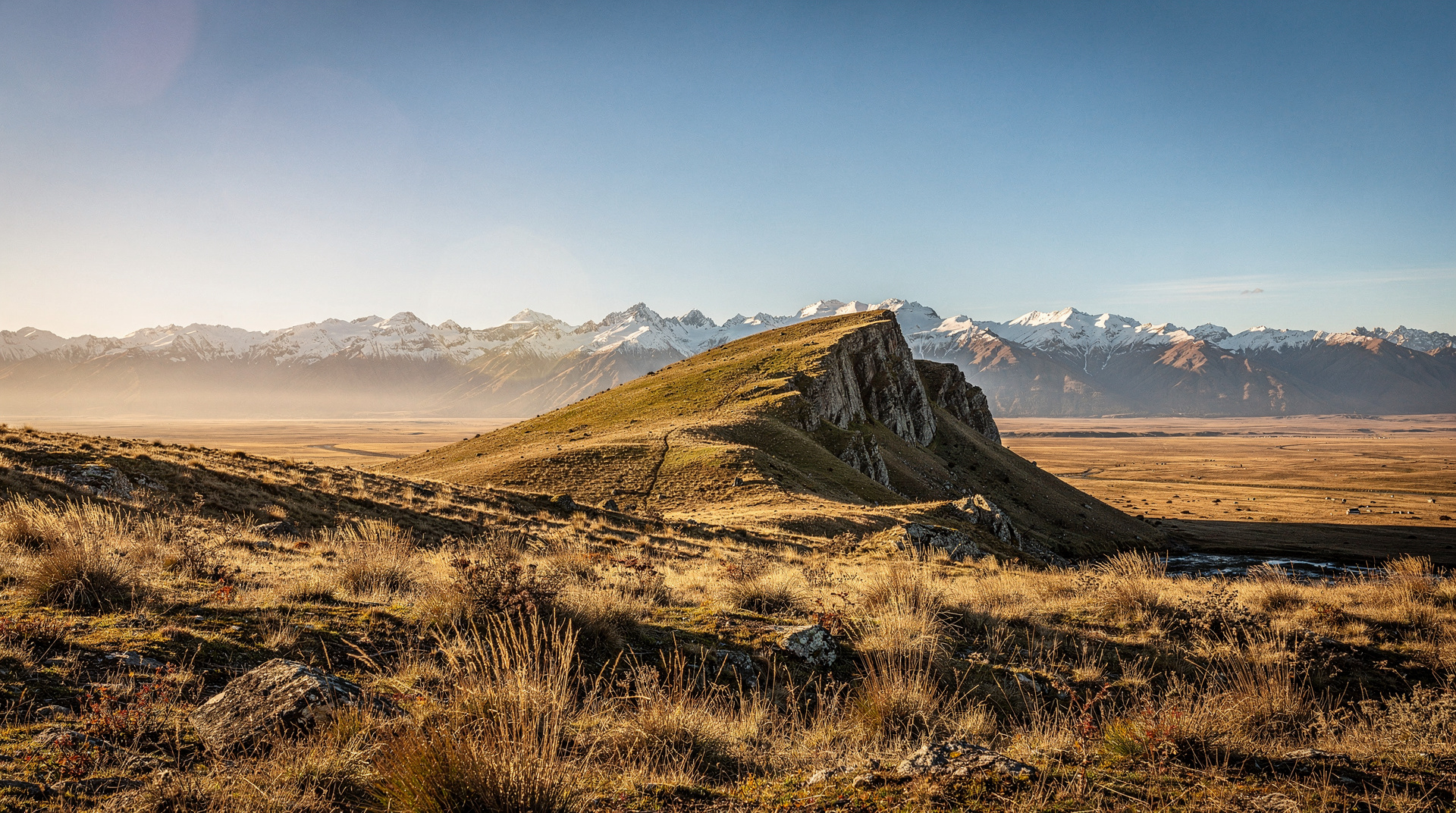
Mt Sunday / Hakatere Conservation Park (about 2.5 hours from Christchurch) was the site of Edoras, the capital of Rohan. It’s a lone hill rising from a Canterbury plain surrounded by the Southern Alps. The set is gone, but the landscape is extraordinary and not often visited.
What holds up and what doesn’t
Be honest with yourself before you go: the locations are almost never immediately recognizable without the films running in your head. The Glenorchy valley does look like the Argonath approach, but only if you remember the shot. The fields around Matamata look like the Shire, but they also look like Waikato farmland. Context and imagination do a lot of work.
What holds up unconditionally is the landscape itself. You don’t need the LOTR connection to find the Dart River valley one of the most beautiful places in New Zealand. The films are a good excuse to go there; they don’t need to be the reason.
The filming locations tours vary enormously in quality. The best guides are film historians and naturalists in one. The worst are people reading from a script. Read reviews before booking.
What this means for your trip
Plan Hobbiton as a fixed point — it’s the only location that delivers a complete, managed film experience. Add the Wellington Weta Workshop for the craft side of things. For the landscapes, build the South Island itinerary around the Queenstown–Glenorchy corridor regardless of the LOTR connection, then layer the film geography on top.
The pilgrimage works best when the landscape earns its place in your memory independent of the films. For most people who’ve made it, it does.
Fitting the pilgrimage into a real itinerary
Most travellers aren’t running a dedicated LOTR trip — they’re fitting these locations into a wider New Zealand itinerary, which is the right approach. Hobbiton fits naturally into a North Island loop through Auckland; the driving in New Zealand guide is worth reading before you plan the self-drive logistics between Matamata, Wellington and the South Island, since distances are easy to underestimate on a small-looking map.
On the South Island side, the Glenorchy locations sit naturally alongside a Queenstown base — see the Glenorchy day trip guide for the practical version of the same drive described above, minus the film framing. If you’re weighing whether to add the Mt Sunday detour from Christchurch, treat it as a landscape trip first: it’s a genuinely beautiful, quiet corner of Canterbury that happens to have been Edoras, not the other way around.
Twenty-five years on
For a longer view of how these same locations have changed — visitor numbers, prices, and what’s different about the Hobbiton experience in particular — see the 25th-anniversary update, written in 2024 to mark a quarter-century since filming began.
Related reading
Related guides
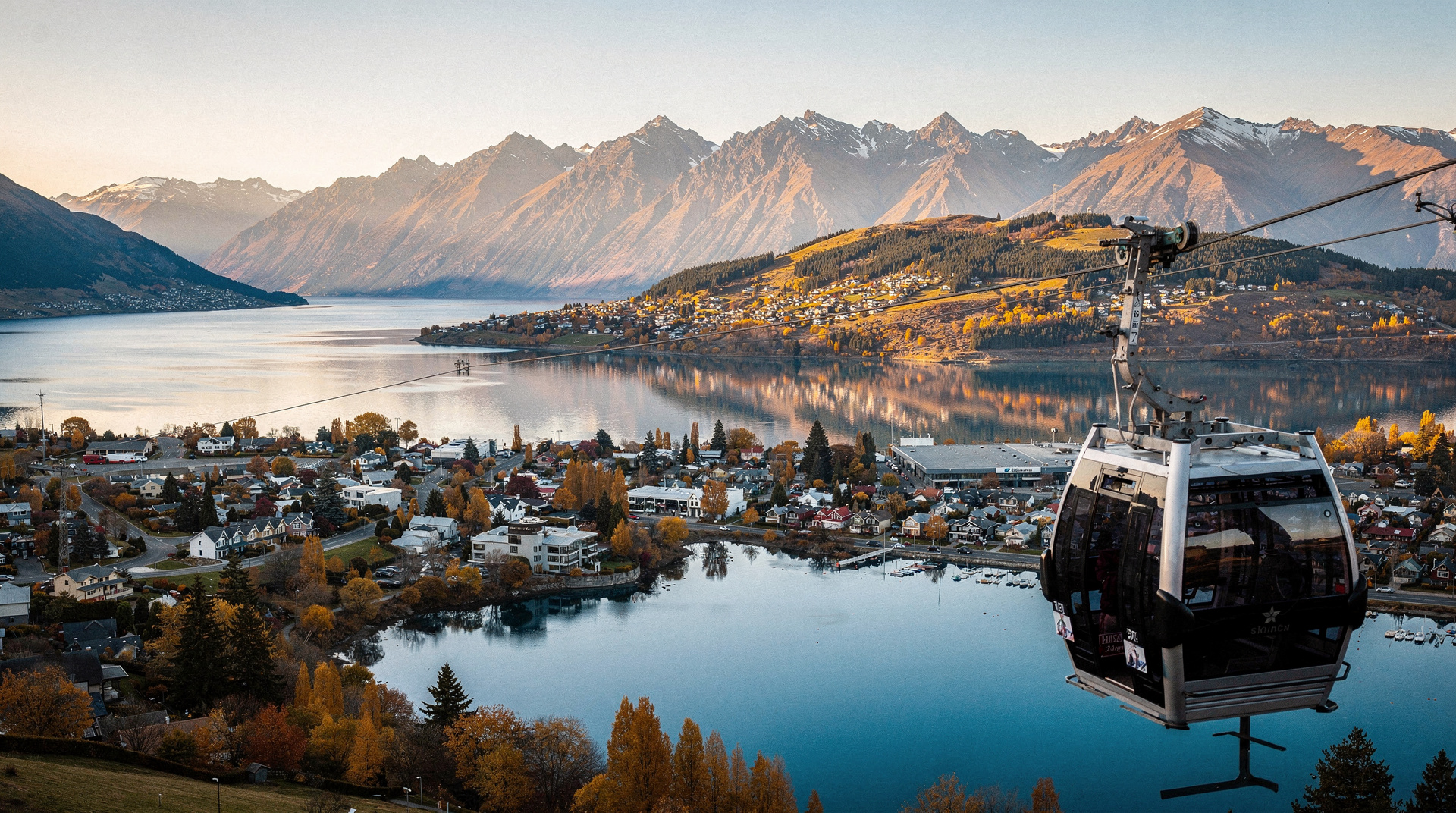
Queenstown
The honest Queenstown planner: bungy, jet boat, ski, scenic flights — real prices in NZD/USD/EUR, what to skip and what's worth your money.
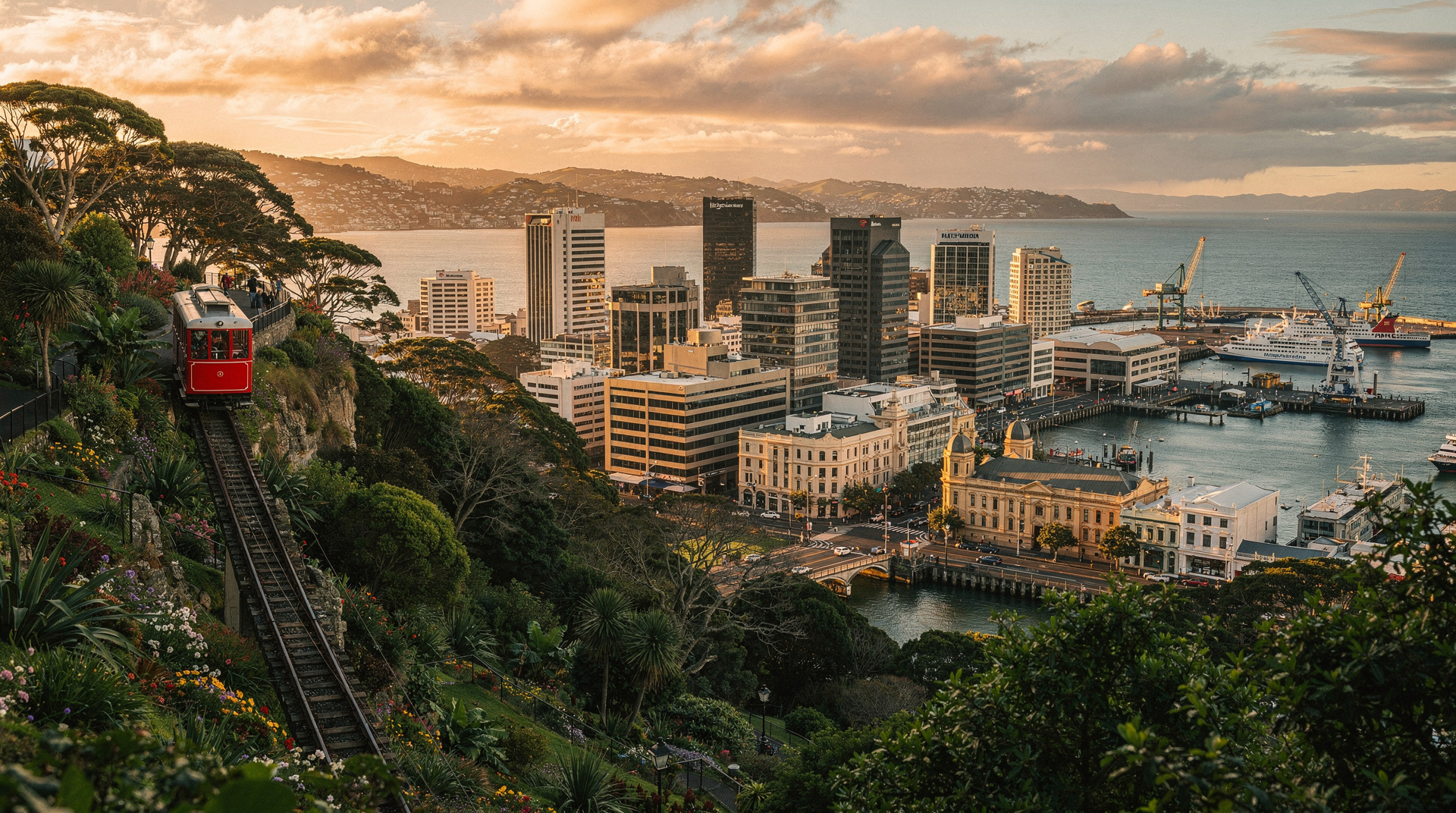
Wellington
Honest Wellington guide: Te Papa museum, Weta Workshop LOTR tours, Zealandia, Cuba Street, ferry to South Island, real prices NZD/USD/EUR.
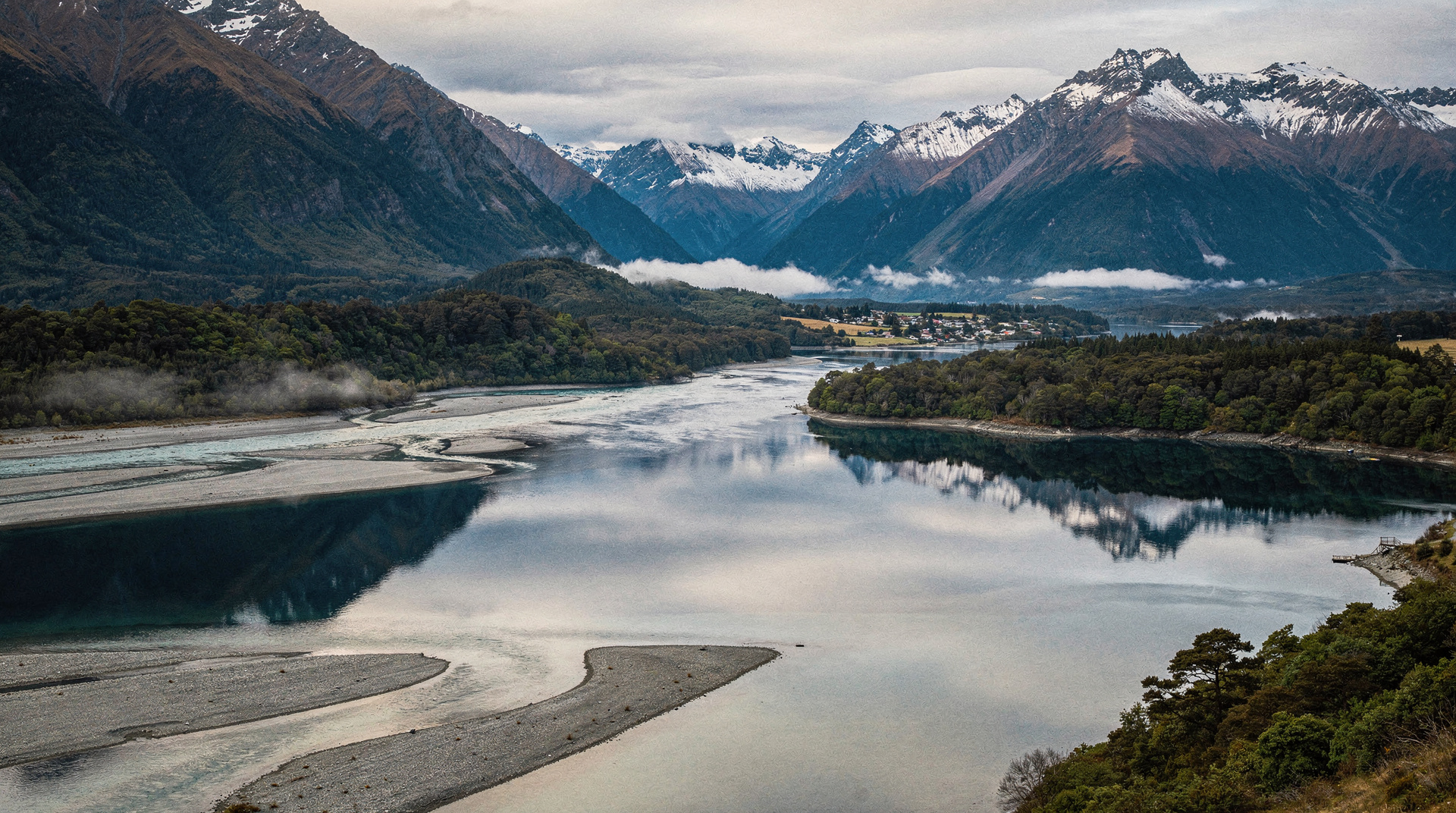
Glenorchy
Glenorchy: Isengard and Lothlórien filming country, Routeburn trailhead, Dart River jet boats, the quiet end of Lake Wakatipu. Real prices.
Lord of the Rings locations at 25 years — what's changed since filming started
Peter Jackson started filming The Lord of the Rings in New Zealand in October 1999. Twenty-five years on, here's what the locations look like now.
Last reviewed: · Published: