Lord of the Rings locations at 25 years — what's changed since filming started
October 1999
Principal photography on The Lord of the Rings: The Fellowship of the Ring began in October 1999 in the hills above Matamata in the Waikato. Peter Jackson and his crew built 37 hobbit holes on a working sheep farm. By the end of that production — which extended across all three films simultaneously in one of the largest co-productions in film history — New Zealand had been mapped for English-speaking audiences as Middle-earth.
Twenty-five years is long enough to see what has actually happened to those landscapes, to the film infrastructure, and to the country’s relationship with its own cinematic mythology.
| Essential stop | Hobbiton, Matamata (permanent set) |
| Craft side | Weta Workshop, Wellington |
| Landscape side | Glenorchy/Dart River, near Queenstown |
| Least-visited | Mt Sunday (Edoras), Hakatere Conservation Park |
| Best combined with | Any South Island trip — the LOTR layer is a bonus, not the reason to go |
Hobbiton: the only one that got permanent
Of all the locations used across the three original films and The Hobbit trilogy, only Hobbiton became a permanent film set. Everything else was used, sometimes enhanced, and returned to its pre-filming state — or changed by time and weather without the support of a dedicated maintenance operation.
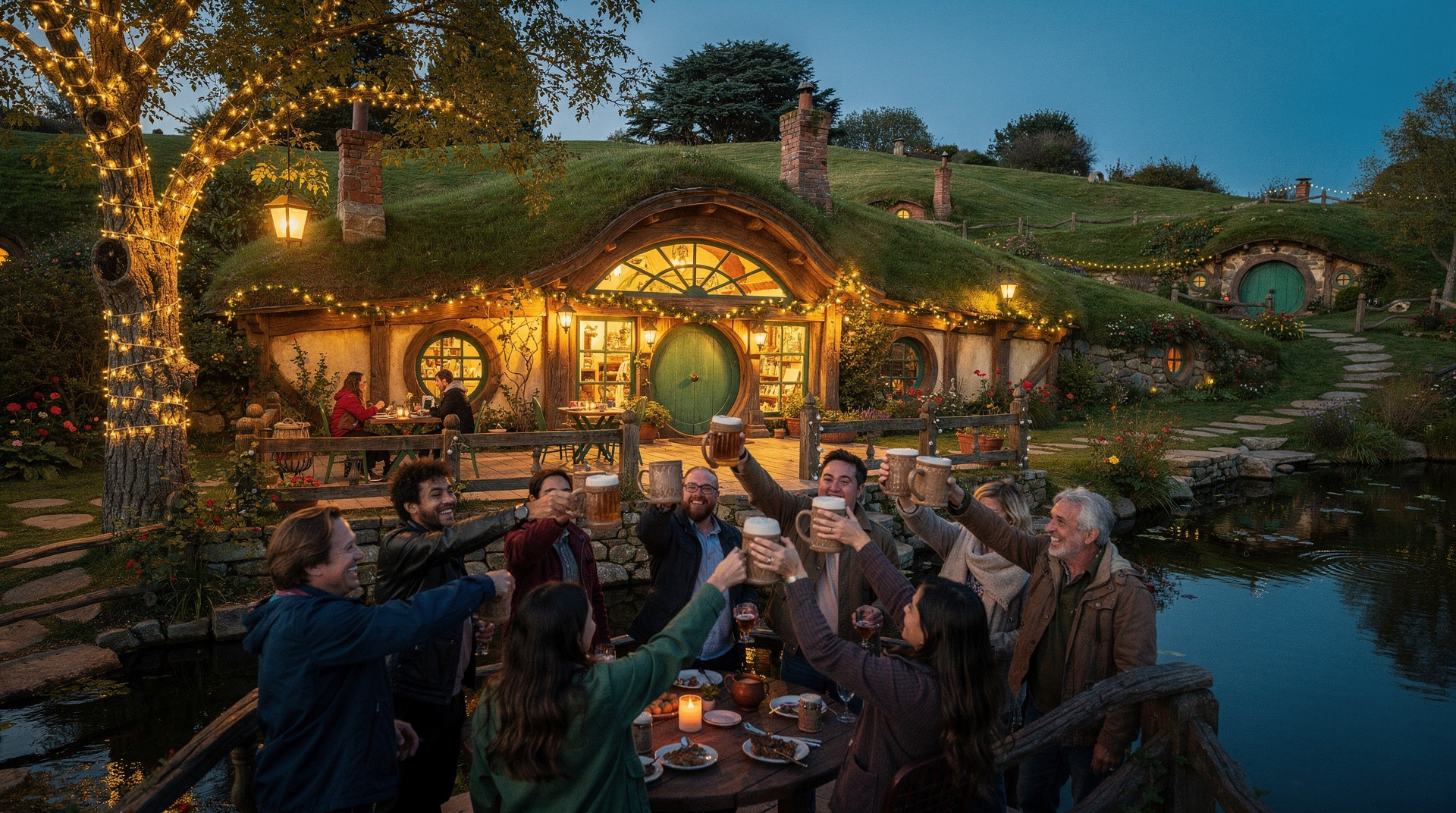
The Hobbiton Movie Set guided tour in 2024 is essentially unchanged in concept from the 2012 version, though the set itself has matured: the gardens are more established, the pathways more worn with use, the Green Dragon Inn with its working bar now fully integrated into the visitor experience. At NZD 99 / USD 71 / EUR 63 for adults, it remains in the “expensive but worth it” category for anyone who cares about the films.
What’s different in 2024: the visitor volumes are higher than pre-COVID. Post-pandemic, the LOTR tourism market recovered strongly. Amazon Prime’s The Rings of Power series, whatever one thinks of it creatively, opened the Tolkien world to a new generation. The Hobbiton queues reflect this.
The Wellington craft scene
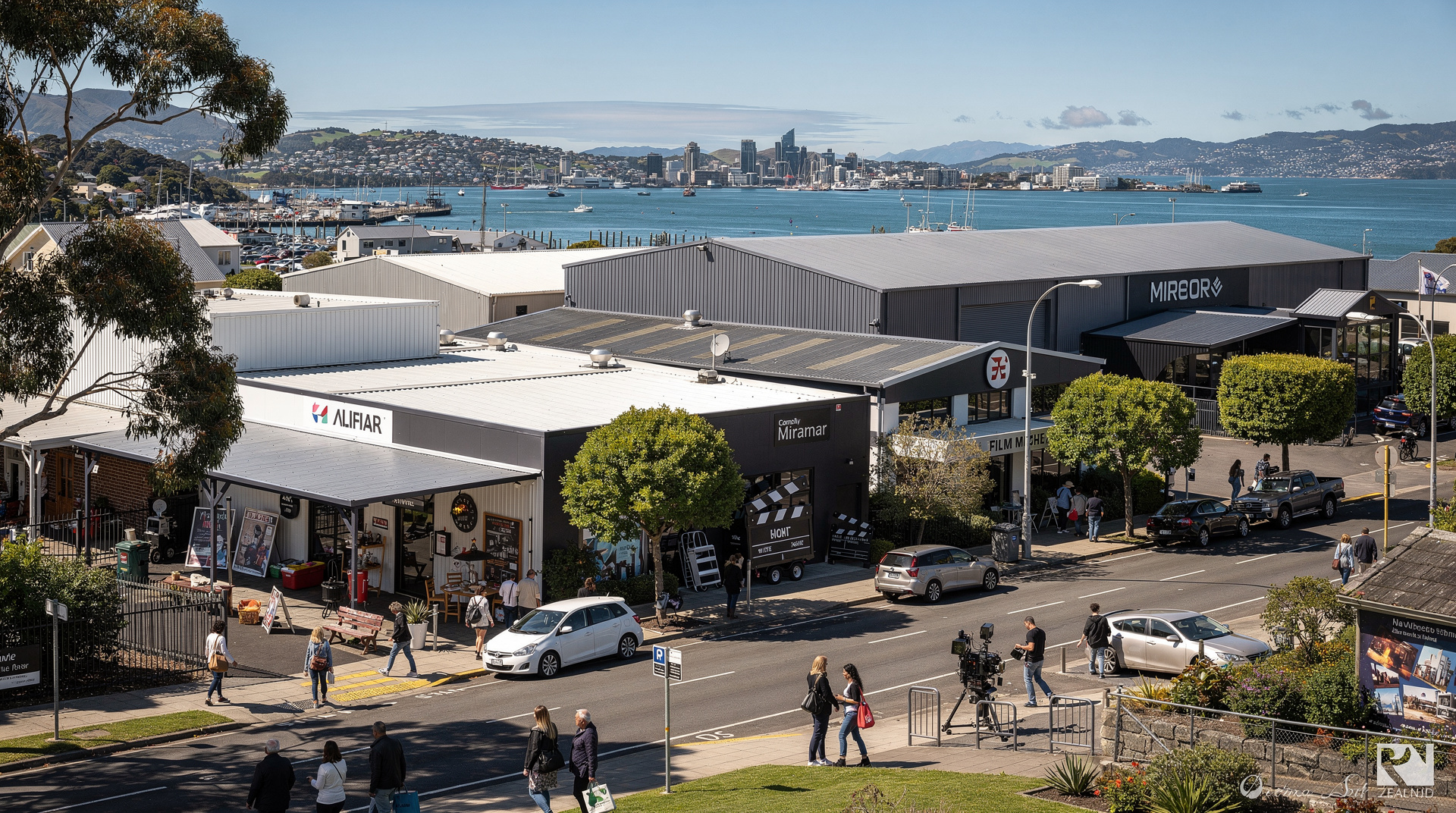
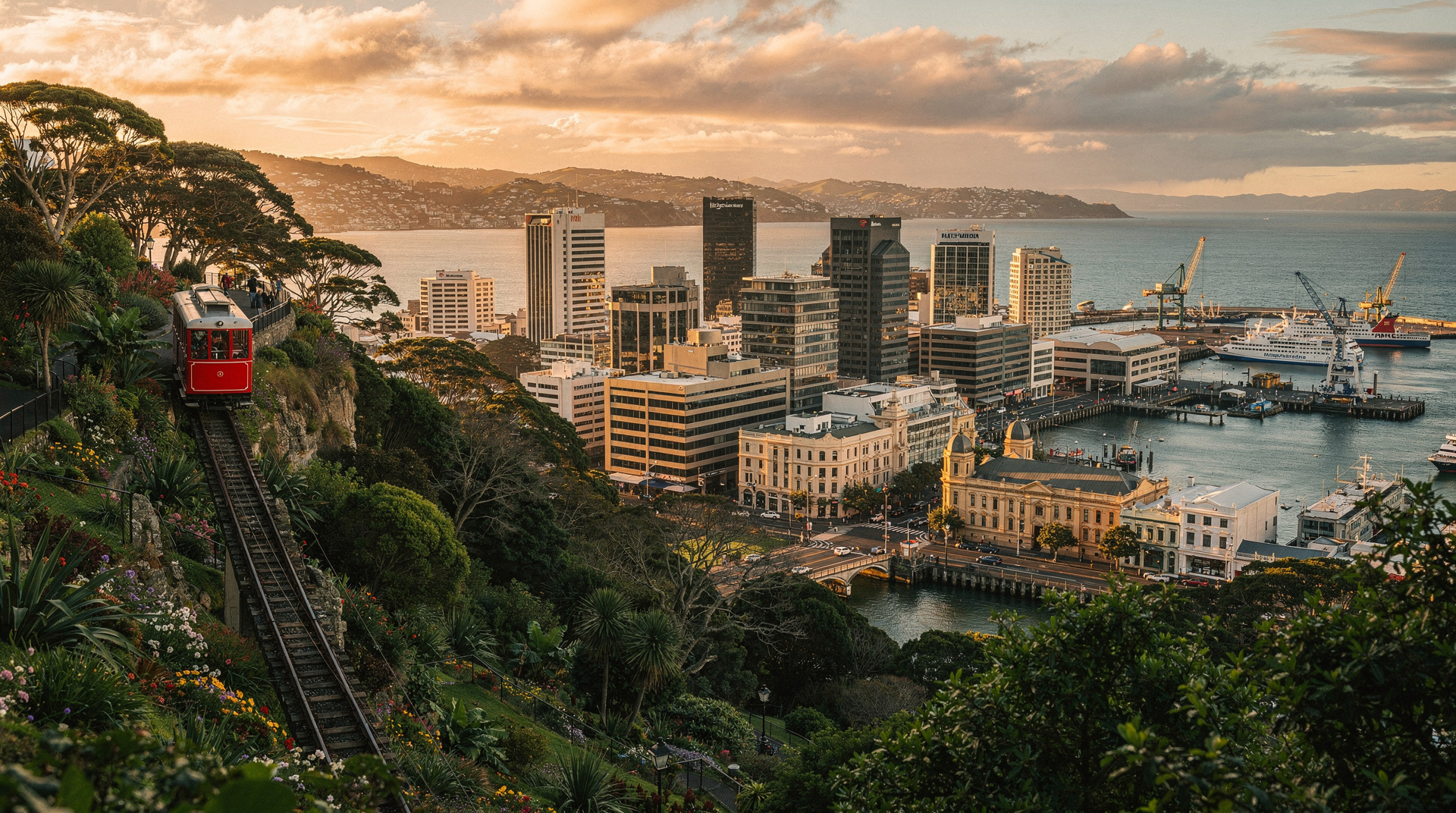
Wellington was where the intellectual and creative infrastructure of the films lived. Weta Workshop, in Miramar, did the physical production design — all the armour, weapons, prosthetics, creature suits. The building still stands, still operates, and still welcomes visitors.
The Weta Workshop guided tour is the most honest engagement with what actually made the films. The guides are working artists. The studio is active. The artefacts — original LOTR pieces alongside current productions — give the visit genuine weight. In 2024, the tour price is around NZD 45-55 / USD 32-40 / EUR 30-37, depending on the specific package.
For those who want to combine the workshop with filming location visits in a single guided half-day, the Wellington Lord of the Rings half-day guided tour handles both — Weta Workshop plus the key outdoor locations — efficiently. It’s the right option for visitors on a one- or two-day Wellington stop who want the complete picture without managing two separate bookings.
For a private group or a more personalised deep-dive with a Wellington guide and lunch included, the private Lord of the Rings tour Wellington with lunch is the premium option — genuinely worth it for serious fans who want unhurried access to the locations with an expert.
The larger context: Wellington has built a creative industries infrastructure around the LOTR legacy that extends well beyond the studio. Park Road Post, the post-production house; Weta Digital (now expanded and partially sold to Unity); a network of visual effects and game development companies that are in Miramar partly because the LOTR money and expertise accumulated there. The films weren’t just a tourism windfall. They were an industrial catalyst.
Glenorchy and the Dart River valley
The South Island landscapes used in the films — primarily the Glenorchy, Dart River, and Mount Aspiring areas — are unchanged in any way that matters. Rock doesn’t change in 25 years. The Dart River valley that served as the approach to Isengard and the Argonath still looks the same. The fields around Paradise (which is an actual place north of Glenorchy, with an actual road sign) still look like Rohan.
A half-day Glenorchy and Paradise tour from Queenstown covers the key locations with a guide. In 2024, this is probably the best value LOTR experience in the South Island — the landscape is extraordinary on its own terms, the film geography adds a layer of recognition, and the guide (if good) provides both.
What has changed in the Glenorchy area: visitor numbers. Pre-LOTR, Glenorchy was a quiet farming settlement at the end of Lake Wakatipu. Post-LOTR, it’s a quiet farming settlement with a guesthouse, a pub, and a lot more visitors than the permanent population of 200 would suggest. The road from Queenstown has been improved. The landscape still has room.
The Edoras location
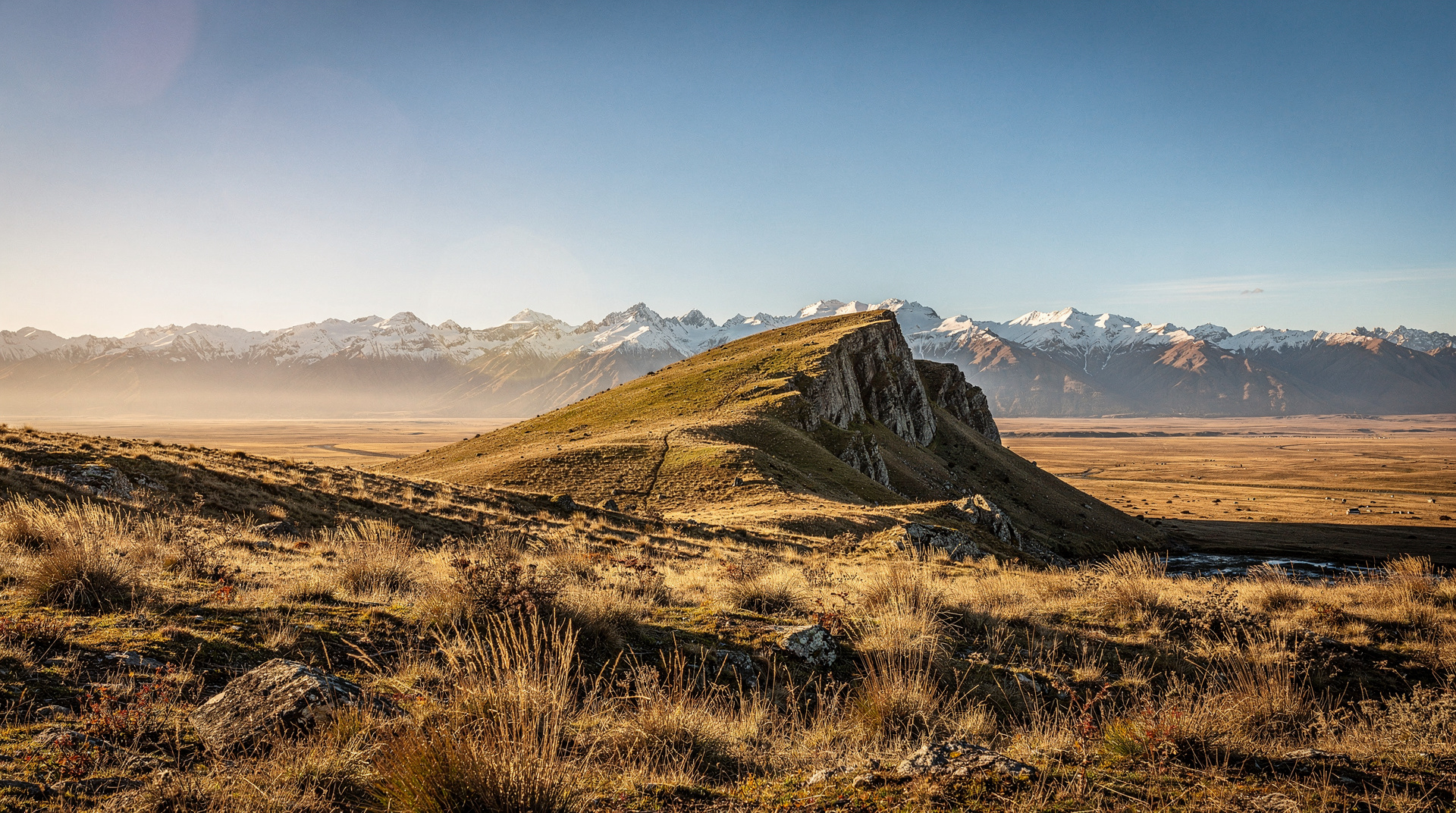
Mt Sunday in the Hakatere Conservation Park — about 2.5 hours from Christchurch — was Edoras, the capital of Rohan. A lone flat-topped hill rising from a Canterbury high plain, surrounded by the southern Alps. In 2024 it’s still a 4WD track and a walk to reach; the set is long gone but the hill is there.
This is the LOTR location most worth seeking out precisely because it requires effort and rewards with landscape that has nothing to do with film. The Hakatere Conservation Park is genuinely beautiful in a high-country Canterbury way — tussock, braided rivers, distant ranges — and Mt Sunday earns its centrality to the Rohan story by looking obviously, inherently right for the role.
What the films actually did to New Zealand tourism
The numbers are clear: New Zealand’s tourism grew significantly through the early 2000s and LOTR was a meaningful driver. Studies estimated the “Tolkien boost” at hundreds of millions of dollars. Tourism New Zealand ran a “100% Pure New Zealand” campaign timed with the film releases. The phrase “New Zealand: home of Middle-earth” appeared on promotional material with the government’s blessing.
Twenty-five years on, the LOTR identity has become embedded in the country’s tourism brand in a way that’s both an asset and a limitation. It’s an asset because it gives New Zealand a specific, distinctive cultural hook. It’s a limitation because the country’s actual cultural offering — Maori culture, its Pacific identity, its natural history — is deeper and more interesting than a film trilogy, however good.
The Amazon Rings of Power series, filmed largely in New Zealand and released in 2022, has refreshed the association. Whatever the series’ critical reception, the landscape photography has been stunning and has served as a continued advertisement for New Zealand’s natural environment.
The honest verdict at 25
The LOTR pilgrimage to New Zealand in 2024 works best when it’s an additional layer on a trip that would justify itself without the films. The landscape is the reason to go. The films are a map overlay that makes certain valleys and hills more specific.
The one indispensable stop is Hobbiton — not because it’s the most beautiful landscape (it’s Waikato farmland, pleasant rather than spectacular) but because it’s the only location where the set itself is the experience. Everywhere else in New Zealand, the location is the landscape, which would be there regardless.
Planning a 25th-anniversary LOTR trip
If you’re building a trip specifically around the anniversary, the logical route runs North Island to South: Hobbiton near Matamata, then Wellington for Weta Workshop and the Wellington-area filming locations, then a flight or drive south into Queenstown for the Glenorchy landscapes. The driving in New Zealand guide is worth reading before you commit to a self-drive itinerary — distances between these locations are bigger than they look on a small-country map. For a South Island add-on, the Christchurch to Queenstown drive can be routed to pass near Mt Sunday if you want the Edoras detour.
Most visitors don’t need a dedicated LOTR trip — the film locations sit inside a normal New Zealand itinerary anyway, since Hobbiton, Wellington, and Glenorchy are already common stops. See how many days in New Zealand for realistic pacing if you’re trying to fit all three in alongside everything else the country offers.
Glenorchy, twenty-five years on
Worth noting for anyone planning the Queenstown leg: Glenorchy itself has changed more than the landscape around it. What was a near-empty farming settlement when Fellowship was filmed now has a genuine, if still small, visitor economy built partly on LOTR recognition and partly on its position as the gateway to the Routeburn Track and the Dart River. The Glenorchy day trip guide covers the logistics if you’re basing in Queenstown rather than staying in the valley itself.
Related reading
Related guides
Lord of the Rings locations — a pilgrimage that's still worth doing
The LOTR pilgrimage in New Zealand: which locations hold up, which disappoint, and how to plan a trip that's honest about the nostalgia.
Hobbiton at 25 — how the Shire became a permanent fixture in New Zealand
From a rushed film set built in 1999 to a permanent tourism destination visited by 600,000 people a year — the unlikely story of Hobbiton's evolution.
Queenstown
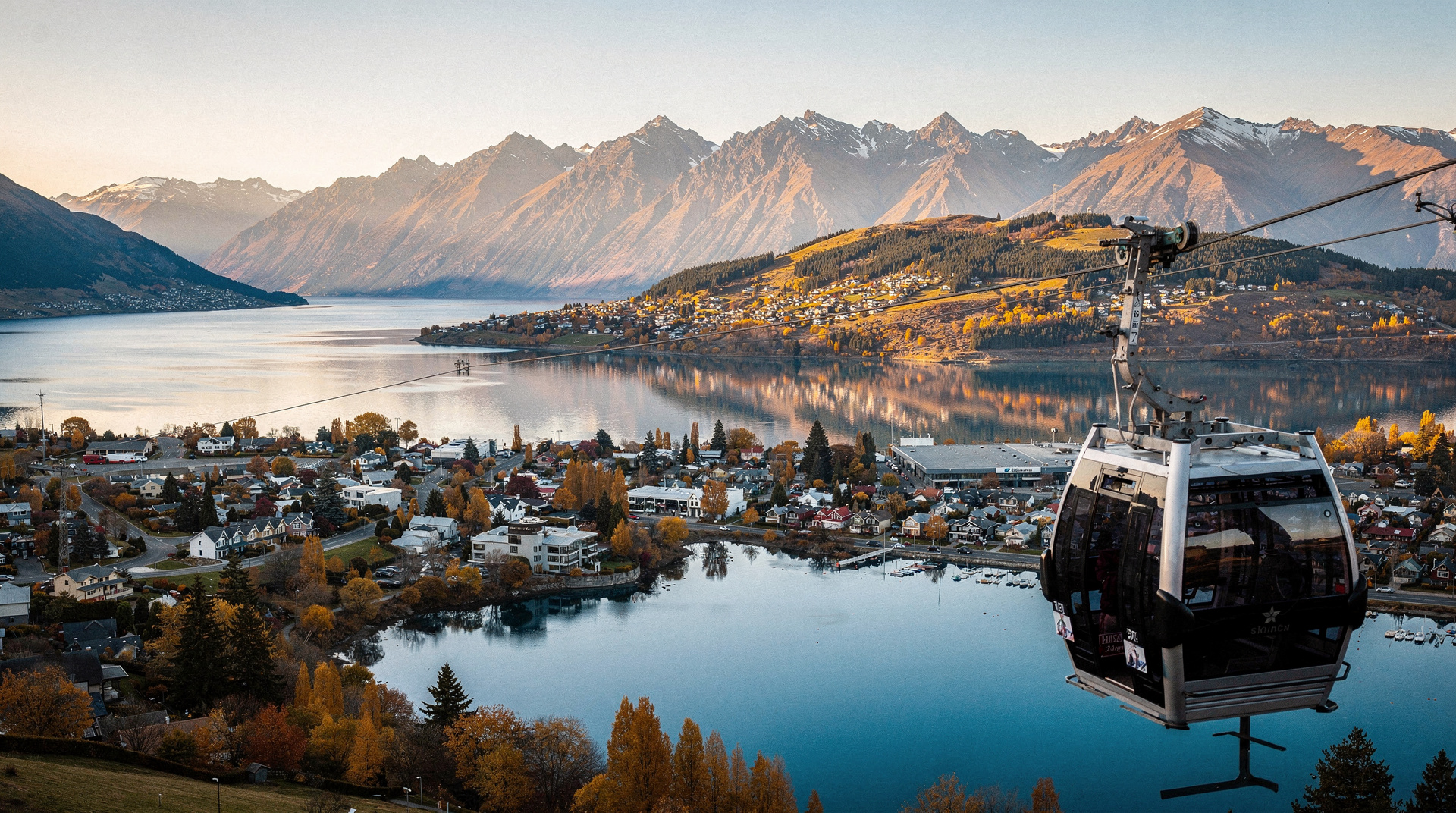
The honest Queenstown planner: bungy, jet boat, ski, scenic flights — real prices in NZD/USD/EUR, what to skip and what's worth your money.
Wellington
Honest Wellington guide: Te Papa museum, Weta Workshop LOTR tours, Zealandia, Cuba Street, ferry to South Island, real prices NZD/USD/EUR.
Published: