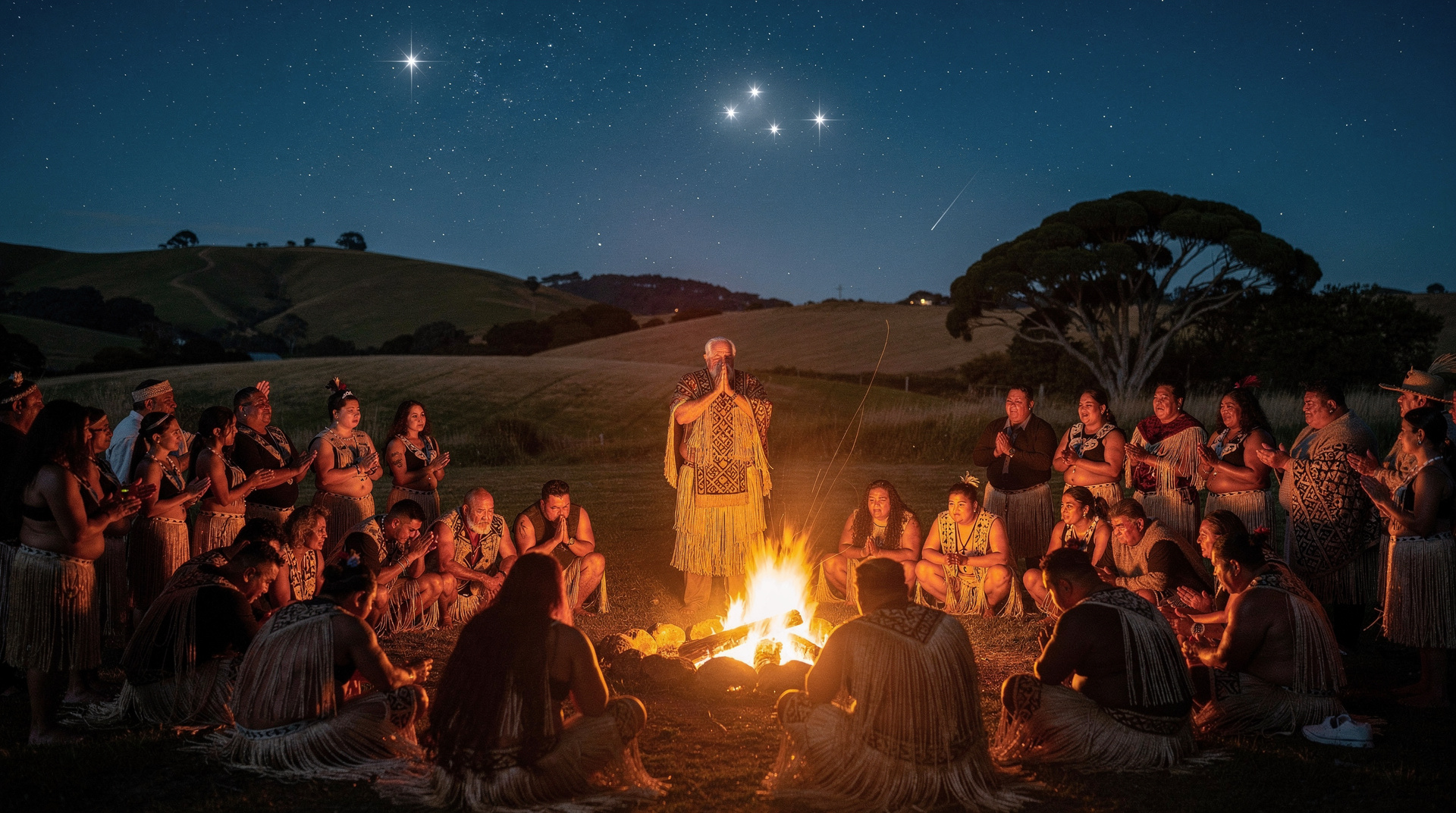
Matariki 2026 — where to celebrate New Zealand's Maori new year
Matariki 2026: 10 July
Matariki — New Zealand’s public holiday marking the Maori new year — falls on Friday 10 July 2026. This creates a three-day long weekend, as the Act establishing Matariki always places the holiday on the Friday following the new moon after the heliacal rising of the Matariki star cluster.
| Date | Friday 10 July 2026 |
| Best programme | Rotorua (Te Puia, dawn ceremony) |
| Biggest events | Auckland Matariki Festival |
| Book accommodation | At least 3 months ahead, Rotorua especially |
| Weather | Mid-winter, 5–12°C, dress in layers |
For visitors in New Zealand in early to mid-July, this is one of the more distinctive cultural events the country offers. Matariki is not a re-enactment. It’s a living observance — the fifth year of the public holiday in 2026 — that is growing in its public expression year by year.
If you’re planning around Matariki 2026, here is where the celebrations are most accessible and most meaningful for visitors.
What Matariki is (briefly)
The Matariki star cluster — the Pleiades — rises on the northeastern horizon before dawn in late June or early July. In the Maori calendar, this rising marks the new year: a time to reflect on those who died in the past year, to give thanks for the present, and to plan for the future.
The nine stars of Matariki each have specific associations. Matariki herself governs health and the environment. Pōhutukawa is connected to those who have died. Tupuānuku and Tupuārangi govern the cultivation of food. Waitī and Waitā are associated with freshwater and saltwater environments respectively. Waipuna-ā-Rangi brings rain. Ururangi governs the winds. Hiwa-i-te-rangi is the wishing star — the star to which you make your aspirations for the new year.
The cultural content of Matariki is specific and substantive. The public events draw on this framework in varying degrees of depth.
Rotorua: the best-developed programme
Rotorua has consistently run the most developed Matariki programme of any New Zealand city. The reasons are straightforward: Rotorua has the strongest Maori cultural infrastructure in New Zealand, with multiple iwi-led organisations running year-round cultural programming, and the tourism ecosystem that makes event delivery viable.
Te Puia, the geothermal park and cultural centre operated by Te Arawa whanau, runs Matariki events that include the dawn ceremony (marking the star cluster’s rising), special hangi, and cultural performance. The dawn ceremony on 10 July 2026 will begin well before sunrise; registration is typically required and fills quickly — check the Te Puia website from April 2026 onwards.
The Te Puia daytime cultural experience in Rotorua runs on Matariki day with particular significance, including interpretation of the specific Matariki context. If you miss the dawn ceremony, the daytime programme is the second-best option.
Rotorua’s lakefront hosts public Matariki events — lanterns, performances, kai (food) — that are free and accessible to all. These typically run through the long weekend.
Planning note: Rotorua accommodation in the Matariki long weekend books out quickly, particularly for the Thursday and Friday nights around the public holiday. Book at least 3 months ahead.
Auckland: the biggest public events
Auckland’s Matariki Festival runs for several weeks either side of the public holiday, with events concentrated around the long weekend. The festival includes light installations across the CBD and waterfront, performances at venues including ASB Waterfront Theatre and Auckland Town Hall, and public ceremonies on the waterfront.
The Auckland Museum (Tāmaki Paenga Hira) runs Matariki programming that is among the most substantive in the country — the museum’s collection of Maori taonga gives it particular depth for Matariki interpretation. Programming typically includes extended evening hours, special guided tours, and performances.
The Tāmaki Makaurau Matariki events — the public, community-oriented elements — are free and most meaningful for visitors who want to observe how New Zealand’s largest city marks the occasion. The Viaduct Harbour and the Auckland waterfront typically have significant public programming.
What Auckland Matariki is: the largest audience. A city of 1.7 million doing something together that’s culturally specific and relatively recently established. The energy of a public holiday being figured out in real time.
What Auckland Matariki isn’t: intimate. The community aspect of Matariki — the whānau gathering, the marae ceremony — is smaller-scale than the city events reflect.
If you want a ticketed cultural experience alongside the free public events, the Auckland luxury Maori cultural tour gives more depth than the waterfront installations alone, though it’s not Matariki-specific programming.
Wellington: the capital’s programme
Wellington’s Matariki celebrations are smaller than Auckland’s but well-curated. Te Papa (the national museum) runs Matariki programming that is consistently good — the museum’s Maori collections and its expertise in cultural interpretation make its Matariki events authoritative rather than decorative.
The Wellington Matariki Festival typically includes poetry, performance, music events, and film. Zealandia Ecosanctuary runs dawn events connecting the star-rising to the birds of the native sanctuary — dawn in a predator-free forest in winter, with kaka calling, is a specific and memorable experience.
Civic Square and the waterfront host lantern events on the evening of Matariki itself. Te Papa’s own Te Papa museum guide is worth reading before you go — it covers how to prioritise the collection if your visit is time-limited around the Matariki programme. For a ticketed introduction to Maori culture at the museum, the Te Papa Mana Maori guided tour runs year-round and gives useful context before you attend any of the Matariki-specific events.
Small town and marae: the most authentic
The community Matariki observances that happen at marae across New Zealand — gatherings that are primarily for local whānau, not for tourists — are not listed events but are sometimes open to respectful visitors on invitation. If you’re staying in a rural area during Matariki, ask your accommodation host whether any local events would be appropriate to attend.
Northland — particularly the Bay of Islands, with its strong Maori population and the significance of Waitangi as a cultural site — has meaningful community Matariki observances. Gisborne (Tairāwhiti), the region that sees the new day first, has particular significance for Matariki in the context of being the first to observe the dawn. The East Cape and Gisborne area’s Maori communities mark Matariki in ways that connect the astronomical event to the experience of being at the first light of the world.
The dawn ceremony wherever you are
If you’re in any part of New Zealand on 10 July 2026, you can observe the Matariki dawn independently. The Matariki star cluster rises on the northeastern horizon before dawn. The rising time varies by location and date — there are online tools and apps (Matariki rising calculators) that give you the exact time for your location.
Find a dark spot with a clear northeast horizon. Wake early (the rise is typically an hour or more before dawn). Watch for the Pleiades cluster. In winter skies, with good visibility, the cluster is a distinct smear of stars.
This is what the observance was, before it was a festival or a public holiday. Stars on the horizon in winter, watched by people thinking about the year past and the year to come.
Practical notes for Matariki 2026
Accommodation: book early for Rotorua, Auckland, and Wellington during the long weekend (9-12 July). Prices rise. Rotorua is the most constrained.
Events: check event listings from May 2026 onwards. Most iwi-led events open registration 6-8 weeks ahead.
Etiquette at cultural events: follow the lead of organisers and local participants. The tikanga (customs) around Matariki events may vary by iwi. Listen before speaking, particularly in ceremony contexts.
Weather: 10 July is mid-winter in New Zealand. In Rotorua, expect 5-10°C at dawn. Auckland will be 8-12°C. Dress in layers; the dawn ceremonies are outdoor events.
For star visibility: the Matariki star cluster rising observation requires a clear northeast horizon and minimal light pollution. Rural locations are better than city centres. The Mackenzie Basin in Canterbury (near Lake Tekapo, a Dark Sky Reserve) offers excellent winter star conditions.
Respecting the occasion as a visitor
Matariki carries real cultural weight, and the etiquette matters more here than at most tourist events. Read the marae etiquette guide before attending any community or marae-based event — the core rules (follow your hosts, remove shoes where asked, don’t photograph without permission during ceremony) apply directly to Matariki gatherings. If your New Zealand trip is centred on Maori culture more broadly rather than the Matariki period specifically, the Maori culture overview and te reo Maori basics are the two guides worth reading first.
Frequently asked questions
Does Matariki fall on the same date every year? No. The date is tied to the lunar calendar and the heliacal rising of the Matariki star cluster, so it shifts by weeks each year — it has ranged from 20 June to 14 July across 2022–2026. Always confirm the current year’s date rather than assuming it repeats.
Is Matariki celebrated the same way across New Zealand? No. Rotorua’s programme is the most developed because of its concentrated Maori cultural infrastructure; Auckland’s is the largest by audience; Wellington’s is smaller but well-curated through Te Papa. Rural and marae-based observances are the most traditional but the least accessible to visitors without a local connection.
Related reading
Related guides
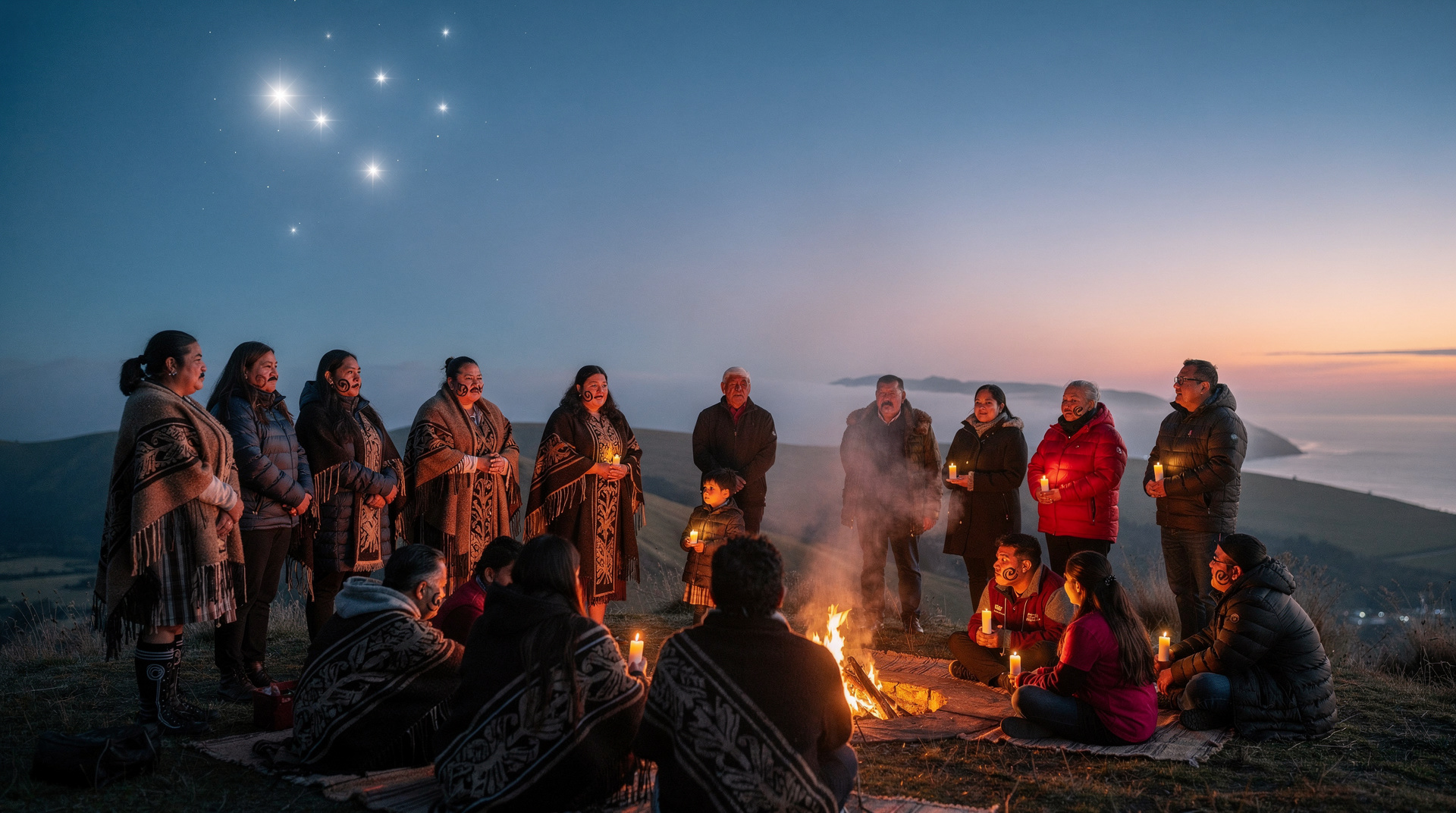
Matariki becomes a public holiday — what it means for travellers in New Zealand
On 24 June 2022, NZ observed Matariki as a public holiday for the first time. What it means, how it's celebrated, and what to expect as a visitor.
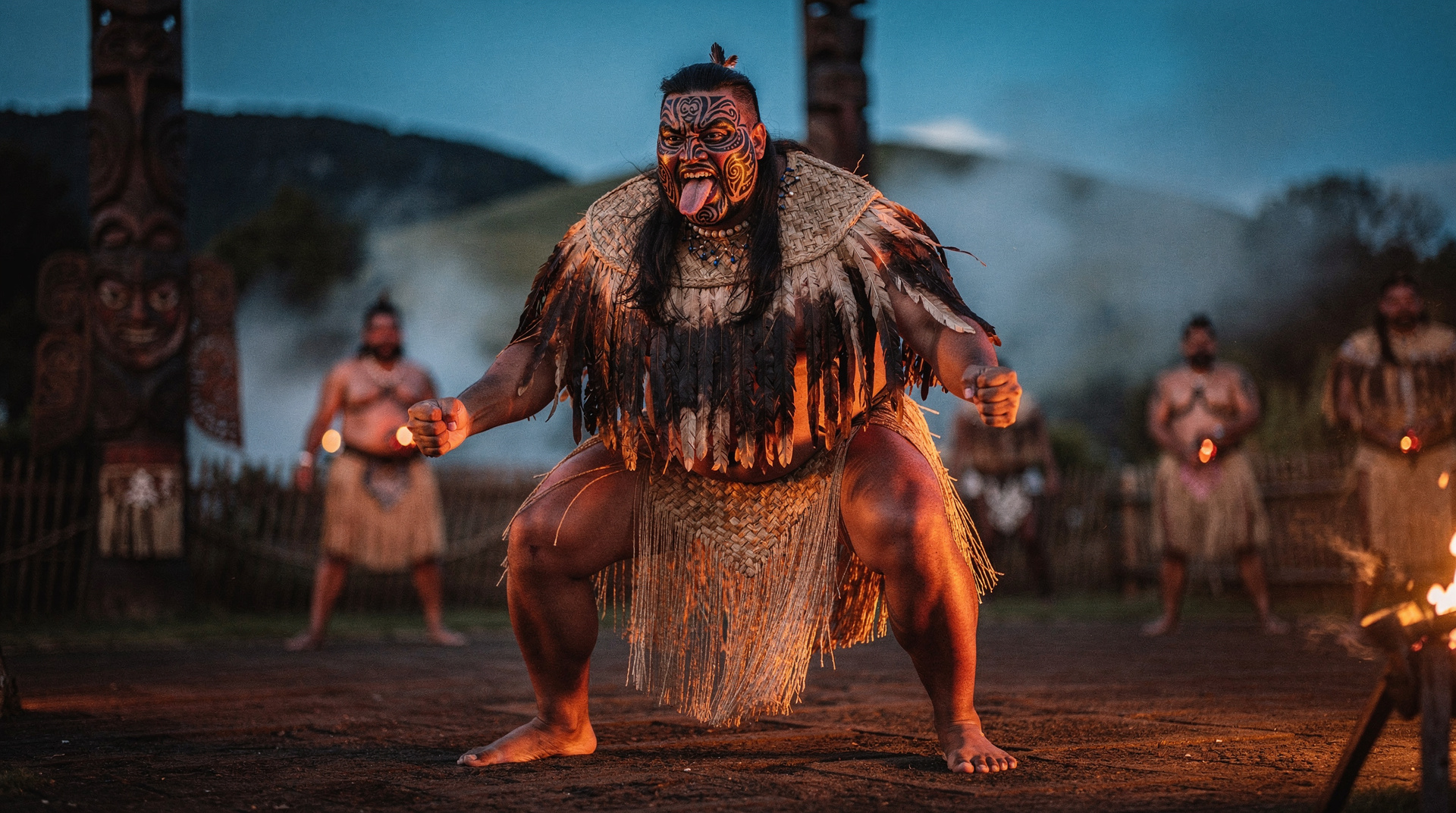
Maori culture overview — what every visitor should know
Respectful introduction to Maori culture for visitors: tangata whenua, Te Tiriti, tikanga basics, language, cultural experiences, and how to engage honestly.
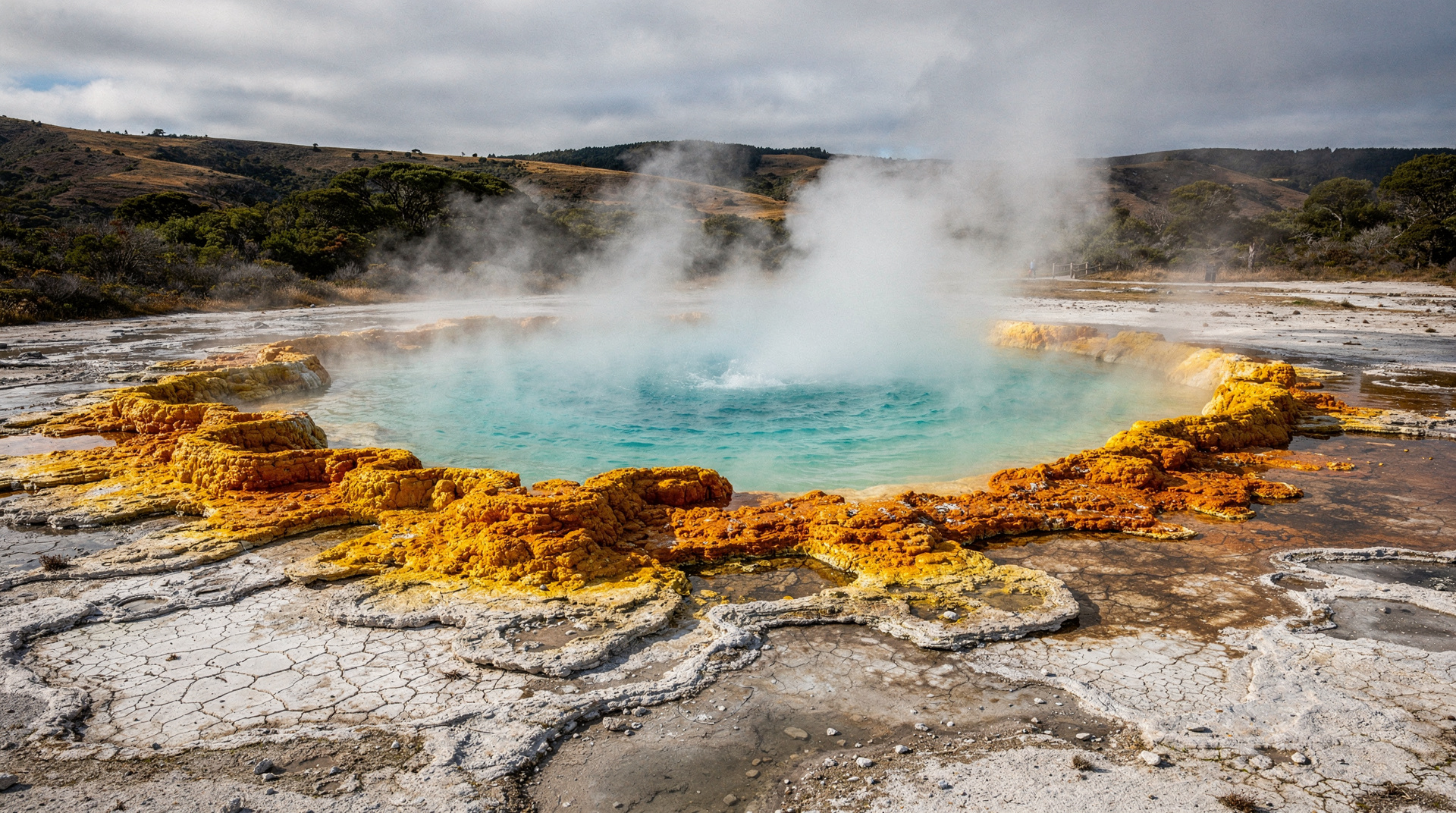
Rotorua
Honest Rotorua guide: Te Puia, Wai-O-Tapu, Polynesian Spa, Maori hangi, real prices NZD/USD/EUR, tourist traps to avoid, and best 2 days.
Te reo Maori basics for travelers
Practical te reo Maori guide: vowel pronunciation, 40+ essential phrases, place name meanings, and everyday Maori words woven into New Zealand English.
Published: