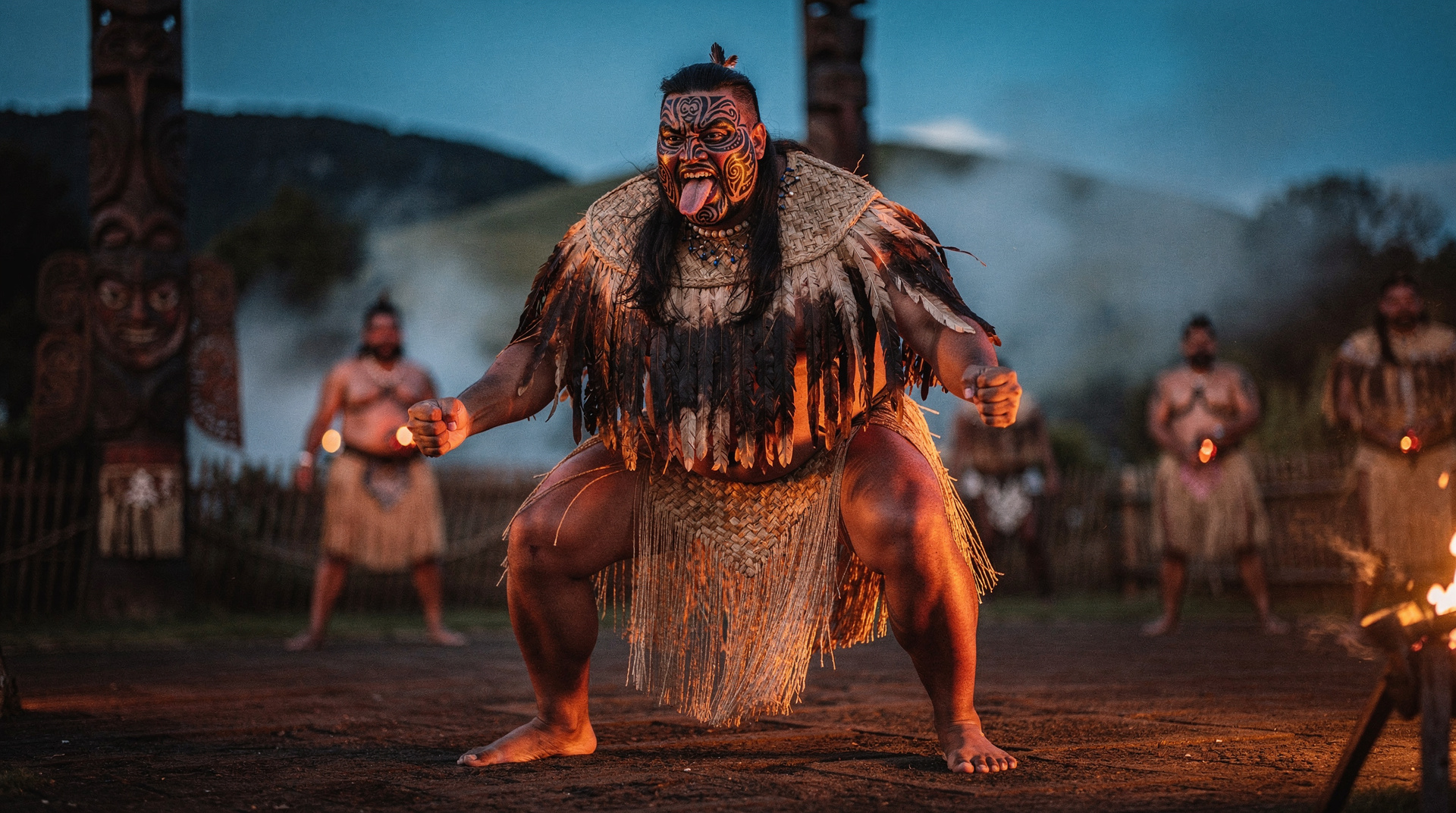
Maori culture overview — what every visitor should know
What should I know about Maori culture before visiting New Zealand?
Maori are the tangata whenua (people of the land) of New Zealand — the indigenous people who arrived from eastern Polynesia approximately 700-1,000 years ago. Their culture, language (te reo Maori), and worldview are woven into everyday New Zealand life. Respect, reciprocity, and listening are the core visitor approach. Maori-led experiences in Rotorua, the Bay of Islands, and Auckland are the best way to engage authentically.
| Who | Tangata whenua — Polynesian people who arrived c. 700-1,000 years ago |
| Population | ~900,000 (17.1% of NZ, 2023 census) |
| Best cultural experiences | Te Puia, Mitai and Tamaki (Rotorua), Waitangi Treaty Grounds, Auckland Museum |
| Cost | Free (Waitangi grounds, Auckland Museum galleries) to NZD 100-160 for evening cultural experiences |
| Core etiquette | Respect, listen more than speak, follow your host’s lead — see the marae etiquette guide |
Understanding who Maori are
Maori are the tangata whenua (people of the land) of Aotearoa New Zealand. The word tangata whenua is not merely a historical label — it is an active description of the relationship Maori people hold with the land, the water, and the sky of New Zealand. This relationship is spiritual, political, cultural, and ecological simultaneously.
Maori are Polynesian in origin, navigating to New Zealand from eastern Polynesia (most likely from the Society Islands or the Marquesas) approximately 700 to 1,000 years ago in a series of voyaging canoe expeditions — some of the greatest feats of open-ocean navigation in human history. The oral traditions that preserved knowledge of these voyages, the stars, the currents, and the waka (canoe) designs are part of living culture, not ancient history.
Population: Approximately 900,000 New Zealanders (17.1% of the population) identified as Maori in the 2023 census, making Maori the largest ethnic minority group in New Zealand. The majority live in the North Island, with concentrations in Auckland (the largest Maori population centre), Bay of Plenty, Northland, and the Waikato.
Te Tiriti o Waitangi: the founding document
The Treaty of Waitangi (1840) is New Zealand’s founding constitutional document. It was signed between the British Crown and more than 500 Maori rangatira (chiefs) at Waitangi in the Bay of Islands, and subsequently across the country.
The Treaty has two versions — an English text and a Maori text (te Tiriti) — which differ significantly in the key concepts of sovereignty and governance. This difference has been the source of ongoing constitutional debate, legal proceedings, and Treaty settlements that continue today.
What the Treaty established: A partnership between the Crown and Maori. In exchange for recognition of British governance (sovereignty in the English version; kawanatanga — governorship — in the Maori text), Maori were guaranteed rangatiratanga — chieftainship, authority over their lands, villages, and taonga (treasures).
The Waitangi Tribunal: Established in 1975 to hear grievances about breaches of the Treaty. By 2026, the Crown has completed Treaty settlements worth billions of dollars with multiple iwi (tribes), returning land, money, and resource rights. This is not ancient history — settlements are ongoing.
For visitors: Understanding that the Treaty shapes contemporary New Zealand politics, law, and race relations gives essential context for interpreting public life in New Zealand. Acknowledging the Treaty when asked about it is appropriate and respected.
The Waitangi Treaty Grounds in the Bay of Islands are the most significant historical site in New Zealand. A guided visit here — with a Maori guide explaining both texts and their implications — is one of the most valuable cultural experiences available in the country.
Waitangi Treaty Grounds hangi and concert experience — includes a cultural performance, hangi feast, and access to the Treaty museum.
Key concepts in Maori culture
Whakapapa (genealogy): In Maori culture, identity and knowledge are transmitted through whakapapa — the recitation of genealogical lines linking people to their ancestors, their land, their iwi (tribe), and ultimately to the atua (spiritual beings, gods). A formal Maori introduction (pepeha) includes: the mountain you belong to, the river you belong to, the canoe that brought your ancestors, your tribe, your sub-tribe, your family. This is not metaphor — these are real geographic relationships that constitute identity.
Mana (prestige, authority, spiritual power): Mana is the quality of authority and prestige that individuals and groups accumulate and protect through their actions, lineage, and relationships. Mana can be enhanced by generosity, hospitality, skill, and integrity; it can be diminished (mana is lost) by public embarrassment, broken trust, or failing in obligations. Understanding mana helps explain why certain behaviours that seem small to outsiders carry weight in Maori social contexts.
Tapu (sacred, restricted): Tapu describes a state of sacredness, restriction, or spiritual danger. The head is tapu (do not touch another person’s head without invitation). Burial sites are tapu. Certain natural features are tapu. Wharenui (meeting houses) may have tapu areas. Violating tapu is not merely rude — it is spiritually consequential.
Noa (common, free from restriction): The counter-state to tapu. Kai (food) is noa and must be kept separate from tapu objects and spaces. This is why food is not eaten in wharenui.
Mauri (life force): The mauri of a person, a place, a river, a fish population, a community — the vitality and wellbeing of any living thing. Protecting and enhancing mauri is a fundamental obligation in tikanga Maori.
Manaakitanga (hospitality, generosity): The obligation and practice of welcoming, caring for, and sustaining guests and others. Manaakitanga is not just courtesy — it is a cultural value expressing the relationship between host and guest, between people and their community. New Zealanders’ reputation for friendliness has deep roots in this concept.
Kaitiakitanga (guardianship, stewardship): The obligation to care for the natural world — rivers, forests, seas, wildlife — as a trustee for future generations. Kaitiakitanga is increasingly embedded in environmental law in New Zealand.
Iwi, hapu, whanau: the social structure
- Iwi (tribe): The largest political and social unit. There are approximately 50-60 recognised iwi in New Zealand. Examples: Ngati Porou (East Coast), Ngai Tahu (South Island), Tainui (Waikato), Ngapuhi (Northland).
- Hapu (sub-tribe): A grouping of related whanau that together form an iwi. Political and ceremonial functions are often hapu-level.
- Whanau (family): The core social unit — including extended family, not just the nuclear family. Whanau connections create obligations of care and support.
Maori language: te reo Maori
Te reo Maori is an official language of New Zealand (alongside English and New Zealand Sign Language). It was in severe decline through the mid-20th century; the establishment of Kohanga Reo (Maori language preschool “nests”) in 1982 and subsequent immersion schooling (Kura Kaupapa Maori) have driven a significant revitalisation. By 2026, approximately 200,000 New Zealanders speak te reo at a conversational level, and basic te reo phrases are increasingly common in everyday New Zealand English.
For visitors, learning even a few phrases demonstrates respect. See the companion te reo Maori basics guide for a complete pronunciation guide and 30+ useful phrases.
Basic greetings used in everyday NZ life:
- Kia ora — hello / thank you (the most versatile greeting in NZ; you will hear it everywhere)
- Haere mai — welcome
- Ka kite anō — see you later (often shortened to “ka kite”)
- Nau mai, haere mai — welcome, come forward (traditional formal welcome)
Maori cultural experiences: an honest guide
Te Puia (Rotorua)
Te Puia is operated by Te Arawa, the local iwi of Rotorua, making it genuinely iwi-led and not simply commercial. The site includes: the Pohutu Geyser (the landmark), a traditional Maori village reconstruction, the New Zealand Maori Arts and Crafts Institute (where carving and weaving are taught to students in a living apprenticeship tradition), and a kiwi sanctuary. Evening cultural performances include kapa haka (traditional song and dance) followed by a hangi meal.
This is the most culturally substantial commercial Maori experience available in New Zealand. The carving school’s work is internationally recognised; the weavers practise traditional harakeke (flax) and kiekie weaving. The performance is professional and respectful — not a show created for tourists but a presentation of real cultural content.
Te Puia guided tour with traditional hangi lunchMitai Maori Village (Rotorua)
A private, family-run experience with a genuine commitment to quality. Mitai is smaller and more intimate than Te Puia. The experience includes: arrival by waka (canoe) with warriors performing a challenge, kapa haka performance, nature walk to see living glowworms and native birds, and a hangi feast. The Mitai family has run this experience for generations and brings personal cultural depth to the presentation.
Mitai Maori Village cultural experience and dinner buffetTamaki Maori Village (Rotorua)
More commercially oriented than Te Puia or Mitai, with coach groups bused to a purpose-built village. The performance quality is high but the experience is larger-scale and less intimate. For visitors who have limited options in Rotorua, Tamaki is well-executed; for those with the choice, Te Puia or Mitai offer more authentic engagement.
Waitangi Treaty Grounds (Bay of Islands)
The most historically significant Maori cultural site in New Zealand. A guided visit to the Treaty House, the waka taua (war canoe — the largest in the world), the flag staff that marks the signing site, and the Treaty museum provides the essential historical context for understanding contemporary New Zealand. Daily cultural performances in the meeting house.
Auckland Museum (Auckland)
The Te Ao Marama — World of Light — galleries at Auckland Museum hold one of the world’s finest collections of Maori taonga, including the Hotunui meeting house (c. 1878, a masterpiece of carved architecture). The daily Maori cultural performance in the museum is a good introduction for visitors who cannot visit Rotorua.
Maori cultural experience and Auckland Museum admissionKapa haka: performance as living tradition
Kapa haka — the umbrella term for Maori performing arts, encompassing haka (the posture dance, of which the All Blacks’ pre-match haka is the most internationally famous single example), waiata-a-ringa (action songs), poi (the swung-ball dance with deep technical and symbolic tradition), and mau rakau (traditional weaponry demonstration) — is not a museum piece. Kapa haka is a living competitive art form: Te Matatini, the national kapa haka championship, draws tens of thousands of spectators every two years and is broadcast nationally, comparable in cultural weight to a major sporting final.
For visitors, the kapa haka seen at Te Puia, Mitai, or Tamaki is a genuine, if necessarily abbreviated, version of this tradition — performed by trained performers, often competitive kapa haka practitioners themselves. The haka is not a generic “war dance” for tourist consumption; specific haka carry specific meaning, composed for specific purposes (welcome, challenge, commemoration), and the version performed at a powhiri differs from the one performed at a rugby match, which differs again from a competitive Te Matatini piece.
Maori and the natural world: a different relationship
Contemporary Maori environmental thinking has increasingly shaped New Zealand law and policy, and visitors will encounter its effects even outside explicitly cultural experiences. The Whanganui River was granted legal personhood in 2017 — recognised in law as a living entity with its own rights, following a Maori worldview in which the river (Te Awa Tupua) is an ancestor, not a resource. Te Urewera, the former national park, was similarly granted legal personhood in 2014, removing it from Crown ownership and vesting it in a board that includes Tuhoe iwi representation. These are not symbolic gestures; they carry real legal and governance consequences.
This worldview — that mountains, rivers, and forests are ancestors and relations rather than property — underlies kaitiakitanga (guardianship) and explains why Maori environmental advocacy in New Zealand frequently uses relational, genealogical language rather than purely conservationist language. Visitors hiking the Great Walks or visiting places like Tongariro National Park — itself gifted to the nation by Ngati Tuwharetoa in 1887, one of the world’s first national park donations of its kind — are moving through landscapes with this deeper layer of meaning attached, whether or not it’s visible on the surface.
Contemporary Maori arts and design
Beyond ta moko and carving, contemporary Maori visual art, fashion, film, and music have a significant public presence in New Zealand. Maori motifs (koru spirals, tukutuku weaving patterns, kowhaiwhai rafter patterns) appear throughout public architecture, from airport terminals to university buildings, reflecting a broader “bicultural” design ethos embedded in New Zealand institutional design since the 1980s and 1990s. Maori film-makers, musicians (Maori reggae and hip-hop scenes are genuinely significant within NZ popular music), and fashion designers have increasingly mainstream visibility — this is not a static, purely historical culture but a contemporary one producing new work continuously.
Ta moko: Maori tattooing
Ta moko is the traditional Maori tattooing practice. For Maori, ta moko is a living skin record of genealogy, tribal affiliation, and personal identity — not decoration. The facial moko (kauae for women on the chin; moko kauae; men’s patterns varying by region and lineage) encode information about who a person is in relation to their ancestors and their people.
For visitors: Do not request ta moko. It is not available as a tourist experience. Visitors who wish to have Maori-inspired tattoo art can commission kirituhi — non-genealogical Maori-inspired designs created specifically for non-Maori clients. Reputable Maori tattoo artists will make this distinction clearly.
Frequently asked questions about Maori culture
Is it appropriate to use te reo Maori phrases as a visitor?
Yes, absolutely — with humility and willingness to learn correct pronunciation. New Zealanders will appreciate the effort. If you mispronounce, a gentle correction is a gift, not an embarrassment.
Should I bow or shake hands when meeting Maori people?
In formal ceremonial contexts (powhiri welcome on a marae), follow the guidance of your hosts — hongi (the pressing of noses and foreheads) is the traditional greeting. In everyday contexts, a handshake is perfectly normal. See the marae etiquette guide for ceremony-specific guidance.
What is Matariki?
Matariki is the Maori New Year, marked by the rising of the Matariki star cluster (Pleiades) in the winter sky — typically mid-June to mid-July. Matariki became a national public holiday in 2022. It is a time of remembrance for those who have died, celebration of the present, and planting intentions for the new year. In 2026, Matariki falls on Friday 10 July.
Are there things tourists should not photograph?
Yes. In wharenui (meeting houses) and during sacred ceremonies, photography may be restricted. Follow instructions from your host. At cultural performances open to tourists, photography is usually permitted during the performance itself. When in doubt, ask — asking demonstrates respect.
Is the Maori cultural experience in Rotorua authentic?
The best options (Te Puia, Mitai) are genuinely iwi-led or family-run and present real cultural content, not a simplified tourist show. No cultural performance for tourists is the same as private community ceremony — that distinction is important and honest. What these experiences offer is genuine cultural education by Maori people who have chosen to share their knowledge and art with visitors. Approach them as such.
Related guides and itineraries
- Te reo Maori basics for travellers — language guide
- Marae etiquette for visitors — protocol for visiting a marae
- Rotorua guide — cultural experience hub
- Bay of Islands guide — Waitangi Treaty Grounds
- Auckland guide — Auckland Museum Maori collections
- First time in New Zealand — orientation context
- 14-day New Zealand itinerary
Related guides
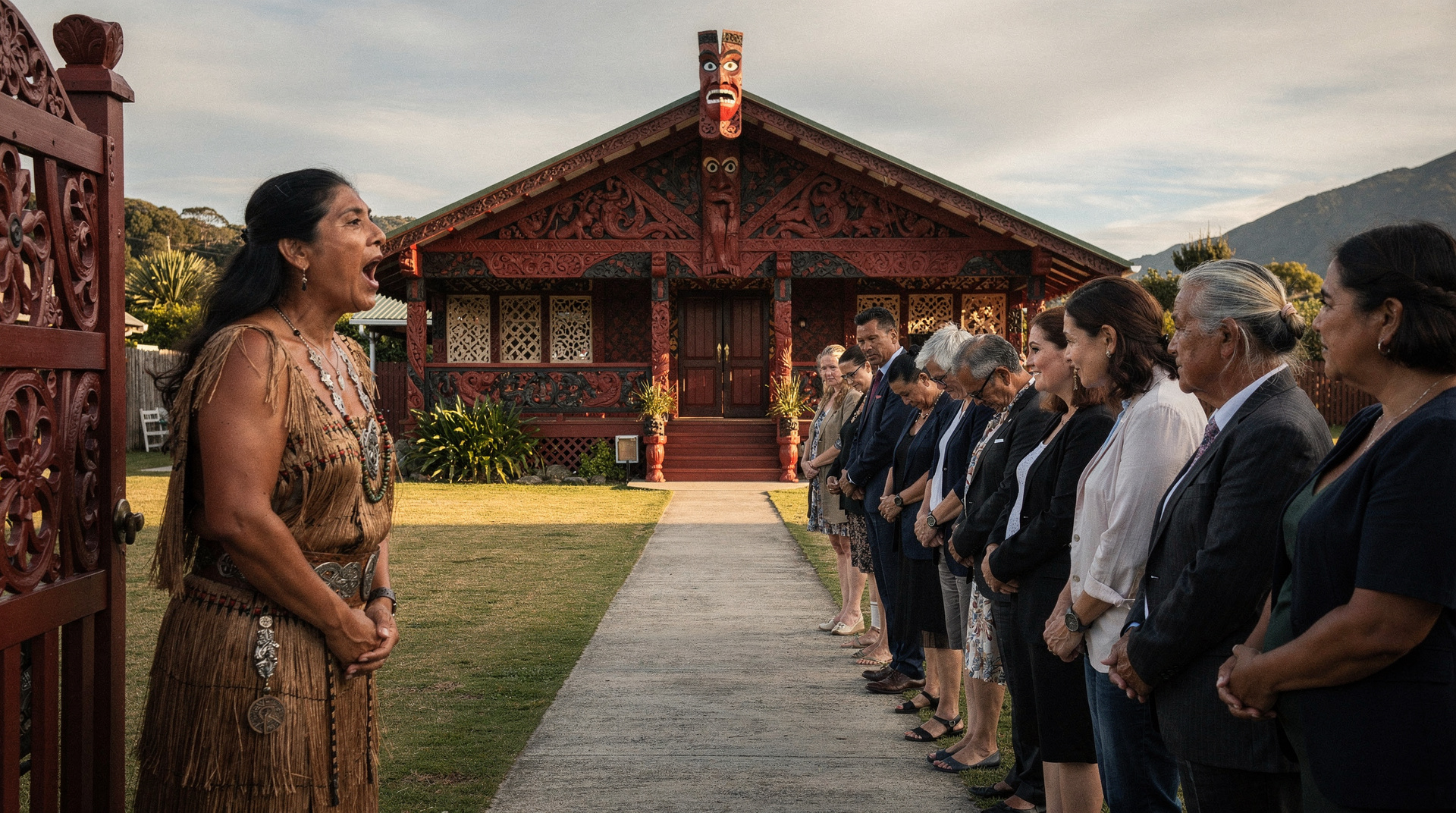
Marae etiquette for visitors
Marae etiquette: powhiri protocol, hongi greeting, shoes off, what not to do, and how to be a respectful guest at a Maori meeting place.
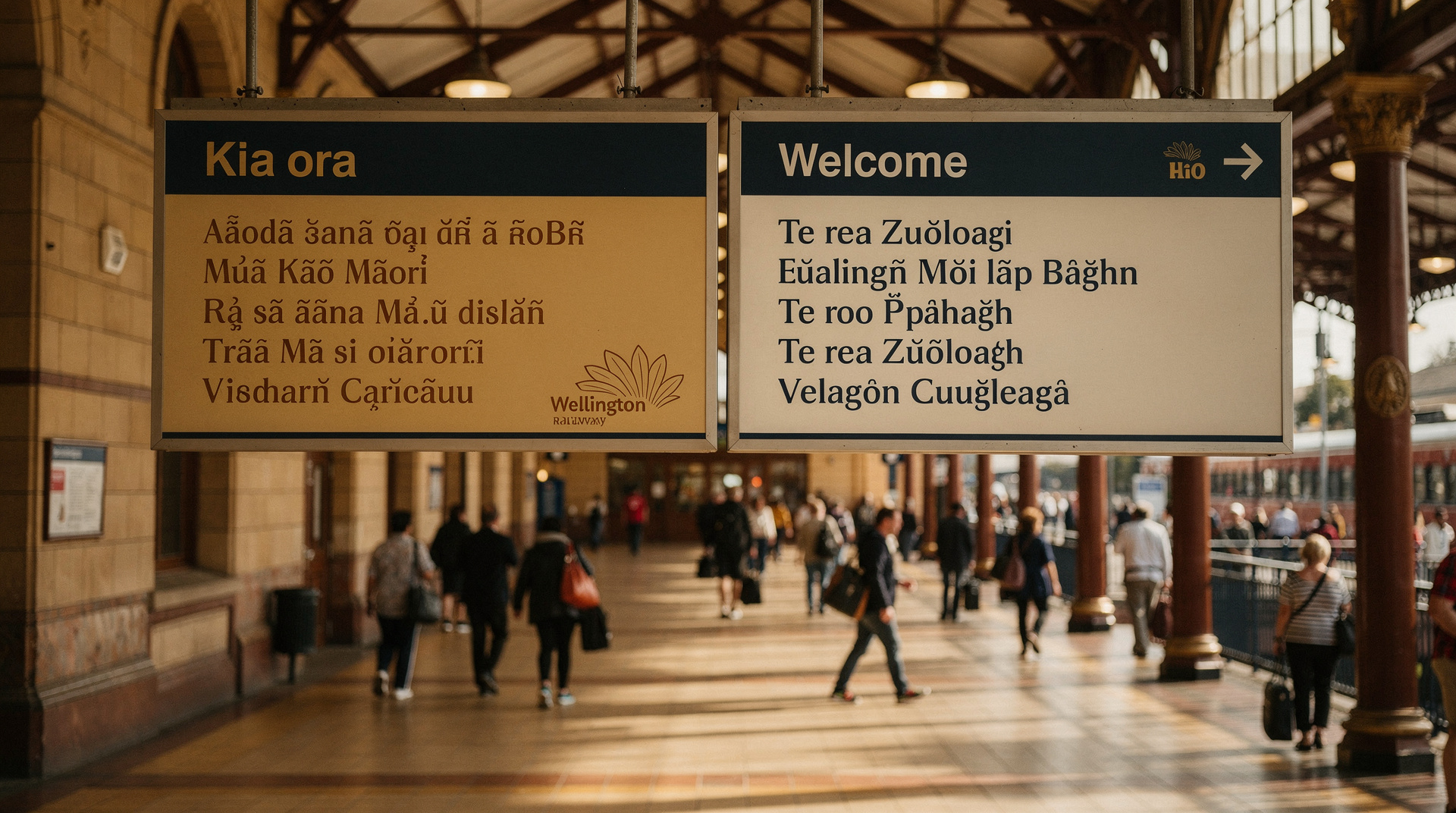
Te reo Maori basics for travelers
Practical te reo Maori guide: vowel pronunciation, 40+ essential phrases, place name meanings, and everyday Maori words woven into New Zealand English.
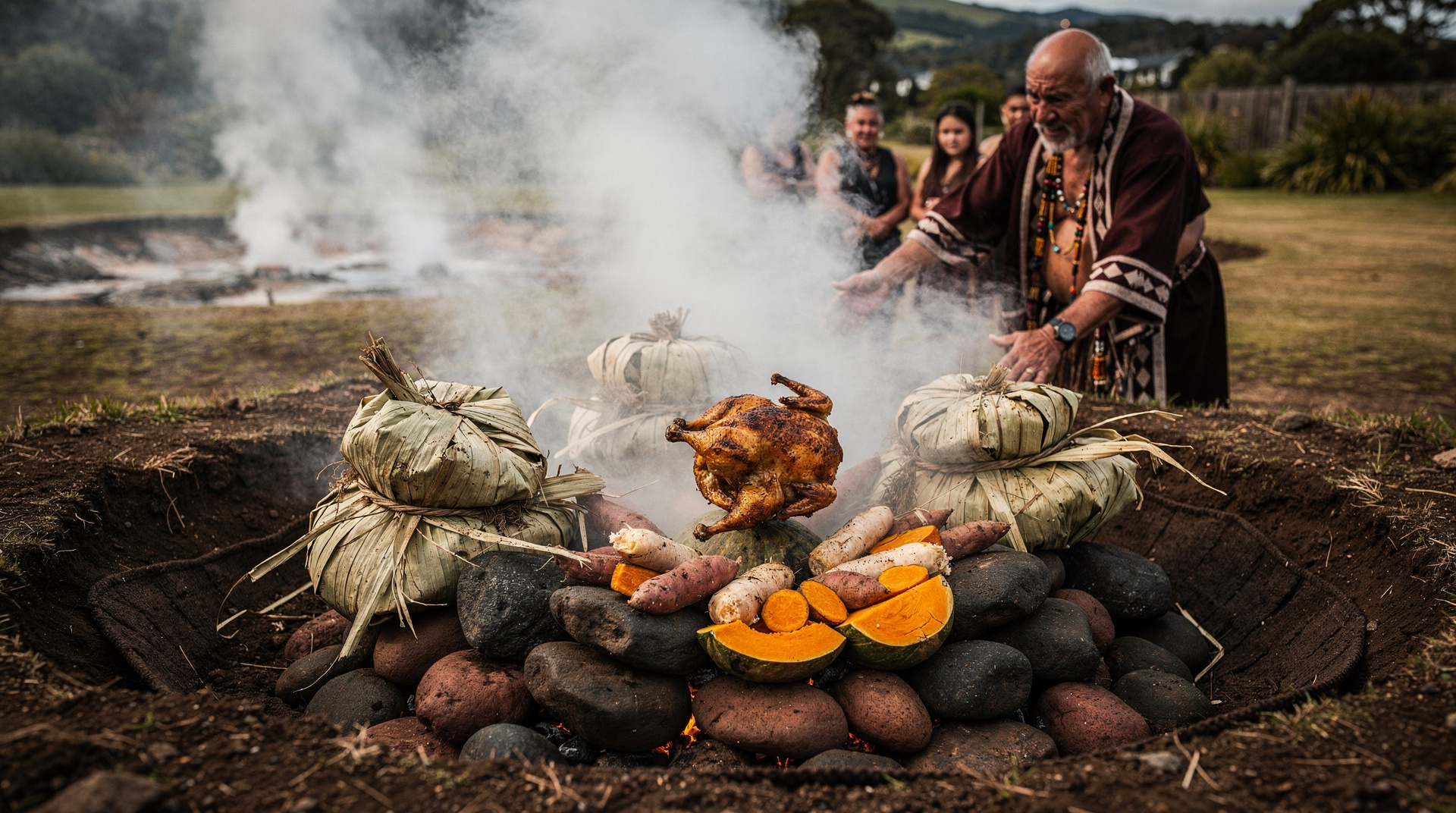
Hangi experience in New Zealand
A hangi is a traditional Maori feast cooked in an earth oven. Best operators in Rotorua, prices NZD/USD/EUR, cultural context, and te reo glossary.
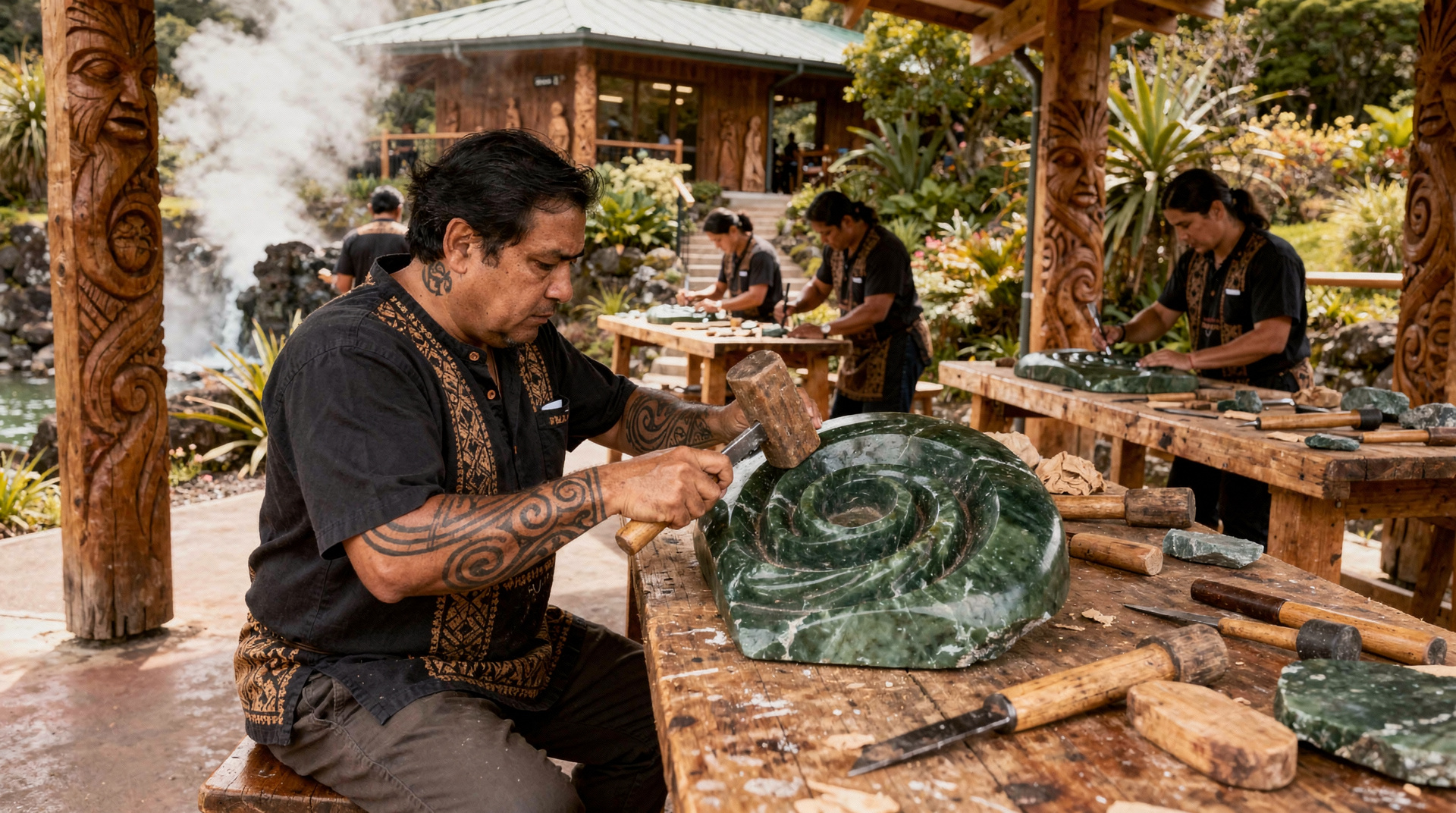
Te Puia Rotorua — the complete iwi-led cultural experience guide
Te Puia: Rotorua's iwi-led Maori cultural centre. Pohutu Geyser, living carving school, kapa haka, and hangi. Tickets, times, and honest verdict from NZD 60.
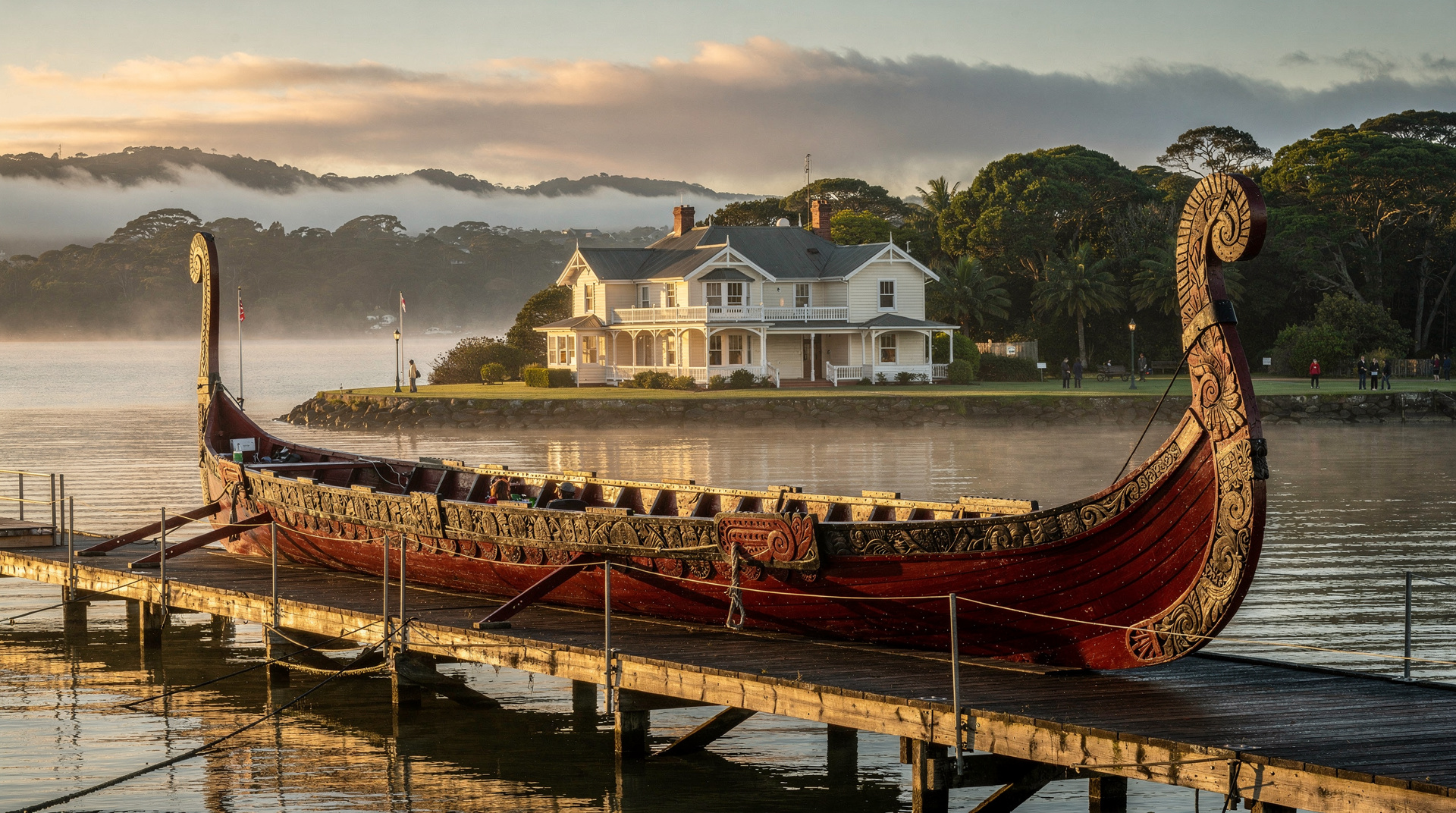
Waitangi Treaty Grounds — guide to New Zealand's most important site
Waitangi Treaty Grounds visitor guide: Treaty of Waitangi signed here 1840. Tickets, guided tours, hangi evenings, and essential NZ historical context.
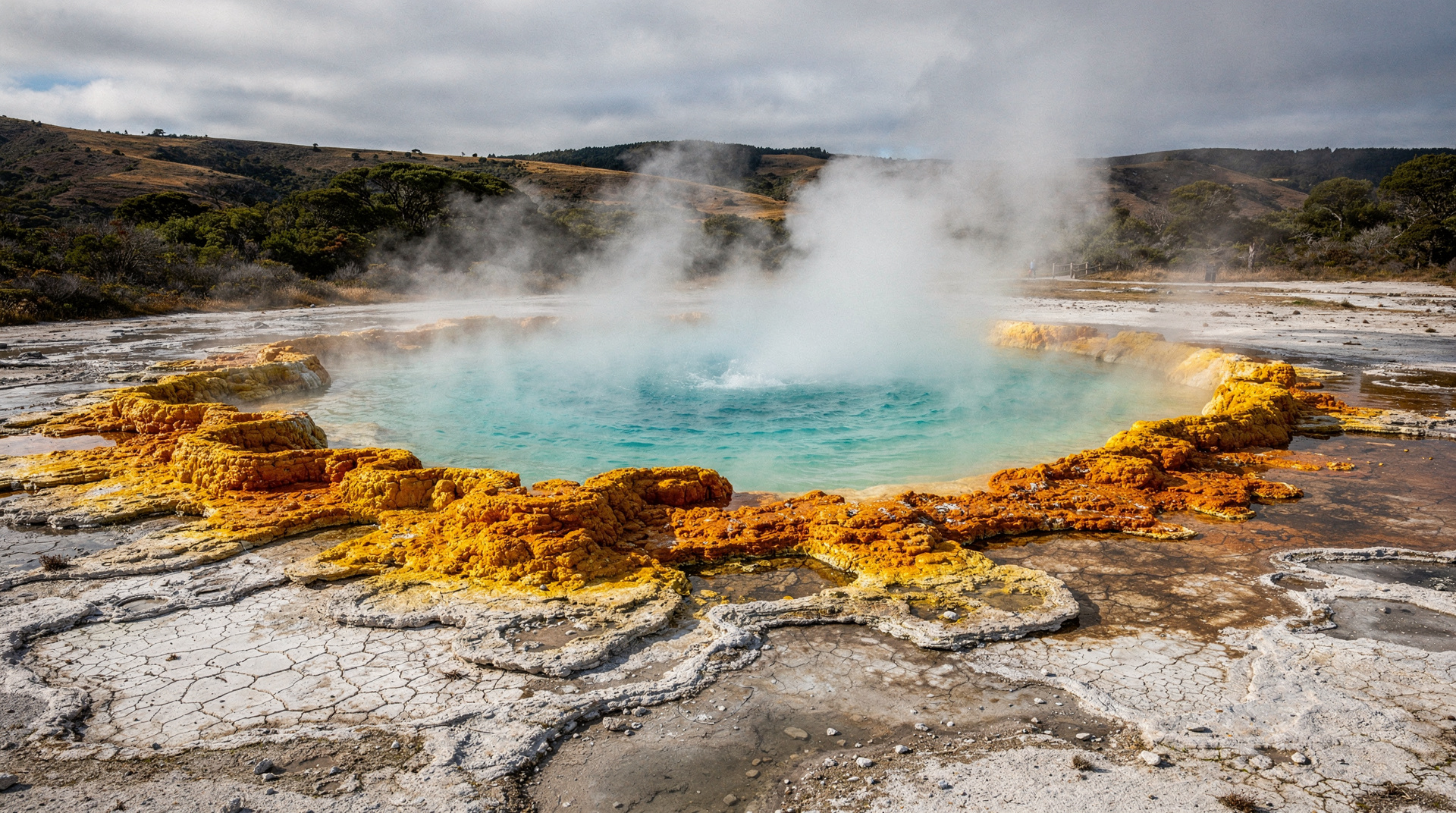
Rotorua
Honest Rotorua guide: Te Puia, Wai-O-Tapu, Polynesian Spa, Maori hangi, real prices NZD/USD/EUR, tourist traps to avoid, and best 2 days.
Last reviewed: