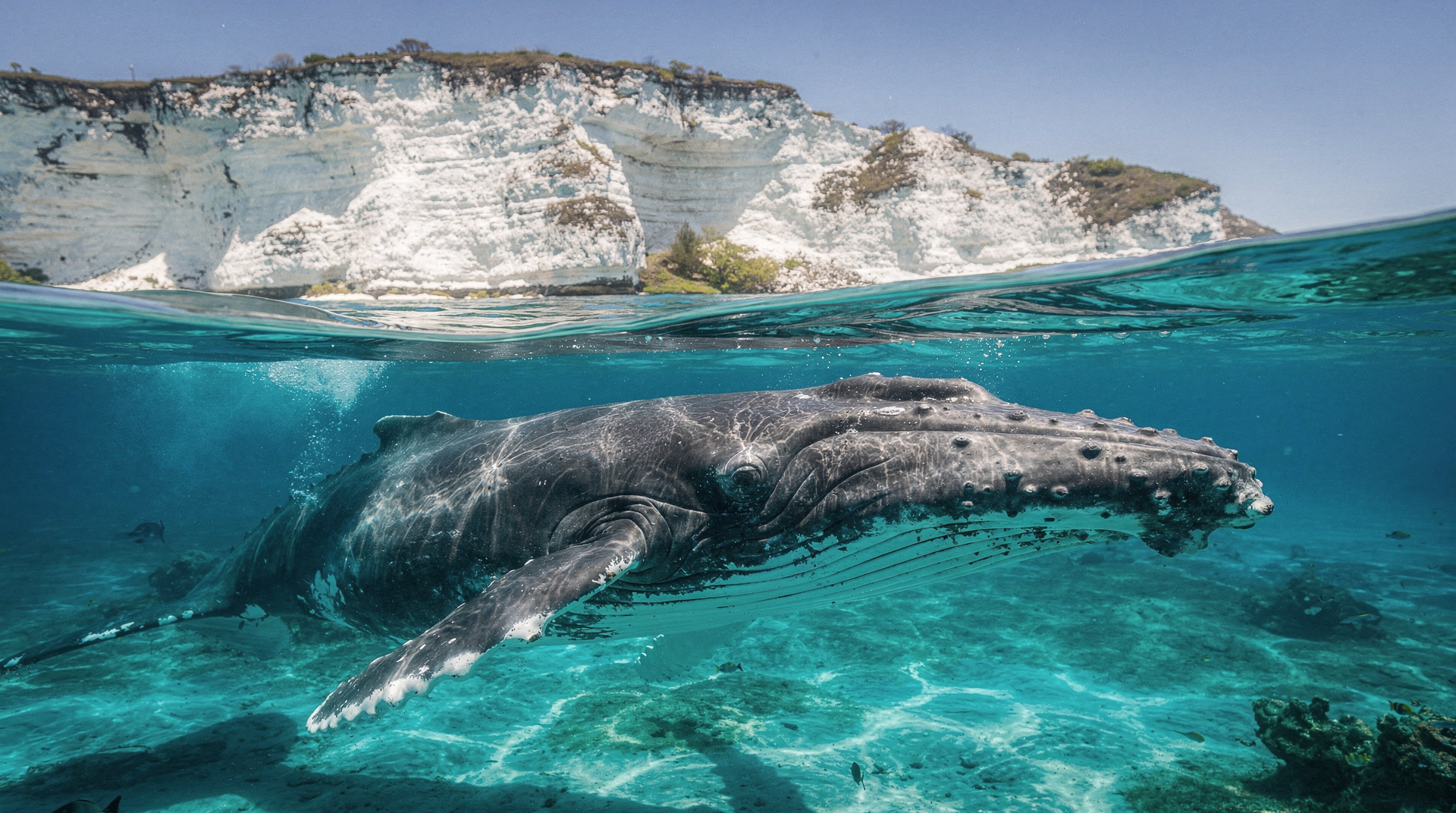
Niue in 2026 — the world's smallest self-governing nation's quiet tourism revival
The Rock of Polynesia
Niue is a raised coral island — a makatea, in Pacific geological terminology — sitting alone in the South Pacific roughly 2,400km northeast of New Zealand. It has a permanent population of around 1,600. The island nation is in free association with New Zealand, meaning Niueans are New Zealand citizens.
| Getting there | Weekly Air New Zealand flight from Auckland, ~NZD 600–900 return |
| Best for | Clear-water snorkelling, humpback whale swimming (Jul–Oct) |
| Accommodation | Very limited (~150 beds); book well ahead |
| Currency | NZD, bring cash for smaller operators |
| Booking | Direct with operators — no GetYourGuide listings for Niue |
The airport has a single runway. The main settlement, Alofi, has one main road. There are no traffic lights on the entire island. There are no GetYourGuide tours bookable for Niue — the activity sector operates entirely on local direct booking.
Cyclone Heta in January 2004 devastated much of the island’s infrastructure and accelerated the emigration of much of the population (which had already been declining for decades — around 20,000 Niueans live in New Zealand, ten times the island’s current resident population). Recovery was slow and the tourism infrastructure, never robust, rebuilt gradually.
What draws people to Niue
Niue’s appeal is concentrated in two things: the water and the isolation.
The water is some of the clearest in the world. Niue sits away from river runoff (there are no rivers — rainfall drains through the coral rock directly into the sea). The visibility in Niue’s coastal waters regularly exceeds 70 metres. For divers and snorkellers, this is extraordinary. The coral pinnacles, chasms, and caverns along Niue’s coast — including the famous Limu Pools, Togo Chasm, and the underwater canyons off Alofi — offer an underwater landscape unlike most Pacific diving.
The whale watching is the other specific draw. Humpback whales migrate through Niue’s waters between July and October. Unlike most whale watching in the Pacific, Niue permits in-water swimming with humpbacks — a highly regulated activity requiring guides and strict protocols, but one that results in experiences described by those who’ve had them as among the more significant wildlife encounters of their lives. There are no GetYourGuide listings for this; operators including Niue Dive (nue-dive.com) and Matagi Niue handle bookings directly.
The 2026 situation
The tourism recovery since 2022 has been gradual. Air New Zealand operates weekly services from Auckland (approximately NZD 600-900 / USD 360-540 / EUR 330-495 return, depending on timing). Accommodation capacity is very limited — Niue has perhaps 150 tourist beds across its lodges, beach cottages, and guesthouses. This is deliberate. Niue has never pursued volume tourism and the island’s physical infrastructure and resident population couldn’t absorb high volumes even if they chose to.
The question visitors most often ask is whether it’s “worth it” — whether the combination of expensive flights, limited amenities, and remoteness justifies the trip.
I think the honest answer is: for the right person, yes, absolutely. Niue is not a resort destination. It’s not Rarotonga with its circumnavigation road and restaurant selection. It’s a remote island with extraordinary water, humpback whale encounters, some of the best snorkelling in the Pacific, and a population that is genuinely hospitable in the Polynesian tradition. If those things are what you’re seeking, there is almost nowhere better.
What to do on Niue
Snorkelling: Limu Pools on the northwest coast are tidal pools connected to the sea with clear water and good coral fish. Avaiki Cave (sea cave accessible by swimming) is the island’s signature snorkel site — stalactites above the waterline, clear water below, with good light in mornings. No booking required; bring your own gear or hire from accommodation.
Hiking and chasms: Togo Chasm is a narrow, dramatic crack in the coral limestone that opens onto a secluded beach. Palaha Cave, Anapala Chasm, Talava Arches — Niue has a network of DOC-managed tracks through the makatea landscape that are genuinely unusual. The coral limestone terrain is rugose and sharp; closed-toe shoes are mandatory.
Whale swimming: July to October only. Book well ahead with one of the small licensed operators. The experience is controlled, with guides enforcing protocols (no chasing, no touching, approach from the side). Cost is approximately NZD 200-280 / USD 120-168 / EUR 110-154 per person for a three-hour session.
Cycling: Niue has a flat road circumnavigating the plateau. Hire a bike from Alofi and spend a day at different access points to the coast. No cars to speak of; the road is quiet.
Fishing: Deep sea fishing for mahi-mahi, wahoo, and yellowfin tuna. Several charter boats operate from Alofi.
Practicalities
Visa: No visa required for most nationalities for stays under 30 days.
Currency: New Zealand dollar (NZD), accepted universally. Some places take credit cards; bring cash for smaller operators.
Accommodation: Book well ahead of arrival. The island has limited beds. Namukulu Cottages, Scenic Matavai Resort, and Niue Backpackers cover the main accommodation spectrum. Prices range from NZD 80 / USD 48 / EUR 44 per night (backpacker) to NZD 280-400 / USD 168-240 / EUR 154-220 (resort cottage).
Time of year: July to October for whale swimming. Year-round for snorkelling and hiking, though December-March is cyclone season and some years bring tropical storms.
Internet and connectivity: limited. This is part of the experience for those who are prepared for it; a genuine frustration for those who are not.
A word on the population dynamic
Niue’s declining population is an uncomfortable reality to acknowledge in a travel piece. The island has been losing people to New Zealand for decades. Young people leave for education, for work, for the life available in Auckland that isn’t available in Alofi. The resident population has halved since 1970.
Tourism is one of the mechanisms by which Niue sustains its economy and, by extension, its population. Visiting Niue and spending money there is a meaningful act of economic support for a community that needs it. This doesn’t mean ignoring the structural dynamics, but it does mean the “is it worth going?” question has an answer that goes beyond the visitor’s personal calculus.
How Niue compares to the Cook Islands
Travellers weighing a Niue trip almost always compare it against Rarotonga or the wider Cook Islands, and the comparison is useful because the two destinations solve different problems. Rarotonga has infrastructure, a circumnavigation road, restaurants, and a much larger bed count — it’s the easier, more comfortable Pacific island trip.
Niue has none of that polish but delivers water clarity and a level of isolation Rarotonga can’t match. If snorkelling and diving are the priority and comfort matters less, Niue wins; if you want an easier first Pacific island trip with more to do in the evenings, Rarotonga or Aitutaki are the better starting points.
For context on how Pacific realm travel to New Zealand’s associated states has shifted generally, the Cook Islands quarantine-free corridor history is a useful companion read — the regional travel patterns it describes apply to Niue as well, given the shared free-association status with New Zealand.
Related reading
Related guides
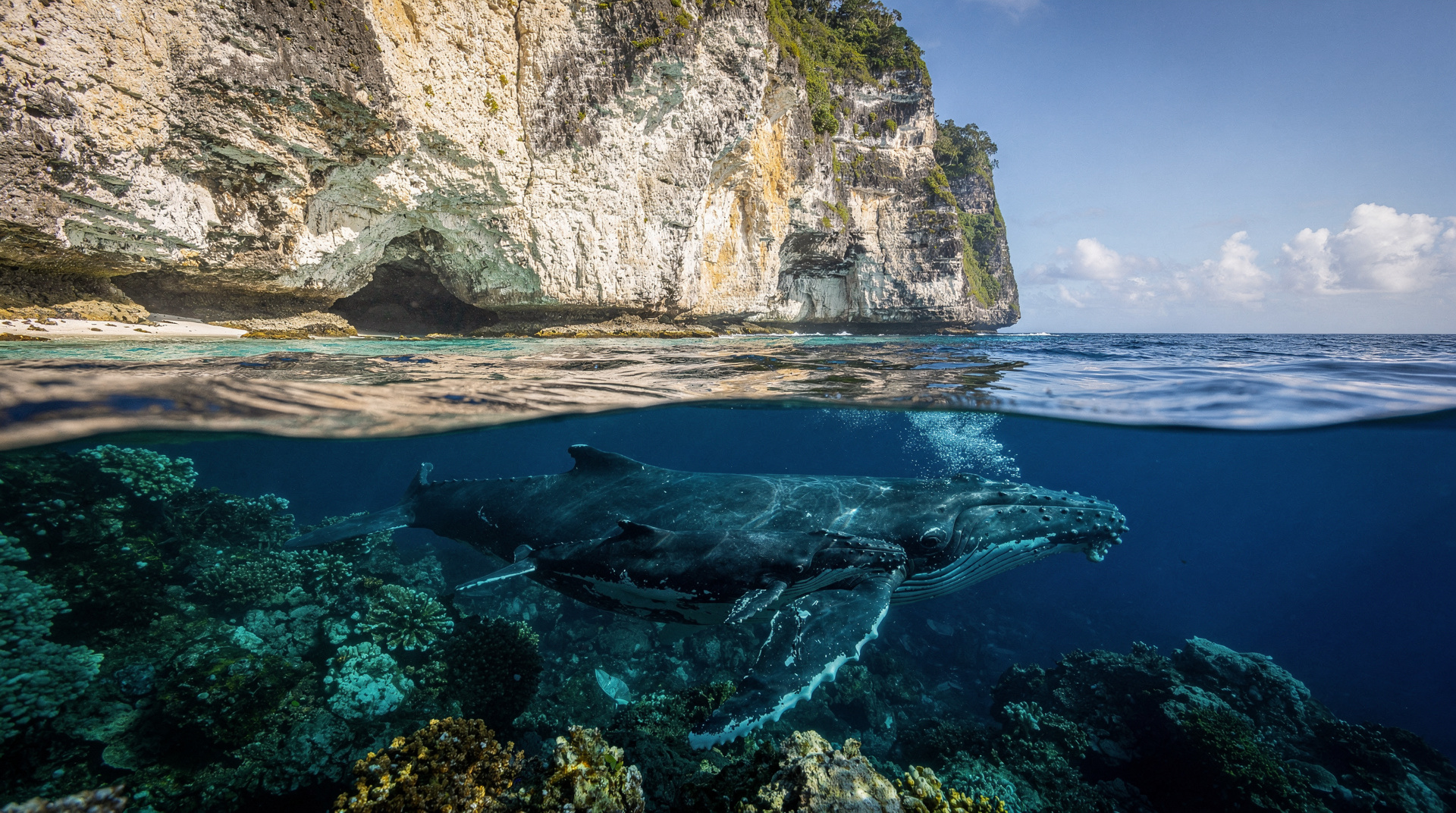
Niue
Honest guide to Niue: humpback whale swimming, Talava Arches, Matapa Chasm, sea snakes, direct booking only. Real costs NZD/USD/EUR for this remote Pacific gem.
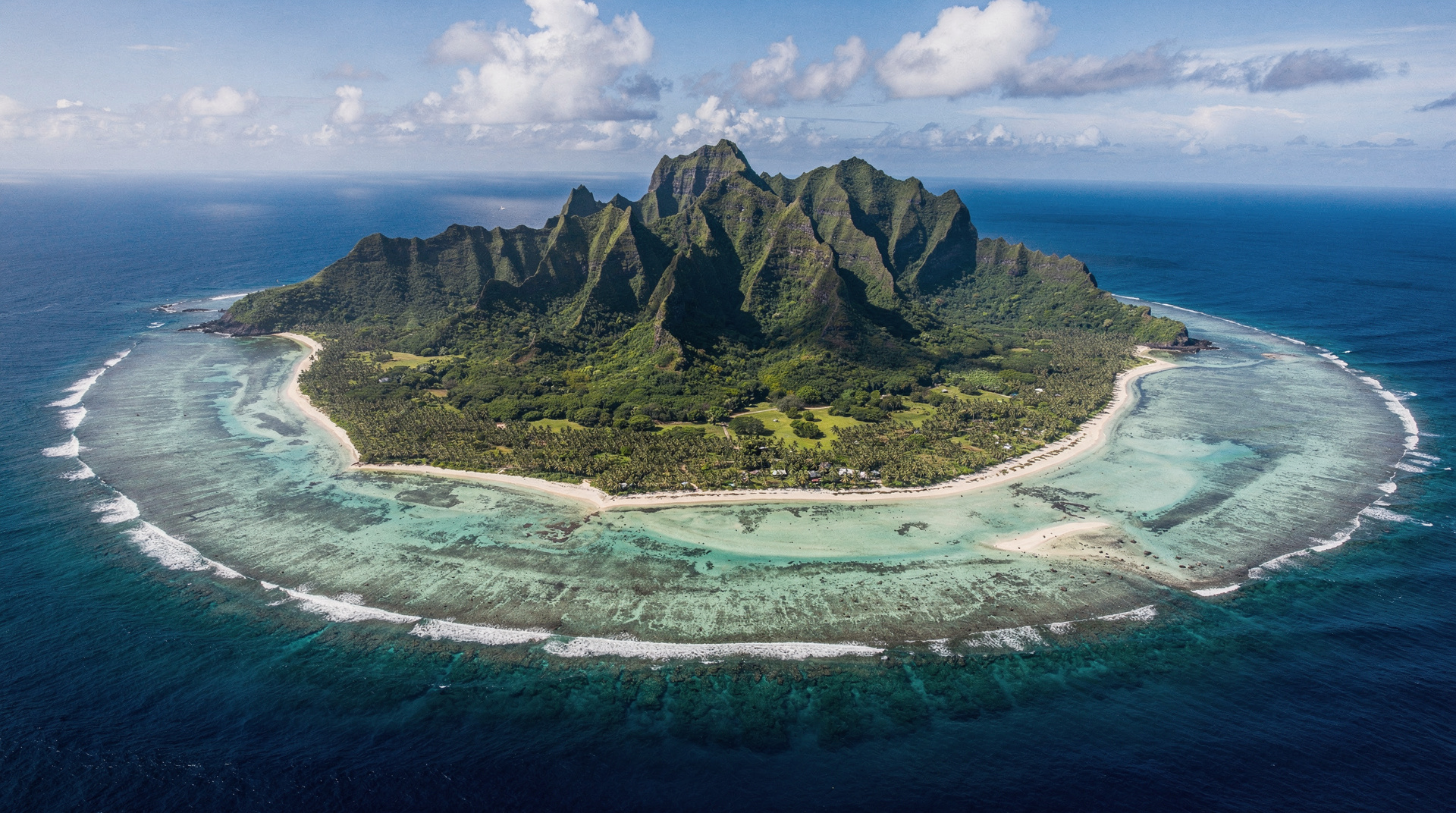
Cook Islands
Complete honest guide to the Cook Islands: 15 islands in the Pacific, NZD currency, flights from Auckland, real prices and what each island is actually like.
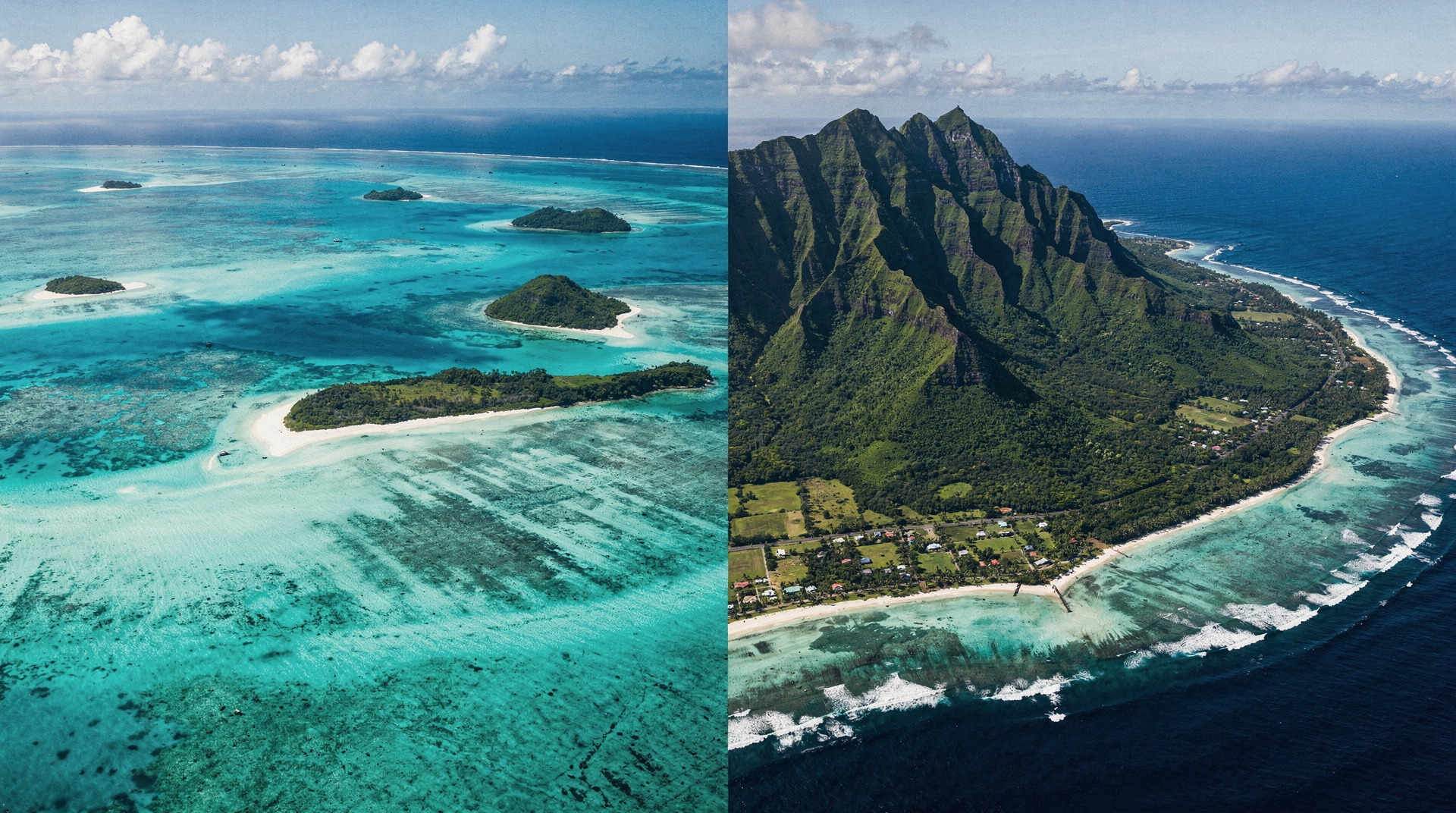
Aitutaki vs Rarotonga — which Cook Island should you choose?
Rarotonga has the infrastructure. Aitutaki has the lagoon. A genuine comparison of both Cook Islands: cost, access, and what you actually get.
Niue
Honest guide to Niue: humpback whale swimming, Talava Arches, Matapa Chasm, sea snakes, direct booking only. Real costs NZD/USD/EUR for this remote Pacific gem.
Published: