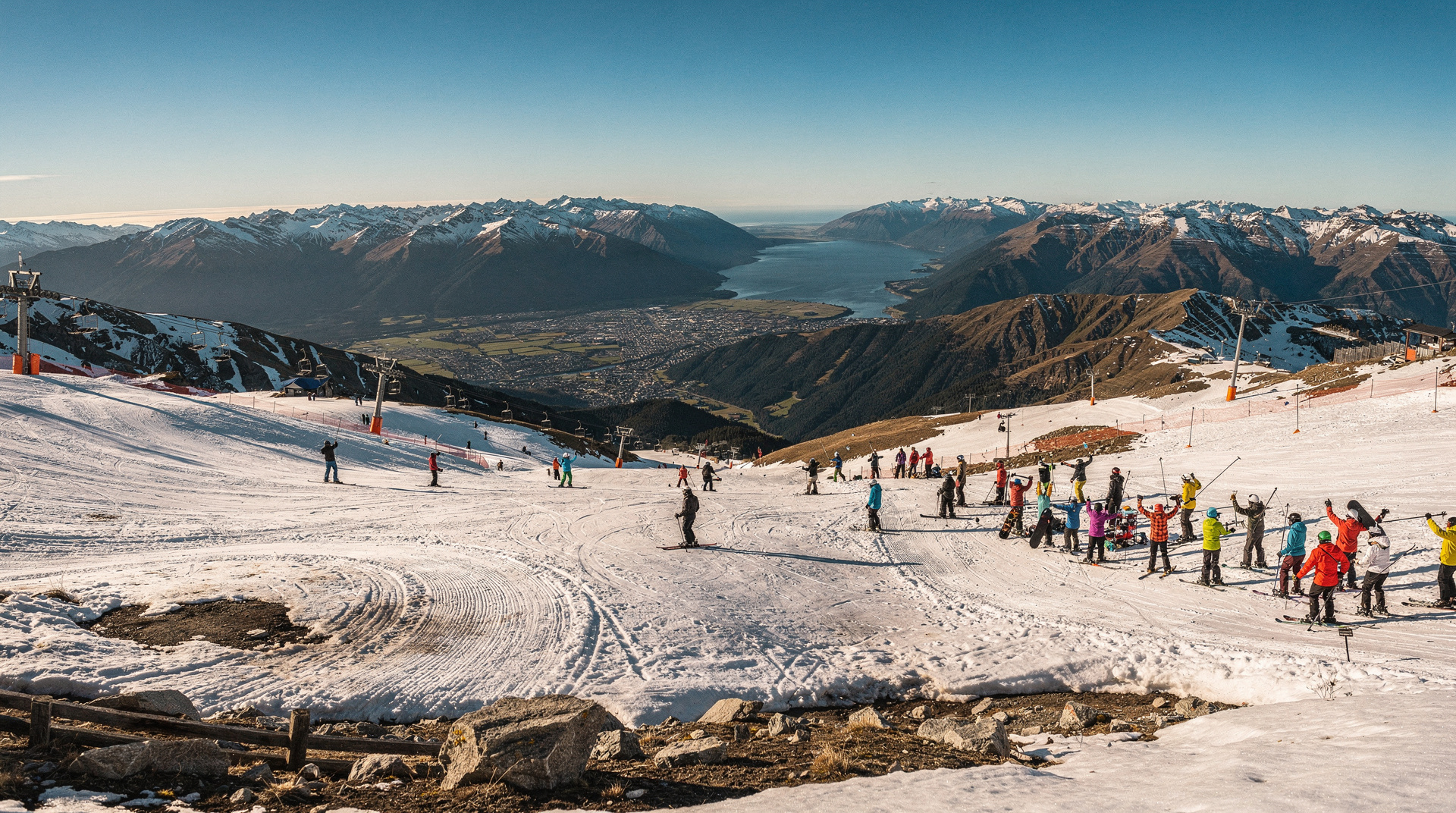
New Zealand ski season 2025 — a recap of the winter that was
| Season | Roughly June–October, weather dependent |
| Best months | July–August for the safest snow coverage |
| Main areas | Queenstown (Coronet Peak, The Remarkables), Wanaka (Cardrona, Treble Cone), Mt Ruapehu |
| Lift passes | Around NZD 145-175/day at Queenstown resorts |
| Book ahead | Accommodation 4-6 months for July–August |
Winter 2025 in summary
New Zealand’s ski season runs from roughly June through October, dependent on snowfall and resort opening dates. The season’s quality is heavily dependent on Southern Oscillation dynamics — La Niña years tend to produce better snow in Queenstown and Wanaka, while El Niño patterns can mean lower snowline and less consistent coverage.
The 2025 season had a mixed early period followed by a solid August and September. A late polar blast in early July brought significant natural snowfall to Coronet Peak and the Remarkables after a dry June that had raised concerns. Mt Ruapehu in the North Island benefited from consistent cold fronts through July and August.
This is a recap for planning purposes — if you’re reading this in October 2025 or later as you plan a future winter trip, here’s what the season revealed.
The Queenstown ski area in 2025
Queenstown is the southern hemisphere’s most developed ski destination, built around two main ski areas operated by NZSki: Coronet Peak (15km from Queenstown) and The Remarkables (25km from Queenstown). Both are accessible by shuttle from Queenstown.
Coronet Peak has the most consistent snowmaking operation of any resort in New Zealand — artificial snow fills the gaps in natural snowfall. The 2025 season’s early dry period highlighted this: Coronet Peak opened on schedule using snowmaking while The Remarkables waited for natural snow coverage. The base facilities at Coronet Peak are the best developed of any NZ resort, with good beginner terrain and solid intermediate runs.
The Remarkables is the more naturally beautiful ski area — the granite peaks and the views across Lake Wakatipu are extraordinary — and tends to have better snow quality when natural snowfall has been adequate. August 2025 was good. The terrain suits intermediate and confident beginners.
Lift passes at Queenstown ski areas: NZD 145-175 / USD 87-105 / EUR 80-96 per adult per day, depending on resort and date. Multi-day passes reduce this significantly. There are no GYG-bookable ski day passes for these resorts; book direct with NZSki (nzski.com).
Wanaka and Cardrona/Treble Cone
Cardrona Alpine Resort and Treble Cone, both near Wanaka, are operated by separately from NZSki. Cardrona tends to suit families and intermediate skiers; Treble Cone has the more challenging terrain and is a cult favourite among locals for its advanced runs and less-crowded character.
The 2025 Treble Cone season was cut slightly short at the end by a warm October that accelerated base melt, but the core July-September period was solid. Cardrona’s snowmaking capability gave it a longer effective season.
Mt Ruapehu — the North Island option
Mt Ruapehu, in Tongariro National Park, hosts two ski areas: Whakapapa on the western side and Turoa on the southern side, together covering the largest ski area in New Zealand by terrain. The operators, Ruapehu Alpine Lifts, had a difficult financial period in previous years; by 2025 operations were more stable.
The North Island skiing is a different experience from Queenstown — the volcanic landscape, the active Crater Lake on Ruapehu’s summit, the rawness of the terrain, and the absence of the tourism infrastructure that surrounds Queenstown. Many North Islanders who ski regularly prefer Ruapehu for exactly this reason.
The 2025 Whakapapa/Turoa season had good August coverage following July cold fronts that delivered consistent snowfall. Access from Taupo (90 minutes) or Hamilton (2.5 hours) makes it viable for North Island visitors.
Practical notes for planning 2026
If you’re planning a winter 2026 trip to New Zealand with skiing as a component:
Best months: July and August are the safest bets for snow coverage across all resorts. June can be marginal (early season, reliant on snowmaking). September is the shoulder month — potentially excellent, potentially warm.
Queenstown ski + town combination: Queenstown in winter is a genuinely good destination even if you don’t ski. The mountain backdrop with snow, the compressed selection of winter-specific restaurants and bars, and the adventure activity infrastructure (including winter-specific operations like the winter paragliding from Coronet Peak ) make Queenstown in July one of New Zealand’s better seasonal experiences.
Wanaka for skiers: If skiing is the primary activity, the combination of Cardrona and Treble Cone accessible from a Wanaka base gives more terrain variety than the Queenstown area at generally lower accommodation prices. Wanaka is 45 minutes from Queenstown and an hour from both Cardrona and Treble Cone.
Book accommodation early: July and August in Queenstown and Wanaka are the two busiest months of the ski season. Good accommodation books 4-6 months ahead. Budget options (hostels, basic motels) are more available but still under pressure.
Ruapehu as a standalone: If you’re combining the ski season with a North Island itinerary, a Ruapehu ski day from a Taupo base is a legitimate addition. The Tongariro Alpine Crossing is typically closed to safe passage during the ski season (June–September) due to ice and snow conditions, but the surrounding national park remains accessible and dramatically different in winter appearance.
The bigger picture
New Zealand’s ski season has been affected by the same climate pressures affecting ski areas globally. Low-snowline years are more frequent. The resorts’ snowmaking investment reflects this — artificial snow extends the viable season in years where natural snowfall is marginal.
The South Island ski areas, at 1,200-1,800 metres altitude, are not at risk of disappearing in the near term. But the season is variable in ways that weren’t true 20 years ago. Checking snowfall forecasts before locking in ski-focused travel dates is genuinely worthwhile.
Resort comparison at a glance
| Resort | Base | Character | Best for |
|---|---|---|---|
| Coronet Peak | Queenstown, 15km | Best snowmaking, beginner/intermediate | Reliability |
| The Remarkables | Queenstown, 25km | Scenic, granite peaks over Lake Wakatipu | Views, intermediate |
| Cardrona | Wanaka | Family-friendly, wide beginner terrain | Families |
| Treble Cone | Wanaka | Advanced terrain, less crowded | Confident skiers |
| Whakapapa/Turoa | Mt Ruapehu | Volcanic landscape, North Island’s largest | North Island base |
For a fuller comparison of the two main South Island bases, our Queenstown vs Wanaka guide covers the town experience alongside the skiing, and the Lake Wanaka guide and Mt Ruapehu guide go deeper on each region. If your trip includes non-ski days, day hikes around Wanaka and day trips from Queenstown fill them without needing a car swap.
Winter paragliding from Coronet PeakFAQ
What are the safest months for a New Zealand ski trip? July and August, when snow coverage is most reliable across Queenstown, Wanaka, and Mt Ruapehu resorts alike.
Is Queenstown or Wanaka better for a ski trip? Queenstown has more nightlife and infrastructure; Wanaka (via Cardrona and Treble Cone) often has more terrain variety and lower accommodation prices for a similar skiing experience.
Related reading
Related guides
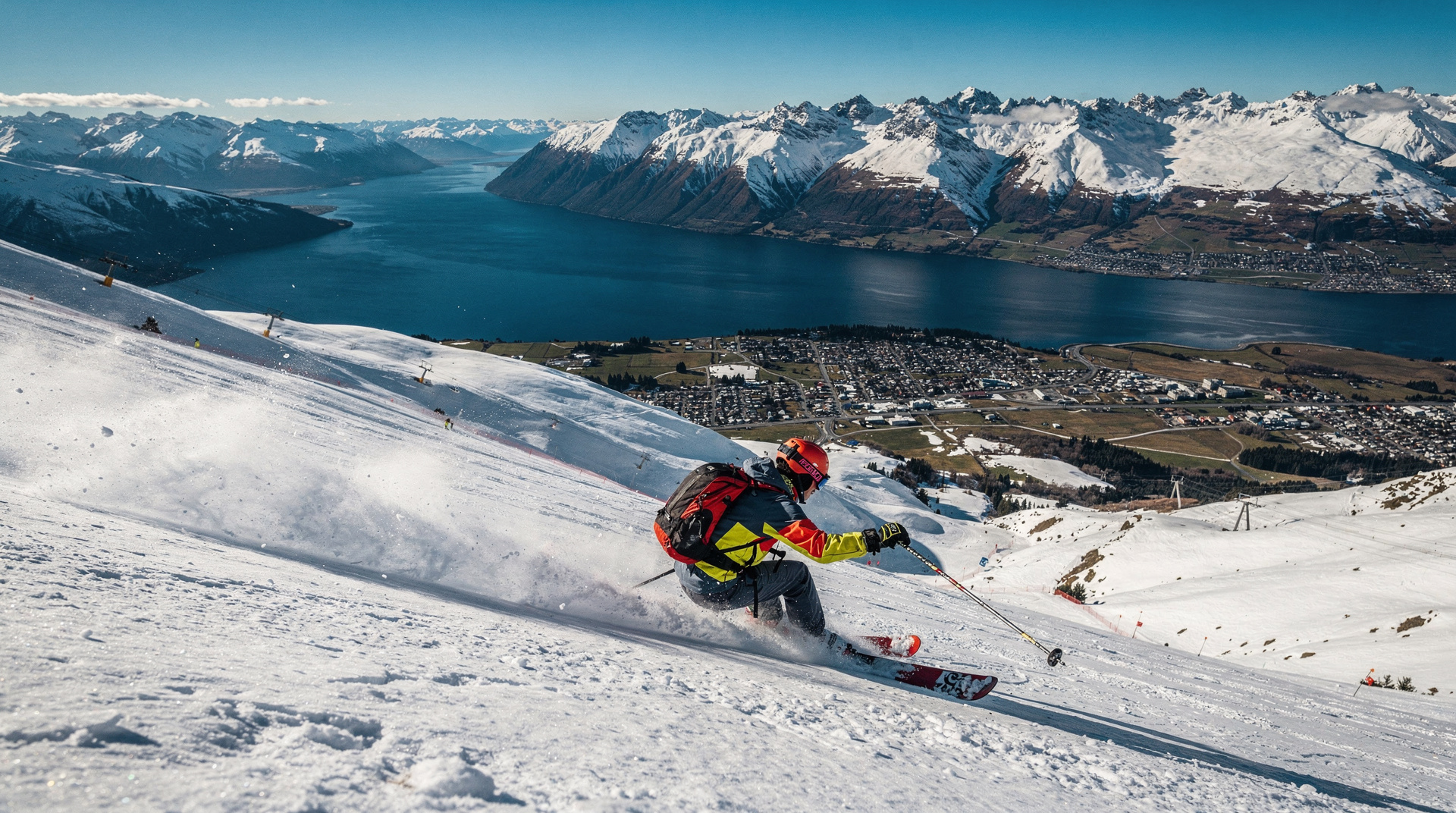
Skiing in New Zealand — complete resort guide 2026
Complete NZ ski guide: Coronet Peak, Remarkables, Cardrona, Treble Cone, Mt Hutt, Ruapehu. Season, lift passes, real costs NZD/USD/EUR.
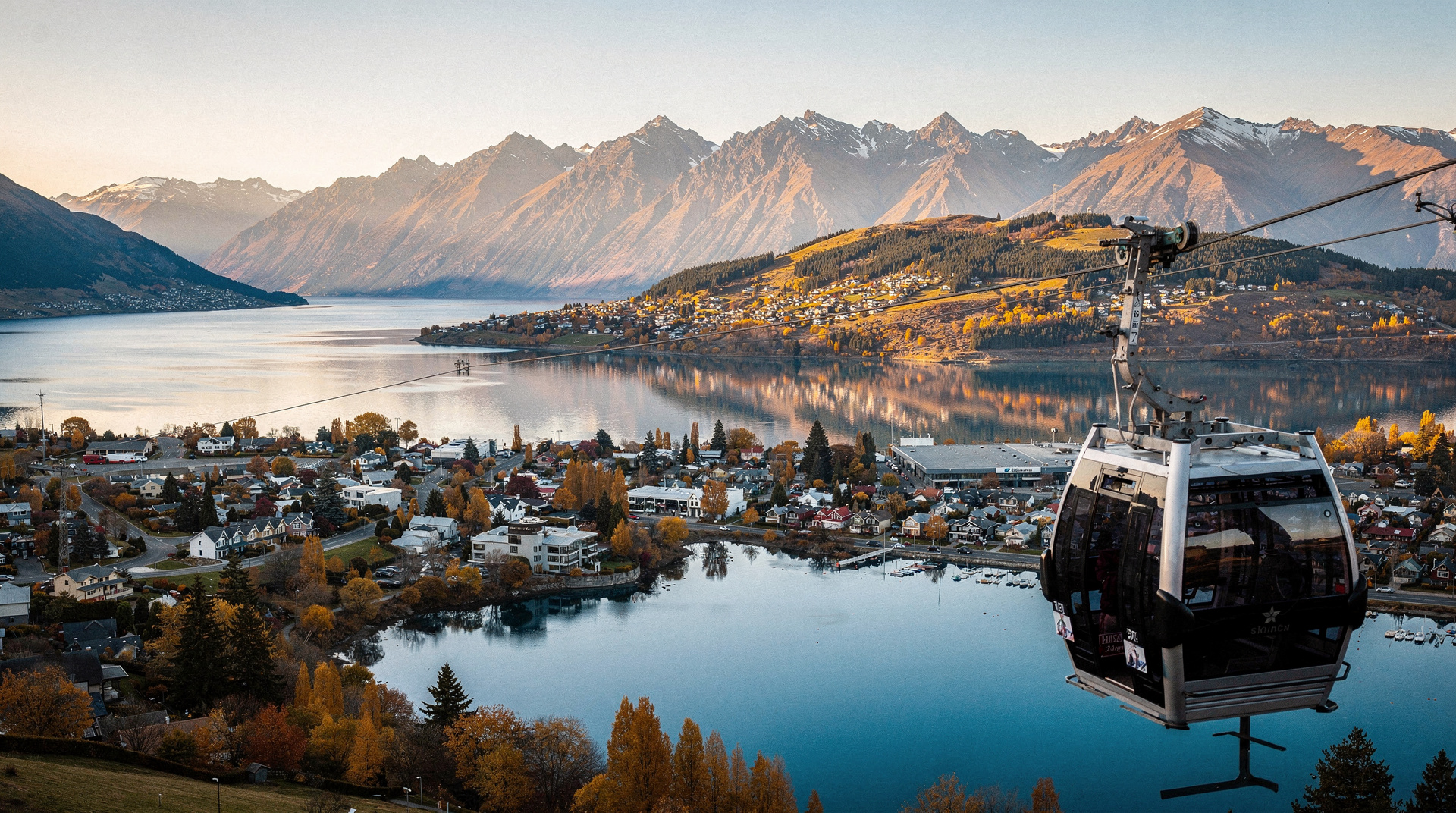
Queenstown
The honest Queenstown planner: bungy, jet boat, ski, scenic flights — real prices in NZD/USD/EUR, what to skip and what's worth your money.
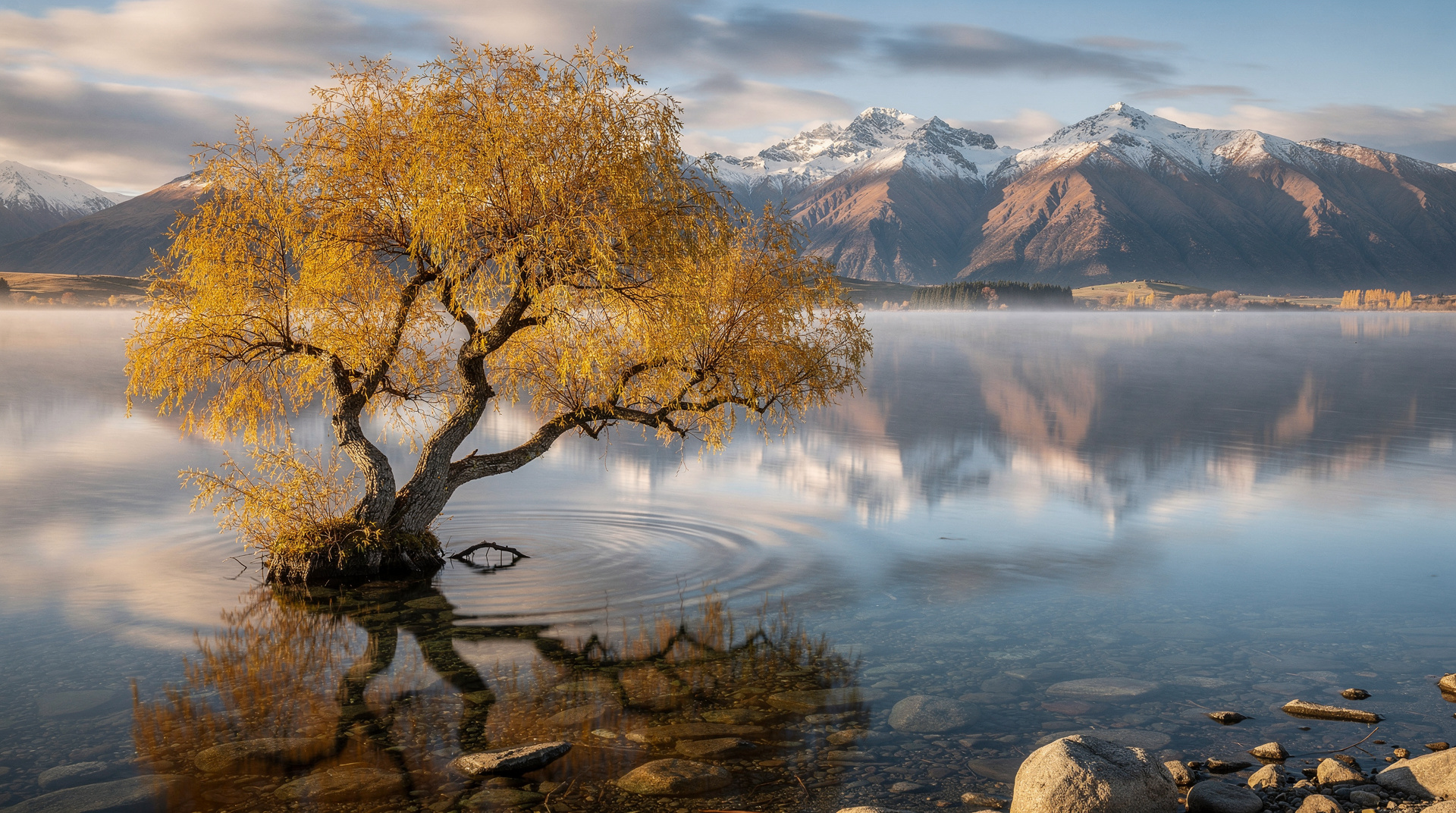
Wanaka
Honest Wanaka guide: Roy's Peak, Cardrona ski, lake kayaking — real NZD/USD/EUR costs and the honest Queenstown vs Wanaka verdict.
Best time to visit New Zealand
When to visit New Zealand: honest breakdown by season, region, and activity type. Summer is not always best. Spring and autumn often outperform the peak season.
Published: