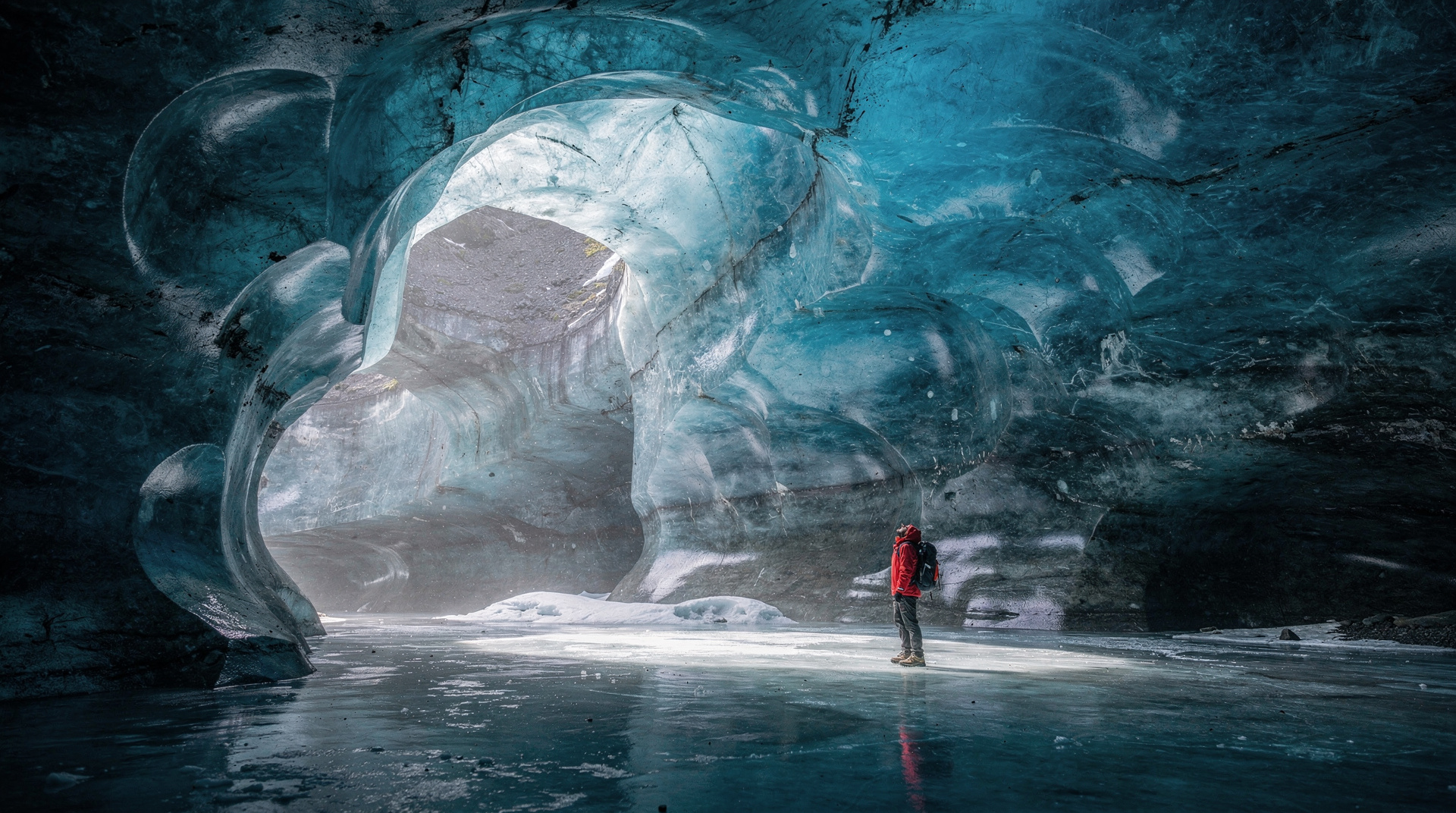
Franz Josef Glacier
Honest Franz Josef guide: heli-hike vs ice walk, glacier retreat reality, real NZD/USD/EUR costs and what's possible after significant ice loss.
Quick facts
- Status
- Active temperate glacier — advancing and retreating with climate; currently in long-term retreat
- Drive from Christchurch
- 5 hours via Arthur's Pass or 6 hours via Haast
- Drive from Queenstown
- 5 hours via Haast Pass
- Drive from Greymouth
- 2.5 hours south on SH6
- Currency
- NZD — 1 NZD ≈ USD 0.60 / EUR 0.55
Franz Josef Glacier in 2026 — what’s still possible and what the glacier looks like now
Franz Josef Glacier has retreated approximately 3 km since 2008, when access to the glacier face by foot was straightforward from the valley floor. In 2026, the glacier terminus is too high and too unstable for walking access from below — the valley walk to the glacier viewpoint is excellent, but you cannot stand on the ice without a helicopter.
This is not a reason to skip Franz Josef. The helicopter experience — landing on the glacier surface at altitude — is one of the finest things you can do in New Zealand and is actually better than the old valley-floor ice walks in terms of scenery and the quality of the glacier you’re seeing. But it does mean you need to budget for a helicopter flight, and you need a weather window.
The town of Franz Josef (population about 400) exists almost entirely to support glacier tourism. It has good range of accommodation and cafés for its size, is 2.5 hours south of Greymouth, and sits between Fox Glacier (25 km south) and the rest of the West Coast. The drive from Queenstown via Haast Pass (5 hours) is spectacular — the Haast Pass road is one of the most dramatic drives in New Zealand.
Popular experiences here
| Where | West Coast, between Hokitika and Fox Glacier |
| Cost | Heli-hike NZD 395–465; scenic flights from NZD 265 |
| Time needed | 1–2 days; build in a weather contingency day |
| Getting there | Self-drive SH6, or InterCity bus from Greymouth/Queenstown |
| Best time | October to April for best odds; year-round operation |
Heli-hiking — the primary experience
The half-day heli-hike is the most popular activity. A helicopter (5–6 passengers, 15-minute flight) takes you from Franz Josef Airport to the upper glacier at 2,000–2,500m, where you spend 2–3 hours hiking on the ice with a guide. Crampons, ice axes, and full equipment provided — no experience necessary. You’ll walk through crevasse systems, see blue ice formations, and look down on the rainforest and coastline simultaneously.
The half-day heli-hiking tour runs daily, weather permitting. This is the core Franz Josef experience and worth every cent if you get a clear day.
Franz Josef: Half-Day Glacier Helicopter and Hiking Tour
Helicopter to the upper glacier then 2–3 hours hiking crevasses and blue ice with a guide — crampons and equipment included
From NZD 395–465 / USD 237–279 / EUR 217–256
The 2.5-hour extended heli-hike gives more time on the ice and accesses more remote sections of the glacier. NZD 465–545 / USD 279–327 / EUR 256–300. Recommended for those who want to go beyond the standard tourist circuit and explore deeper crevasse zones.
The private bespoke heli-hike with lunch is the premium option — private helicopter, full day, lunch on the glacier. NZD 950–1,400 / USD 570–840 / EUR 523–770 per person. For serious glacier enthusiasts or special occasions.
Weather cancellation policy: all helicopter tours operate weather-permitting and will cancel with 1–4 hours notice if cloud cover prevents safe landing. You receive a full refund. This means you may need to stay an extra day — build flexibility into your itinerary. Franz Josef has a 60–70% clear day rate in summer; lower in winter.
Ice climbing
For those wanting a more technical glacier experience: the glacier ice climbing tour combines a helicopter flight to the glacier with guided ice climbing using front-point crampons and ice axes. No prior experience required, but reasonable fitness is helpful. 4–5 hours total. NZD 495–575 / USD 297–345 / EUR 272–316. Genuinely different from the heli-hike — more physically demanding and more technical.
Scenic helicopter flights without hiking
If budget is a constraint or the weather window is short, scenic flights without glacier landing give you the aerial view without the heli-hike cost.
The 35-minute helicopter flight over both Franz Josef and Fox glaciers covers both glacier systems and the Tasman Sea coastline in a single sweep. NZD 265–315 / USD 159–189 / EUR 146–173. No landing, but excellent views.
The 3-glacier helicopter tour with landing covers Franz Josef, Fox, and a third smaller glacier with a single snow landing. NZD 395–465 / USD 237–279 / EUR 217–256. This is the sweet spot for those wanting the full West Coast glacier system view with a landing experience but at lower cost than the heli-hike.
The 4-glacier helicopter flight with two landings is the most comprehensive aerial glacier experience available on the West Coast. Two landings at different elevation and glacier zones. Recommended if you’re here for one day and want to maximise the glacier experience.
Franz Josef: 4-Glacier Helicopter Ride with 2 Landings
Four glaciers in one flight with two snow landings — the most complete West Coast glacier day possible
From NZD 495–595 / USD 297–357 / EUR 272–327
The glacier valley walk — free and excellent
Even without a helicopter booking, the walk to the glacier viewpoint is outstanding. The Franz Josef Glacier valley walk (4 km return, 1.5 hours, flat on gravel, easy) follows the Waiho River through the valley to a viewpoint at the glacier terminus. You can’t reach the ice — a safety barrier exists at the terminal moraine — but the ice cliff is visible at close range, and the surrounding valley walls of hanging glaciers and waterfalls are genuinely spectacular.
The guided glacier lookout walk adds geological and glaciological commentary to the free walk. NZD 55–75 / USD 33–45 / EUR 30–41. The guide context on glacier retreat, ice formation, and the rainforest ecosystem that occupies the de-glaciated valley is worthwhile. Optional rather than essential.
Lake Mapourika — hidden gem
Lake Mapourika, 8 km north of Franz Josef village, is the most beautiful lake on the West Coast and one of the finest glacier-reflection lakes in New Zealand. A calm morning produces perfect reflections of the surrounding forest. The lakeside walk (1 km loop from the carpark, 20 minutes) is easy and the water is surprisingly swimmable in summer.
The 2-hour Lake Mapourika cruise is an excellent alternative to the helicopter on a cloudy glacier day — flat-water rowing, birdlife, forest views. NZD 65–85 / USD 39–51 / EUR 36–47. For a slightly longer experience that combines the lake cruise with a guided walk through the surrounding kahikatea forest, the 2.5-hour Lake Mapourika cruise and walk adds a forest circuit to the water-based component — giving a fuller picture of the West Coast lowland ecology and making for a more complete half-day when helicopter weather is marginal.
Wildlife encounter near Franz Josef
The West Coast Wildlife Centre in Franz Josef village houses kiwi and kea in a purpose-built facility, with behind-the-scenes access to the kiwi breeding program. This is part of a genuine DOC-linked conservation program restoring Haast tokoeka kiwi (a rare subspecies) to the wild. NZD 42–62 / USD 25–37 / EUR 23–34. Worth 1.5 hours for the kiwi encounter and to understand the West Coast kiwi conservation context.
Where to stay at Franz Josef
The village has limited accommodation — book well ahead in summer (December–March). Most accommodation is aimed at the overnight-wait-for-weather market.
Budget: Franz Josef YHA (NZD 44–72 / USD 26–43 / EUR 24–40 per dorm; central, well-equipped, social); Chateau Franz (NZD 42–65 / USD 25–39 / EUR 23–36 per dorm; popular backpacker option); Franz Josef Top 10 Holiday Park (tent and cabin options, NZD 38–95 / USD 23–57 / EUR 21–52).
Mid-range: Holly Homestead B+B (NZD 255–380 / USD 153–228 / EUR 140–209; heritage homestead 5 km from village, peaceful); Scenic Hotel Franz Josef Glacier (NZD 195–325 / USD 117–195 / EUR 108–179); Franz Josef Glacier Hotel (NZD 185–295 / USD 111–177 / EUR 102–162).
Splurge: Te Waonui Forest Retreat (NZD 595–1,100 / USD 357–660 / EUR 327–605; West Coast’s premier luxury lodge, sustainable design, exceptional cuisine, forest immersion). Te Waonui is genuinely exceptional — if the West Coast is a priority destination, this is the correct accommodation choice.
What to eat
Franz Josef has limited dining options for a tourist destination.
Alice May — the best restaurant in the village, NZ cuisine with South Island produce, mains NZD 28–46 / USD 17–28 / EUR 15–25.
Speight’s Ale House — reliable pub food, NZD 22–38 / USD 13–23 / EUR 12–21. The gathering point for glacier guides and visitors after a day on the ice.
Snakebite Brewery — small craft brewery in the village, good tap selection, limited food.
Monsoon restaurant — Asian-fusion café, good for lunch, NZD 16–28 / USD 10–17 / EUR 9–15.
Bring supplies from Greymouth (2.5 hours north) or Wanaka/Queenstown (5 hours south) if you’re self-catering — the village superette has limited stock and premium prices.
A practical one-day Franz Josef schedule
If your heli-hike is confirmed: Early check-in at the operator’s office (usually 30–45 minutes before flight time for briefing and gear fitting), helicopter transfer to the glacier, 2–3 hours on the ice, return by early-to-mid afternoon. Spend the rest of the day at Lake Mapourika (if you haven’t already) or the West Coast Wildlife Centre, then dinner at Alice May or Speight’s Ale House.
If weather cancels your flight: Walk the glacier valley track in the morning while conditions are often clearer at ground level than in the air, visit the West Coast Wildlife Centre for the kiwi encounter, and check back with your operator in the afternoon for a possible late-window flight. If nothing opens up, treat the day as a legitimate West Coast rainforest day rather than a failure — the valley walk and rainforest scenery are worthwhile in their own right, glacier or no glacier.
Fox Glacier — the 25 km neighbour
Fox Glacier is 25 km south of Franz Josef on SH6. It’s the more peaceful option: smaller tour operation, better lake (Lake Matheson, famous for its mirror reflections of Aoraki/Mt Cook and Mt Tasman on a still morning), and slightly less crowded. The helicopter experience from Fox Glacier is equivalent to Franz Josef in quality; the two glaciers are part of the same ice sheet system. Travelers with 2 nights on the West Coast can base themselves at one and do both glacier helicopter flights; with 1 night, choose Franz Josef for the slightly larger range of activities.
Skip / Worth it / Splurge
✕ Skip : The glacier valley walk if you’re doing a heli-hike (you’ll be on the glacier itself, which supersedes the valley view). The Fox Glacier valley walk if you’re doing the Franz Josef one — the valley views are similar.
✓ Worth it : The half-day heli-hike (NZD 395–465) is the non-negotiable experience — everything else is secondary. The West Coast Wildlife Centre for kiwi. Lake Mapourika on a calm morning.
★ Splurge : Te Waonui Forest Retreat for accommodation — the most sustainably designed luxury lodge on the West Coast and worth the premium. The 4-glacier helicopter flight with two landings if you want the most comprehensive aerial glacier day possible.
Cost breakdown
Franz Josef Glacier activity costs
| Item | NZD | USD | EUR | Verdict |
|---|---|---|---|---|
| Half-day heli-hike (2–3 hrs on ice) Non-negotiable — the core experience | 395–465 | 237–279 | 217–256 | ✓ Worth it |
| Extended 2.5-hour heli-hike More time, deeper crevasse access | 465–545 | 279–327 | 256–300 | ★ Splurge |
| Ice climbing tour (4–5 hrs) Technical — more demanding than heli-hike | 495–575 | 297–345 | 272–316 | ★ Splurge |
| 35-min scenic flight (two glaciers) Budget aerial option — no landing | 265–315 | 159–189 | 146–173 | ✓ Worth it |
| 3-glacier helicopter with landing Sweet spot: landing + full system view | 395–465 | 237–279 | 217–256 | ✓ Worth it |
| 4-glacier flight, two landings Maximum glacier experience in one day | 495–595 | 297–357 | 272–327 | ★ Splurge |
| Glacier lookout walk (guided) Add-on only; skip if doing heli-hike | 55–75 | 33–45 | 30–41 | ✓ Worth it |
| West Coast Wildlife Centre (kiwi) Genuine DOC-linked kiwi breeding program | 42–62 | 25–37 | 23–34 | ✓ Worth it |
| Lake Mapourika 2-hour cruise Best cloudy-day glacier alternative | 65–85 | 39–51 | 36–47 | ✓ Worth it |
| Private bespoke heli-hike with lunch Per person; for special occasions only | 950–1400 | 570–840 | 523–770 | ★ Splurge |
How Franz Josef fits into your itinerary
Franz Josef is the central stop on the West Coast route between Nelson/Abel Tasman and Queenstown. The typical sequence is: Nelson → Abel Tasman National Park → Greymouth (and the TranzAlpine) → Hokitika → Franz Josef → Fox Glacier → Haast Pass → Wanaka → Queenstown.
This route works as a 5-7 day self-drive loop (if you fly into Christchurch and out of Queenstown, or vice versa). Franz Josef is typically allocated 1–2 nights to maximise weather window flexibility for the helicopter tour.
See the West Coast driving guide for road conditions, petrol stop information, and the Haast Pass crossing advice.
Frequently asked questions about Franz Josef Glacier
Can you still walk on Franz Josef Glacier?
Not from the valley floor — the glacier has retreated too far upvalley for safe surface access from below. The only way to walk on the glacier in 2026 is by helicopter. The valley floor walk to the viewpoint remains excellent and is recommended as a free activity.
How likely is the helicopter tour to be cancelled?
Franz Josef averages 60–70% operational days in summer, lower in winter. The tours are weather-dependent and will cancel if cloud prevents safe helicopter operation. Full refunds are given for weather cancellations. Build at least one extra day into your Franz Josef stay to account for a weather day.
Can you see kiwi in the wild near Franz Josef?
Yes — guided night walks depart from the village after dark and spotlight tussock edges and forest margins where kiwi forage, operating independently of the West Coast Wildlife Centre’s captive breeding program. Sightings aren’t guaranteed on any single night, but the West Coast’s intensive predator control has made it one of New Zealand’s better regions for a genuine wild kiwi encounter, and the Wildlife Centre gives you a reliable close-up view as a complement even if the night walk comes up empty.
Is the glacier still worth visiting given the climate change context?
Yes — the helicopter experience is genuinely excellent and the glacier, while significantly smaller than in previous decades, is still a major landscape feature. The West Coast Wildlife Centre, Lake Mapourika, and the rainforest scenery remain excellent regardless of glacier conditions. The honest context is: if you’re planning to visit New Zealand at some point in your life, sooner is better for the glacier experience.
What is the difference between Franz Josef and Fox Glacier?
Franz Josef has more accommodation, restaurants, and activity operators. Fox Glacier has quieter surroundings and Lake Matheson (one of NZ’s most photographed reflection lakes). The helicopter experience is equivalent from both. Most people choose Franz Josef for a 1-night stay; those with 2 nights often do one night at each.
What happens if my heli-hike is cancelled for weather?
You’ll typically receive notice 1–4 hours before departure and a full refund or the option to rebook for the next available weather window during your stay. If you only have one night in Franz Josef and the flight cancels, ask your accommodation about extending — most hosts are used to weather-driven itinerary changes and can help, but availability isn’t guaranteed in peak season, so booking two nights gives meaningfully better odds of actually getting on the ice.
How do you get to Franz Josef without a car?
The InterCity bus runs between Greymouth and Queenstown via Franz Josef. Journey time: Greymouth to Franz Josef 2.5 hours, Franz Josef to Queenstown 7 hours (one of NZ’s longest bus journeys). A shuttle service from Hokitika and Greymouth is available. The area is not practical without a car if you want to do the glacier valley walk and Lake Mapourika independently of tours.
The temperate rainforest — what surrounds the glacier
Franz Josef village sits at sea level (15m elevation) in a temperate rainforest that receives over 4 metres of rain annually. This combination — a world-class glacier within 5 km of subtropical coastal rainforest — is extremely rare globally and is the reason both Franz Josef and Fox Glacier are international tourist draws. Most glacier destinations are in cold, treeless high-altitude environments; here you walk from dense rimu and kahikatea forest into the glacier catchment within 30 minutes.
The forest surrounding Franz Josef is home to kiwi (helped by intensive predator control programs), kea (the alpine parrot, found at the valley head), weka (a flightless rail), fantail (piwakawaka), and bellbird (korimako). The West Coast is one of the best places in New Zealand to see kiwi in the wild at night — guided night walks from Franz Josef depart after dark, spotlighting the tussock edges for kiwi foraging. These tours operate independently of the Wildlife Centre’s captive program.
The glacier helicopter with alpine landing gives you the full vertical range of this ecosystem — from the glacier surface at 2,500m to the rainforest valley floor at 15m — within a single activity. The contrast is striking and genuinely unusual.
Planning around the weather: a practical framework
Because helicopter access is weather-dependent and West Coast conditions change quickly, the single most important planning decision at Franz Josef is how many nights to allow. One night gives you roughly a 60–70% chance of flying in summer, meaningfully lower in winter — acceptable if you’re flexible about your itinerary, risky if the heli-hike is a non-negotiable priority. Two nights pushes your odds well above 90% across most of the year, since a second morning gives the weather a chance to clear even if the first is a washout.
If you do get cancelled, don’t treat it as a wasted day: the glacier valley walk, Lake Mapourika, and the West Coast Wildlife Centre are all viable in poor weather and give you a genuine sense of the place even without ice contact. Many experienced West Coast travellers deliberately structure their itinerary with a “floating” extra day between Franz Josef and Fox Glacier or Franz Josef and Hokitika, using it wherever the weather demands rather than committing it in advance.
Booking directly with operators (rather than through third-party consolidators) often makes rebooking easier, since the operator has full visibility of your original booking and any weather-related credits. Check cancellation and rebooking policies before you pay, particularly if your trip is tightly scheduled around a single Franz Josef night.
Hokitika and the West Coast context
Hokitika (45 km north of Franz Josef on SH6) is worth a stop for pounamu (greenstone/jade) shopping — the Hokitika Gorge (blue-green glacial water, short walk from the carpark) is one of the South Island’s most photogenic inland water scenes. Hokitika Gorge is about 25 km east of the township; the 40-minute drive in from SH6 is worthwhile.
The West Coast as a whole is one of New Zealand’s most sparsely populated regions (approximately 32,000 people spread over 23,000 km2) and has a distinct identity from the rest of the South Island — rougher, wetter, more mining and forestry heritage, and more genuinely wild in the sense of low visitor numbers outside the glacier area. Traveling the West Coast from Nelson to Queenstown (4–5 days) is one of the great South Island road trips; the stretch between Hokitika and Haast is particularly dramatic. See the West Coast driving guide for detail.
Top experiences: Franz Josef Glacier
See all →Guides for Franz Josef Glacier
Related guides
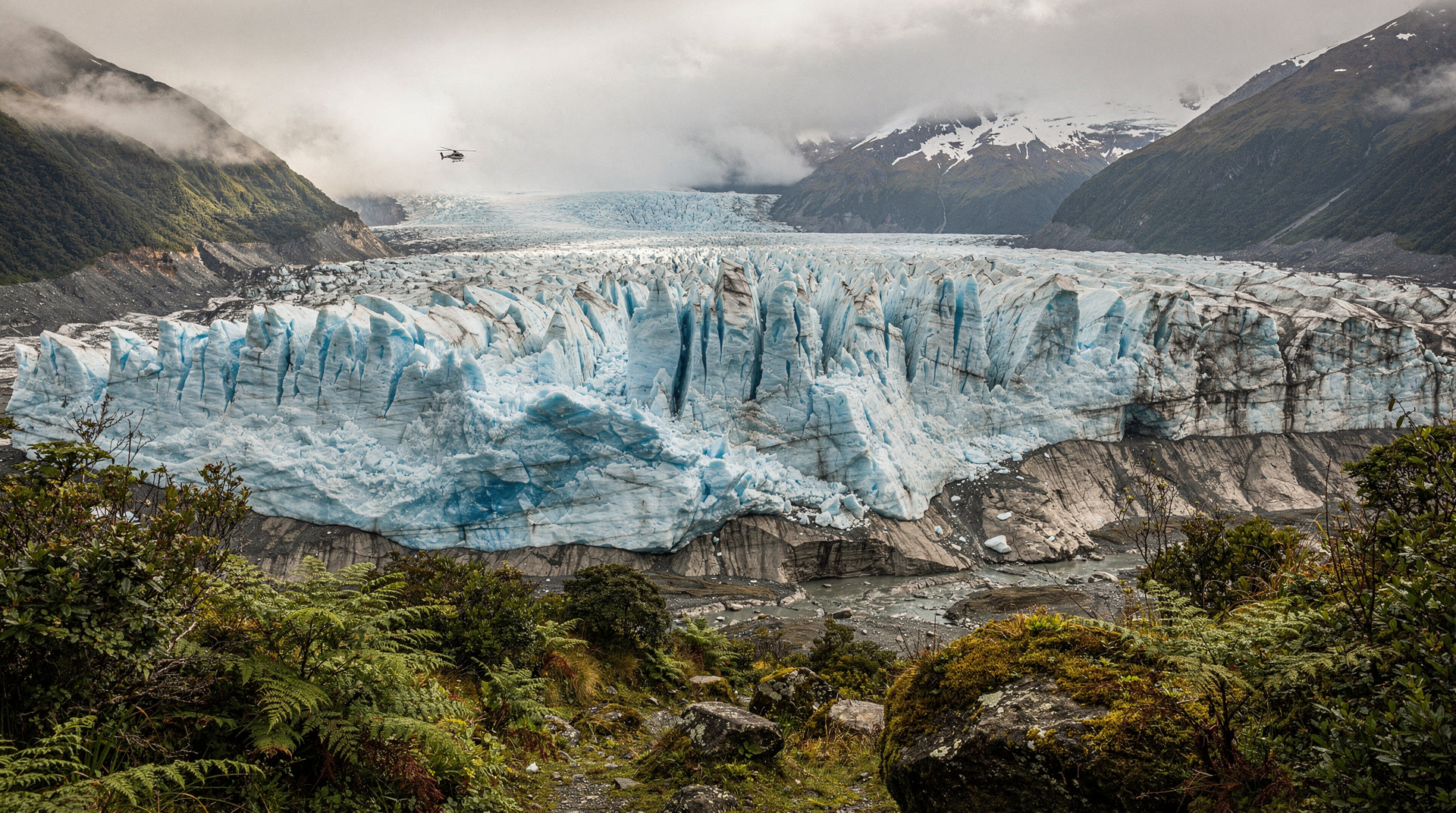
Fox Glacier
Fox Glacier: helicopter hikes on ice, the mirror-lake reflection at Lake Matheson, and a quieter alternative to Franz Josef. Real costs NZD/USD/EUR.
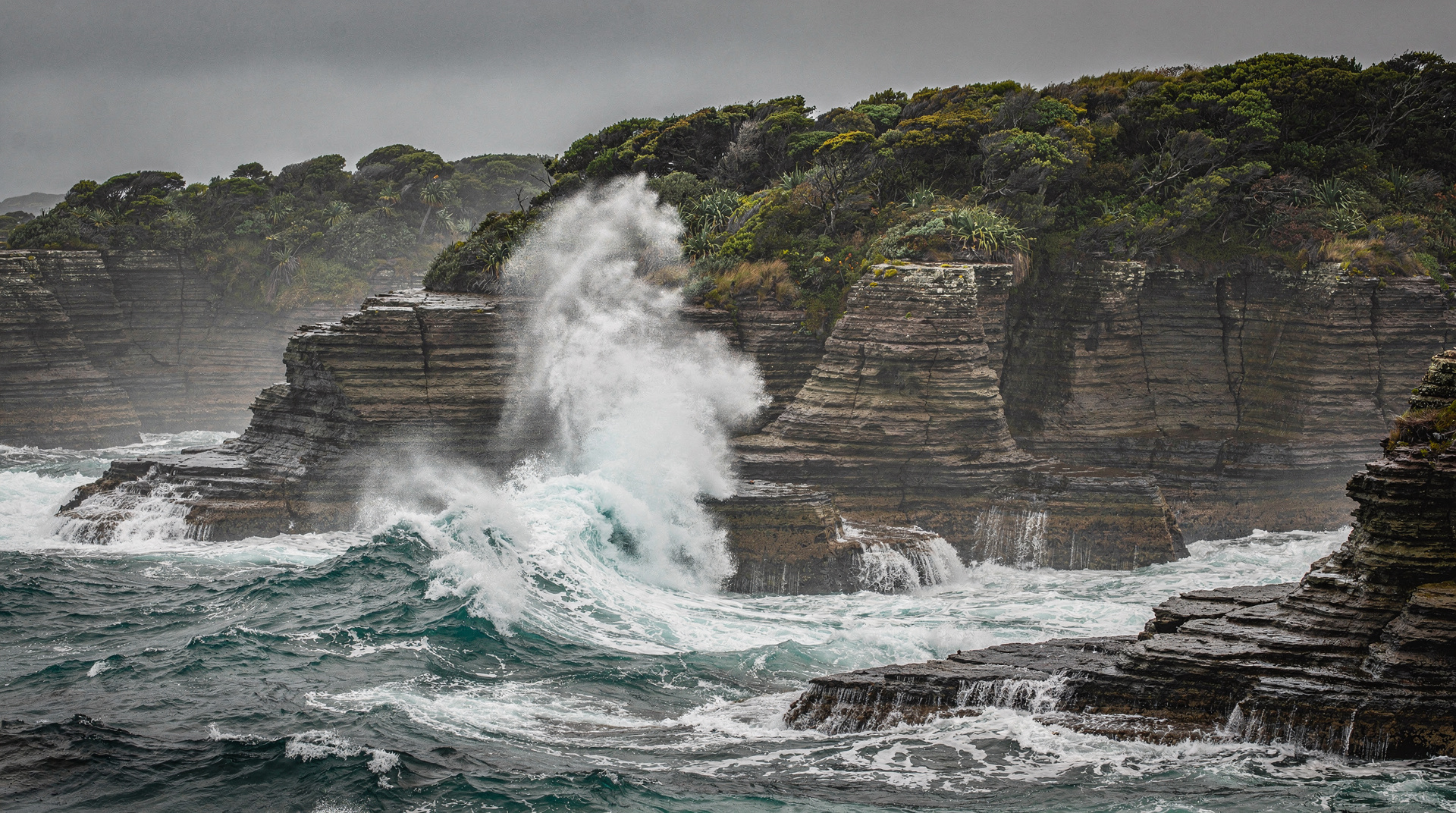
West Coast
Honest West Coast guide: Franz Josef and Fox Glacier heli-hikes, Punakaiki Pancake Rocks, Hokitika, Greymouth. NZD/USD/EUR prices, what's worth it.
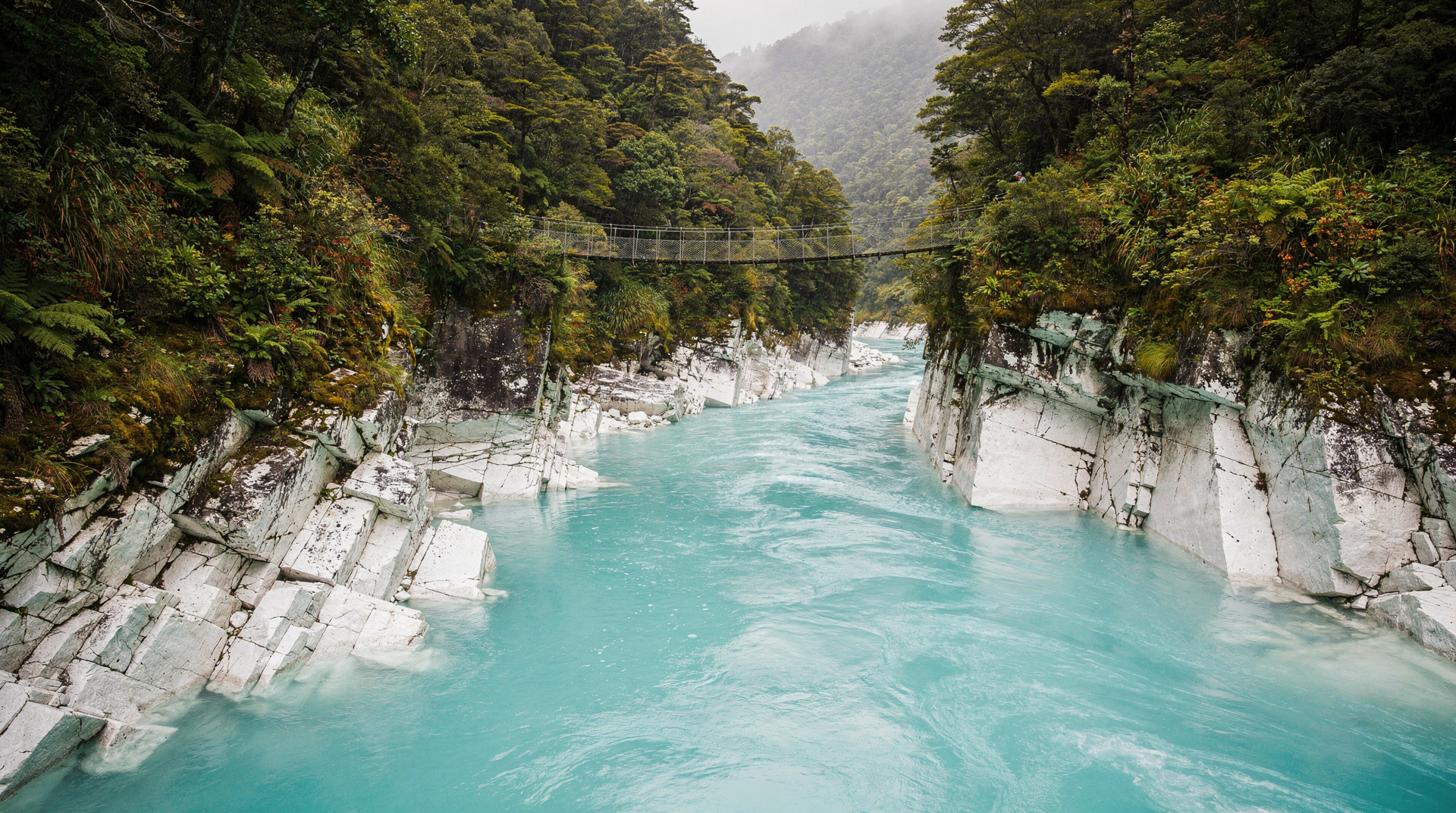
Hokitika
Hokitika: pounamu greenstone carving, the electric-blue gorge, a great driftwood beach, and the Wildfoods Festival. West Coast stop. Real costs NZD/USD/EUR.
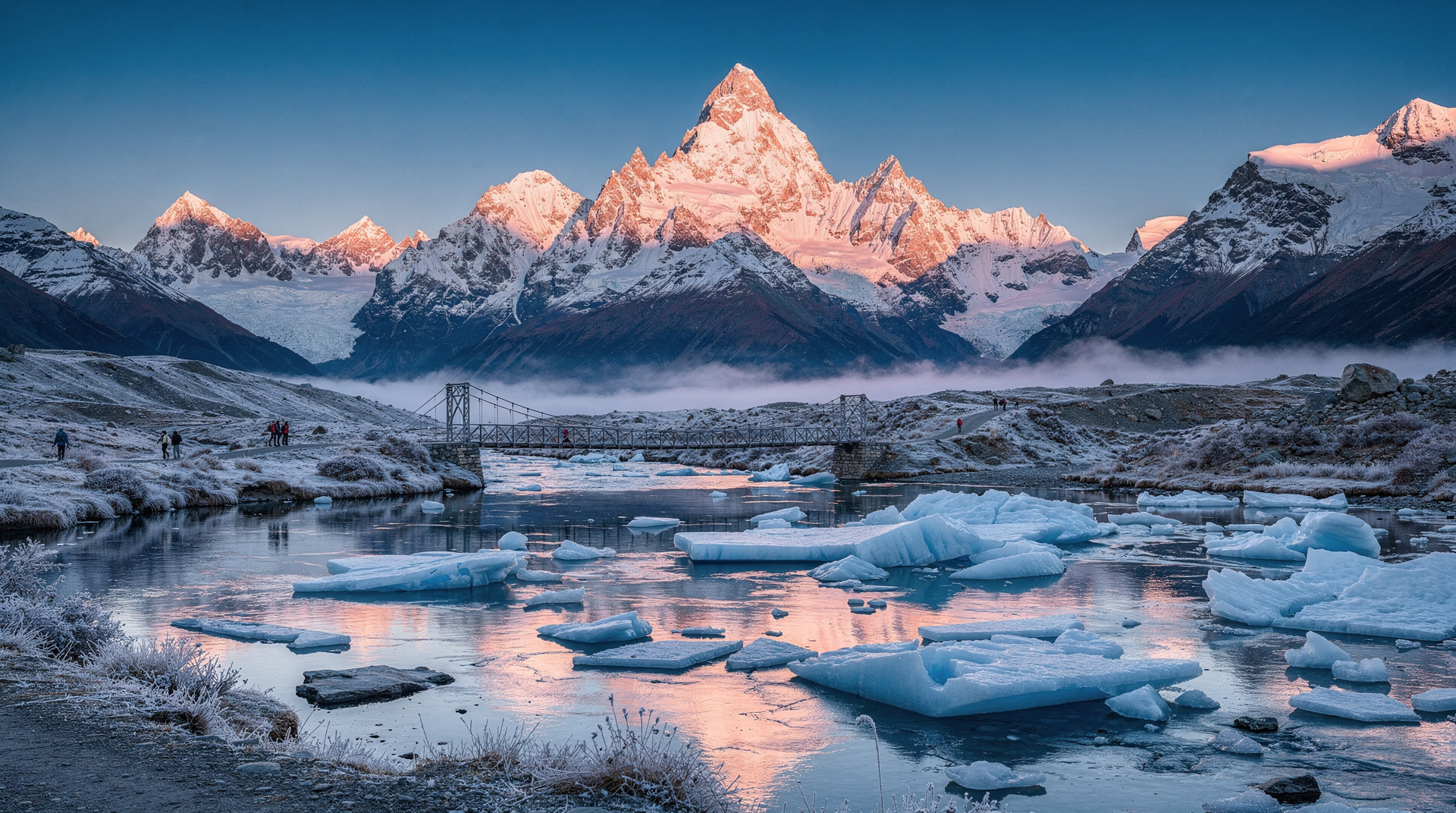
Aoraki / Mount Cook
Honest Aoraki / Mount Cook guide: Hooker Valley Track, Tasman Glacier, scenic flights — real NZD/USD/EUR prices and what to expect in all seasons.
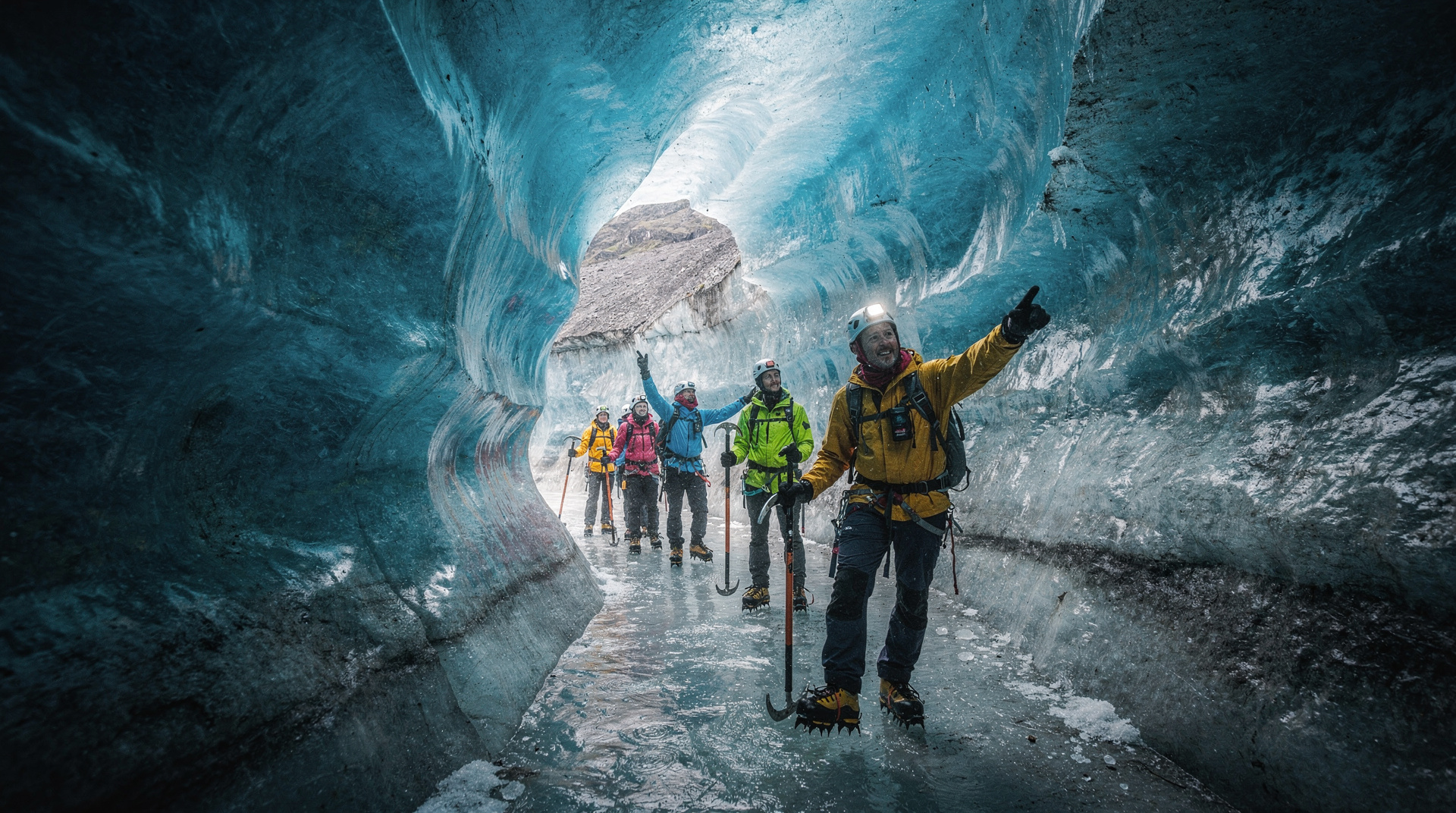
Franz Josef Glacier guide — heli-hike, ice walks, and the retreat reality
Franz Josef Glacier heli-hike guide: tours, ice climbing, helicopter flights, and the glacial retreat reality. Prices NZD/USD/EUR and booking advice.
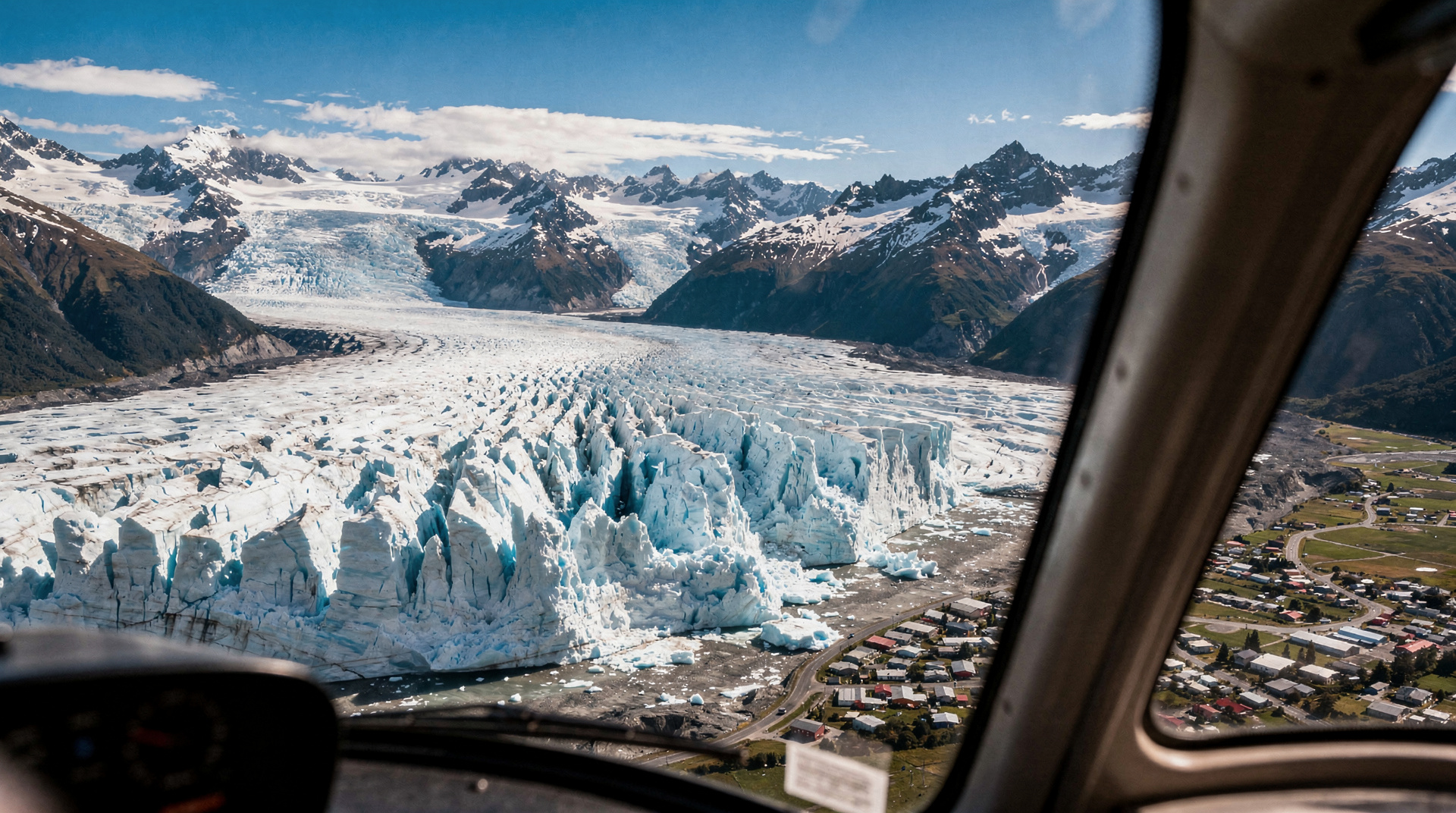
Franz Josef helicopter tours — the glacier from above and on foot
Franz Josef helicopter tours: scenic flights, glacier landings, heli-hike on the ice. Prices NZD/USD/EUR, operators compared, weather tips, and booking advice.
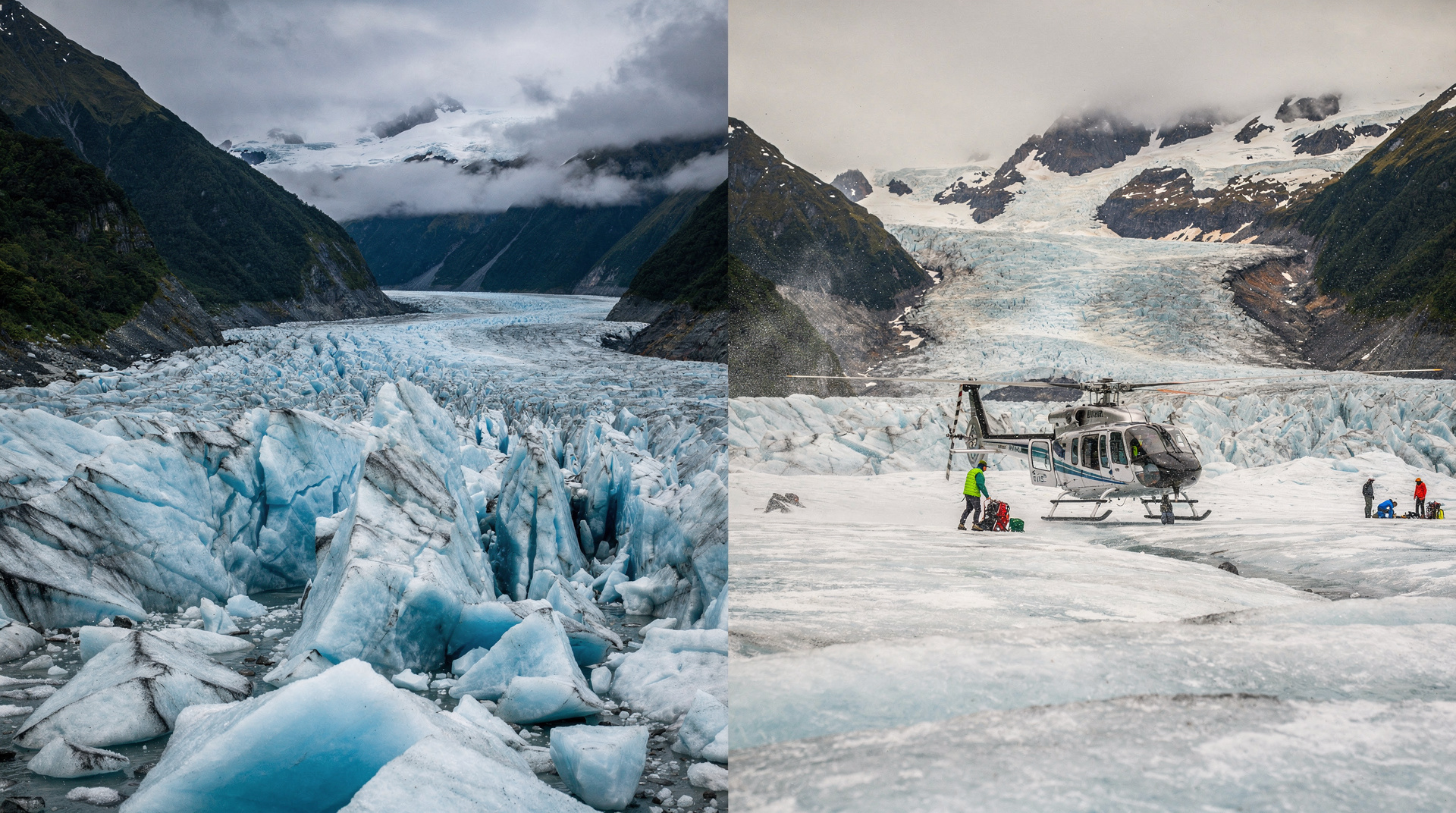
Franz Josef vs Fox Glacier
Honest Franz Josef vs Fox Glacier comparison: heli-hike options, town facilities, Lake Matheson, and which glacier to choose. Prices in NZD/USD/EUR.
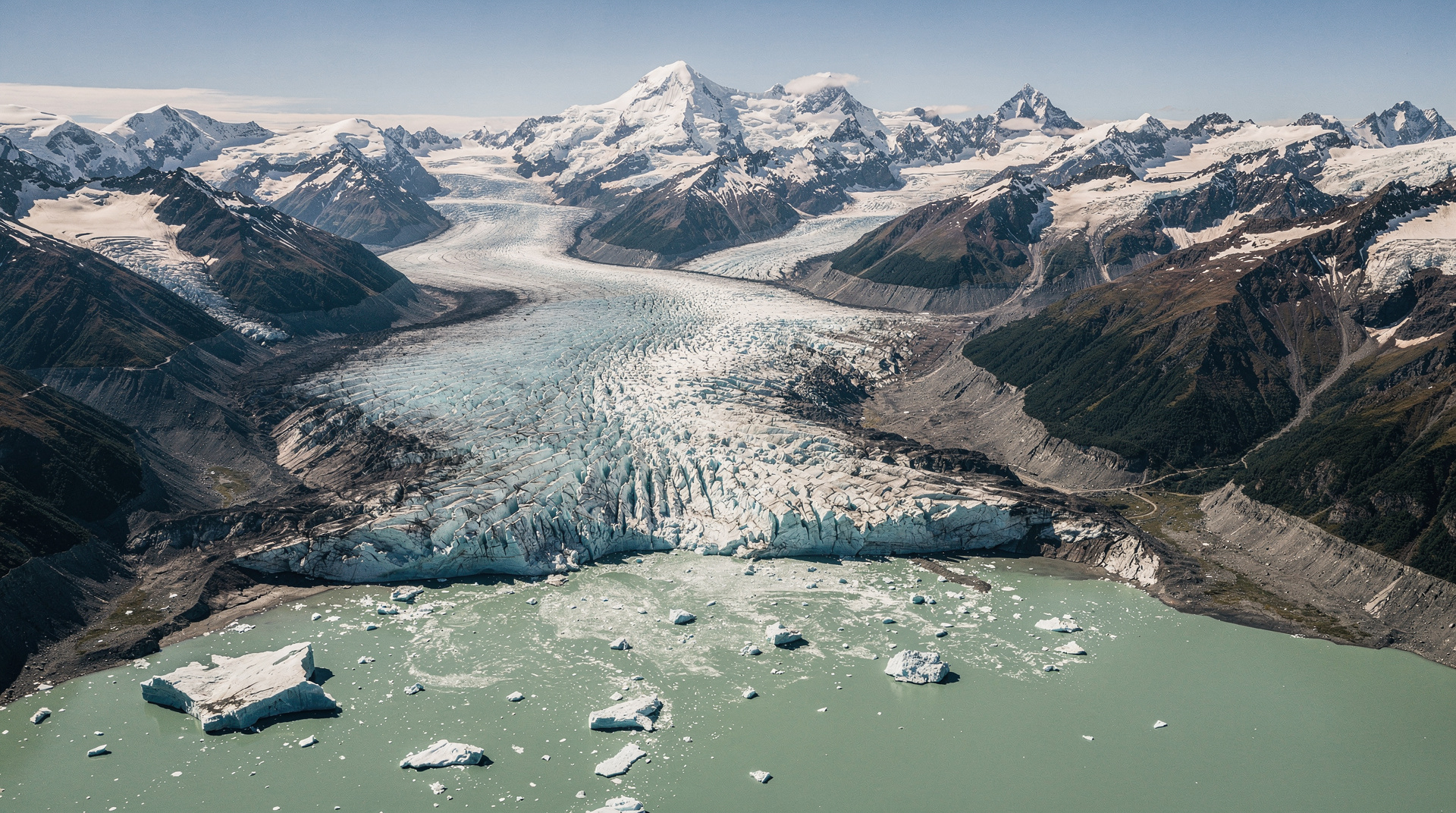
New Zealand glaciers guide — Franz Josef, Fox, and the Tasman
Honest NZ glacier guide: Franz Josef vs Fox vs Tasman Glacier comparison, heli-hike options, glacier retreat reality, what's still accessible in 2026.
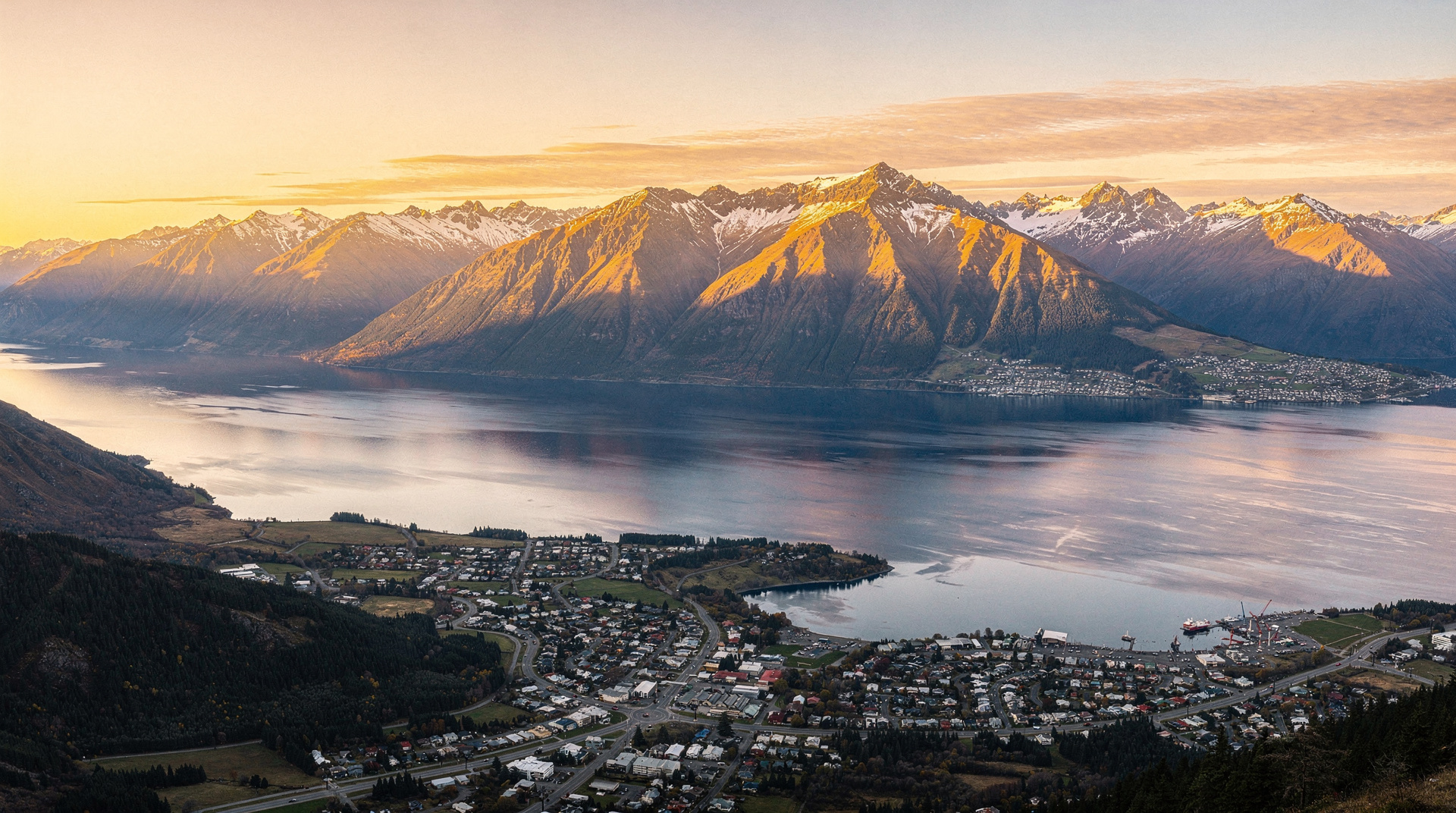
14-day New Zealand itinerary — both islands, grand tour
Honest 14-day NZ grand tour: Auckland, Bay of Islands, Hobbiton, Rotorua, Wellington, ferry, Kaikoura, Christchurch, Queenstown, Milford.
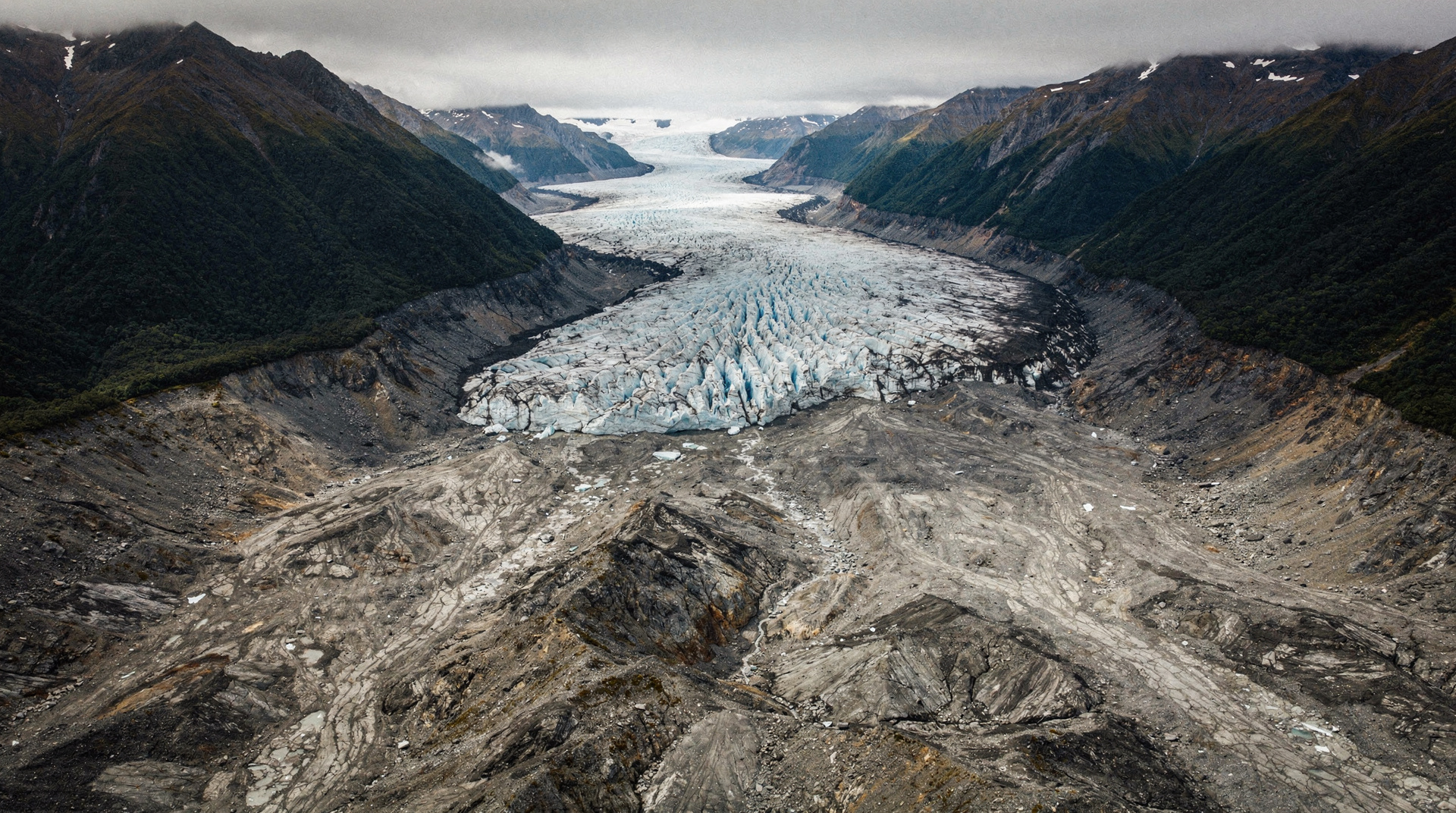
West Coast glaciers retreating — what to see now before the ice changes again
Franz Josef and Fox glaciers have retreated significantly. Here's what the glacier experience actually looks like now, and what's worth your time and money.
Last reviewed: