Taupo
Honest Taupo guide: Huka Falls jet boat, tandem skydive, Lake Taupo Maori rock carvings, Tongariro access, real prices NZD/USD/EUR.
Quick facts
- Distance from Rotorua
- 85 km — 1 hour driving
- Distance from Wellington
- 350 km — 4 hours driving
- Currency
- NZ$ — USD ~$0.60 / EUR ~€0.55
- Best for
- Skydiving, Huka Falls, lake activities, Maori rock carvings, Tongariro access
- Skip if
- Adventure sports aren't your priority — Rotorua 1 hour north has more cultural depth
Taupo in one minute
Popular experiences here
Taupo sits on the northern shore of New Zealand’s largest lake — Lake Taupo, a supervolcano caldera 30 km across and the source of the Waikato River. The town is an adventure activity hub, the gateway to Tongariro National Park, and the most popular skydiving destination in the Southern Hemisphere. The lake itself is spectacular: clear, cold, framed by bush-covered hills to the south and the volcanic peaks of Tongariro, Ngauruhoe, and Ruapehu visible on clear days. Most visitors spend two nights and leave wishing they had three.
| Where | Central North Island, northern shore of Lake Taupo |
| Getting there | Around 1 hour from Rotorua, 4 hours from Wellington by car |
| Time needed | 2-3 days for the jet boat, lake cruise and a Tongariro Crossing day |
| Cost | Around NZD 45-300 per activity, plus accommodation |
| Best time | Year-round; October-April for outdoor activities and the Crossing |
Why Taupo earns its place on the itinerary
Taupo’s appeal is genuinely broad. It works for the adventure traveller (skydiving, bungy, white-water rafting, jet boat), the nature visitor (Huka Falls, lake cruises, Wairakei geothermal area), the culture seeker (Maori rock carvings accessible only by boat), and the family with teenagers. The town itself is pleasant and well-serviced, without the commercial pressure of Queenstown.
The lake is the defining feature. Lake Taupo covers 616 square kilometres — larger than Singapore. The water is cold (14–18°C in summer, swimming for the determined) but the sailing, kayaking, and cruise experience is excellent. The scenic backdrop changes by season: volcanoes capped with snow in winter, vivid green in summer.
The Tongariro Alpine Crossing, one of New Zealand’s most famous day hikes, is 75 km southwest of Taupo via National Park Village. Taupo serves as a practical base for visitors doing the crossing, particularly those who want to spend the night before and after in a well-serviced town rather than the smaller accommodation options at National Park or Whakapapa.
What to do in Taupo
Huka Falls jet boat is the signature Taupo water experience. The Waikato River narrows to a 15-metre channel just above Huka Falls, creating an extraordinary volume of water moving at high speed. The jet boat runs to the base of the falls and does the characteristic 360-degree spins.
Taupo: Huka Falls 30-Minute Jet Boat Experience
Taupo Huka Falls 30-minute jet boat experience — 360-degree spins at the base of the falls, the signature Taupo water activity.
From NZD 69–79 / USD 41–47 / EUR 38–43
Tandem skydiving — Taupo has some of the best skydiving in the Southern Hemisphere by virtue of the backdrop: Lake Taupo, the volcanic plateau, and the snow-capped peaks of Tongariro on a clear day. A 12,000-foot tandem jump is the standard option.
Tandem Skydive Experience in Taupo (12,000ft)
Tandem skydive over Lake Taupo at 12,000ft — volcanic plateau and snow-capped peaks backdrop, most popular skydiving in the Southern Hemisphere.
From NZD 299–329 / USD 179–197 / EUR 164–181
For a combined bungy and swing, the Taupo bungy jump and swing combo offers both experiences from the Taupo cliff site above the Waikato River at NZD 195–220 / USD 117–132 / EUR 108–121.
Lake Taupo Maori rock carvings cruise — carved into volcanic rock at the Mine Bay on the western shore, accessible only by boat, is a large-scale contemporary Maori carving (completed 1976–1980 by master carver Matahi Whakataka Brightwell) depicting the likeness of Ngatoroirangi, the ancestor who guided Arawa canoes to Rotorua and Taupo. The site is impressive, the water approach is theatrical, and the cultural context is significant. Several operators run daily cruises.
The morning cruise option is the most popular: the Lake Taupo Maori rock carvings 10:30am 1.5-hour cruise at NZD 45–55 / USD 27–33 / EUR 25–30 is a good value, accessible way to see the carvings. For a more scenic experience, the Lake Taupo classical sailing to the Maori rock carvings uses a vintage sailing yacht — more atmospheric, slightly more expensive.
Lake Taupo: 1.5-Hour Maori Rock Carvings 5:00 PM Sunset Cruise
Lake Taupo 1.5-hour Maori rock carvings sunset cruise — departing around 5pm, perfect evening activity with the volcanic peaks in the background.
From NZD 45–55 / USD 27–33 / EUR 25–30
Wairakei Geothermal Power Station — New Zealand generates approximately 17% of its electricity from geothermal energy, and the Wairakei station north of Taupo is the most visible example, with steam venting from extraction pipes across the landscape. The Craters of the Moon geothermal walkway is free to enter and impressive — a network of steaming craters and mud pools, smaller in scale than Wai-O-Tapu but free and accessible.
Huka Falls viewpoint — the falls themselves (a 10-metre drop but with extraordinary volume) are a 10-minute walk from the car park. Free to visit, genuinely spectacular, particularly after heavy rain when the river is higher. The combined approach of helicopter then falls is available via the Taupo Huka Falls and western bays helicopter tour — NZD 250–320 / USD 150–192 / EUR 138–176.
Taupo Bungy above the Waikato River: the 47-metre jump site has a distinctive river setting rather than the canyon setting of Queenstown. A different type of jump — water below rather than a void — and slightly lower price point.
Day trips from Taupo
Tongariro Alpine Crossing (75 km): The most popular day hike in New Zealand, through the active volcanic landscape of Tongariro National Park. From Taupo, early morning departure to the Mangatepopo car park is typically via shuttle from National Park Village. Full details in the Tongariro National Park guide.
Rotorua (85 km, 1 hour): Easily accessible as a day trip for the Wai-O-Tapu geothermal park or Maori cultural experience. See the Rotorua guide. The Rotorua to Taupo day tour with Wai-O-Tapu and Huka Falls is a convenient way to combine both towns’ highlights in a single guided day if you’re based in Rotorua rather than Taupo; NZD 165–210 / USD 99–126 / EUR 91–116.
Napier and Hawke’s Bay (160 km, 2 hours): A long but feasible day trip for wine region visitors. See the Napier guide.
Whanganui River (150 km to the junction, then canoeing): The Whanganui River Journey is one of New Zealand’s Great Walks (technically a paddling journey). Day canoe experiences are available from Whanganui town.
Where to stay in Taupo
Lakefront / CBD: Most visitor accommodation is within walking distance of the lake. The Hilton Lake Taupo is the flagship lakefront property at NZD 280–450 / USD 168–270 / EUR 154–248. Millennium Hotel Taupo at NZD 200–320 / USD 120–192 / EUR 110–176 is reliable mid-range with good views.
Huka Lodge: 5 km from Taupo on the Waikato River, Huka Lodge is one of New Zealand’s most celebrated luxury properties — a working fishing and relaxation lodge visited by royalty and world leaders. NZD 2,500–5,000 / USD 1,500–3,000 / EUR 1,375–2,750 per night (all-inclusive of meals and activities for two). For a special occasion.
Budget/backpacker: Taupo YHA and Base Taupo offer dorm beds at NZD 35–55 / USD 21–33 / EUR 19–30. The town has good holiday park options with powered sites from NZD 40–60 per site.
Motels: Taupo has an excellent selection of well-maintained motels along Tongariro Street and Lake Terrace at NZD 130–220 / USD 78–132 / EUR 72–121 per night.
What to eat and drink
Taupo’s food scene has improved significantly in recent years. Highlights:
Brantry Restaurant — the most consistently praised fine-dining option in Taupo, using local produce. Expect NZD 45–70 / USD 27–42 / EUR 25–38 for mains.
Plateau Restaurant and Bar — reliable lakefront dining with good views and a broad menu from cafe to evening meals.
Replete Food Company — excellent deli-style breakfast and lunch in the CBD.
Taupo has a growing craft beer scene with good tap lists at several bars. Wine choices lean toward the North Island regions (Hawke’s Bay, Martinborough) and Marlborough.
For an aerial perspective before dinner, the Taupo helicopter flight over Huka Falls and Maori carvings ends near the lakefront just before sunset — the timing works well as a prelude to a lakefront dinner.
Skip / worth it / splurge
- ✕ Skip : Taupo tandem skydiving if you’re also planning to do Queenstown adventure activities — pick one adrenaline location and spend the money there rather than diluting
- ✓ Worth it : Huka Falls jet boat — a distinctly Taupo experience and genuinely excellent value for the 30 minutes
- ✓ Worth it : Lake Taupo Maori rock carvings cruise — unique, peaceful, and culturally significant
- ★ Splurge : Huka Lodge dinner (even if not staying) — the lodge accepts dinner bookings from non-guests and is worth the experience
Cost breakdown
Taupo activity costs at a glance
| Item | NZD | USD | EUR | Verdict |
|---|---|---|---|---|
| Huka Falls jet boat (30 min) Best value activity in Taupo | 69–79 | 41–47 | 38–43 | ✓ Worth it |
| Maori rock carvings cruise (1.5 hrs) Only accessible by boat — peaceful | 45–55 | 27–33 | 25–30 | ✓ Worth it |
| Bungy + swing combo Cliff site above Waikato River | 195–220 | 117–132 | 108–121 | ✓ Worth it |
| Tandem skydive at 12,000ft World-class backdrop — volcanic plateau + lake | 299–329 | 179–197 | 164–181 | ★ Splurge |
| Helicopter over Huka Falls + carvings Best aerial perspective | 250–320 | 150–192 | 138–176 | ★ Splurge |
| Craters of the Moon walk (free/low cost) Free geothermal, genuinely impressive | 10 | 6 | 5.50 | ✓ Worth it |
How Taupo fits in your itinerary
On a 7-day North Island itinerary, Taupo is typically nights 5–6 after Rotorua, before heading south to Wellington. Two nights gives time for the jet boat, lake cruise, and an early-morning Tongariro Crossing (departing at 5am from Taupo for the shuttle pickup). On a 14-day New Zealand itinerary, Taupo can extend to three nights if you want to do the Tongariro Crossing and recover plus do the lake activities.
The natural continuation from Taupo is south: either directly to Wellington (4 hours) or via Tongariro National Park (75 minutes to National Park Village) if the Crossing is on your list.
Lake Taupo: the supervolcano caldera
The scale of Lake Taupo is difficult to absorb when you’re standing on its shores. At 616 square kilometres, it is larger than the territory of Singapore. The lake fills the caldera of the Taupo supervolcano, which last erupted in approximately 186 CE in what was one of the most violent volcanic eruptions in the past 5,000 years — the Hatepe eruption. The ash from that event coloured skies red as far away as China and Rome, with contemporary records of anomalous celestial phenomena noted in both civilisations.
The Taupo Volcanic Zone extends from here northeast to White Island (Whakaari), and from the southern shores of the lake south to Tongariro and Ruapehu. The geothermal energy that powers the Wairakei Power Station, feeds the Craters of the Moon geothermal park, and makes the Taupo area one of the world’s most geologically active zones is a direct expression of this ongoing volcanic system.
The lake itself is 186 metres deep at its deepest point. The water is clear and cold (14–20°C in summer), fed by the Waikato River’s headwaters from the volcanic plateau above. The Waikato River exits the lake at Taupo township, flowing north to the Huka Falls and eventually to the Tasman Sea near Port Waikato.
For Maori, Lake Taupo (Taupo-nui-a-Tia — the great cloak of Tia) carries deep cosmological significance. Ngati Tuwharetoa have been the kaitiaki (guardians) of the lake for centuries, and their tikanga (protocols) around fishing, resource use, and water access remain significant to contemporary management of the lake’s ecology.
Fishing: Lake Taupo’s rainbow and brown trout
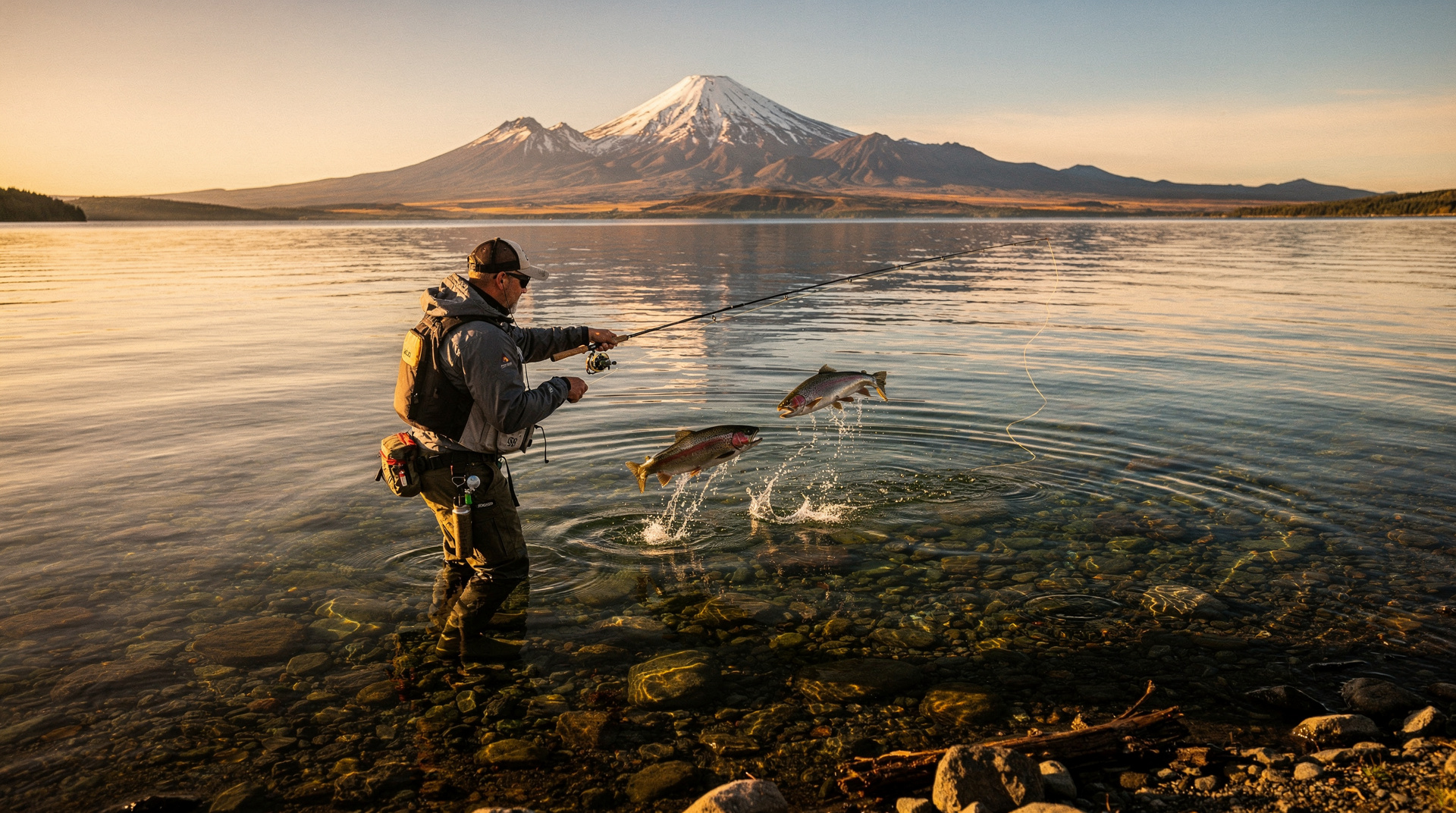
Lake Taupo and its tributary rivers are world-famous for trout fishing. The lake was stocked with rainbow trout from California in the 1880s and with brown trout shortly after — both species have thrived in the cold, nutrient-rich waters and their descendants now number in the millions.
Fishing the lake and rivers requires a special Taupo Fishing Licence (separate from the standard New Zealand freshwater fishing licence, NZD 25 / USD 15 / EUR 14 for a 24-hour licence). Guided fly-fishing on the Tongariro River (which drains into the southern end of the lake) is one of New Zealand’s most celebrated fishing experiences — runs of large rainbow trout moving between the lake and river are exceptional from autumn through spring. Guided half-day fly fishing trips run approximately NZD 350–550 / USD 210–330 / EUR 193–303.
Even non-fishing visitors may notice the evidence: the Taupo Fishway (a fish ladder at the lake outflow) and the regular sight of guides and tourists fly-fishing the Tongariro River around Turangi.
Cycling in the Taupo region
The Taupo region has invested significantly in cycling infrastructure. The Great Lake Trail is an 84-km multi-day mountain bike and walking trail that circumnavigates a large portion of the lake’s western and northern shores, including several backcountry sections accessible only on foot or bike. Sections of the trail are suitable for family cycling; others require technical skills on single-track terrain.
The Spa Park section of the trail near Taupo township is an easy, well-maintained riverside path suitable for casual cycling. Bike rental from NZD 35–65 / USD 21–39 / EUR 19–36 per half day from operators near the lake shore.
For road cyclists, the Taupo Cycle Challenge (held annually in November) is one of New Zealand’s largest cycling events — a 160-km circuit of the lake. The roads used by the event (particularly SH1 south along the eastern shore) are also excellent for recreational cycling on any day of the year.
The Great Lake Trail’s Waihaha section, on the lake’s remote western shore, is the most technically demanding and least visited part of the network — accessible only by boat shuttle or a long approach ride, it rewards experienced mountain bikers with genuine backcountry riding and campsite-only overnight options. Most visitors are better served by the accessible Whakaipo Bay to Kinloch section (22 km one-way, well-graded, achievable by intermediate riders in half a day), which is the most popular single-day section of the full trail after Spa Park.
Wairakei geothermal: energy and landscape
The Wairakei Geothermal Power Station north of Taupo has been operating since 1958 — one of the world’s oldest commercial geothermal power stations. New Zealand generates approximately 17% of its electricity from geothermal sources, and the Wairakei-Tauhara field is one of the main contributors.
The landscape around the power station is distinctive: white pipes carrying superheated steam run across the earth in multiple directions, and steam plumes rise constantly from the extraction fields. There is no formal visitor centre at the main station, but the Craters of the Moon geothermal walkway (NZD 10 / USD 6 / EUR 5.50 entry, 45 min walk) adjacent to the power station provides an accessible and impressive look at the active geothermal landscape — mud pools, steaming vents, craters, and silica-crusted terracing.
Hot pools and thermal soaking near Taupo
Taupo sits within the Taupo Volcanic Zone, so natural hot water is never far away. Taupo DeBretts Spa Resort, on the southern edge of town, has a series of mineral hot pools ranging from warm to genuinely hot, plus water slides that make it a good option for families. Entry NZD 25–35 / USD 15–21 / EUR 14–19. Open daily.
Otumuheke Stream (Spa Park), a free natural hot stream where hot spring water mixes with the cooler Waikato River, is a genuinely excellent free alternative — locals soak here year-round, and it sits on the Great Lake Trail’s Spa Park section, so you can combine a soak with a riverside walk or cycle. Go early morning or late afternoon to avoid the busiest window; it has no facilities and can get crowded on weekends.
For a quieter, more contained thermal experience, several smaller day spas around town (including options attached to Taupo motels) offer private hot tubs on mineral water, generally NZD 40–70 / USD 24–42 / EUR 22–38 per session.
Ngati Tuwharetoa and the mana of the lake
Beyond the brief mention above, it’s worth understanding Ngati Tuwharetoa’s relationship to Lake Taupo in more depth, because it shapes how the lake is managed today. In 1887, paramount chief Horonuku Te Heuheu Tukino IV gifted the peaks of Tongariro, Ngauruhoe, and Ruapehu to the Crown specifically to protect them from private sale — the same act of foresight that created Tongariro National Park (see the Tongariro National Park guide).
Ngati Tuwharetoa’s authority did not end there: in 1992, a Treaty of Waitangi settlement returned the lakebed of Lake Taupo itself to Ngati Tuwharetoa ownership, while public fishing and boating rights were preserved through a joint management arrangement with the Crown — an unusual and significant precedent for how iwi and government now co-manage a major North Island lake.
This is part of why the Taupo Fishing Licence (separate from New Zealand’s standard freshwater licence, mentioned below) exists — the licence fee structure reflects Ngati Tuwharetoa’s ownership interest in the lake’s fishery. Understanding this context adds real depth to a rock-carvings cruise or a fishing trip: you are visiting land and water under active Maori guardianship, not just a scenic backdrop.
Frequently asked questions about Taupo
Is Taupo worth two nights?
Yes, for most visitors. Two nights allows the jet boat and a lake cruise on day one, the Tongariro Alpine Crossing on day two (if hiking is a priority) or alternative adventure activities. One night is a common option for through-travellers, but the town rewards an extra day.
What is the best activity in Taupo?
Subjectively: tandem skydiving over the lake on a clear day is extraordinary. Objectively most accessible: Huka Falls jet boat (30 minutes, no booking requirements, appropriate for all ages). For cultural depth: the Maori rock carvings sailing cruise.
Is Lake Taupo suitable for swimming?
Yes, though the water is cold — around 16–20°C in summer (January–February), colder outside this window. The main town beach and several bays around the lake are suitable for swimming. There are no sharks or dangerous wildlife in the lake.
What is Matariki and does it affect Taupo?
Matariki is the Maori New Year, celebrated when the Pleiades star cluster rises in late June or July. Since 2022 it is an official New Zealand public holiday. In 2026, Matariki falls on Friday 10 July. Some Taupo businesses close, and there may be local celebrations around the lake. It does not significantly affect visitor access to activities.
Can I see the Tongariro Alpine Crossing from Taupo?
On a clear day you can see Mount Tongariro, Mount Ngauruhoe (the cone used as Mount Doom in the films), and Mount Ruapehu from Taupo township and from the lake. The crossing itself starts at Mangatepopo car park (75 km southwest). Shuttle services depart from Taupo early morning during the October–April walking season.
Is Taupo safe for solo travellers?
Yes — Taupo is a well-managed, tourist-oriented town with good lighting, clear streets, and no significant safety concerns. Standard travel awareness applies.
What is the best time of year to visit Taupo?
Year-round is genuinely accurate. Summer (December to April) gives the warmest lake weather and best conditions for outdoor activities including the Tongariro Alpine Crossing. Winter (June to September) is ski season at Mt Ruapehu (75 km south) and the town is quieter. October and November are ideal shoulder months: trails are opening, activity operators are running, and prices are below peak. The lake is cold for swimming year-round, but all land-based and boat activities run regardless of season.
Can I drive a campervan to Taupo?
Yes — Taupo has excellent campervan infrastructure. Multiple holiday parks and freedom camping sites ring the lake. The Taupo Boat Harbour holiday park and Reid’s Farm (Huka Falls area) are popular freedom camping sites (self-contained vehicles only, NZD 0–15 per night). SH1 and SH5 approaching Taupo from the north and south are well-suited to campervans. See the campervan guide for North Island planning tips.
Top experiences: Lake Taupo
See all →Guides for Taupo
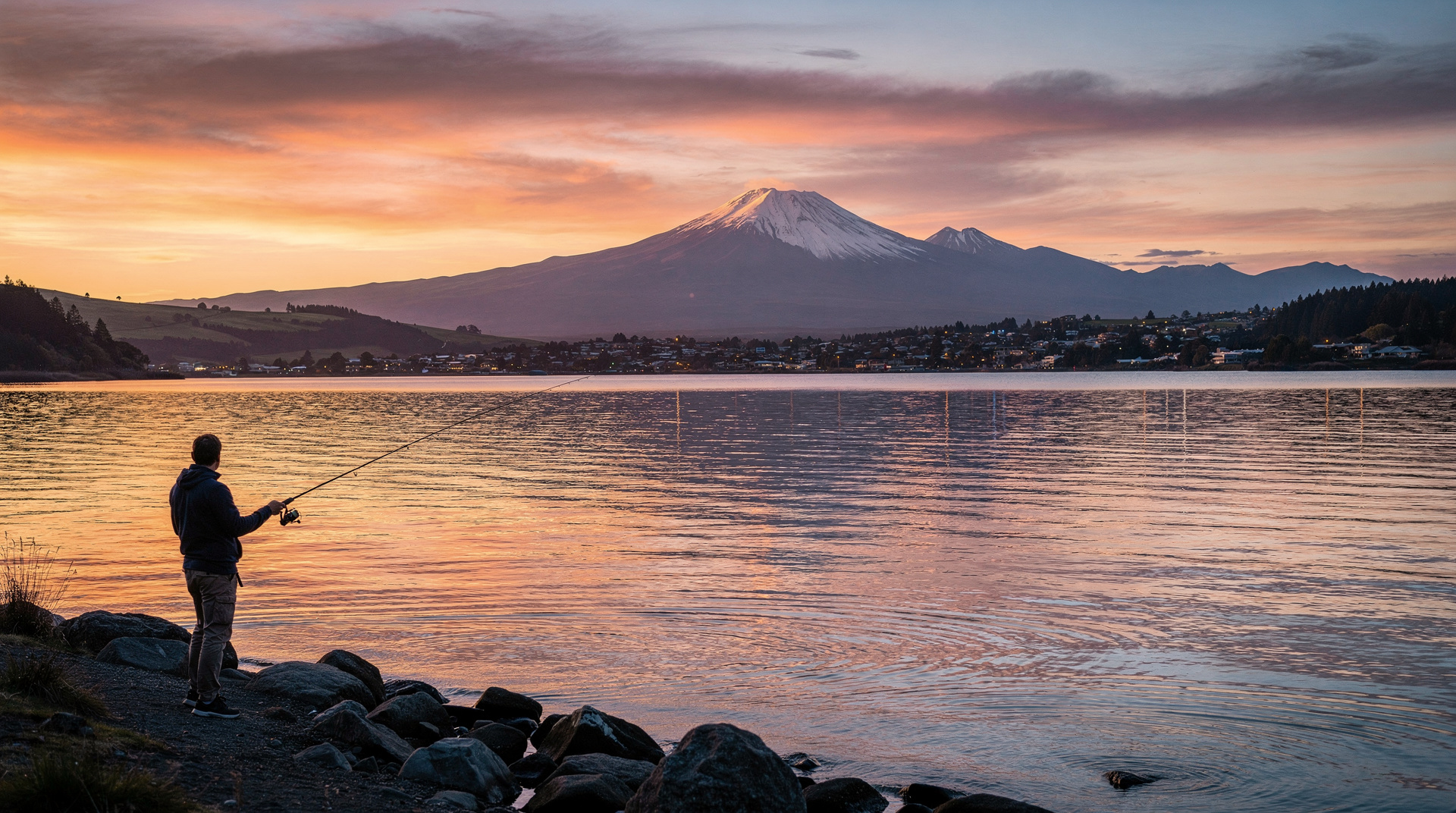
Lake Taupo — guide to New Zealand's largest lake
Lake Taupo guide: NZ's largest lake formed by supervolcano caldera. Maori rock carvings cruise, skydive above the lake, Huka Falls, and Tongariro access base.
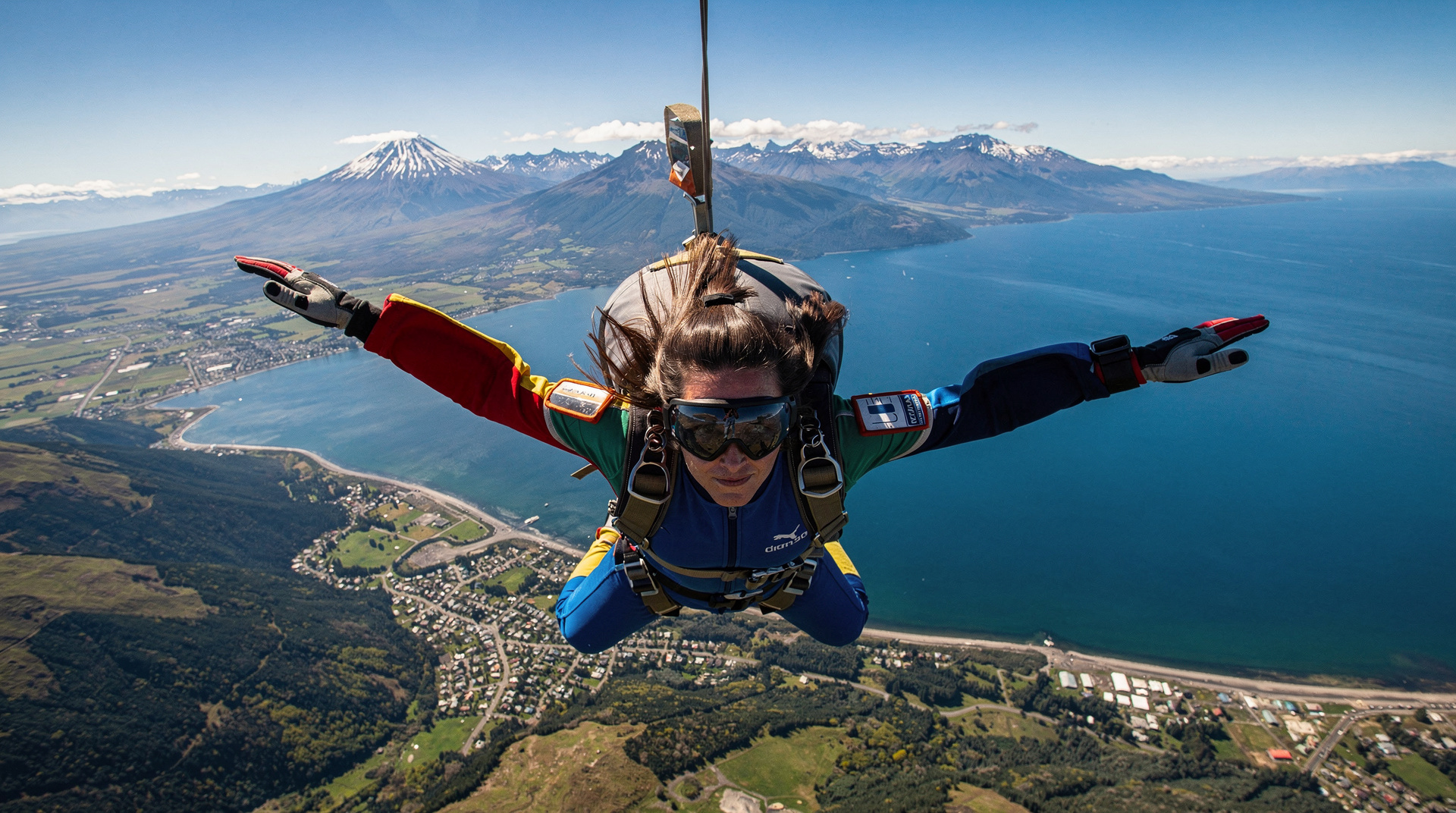
Skydiving in Taupo — New Zealand's highest tandem jump
Taupo skydiving guide: NZ's highest tandem at 15,000 ft over Lake Taupo. Prices NZD/USD/EUR, operator comparison, age limits, and best booking tips.
Related guides
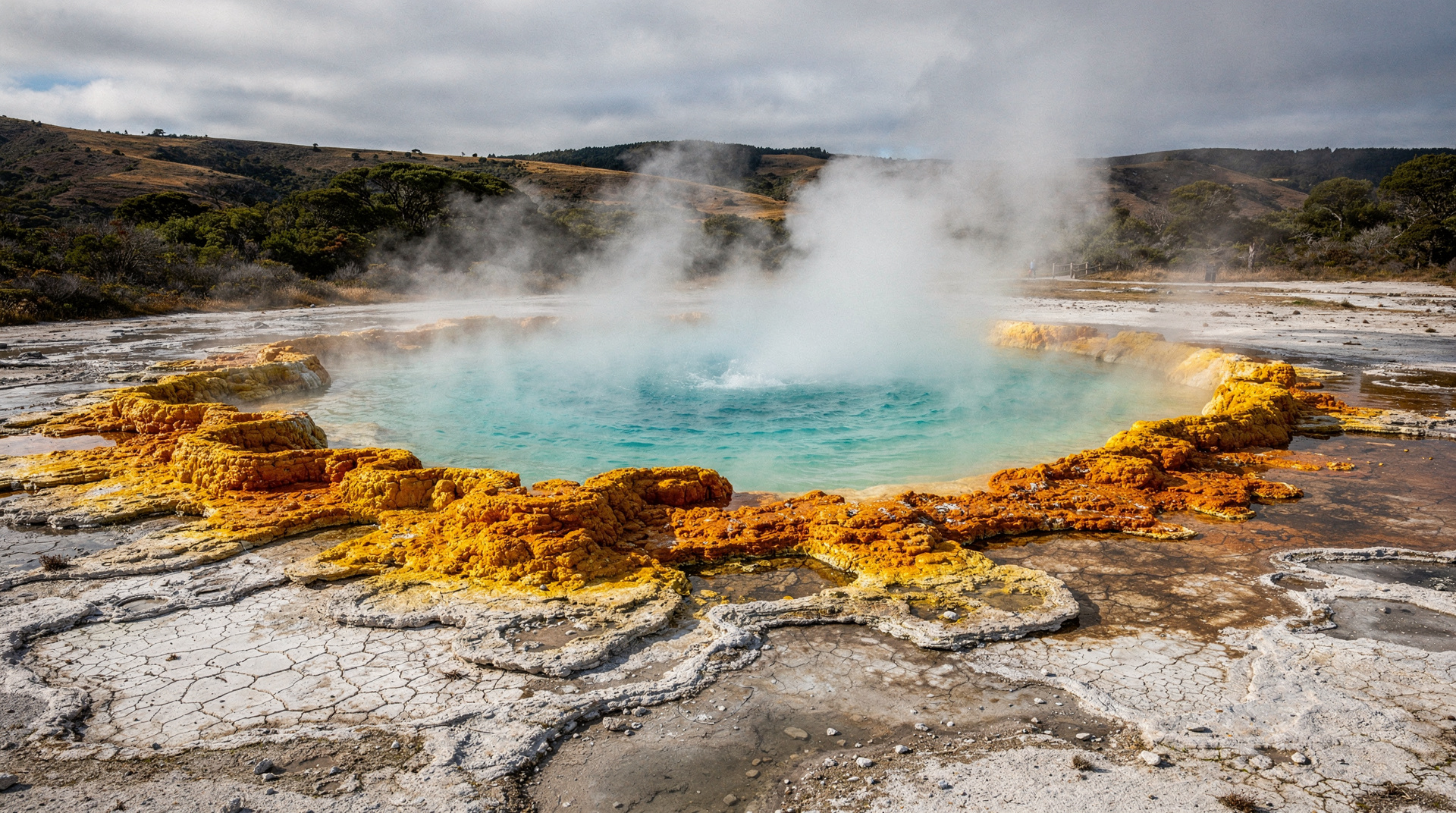
Rotorua
Honest Rotorua guide: Te Puia, Wai-O-Tapu, Polynesian Spa, Maori hangi, real prices NZD/USD/EUR, tourist traps to avoid, and best 2 days.
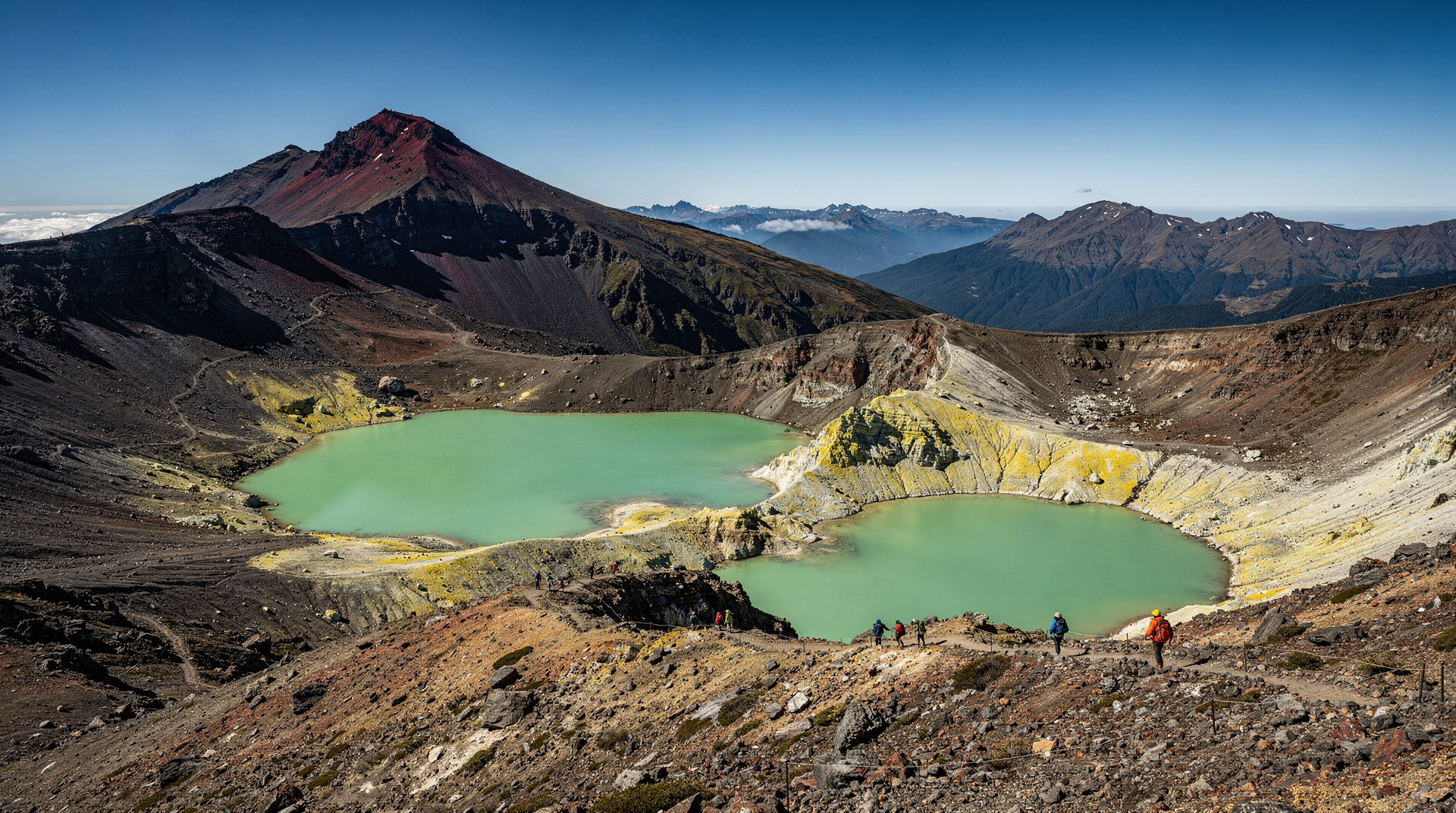
Tongariro National Park
Honest Tongariro guide: Alpine Crossing hike, Mt Ruapehu ski, Ngauruhoe, shuttle logistics, real prices NZD/USD/EUR, and what to expect on the track.
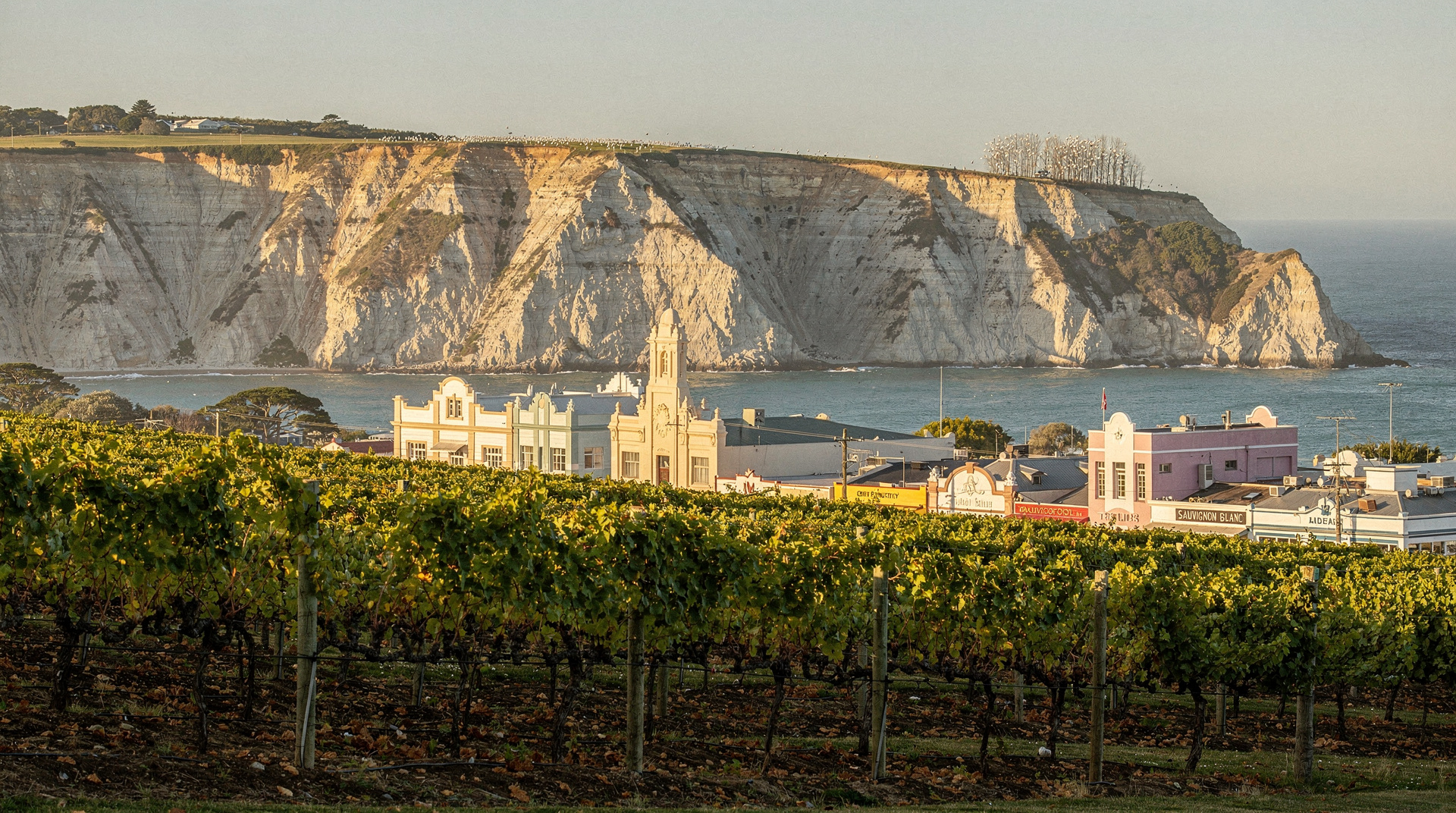
Hawke's Bay
Honest Hawke's Bay guide: Napier Art Deco, Marlborough-rivalling wines, Cape Kidnappers gannets, real NZD/USD/EUR costs. Best time to visit and what to skip.
Skydiving in Taupo — New Zealand's highest tandem jump
Taupo skydiving guide: NZ's highest tandem at 15,000 ft over Lake Taupo. Prices NZD/USD/EUR, operator comparison, age limits, and best booking tips.
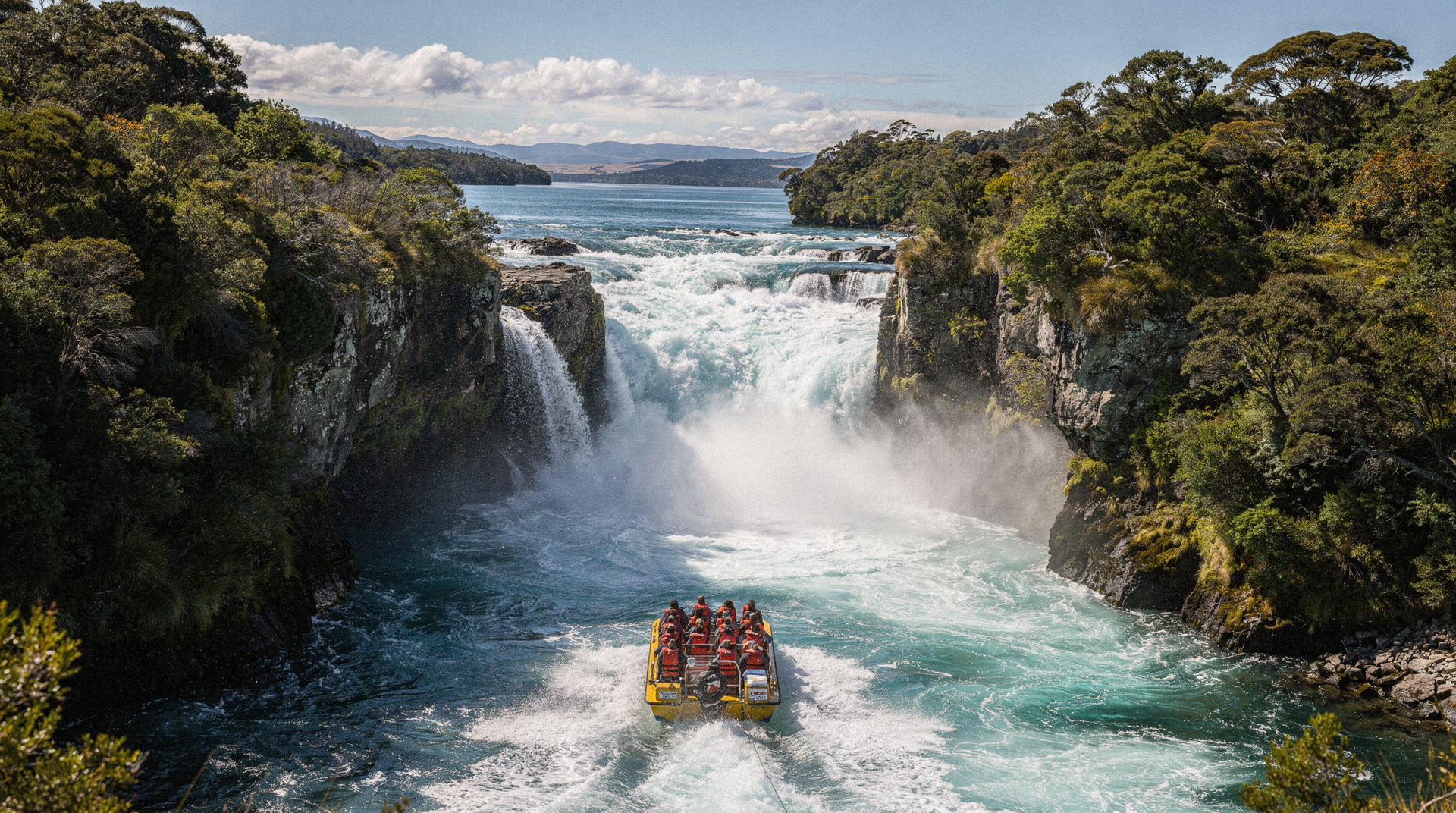
Taupo day trip from Rotorua
How to do a Taupo day trip from Rotorua: 1-hour drive, Huka Falls, Maori rock carvings cruise, skydiving, costs in NZD/USD/EUR, and best itinerary structure.
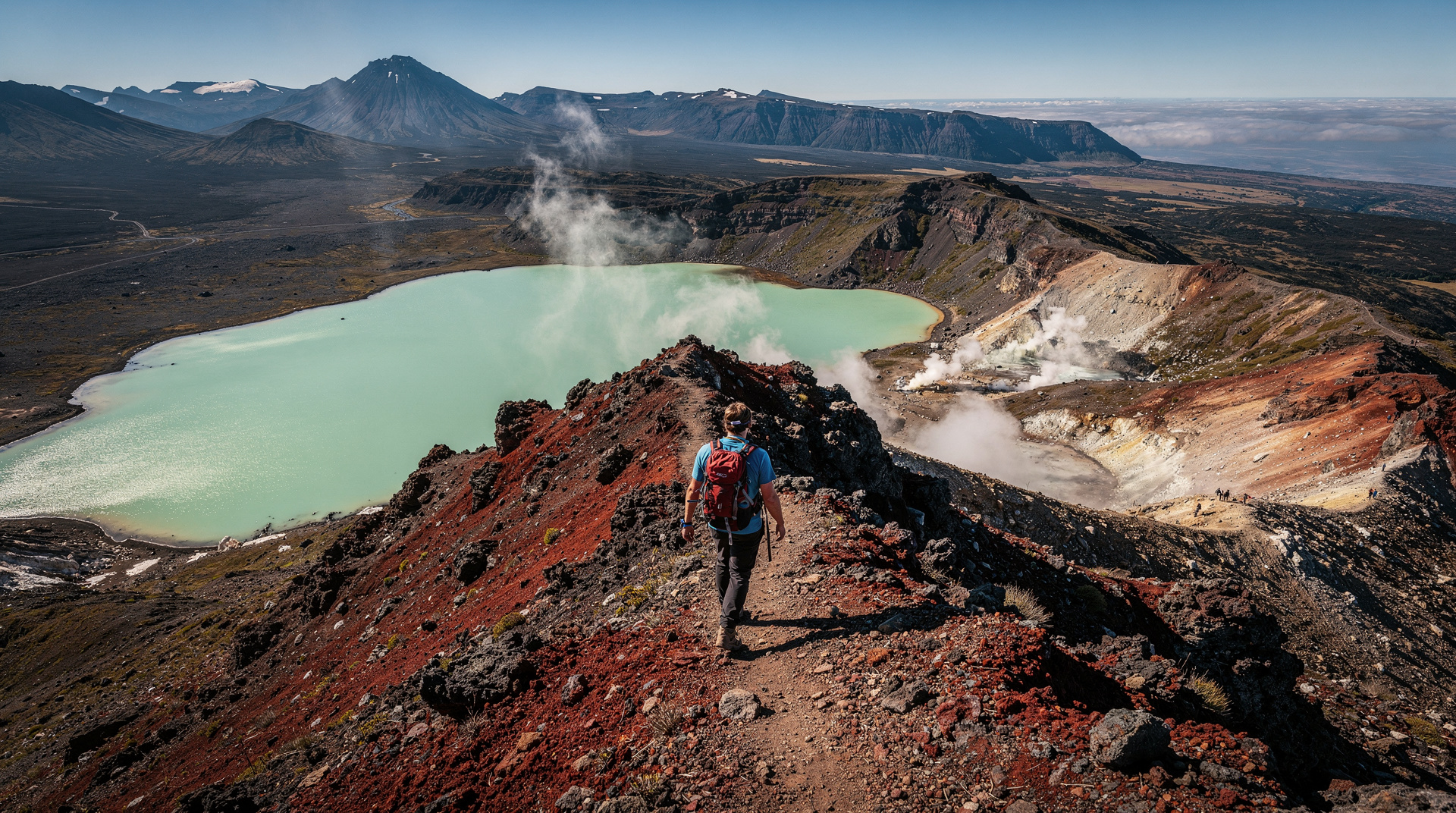
Tongariro Alpine Crossing
Honest Tongariro Crossing guide: 19.4km, 7-9 hours, shuttle logistics, gear, and why winter without a guide has killed people.
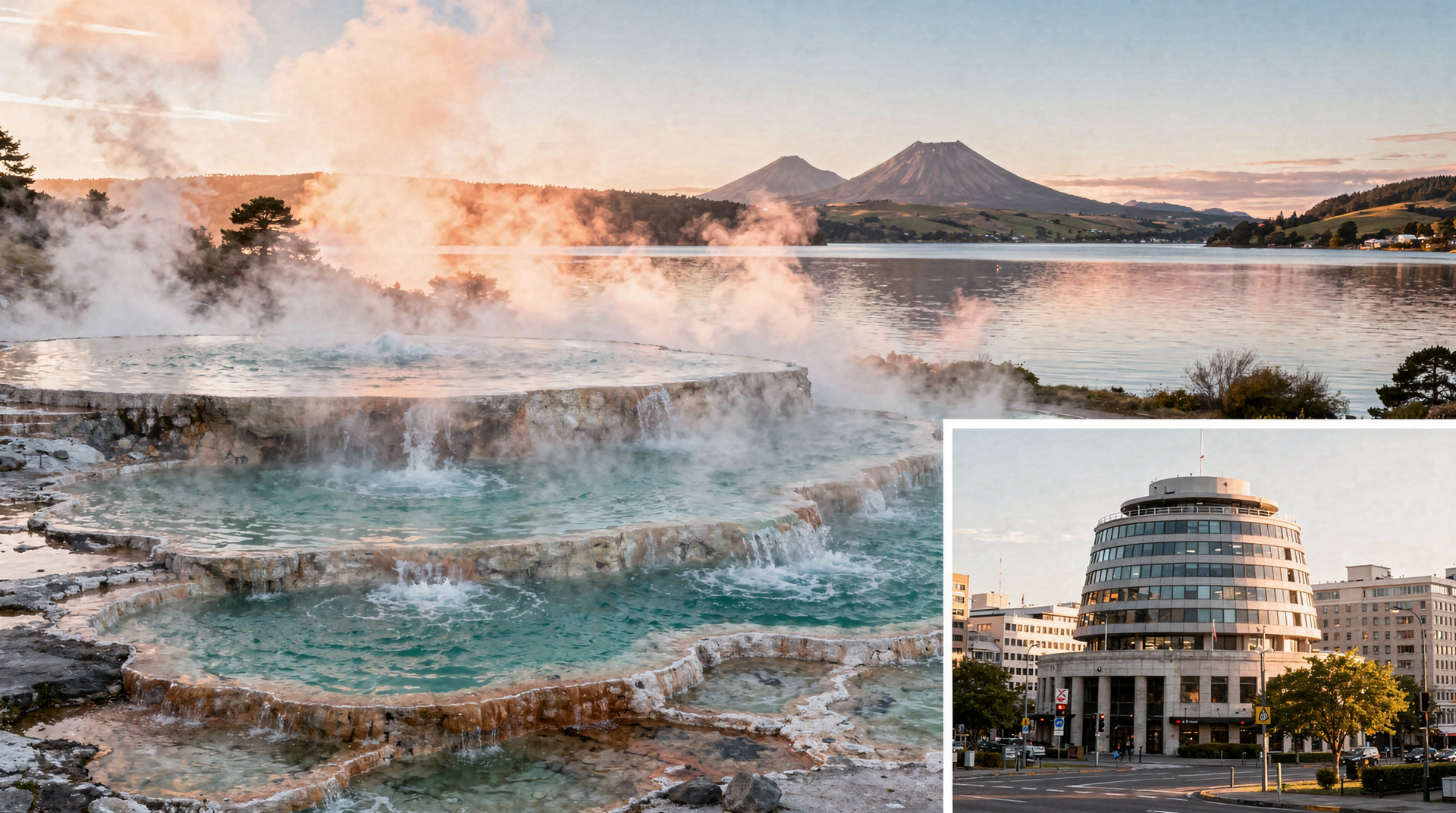
7-day North Island itinerary — the essential highlights
Auckland → Bay of Islands → Hobbiton → Waitomo → Rotorua → Taupo → Tongariro → Wellington. 7 days, both car and costs covered honestly.
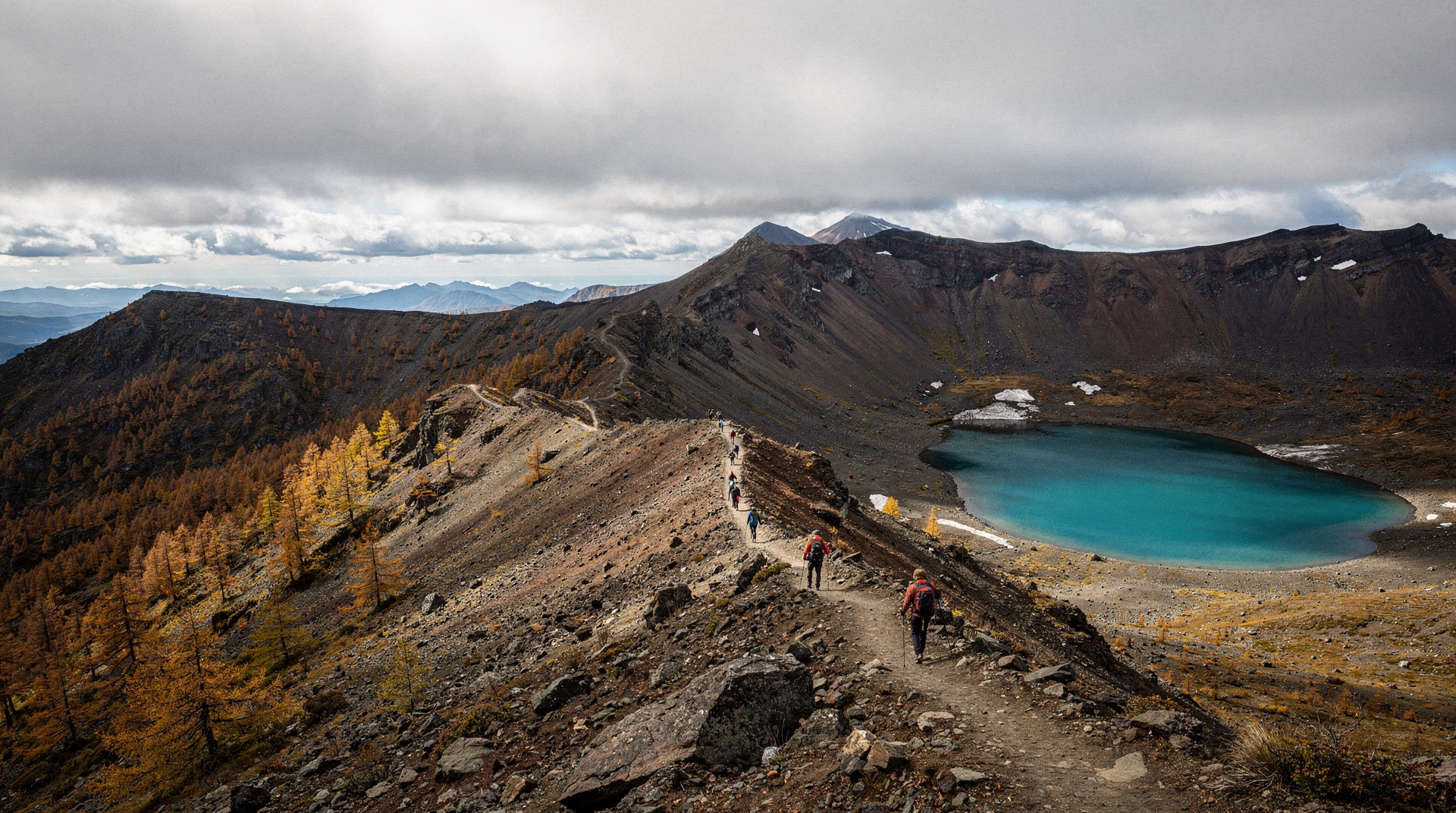
The Tongariro Crossing in shoulder season — a hard-won lesson
Doing the Tongariro Alpine Crossing in April: what the weather actually does, what the shuttle logistics look like, and what I got wrong.
Last reviewed: