
Banks Peninsula Track — private coastal walk near Akaroa
How do I book the Banks Peninsula Track?
Book directly at bankstrackschristchurch.co.nz — it's a private walk on farmland, not a DOC track. The all-inclusive fee (NZD 350-430 per person for 4 days) covers huts, transport from Akaroa, and farmland access. Hector's dolphins (world's smallest) are a near-certainty on the coastal section. October to April season.
New Zealand’s most exclusive coastal walk
The Banks Peninsula Track is 35 kilometres of private coastal farmland walk on the outer rim of the ancient volcanic crater that forms Banks Peninsula — one of the most geologically dramatic landscapes in the South Island. The walk is entirely privately operated: farmers on whose land the track crosses have formed a cooperative that manages bookings, maintains huts, and provides transport from Akaroa. If four days is more than you have, the Akaroa day trip from Christchurch covers the same Hector’s dolphin habitat and French-village atmosphere in a single day.
The result is a more intimate experience than any DOC Great Walk. Groups are small, the huts are private and comfortable, and the coastal terrain — sea cliffs, sheltered coves, native bush reserves, working sheep farms — is entirely different from the mountain scenery that dominates South Island walking.
The primary reason to do it: Hector’s dolphins, the world’s smallest and rarest dolphin, inhabit the bays of Banks Peninsula in significant numbers. The coastal section of the walk passes through their core habitat, and encounters on the water (by snorkelling or simply swimming) are among the most memorable wildlife experiences in New Zealand.
Quick stats
| Detail | Value |
|---|---|
| Total distance | 35 km |
| Duration | 4 days |
| Cost (all-in per person) | NZD 350-430 / USD 210-258 / EUR 193-237 |
| Season | October to April |
| Booking | bankstrackschristchurch.co.nz |
| Group size | Maximum 12 per night |
| Start/end point | Akaroa |
The all-inclusive cost
The Banks Peninsula Track fee includes:
- Accommodation in private huts (2-6 people per hut, with beds and mattresses)
- Transport by water taxi from Akaroa to the start of Day 1
- Farmland access fees to all 7 properties the track crosses
- Firewood for hut cooking
Not included: food, sleeping bag, personal gear. Basic cooking facilities at each hut. Some huts have solar power; none have grid electricity. Hot showers at some huts, basic washing facilities at others. The cost makes it more expensive per kilometre than any DOC Great Walk, but the privacy and wildlife access justify it significantly.
The route
Day 1 — Akaroa to Flea Bay (9 km, 4-5 hours): Water taxi from Akaroa across the harbour to the starting farm. The track climbs immediately over volcanic headlands before descending to the rugged outer coast. Flea Bay is home to New Zealand’s only mainland Fiordland crested penguin (tawaki) colony — small but genuine, and unique to this location.
Day 2 — Flea Bay to Stony Bay (12 km, 5-6 hours): The longest and most demanding day, crossing several steep volcanic ridges above the open Pacific. The coastal views from the ridge crests are extraordinary. Stony Bay, the overnight stop, is a sheltered cove with Hector’s dolphin habitat directly below the hut.
Day 3 — Stony Bay to Otanerito (8 km, 3-4 hours): A shorter day to allow time for swimming, snorkelling, and wildlife observation. Otanerito Bay is one of the most important Hector’s dolphin habitats on Banks Peninsula. Morning snorkelling (self-guided) frequently produces close encounters. The hut at Otanerito is the most comfortable on the track.
Day 4 — Otanerito to Akaroa (6 km, 2-3 hours plus boat): The final section climbs over the crater rim and descends toward the harbour. The final leg back to Akaroa town is completed by water taxi. The Akaroa Harbour cruise on the return gives one more opportunity for dolphin and Hector’s sightings.
Hector’s dolphins: what to know
Hector’s dolphins (Cephalorhynchus hectori) are endemic to New Zealand coastal waters and critically endangered. The Banks Peninsula Marine Mammal Sanctuary was established specifically to protect the largest remaining population — approximately 800-1000 individuals.
At 1.2-1.5m in length, they are among the world’s smallest cetaceans. They are highly responsive to snorkellers and swimmers in their habitat — approaching within arm’s reach is documented and photographs exist from the Otanerito area.
Encounter rules: DOC regulations limit interaction distance for boats (10m minimum). Swimmers may approach from the surface. If dolphins are present, they approach swimmers rather than the reverse. Do not make rapid movements or dive toward them.
Guided wildlife tours from Akaroa (the Akaroa Day Tour with Harbour Cruise from Christchurch , NZD 95-120 / USD 57-72 / EUR 52-66) also offer Hector’s dolphin encounters without the walking commitment. See the dolphins at Akaroa guide for a fuller comparison of cruise-based versus track-based dolphin encounters.
Wildlife on Banks Peninsula
Beyond Hector’s dolphins, the outer peninsula supports:
Little blue penguin (kororā): Burrow throughout the coastal farmland. Night activity means you’ll hear them from the huts regardless of whether you see them on the track.
Flea Bay tawaki colony: 200-300 Fiordland crested penguins using Flea Bay as a summer breeding site. This is the only mainland colony in New Zealand — they normally breed only in Fiordland. Active November-February.
Fur seal: Common on rock platforms throughout the outer coast. The track passes several haul-out sites.
Kea and kākāpō: Not present on Banks Peninsula (they’re mountain and sub-alpine species), but the birdlife in the native bush reserves is excellent — bellbird (korimako) and fantail (pīwakawaka) commonly accompany walkers.
Getting to Akaroa
Akaroa is 85 km (1.5 hours) from Christchurch, accessible by rental car. The Christchurch: Akaroa and Banks Peninsula Day Trip runs day tours from Christchurch to Akaroa — not directly useful for a multi-day walk, but helpful for reconnaissance or a pre-walk rest day. NZD 85-105 / USD 51-63 / EUR 47-58.
Public transport to Akaroa is limited — a shuttle service from Christchurch operates in summer. Check current schedules when planning.
What to pack
The Banks Peninsula Track’s private huts are more comfortable than DOC huts but require self-catering:
- Sleeping bag (huts have mattresses, not linen)
- 4 days of food (cooking facilities provided)
- Swimwear and snorkelling mask (the Hector’s dolphin encounter doesn’t require gear rental)
- Sun protection (the volcanic ridges are fully exposed)
- Rain jacket (Canterbury weather is variable, particularly in spring)
Cost breakdown (NZD / USD / EUR)
| Item | NZD | USD | EUR |
|---|---|---|---|
| Track all-inclusive (per person) | 350-430 | 210-258 | 193-237 |
| Additional water taxi (if not included) | 35-55 | 21-33 | 19-30 |
| Akaroa accommodation (pre-walk night) | 80-220 | 48-132 | 44-121 |
| Akaroa harbour Hector’s dolphin cruise | 95-120 | 57-72 | 52-66 |
| Christchurch to Akaroa transport | 45-65 | 27-39 | 25-36 |
Frequently asked questions about Banks Peninsula Track — private coastal walk near Akaroa
What makes this different from a DOC Great Walk?
Privacy, small groups, and Hector’s dolphins. The maximum 12 people per hut means you’re unlikely to share with strangers. The private farmland setting is genuinely different from national park wilderness — working farms, sea cliffs, and native bush fragments rather than pristine wilderness. The DOC Great Walks (Milford, Kepler, Abel Tasman) offer more dramatic mountain scenery; the Banks Peninsula Track offers more intimate wildlife access.
Is the Banks Peninsula Track suitable for beginners?
The 35 km distance and private hut comfort make it manageable for most walkers. However, the coastal ridges involve significant elevation change (several 200-400m climbs per day), and the terrain is steeper and rougher than the manicured Great Walk paths. Reasonable fitness and comfortable walking shoes are required.
Can I do a single day on the Banks Peninsula Track?
No — the track is booked as a multi-day package only. For a single-day Banks Peninsula experience, the guided Akaroa harbour cruise (with penguin and dolphin wildlife) is the best alternative. The Akaroa: Pohatu Little Penguins 3-Hour Evening Experience accesses the Pohatu penguin colony for an evening wildlife experience. NZD 65-95 / USD 39-57 / EUR 36-52.
When is the best time to walk the Banks Peninsula Track?
November-March for warmest water temperatures (Hector’s dolphin snorkelling is best in warmer water) and most active penguin colonies. March and April offer more settled weather and fewer visitors. October is cooler but the Flea Bay penguin colony is at peak activity.
How it compares with the Great Walks
Most visitors weighing up multi-day walking in New Zealand start with the Great Walks, and it is a fair place to begin. The Kepler Track and the Abel Tasman Coast Track both put you in spectacular scenery with well-graded paths and a clear booking system run by DOC. The Banks Peninsula Track trades that polish for something quieter: smaller groups, working farms, and a coastline that few international visitors ever see on foot.
The practical difference is how the days feel. On a Great Walk you move with a steady stream of other walkers and the hut routine is shared by many. Here the evening is yours. You cook, swim, listen for penguins, and watch the light change over the bay with only a handful of other people around. If you want mountains and alpine lakes, choose a Great Walk. If you want sea, wildlife, and solitude, this is the better fit.
Reading the weather and the tides
Coastal walking asks different questions from mountain walking. Wind matters more than temperature on the exposed ridges, and a cool southerly can turn a pleasant morning into a harsh afternoon. Check the forecast before each day’s start, carry a windproof layer even in summer, and be willing to adjust your pace rather than push on tired. The operator’s briefing and the farm hosts are the best source of local conditions; their advice about the day ahead is worth more than any general forecast.
Water conditions affect the dolphin encounters too. Calm, clear mornings give the best visibility for snorkelling, while rougher days are better spent on the ridges. Plan your swimming around the weather rather than a fixed schedule, and always keep an eye on how cold you are getting. The sea here is cooler than many first-timers expect, so a wetsuit top or rash vest is a sensible thing to consider if you intend to stay in the water.
Walking with respect for the farms
Because the track crosses working farmland, you are a guest on land that people depend on for a living. Leave gates as you found them, keep to the marked route, and give livestock plenty of room. Dogs are not part of this experience, and the same applies to anything that might disturb stock or nesting birds. Carry out all rubbish, including food scraps, so that the penguins and other wildlife are not drawn to the huts.
This is also part of the appeal. The people who maintain the huts and the paths are the same families who farm the land, and the walk exists because they chose to share it. Treating the place with care keeps that arrangement alive for later walkers.
Planning the days around the walk
A four-day walk fits neatly into a wider South Island trip. Many walkers fly into Christchurch, spend a night in Akaroa before the start, and continue south or inland afterwards. Our 7-day South Island itinerary shows how a coastal stop can sit alongside the mountains and lakes. If you plan to hire a vehicle, read the driving in New Zealand guide first, since the road out to Akaroa is winding and slower than the map suggests. If you would rather not drive at all, see New Zealand without a car for ideas on getting around.
For a wider sense of the region, the Canterbury destination guide covers what else is nearby, and the day trips from Christchurch page lists easier outings for rest days or non-walking companions. If you are travelling with a partner or friend who does not want to walk for four days, they can enjoy the harbour and village while you are out on the track.
Choosing your season
The track runs through the warmer months, and each part of the season has its own character. Early in the season the farmland is green and the air is crisp, with fewer people around. Midsummer is the warmest and the best for swimming. Later in the season the weather often settles and the evenings stay pleasant. For a broader look at timing across the country, see the best time to visit New Zealand and the packing list for New Zealand, which helps you decide what to carry for variable coastal weather.
More wildlife to look for
If the penguins and dolphins capture your imagination, the wildlife in New Zealand overview shows where else to find them. The yellow-eyed penguins guide covers a rarer species further south, and the Otago Peninsula is a natural next stop for anyone who wants more coastal wildlife after finishing here. If you want a private, guided look at that region, a private tour of the city and the Otago Peninsula is one way to extend the trip.
Booking and what to expect on arrival
Bookings open well ahead of the October-April season and the most popular start dates (weekends, and any date coinciding with settled long-range forecasts) fill first. Payment is typically required in full at booking, and the operator sends detailed pre-departure information covering hut locations, transport pickup points in Akaroa, and a packing checklist. Groups are capped at a maximum of 12 per hut per night, so even in peak season the track never feels crowded the way a busy DOC Great Walk can in January. First-time trampers sometimes underestimate how remote the huts feel despite being on farmland rather than wilderness — mobile coverage is patchy to non-existent for most of the route, which is part of the appeal for many walkers.
Related guides and reading
Related guides
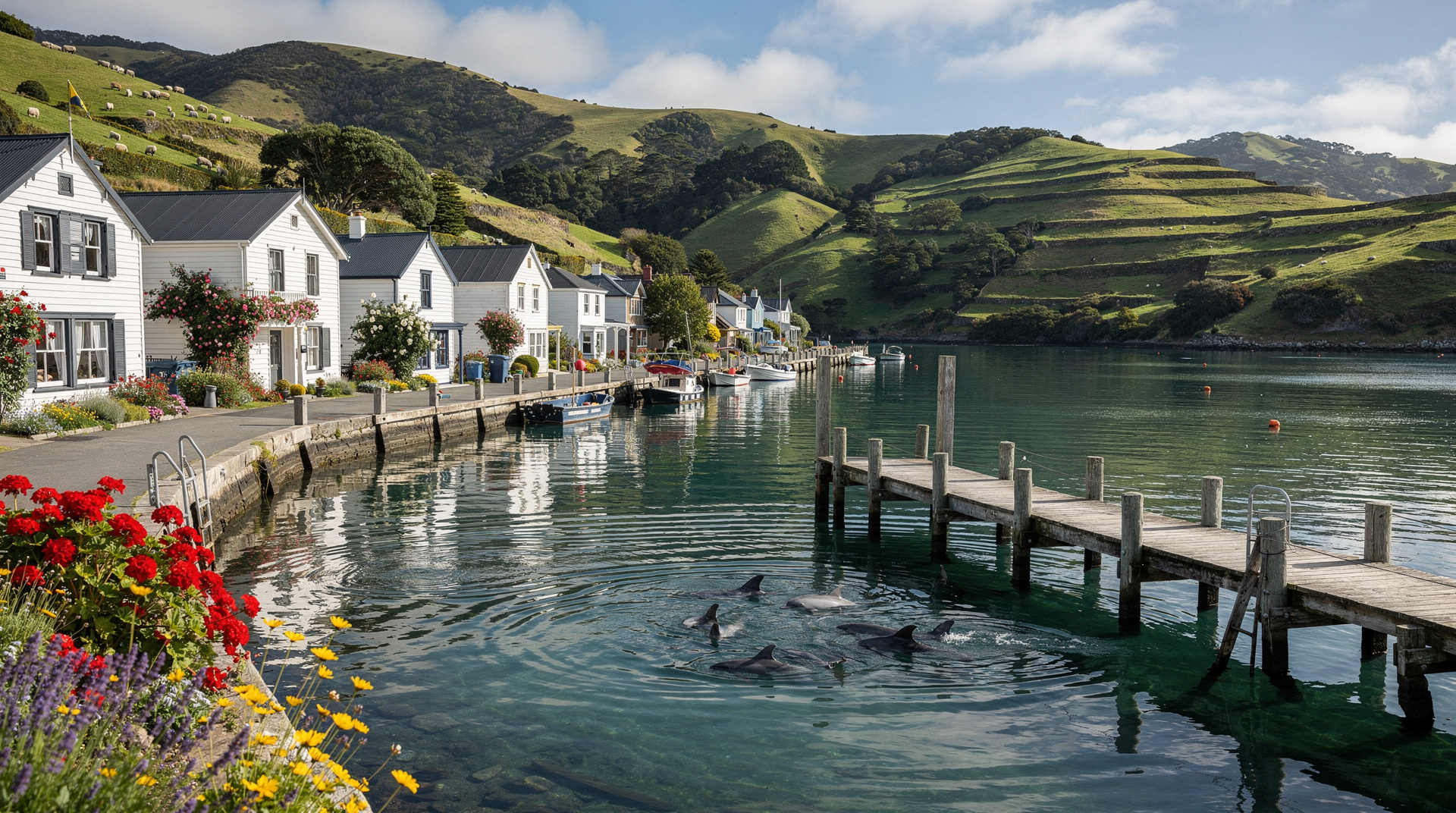
Akaroa
Akaroa: New Zealand's only French-founded town, Hector's dolphins, sea kayaking on Banks Peninsula. Day trip from Christchurch. Real costs NZD/USD/EUR.
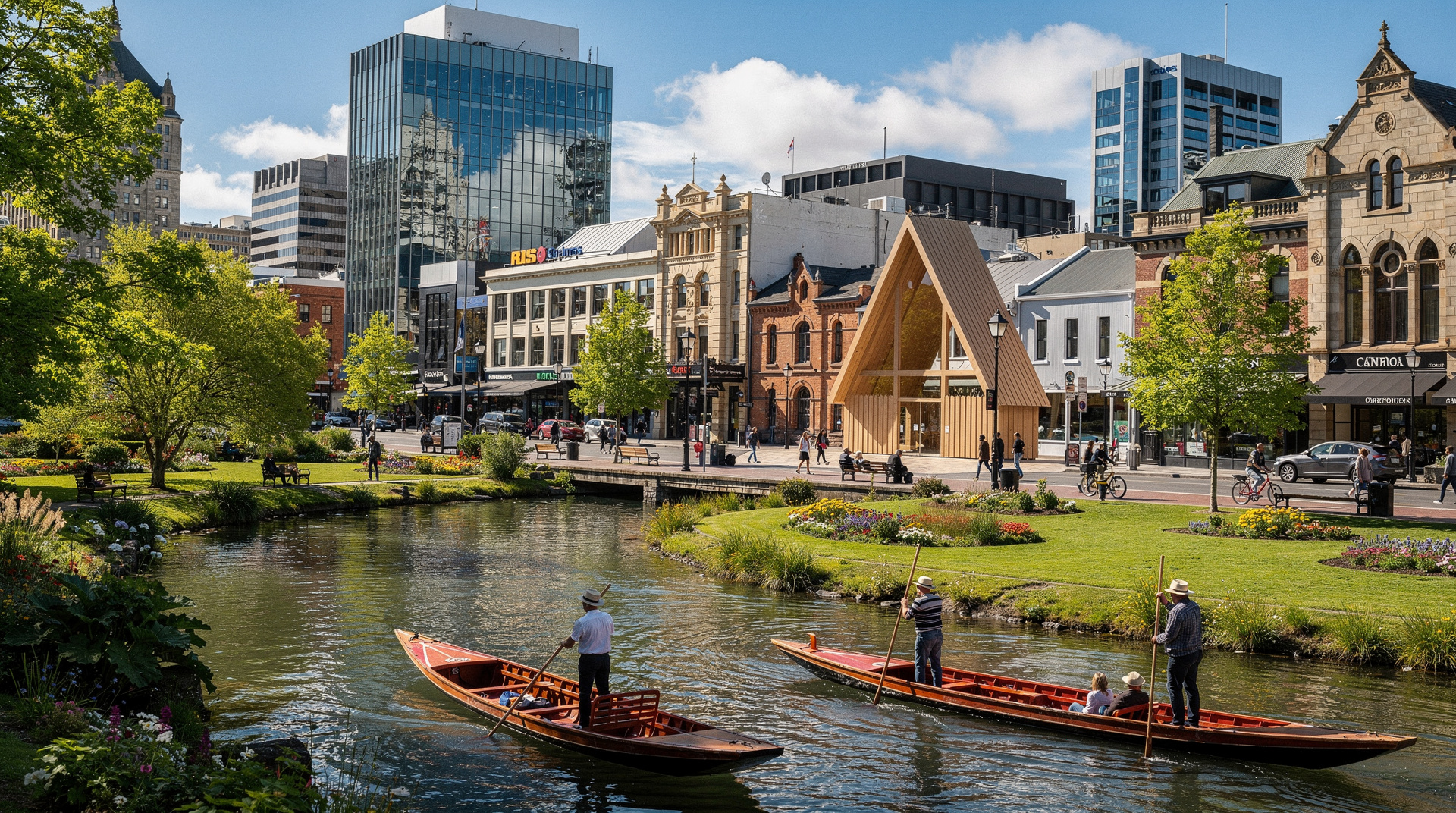
Christchurch
Honest Christchurch guide: the post-earthquake rebuild, best activities, Akaroa day trip — real NZD/USD/EUR prices and what's worth your time.
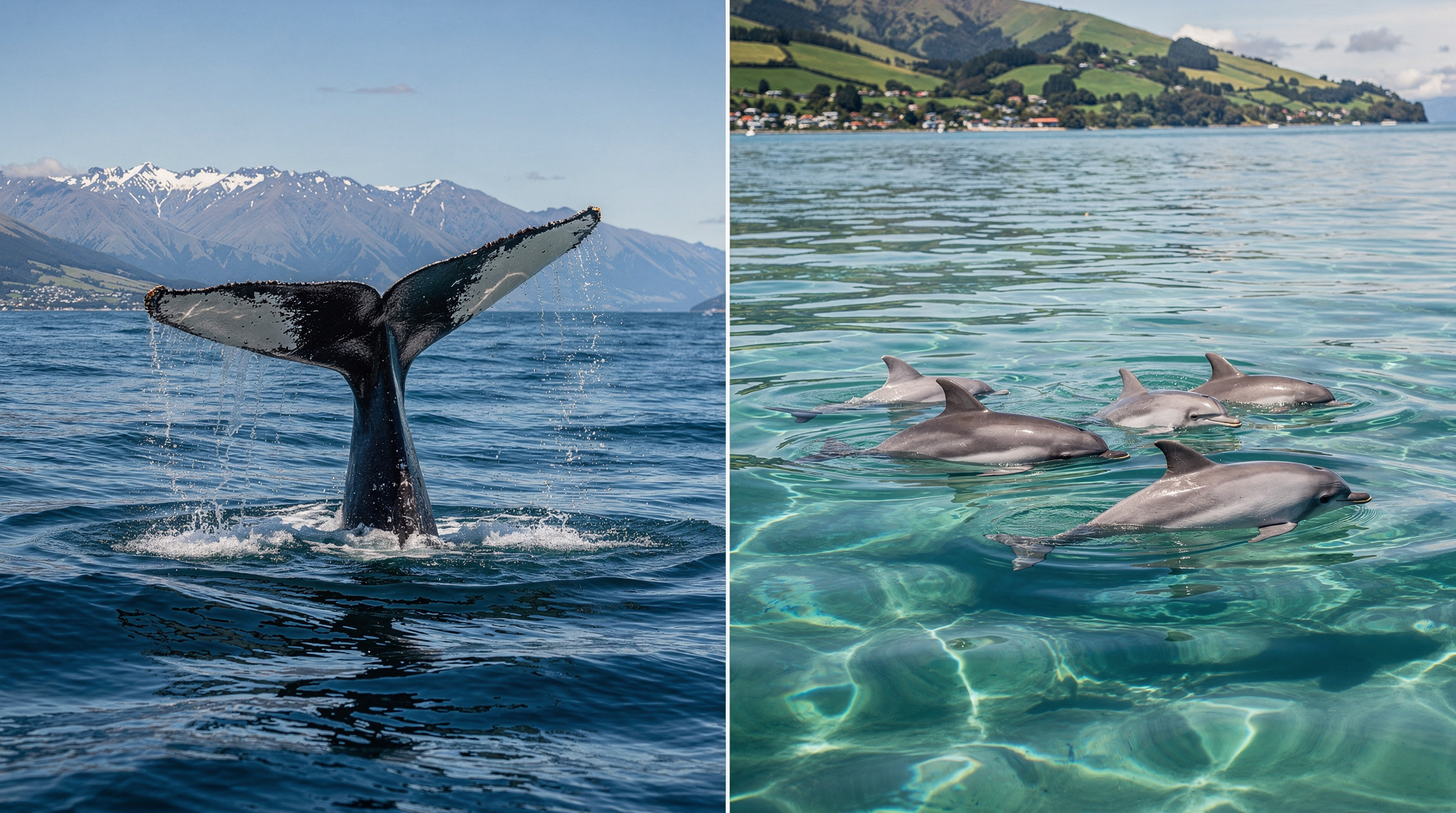
Kaikoura vs Akaroa for wildlife
Kaikoura vs Akaroa wildlife comparison: whales vs Hector's dolphins, sea kayaking, and which is better for a wildlife day from Christchurch. NZD/USD/EUR.
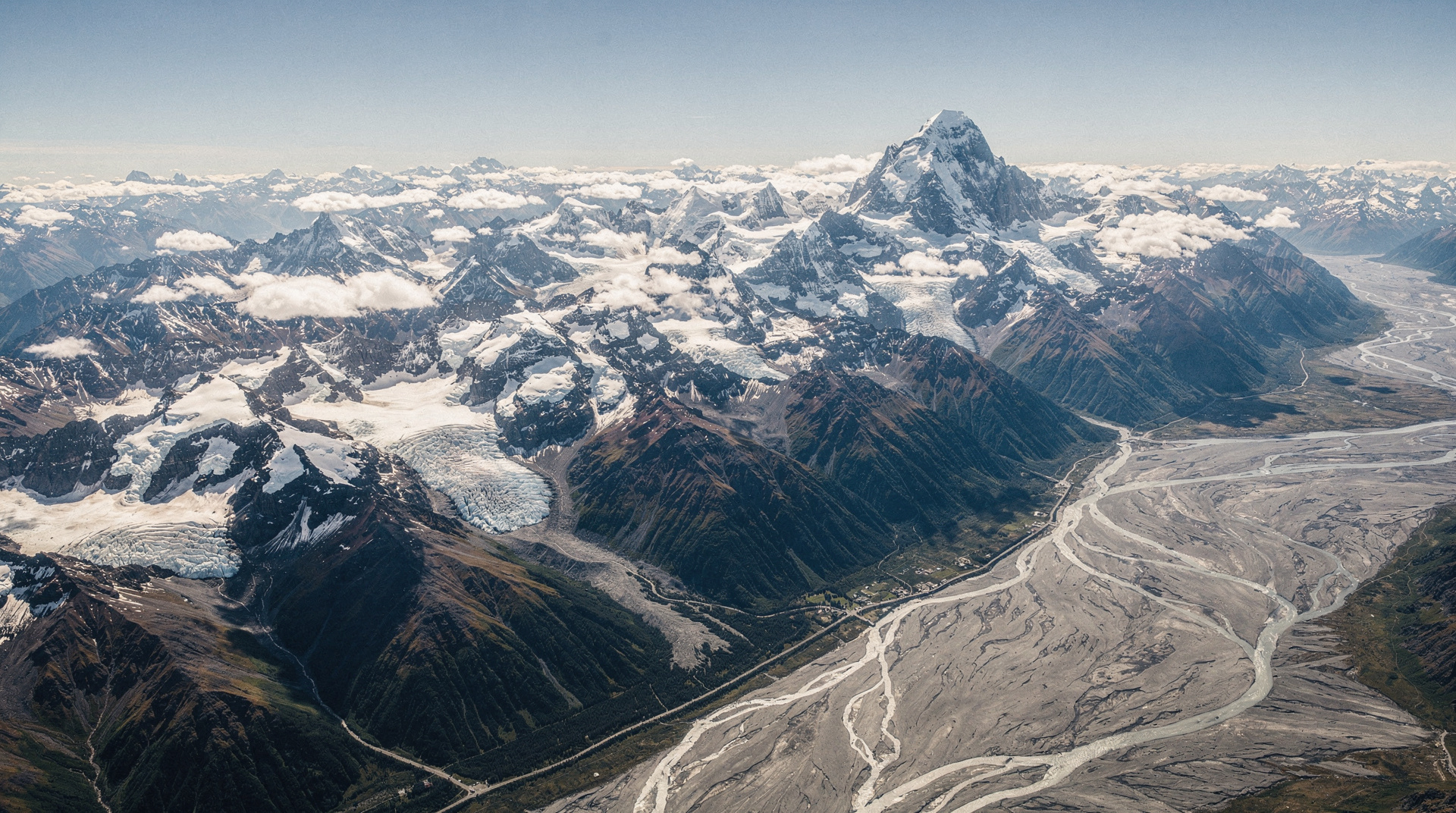
Southern Alps — overview of New Zealand's mountain spine
Southern Alps overview: 500km mountain spine, 19 peaks over 3000m, world's longest non-polar glaciers.