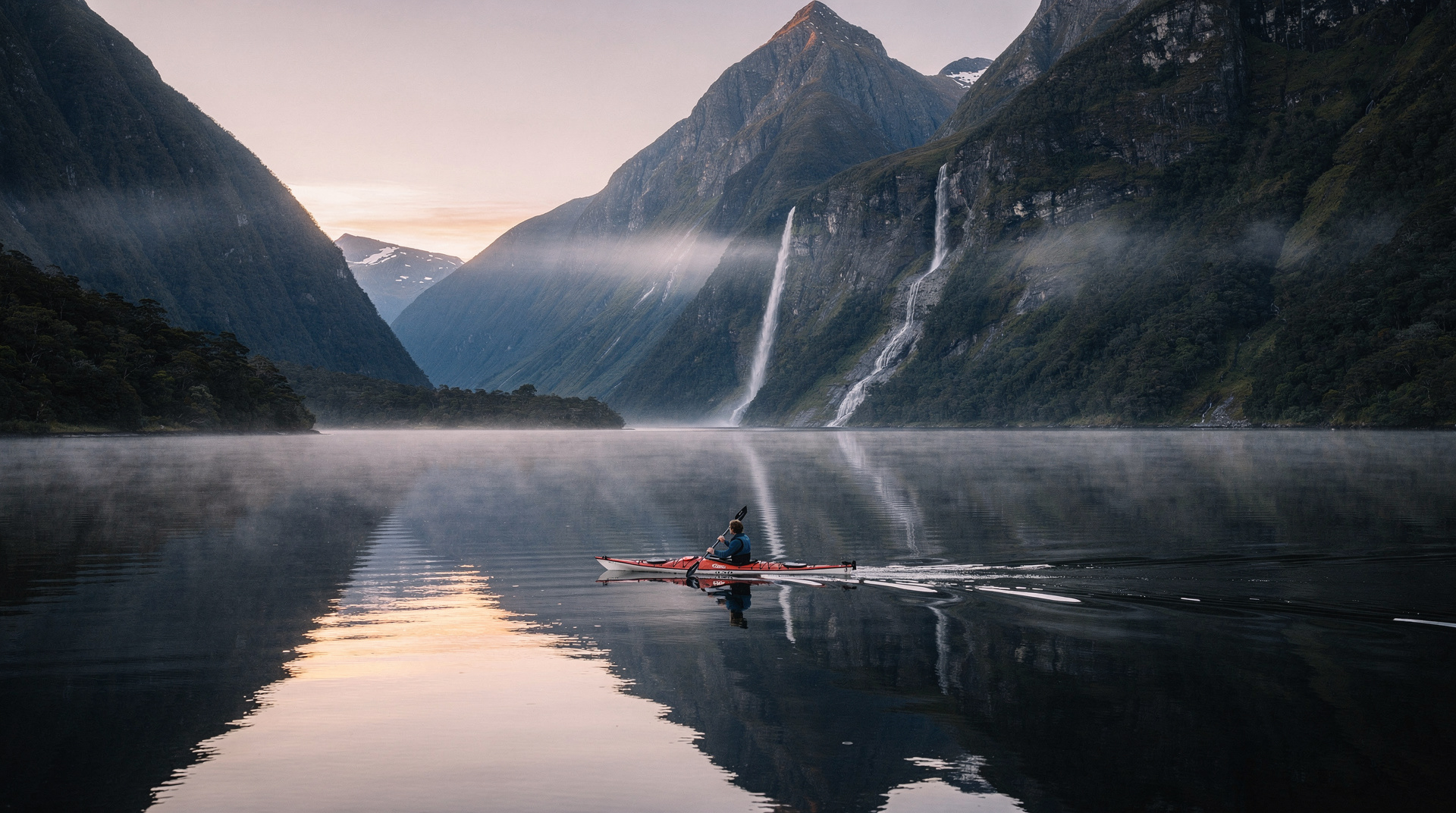
Kayaking in Milford Sound — paddling beneath the cliffs
Can you kayak in Milford Sound and how much does it cost?
Yes — guided kayak tours run NZD 120–180 / USD 72–108 / EUR 66–99. Paddling beneath the 1,200m cliff faces and getting close to fur seals and waterfalls is the best way to experience the scale of the fiord. More intimate than a cruise, rain makes it better not worse.
Paddling beneath 1,200-metre walls in a World Heritage fiord
Milford Sound — Piopiotahi — receives 7,000mm of annual rainfall. The cliff faces above the fiord measure 1,200m from waterline to ridgeline. The peaks above the main valley reach 1,692m at Mitre Peak (Rahotu). These numbers define the kayak experience.
At water level in a kayak, the scale is physically incomprehensible in a way that a cruise boat — with its deck railings, passenger numbers, and internal café — partially moderates. From a kayak, there is nothing between you and the cliff face except flat water. When the waterfalls cascade after rain, they hit the water close enough to generate spray. The fur seals on the rocks at Sterling Falls and Harrison Cove are at eye level. The scale only makes sense from the water, in a small craft.
Rain is not a reason to reschedule. Milford Sound in rain is operationally different: temporary waterfalls appear on every cliff face (hundreds of them, where there are none in dry weather), the mountains produce cloud drama that photographs cannot capture, and the characteristic Milford atmosphere — dark, ancient, vast — is most present in wet conditions. Every kayak operator in Milford works rain; they operate with appropriate gear and the experience is frequently cited by guides as better in rain than sun.
Verdict: Splurge. Add it to your Milford day regardless of whether you’re also doing a cruise. They complement rather than duplicate each other.
| Where | Milford Sound jetty area, Fiordland National Park |
| Cost | around NZD 120-180/person, guided tour |
| Time needed | 3 hours standard; longer for kayak+cruise combo |
| Getting there | 2hrs drive from Te Anau via Milford Road (SH94) |
| Best time | Any season — rain enhances the experience |
Guided kayak tours
The principal kayak operator in Milford Sound is Rosco’s Milford Kayaks, which has operated in the fiord for decades with an excellent safety record. Tours depart from the Milford Sound jetty area.
Milford Sound: Kayak TourStandard guided morning kayak (3 hours): NZD 120–145 / USD 72–87 / EUR 66–80. Covers the main fiord sections including the Sterling Falls approach, the seal rocks at Harrison Cove, and the view to Mitre Peak from the middle of the fiord.
Kayak and cruise combination: Some visitors do the morning kayak followed by the afternoon cruise — the combination gives you the intimate, at-water-level perspective in the morning and the full-length fiord traverse (the cruise goes further out toward the Tasman Sea) in the afternoon.
Milford Sound: Cruise & Kayak ComboWhat the kayak experience covers
The approach to Sterling Falls: The most powerful waterfall accessible by kayak in the main fiord. At high flow (after rain), paddling close to the falls base puts you in a mist radius of 30–50 metres. The roar at close range is disorienting.
Fur seals at Harrison Cove: New Zealand fur seals (kekeno) haul out year-round on the rocky shelves. Kayaks can approach at the legally permitted 20m distance — the seals are indifferent to kayak presence in a way they’re not to cruise boat engines.
Mitre Peak (Rahotu): The 1,692m peak is the iconic image of Milford Sound. From a kayak in the middle of the fiord, directly below the peak, the scale is felt rather than seen. Photography from this position fails to convey depth — the subjective experience is better than any photo.
Bottlenose dolphins: A resident pod uses Milford Sound as part of its range, and sightings from a kayak — sometimes riding the small wake near the boat — happen often enough that guides mention them without overpromising. They are not guaranteed on any single trip, but frequent enough across a season that repeat visitors often see them eventually.
The underwater world visible from the kayak: The water in Milford Sound is dark (fresh water sits above salt water due to the rainfall — the mixing zone is at 5–10m depth). This tannin-stained fresh layer creates an unusual optical effect: the water appears black rather than blue, and the cliffs continue below the waterline in reflection. A minor form of deep-sea life has evolved to live in shallower water here than anywhere else because the dark water filters UV at the surface — a unique ecological adaptation visible from a kayak as you paddle over submerged cliff faces.
Kayak vs cruise — which to choose
| Kayak | Cruise | |
|---|---|---|
| Distance covered | Main fiord only | Full length, to the Tasman Sea |
| Proximity to cliffs/wildlife | At water level, very close | From deck, further off |
| Comfort | Cold, active, weather-exposed | Warm, seated, café on board |
| Group size | Small (guided pods) | Larger boat capacity |
| Best for | An intimate, active experience | Seeing the whole fiord in comfort |
Doing both in one day — kayak in the morning, cruise in the afternoon — is the option most guides recommend if your schedule and budget allow it.
Getting to Milford Sound from Te Anau
The only land access to Milford Sound is via the Milford Road (SH94) — 119 km from Te Anau, approximately 2 hours driving time. The road is spectacular and includes the Homer Tunnel (a narrow, unlit, one-lane tunnel through the rock of the Darran Mountains). Allow for potential queuing at the tunnel in peak season.
From Queenstown: Milford Sound is 286 km (approximately 4.5 hours) via Te Anau. The all-day coach-cruise-coach option from Queenstown is the most common tourist choice but produces a 13-hour day with only 3 hours at the fiord. The honest recommendation: stay overnight in Te Anau, drive yourself to Milford, do the morning kayak and afternoon cruise, return to Te Anau or continue south toward Invercargill.
From Queenstown: Milford Sound Cruise and Coach Day TripSeason and conditions
Summer (December–February): Warmest weather (still cool — Milford averages 15°C in summer), maximum tourists, maximum tourist infrastructure. Cruise boats can feel crowded; kayak groups remain small by design. Book well ahead.
Winter (June–August): Fewer visitors but fully operational. Snowfall on the peaks above the fiord, occasionally on the road (chains required). The fiord itself rarely freezes — salt water prevents ice formation. Winter kayaking is cold but possible with appropriate gear (provided by operators).
The sandfly question: Milford Sound is famous for its sandflies (namu) — small biting insects abundant in sheltered, humid fiord environments. They are not dangerous but intensely annoying in calm conditions. Kayaking at speed provides relief; stops on shore require insect repellent. Operators provide repellent; bring your own for supplement.
Age, experience, and fitness
- Minimum age: 7 years (in double kayak with adult)
- Experience required: None for guided tours — double kayaks are stable, guides set pace
- Fitness: Moderate. 3 hours of paddling requires adequate upper body endurance. Passengers who are not comfortable paddling can often be paired with stronger paddlers in doubles.
- Cold tolerance: Water temperature in Milford is 8–14°C year-round. Drysuits are provided in winter; wetsuits in summer.
Frequently asked questions
Is kayaking or cruising better in Milford Sound?
They deliver different experiences rather than competing directly. A cruise covers more of the fiord (all the way to the Tasman Sea), carries commentary about the geology and ecology, and allows you to be warm inside with a hot drink. Kayaking puts you at water level, close to the cliffs and wildlife, in small groups. The combination of both in the same day is the complete Milford experience if time and budget allow.
Does rain ruin the kayaking?
No — rain is when Milford Sound is most dramatically itself. Operators don’t cancel for rain; they provide waterproof jackets and continue. The temporary waterfalls that appear on every cliff face after rain are spectacular and unavailable in dry weather.
How cold is it?
The fiord can be cold at any time of year. Even in summer, air temperature at Milford can drop to 5–10°C in the morning and with wind-chill on the water. Layers are essential; operators provide wetsuits or drysuits as appropriate.
Can I kayak independently in Milford Sound?
Independent (non-guided) kayaking is technically possible (Milford Sound is accessible water) but not practical for most visitors — rental kayaks are not available at the fiord, and the conditions (tidal current, cold water, remote access) require experience and self-rescue capability. Guided tours are the standard option for good reason.
Related fiord experiences
Related guides
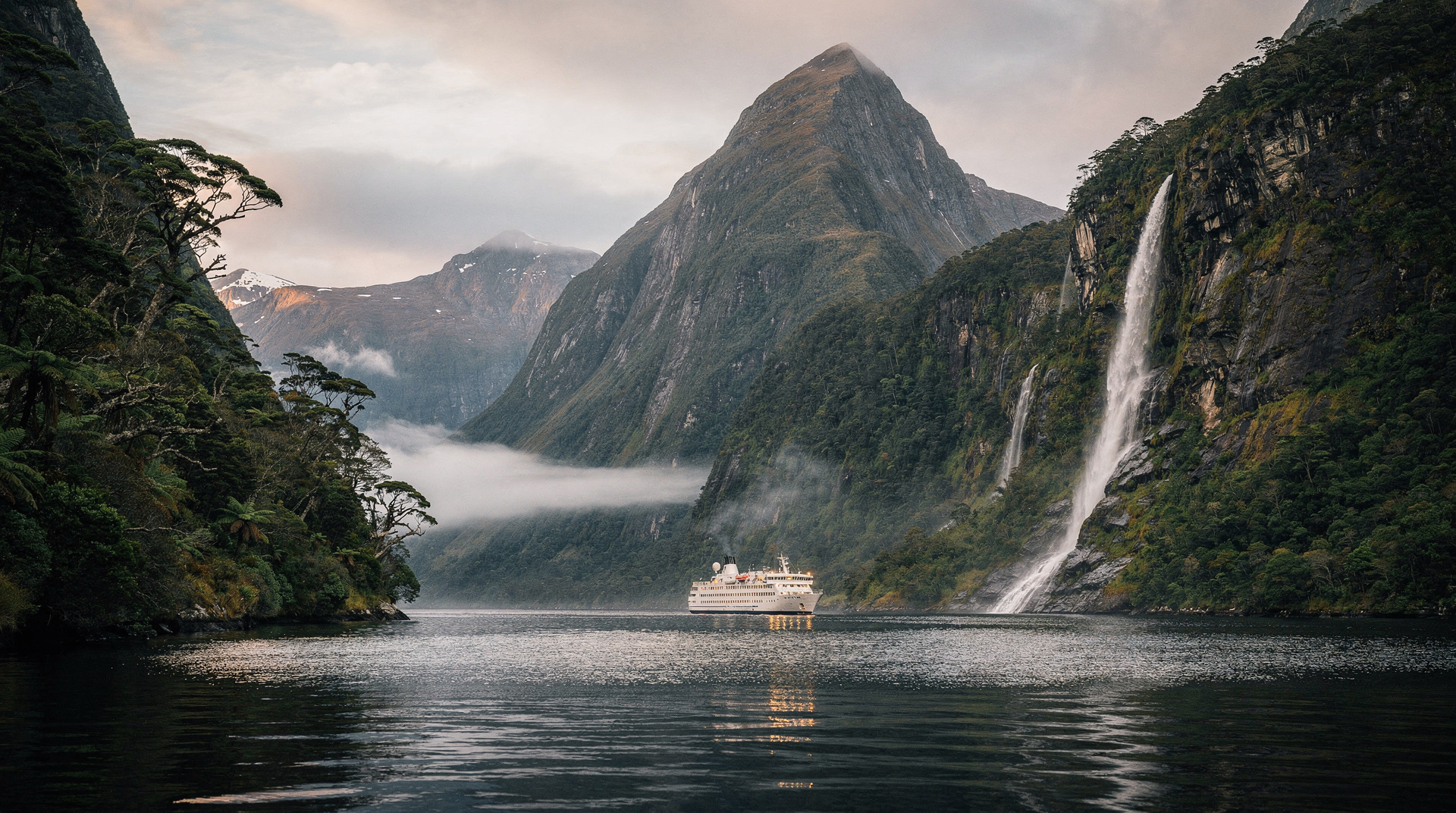
Milford Sound
Everything honest about Milford Sound: best cruises, scenic flights, real NZD/USD/EUR prices, and why you should stay in Te Anau first.
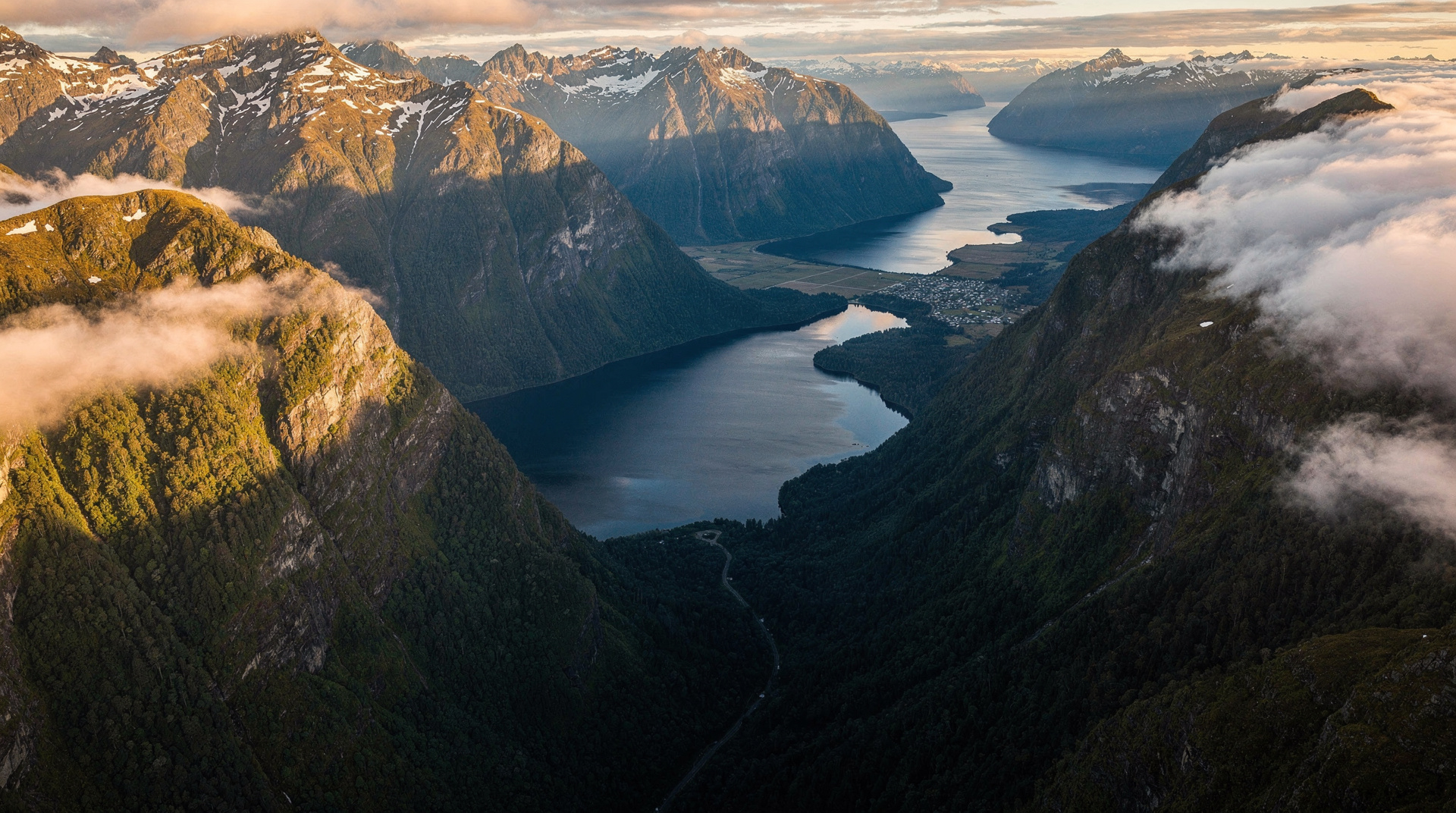
Fiordland
Honest Fiordland planner: Milford Sound vs Doubtful Sound, Te Anau base, Milford Track booking, real NZD/USD/EUR costs and what most guides won't tell you.
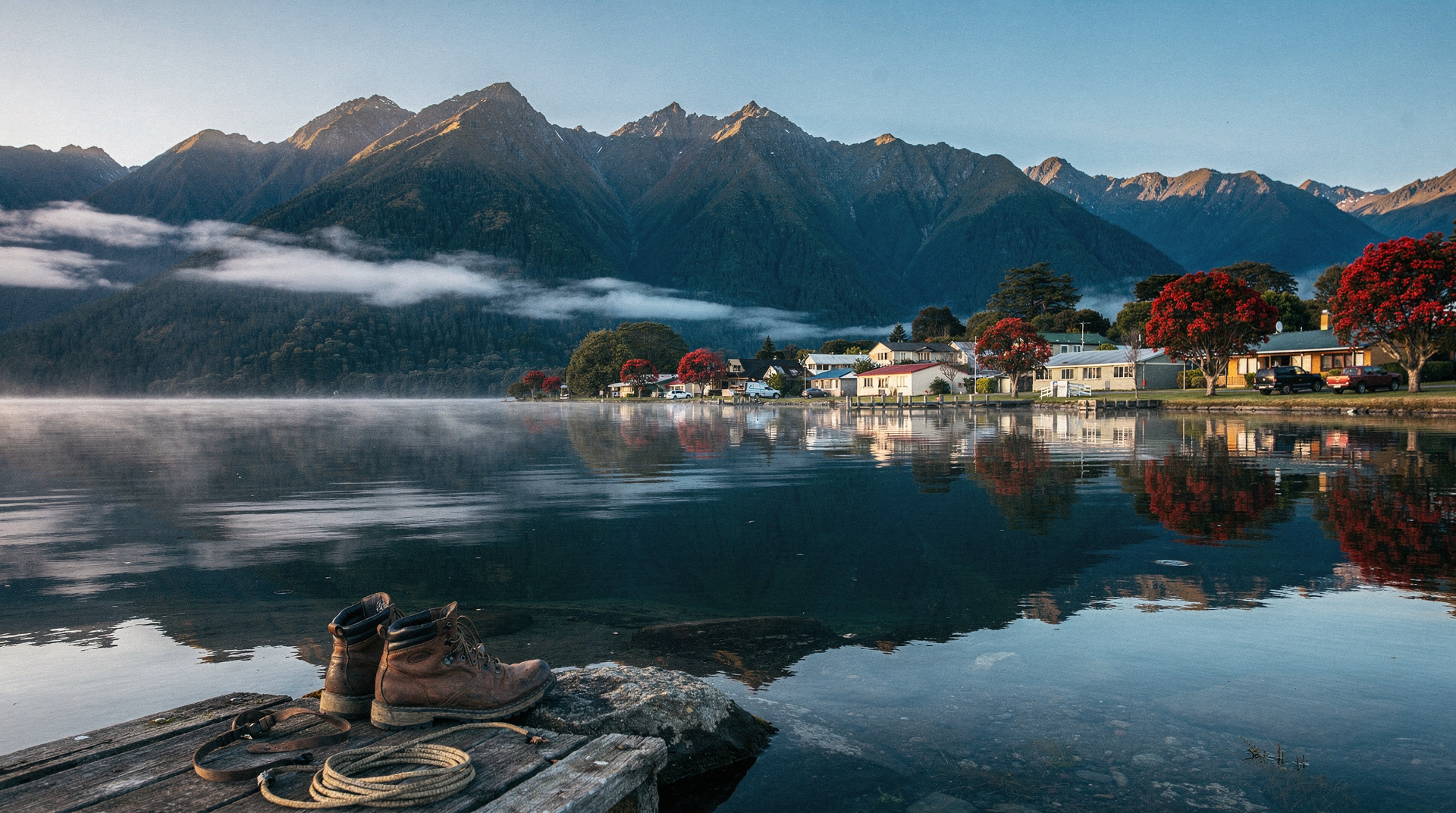
Te Anau
Everything you need to plan Te Anau: glowworm caves, Milford and Doubtful day trips, hiking, real NZD/USD/EUR prices, and where to stay.
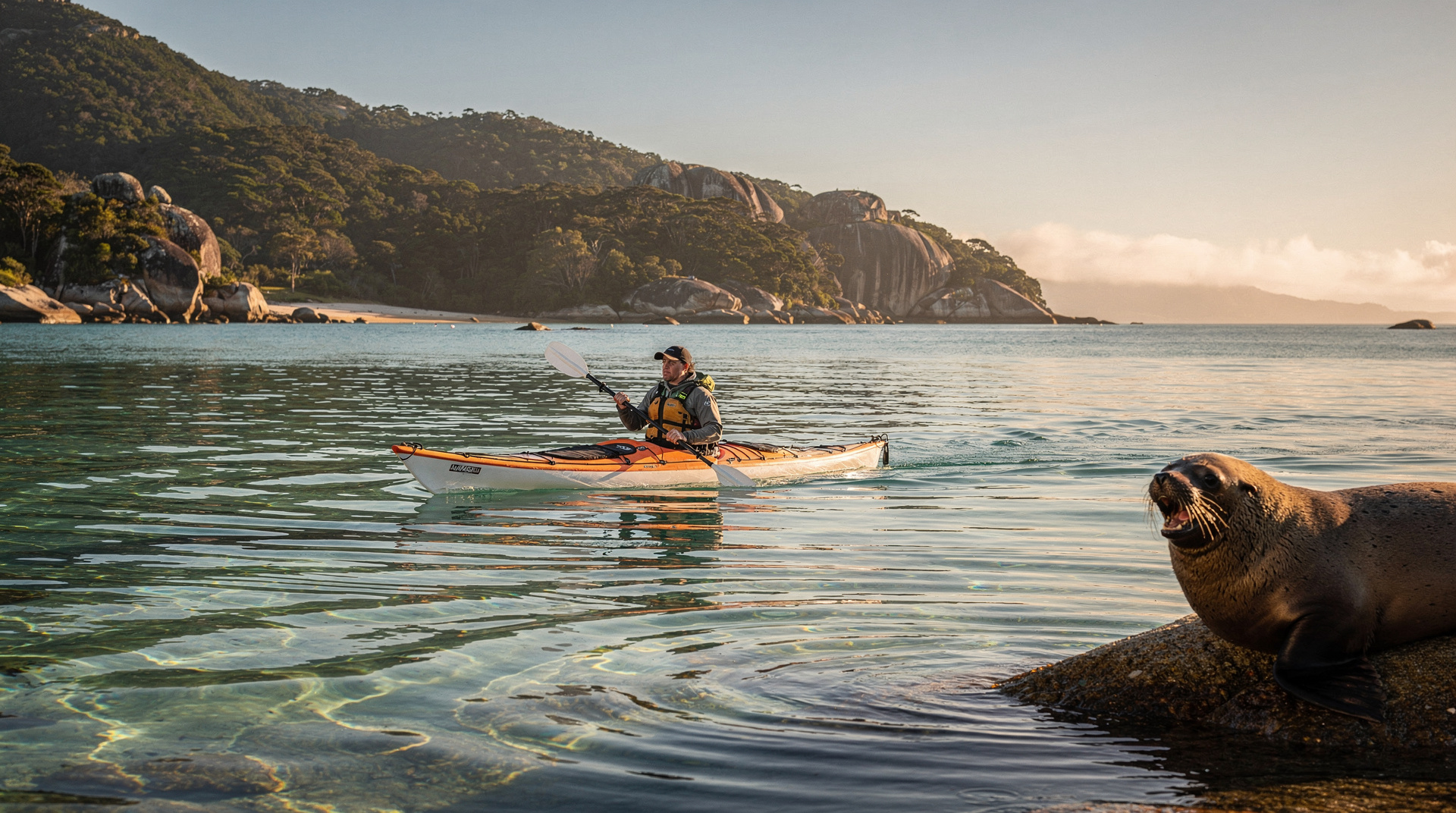
Kayaking in Abel Tasman National Park
Abel Tasman kayaking guide: guided day tours, multi-day freedom kayaking, water taxis, and seal colonies. Prices NZD/USD/EUR and honest operator comparison.
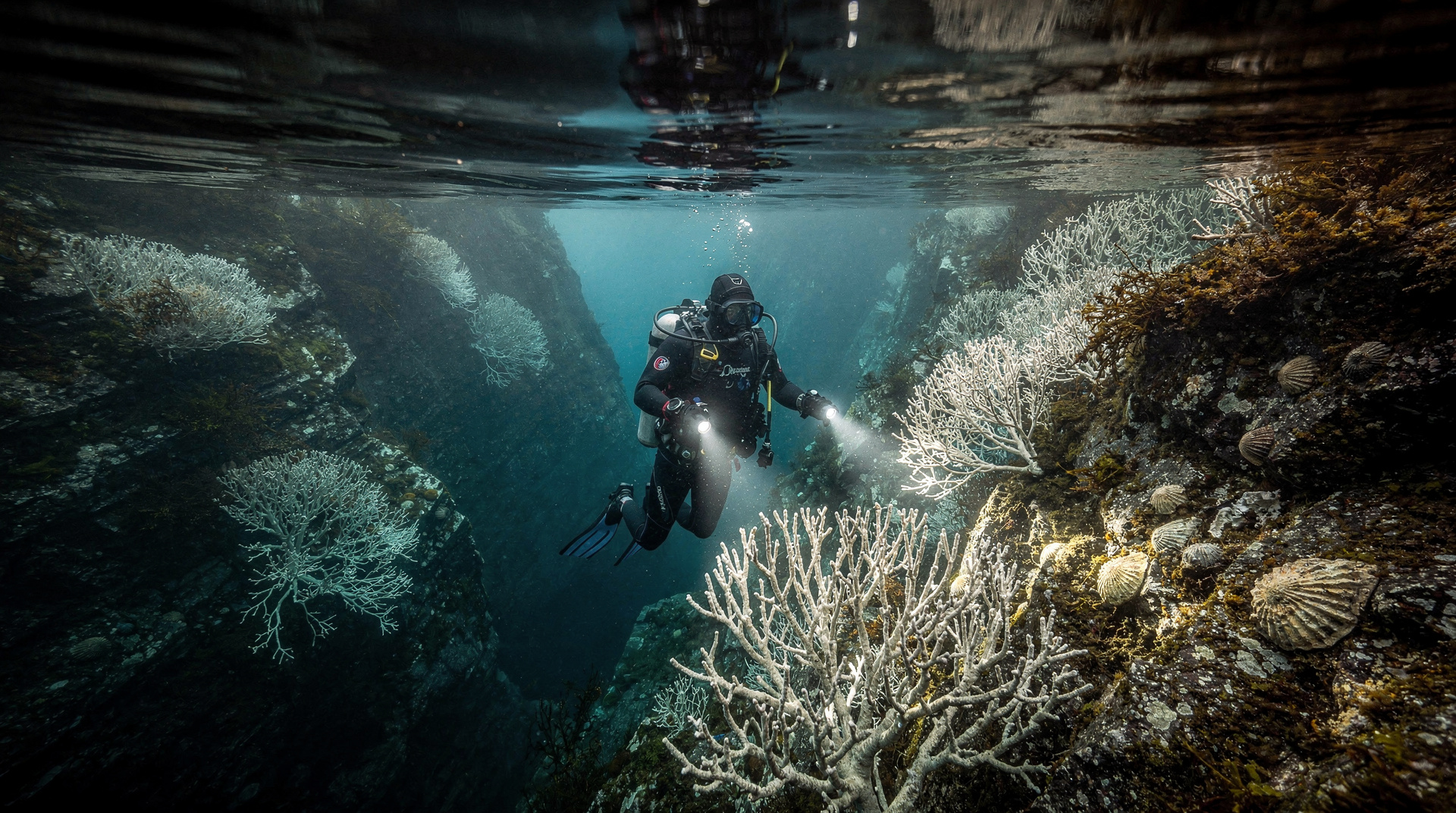
Diving in Fiordland — black coral and cold-water wonders
Fiordland diving: black coral at 10m depth, cold dark water, rare species. Prices NZD/USD/EUR, certifications needed, and what makes it unique in the world.
Last reviewed: