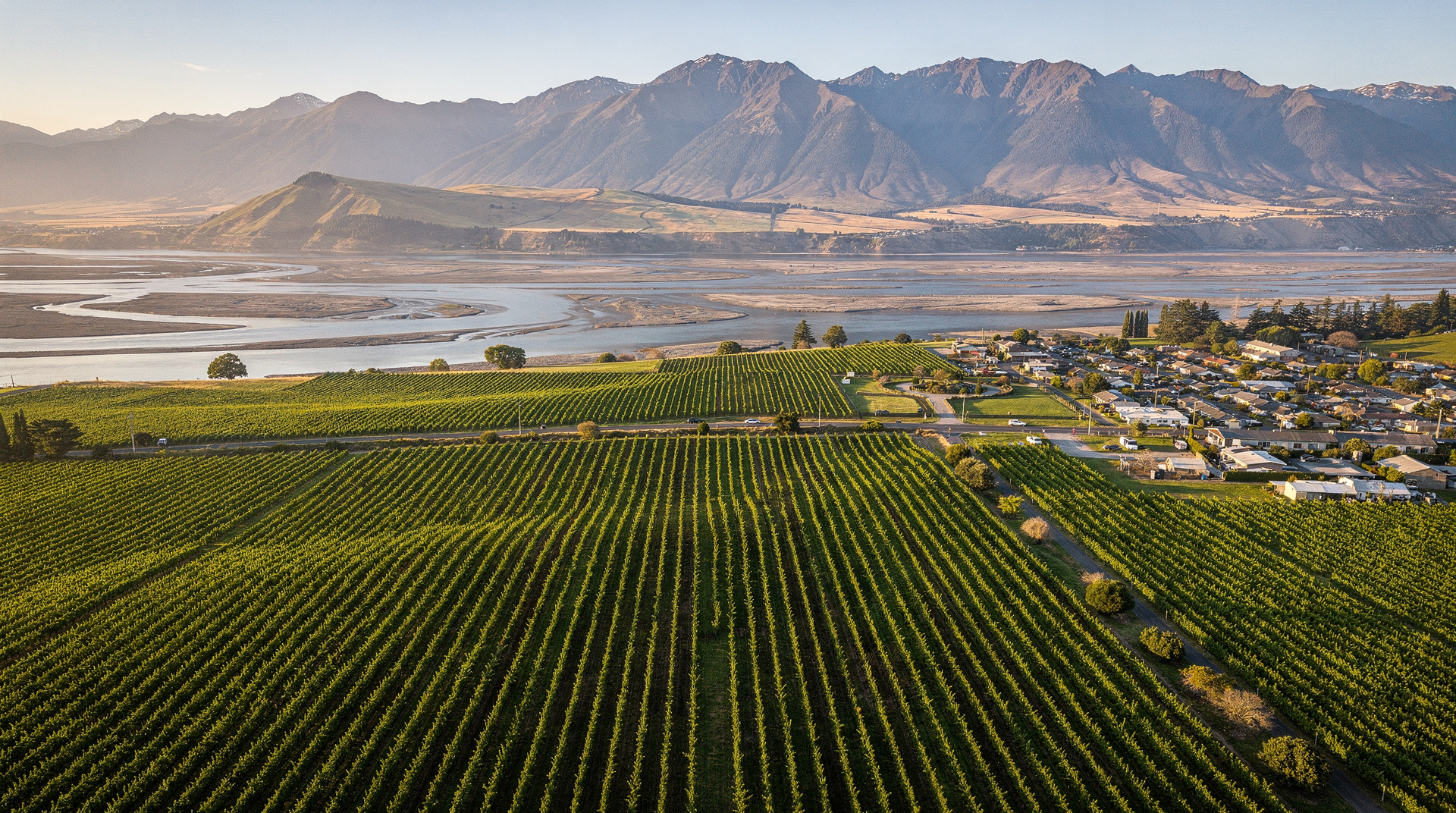
Marlborough
Honest Marlborough guide: Picton ferry gateway, Queen Charlotte Sound, Blenheim wineries, Havelock mussels. Real NZD/USD/EUR prices and practical logistics.
Quick facts
- Region
- North-eastern tip of the South Island
- Major hubs
- Picton, Blenheim, Havelock
- Currency
- NZD — 1 NZD ≈ USD 0.60 / EUR 0.55
- Best for
- Sauvignon blanc, Queen Charlotte Sound, Cook Strait ferry gateway
- Skip if
- Wine doesn't interest you and you're heading straight to Canterbury or Fiordland
Marlborough in one minute
Most travellers arrive in Marlborough unintentionally — stepping off the Interislander ferry at Picton and planning to drive straight to Kaikoura or Nelson. That’s a mistake. The top of the South Island is one of the most interesting 48-hour destinations in New Zealand.
| Where | North-eastern tip of the South Island — Picton, Blenheim, Havelock |
| Time needed | 3–5 days for Sounds, Queen Charlotte Track and wine trail |
| Cost | Around NZD 85–145 / USD 51–87 / EUR 47–80 per cruise or wine tour |
| Getting there | Cook Strait ferry to Picton, or SH1 coastal drive from Christchurch |
| Best time | November to April for warm Sounds water and full winery season |
Picton sits inside the Queen Charlotte Sound — a drowned river valley system where water pushes inland for 40km between forested hills. The rest of the Marlborough Sounds (Pelorus Sound, Kenepuru Sound, Havelock) adds another 1,500km of coastline. The water is calm, clear, and warm enough for kayaking from October to April. The Queen Charlotte Track — a 73km multi-day walk along the Sound ridgeline — is one of the best Great Walk alternatives in the country.
And then there’s Blenheim: 30km south of Picton on the alluvial Wairau Plains, surrounded by the vineyards that produce 75% of New Zealand’s wine. The Marlborough sauvignon blanc style — intensely aromatic, green herb and tropical fruit, acid-driven — is one of the most recognised wine styles in the world. Whether you love it or find it too aggressive, coming here and understanding where it comes from is interesting.
The honest case for staying
Marlborough is typically given 1 night by travellers in transit. Three nights is better. The Sounds take a full day to appreciate properly (by boat or kayak); the wine trail needs at least half a day; and a night in Havelock at the mussel-cruising capital is worth it for the seafood alone.
Worth it without question: Queen Charlotte Sound cruise from Picton, a Blenheim wine tour, the Sounds seafood.
Honest trade-off: Blenheim town itself is not exciting — it’s a service town for the wine industry, not a destination. Stay in the Wairau Valley at a winery lodge if the budget allows, or in Picton and drive out for wine.
Where to base yourself
Picton is the ferry port and the most useful base. The harbour is beautiful, the town is small and friendly, all the Sounds boat tours depart from here, and the Queen Charlotte Track is accessible. Good cafes and restaurants. Some accommodation is dated — check reviews carefully.
Blenheim is the larger town (pop ~30,000) 30km south. More practical for wine-touring logistics — you’re closer to the vineyards and can use a designated driver or wine tour shuttle. Less atmospheric than Picton.
Havelock is 35km west on Pelorus Sound — the “green-lipped mussel capital of the world.” Tiny (population ~500), deeply relaxed, excellent if you want to eat mussels on the dock and watch fishing boats. The mussel cruise departs from here.
Anakiwa (at the start of the Queen Charlotte Track) is accessible only by water taxi or boat. The ultimate Sounds immersion experience — base yourself at a Sounds lodge for 2 nights.
Top experiences in Marlborough
Queen Charlotte Sound — cruises and kayaking
The Queen Charlotte Sound is the longest and most accessible of the Marlborough Sounds. The Ship Cove to Anakiwa cruise from Picton passes historic sites (Captain Cook anchored at Ship Cove six times), seal rocks, and the calm inner harbour.
Marlborough Sounds and Ship Cove cruise from Picton — a 3-hour cruise into the Sound, visiting Ship Cove with shore time. NZD 85-110 / USD 51-66 / EUR 47-60.
Queen Charlotte Sound mail boat cruise from Picton — the most authentic Sound experience: the working mail boat that delivers to remote homesteads, taking 7-9 hours to complete the circuit. NZD 120-145 / USD 72-87 / EUR 66-80. See Queen Charlotte mail boat cruise guide.
Kayaking is arguably the best way to explore: the calm water, constant bird life (bellbirds, kaka, blue penguins at dusk), and ability to land at secluded beaches make paddling the Sound a completely different experience from any motorised tour. Half-day guided kayaks run NZD 90-110 / USD 54-66 / EUR 50-60 from Picton; freedom hire is also available.
The Queen Charlotte Track
The 73km Queen Charlotte Track runs along the ridgeline between Queen Charlotte Sound and Kenepuru Sound. It can be walked in 4-5 days (guided or independent) or divided into day sections using water taxi connections. The track is ungraded (not a DOC Great Walk) but is nevertheless one of the most spectacular multi-day walks in New Zealand — bush-covered ridges, constant Sound views, and the knowledge that kayakers and motor launches are plying the water below you.
The water taxi and launch service (“Cougar Line”) moves your bags between lodges while you walk light. This makes it accessible to almost any fitness level. Single-day sections: the Queen Charlotte Walk from Ship Cove to Anakiwa (end to end, 7 hours) or the Kenepuru Saddle section (the most dramatic ridge section, 4 hours). See Queen Charlotte Track guide.
Queen Charlotte Track: cruise and self-guided hike from Picton — an 8.5-hour combo: morning boat to Ship Cove, walk the best section (15km to Furneaux Lodge), water taxi pickup. NZD 90 / USD 54 / EUR 49.50.
Marlborough wine trail
The Marlborough wine region is concentrated on the Wairau Plains between Blenheim and Renwick. Sauvignon blanc accounts for 80%+ of plantings, but the region also produces excellent chardonnay, pinot noir (Marlborough style is lighter than Martinborough), riesling, and increasingly impressive red blends.
Must-visit wineries for any serious tasting: Cloudy Bay (the region’s most famous producer; reserve wines worth the premium); Villa Maria Estate (consistently excellent across all varieties); Fromm Winery (small, serious, pinot noir focus); and Yealands Estate (at the remote Awatere Valley, very good sauvignon and the region’s most sustainable winery).
The bike option: the Wairau Plains are flat and most Renwick wineries are within 5km of each other. Rental bikes from Blenheim (NZD 35-50 / USD 21-30 / EUR 19-27 per day including a trail map) make a half-day winery loop entirely reasonable without a car.
Marlborough half-day wine tour from Blenheim — van pickup, 3-4 wineries, tastings included. NZD 95 / USD 57 / EUR 52.
Marlborough full-day self-guided biking wine tour — bike hire, map, and 5-6 winery stops. NZD 85-100 / USD 51-60 / EUR 47-55.
For those arriving mid-day via the Cook Strait ferry or driving south from Nelson, an afternoon-specific option avoids the morning scheduling: the Blenheim afternoon wine tour from the Picton area is timed to fit afternoon arrival patterns, covering the Blenheim cellar doors in the later part of the day when the morning tour buses have cleared.
For a food-paired progressive format — visiting multiple venues for wine with matched food at each stop — the Blenheim progressive wine and gourmet trail of Marlborough is the most immersive option in the region. This structured trail moves through several Marlborough producers, pairing each wine with a matching food course, giving a complete sense of the region’s produce rather than just the wine alone.
Greenshell mussel cruise from Havelock
The Pelorus Sound mussel farms produce the bulk of New Zealand’s green-lipped mussels. The Greenshell Mussel Cruise from Havelock takes 3 hours on a working mussel boat, picking up live mussels from the farm, steaming them on board, and serving them at the floating table with local wine and bread. It’s utterly simple and one of the best food experiences in the South Island.
Marlborough Sounds greenshell mussel cruise from Havelock — NZD 130 / USD 78 / EUR 71.50. Departs Havelock (35km from Picton on SH6); runs morning and afternoon in summer. Book at least a week ahead.
See also green-lipped mussels guide.
Marlborough Sounds seafood
Beyond the mussel cruise, the Sounds are rich in shellfish, crayfish, and blue cod. Picton has several good restaurants but the best seafood experience in the region is eating at the water’s edge in Havelock. The Havelock Hotel and Restaurant is reliably good for a mussel pot; the Havelock Marina Café is rougher but more authentic. Budget NZD 35-65 / USD 21-39 / EUR 19-36 for a seafood main.
Getting there and getting around
From Wellington by ferry: The Cook Strait ferry departs Wellington every few hours (schedules vary seasonally). The crossing takes 3.5 hours (Interislander) or 3-3.5 hours (Bluebridge). Picton arrival. Book in advance, especially for campervans and peak season (December-February). See Cook Strait ferry guide.
From Christchurch by road: 320km north via SH1 — the Kaikoura coastal route, one of the most scenic drives in New Zealand. Allow 4-5 hours. See Coastal Pacific train as a scenic alternative (Christchurch to Picton by train, 5 hours, operates 3x weekly).
Within Marlborough: A rental car is the standard approach. Picton to Blenheim is 30 minutes. Blenheim to Havelock is 40 minutes. Wine region roads are excellent. The Marlborough Sounds inland roads are steep and winding — normal rental vehicles handle them fine but take the corners slowly.
Water taxis: Essential for accessing remote Sounds lodges and for the Queen Charlotte Track bag transfer service. The Cougar Line and Beachcomber Fun Cruises both run regular water taxi services from Picton.
Where to stay
Budget (NZD 35-100 / night)
Tombstone Backpackers (Picton) — well-run hostel in the town centre, genuinely good common areas, garden. Dorm NZD 36; private NZD 90-110.
Blenheim’s YMCA (Blenheim) — basic, central, useful for wine touring. NZD 45 dorm.
Mid-range (NZD 140-300 / night)
The Peppertree (Picton) — boutique B&B in a restored Victorian villa, excellent breakfast, pool. NZD 170-230.
Brancott Heritage House (Renwick, near Blenheim) — on the wine estate, heritage 1870s homestead, pool, walking distance to several wineries. NZD 200-280.
Portage Resort Hotel (Kenepuru Sound) — water access only (water taxi 30 min from Picton), absolute waterfront, the best splurge in the Sounds. NZD 250-380.
Luxury (NZD 400+)
Bay of Many Coves Resort (Queen Charlotte Sound) — water access only, luxury chalets above the Sound with kayaks, stand-up paddleboards, and a very good restaurant. NZD 600-1,200.
Best time to visit
November to April is the season for everything: wine tasting at full capacity, warm water for Sounds kayaking, Queen Charlotte Track in ideal conditions, seafood at peak freshness.
March-April is harvest season — the vineyards are at their most dramatic (golden vines, harvest activity), and the crowds thin from the January-February peak.
May to October: Quieter, cheaper, and still very pleasant for the Sounds (cooler water, fewer boats). Several wineries reduce cellar-door hours. The Queen Charlotte Track is open year-round but huts book out less in winter. A good time for the serious wine lover who prefers a 30-minute tasting conversation to a 10-minute summer rush.
Common mistakes
Treating Picton purely as a transit stop. One hour on the ferry, drive straight to Kaikoura. Completely misses the Sounds — which are one of the great New Zealand landscapes.
Not booking the mussel cruise in advance. It runs once or twice a day in summer, has limited capacity, and sells out routinely in December-February. Book online when you confirm your Marlborough dates.
Wine touring without a plan. There are 30+ cellar doors in the Wairau Plains. Arriving without a shortlist means you’ll visit the most marketed ones (Cloudy Bay, which is excellent but crowded) and miss the smaller gems. Make a list before you arrive.
Driving the Sounds roads at night. The roads around Queen Charlotte and Kenepuru Sounds are single-lane, unsealed in places, and unfamiliar. Drive during daylight only.
Sample itineraries
1-night layover
Arrive by ferry. Queen Charlotte Sound scenic cruise (2.5 hours, afternoon). Dinner in Picton. Wake early, drive to Blenheim for a cellar door tasting at Cloudy Bay. Drive south to Kaikoura (1.5 hours) or north to Nelson (2 hours).
3-day Sounds and wine
Day 1: Ferry arrival. Afternoon Sounds cruise. Picton for dinner.
Day 2: Water taxi to Ship Cove for the Queen Charlotte Track (walk 15km to Furneaux Lodge, water taxi pickup). Return to Picton. Dinner at Le Café.
Day 3: Drive to Havelock for the mussel cruise (morning). Drive to Blenheim for 3 cellar door tastings. Overnight Blenheim or drive south.
5-day Marlborough immersion
Days 1-3 as above. Day 4: Full wine trail by bike from Renwick — 5 wineries, lunch at Cloudy Bay’s cellar. Day 5: Kenepuru Sound day trip or Pelorus Bridge (native forest, swimming hole) before departing west to Nelson.
Heading north to Nelson, see Nelson-Tasman guide. Heading south to Kaikoura, the Canterbury region.
Marlborough vs the rest of the top of the South Island
Marlborough is one of three regions clustered at the top of the South Island, and travellers with limited time often need to choose. The Marlborough Sounds guide covers the water-based side of this region in more depth — cruises, kayaking, and the full Queen Charlotte Track — if that’s your priority over wine.
Nelson-Tasman, an hour further west, trades vineyards for Abel Tasman National Park and more sunshine hours. The honest comparison: choose Marlborough if wine and the Sounds together matter most; choose Nelson-Tasman if a national park coastline and kayaking is the priority. Many itineraries do both, since they’re only 2 hours apart. See the Nelson vs Marlborough guide for a direct comparison.
Marlborough for non-wine travellers
Not everyone visiting Marlborough cares about Sauvignon Blanc, and the region holds up fine without it. The Sounds cruise and kayaking work as a full day on their own; the Havelock mussel cruise is a food experience, not a wine one; and the Queen Charlotte Track is a hiking destination regardless of what’s happening in Renwick’s cellar doors. Cyclists who skip wine tasting can still use the flat Wairau Plains roads for an easy ride between towns rather than vineyards. If wine genuinely doesn’t interest you, replace the half-day tour with an extra half-day on the water — a second cruise segment, more kayaking time in Queen Charlotte Sound, or a longer stretch of the Queen Charlotte Track from Anakiwa.
For families, the appeal is more straightforward than the marketing suggests: calm water for swimming and kayaking, a short and manageable base-track option on parts of the Queen Charlotte Track, and Havelock’s mussel-focused menus that even picky eaters tend to enjoy in the chip or fritter form. The wine-touring side of Marlborough is easy to opt out of entirely without losing much of what makes the region worth visiting.
Seasonal cellar door hours
Wineries adjust opening hours significantly by season, which catches out visitors who assume year-round consistency.
| Season | Cellar door hours | Notes |
|---|---|---|
| Nov–Apr | Full hours, most open 7 days | Peak tasting season, book tours ahead |
| Mar–Apr | Full hours, harvest activity visible | Best combination of access and atmosphere |
| May–Aug | Reduced hours, some weekday closures | Call ahead; smaller producers may be closed |
| Sep–Oct | Hours expanding back to full | Good value, thinner crowds |
FAQ
Is Marlborough sauvignon blanc actually as good as the hype?
At its best: yes. The best expressions from Cloudy Bay, Fromm, and Seresin are genuinely complex and distinctive — not just the simple gooseberry-and-cut-grass stereotype. The most commercial expressions (Oyster Bay, etc.) are decent but straightforward. If you want to understand the wine, taste at the cellar door, not from a supermarket bottle.
What’s the difference between Queen Charlotte Sound and Pelorus Sound?
Queen Charlotte Sound is narrower, more dramatic, and closer to Picton — the most visited and most photographed part of the Sounds. Pelorus Sound (accessible from Havelock) is wider, wilder, and home to the mussel farms. Kenepuru Sound is between the two and the least visited — also the most peaceful.
Is the Queen Charlotte Track suitable for non-experienced walkers?
Yes — the standard Queen Charlotte Track is graded and well-maintained. The most popular sections involve 200-300m of elevation gain; nothing requires technical skills. The bag transfer service makes it genuinely accessible. Some sections are exposed and can be muddy in rain — wear proper walking shoes.
How good is the Cook Strait ferry crossing?
The 3.5-hour crossing through the Marlborough Sounds is spectacular on calm days — forested hillsides, sea caves, islands — and rough in the Wellington Southerly. The interior sections of the Sounds approach to Picton (the last 1-1.5 hours) are always calm. Morning crossings are generally smoother than afternoon. See Cook Strait ferry guide for the full booking strategy.
Should I choose Marlborough or Nelson-Tasman if I only have time for one?
Choose Marlborough if wine is a priority and you want the Sounds within the same base; choose Nelson-Tasman if Abel Tasman National Park and kayaking matter more than vineyards. Both are reachable from Picton within 2 hours, so a longer South Island trip can comfortably include both without much extra driving.
Top experiences: marlborough New Zealand
See all →Guides for Marlborough
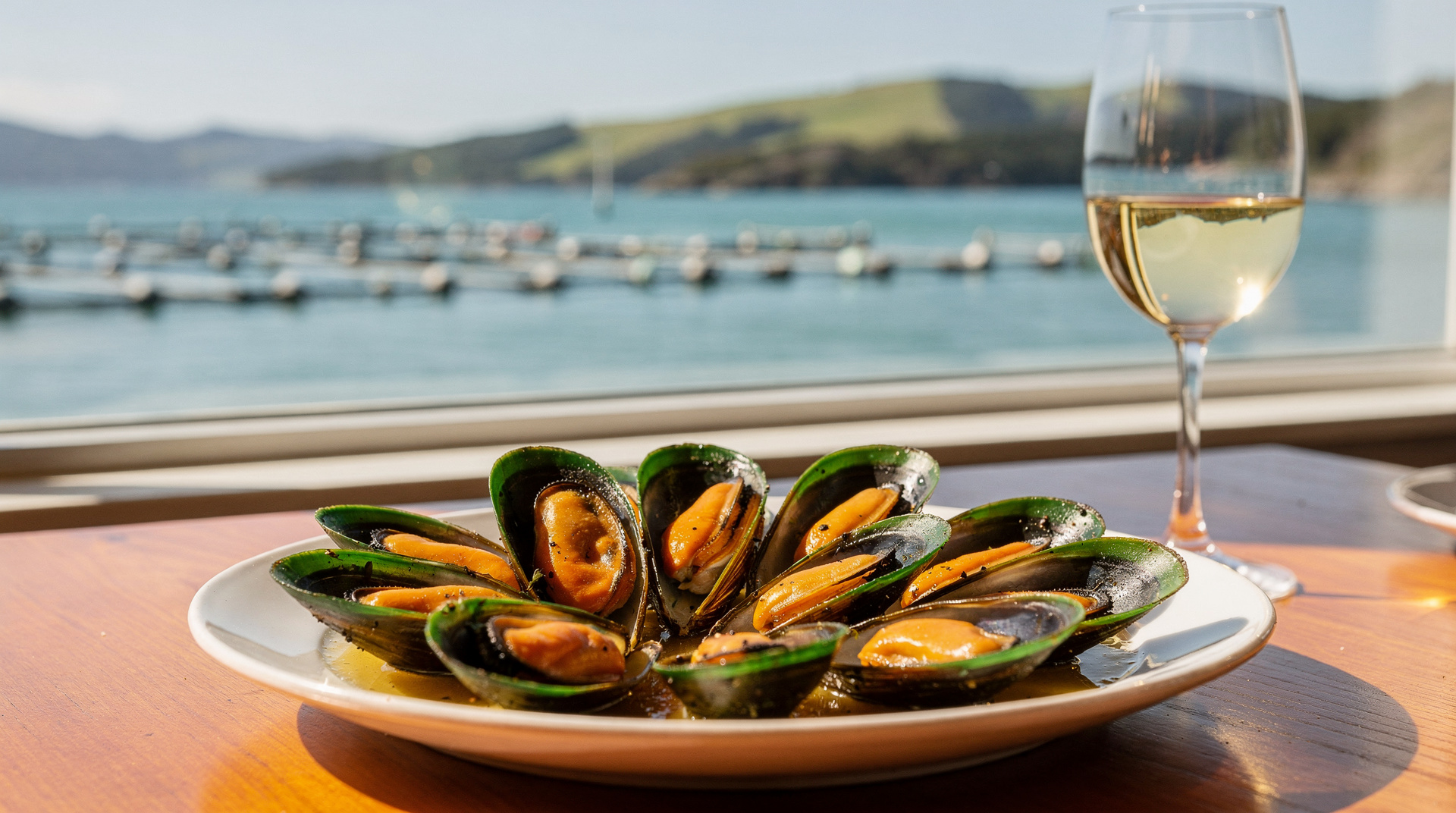
Green-lipped mussels of Marlborough
NZ green-lipped mussels are farmed in the Marlborough Sounds. Mussel cruises, best places to eat fresh, and why they're world-famous — prices NZD/USD/EUR.
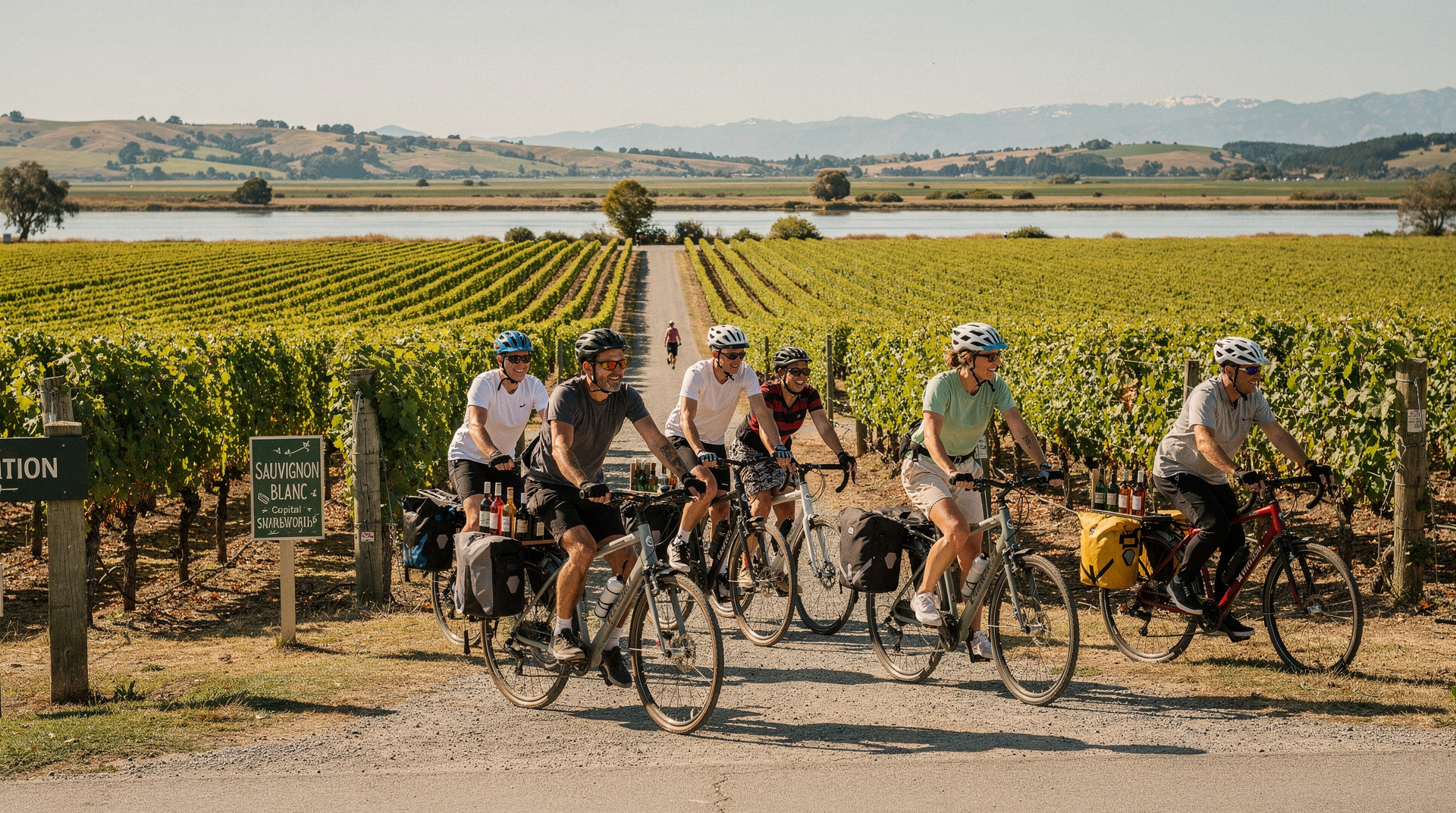
Marlborough wine tour guide
Marlborough produces 77% of NZ's wine. Self-drive routes, guided tours, top wineries around Blenheim — prices NZD/USD/EUR and drink-drive tips.
Related guides
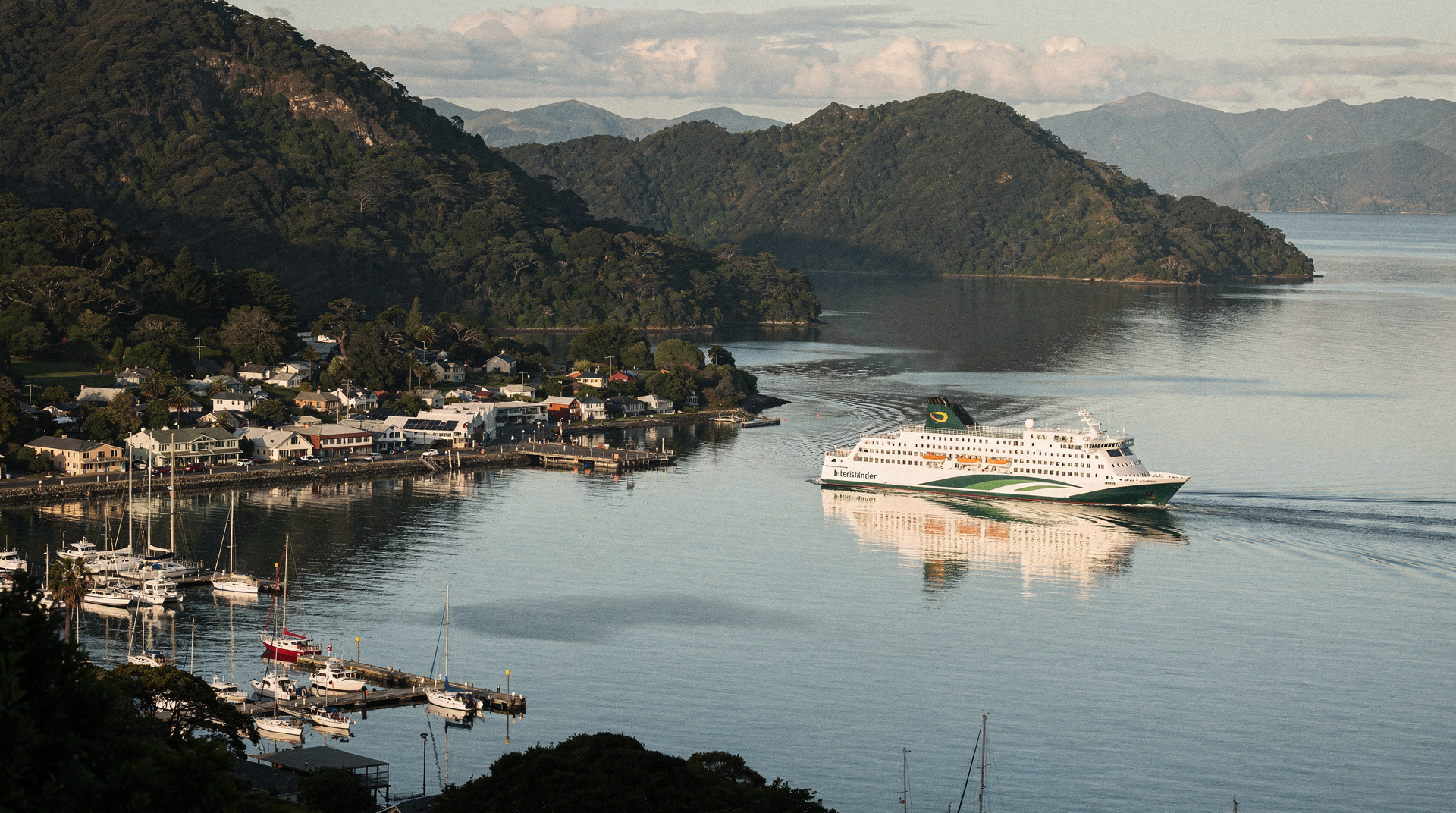
Picton
Picton: your Cook Strait ferry arrival point, gateway to Marlborough Sounds, Queen Charlotte Track, and the wine region. Real costs NZD/USD/EUR.
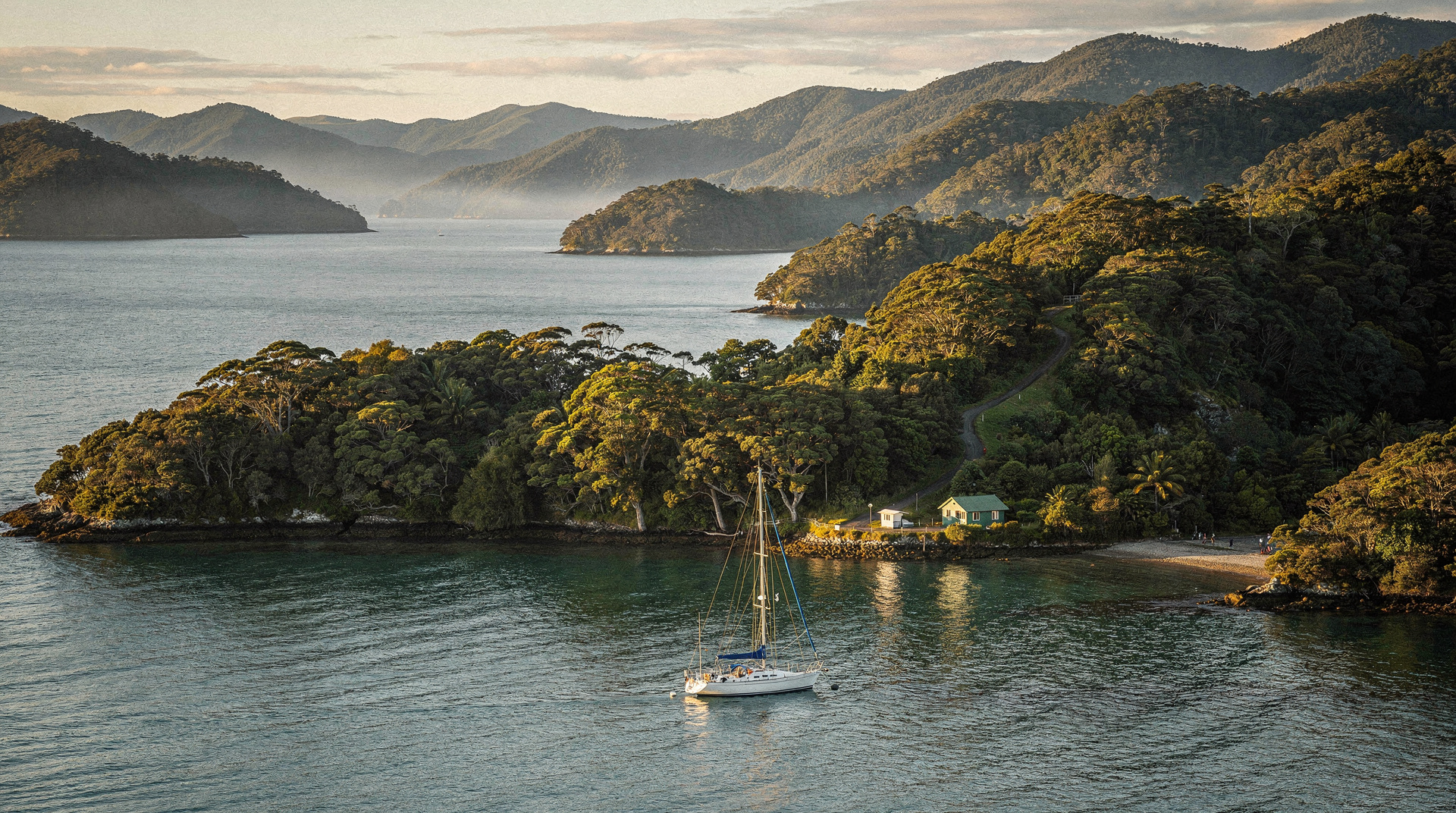
Marlborough Sounds
Marlborough Sounds: drowned valleys, green-lipped mussels, the Queen Charlotte Track, and mail boat cruises. Honest guide with real costs NZD/USD/EUR.
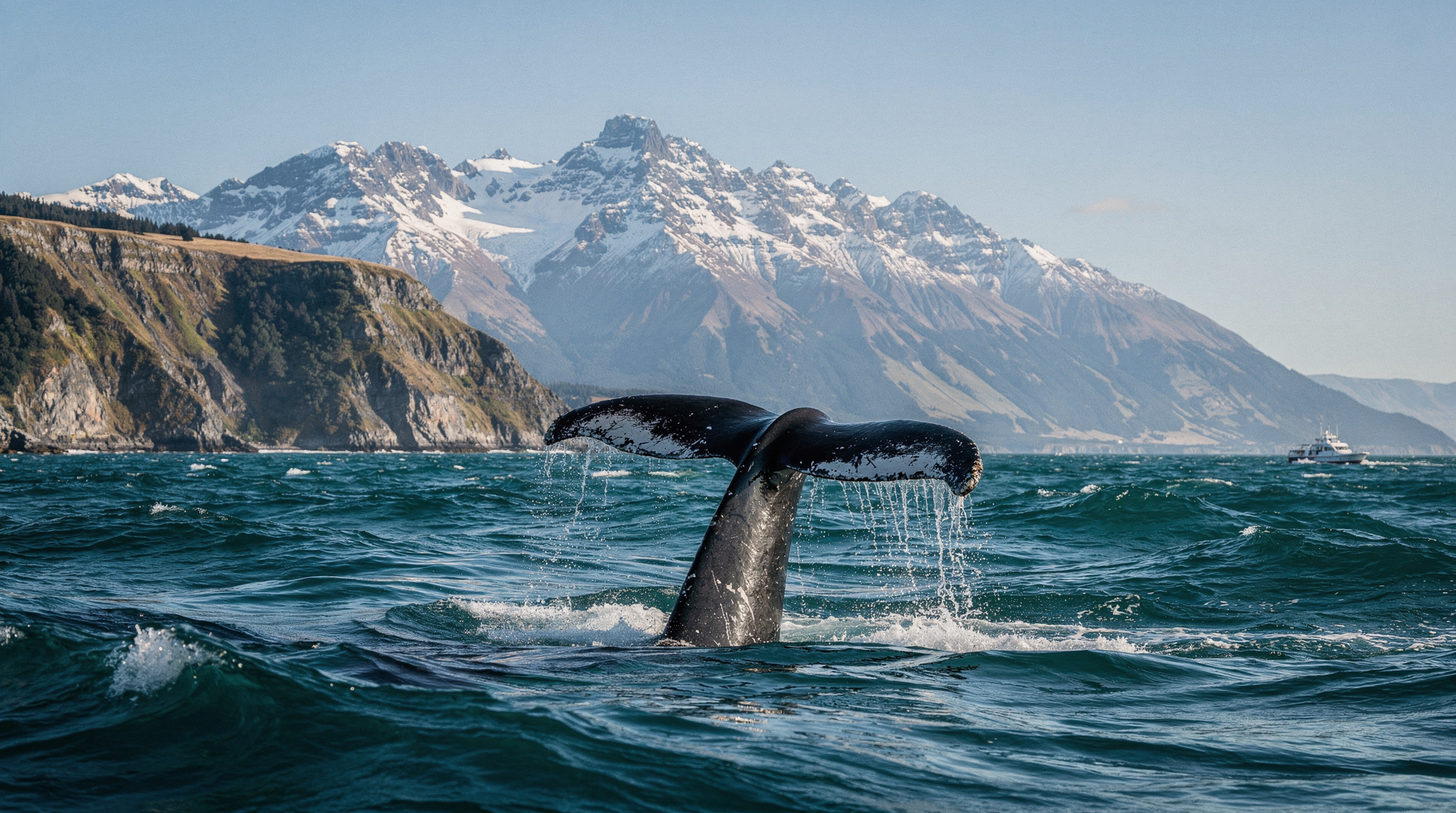
Kaikoura
Honest Kaikoura guide: sperm whale tours, wildlife kayaking, crayfish — real prices and the best time to visit after the 2016 earthquake rebuild.
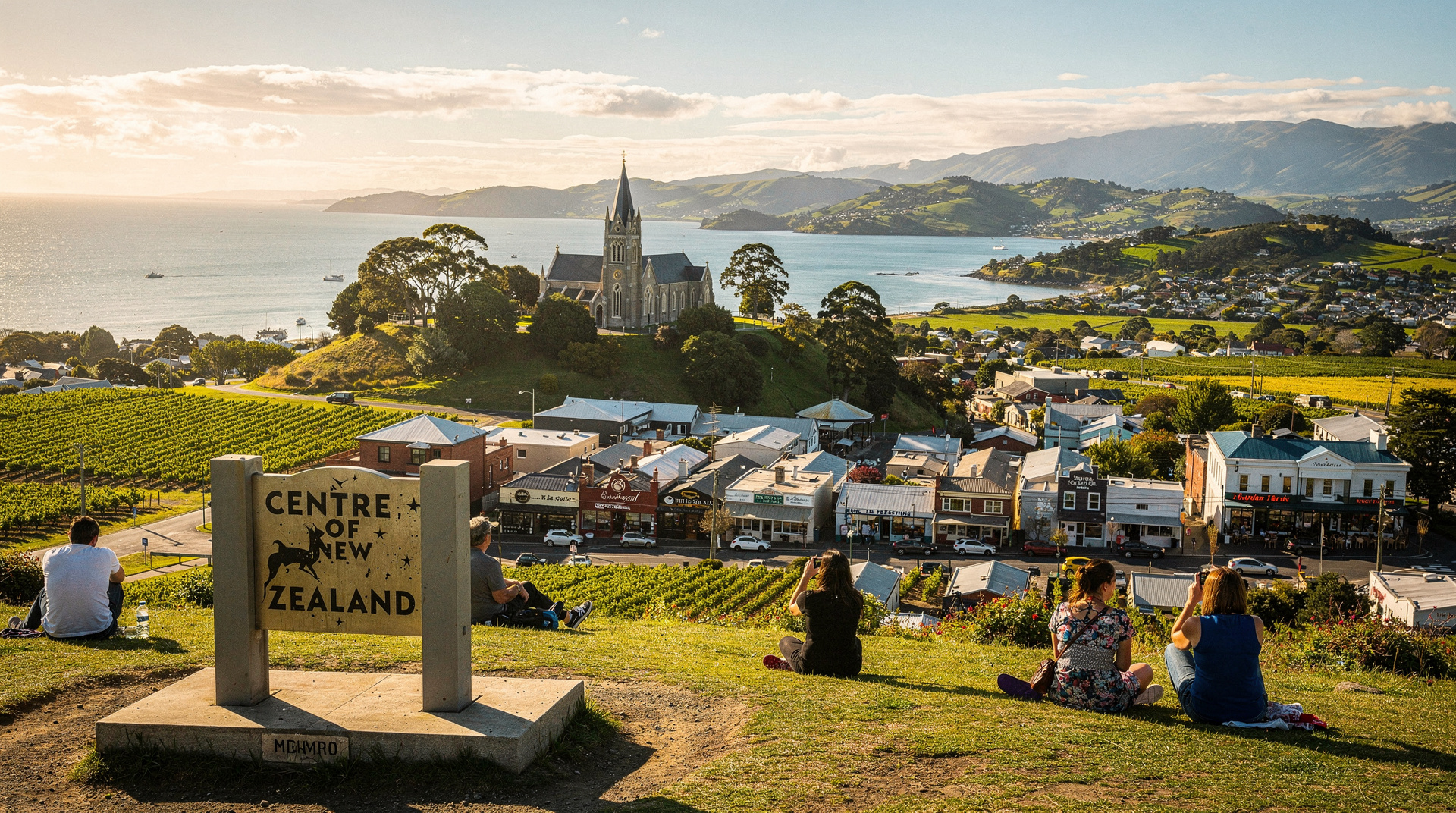
Nelson
Nelson: New Zealand's sunniest city, gateway to Abel Tasman, with a strong arts scene, wine and craft beer, and real costs NZD/USD/EUR.
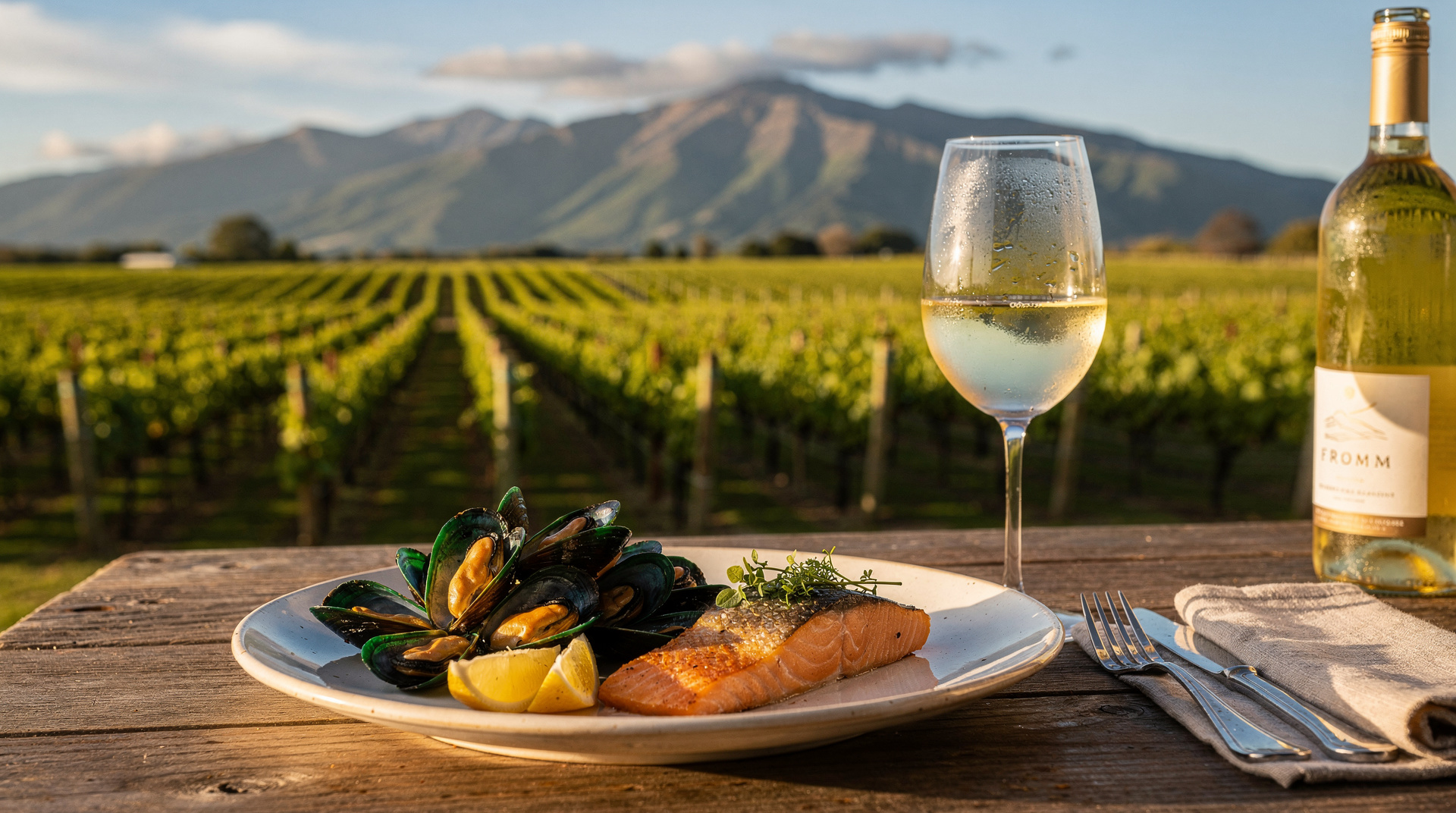
Marlborough wine and food — the honest guide
Marlborough wine explained: Cloudy Bay, Brancott, Saint Clair, Pinot Noir, Chardonnay. Food pairings, salmon farms, mussel cruises, real costs NZD/USD/EUR.
Marlborough wine tour guide
Marlborough produces 77% of NZ's wine. Self-drive routes, guided tours, top wineries around Blenheim — prices NZD/USD/EUR and drink-drive tips.
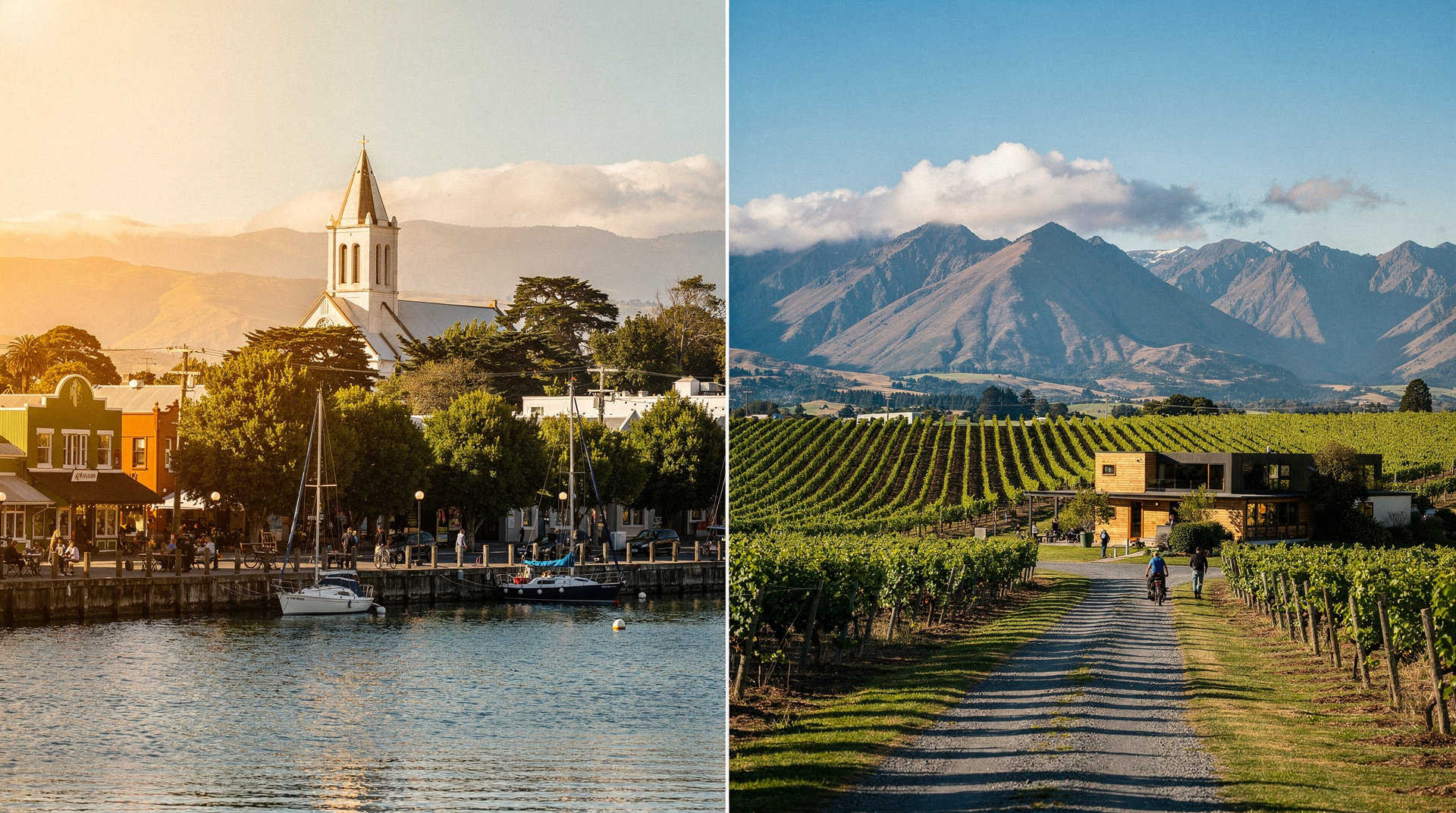
Nelson vs Marlborough
Nelson vs Marlborough honest comparison: wine, national parks, beaches, access and which region to prioritise. Clear verdict with prices in NZD/USD/EUR.
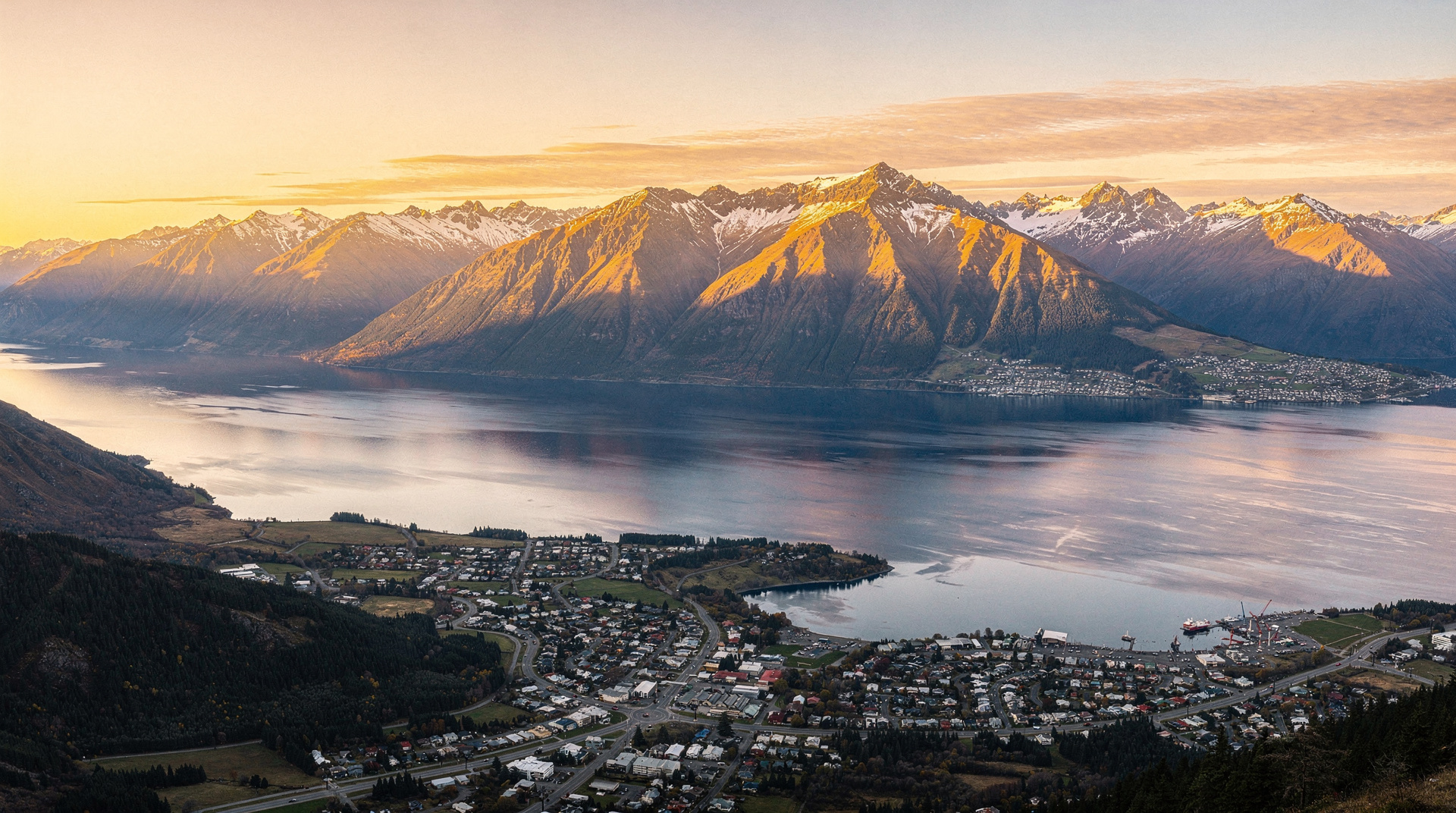
14-day New Zealand itinerary — both islands, grand tour
Honest 14-day NZ grand tour: Auckland, Bay of Islands, Hobbiton, Rotorua, Wellington, ferry, Kaikoura, Christchurch, Queenstown, Milford.
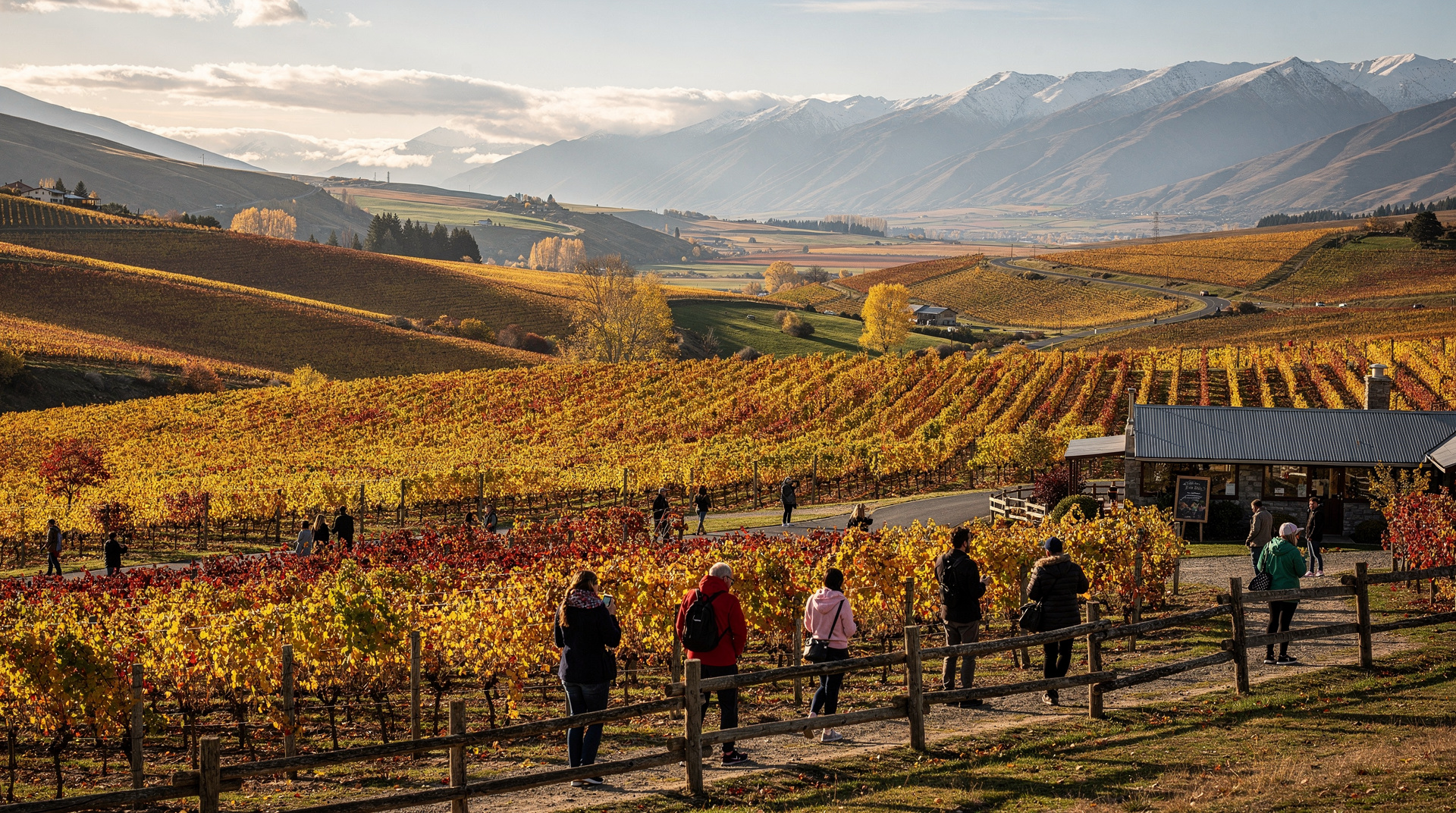
The best shoulder season itinerary for New Zealand — 14 days in autumn
A 14-day New Zealand itinerary designed for March and April: fewer crowds, better light, lower prices, and the same landscapes everyone comes for.
Last reviewed: