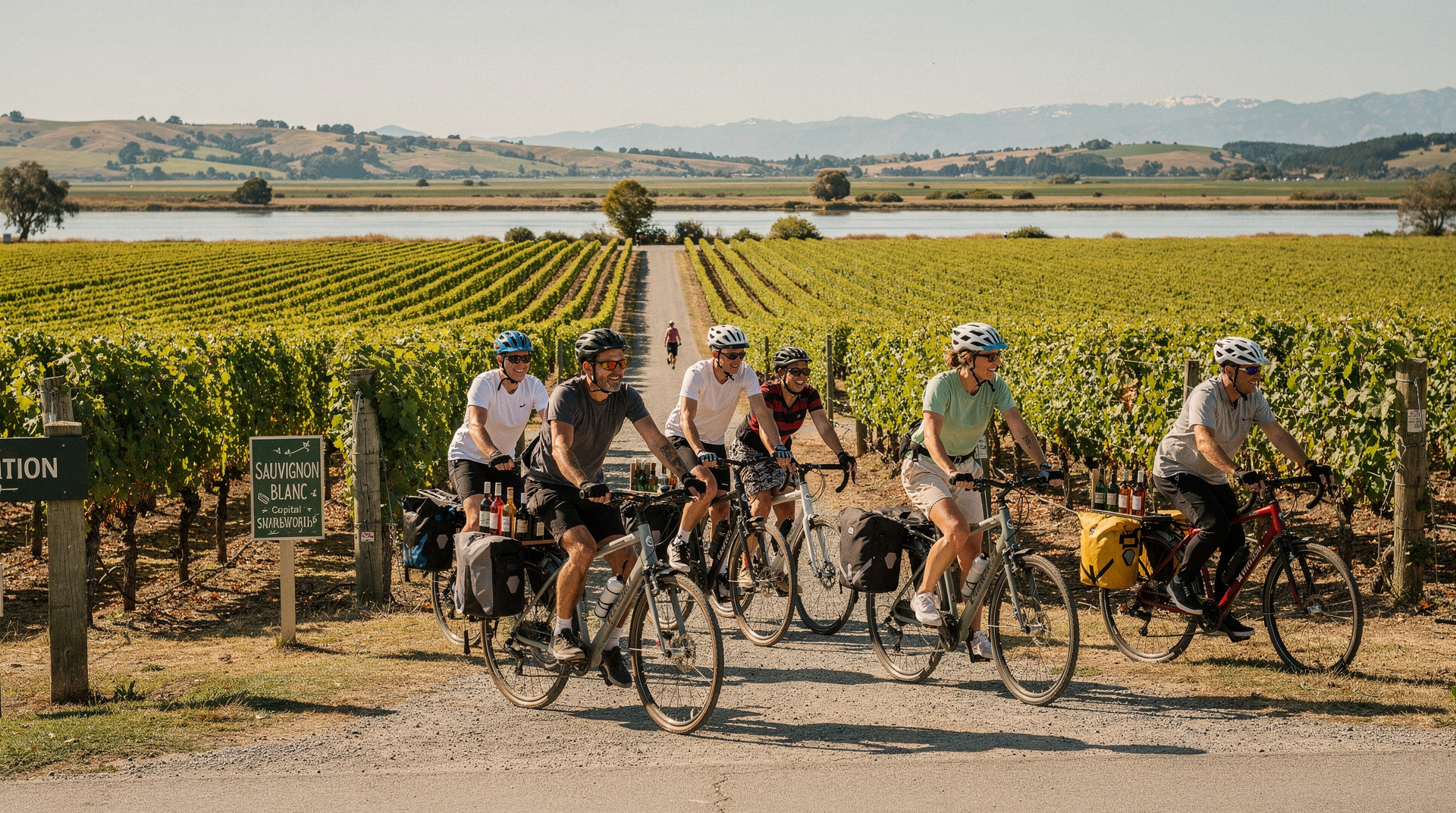
Marlborough wine tour guide
What is Marlborough wine country famous for?
Marlborough, centred on Blenheim in the South Island, produces 77% of all New Zealand wine and is the global benchmark for sauvignon blanc. The Wairau and Awatere Valleys hold around 650 vineyards. Guided wine tours from Blenheim cost NZD 85–140 / USD 51–84 / EUR 47–77.
Marlborough is a full-day wine destination rather than a quick stop, and it rewards planning: which valley, how many cellar doors, and whether to drive, cycle or book a guide all change the day considerably.
| Where | Wairau & Awatere Valleys, near Blenheim, South Island |
| Cost | Guided full day NZD 120–175; tastings NZD 10–25/winery |
| Time needed | Half day (2–3 cellar doors) to full day (3–5) |
| Getting there | 29 km from Picton ferry terminal; 319 km / 3.5hrs from Christchurch |
| Best time | February–April (harvest); December–January busiest |
Why Marlborough became the world’s sauvignon blanc capital
In 1973, Montana Wines planted the first commercial sauvignon blanc vines in Marlborough’s Wairau Valley. The 1985 Cloudy Bay Sauvignon Blanc that followed became one of the most influential wines in recent vinous history — it demonstrated that New Zealand’s cool climate could produce a style of sauvignon blanc entirely different from, and arguably superior to, the European template. Within three decades, Marlborough had become the global reference point for the grape.
The reasons are geographical. The Wairau Valley sits between the Richmond and Wither Hills ranges, receiving intense UV light (New Zealand’s thin ozone layer intensifies solar radiation), cool temperatures from Marlborough Sounds breezes, and very low rainfall. This combination — high sunlight intensity, cool nights, free-draining soils — produces sauvignon blanc with exceptional aromatic intensity. The “Marlborough style” (passionfruit, cut grass, gooseberry, citrus) is now familiar to wine drinkers worldwide even if they haven’t heard of the region.
Today Marlborough contains over 650 wineries and dominates New Zealand wine production with 77% of total output.
The Wairau Valley — main wine highway
SH6 through the Wairau Valley is New Zealand’s most concentrated wine route. Wineries are spaced 3–15 km apart along and off the highway, with most having cellar doors open daily (hours: typically 10 am–4 pm, some open until 5 pm in summer).
Key cellar doors on the self-drive route:
Cloudy Bay: The iconic name. The cellar door is well-designed and service is professional, though the queues in summer can be significant. The Te Koko (oaked sauvignon blanc) and the pinot noir are worth tasting beyond the flagship sauvignon. Tastings: NZD 10–25 / USD 6–15 / EUR 5–14.
Fromm Winery: The serious wine nerd’s stop. Fromm specialises in low-yielding, minimal-intervention wines, particularly pinot noir and riesling. Smaller crowds, more conversation with the winemaker. Tastings by appointment.
Wither Hills: The easiest approach — a purpose-built restaurant and winery complex on the valley floor. Strong sauvignon blanc plus good pinot gris. Open daily, no appointment required.
Brancott Estate (Montana): The heritage site of Marlborough viticulture — these are the original Montana vines from 1973. The heritage centre is interesting; the tasting room is commercial but delivers quality. Good overview of region history.
Seresin Estate: Certified biodynamic. The olive oil is as good as the wine. Quieter and more thoughtful than the volume producers.
Auntsfield Estate: Older vines, more restrained style, less visited. Worth the short detour off the main road for focused tasting without the tour bus crowds.
The Awatere Valley — for serious drinkers
The Awatere Valley, south of the Wairau, is a cooler, drier subregion producing more structured sauvignon blancs with more mineral and herbal characters. Key names: Vavasour, Dashwood. Less tourist infrastructure — you’re driving further for a more focused experience. Recommended if you’re specifically interested in regional wine style variation.
Guided wine tours
Driving on New Zealand’s wine routes while tasting is inadvisable regardless of country — and in New Zealand the legal limit (50 mg/100 ml blood alcohol — equivalent to 0.05% BAC) is lower than in many visitors’ home countries. Guided tours with a driver are the correct approach for a full day of tasting.
The Marlborough gourmet wine tour from Blenheim is a small-group full-day tour covering 3–4 wineries with expert guide commentary on regional styles and winemaking approaches. Lunch is included at a winery restaurant.
The Marlborough half-day wine tour covers 2–3 cellar doors in a morning or afternoon. This is the right option if you’re overnighting in Picton or Blenheim and want a contained tasting experience before an afternoon ferry or continued travel.
Price (full day, guided): NZD 120–175 / USD 72–105 / EUR 66–96. Price (half day, guided): NZD 85–115 / USD 51–69 / EUR 47–63.
Self-guided cycling tours
The Marlborough self-guided bike wine tour provides a bicycle, map, and pre-booked cellar door appointments. The Wairau Valley floor is flat and cycling distances between wineries are manageable (3–8 km between stops). This is the most pleasant way to explore the valley in good weather — you’re in control of pacing, and you won’t get lost.
Price: NZD 65–95 / USD 39–57 / EUR 36–52. Bike hire plus pre-arranged cellar door visits.
Alternatively, the half-day guided bike wine tour combines a guide (for context and navigation) with bicycle access — a middle ground between pure self-guided and fully guided.
Note on cycling and tasting: The same drink-drive logic applies to cycling. The winery-to-winery distances on the flat are fine; spitting (standard at professional tastings) is advisable if cycling, or restrict yourself to one small glass per stop and use palate-cleansing water.
Marlborough’s secondary wines
Sauvignon blanc dominates, but Marlborough produces other wines worth trying:
Pinot noir: Lighter-bodied than Central Otago; more elegant in good years, thinner in poor vintages. Good producers: Fromm, Cloudy Bay (Te Wahi), Seresin.
Pinot gris: Increasingly planted; the best examples (Wither Hills, Villa Maria) are genuinely good with food.
Riesling: Underrated. Fromm, Mudhouse, and Staete Landt produce dry to off-dry rieslings with structure. Worth trying if you’re interested in grape variety beyond sauvignon.
Chardonnay: Still grown; the Wairau produces a leaner, more citrus-driven style than warmer New Zealand regions.
Marlborough Sounds: wine plus scenery
The Queen Charlotte Sound cruise with lunch from Picton combines the spectacular Marlborough Sounds landscape with a meal that frequently features Marlborough wines and local seafood (greenshell mussels, Cloudy Bay clams). This works well as a first morning on arrival by ferry from Wellington, before heading to the Wairau for wine in the afternoon.
Green-lipped mussels: the food pairing
Marlborough produces both the world’s most recognised sauvignon blanc and most of New Zealand’s green-lipped mussels — the mussel farming is in the sheltered Marlborough Sounds. The pairing is obvious and correct: chilled Marlborough sauvignon blanc with steamed green-lipped mussels is the regional meal. See green-lipped mussels guide for detail on the seafood side.
What to expect at a cellar door
Most Marlborough cellar doors follow the same rhythm: a host talks you through 4–6 wines, starting with sauvignon blanc and moving through pinot gris, riesling or pinot noir depending on the producer’s range. Tastings run NZD 10–25, often waived if you buy a bottle. Spitting into the provided bucket is completely normal practice, not rude — professional tasters do it at every stop, and it is the only realistic way to visit 3–4 wineries and still drive (or cycle) safely afterwards. Bring a cooler bag if you plan to buy bottles; cellar-door prices are usually close to, or better than, retail, and some wineries offer courier shipping for larger purchases.
Comparing Marlborough to New Zealand’s other wine regions
If Marlborough is your only wine stop in New Zealand, you’re seeing the country’s largest and most sauvignon-blanc-focused region. Travellers building a longer South Island route sometimes ask how it compares: see Marlborough vs Central Otago for wine for a direct comparison (broadly: Marlborough for sauvignon blanc and volume, Central Otago for pinot noir and mountain scenery), and Nelson vs Marlborough if you’re deciding which side of Tasman Bay to base yourself for a few days.
For a food-forward take on the region rather than a pure wine-touring one, Marlborough wine and food covers restaurant pairings in more depth than this guide does.
Combining wine with the wider region
Wine tasting is rarely the only activity on a Marlborough itinerary. Many visitors base themselves in Picton for the ferry connection and Sounds scenery, then day-trip into the Wairau Valley for wine — see the Marlborough Sounds cruise guide for pairing a Queen Charlotte Sound trip with a wine afternoon. Others continue south along the coast; the Kaikoura day trip from Christchurch guide is useful if you’re routing wine country into a wider Christchurch–Picton loop rather than treating Marlborough as a standalone stop.
Blenheim as a base
Blenheim is the largest town in Marlborough (population 32,000) and the practical base for wine touring. Hotels are concentrated around the town centre; serviced apartments are popular for longer wine-focused stays. The Marlborough Farmers’ Market (Sunday mornings, October–April) is worth attending for regional produce including local cheeses and olive oils that pair well with the wines.
Eating in Blenheim:
- Wither Hills Restaurant (on the winery): consistently good; book ahead
- Arbour Restaurant: widely considered the best dining in town; long wine list with deep Marlborough selections
- Gramado’s: Brazilian; popular locally, good service
Getting to Marlborough
From Wellington by ferry: The Interislander and Bluebridge ferries cross Cook Strait to Picton (3.5 hours). Picton is 29 km from Blenheim. This is the classic route south into the South Island — arriving at Picton with a rental car and heading straight into the wine country is a satisfying start to a South Island road trip.
From Christchurch by road: 319 km north on SH1, approximately 3.5 hours (allow 4 hours). The Kaikoura Coast section is dramatic.
By train: The TranzCoastal (Christchurch–Picton) passes through beautiful coastal scenery and delivers passengers to Picton with rental car pickup available.
Costs summary (NZD / USD / EUR)
| Activity | NZD | USD | EUR |
|---|---|---|---|
| Cellar door tastings (per winery) | 10–25 | 6–15 | 5–14 |
| Guided full-day wine tour | 120–175 | 72–105 | 66–96 |
| Guided half-day wine tour | 85–115 | 51–69 | 47–63 |
| Self-guided bike tour | 65–95 | 39–57 | 36–52 |
| Guided bike wine tour (half-day) | 85–110 | 51–66 | 47–61 |
Exchange rate: 1 NZD ≈ 0.60 USD ≈ 0.55 EUR.
Honest verdict
Worth it — Marlborough is the correct place to drink New Zealand sauvignon blanc. The wines improve dramatically when tasted where the grapes grew, and the valley landscape (vine-covered flat valley floor, brown hills, brilliant light) gives the wines their context. The guided tour approach is the right call: drive times between cellar doors, New Zealand’s lower DUI limit, and the quantity involved all make a driver non-negotiable for a serious tasting day.
Frequently asked questions
How many wineries can I realistically visit in a day?
3–4 is the optimal number for a genuine tasting experience at each. More than 4 risks palate fatigue and diminishing returns on the tasting; fewer than 3 doesn’t give you enough regional variation. Guided full-day tours typically cover 3–5 with lunch included.
Is it safe to cycle between wineries after tasting?
With moderation. The flat terrain is forgiving but cycling while over the limit is illegal in New Zealand (the same 50 mg limit applies to cyclists as to drivers). Spit rather than swallow at most stops, drink water between wineries, and eat food with your tastings. If you’re planning to consume rather than taste, use a guided tour with a driver.
What’s the best time of year to visit?
February–April (late summer to autumn) is optimal — harvest is underway or recent, cellar doors are busiest and most engaged, and the valley is at its most beautiful with golden vines. December–January has highest visitor numbers but also best weather. Winter (June–August) sees reduced cellar door hours but no crowds and some wineries offering special barrel-room tastings.
Can I visit Marlborough as a day trip from Picton?
Yes — the Wairau Valley is 30 km from Picton and easily visited in a half-day. Many people arriving on the morning ferry do a half-day wine tour before continuing south. Cycling the flat valley floor in a morning is genuinely feasible.
Should I choose Marlborough or Central Otago if I can only visit one wine region?
It depends on what you want: Marlborough for sauvignon blanc, flat cycling-friendly terrain and easy access from Picton or Wellington; Central Otago for pinot noir and dramatic mountain scenery around Queenstown. See Marlborough vs Central Otago wine for the full comparison if your route could go either way.
Related reading
Related guides
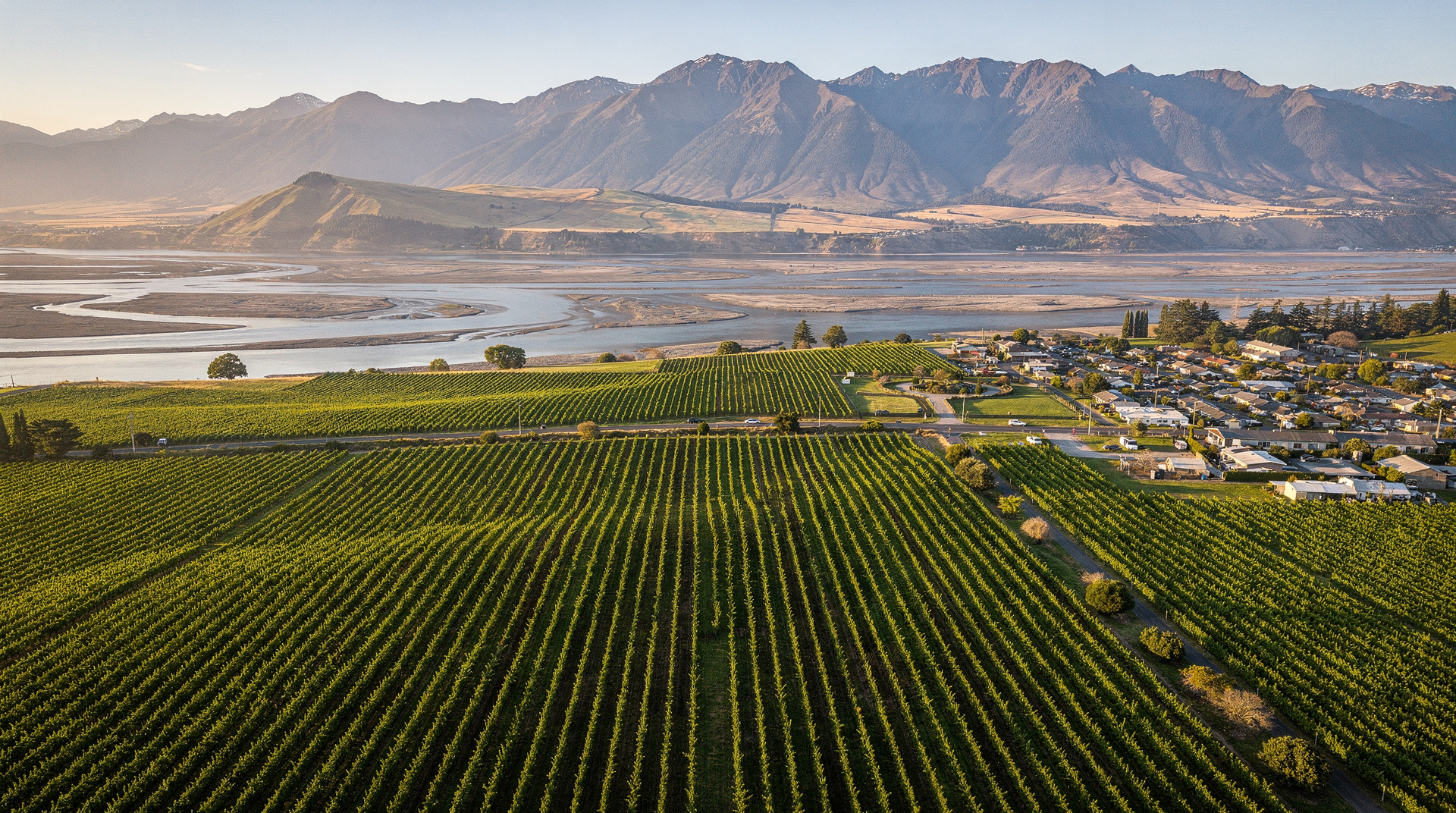
Marlborough
Honest Marlborough guide: Picton ferry gateway, Queen Charlotte Sound, Blenheim wineries, Havelock mussels. Real NZD/USD/EUR prices and practical logistics.
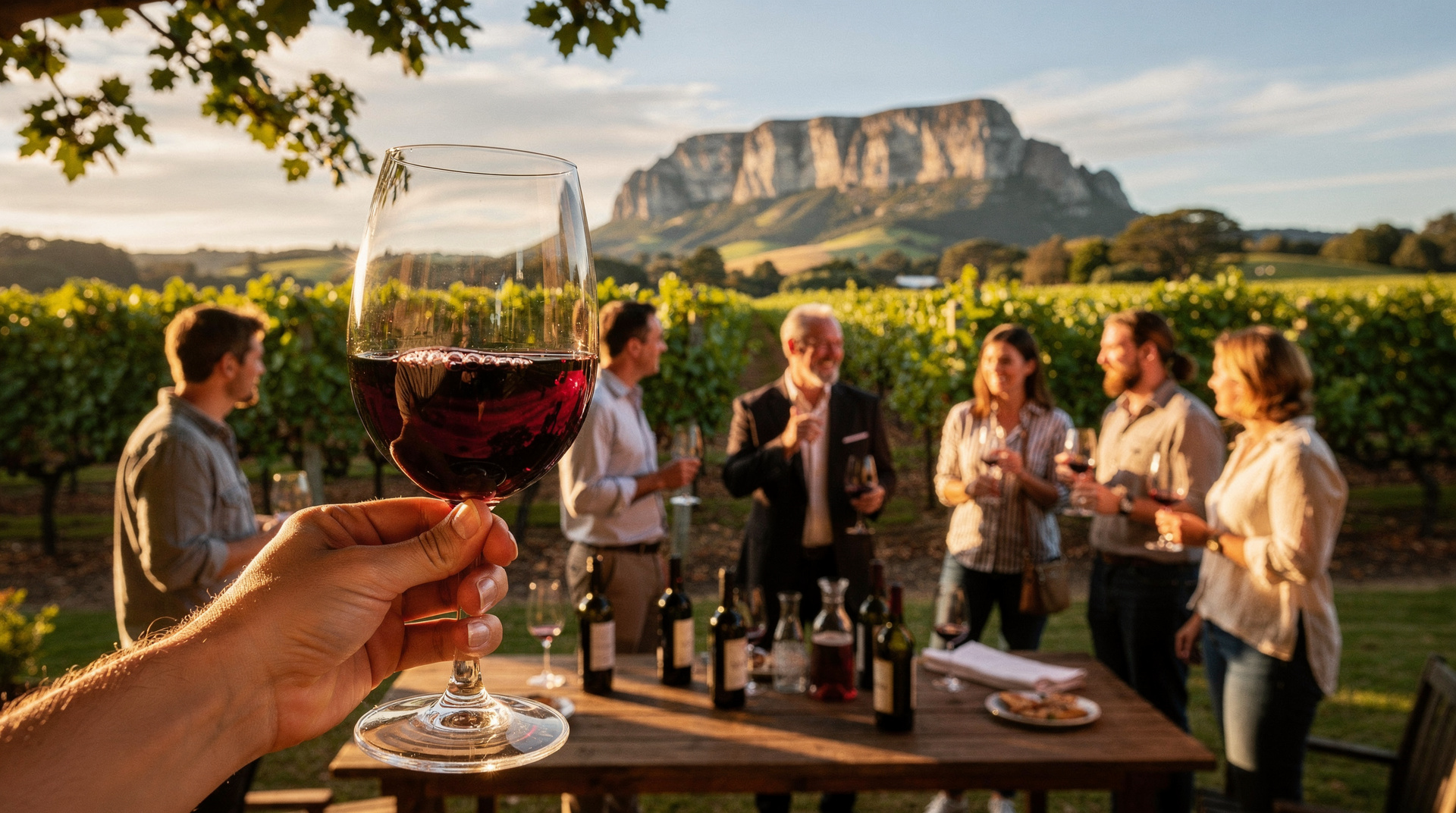
Hawke's Bay wine tour guide
Hawke's Bay is New Zealand's red wine capital. Syrah, Bordeaux blends, and Art Deco Napier — guided tours, cycling, and prices (NZD/USD/EUR).
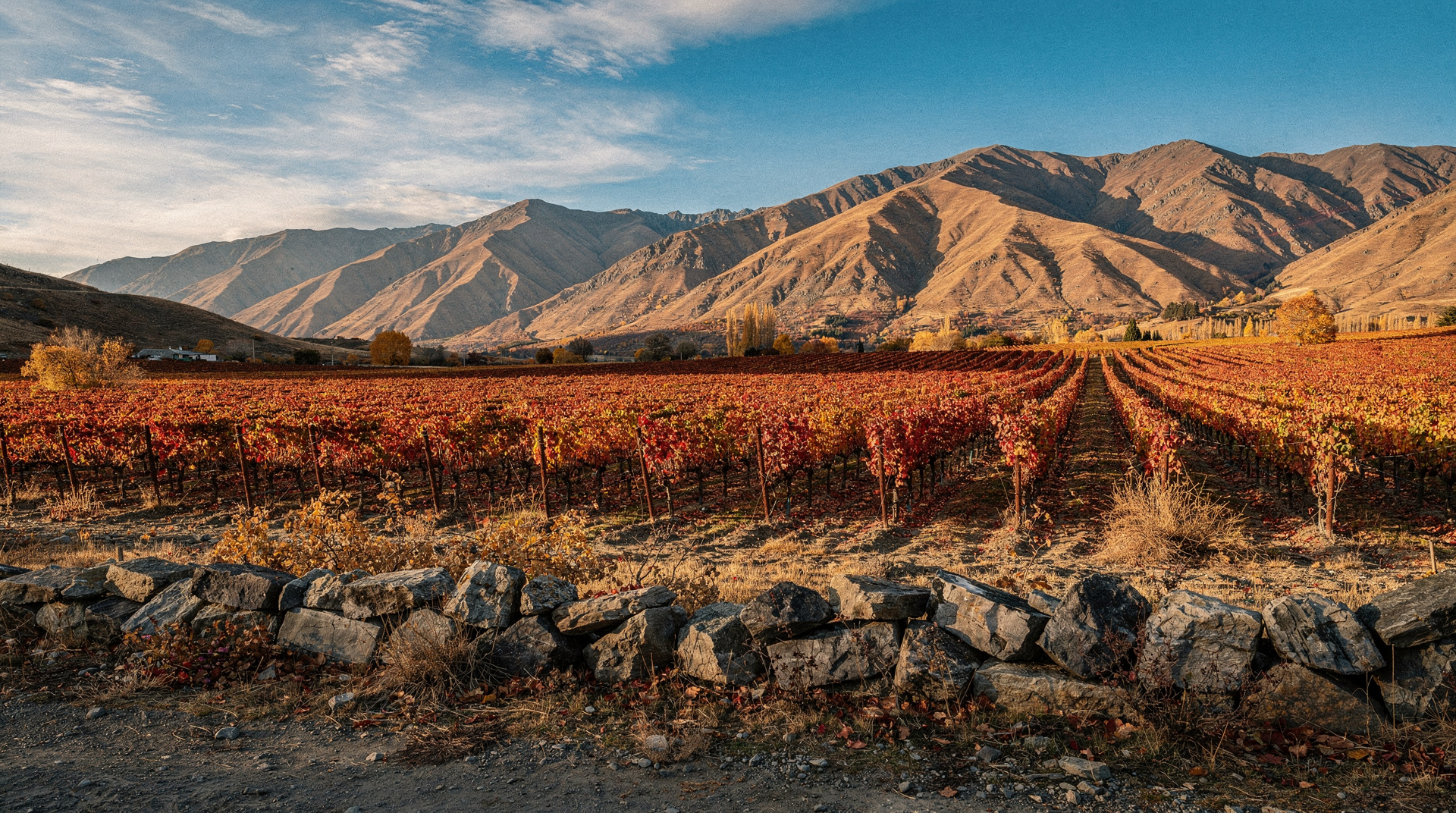
Central Otago wine tour guide
Central Otago is the world's southernmost wine region and NZ's pinot noir capital. Cromwell Basin, Bannockburn, Gibbston — tours and prices NZD/USD/EUR.
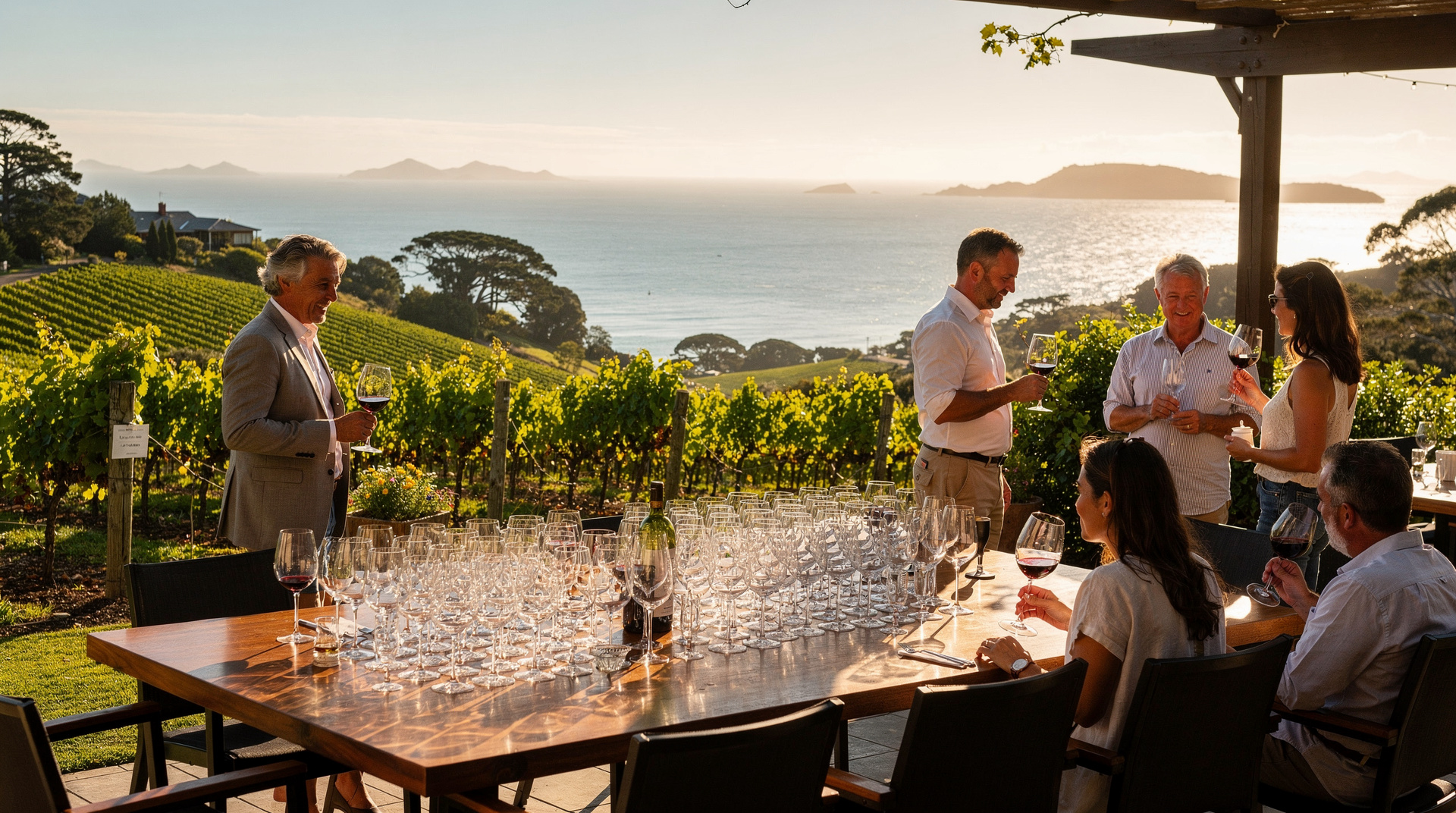
Waiheke Island wine tour
Waiheke has 30+ boutique wineries 35 min from Auckland. Full-day tours, self-guided cycling, ferry access — prices NZD/USD/EUR and top cellar doors.
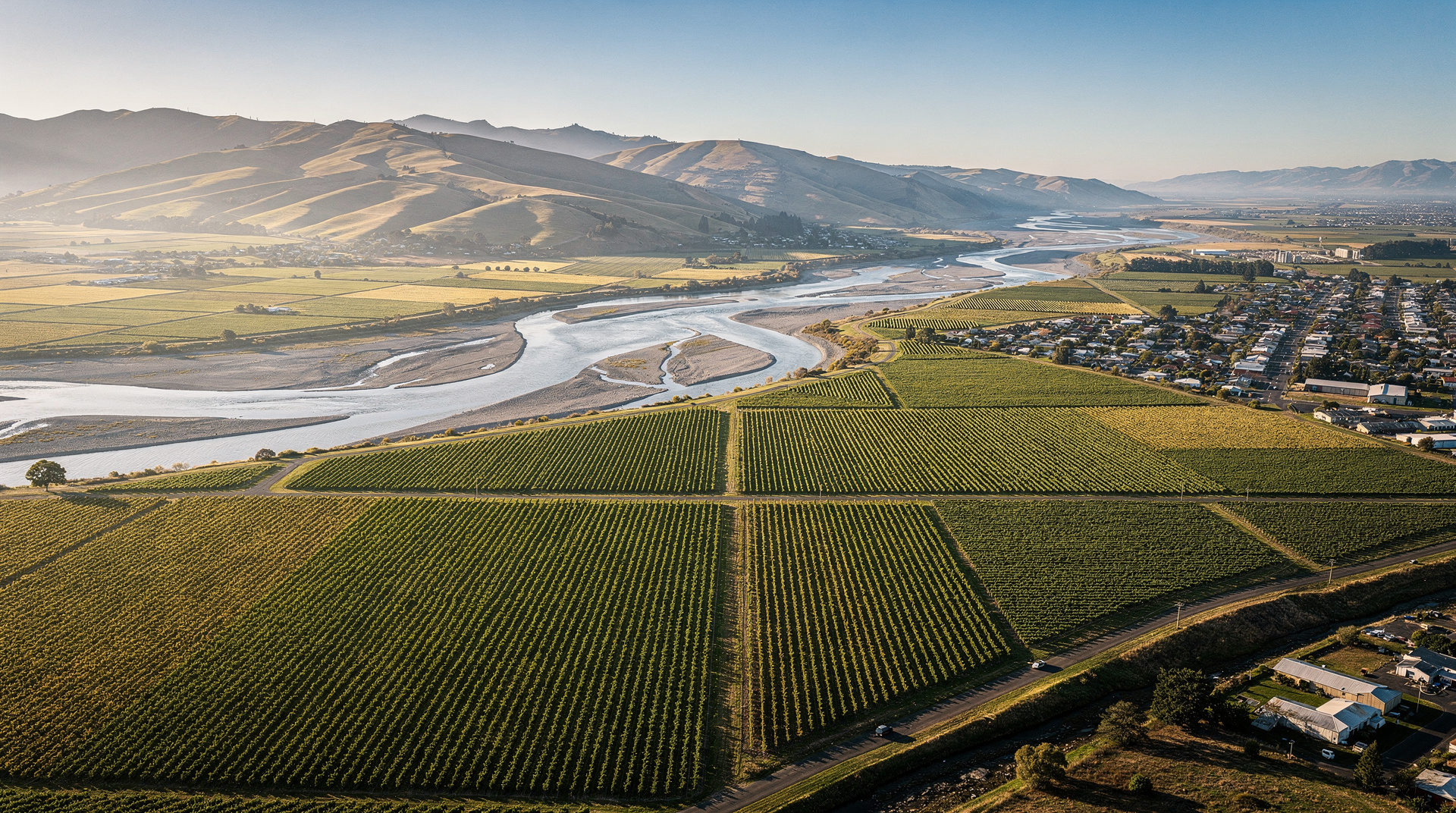
New Zealand wine regions — complete guide
Complete guide to New Zealand's 10 wine regions: Marlborough, Central Otago, Hawke's Bay, Martinborough and more. Which to visit, what to taste, prices.
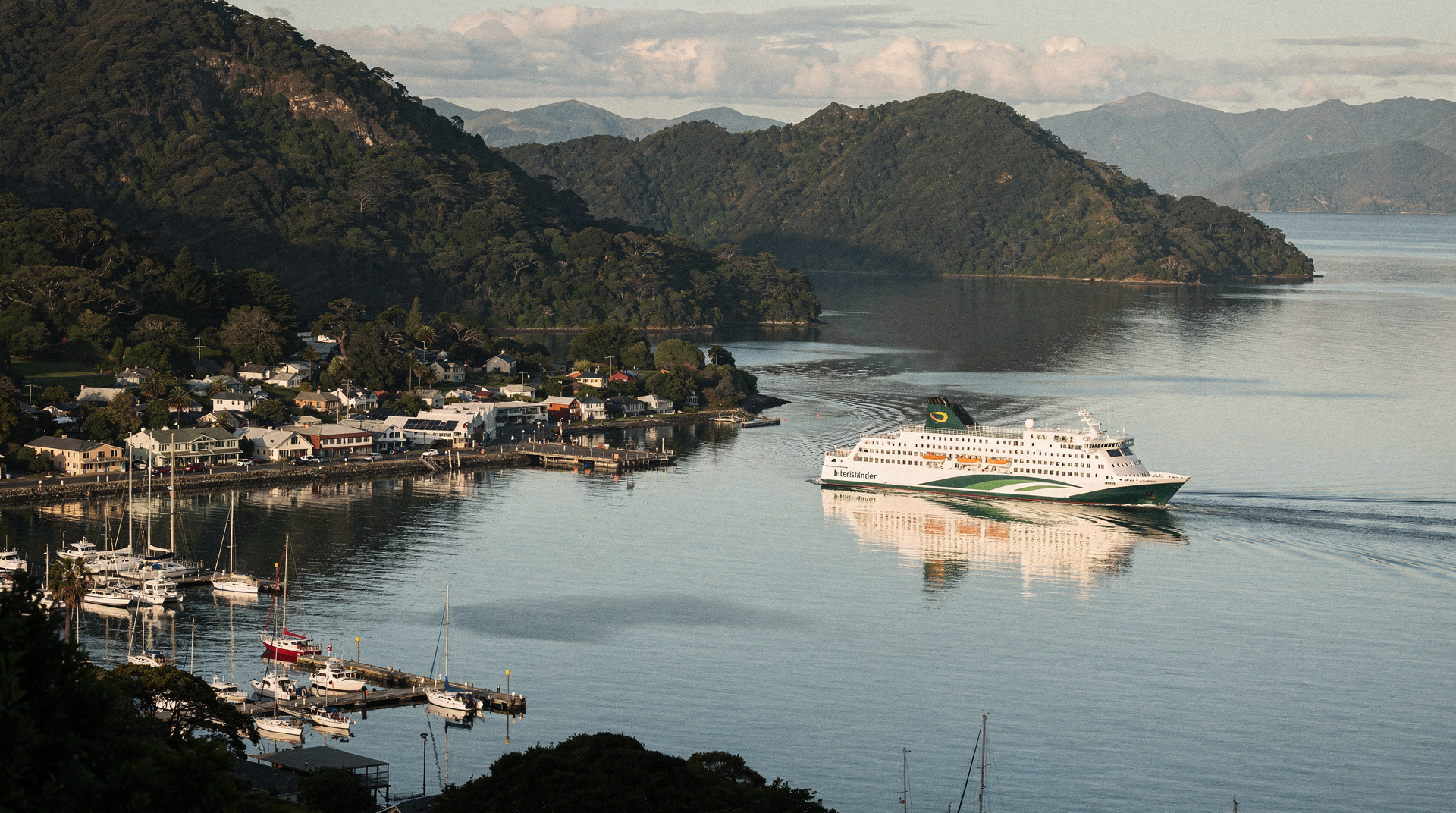
Picton
Picton: your Cook Strait ferry arrival point, gateway to Marlborough Sounds, Queen Charlotte Track, and the wine region. Real costs NZD/USD/EUR.
Last reviewed: