Heaphy Track — Great Walk through Kahurangi National Park
How long is the Heaphy Track and when can mountain bikes use it?
78km, 4-6 days (walking). Mountain bikes permitted 1 May to 30 November only — summer hiking season (December-April) is walkers only. Book DOC huts at doc.govt.nz from June. The most remote Great Walk: two separated road ends requiring transport coordination.
New Zealand’s most remote Great Walk
The Heaphy Track is the longest of New Zealand’s Great Walks at 78 km, and by significant margin the most remote. The track runs from the Aorere Valley near Collingwood (Golden Bay) to the West Coast at Karamea, crossing the full width of Kahurangi National Park. The road ends are 5+ hours apart by road — longer than the drive from Nelson to Christchurch.
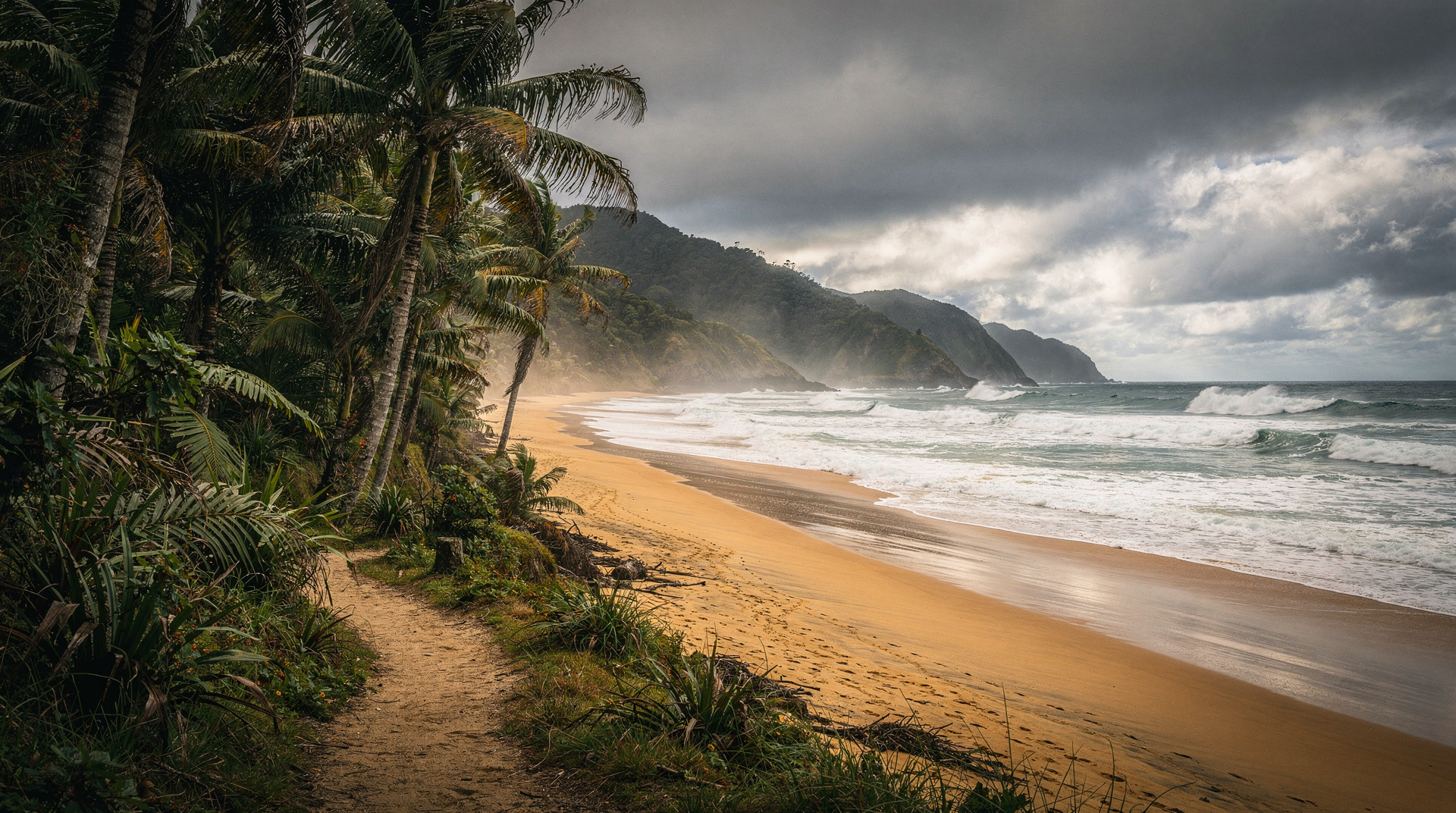
This is the Great Walk that most visitors overlook. The Abel Tasman is more famous (coastal, easy access). The Milford is more celebrated (Fiordland drama). The Heaphy sits between them, offering a wilderness character that neither of the others can match: nikau palm forests on a rocky West Coast shore, rare alpine grasslands at the plateau, and a persistent solitude that requires real effort to reach.
The mountain bike restriction in summer is one of the more unusual aspects of any New Zealand trail. From May to November, bikes can legally ride the Heaphy — and some sections become a mountain biker’s technically demanding day route. In the walking season (December to April), walkers have the track to themselves.
Quick stats
| Detail | Value |
|---|---|
| Total distance | 78 km |
| Total climb | ~1580m |
| Duration | 4-6 days (walking) |
| Hut fee (Great Walk season) | NZD 102/night (USD 61 / EUR 56) |
| Campsite fee | NZD 32/night |
| Great Walk season (walkers) | October to April |
| Mountain bike season | 1 May to 30 November |
| Booking | doc.govt.nz, opens June |
The seven huts (Brown Valley end to Karamea)
| Hut | Km from Brown Valley | Bunks |
|---|---|---|
| Aorere | 8 | 20 |
| Perry Saddle | 21 | 28 |
| Gouland Downs | 30 | 8 (small) |
| Saxon | 40 | 24 |
| James Mackay | 49 | 28 |
| Lewis | 61 | 20 |
| Heaphy | 72 | 28 |
Heaphy Hut (72 km) is the most remarkable location — directly above the West Coast shore, surrounded by nikau palms, with the sound of the Tasman Sea audible from the bunks. Plan to spend time here rather than rushing the final 6 km to Karamea.
The route: four key sections
Brown Valley to Perry Saddle (21 km, 7-8 hours): The ascent from Golden Bay through mixed beech forest to the plateau. Perry Saddle sits at 915m — the track’s high point. The plateau above Perry Saddle is distinctive New Zealand alpine grassland, rare and botanically significant. In clear weather, views extend to Kahurangi Point (West Coast) and across the Aorere Valley.
Perry Saddle to Saxon (19 km, 5-6 hours): The plateau section — rolling tussock grassland, open skies, and a remote silence that few Great Walks provide. The Gouland Downs are the geological heart of the track, a limestone karst landscape with sinkholes and unusual alpine plant communities. The rock architecture here resembles nothing else in the New Zealand wilderness.
Saxon to Lewis (21 km, 6-7 hours): The descent begins toward the West Coast. James Mackay Hut, perched above the forest margin, is one of the better viewpoints. Below James Mackay, the vegetation transforms — the forest changes to coastal native bush, the air becomes maritime, and the first nikau palms appear in the lower valleys.
Lewis to Karamea (17 km, 5 hours): The coastal finale. The track traces the edge of the Heaphy River mouth and a rugged pebble shore backed by nikau palms. This stretch — nikau forests, West Coast sea stacks, and river mouth birds — is unlike anywhere else in New Zealand. The Heaphy Hut to Karamea road end section is the most scenic of any Great Walk.
The transport problem
The Heaphy is point-to-point with road ends that cannot be reached by any practical loop. Solutions:
Option 1: Drive to Golden Bay end (via Takaka, 2.5 hours from Nelson). Walk to Karamea. Take a scheduled flight from Karamea to Nelson (40 minutes) — Air New Zealand franchise operator, bookable when arranging the walk. This is the best option.
Option 2: Drive to Karamea (5 hours from Nelson via Westport), walk to Golden Bay, arrange transport back from Takaka. More complicated but feasible.
Option 3: Arrange a vehicle shuttle service from Nelson. Transport companies offer one-way driver service for an additional fee.
The Golden Bay–Karamea transport challenge is a genuine logistical hurdle. Budget for it. The flight from Karamea to Nelson is approximately NZD 150-200 / USD 90-120 / EUR 83-110 one way, and it provides an aerial view of the park that reframes the entire walk.
Mountain biking on the Heaphy
The Heaphy is the only Great Walk in New Zealand open to mountain bikes, seasonally. From 1 May to 30 November, experienced mountain bikers ride the full track in 2-3 days — the terrain is technically demanding, particularly on the upper plateau and the coastal section over rocks.
Key bike-specific notes:
- Bikes must be carried across any unrideable sections (river crossings, exposed roots)
- Hut booking system applies equally to bikers in the permitted season
- Some sections are genuinely rideable only by skilled riders; beginners should research specific trail conditions
- West Coast sections (Lewis to Karamea) can be extremely muddy in wet conditions
Wildlife: what to expect
The Heaphy’s remote character supports wildlife populations that are harder to encounter on more visited tracks.
Blue duck (whio): Seen occasionally on the Aorere and Heaphy Rivers — a critically endangered species. Unmistakable: slate-blue body, bill with a pink bubble.
Kiwi: The Kahurangi National Park has a healthy kiwi population. Night sounds around Heaphy Hut frequently include kiwi calls.
Great spotted kiwi: Larger than the common North Island brown kiwi, this species is restricted to the South Island’s northwest. Heaphy Hut area is good habitat.
Weka: The brazen, flightless forest bird will enter any unzipped bag left on the ground. Assume your food is at risk.
Nikau palms: New Zealand’s only native palm, at their most abundant and spectacular on the coastal section. Nikau groves appear in the final 20 km.
What to pack
The Heaphy’s remote character and West Coast weather pattern require more conservative packing than most Great Walks:
- Full waterproofs (West Coast receives significant rainfall; the coastal section is fully exposed)
- Sandfly repellent (the coastal section has heavy sandfly populations)
- 4-6 days of food (no resupply mid-track)
- Emergency navigation (signal is absent most of the track)
- First aid (evacuation from the plateau would require helicopter in case of injury)
Cost breakdown (NZD / USD / EUR)
| Item | NZD | USD | EUR |
|---|---|---|---|
| 4-night huts | 408 | 245 | 224 |
| 5-night huts | 510 | 306 | 281 |
| Flight Karamea to Nelson | 150-200 | 90-120 | 83-110 |
| Transport shuttle (if not flying) | varies | — | — |
Booking DOC huts
Great Walk hut and campsite bookings open in June each year on doc.govt.nz for the following walking season (October–April), and the popular summer dates — particularly weekends and the Christmas–New Year period — sell out within days of booking opening.
Book as early as possible if you have fixed travel dates; the Heaphy’s remoteness means there is no realistic way to walk it without a confirmed hut or campsite booking for each night, unlike some shorter tracks where informal camping options exist. Outside the Great Walk season (May–September), hut fees drop to the standard backcountry rate and bookings are more flexible, but this coincides with the mountain bike season, so walkers sharing huts with cyclists should expect a different atmosphere.
Fitness and experience required
The Heaphy is graded as a Great Walk (the DOC’s most accessible multi-day category), but its remoteness raises the stakes compared with the Abel Tasman or the Routeburn. The terrain itself is moderate — well-formed track, manageable gradients, no technical scrambling — but the total distance (78 km) and the days of walking with no resupply or easy exit mean genuine multi-day hiking fitness is required. First-time trampers can do the Heaphy, but should have completed at least one shorter multi-day walk first and be comfortable carrying a full pack for 5-7 hours a day.
Frequently asked questions
How does the Heaphy compare to the Abel Tasman?
The Abel Tasman is shorter (60 km vs 78 km), more accessible (Nelson is 20 minutes from the Marahau trailhead), and more popular. The Heaphy is more remote, more diverse (plateau, karst, nikau coast), and requires more planning. The Abel Tasman vs Kahurangi comparison explores these differences in detail.
Can I do the Heaphy Track in both directions?
Yes — unlike the Milford Track, the Heaphy can be walked in either direction. The Golden Bay–to–Karamea direction (west) is slightly more popular because the coastal finish (arriving at the Heaphy shore) is considered more dramatic than the beech forest beginning.
Is there any section of the Heaphy I can day walk?
The coastal section from Kohaihai (the road end north of Karamea) to the first viewpoints is accessible as a day walk. The first 6 km from Kohaihai reaches nikau groves and the first sea views — a 12 km return day walk that samples the track’s best coastal section without the full commitment.
What’s the weather like on the plateau?
The Gouland Downs plateau is exposed and unpredictable. Even in summer, cold fronts can bring significant rain and wind. The plateau has no shelter between huts — be prepared for rapid deterioration. Perry Saddle Hut (on the plateau margin) is the shelter point if conditions prevent forward progress.
Related guides and reading
Related guides
Nelson and Tasman
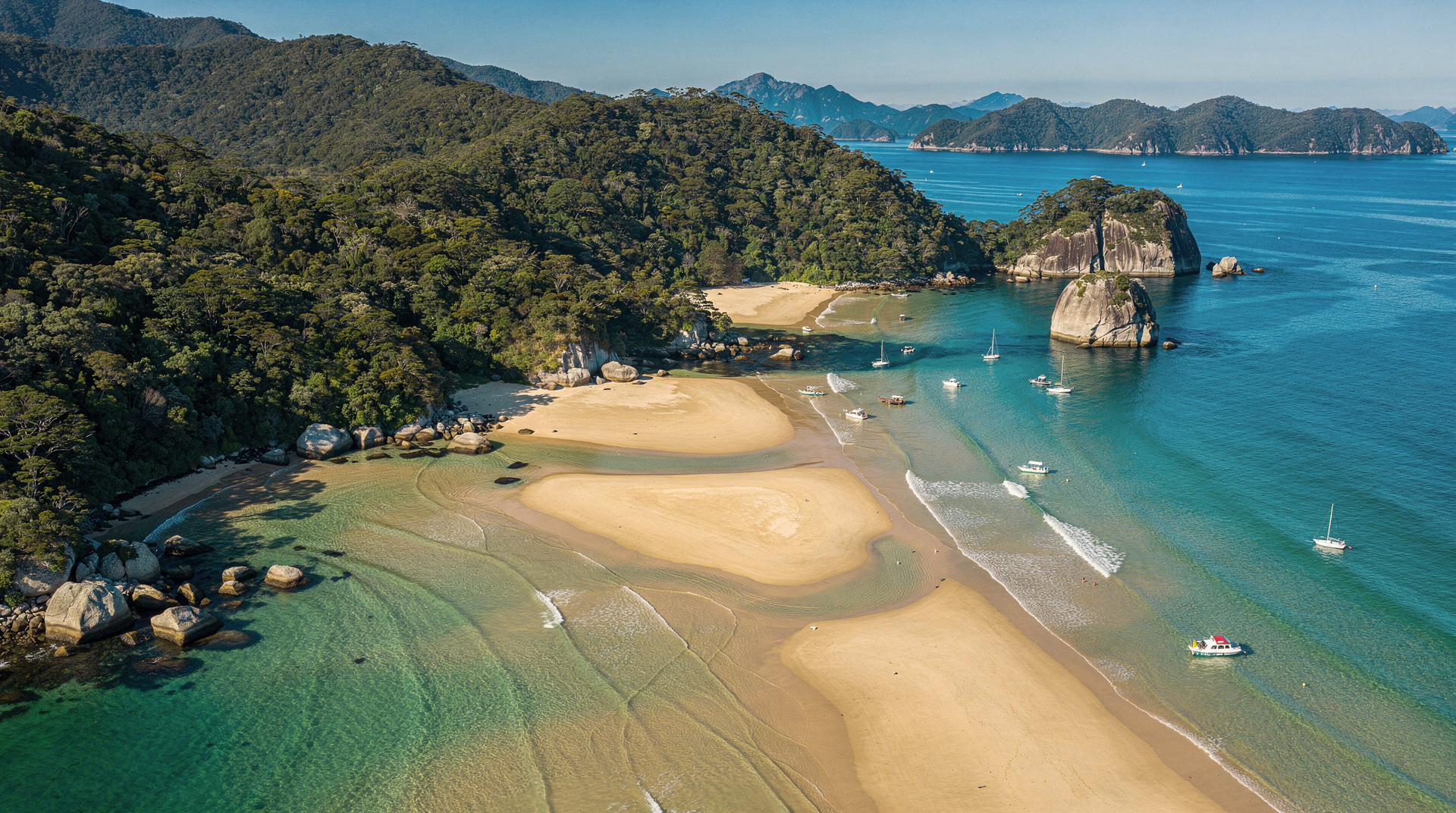
Honest Nelson-Tasman guide: Abel Tasman National Park, Golden Bay, Farewell Spit, Nelson wine. NZD/USD/EUR prices, kayak vs cruise, what to skip.
Nelson
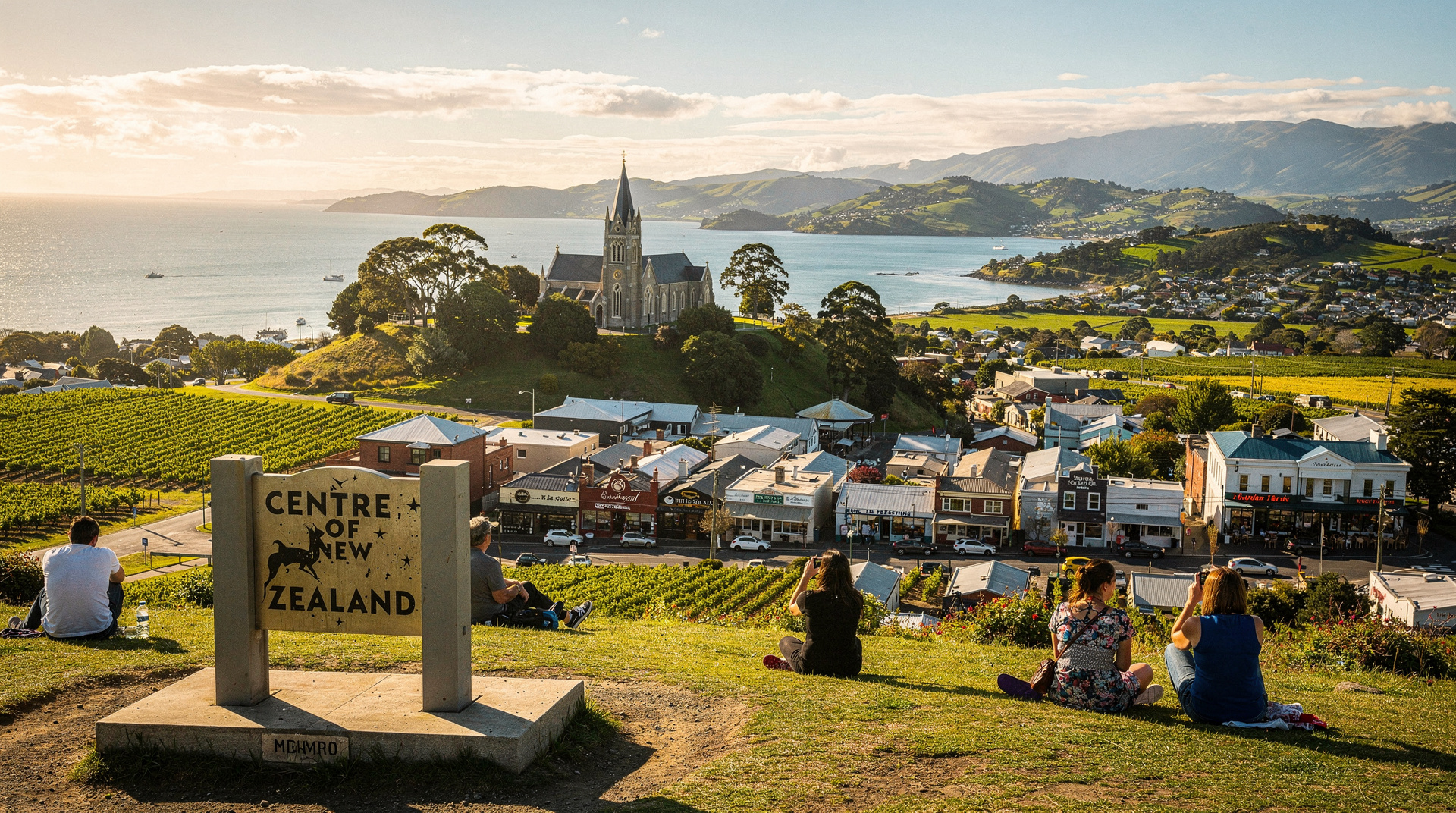
Nelson: New Zealand's sunniest city, gateway to Abel Tasman, with a strong arts scene, wine and craft beer, and real costs NZD/USD/EUR.
Abel Tasman Coast Track — Great Walk guide
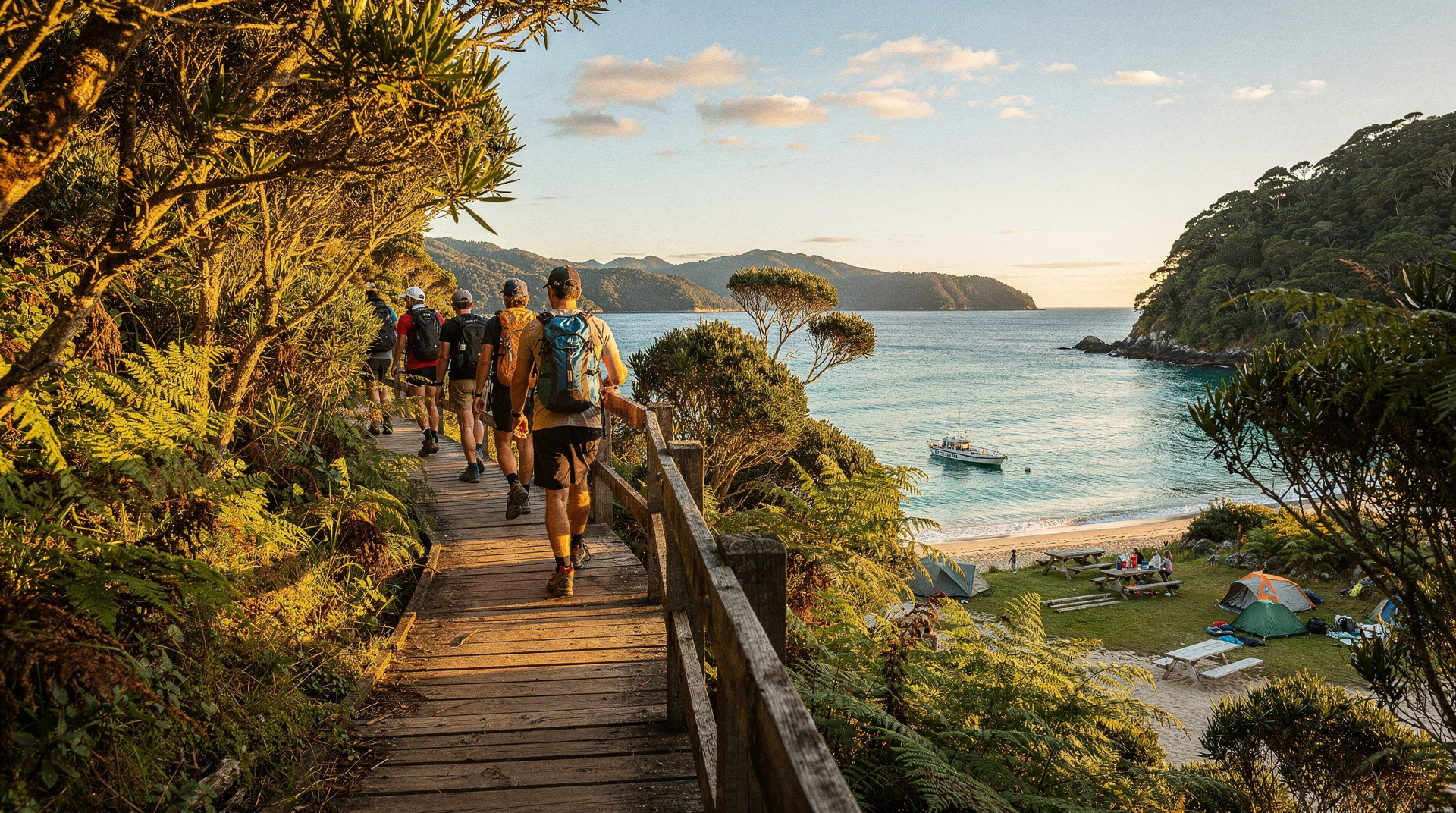
Abel Tasman Coast Track: 60km, 3-5 days, NZD 102/night huts. NZ's most popular Great Walk — golden beaches, clear water, seals. Book months ahead.
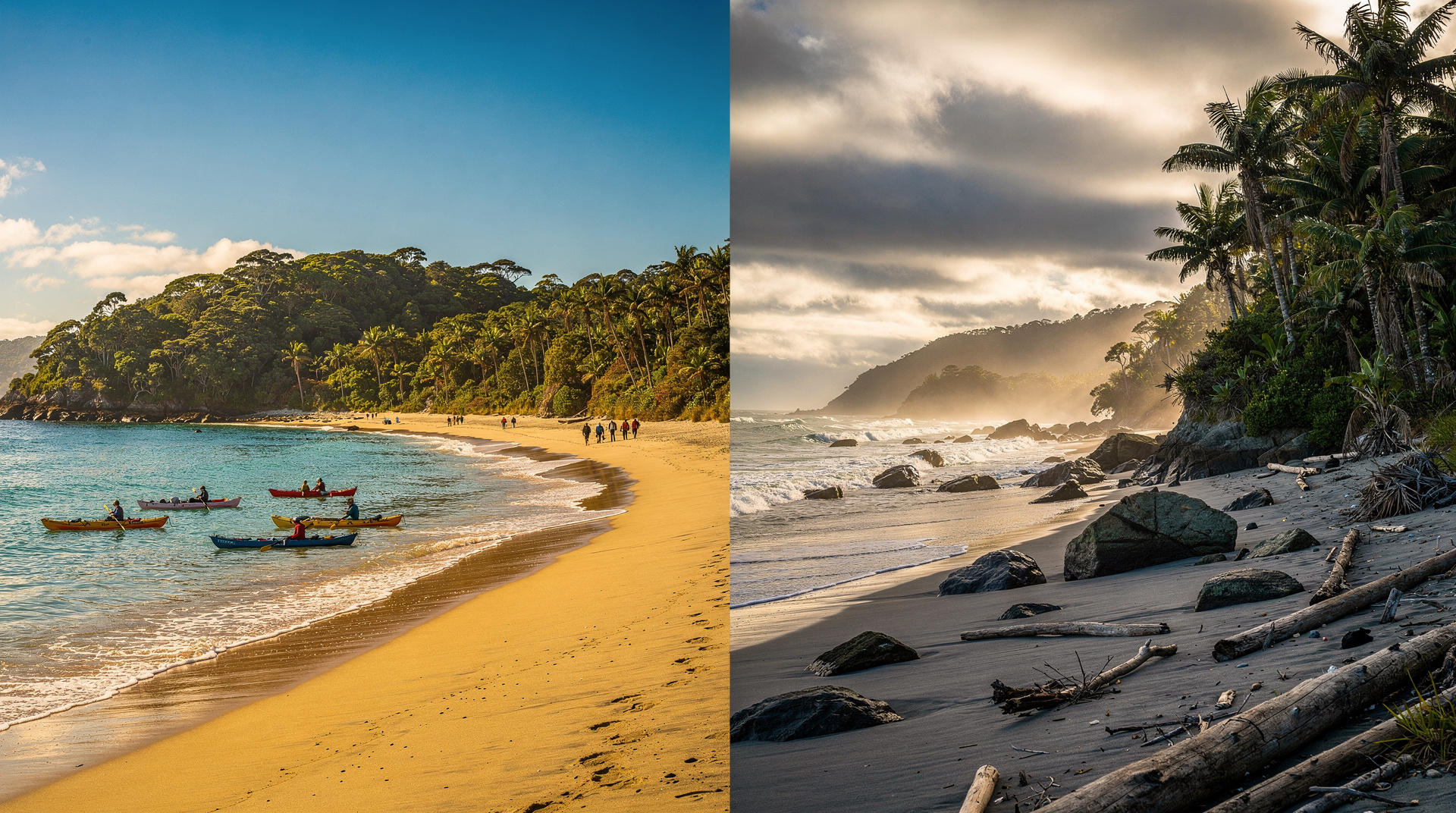
Abel Tasman vs Kahurangi National Park
Abel Tasman vs Kahurangi honest comparison: beaches, tracks, caves, access and cost. Clear verdict for walkers, kayakers and Great Walk planners. NZD/USD/EUR.
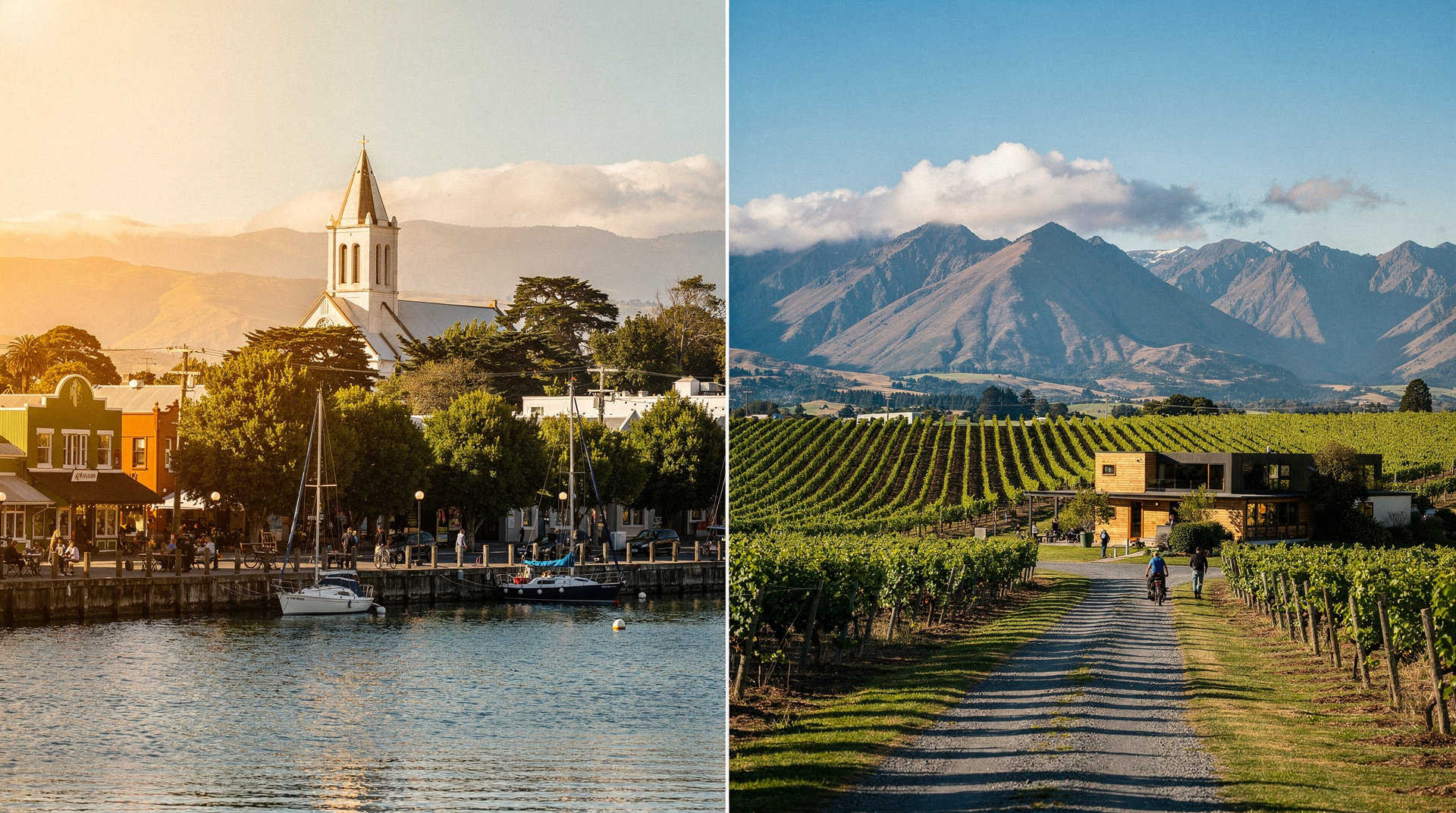
Nelson vs Marlborough
Nelson vs Marlborough honest comparison: wine, national parks, beaches, access and which region to prioritise. Clear verdict with prices in NZD/USD/EUR.
Last reviewed: