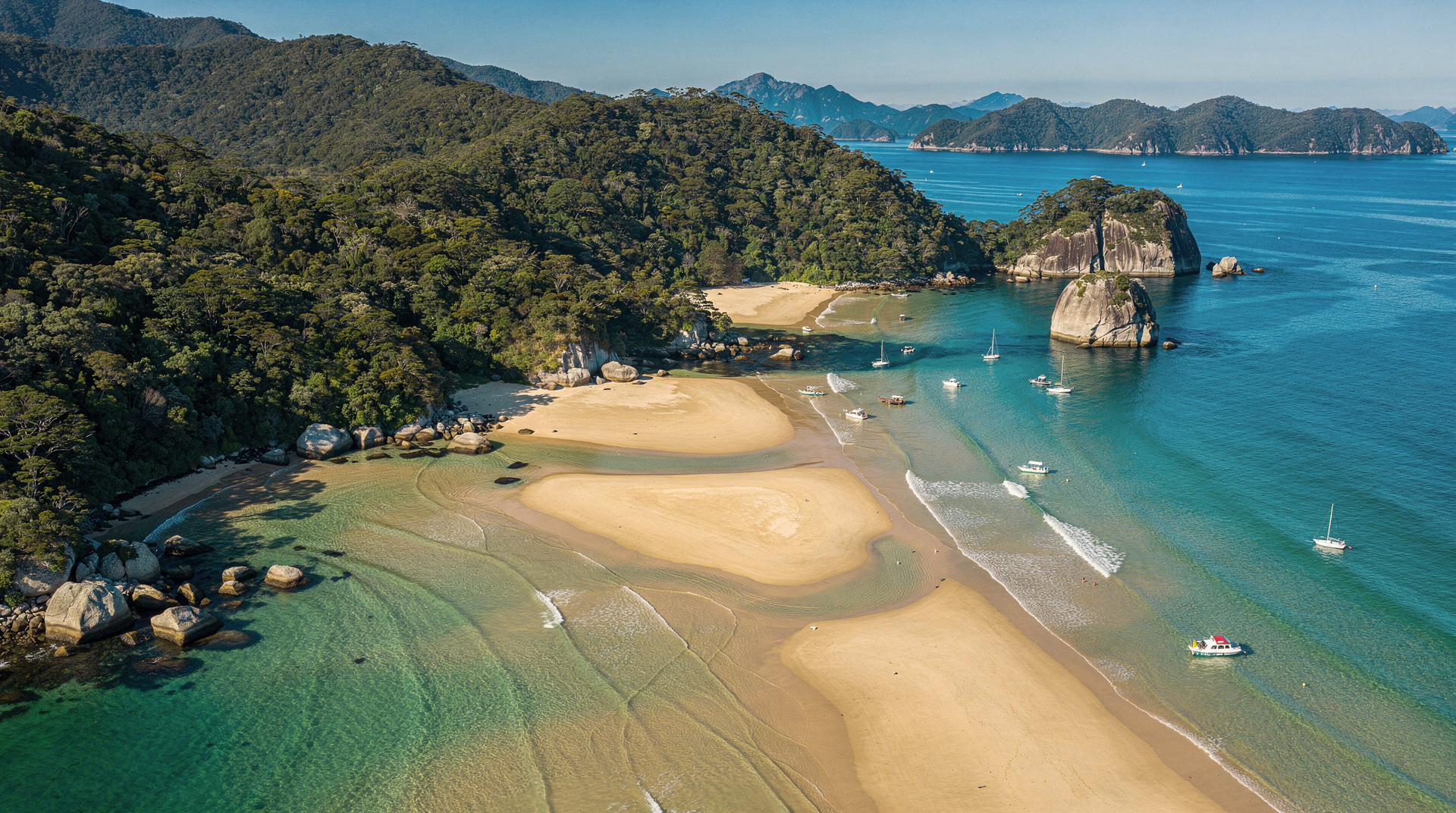
Nelson and Tasman
Honest Nelson-Tasman guide: Abel Tasman National Park, Golden Bay, Farewell Spit, Nelson wine. NZD/USD/EUR prices, kayak vs cruise, what to skip.
Quick facts
- Region
- North-west tip of the South Island
- Major hubs
- Nelson, Motueka, Marahau, Takaka (Golden Bay)
- Currency
- NZD — 1 NZD ≈ USD 0.60 / EUR 0.55
- Best for
- Abel Tasman kayaking, Golden Bay beaches, Nelson arts, Farewell Spit
- Skip if
- You have fewer than 3 days and must choose between this and Queenstown
Nelson and Tasman in one minute
| Where | North-west tip of the South Island |
| Time needed | 4–7 days for the full region |
| Cost | Around NZD 75–160 / USD 45–96 / EUR 41–88 per activity |
| Getting there | Direct flights to Nelson, or 2 hrs by road from Picton |
| Best time | October to April for kayaking and the Coast Track; year-round for Nelson city |
Nelson and Tasman are the sunniest region in New Zealand — more annual sunshine hours than any other area in the country. This basic fact explains everything: the beaches that stay warm into autumn, the vineyards that produce exceptional sauvignon blanc and chardonnay, the outdoor culture that keeps local cafes full of people in wetsuits.
The region’s centrepiece is Abel Tasman National Park — a 22,000-hectare coastal park with 60km of sculpted granite coastline, golden beaches, clear water, and the most popular multi-day walk in New Zealand (the Abel Tasman Coast Track). It is genuinely beautiful and can be experienced in one day (by water taxi and short walk) or five days (the full Track).
Beyond Abel Tasman, Golden Bay opens out beyond the Takaka Hill — a 45-minute winding climb that most visitors treat as a barrier but which leads to New Zealand’s most unspoiled bay: long beaches, the remarkable Farewell Spit, and a community of people who chose to be remote. Nelson city itself is an underrated base: good restaurants, a strong arts scene, and proximity to everything in the region.
The honest case for Nelson-Tasman
Nelson-Tasman competes directly with Marlborough for South Island entry-point time. Our honest verdict: if your South Island visit is shorter than 12 days, Queenstown, Fiordland, and the West Coast glaciers outrank this region as unmissable. But if you have 12+ days and want a warm, relaxed counterpoint to the dramatic south, Nelson-Tasman is outstanding.
Worth it without qualification: Abel Tasman kayaking — one of the 5 best kayaking destinations in the world, accessible without a guide. Farewell Spit if you’re an ecotourist or birdwatcher. The Abel Tasman Coast Track (at least the southern 2 sections).
Honest trade-off: The Nelson wine region is good but not as iconic as Marlborough or Hawke’s Bay. The Nelson city arts scene is charming but not world-class. Coming primarily for either of these would be a second-priority trip.
Where to base yourself
Nelson city is the obvious hub — it’s large enough (pop ~55,000) to have everything you need (grocery shops, hospitals, flights) but small enough to walk the waterfront, the arts district, and the best cafes in 20 minutes. The Monday and Saturday markets on Montgomery Square are excellent. Good central position for day trips to Abel Tasman (55km to Marahau), Golden Bay (90km to Takaka), and Marlborough (100km to Picton).
Motueka is 50km from Nelson on the road to Abel Tasman. A working town with a good weekly Saturday market, and more convenient than Nelson if you’re focusing entirely on the park. Motueka Waterfront Holiday Park is one of the better campground options in the region.
Marahau is literally the gateway to Abel Tasman National Park — a tiny settlement where the sea shuttles, kayak hire companies, and the Track entrance all start. Staying here cuts transit time and lets you reach the park by 8am before the day-trip crowds from Nelson.
Takaka (Golden Bay) requires crossing the Takaka Hill (SH60 — steep, winding, unsealed in places; rental car companies sometimes restrict it). Worth the crossing. Takaka is a small town with a distinctly laid-back, alternative culture; Golden Bay itself is one of New Zealand’s most beautiful coastlines.
Top experiences in Nelson-Tasman
Abel Tasman National Park by kayak
The Abel Tasman Coast is one of the world’s premier sea kayaking destinations: calm water inside the park (the headlands break the swell), golden beaches at intervals of 2-5km, fur seals on the rocks, and marine forest that comes right to the waterline. You do not need to be an experienced kayaker — the water inside the park is sheltered and the channels are well-marked. A day kayaking here is achievable for any reasonable fitness level.
Abel Tasman full-day kayak, seals and cruise experience — guided full-day trip combining sea kayaking (4 hours) with a cruise back. NZD 160 / USD 96 / EUR 88.
Abel Tasman 1-day freedom kayak rental — rent a double kayak and paddle your own route. NZD 95 / USD 57 / EUR 52. The freedom rental gives you more flexibility but requires basic navigation competence (GPS coordinates supplied; charts available).
For multi-day kayaking: the 3-day guided kayak and walk north from Marahau is one of the best adventure products in New Zealand — kayaking by day, lodges by night, bags transferred by boat. Abel Tasman 3-day kayak and walk north — NZD 850-1,050 / USD 510-630 / EUR 468-578.
See the complete Abel Tasman kayak guide.
Abel Tasman Coast Track
The Coast Track is the most popular multi-day walk in New Zealand — 60km, 3-5 days, 1,156 people permitted per day in peak season (DOC booking system). The track runs through coastal forest and drops to beaches every 8-15km. The most beautiful section is the southern half (Marahau to Bark Bay — 2 days walk), which includes the Torrent Bay estuary crossing, Cleopatra’s Pool (a freshwater swimming hole), and the cove at Anchorage.
Unlike the South Island’s Great Walks, you can do the Abel Tasman in parts using water taxis to enter or exit at any point. A single day walk from Marahau to Anchorage and water taxi back is an excellent 5-hour introduction.
Abel Tasman sea shuttle cruise and walking tour combo — morning cruise to a northern beach, guided walk back south, water taxi pickup. NZD 110-140 / USD 66-84 / EUR 61-77.
Full guide: Abel Tasman Coast Track.
Golden Bay and Farewell Spit
Golden Bay opens north of the Takaka Hill — a wide crescent of sandy beach, warm shallow water, and an atmosphere distinctly different from anything on the rest of the South Island. The bay is 40km long and almost entirely undeveloped. Pohara, at the eastern end, has the only real accommodation cluster; the beach runs west to Farewell Spit.
Farewell Spit is a 26km sand spit that arcs across the top of the bay — a DOC reserve and one of the most important shorebird staging areas in the Southern Hemisphere. Thousands of godwits (kuaka) stop here on their annual migration from Alaska. The spit is accessible only on guided eco-tours: From Collingwood: 6-hour Golden Bay Farewell Spit eco tour — NZD 120 / USD 72 / EUR 66.
The full-day trip from Nelson combining Golden Bay beaches and Farewell Spit is a 12-hour day. Most visitors prefer an overnight in Takaka instead: morning to Farewell Spit, afternoon at Pohara Beach, dinner at the Mussel Inn pub (Onekaka, 30 minutes from Takaka — legendary wood-fired mussels and craft beer), overnight.
See Golden Bay guide for detailed itineraries.
Nelson-Tasman with children
The region is genuinely family-friendly, more so than most South Island destinations. Abel Tasman’s calm, shallow water and short beach-to-beach walks suit children better than most multi-day tracks; a half-day water taxi and short walk combination lets younger kids experience the park without a demanding hike. The Nelson Saturday Market has enough food stalls and open space to keep children entertained while adults browse. Golden Bay’s shallow, warm water at Pohara Beach is one of the safer swimming spots on the South Island, and the Mussel Inn’s outdoor seating tolerates restless kids well.
The main caution is distance: Golden Bay and the more remote parts of Abel Tasman involve long car trips, and the Takaka Hill’s winding road can be uncomfortable for children prone to motion sickness. Breaking the region into a 4+ day visit rather than trying to see everything in 2 days makes a meaningful difference for families.
Nelson city arts and food
Nelson has the highest ratio of artists per capita in New Zealand. The suburb of Stoke (10 minutes from the CBD) has a cluster of pottery, jewellery, and printmaking studios. The Nelson Saturday Market (Montgomery Square, 8am-1pm) is the best weekly market in the South Island — local produce, street food, live music, craft. The Nelson Provincial Museum on Hardy Street has good pre-European and colonial history exhibits.
Best restaurants: Harry’s Bar (excellent lamb and South Island seafood), The Boat Shed Cafe (absolute water views, pricey but justified for the setting), Hopgoods (the most consistently excellent restaurant in the city, Nelson’s long-running fine dining institution). Coffee: Co-Lab Espresso on Hardy Street is the pick.
Nelson wine: the region produces good chardonnay, pinot gris, and riesling — less intensely aromatic than Marlborough. Seifried Estate and Neudorf Vineyards are the most respected producers. Nelson wine tour with tastings and lunch — half-day guided tasting tour. NZD 135 / USD 81 / EUR 74.
Cycling the Great Taste Trail
The Great Taste Trail is a 175km cycling route through Nelson and Tasman — from Nelson through the wineries of the Waimea Plains, along the Wai-iti River, and down to Mapua on the estuary. The terrain is gentle; the trail is well-surfaced and signed. Sections are bike-rental accessible from Nelson. The Spooner’s Tunnel to Tapawera section (an 855m repurposed rail tunnel, unique in New Zealand, completely dark inside — lights provided) is an unusual highlight.
Tasman’s Great Taste Trail: Spooner’s Tunnel to Tahunanui — self-guided bike tour, NZD 75 / USD 45 / EUR 41.
Getting there and getting around
To Nelson by air: Nelson Airport receives domestic flights from Auckland (1 hour), Christchurch (1 hour), and Wellington (45 min). Air New Zealand and Jetstar serve the route; fares from NZD 80-200 / USD 48-120 / EUR 44-110 depending on booking lead time. Nelson Airport is 8km from the city centre; taxis cost NZD 25-30 / USD 15-18 / EUR 13.75-16.50.
By road from Picton (Marlborough): 2 hours via SH6 through Havelock and Rai Valley — one of the more beautiful South Island drives. From Christchurch: 430km via SH1 through Kaikoura, or over the Lewis Pass — 5-6 hours.
Within the region: A rental car is essential for Golden Bay and the inland routes. Buses connect Nelson to Motueka, and Motueka to Marahau (Abel Tasman) — this works if you’re not doing day trips elsewhere. Cycling is viable within the Nelson city area and for the Great Taste Trail but not for the distances involved in day-tripping to Abel Tasman.
Farewell Spit access: The spit itself is only reachable on a permitted eco-tour departing Collingwood, near the far end of Golden Bay. The Golden Bay Farewell Spit eco tour from Collingwood is the standard way in; independent vehicle access onto the spit is not permitted beyond the first few hundred metres, both for safety (soft sand, tidal timing) and to protect the shorebird habitat.
Where to stay
Budget (NZD 35-95 / night)
The Palace Backpackers (Nelson) — the most social hostel in the city, good central location. Dorm NZD 38; private NZD 95.
Abel Tasman Ocean Beach Holiday Park (Marahau) — excellent positioned right at the park entrance. Powered sites NZD 50; basic cabins NZD 85-110.
Mussel Inn Backpackers (Onekaka, Golden Bay) — attached to the famous Mussel Inn pub, basic and rustic, unmistakably character-filled. Dorm NZD 35.
Mid-range (NZD 150-300 / night)
Trailhead Lodge (Marahau) — new, well-equipped rooms at the Abel Tasman gateway. NZD 170-230.
Pohara Beach Top 10 Holiday Park (Golden Bay) — the best family holiday park in Golden Bay, cabins NZD 120-180.
Cathedral Inn (Nelson) — boutique, central, good breakfast. NZD 180-250.
Luxury (NZD 350+)
Awaroa Lodge (Abel Tasman National Park, accessible only by water taxi or on foot) — the iconic park lodge. Eco-designed, excellent food, kayaks included, absolute coastal wilderness setting. NZD 450-650 per person including meals. Worth it.
Waiharakeke Lodge (Motueka) — boutique lodge with native garden, pool, very good restaurant. NZD 380-550.
Best time to visit
December to March is peak season in Abel Tasman: the busiest, warmest, and most crowded. The track requires DOC booking months ahead in December-January. Water temperature reaches 19-21°C — comfortable for kayaking without a wetsuit.
October-November and April are the sweet spots. Abel Tasman DOC slots more available; water still warm enough from the heat stored over summer; accommodation prices 20-30% lower than peak. The park is at its most beautiful in April (golden light, calm seas).
May to September: Colder but not harsh. Abel Tasman is dramatically less crowded and no DOC booking required for the track (carry a pack). Golden Bay is excellent in winter for long empty beach walks. Nelson arts scene continues year-round; the Nelson Arts Festival runs in October.
Common mistakes
Treating Abel Tasman as a 2-hour stopover. Taking a water taxi to Anchorage and back counts, but the park deserves a full day minimum — ideally with kayaking. Many visitors feel rushed on the cruise-only option.
Skipping the Takaka Hill. The crossing takes 45 minutes and some people decide Golden Bay is “too far.” It’s not — and nothing else on the South Island is quite like it.
Overloading the Abel Tasman with a long queue of activities. The park is best done slowly: one beach, one swim, one kayak out to the seals, return. Trying to reach 4-5 beaches in a day means rushing the thing that makes the park special.
Not checking the weather before kayaking. The inside-park water is sheltered, but departing from Marahau in a northerly wind can be hard going. The kayak hire operators will advise and will not rent to solo beginners in adverse conditions.
Sample itineraries
2-day Nelson-Tasman minimum
Day 1: Arrive Nelson. Afternoon: Nelson Saturday Market (if Saturday) or arts district walk. Dinner at Hopgoods.
Day 2: Early start to Marahau (55km, 50 min). Full-day kayak in Abel Tasman. Return to Nelson by 7pm. Overnight Nelson.
4-day regional sweep
Day 1: Nelson city — market, arts district, wine tour afternoon.
Day 2: Abel Tasman full day — guided kayak, seals, beaches.
Day 3: Drive to Takaka (1.5 hours over Takaka Hill). Farewell Spit morning eco-tour. Pohara Beach afternoon. Overnight Takaka.
Day 4: Return via Takaka Hill to Nelson or Motueka. Afternoon cycling on the Great Taste Trail near Mapua. Drive to Picton for the ferry or continue to Nelson for flights.
7-day Abel Tasman immersion
Days 1-2: Nelson. Days 3-5: Abel Tasman Coast Track (southern half, Marahau to Bark Bay). Day 6: Golden Bay. Day 7: Marlborough Sounds drive south.
Full multi-day walk logistics: Abel Tasman Coast Track guide.
See also Nelson vs Marlborough comparison guide and Abel Tasman vs Kahurangi comparison.
Nelson-Tasman vs Marlborough — which one first?
Both regions sit at the top of the South Island, roughly 2 hours apart, and many itineraries visit both. If you have to choose one: Nelson-Tasman wins for Abel Tasman kayaking, Golden Bay, and warmer, sunnier weather; Marlborough wins for wine and the Marlborough Sounds. Both are excellent bases for a Cook Strait ferry arrival — Marlborough is closer to Picton, Nelson-Tasman requires an extra 2 hours of driving but rewards it with the national park. Confirm the Nelson vs Marlborough guide for the detailed trade-offs if your itinerary can only fit one.
FAQ
Do you need experience to kayak in Abel Tasman?
No. The water inside the park is sheltered from open ocean swell by the headlands; the channels are calm in normal conditions. Guided tours are available for complete beginners. Freedom kayak rental companies provide basic instruction and will not rent to solo first-timers in adverse weather. The biggest risk for beginners is a headwind on the return leg — guide companies know the conditions and will plan accordingly.
Is Abel Tasman National Park worth visiting in winter?
Yes, with different expectations. The track is open year-round; no DOC booking required off-peak. Water is cooler (14-16°C in July — wetsuit advised for kayaking). The beaches are empty and the bush is extraordinarily peaceful. Many visitors prefer the winter experience for the solitude.
How do you get to Abel Tasman without a car?
Bus from Nelson to Motueka (1 hour), then Motueka to Marahau (30 min). Buses run twice daily in summer, less frequently in winter. Book in advance. The water taxis and kayak companies in Marahau are all within walking distance of the bus stop.
What’s the difference between Abel Tasman and the Marlborough Sounds for kayaking?
Abel Tasman has golden beaches, warmer water, and is more consistently calm. Marlborough Sounds is larger, more dramatic, and more remote-feeling. Abel Tasman is the better day-kayaking destination; Marlborough Sounds offers a more wilderness feeling on multi-day trips. Both are excellent.
Is Golden Bay worth the drive over Takaka Hill?
Strongly yes. The Takaka Hill road (SH60) is steep and winding but the surface is sealed and manageable in any standard vehicle (check rental car restrictions). The reward is one of New Zealand’s most beautiful and undiscovered bays, and the access to Farewell Spit. Allow 45-55 minutes for the hill crossing.
Should I visit Nelson-Tasman or Marlborough first if doing both?
Order depends on your entry point. Arriving by Cook Strait ferry, most people do Marlborough first (it’s closer to Picton) then continue to Nelson-Tasman. Flying directly into Nelson reverses this naturally. Either order works — the two regions are only 2 hours apart by road.
How many days does Abel Tasman deserve on a first visit?
A minimum of one full day, ideally with kayaking rather than just a cruise. Two days lets you add a half-day walk on the Coast Track alongside the kayaking. The full 3–5 day Coast Track is worth it primarily for dedicated trampers rather than first-time visitors balancing multiple regions.
Top experiences: nelson tasman New Zealand
See all →Guides for Nelson and Tasman
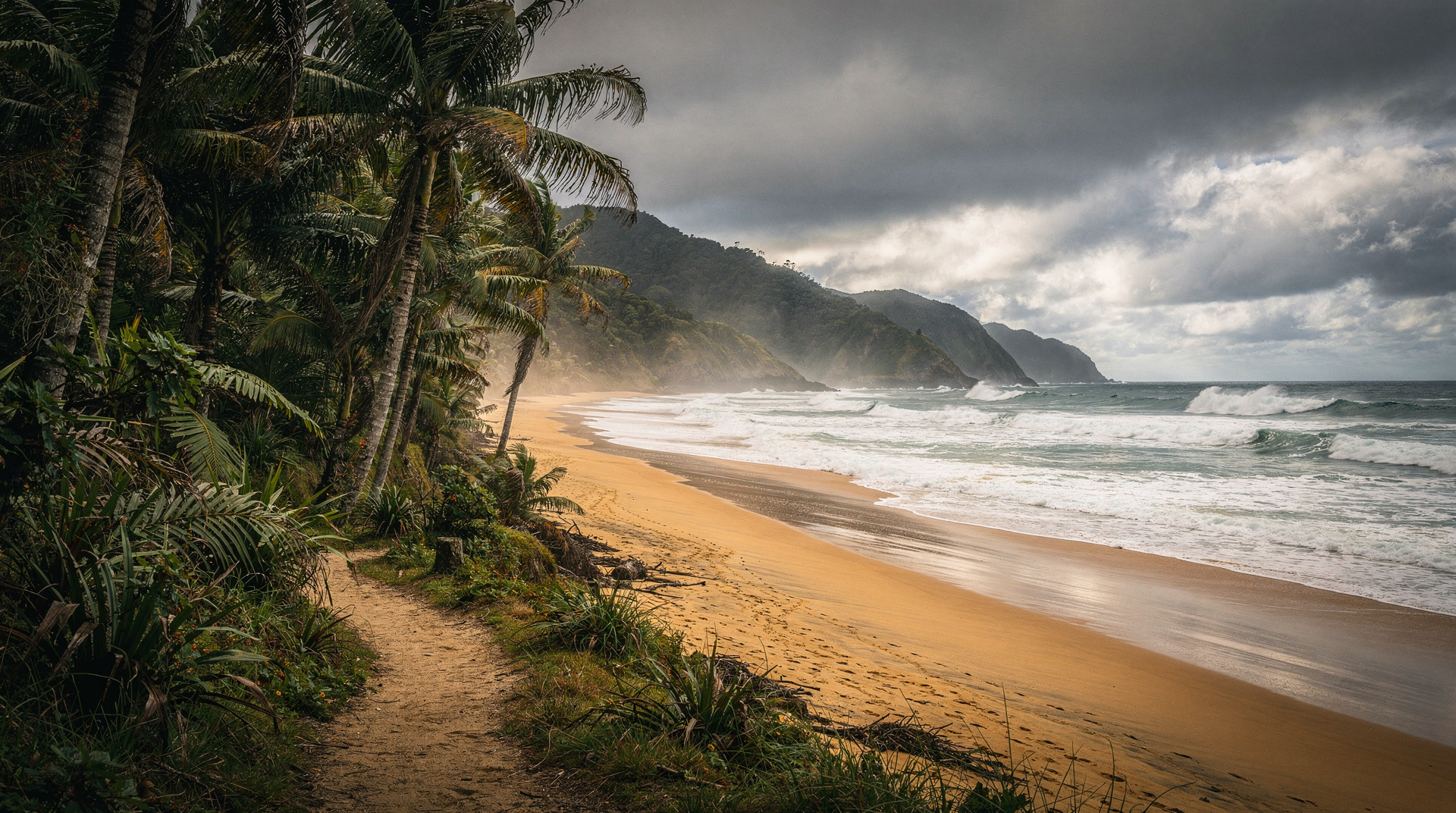
Heaphy Track — Great Walk through Kahurangi National Park
Heaphy Track: 78km, 4-6 days, most remote Great Walk. No MTB in summer. Kahurangi NP coastal wilderness. Book DOC huts from June. Full guide.
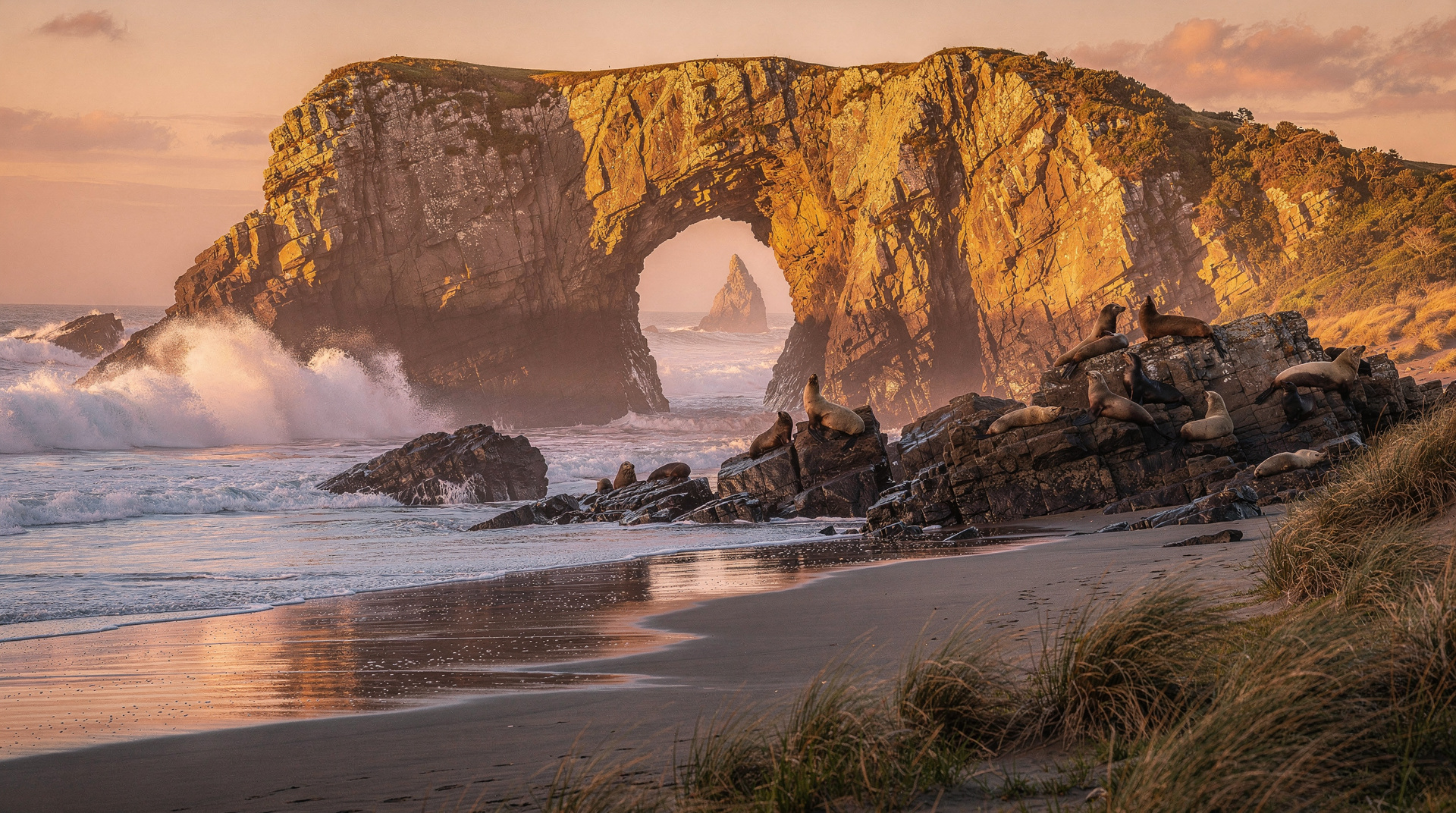
Wharariki Beach and the Archway Islands
Wharariki Beach, Golden Bay: dramatic Archway Islands sea arches, year-round fur seal colony, tidal caves. 20-min walk access. Practical guide 2026.
Related guides
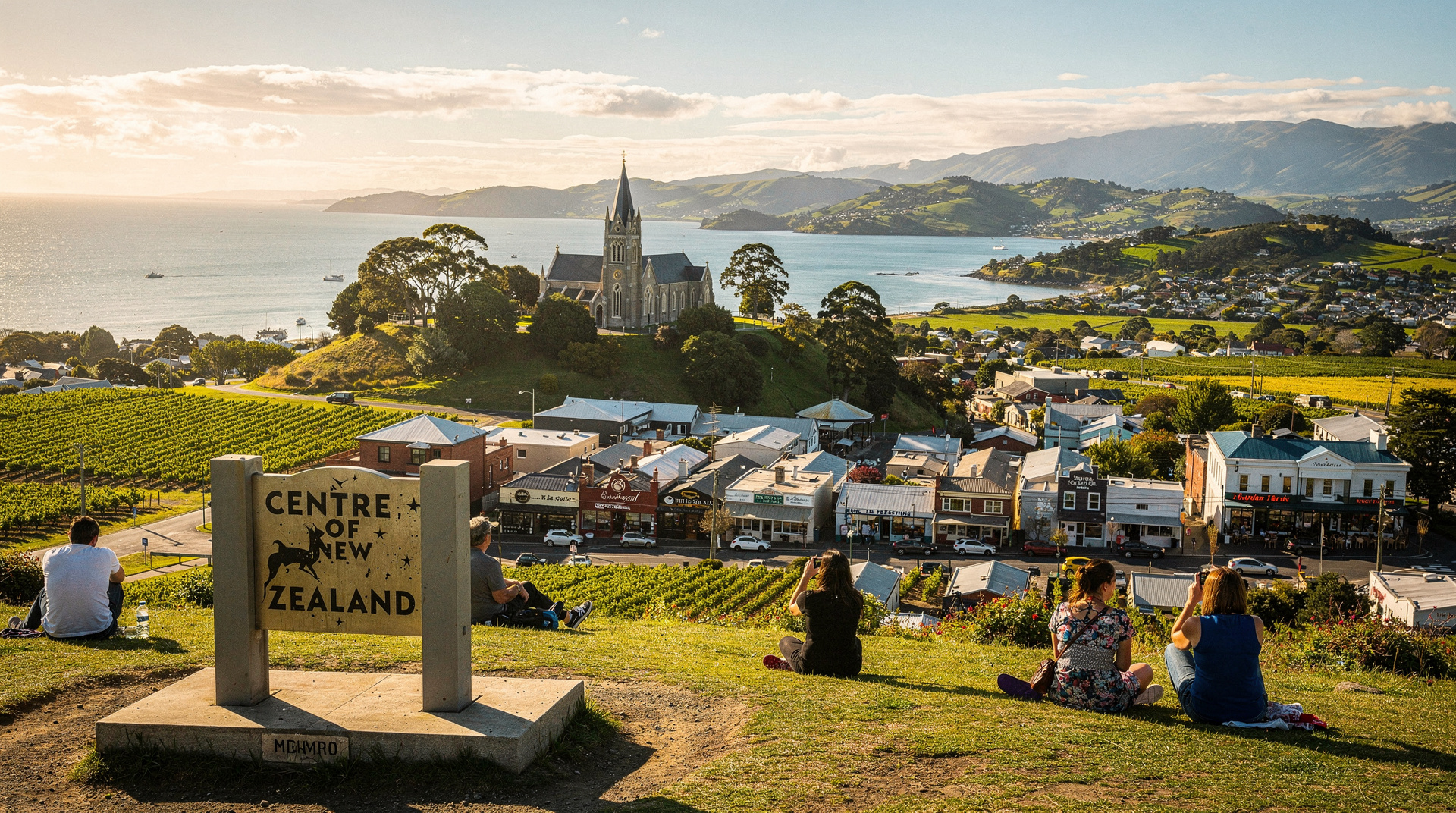
Nelson
Nelson: New Zealand's sunniest city, gateway to Abel Tasman, with a strong arts scene, wine and craft beer, and real costs NZD/USD/EUR.
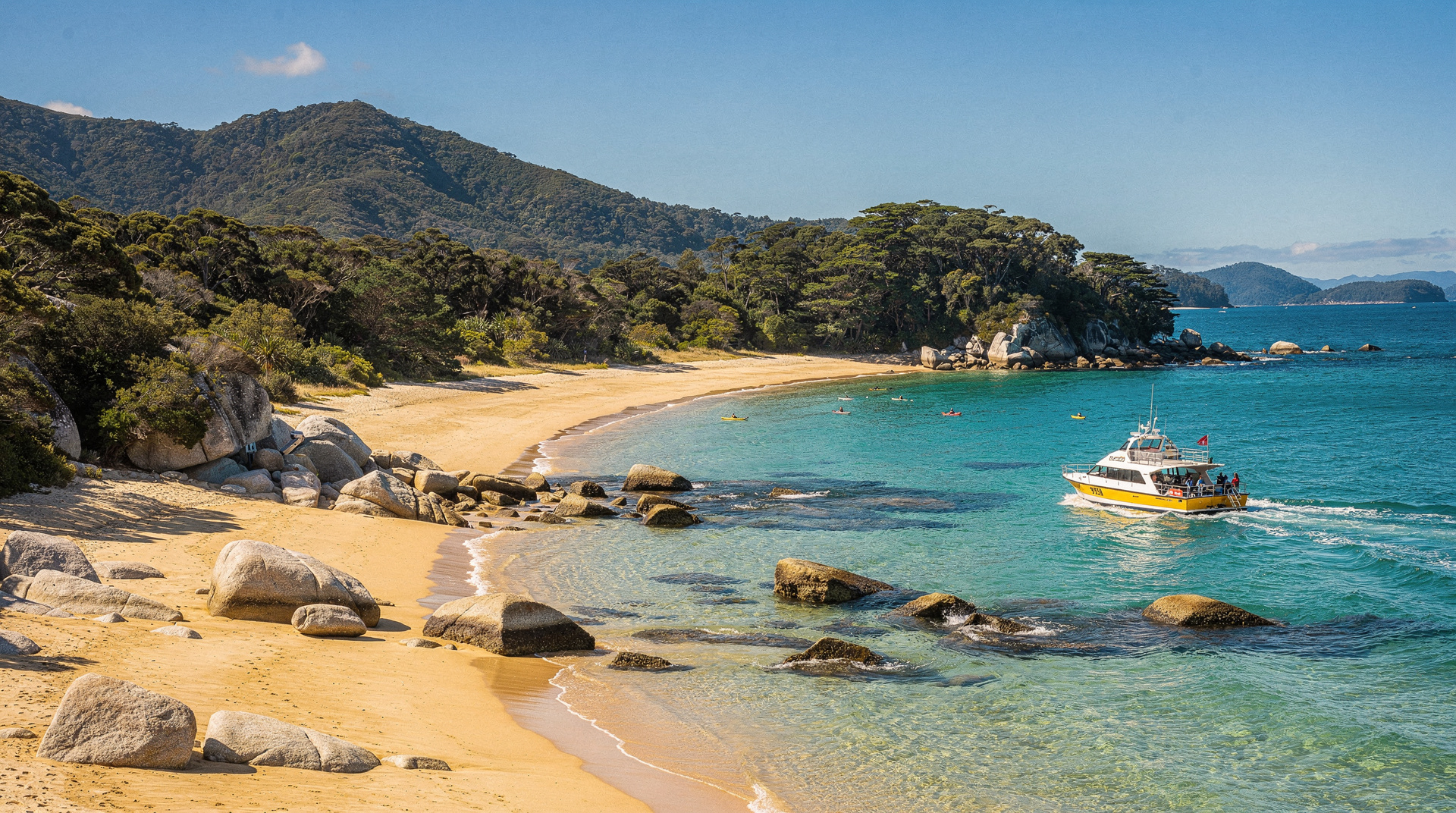
Abel Tasman National Park
Honest Abel Tasman guide: kayak vs coast track, water taxis, best bays — real NZD/USD/EUR prices and how long you actually need for this park.
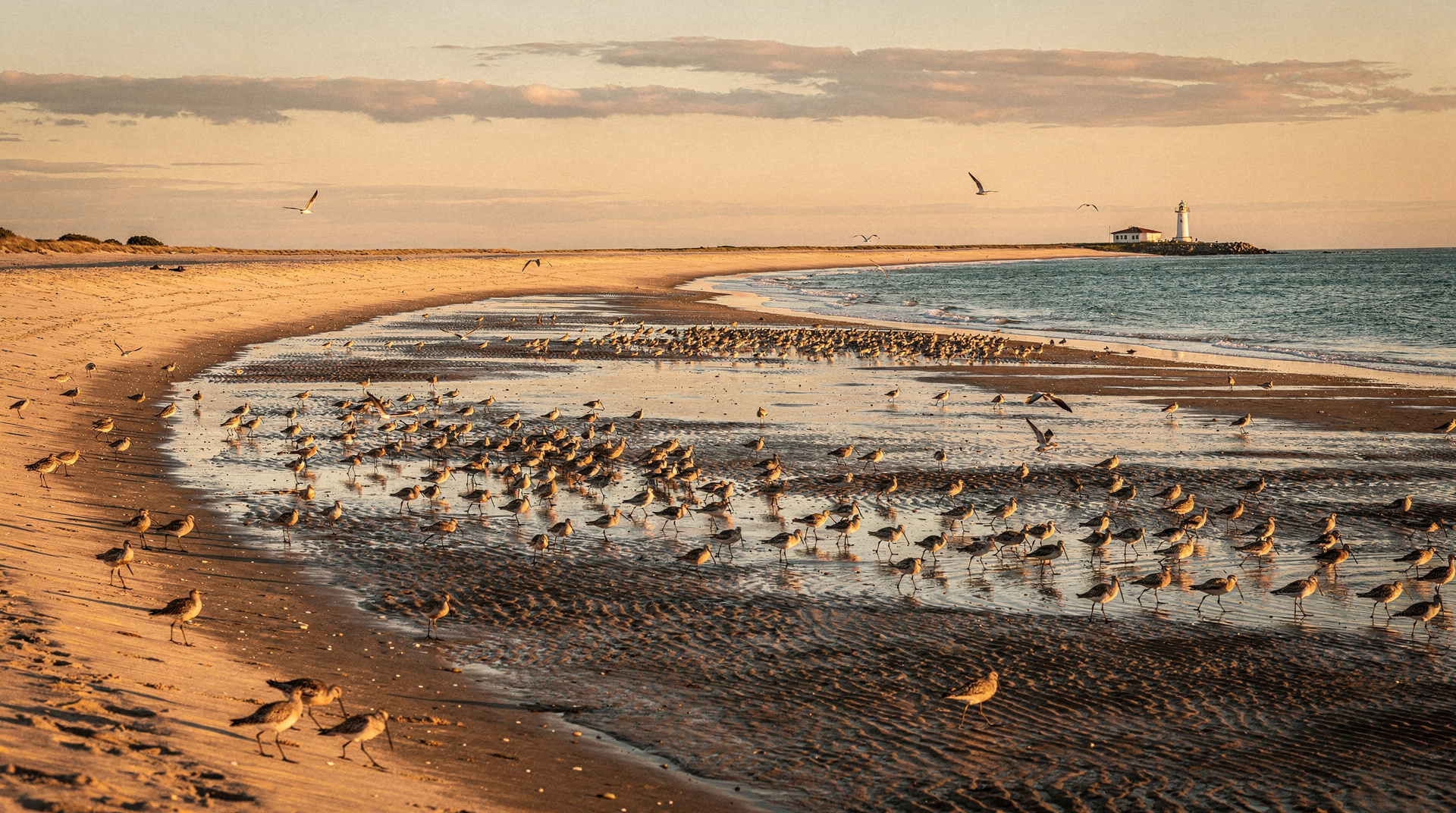
Golden Bay
Golden Bay: Farewell Spit, Wharariki Beach, freshwater Pupu Springs, and the alternative crowd. Honest guide with real costs NZD/USD/EUR.
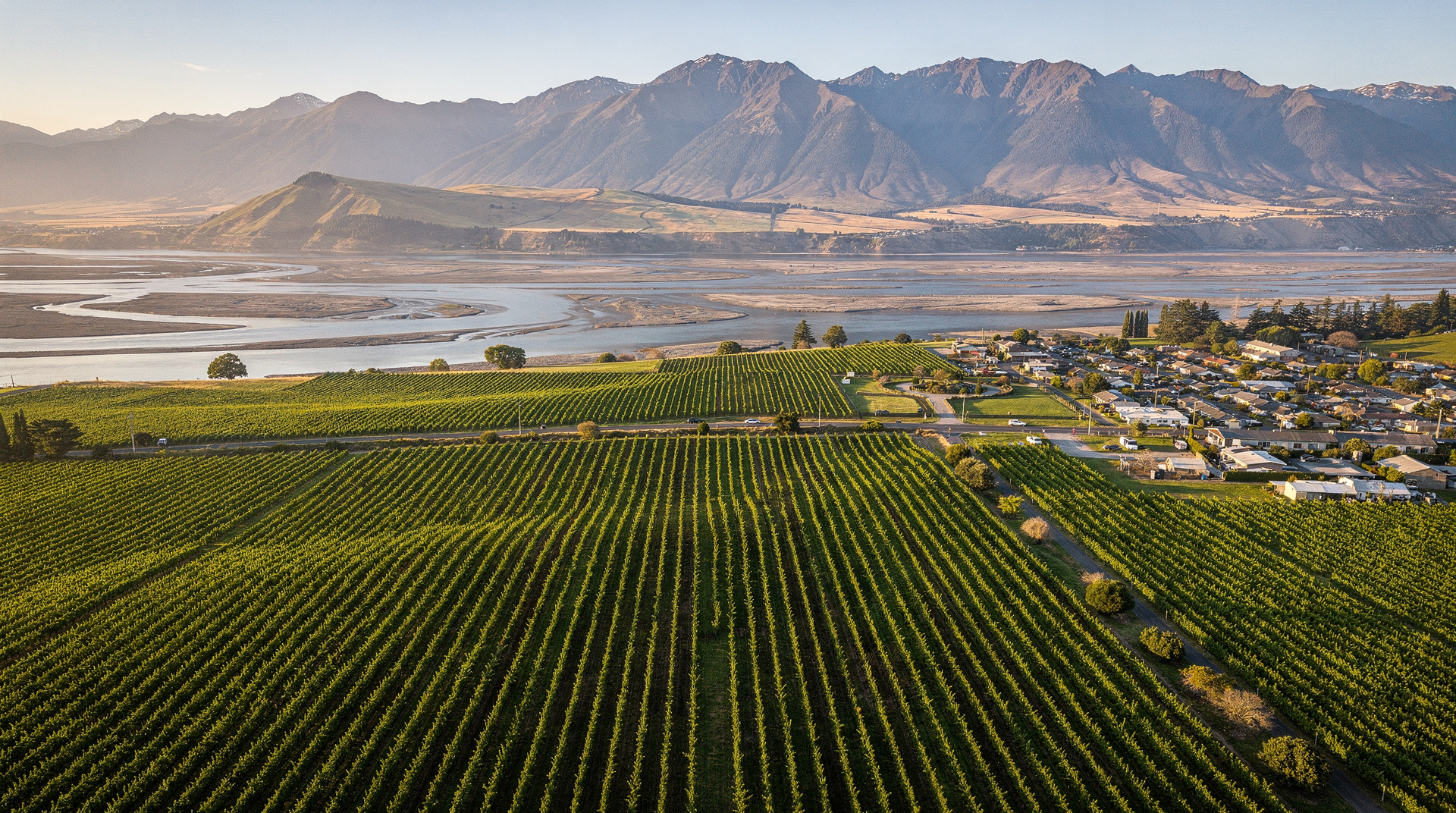
Marlborough
Honest Marlborough guide: Picton ferry gateway, Queen Charlotte Sound, Blenheim wineries, Havelock mussels. Real NZD/USD/EUR prices and practical logistics.
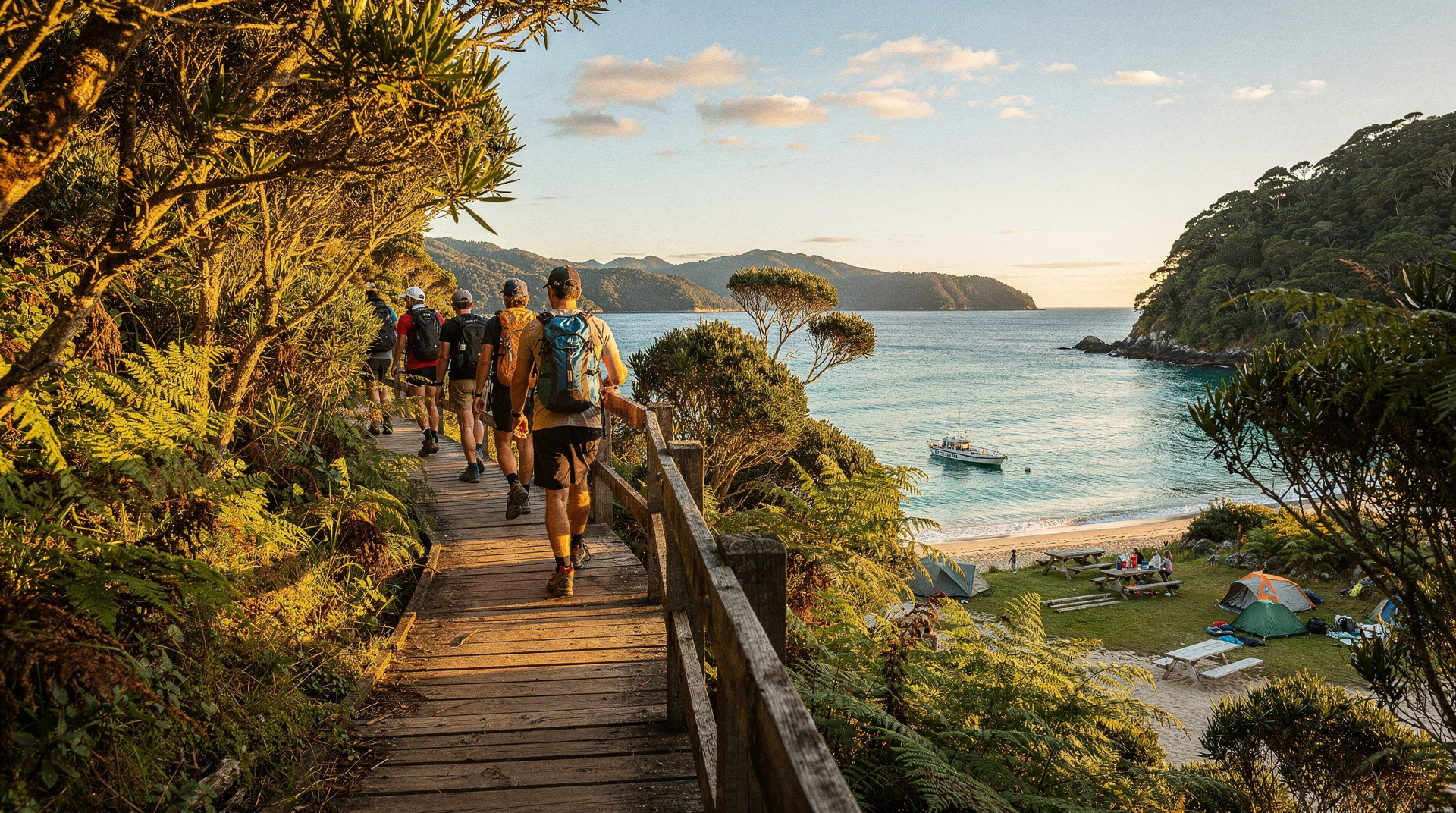
Abel Tasman Coast Track — Great Walk guide
Abel Tasman Coast Track: 60km, 3-5 days, NZD 102/night huts. NZ's most popular Great Walk — golden beaches, clear water, seals. Book months ahead.
Heaphy Track — Great Walk through Kahurangi National Park
Heaphy Track: 78km, 4-6 days, most remote Great Walk. No MTB in summer. Kahurangi NP coastal wilderness. Book DOC huts from June. Full guide.
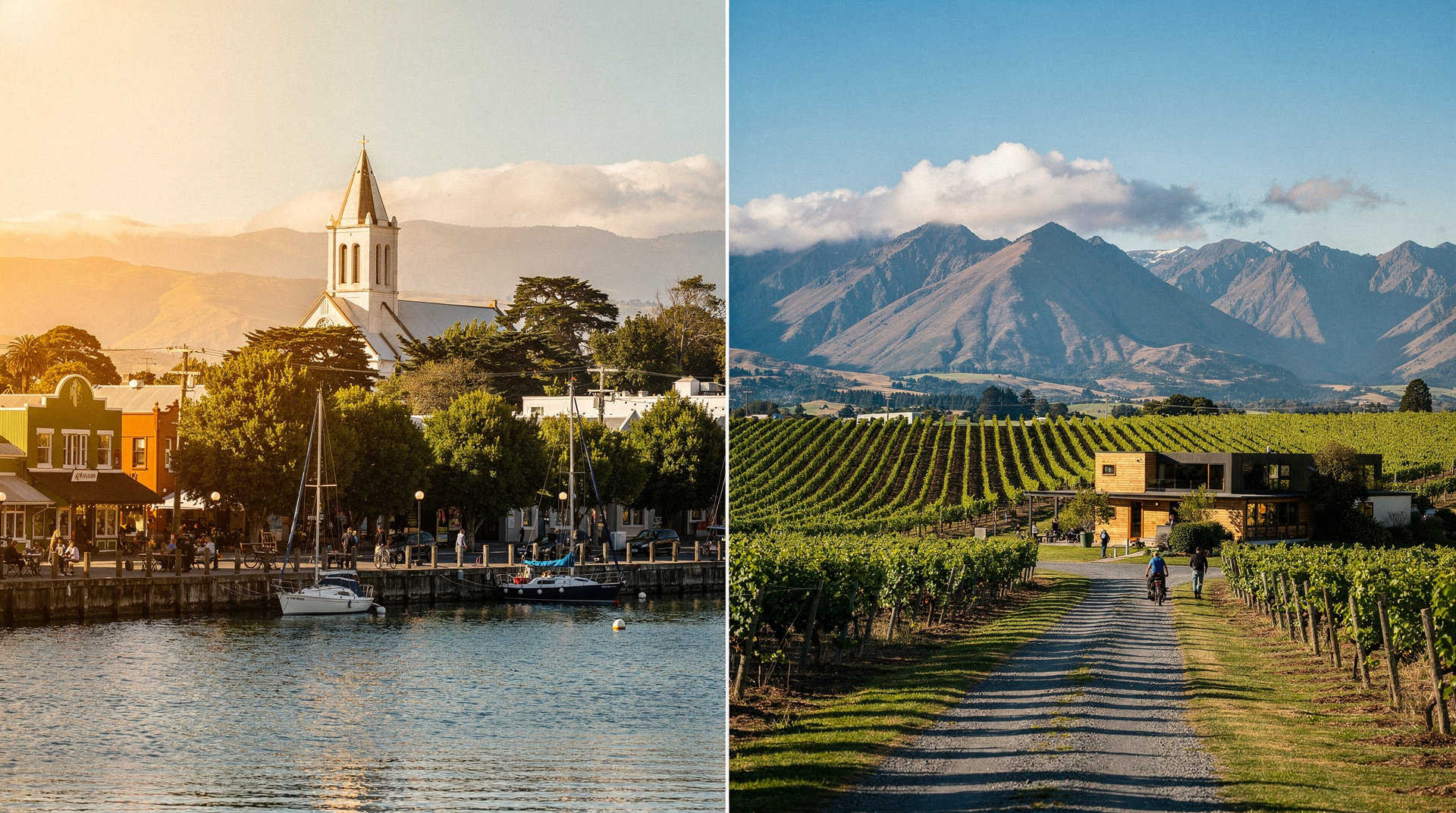
Nelson vs Marlborough
Nelson vs Marlborough honest comparison: wine, national parks, beaches, access and which region to prioritise. Clear verdict with prices in NZD/USD/EUR.
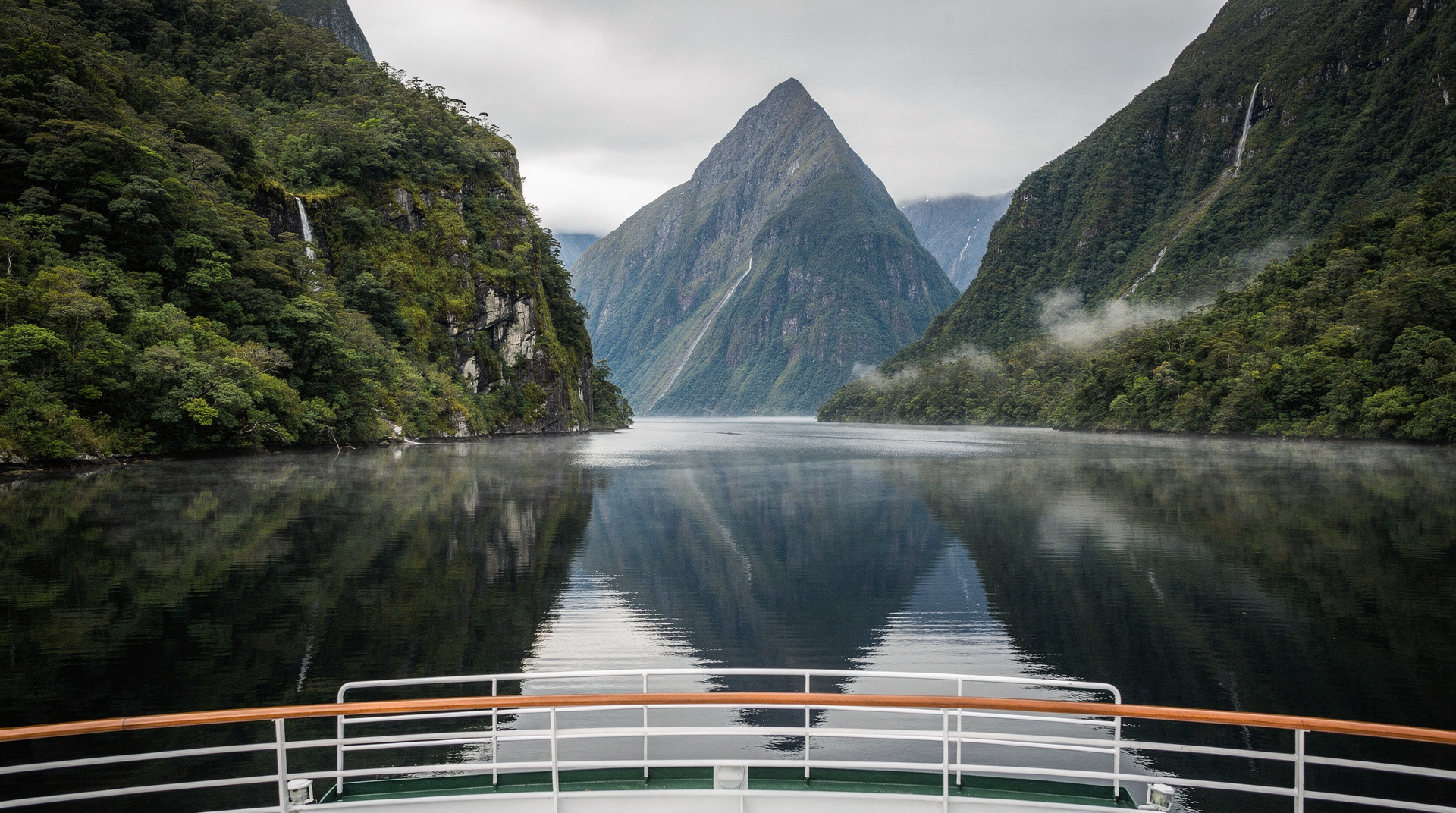
7-day South Island itinerary — the essential loop
Christchurch → Tekapo → Mt Cook → Queenstown → Milford → TranzAlpine return. The honest 7-day South Island loop with real costs and pacing.
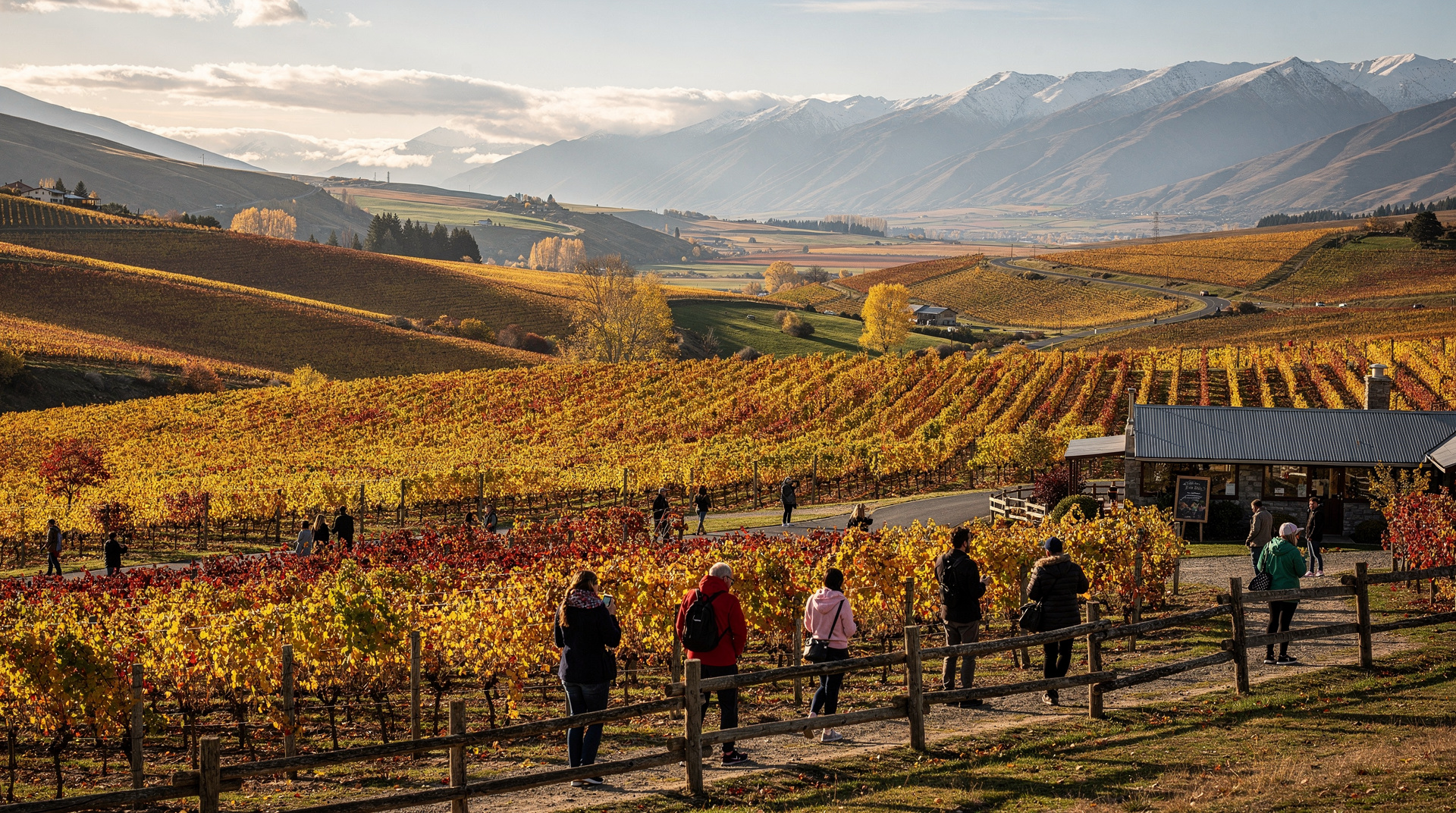
The best shoulder season itinerary for New Zealand — 14 days in autumn
A 14-day New Zealand itinerary designed for March and April: fewer crowds, better light, lower prices, and the same landscapes everyone comes for.
Last reviewed: