Kaikoura day trip from Christchurch
Is Kaikoura worth a day trip from Christchurch?
Yes — 1.5 hours north via SH1 (180 km), year-round sperm whale watching with 90%+ sighting rates, dramatic Kaikoura Ranges backdrop. The whale-watching boat tour is 2.5-3 hours. A full Kaikoura day from Christchurch is 10-11 hours total and genuinely excellent. Book the whale watch well in advance.
Why Kaikoura is exceptional
Kaikoura is one of those rare places where ocean geography creates a wildlife spectacle of global significance. The Kaikoura Canyon — an underwater trench that drops from 60m to 1800m within 800m of the shore — creates powerful upwelling that brings nutrient-rich deep ocean water to the surface. The result: year-round populations of sperm whales (which feed on giant squid in the canyon), frequent passes of migrating humpback and southern right whales, New Zealand fur seals resident year-round, and one of the densest concentrations of seabirds in the Southern Hemisphere.
| Where | Kaikoura — 180 km / 1.5-2.5hrs north of Christchurch via SH1 |
| Cost | around NZD 195-245/person for a guided day tour with whale watching |
| Time needed | full day — 10-12 hours door to door |
| Getting there | self-drive, Coastal Pacific train, or guided day tour |
| Best time | year-round for whales; summer for calmer seas |
From Christchurch, the 1.5-hour drive north on SH1 follows the coast, with the Kaikoura Peninsula appearing dramatically as the Kaikoura Ranges rise directly from the sea — snow-capped in winter, bare and dramatic in summer. The landscape combination (mountain range + deep ocean + wildlife) is unlike anywhere else in New Zealand.
Getting from Christchurch to Kaikoura
Self-drive: SH1 north from Christchurch, straight through Waipara and then along the coast. The coastal section from Cheviot to Kaikoura is among New Zealand’s most scenic coastal drives. Google Maps shows 2 hours; allow 2-2.5 hours in summer with tourist traffic and coastal road conditions. No navigation required — it’s a single highway.
Train: The Coastal Pacific train (KiwiRail Scenic Journeys) runs between Christchurch and Picton, stopping at Kaikoura. However, the schedule only allows a day trip from Christchurch to Kaikoura if you use the northbound morning train and return on a later service — check KiwiRail’s schedule as it’s seasonal. The train ride itself is excellent scenic value.
Guided tour from Christchurch: The Christchurch to Kaikoura day trip with whale watching includes return transport from Christchurch and the whale-watching cruise — the most practical option for those without a hire car, handling all timing and logistics.
Whale watching — the centrepiece
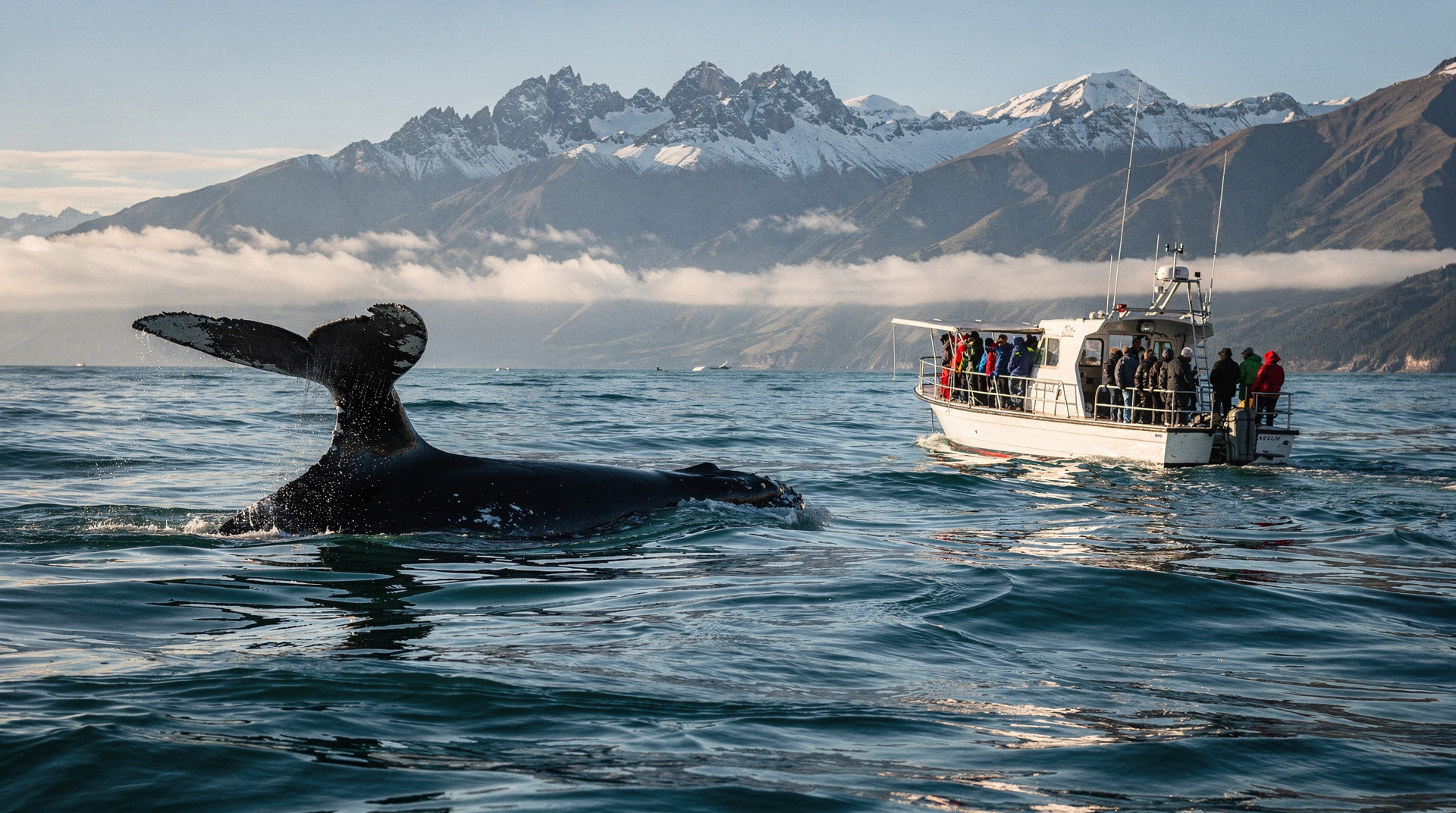
The Whale Watch Kaikoura operation (the main operator, partially Maori-owned) runs 2.5-3 hour cruises from the Kaikoura marina on specialized boats that can locate whales via hydrophone. Sperm whales (kohatu) spend time at the surface resting between deep dives — the window on the surface is 5-10 minutes before the whale dives again. Experienced crews position the boat to witness the tail fluke (the definitive whale-watching photograph) as the whale raises its tail before diving.
Success rates are genuinely excellent: Whale Watch Kaikoura claims to offer a partial refund (80%) if no whales are sighted — a confidence indicator. In practice, sperm whale sightings occur on the vast majority of trips year-round. The whale experience, in context of the Kaikoura Range backdrop, is consistently described by visitors as one of the most powerful wildlife moments in New Zealand.
The Kaikoura whale-watching cruise is the standard boat tour format. Book well in advance — this is one of New Zealand’s most sought-after experiences, and summer departures sell out weeks or months ahead.
Whale-watching by air: The Kaikoura whale-watching scenic flight offers the aerial perspective — a 30-minute flight over the canyon area locating sperm whales and other marine life from above. Weather-dependent but remarkable when conditions allow. The Kaikoura whale helicopter 1-hour flight extends this to a full hour with additional wildlife and coastal scenery.
Other Kaikoura wildlife
NZ fur seals: The Ohau Point seal colony (20 minutes north of Kaikoura on SH1) has one of the largest concentrations of New Zealand fur seals on the South Island’s northeast coast — hundreds of seals on the rocks, in the water, and (pups) in a small stream flowing down from the Ohau waterfall. The waterfall pool, accessible by a 15-minute walk from the car park, typically has juvenile seals playing in the fresh water — a remarkable sight. Free access; allow 1 hour.
Sea kayaking with seals and dolphins: The Kaikoura half-day wildlife kayaking experience takes you along the coast by kayak past fur seal colonies, with dusky dolphins common and occasional whale encounters possible from the water. Different perspective from the boat tour; worthwhile for active visitors.
The Kaikoura Peninsula walkway
The Kaikoura Peninsula has a 2.5-3 hour coastal walkway around the tip of the peninsula — past the seal colony point, through coastal tussock, with views to the Kaikoura Ranges. Free, well-marked, excellent for birding (various petrels, shearwaters, and the occasional wandering albatross visible offshore). Start from the end of Fyffe Quay.
Kaikoura’s food scene — crayfish
Kaikoura is famous for its crayfish (kōura) — a large, flavourful rock lobster served fresh at roadside stalls, fish and chip shops, and the town’s restaurants. “Fresh crayfish from a roadside van” is a genuine Kaikoura institution. Budget NZD 25-50 / USD 15-30 / EUR 14-28 for a half crayfish — expensive, but genuinely excellent quality.
The Kaikoura Seafood BBQ road stall (open seasonally, check locally) is the classic crayfish-by-the-roadside experience. Hislops Café and Pier Hotel are reliable for a more complete meal.
A full Kaikoura day from Christchurch
7:30am — Depart Christchurch via SH1 north.
10:00am — Arrive Kaikoura. Pre-booked whale-watch check-in 30 min before departure (typically 10:00am departure, check with operator).
10:30am — Whale-watching cruise departs. 2.5-3 hours on the water.
1:00-1:30pm — Return to port. Walk to the Kaikoura town centre (10 min). Lunch — crayfish, fish and chips, or café meal.
3:00pm — Drive to Ohau Point seal colony (20 min north of town). Seal viewing and Ohau waterfall pool (1 hour).
4:30pm — Depart Kaikoura for Christchurch.
7:00-7:30pm — Arrive Christchurch.
This is a well-paced 12-hour day. The whale watch is the centrepiece; the Ohau Point seals are the easy bonus that rounds out the afternoon.
What to book in advance
Whale-watching cruise: Book as early as possible, particularly for summer (December-February) and NZ school holidays. Whale Watch Kaikoura is the main operator; several other smaller operators also run trips. Cancellations occur in rough weather — bring flexibility in your schedule.
Dolphin encounters: Kaikoura is also a dolphin-swimming destination (dusky dolphins, which travel in large pods). If this is a priority, book separately and factor it into the day structure.
Day trip or overnight — the honest calculation
A Kaikoura day trip from Christchurch is genuinely doable, but it’s a long day — 10-12 hours door to door for roughly 4-5 hours of actual Kaikoura time once you subtract the drive. If your schedule allows even one night, an overnight changes the experience meaningfully: you can do the whale watch first thing in the morning when the sea is often calmest, linger over the Peninsula walkway and Ohau Point without watching the clock, and eat a proper crayfish dinner rather than a rushed lunch.
For a deeper dive into the whale-watching side specifically — sighting rates, what the boat is actually like, and whether it’s worth the price — see the Kaikoura whale watching guide and the Whale Watch Kaikoura boat tour review.
If Kaikoura is one stop on a wider South Island loop rather than a dedicated day trip, it sits directly on SH1 between Christchurch and Picton/Blenheim, so no detour is required — you can fold it naturally into a longer itinerary instead of treating it as an out-and-back.
Kaikoura vs Christchurch’s other classic day trip
Akaroa, in the opposite direction from Christchurch, is the other major day-trip wildlife option. The two are genuinely different experiences rather than competitors — see the Kaikoura vs Akaroa wildlife comparison for the full breakdown, and the Hector’s dolphins in Akaroa guide if dolphin encounters specifically are the priority over whales.
Cost breakdown (NZD + USD + EUR)
| Item | NZD | USD | EUR |
|---|---|---|---|
| Whale-watching cruise | NZD 165-185 | USD 99-111 | EUR 91-102 |
| Whale-watching scenic flight | NZD 195-245 | USD 117-147 | EUR 107-135 |
| Half-day wildlife kayaking | NZD 85-120 | USD 51-72 | EUR 47-66 |
| Ohau Point seals (free) | Free | Free | Free |
| Guided day tour from Christchurch | NZD 195-245 | USD 117-147 | EUR 107-135 |
| Fuel (Christchurch return, self-drive) | NZD 30-45 | USD 18-27 | EUR 16-25 |
| Crayfish lunch | NZD 25-50 | USD 15-30 | EUR 14-28 |
Frequently asked questions
What type of whales can I see in Kaikoura?
Sperm whales are resident year-round — the whale-watching industry is built around them. Other species visit seasonally: humpback whales (June-July, migrating northward), southern right whales (May-August), orca (irregularly), and pilot whales. Sperm whale sightings are by far the most reliable.
How rough is the whale-watching boat ride?
The Cook Strait weather can make conditions rough, and the boats are purpose-built for ocean conditions but not immune to swell. Those prone to seasickness should take medication before the trip. In rough weather, tours may be cancelled. A 50% rebooking rate for weather cancellations is typical — check the operator’s policy.
Was Kaikoura affected by the 2016 earthquake?
Yes significantly — the November 2016 Kaikoura earthquake (7.8 magnitude) raised the seabed by up to 2 metres in places, initially affecting fishing grounds and the seal colony. SH1 was closed for months. The region has fully recovered; tourism operations resumed, the seal colony is larger than pre-earthquake, and the road conditions are good.
Is Kaikoura better than Akaroa for wildlife?
Different scale of wildlife encounter. Kaikoura = sperm whales in open ocean, massive and spectacular. Akaroa = small Hector’s dolphins in a sheltered harbour, intimate and charming. Kaikoura is the more dramatic natural spectacle; Akaroa is more charming as a village destination. Both are worth doing; they complement rather than replace each other. Full comparison: Kaikoura vs Akaroa for wildlife.
Should I do the day trip or stay overnight in Kaikoura?
If you have any flexibility at all, stay one night. The day trip is a well-paced 12-hour day and genuinely works, but an overnight removes the time pressure on the whale watch, the Peninsula walkway, and dinner, and often lands you a calmer-sea morning departure. See the section above for the full comparison.
Related reading
Related guides
Kaikoura
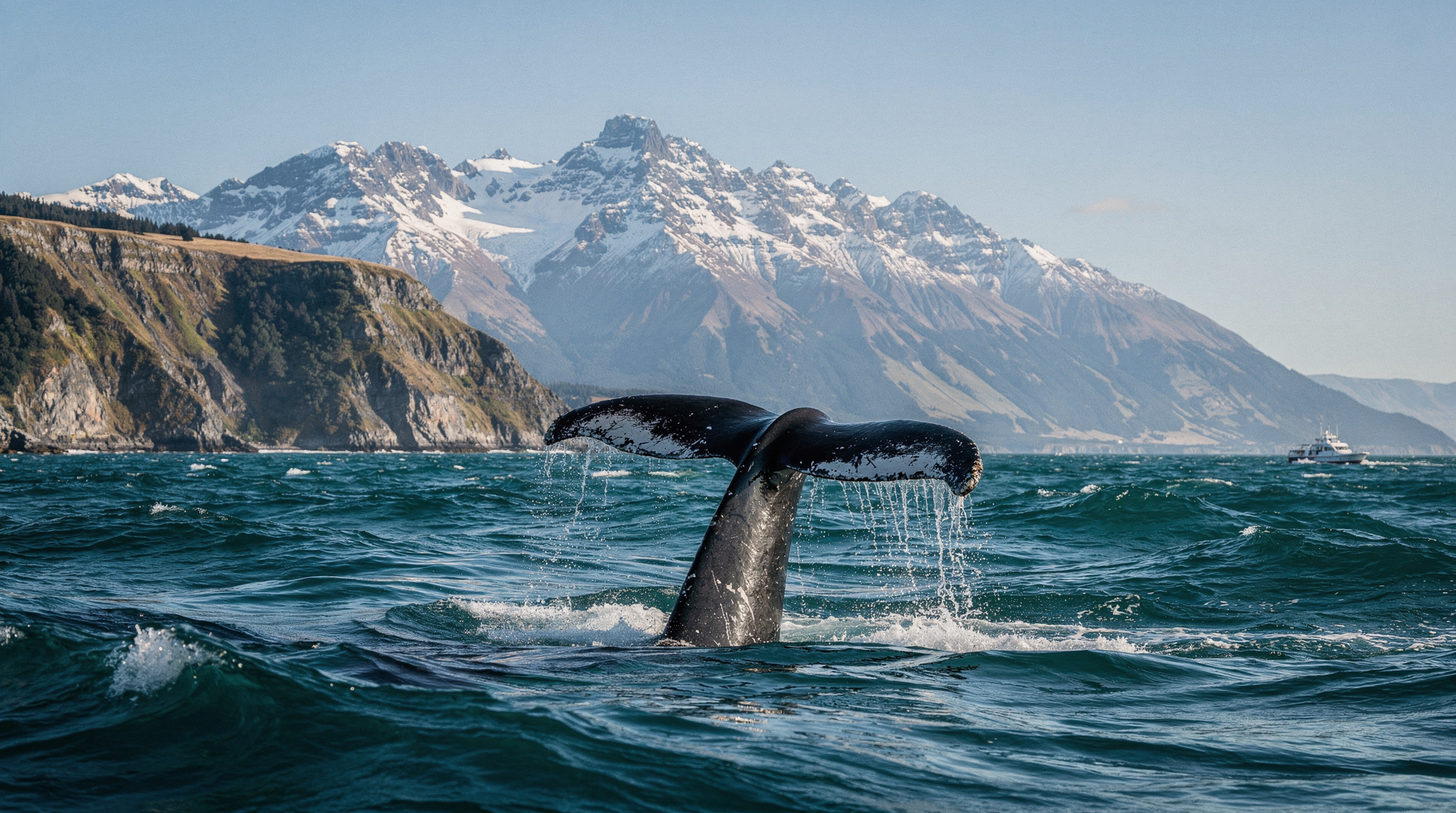
Honest Kaikoura guide: sperm whale tours, wildlife kayaking, crayfish — real prices and the best time to visit after the 2016 earthquake rebuild.
Christchurch
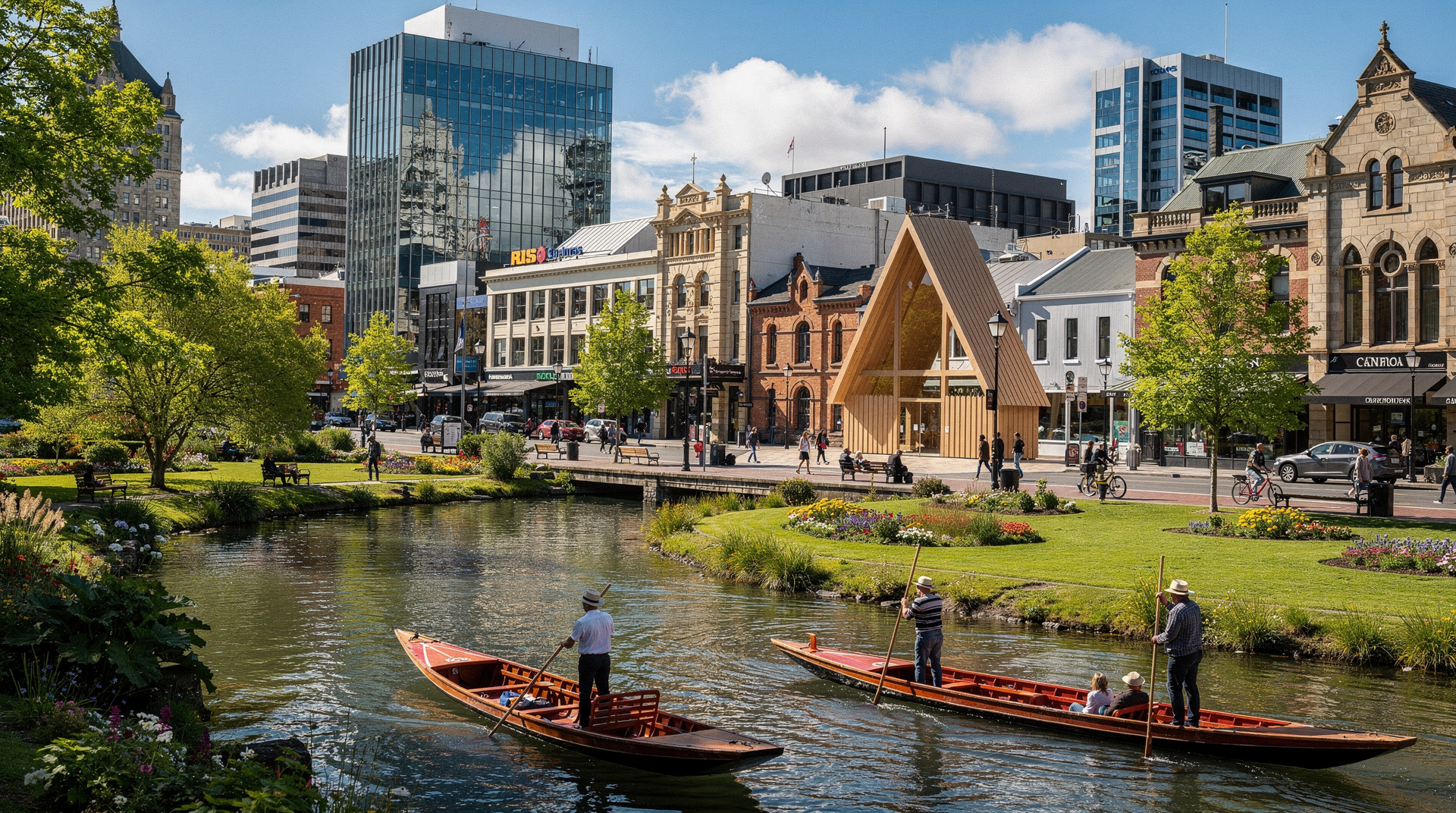
Honest Christchurch guide: the post-earthquake rebuild, best activities, Akaroa day trip — real NZD/USD/EUR prices and what's worth your time.
Best day trips from Christchurch
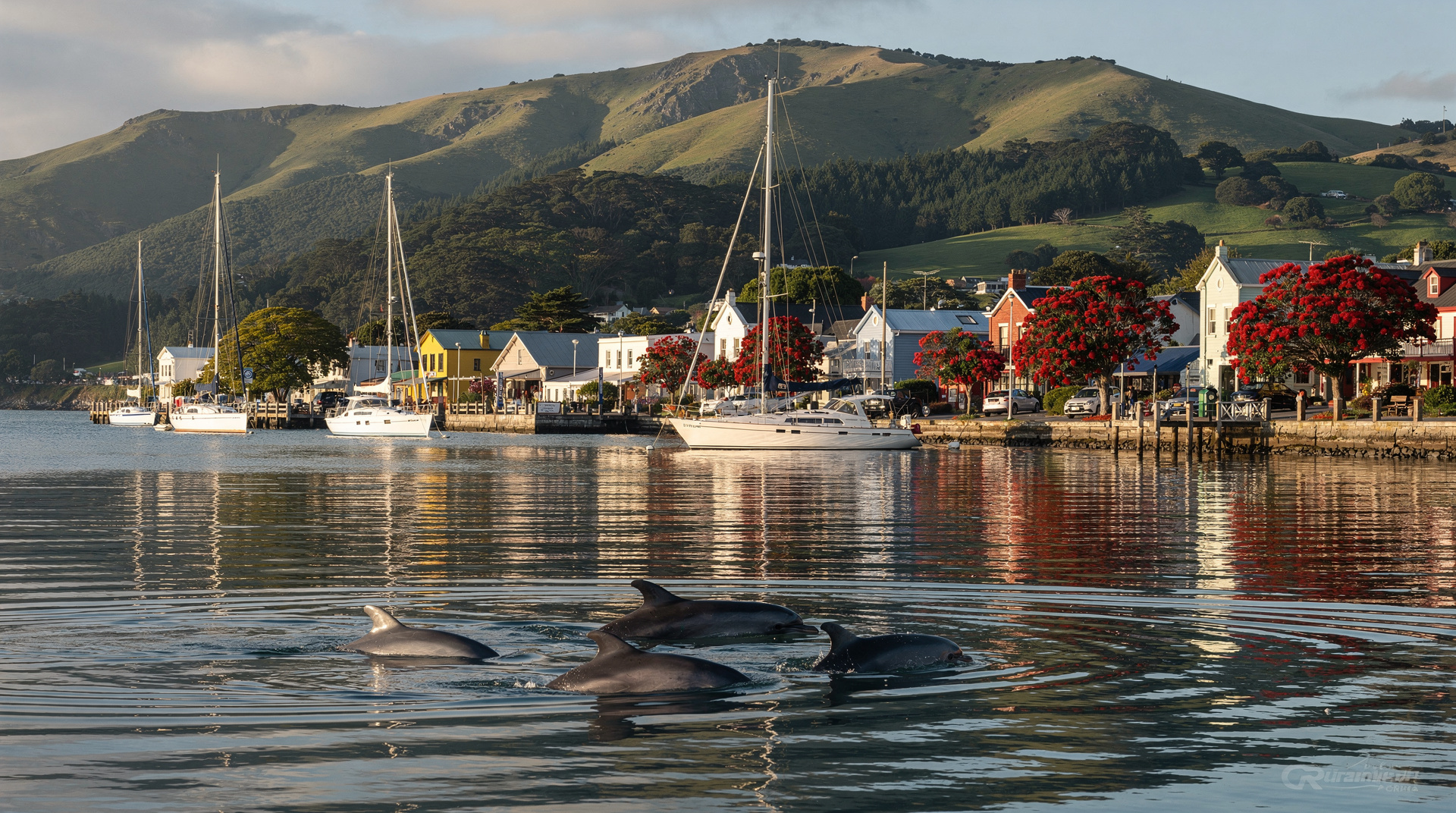
Best day trips from Christchurch: Akaroa dolphins (1h), Kaikoura whales (1.5h), Hanmer Springs pools, Arthur's Pass hikes, and the TranzAlpine scenic train.
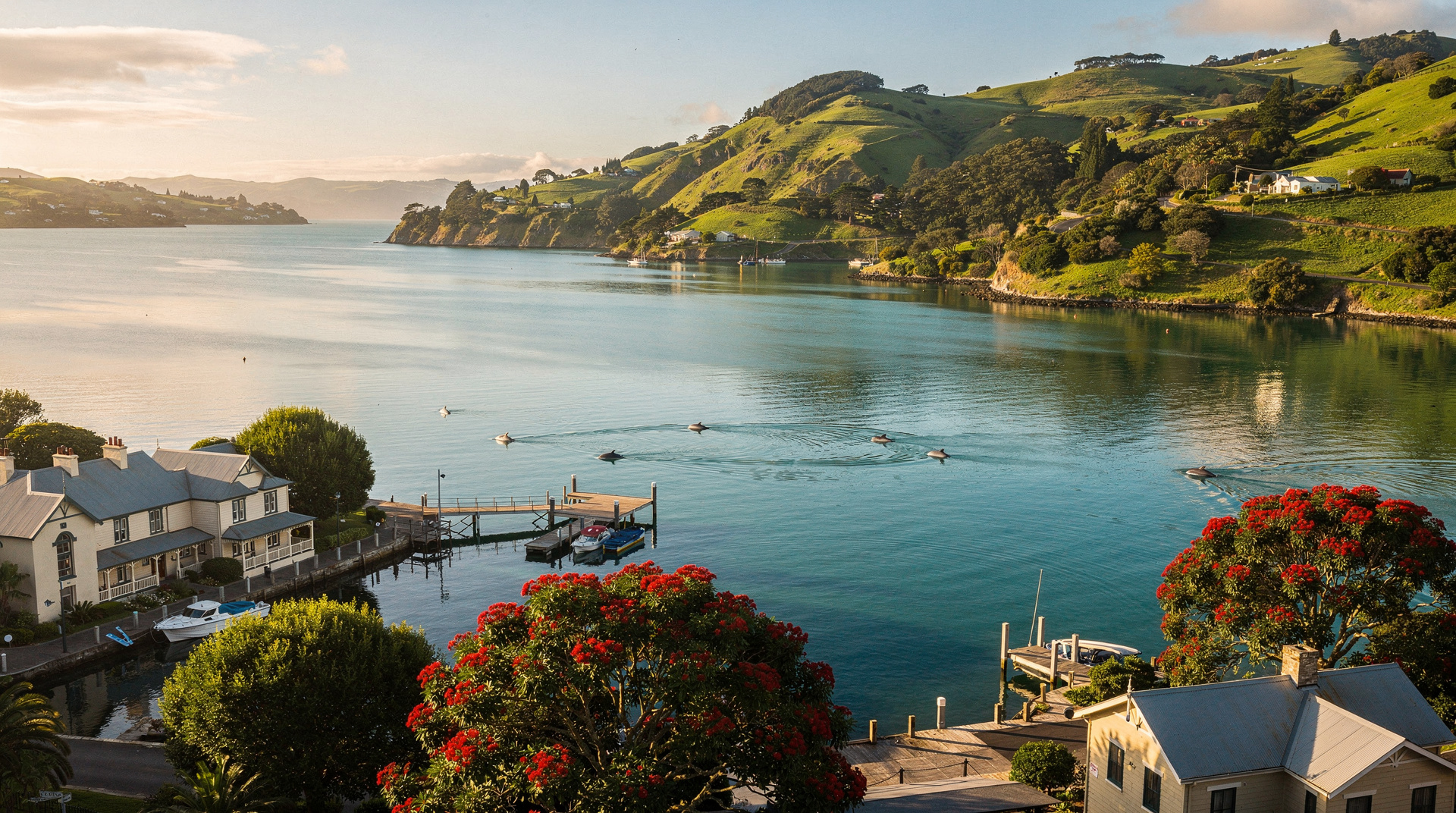
Akaroa day trip from Christchurch
Akaroa day trip from Christchurch: 1-hour drive, Hector's dolphins, French village on Banks Peninsula, swim-with-dolphins options, costs in NZD/USD/EUR.
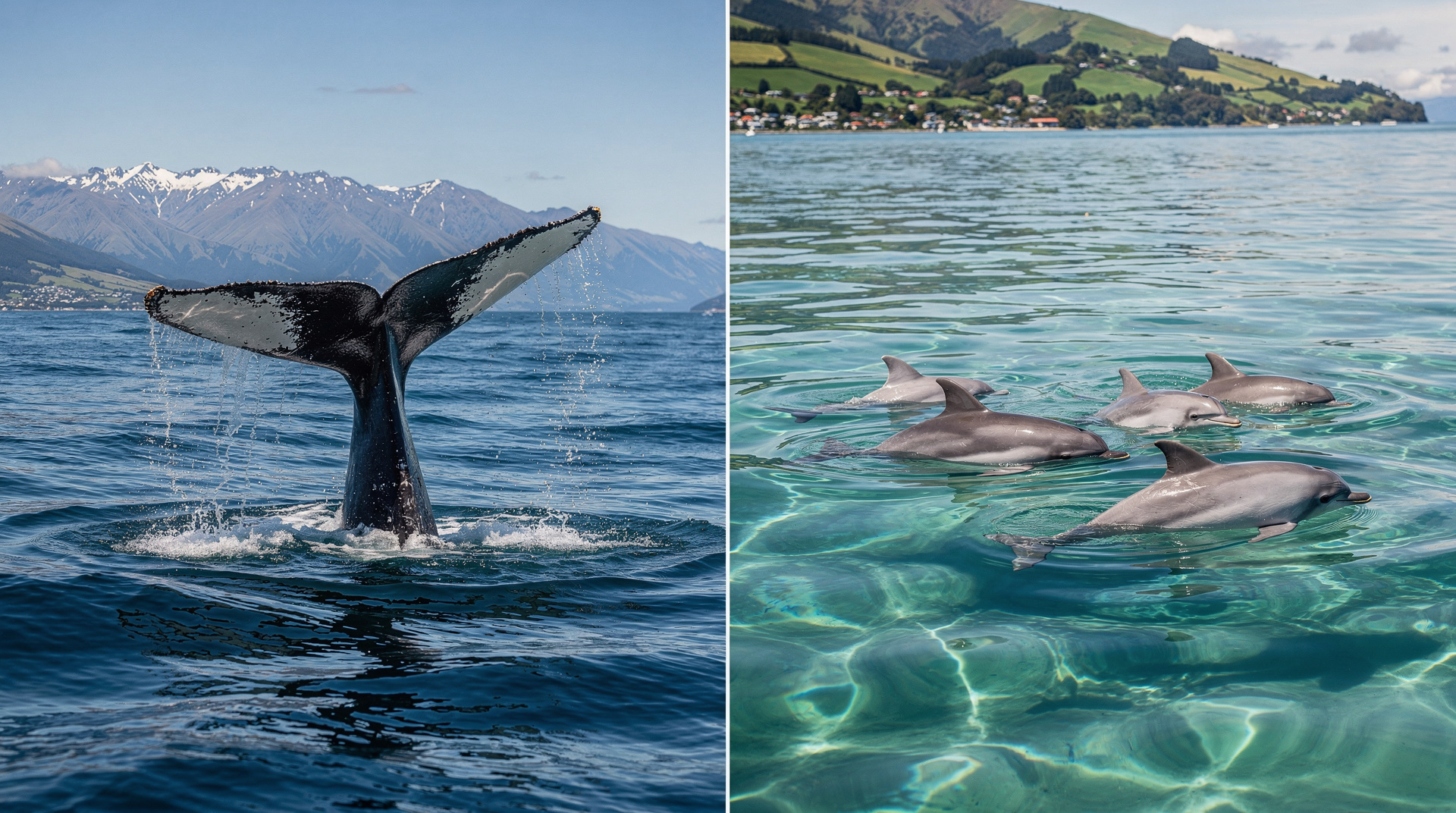
Kaikoura vs Akaroa for wildlife
Kaikoura vs Akaroa wildlife comparison: whales vs Hector's dolphins, sea kayaking, and which is better for a wildlife day from Christchurch. NZD/USD/EUR.
Last reviewed: