Mt Ruapehu — North Island ski and volcanic guide
What makes Mt Ruapehu unique among New Zealand ski mountains?
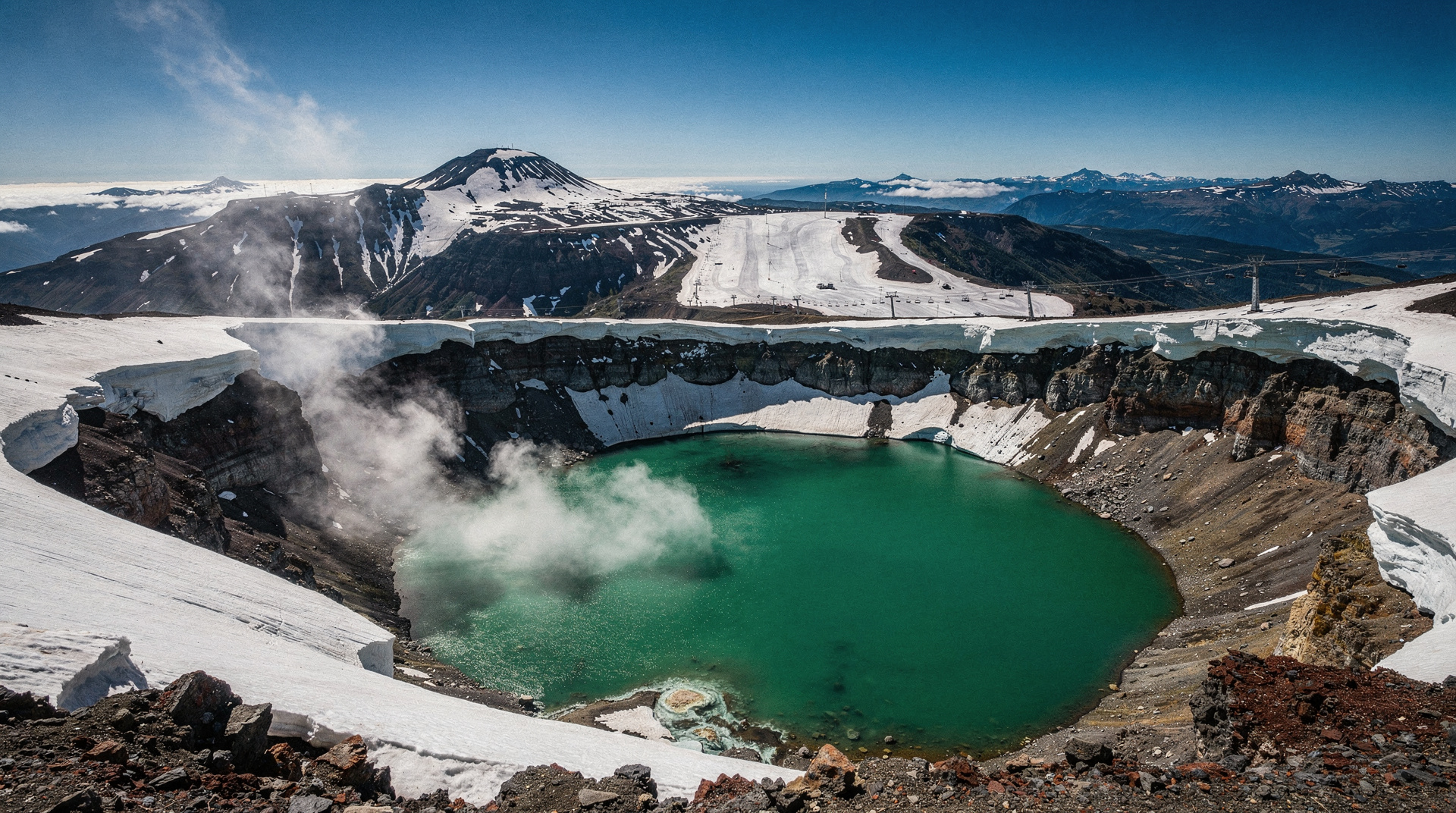
It's an active volcano with a boiling acidic crater lake (Te Wai ā-moe) at the summit. The last major eruption was 2006; the 1953 eruption caused the Tangiwai disaster (151 deaths). Two ski fields on opposite sides: Whakapapa (larger, north face) and Turoa (south face, highest lift-served vertical in NZ). Skiing on an active volcano is exactly as dramatic as it sounds.
The volcano you can ski
Mt Ruapehu at 2,765m is the North Island’s highest point, the largest active volcano in New Zealand, and the primary North Island ski destination. Two ski fields operate on its flanks — Whakapapa on the northern face and Turoa on the southern — while the summit holds a boiling, acidic crater lake (Te Wai ā-moe, the sleeping water) that erupts without warning. For the full skiing logistics on both fields, see the dedicated Whakapapa and Turoa ski guide.
At a glance
| Where | Central North Island, Tongariro National Park |
| Ski fields | Whakapapa (north) and Turoa (south) — separate lift passes |
| Day lift pass | around NZD 109–165 (advance vs gate) |
| Crater lake walk | around NZD 185–225, summer only, guide mandatory |
| Nearest hub | Taupo (1h) or National Park Village/Ohakune (base towns) |
| Season | July–September (skiing); November–April (crater lake walk) |
This is not merely an atmospheric detail. Ruapehu’s eruption history is significant: the 1945 eruption was prolonged and destructive; the 1953 lahar (volcanic mudflow from the crater lake) destroyed the Tangiwai railway bridge moments before the Wellington–Auckland overnight express crossed it, killing 151 people — still New Zealand’s worst peacetime disaster. The 1995 and 2007 eruptions caused significant ash fall and temporarily closed both ski fields.
The volcanic hazard is managed by GNS Science, which operates an eruption detection system and has established Volcanic Alert Bulletins that trigger automatic responses from the ski field operators. The Crater Lake Lahar Warning System installed since 1953 provides 20-30 minutes of warning for future lahar events. Skiing on Ruapehu is statistically safe — the monitoring system is world-leading — but the context is important to understand.
The two ski fields
Whakapapa ski field (north face)
The larger of the two fields, Whakapapa is on the northern face of Ruapehu within Whakapapa Village, accessible from National Park Village (18 km). It has the most extensive lift network and the most developed beginner terrain on the mountain.
Terrain: Predominantly beginner to intermediate, with some advanced and off-piste options in the upper mountain. The ski field is lower-altitude than Turoa (the base is approximately 1,600m, the top around 2,200m).
Lift network: Multiple chairs and surface lifts. The Top of the Bruce area is accessible for non-skiers.
Village: Whakapapa Village at the base of the ski field has the Grand Chateau (a historic hotel from 1929), DOC visitor centre, and limited other accommodation.
Turoa ski field (south face)
Turoa is on the southern face, accessible from Ohakune (17 km). It is New Zealand’s highest-altitude ski field (maximum elevation approximately 2,322m) with the longest vertical drop (720m) of any New Zealand ski field. The terrain is longer and more technically demanding than Whakapapa.
Terrain: Good beginner area at the base, with longer intermediate and advanced runs above. The Giant groomed runs are the longest single descents in the North Island.
Access road: The Turoa access road is steep and winding. Four-wheel drive or snow chains required in appropriate conditions.
Ohakune base: Ohakune (population ~1,200) is the social hub for Ruapehu skiing — more vibrant than National Park Village, with a cluster of restaurants, bars, and ski lodges. The “Ohakune season” is a genuine winter social scene.
Lift passes (2026 estimates)
| Pass type | NZD | USD | EUR |
|---|---|---|---|
| Adult day pass (gate) | 130-165 | 78-99 | 72-91 |
| Adult day pass (online advance) | 109-145 | 65-87 | 60-80 |
| Child (5-14) day pass | 75-95 | 45-57 | 41-52 |
| Combined Whakapapa+Turoa pass | 180-220 | 108-132 | 99-121 |
Note: Whakapapa and Turoa are operated separately — a pass for one does not cover the other (unlike Queenstown’s combined Remarkables/Coronet Peak option).
The crater lake walk: a rare volcanic experience
In summer (approximately November-April), a guided walk to the crater lake (Te Wai ā-moe) from Whakapapa Village is possible. The walk crosses the summer snowfields and reaches the rim of the active crater at approximately 2,540m.
The Tongariro National Park: Guided Walk Mt Ruapehu Crater Lake is a guided walk to the crater lake — genuinely one of New Zealand’s most extraordinary experiences for confident walkers. NZD 185-225 / USD 111-135 / EUR 102-124. The guide interprets the volcanic system and manages approach to the lake (you observe from a safe distance — the water is approximately 55°C and highly acidic).
Important: The crater lake walk requires good weather, a guide (mandatory), and current volcanic activity level of 0 or 1 (check GNS Science’s Volcanic Alert Bulletin before booking).
Non-ski activities at Ruapehu
Tongariro Alpine Crossing: The most famous North Island walk begins at the base of Ngauruhoe (adjacent peak) inside Tongariro National Park, not on Ruapehu itself, but most visitors use National Park Village as a base for both the Crossing and Ruapehu visits. See the dedicated Tongariro Alpine Crossing guide.
Valley Walks from Whakapapa Village: Several short walks in native beech forest below the ski area. The Taranaki Falls walk (2 hours return, easy) is excellent for families.
Summer snowplay: In summer, the upper ski field retains snow and can be accessed by the summer lift operation (schedule varies). Skiing and snowboarding in summer is possible in good snow years.
Getting to Ruapehu
From Auckland: 4.5 hours via SH1 south through Hamilton to National Park Village. Most visitors stop at Waitomo (2.5 hours from Auckland) en route.
From Wellington: 3.5 hours via SH1 north through Palmerston North and Taupo.
From Taupo: 1 hour south via SH1. Taupo is the most convenient city base — the THL Grand Chateau at Whakapapa Village is the only major hotel on the mountain itself. See our Lake Taupo guide for what to combine with a Ruapehu day trip.
Shuttle connections from National Park Village and Ohakune to the ski areas run throughout the winter season.
Summer vs winter visits
Winter (June-October): Skiing is the primary draw. In good snow years, both fields offer excellent conditions from early July through September. Early season (June) can be icy; late season (October) is often soft powder.
Summer (November-April): The crater lake walk is the standout experience. The Tongariro Alpine Crossing is typically done in this season. The mountain walking is excellent, the landscape free of snow below 2000m.
The 1953 Tangiwai disaster and the lahar warning system
The Tangiwai disaster on Christmas Eve 1953 remains New Zealand’s worst peacetime accident. The eruption of Crater Lake’s dam wall in the early hours of 24 December sent a lahar (volcanic mudflow) down the Whangaehu River, destroying the Tangiwai railway bridge moments before the Wellington–Auckland express crossed it. 151 people died.
The disaster directly led to the installation of the Crater Lake Lahar Warning System — a series of sensors throughout the Whangaehu catchment that detect lahars and trigger automatic alarms along the railway line (now still operational). A memorial at Tangiwai bridge on SH1 marks the site.
Understanding this history contextualises the monitoring infrastructure that makes Ruapehu accessible today — and reinforces why the volcanic alert levels matter.
Cost breakdown (NZD / USD / EUR)
| Item | NZD | USD | EUR |
|---|---|---|---|
| Whakapapa day lift pass (advance) | 109-145 | 65-87 | 60-80 |
| Turoa day lift pass (advance) | 109-145 | 65-87 | 60-80 |
| Crater lake guided walk | 185-225 | 111-135 | 102-124 |
| Grand Chateau (per night) | 200-380 | 120-228 | 110-209 |
| Ohakune accommodation | 50-180 | 30-108 | 28-99 |
Whakapapa vs Turoa: side-by-side
| Whakapapa | Turoa | |
|---|---|---|
| Face | North | South |
| Base town | National Park Village (18km) | Ohakune (17km) |
| Terrain | Beginner-to-intermediate focus | Longer, more technically demanding |
| Vertical drop | Lower than Turoa | 720m — the longest lift-served vertical in NZ |
| Village atmosphere | Quieter, DOC visitor centre | Livelier, restaurant/bar scene (“Ohakune season”) |
| Best for | First-time skiers, families | Intermediate-advanced skiers wanting longer runs |
Since a pass for one field doesn’t cover the other, decide based on this table before buying — switching mid-trip means a second full-price pass.
Frequently asked questions
Is it safe to ski on an active volcano?
The monitoring system is world-leading — GNS Science monitors Ruapehu continuously and operates a Volcanic Alert Level system. Ski operations are automatically halted when alert levels rise. The system provides meaningful warning time. The statistical risk from volcanic activity to ski visitors is extremely low.
Can I visit both ski fields in one day?
The drive from Whakapapa to Turoa is approximately 40 minutes (via National Park Village and Ohakune). Serious skiers sometimes do both in a long day, but the access roads and lift times make it a rushed experience. Better to dedicate a full day to each.
How does Ruapehu skiing compare to Queenstown?
Ruapehu has more genuine vertical drop on Turoa and a more dramatic volcanic setting. Queenstown’s Remarkables and Coronet Peak have better grooming, a more developed ski tourism infrastructure, and more consistent snow quality. For a first-time New Zealand ski trip, Queenstown is more polished; for North Island residents and those who prioritise vertical drop and volcanic drama, Ruapehu is the superior experience.
Can I do the crater lake walk and skiing on the same trip?
No — they’re seasonally exclusive. The crater lake walk runs roughly November-April when the snowfields are passable on foot without technical mountaineering gear; skiing runs July-September. Plan your Ruapehu trip around whichever experience is the priority, not both in one visit.
How does Ruapehu compare to Mt Taranaki for a North Island volcano visit?
Very differently. Mt Taranaki is a near-perfect solo cone with no ski fields and a serious casualty record for summit attempts; Ruapehu is a working ski destination with monitored, managed access to both slopes and the crater lake. If skiing or a guided crater walk is the goal, Ruapehu is the right mountain; Taranaki is a different kind of visit entirely.
Related guides and reading
Related guides
Tongariro National Park
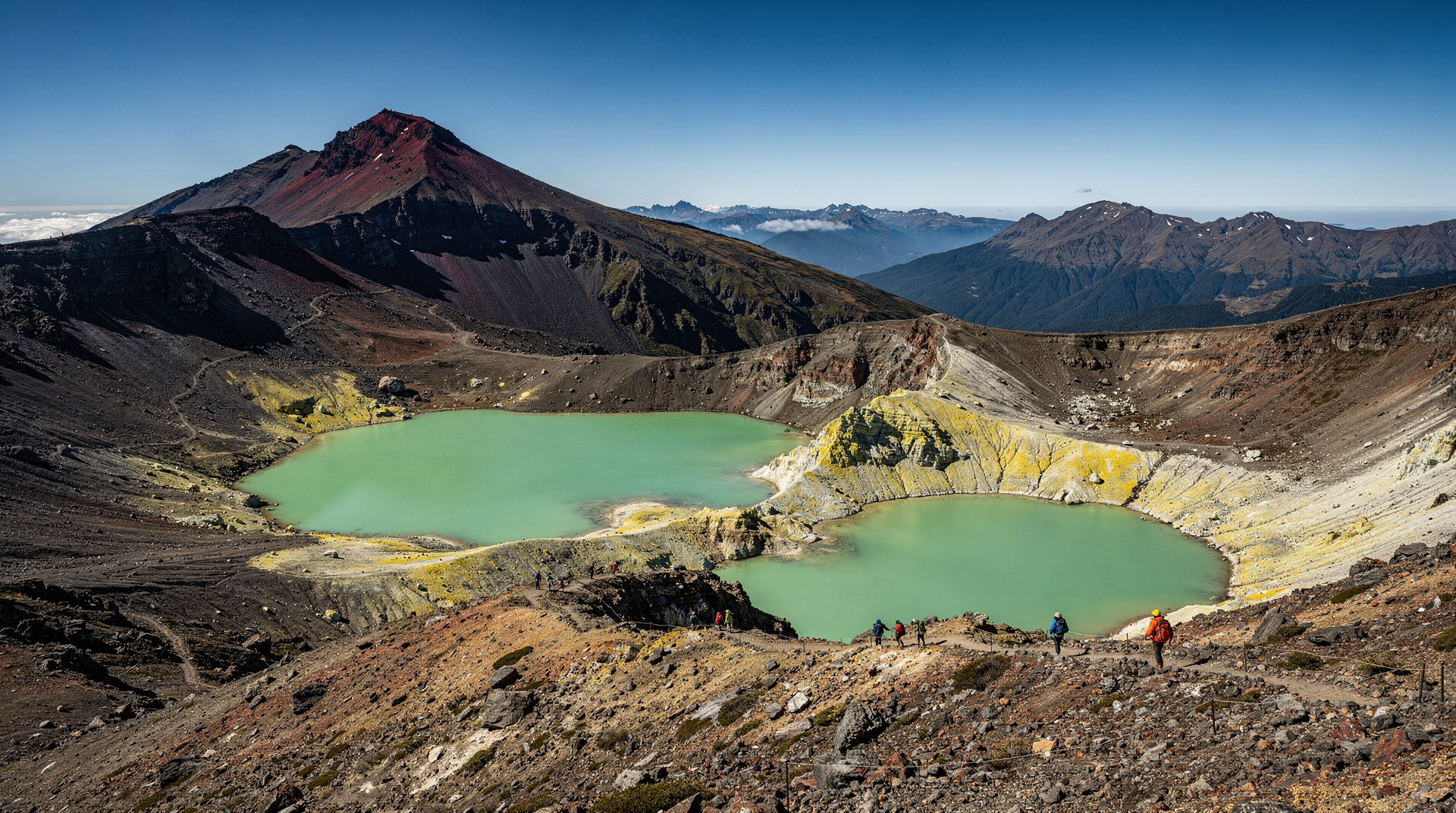
Honest Tongariro guide: Alpine Crossing hike, Mt Ruapehu ski, Ngauruhoe, shuttle logistics, real prices NZD/USD/EUR, and what to expect on the track.
Taupo
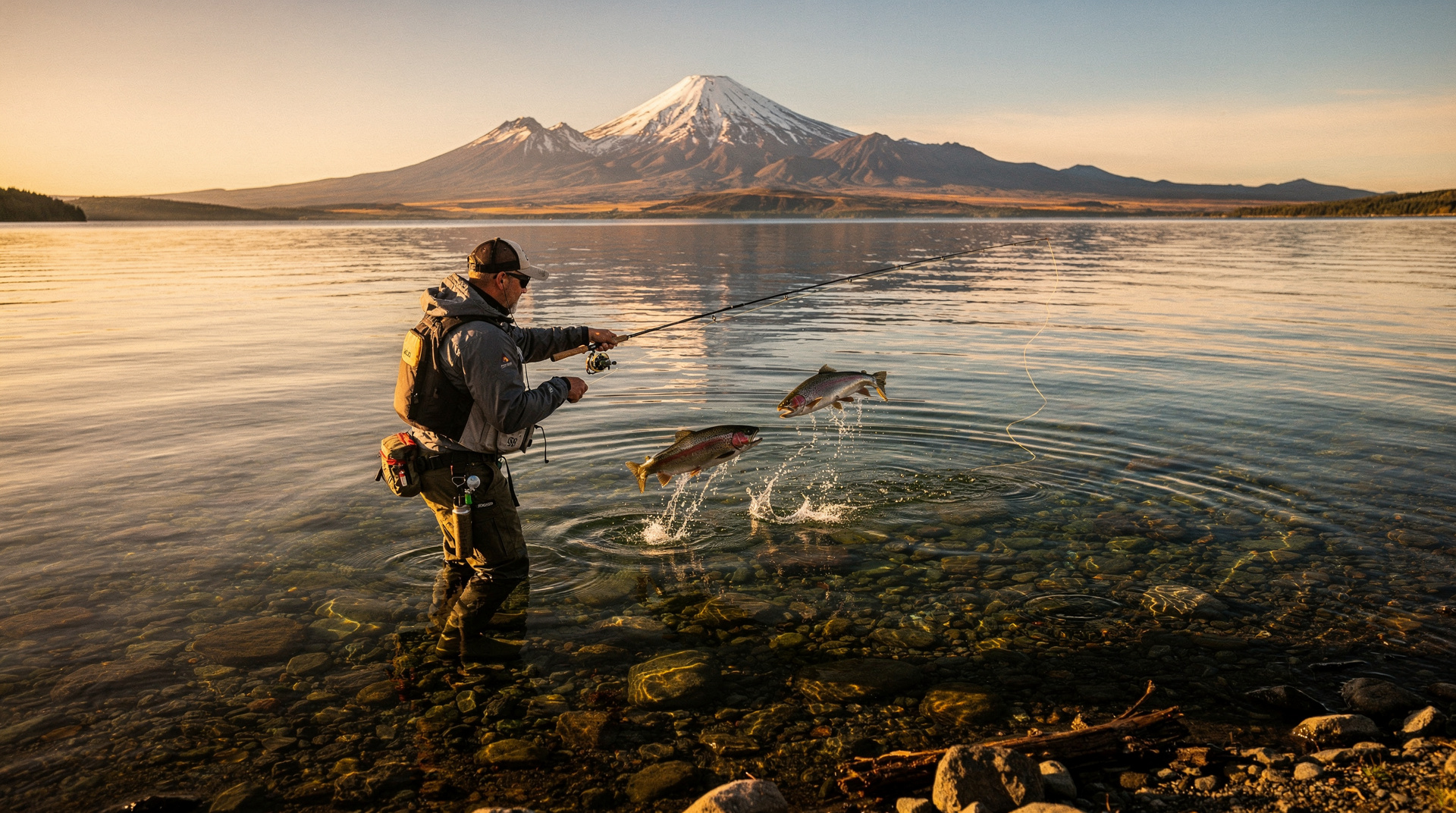
Honest Taupo guide: Huka Falls jet boat, tandem skydive, Lake Taupo Maori rock carvings, Tongariro access, real prices NZD/USD/EUR.
Tongariro Alpine Crossing
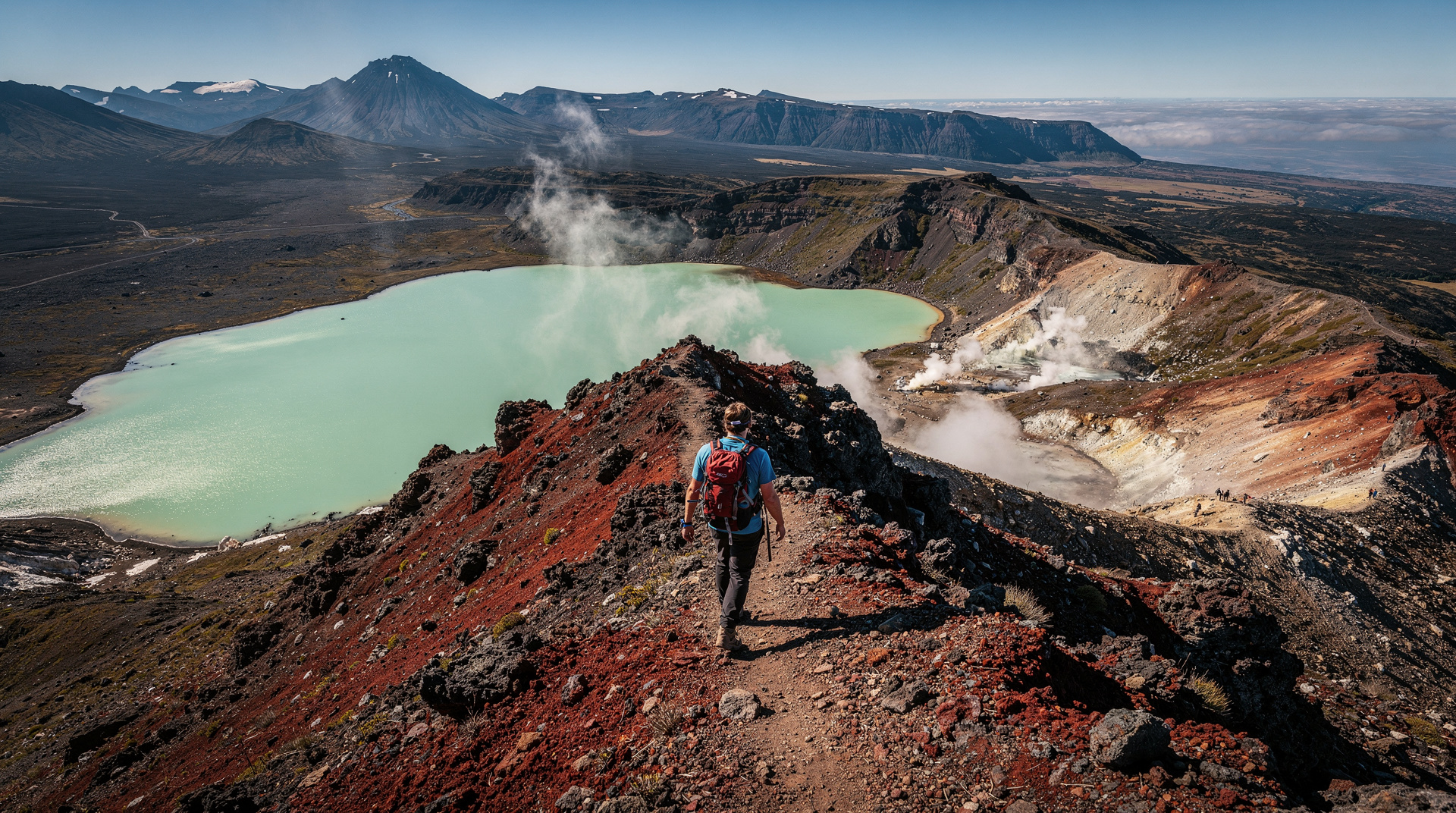
Honest Tongariro Crossing guide: 19.4km, 7-9 hours, shuttle logistics, gear, and why winter without a guide has killed people.
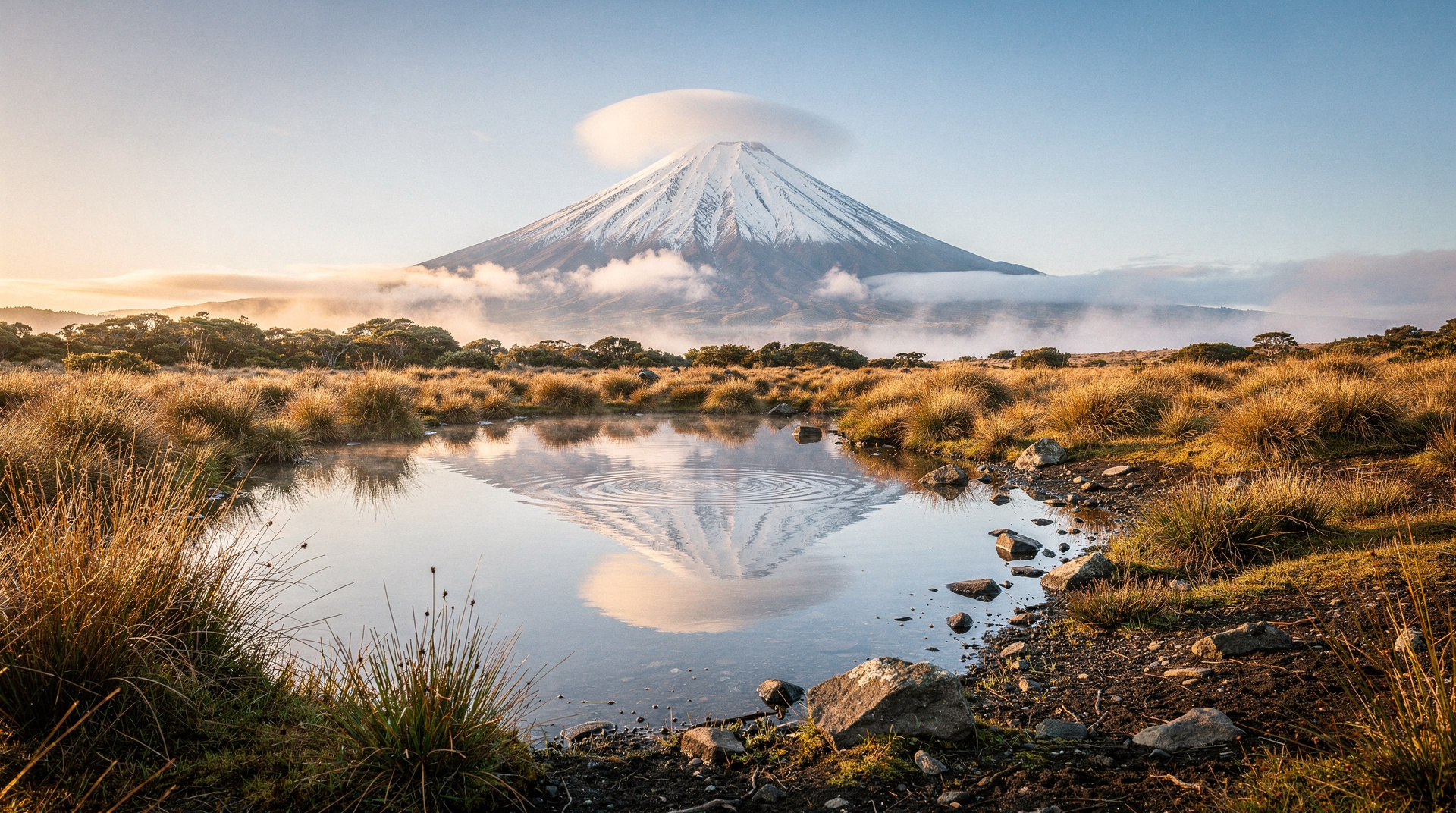
Mt Taranaki — visitor guide to New Plymouth's volcano
Mt Taranaki visitor guide: Egmont NP walks, summit access, Pouakai Crossing, cultural significance. Perfect volcanic cone 2518m, New Plymouth base.
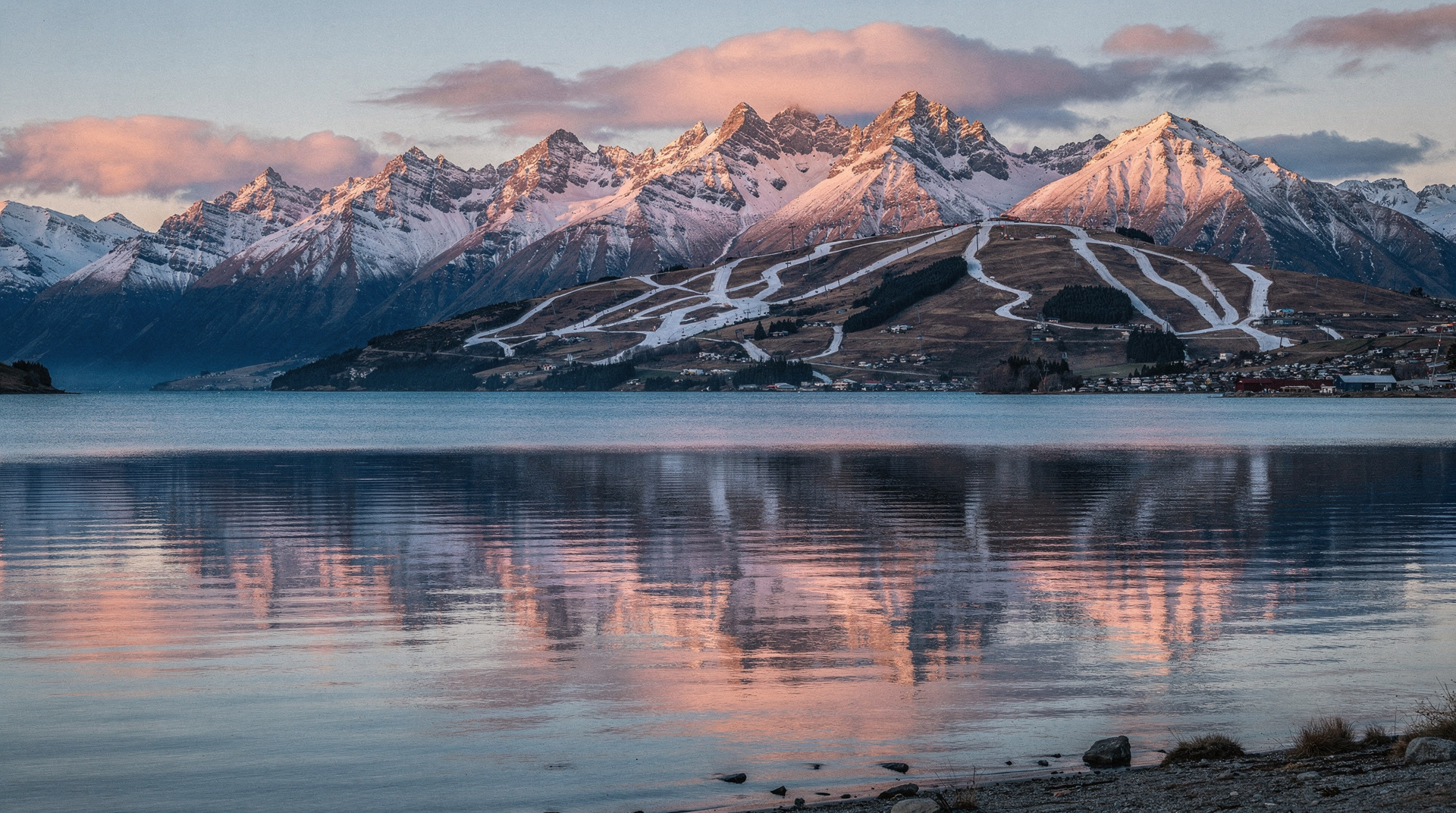
The Remarkables — Queenstown's ski field guide
The Remarkables ski guide: lift passes, terrain, access, summer hiking. Queenstown's iconic ski backdrop. NZD 139-165 day pass. Honest 2026 guide.
Last reviewed: