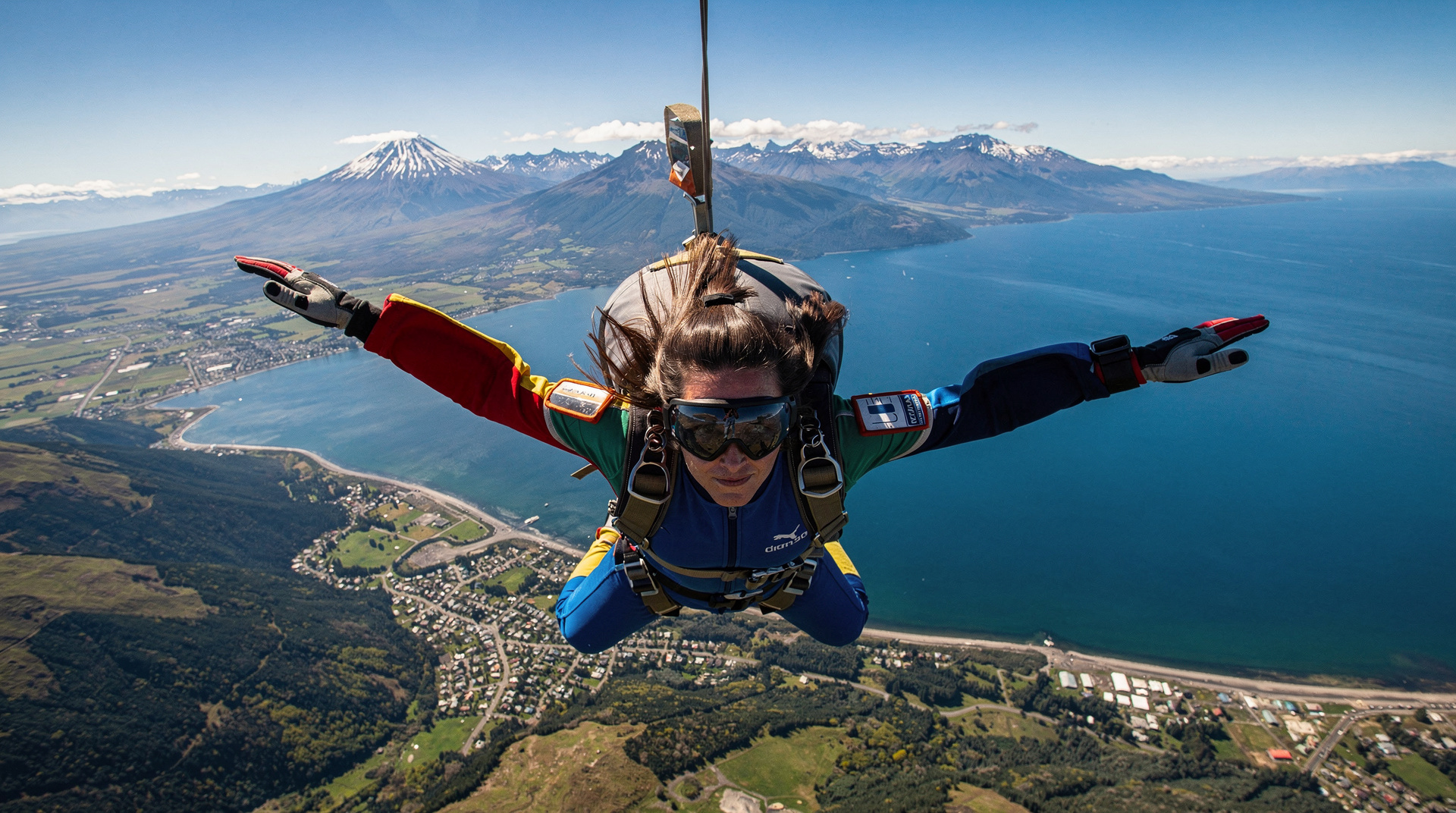
Skydiving in Taupo — New Zealand's highest tandem jump
How much does skydiving in Taupo cost?
NZD 299 (12,000 ft / 45 sec freefall) to NZD 399 (15,000 ft / 70 sec freefall). Taupo offers the highest commercially available tandem skydive in New Zealand. The 15,000 ft option over Lake Taupo and Tongariro volcanoes is spectacular and worth the premium.
Taupo’s pitch to skydivers is simple: the highest tandem jump altitude in the country, over a supervolcano lake ringed by active volcanoes. Here’s what that actually costs and involves, operator by operator.
| Where | Taupo Airport, 4 km south of Taupo town |
| Cost | NZD 299 (12,000 ft) to NZD 399+ (15,000 ft, plus video add-ons) |
| Time needed | Allow half a day (check-in, waiting, jump, debrief) |
| Getting there | Short taxi/shuttle from Taupo town; 3.5–4hr drive from Auckland |
| Best for | First-time skydivers wanting the most dramatic New Zealand views |
The highest tandem skydive in New Zealand — over one of the world’s most dramatic landscapes
Taupo sits at the centre of the North Island at 357 metres altitude, on the shores of Lake Taupo — the caldera formed by the Oruanui supervolcanic eruption approximately 26,500 years ago. The lake is 616 square kilometres of blue-green water. To the south, Tongariro National Park holds three active volcanoes: Mt Ruapehu (2,797m), Mt Ngauruhoe (2,291m), and Mt Tongariro (1,978m).
From 15,000 feet above Taupo, you can see all of this simultaneously. The scale is what elevates Taupo skydiving above most alternatives in New Zealand — the lake, the volcanoes, the central plateau, and (on clear days) both coasts. This visual context is unavailable at other major NZ skydive locations.
Verdict: Worth it. The 15,000 ft option adds NZD 100 over the entry-level altitude but nearly doubles the freefall time (from 45 to 70 seconds). Spend the extra money.
Altitude options and what they mean
| Altitude | Freefall | NZD | USD | EUR |
|---|---|---|---|---|
| 12,000 ft | ~45 seconds | 299 | 179 | 164 |
| 15,000 ft | ~70 seconds | 399 | 239 | 219 |
| 15,000 ft + video | ~70 seconds | 519+ | 311+ | 285+ |
The 15,000 ft jump from Taupo is claimed to be the highest altitude at which tandem skydiving is commercially operated in New Zealand. Most other NZ operators cap at 12,000 or 13,000 ft.
Freefall speed averages 200 km/h. At this speed, the sensory experience of freefall is dominated by wind noise and pressure rather than the visual sensation of falling — the brain’s reference points for height are largely absent. The canopy descent after chute deployment (typically 5–7 minutes) is when you can actually see and appreciate the landscape below.
Tandem Skydive Experience in Taupo (12,000ft)The visual payoff: what you see from 15,000 feet
On a clear day from jump altitude over Taupo:
- Lake Taupo fills the southern portion of the view — the size of Singapore, entirely blue-green from altitude
- Tongariro volcanoes stand clearly to the south: Mt Ruapehu with its snow cap (year-round), Mt Ngauruhoe’s perfect cone (the LOTR Mt Doom filming location)
- Waikato River exits the lake to the north and heads toward Hamilton
- Central plateau forest stretches east toward Te Urewera
- The Eastern coastline of the North Island is visible on days with good visibility (approximately 100 km)
This view is unavailable from anywhere accessible on foot. It’s the reason most first-time skydivers in New Zealand choose Taupo over the Queenstown alternatives.
Operators in Taupo
Two established operators run from the Taupo Airport:
Skydive Taupo is the larger and longer-established operator, with multiple aircraft running back-to-back loads in peak season (December–February). Their aircraft can carry up to 20 passengers. Processing from check-in to takeoff is efficient, which matters if you’re on a tight schedule.
Taupo Tandem Skydiving runs smaller aircraft with more flexibility for weather delays. Slightly more intimate experience with shorter wait times outside of peak season.
Both operators have comparable safety records and similar pricing. Booking through GetYourGuide provides price certainty and flexibility on weather cancellations. The operator may also run a shuttle from town to the airport.
Combination packages from Rotorua
Operators in Rotorua offer transfer packages that bring you from Rotorua to Taupo for a skydive and return the same day — useful if you’re based in Rotorua without a car.
Taupo Tandem Skydive with Rotorua TransferThis combination makes particular sense if you’re doing the Rotorua geothermal circuit and want to add Taupo skydiving without driving yourself.
Video packages and photography
All operators sell video/photo add-ons. Two main options:
Tandem instructor camera: A small camera mounted on the instructor’s wrist. Captures freefall footage from the instructor’s perspective. Basic quality, included in some packages.
Outside cameraman (freeflyer): A third person exits with you, filming from outside the tandem pair. Better framing, more cinematic, significantly higher cost.
Budget for video: NZD 120–220 / USD 72–132 / EUR 66–121 depending on format. The outside cameraman option runs NZD 180–220 / USD 108–132 / EUR 99–121.
Honest assessment: The video often disappoints relative to the actual experience. The wind noise dominates the audio, and the footage rarely captures the visceral sensation of freefall. Buy it if having proof matters; skip it if the experience itself is the goal.
Season and weather
Taupo skydiving operates year-round with weather dependence. Summer (December–February) has the best weather consistency — clear days are more frequent, winds tend to be lighter, and visibility is best for the volcano views.
Winter jumping (June–August): possible but challenging. Temperature at altitude is well below freezing; operators provide jump suits but the cold is significant. Cloud base is often too low for 15,000 ft jumps on winter days, meaning you may be pushed to 12,000 ft or rescheduled entirely. If winter is your only option, book the 15,000 ft and accept the possibility of a reschedule.
Weather cancellation policy: Most operators offer a full reschedule (not refund) if weather prevents jumping. GetYourGuide bookings typically include more flexible cancellation terms — check at the time of booking.
What to expect on the day
Arrival: Check in 45–60 minutes before your scheduled jump time. Weight is recorded (see limits below). You’ll watch a safety video and receive a brief harness briefing.
Waiting: In peak season, expect 1–2 hours from arrival to being in the aircraft. Bring something to occupy the time.
Aircraft: A Cessna Caravan or similar holds 10–20 tandem pairs. The flight to altitude takes 15–20 minutes for 15,000 ft. The aircraft is not pressurised — ears will pop during ascent.
The exit: You’ll be clipped to your instructor throughout. At 15,000 ft, the door opens and cold air and noise fill the cabin. You shuffle to the door and go.
Freefall: 70 seconds at 15,000 ft. The sensation described by most first-timers: a wall of wind, no sense of falling (the ground doesn’t appear to approach at the expected rate), an overwhelming sensory load.
Canopy: The chute deploys at approximately 5,000 ft. The noise stops instantly. You have 5–7 minutes of quiet descent, steerable by your instructor, to absorb the lake and volcano panorama.
Landing: In a grassed landing zone at the airport. Impact is minimal — landing is essentially a sit-down.
Age, weight, and medical requirements
- Minimum age: 12 years (with parental consent under 18)
- Maximum weight: 100 kg for solo jumpers; up to 120 kg may be possible with a larger-frame instructor at extra cost (NZD 20–30 per kg over 100 kg)
- Height: No formal limit, but harness fit may restrict very tall jumpers — contact the operator if you’re over 2m
- Medical: Recent surgery, heart conditions, back or neck injuries, epilepsy, and pregnancy exclude you. High blood pressure is worth discussing with the operator before booking.
Pairing a skydive with the rest of a Taupo day
Skydiving typically takes up a morning or afternoon rather than a full day once check-in, waiting, and debrief are accounted for, which leaves time to combine it with other Taupo activities. A common pattern: skydive in the morning while nerves and weather windows are both fresher, then spend the afternoon at Huka Falls or on the lake. If Tongariro National Park is also on your list, the Tongariro Alpine Crossing is a full separate day and works best scheduled the day after a skydive rather than the same day, given how much energy both activities demand.
Getting to Taupo Skydiving
Taupo Airport is 4 km south of Taupo town centre on Anzac Memorial Drive. Driving from Taupo: 5 minutes. Most accommodation in town can advise on taxis or shuttles.
From Auckland: 280 km, approximately 3.5–4 hours by road (SH1). From Rotorua: 82 km, approximately 1.5 hours. From Queenstown: fly to Rotorua or Auckland and drive, or fly Queenstown to Auckland with a road connection.
Frequently asked questions
Is Taupo or Queenstown better for skydiving?
The honest answer depends on what you prioritise. Taupo: higher maximum altitude (15,000 ft), dramatic lake and volcano views, North Island location. Queenstown: mountain scenery (Remarkables, Lake Wakatipu), also 15,000 ft at some operators, South Island location. If you’re doing the North Island and have one opportunity, Taupo is the correct choice.
What is the weather cancellation rate?
Taupo has a moderate rate of weather delays — perhaps 20–30% of bookings in winter get rescheduled. In summer, the rate drops to around 10%. Always build an extra day of flexibility into your Taupo itinerary if skydiving is a priority.
Can you skydive if you have a fear of heights?
The fear of heights (acrophobia) is triggered by being near an edge and looking down from a fixed position. Skydiving does not activate the same response for most people with height fears — there’s no edge to stand near, and the scale from altitude is so large that the conventional height-fear trigger doesn’t engage. Many people with declared height fears find skydiving more comfortable than they expected. That said, this varies individually.
Is it worth upgrading from 12,000 ft to 15,000 ft?
Yes — the extra 25 seconds of freefall is proportionally meaningful at these short total times. At 45 seconds, freefall barely feels started before it ends. At 70 seconds, you have time to process the experience while it’s happening. The NZD 100 / USD 60 / EUR 55 difference is worth it.
Can I skydive and do the Tongariro Alpine Crossing on the same trip?
Yes, and many visitors do — but not on the same day. Both are physically and mentally demanding in different ways, and scheduling the Crossing (a 19.4 km full-day hike) the morning after an early skydive is asking a lot of your legs and your nerves. Two consecutive days based in Taupo, one for each activity, is the more comfortable pairing.
More adventures near Taupo
- Tongariro Alpine Crossing — the best day hike in NZ
- Taupo destination guide
- Tongariro National Park — volcanoes and Great Walks
- Huka Falls jet boat — the closest river jet experience to Taupo town
- Bungy in Queenstown — if the South Island is next on your route
Related guides
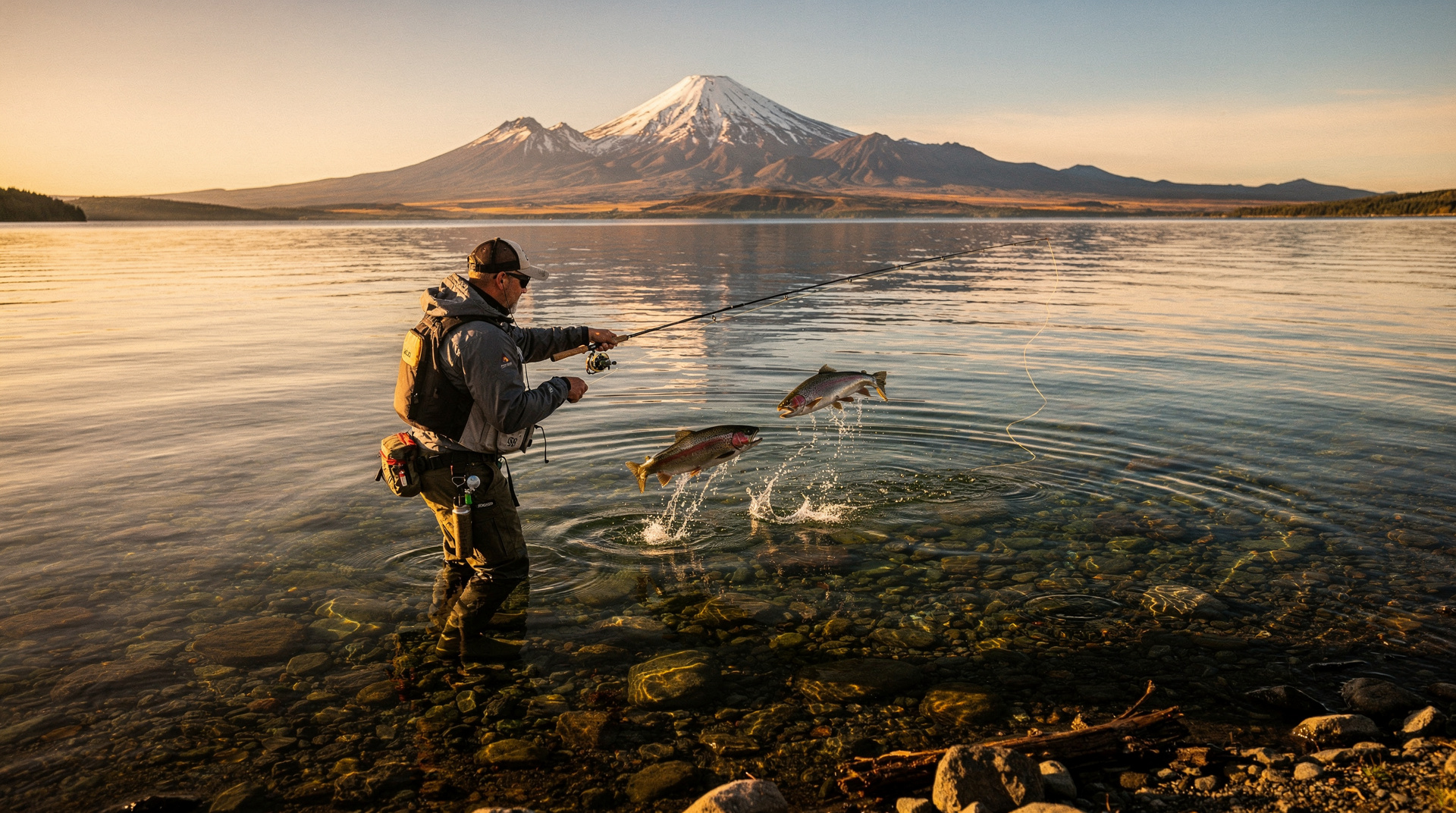
Taupo
Honest Taupo guide: Huka Falls jet boat, tandem skydive, Lake Taupo Maori rock carvings, Tongariro access, real prices NZD/USD/EUR.
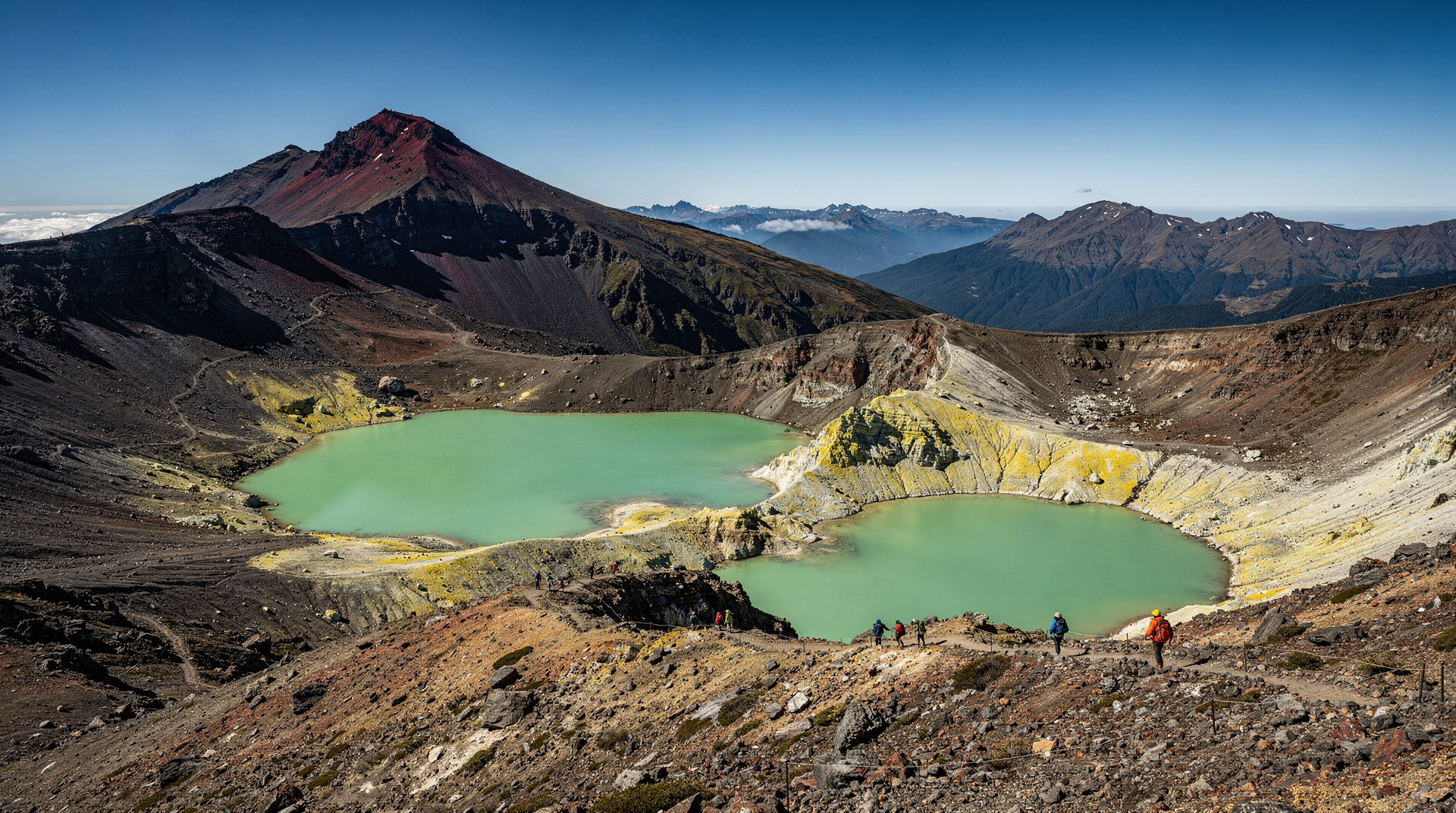
Tongariro National Park
Honest Tongariro guide: Alpine Crossing hike, Mt Ruapehu ski, Ngauruhoe, shuttle logistics, real prices NZD/USD/EUR, and what to expect on the track.
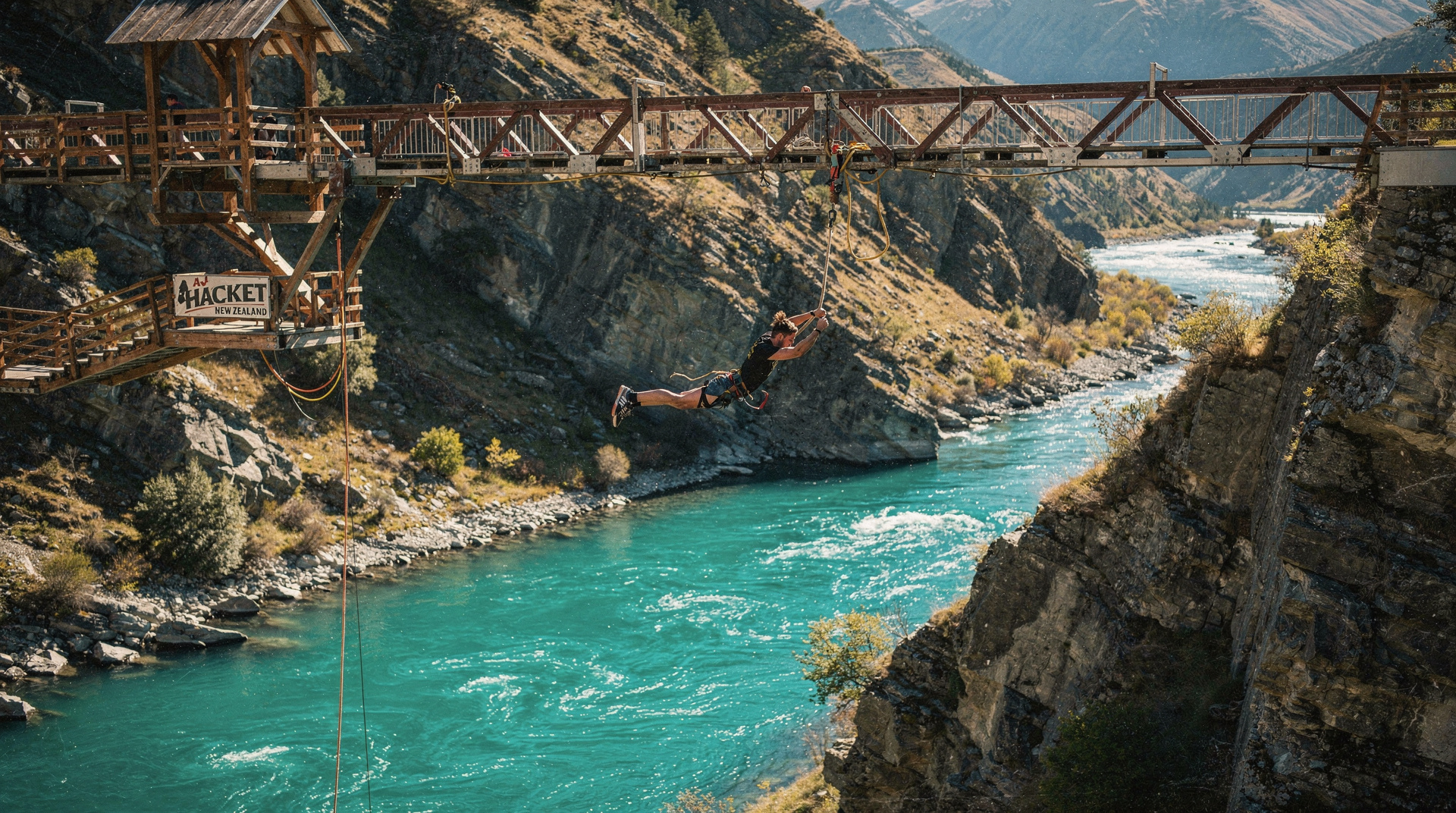
Bungy in Queenstown
Honest Queenstown bungy guide: Kawarau Bridge (the original 1988), the Nevis (134m), the Ledge — costs, age limits, and which is right for you.
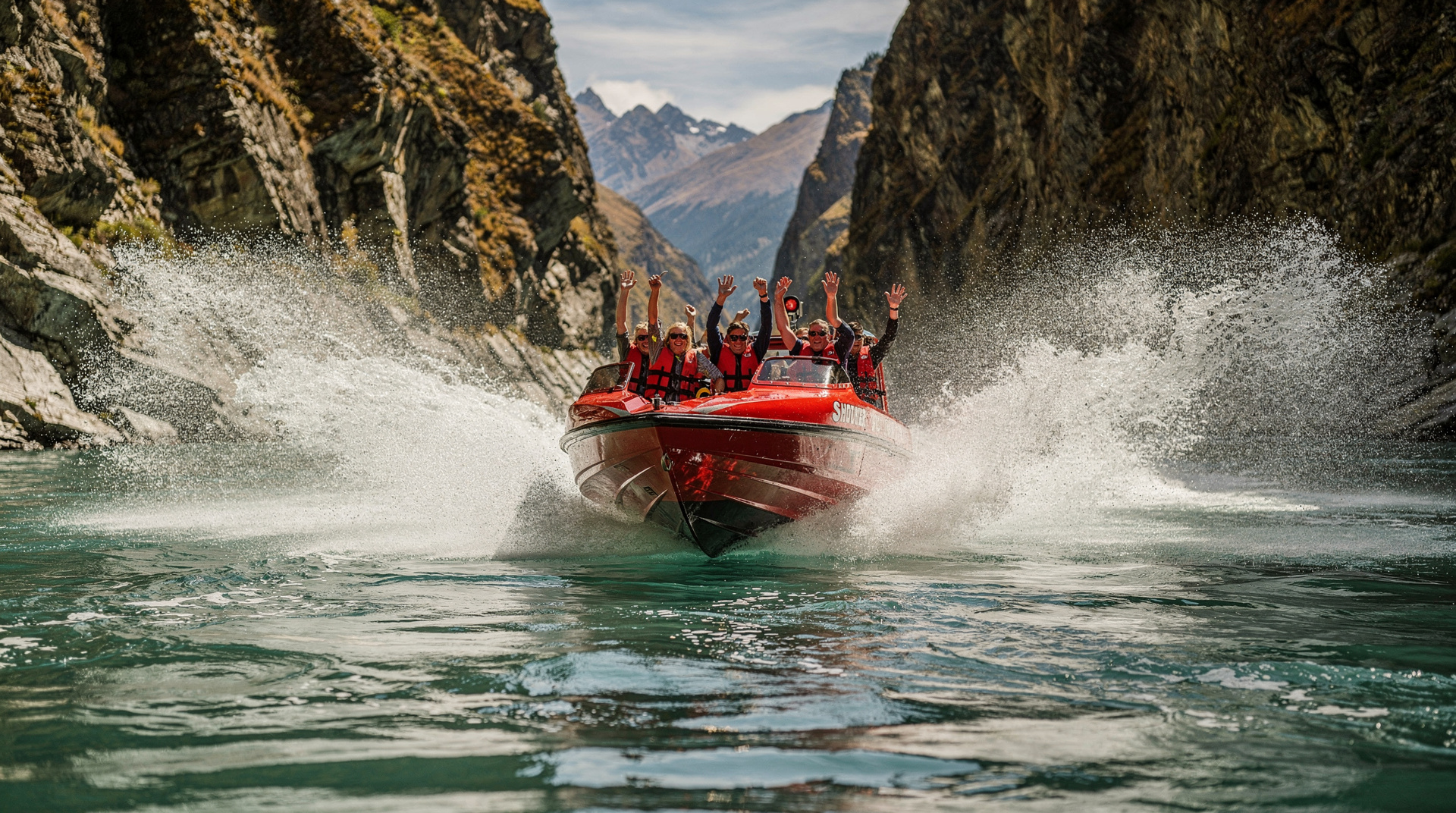
Shotover Jet — Queenstown's canyon jet boat ride
Everything about the Shotover Jet: prices, duration, canyon experience, age limits, and whether it lives up to the hype. Real costs NZD + USD + EUR.
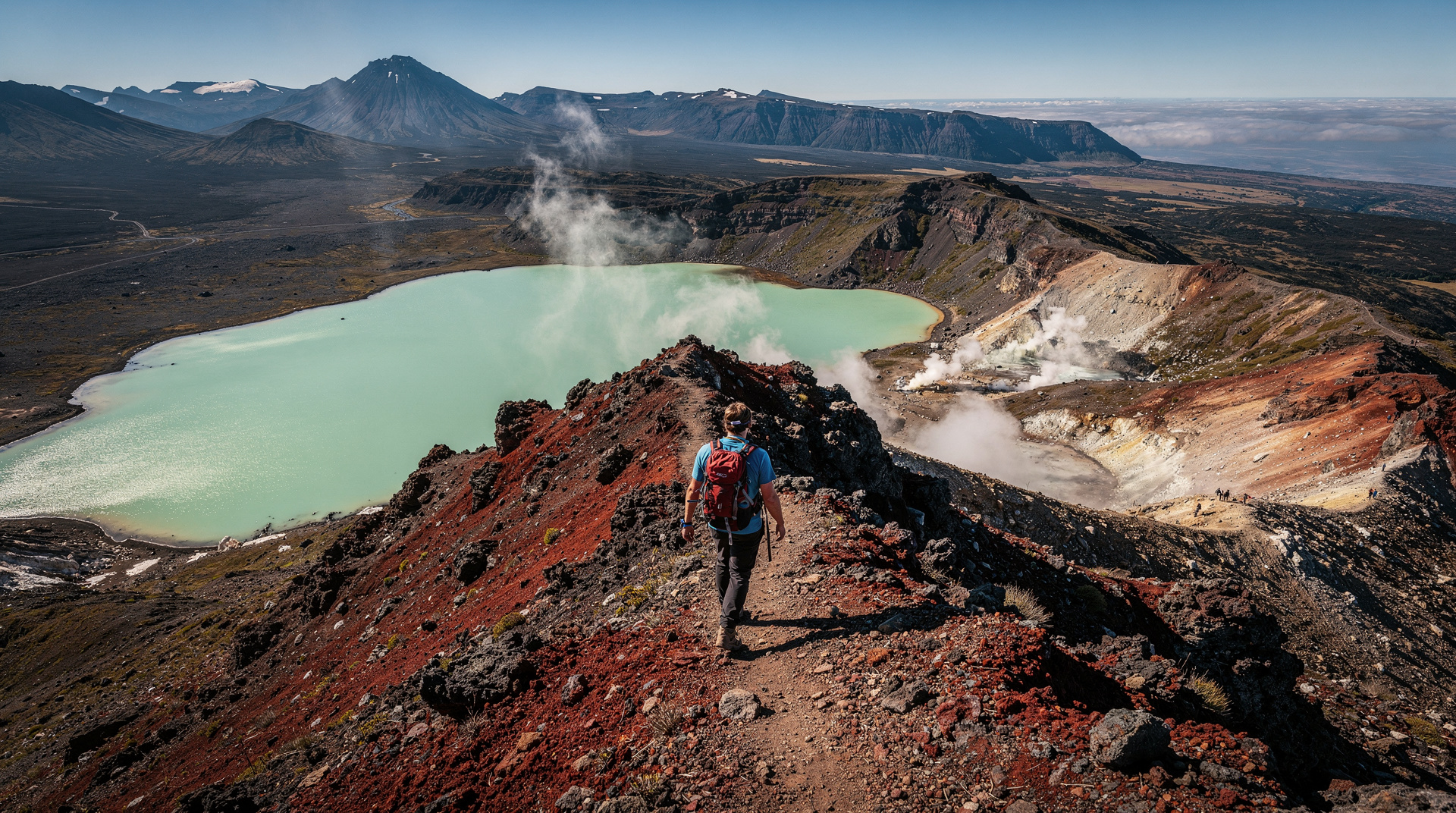
Tongariro Alpine Crossing
Honest Tongariro Crossing guide: 19.4km, 7-9 hours, shuttle logistics, gear, and why winter without a guide has killed people.
Last reviewed: