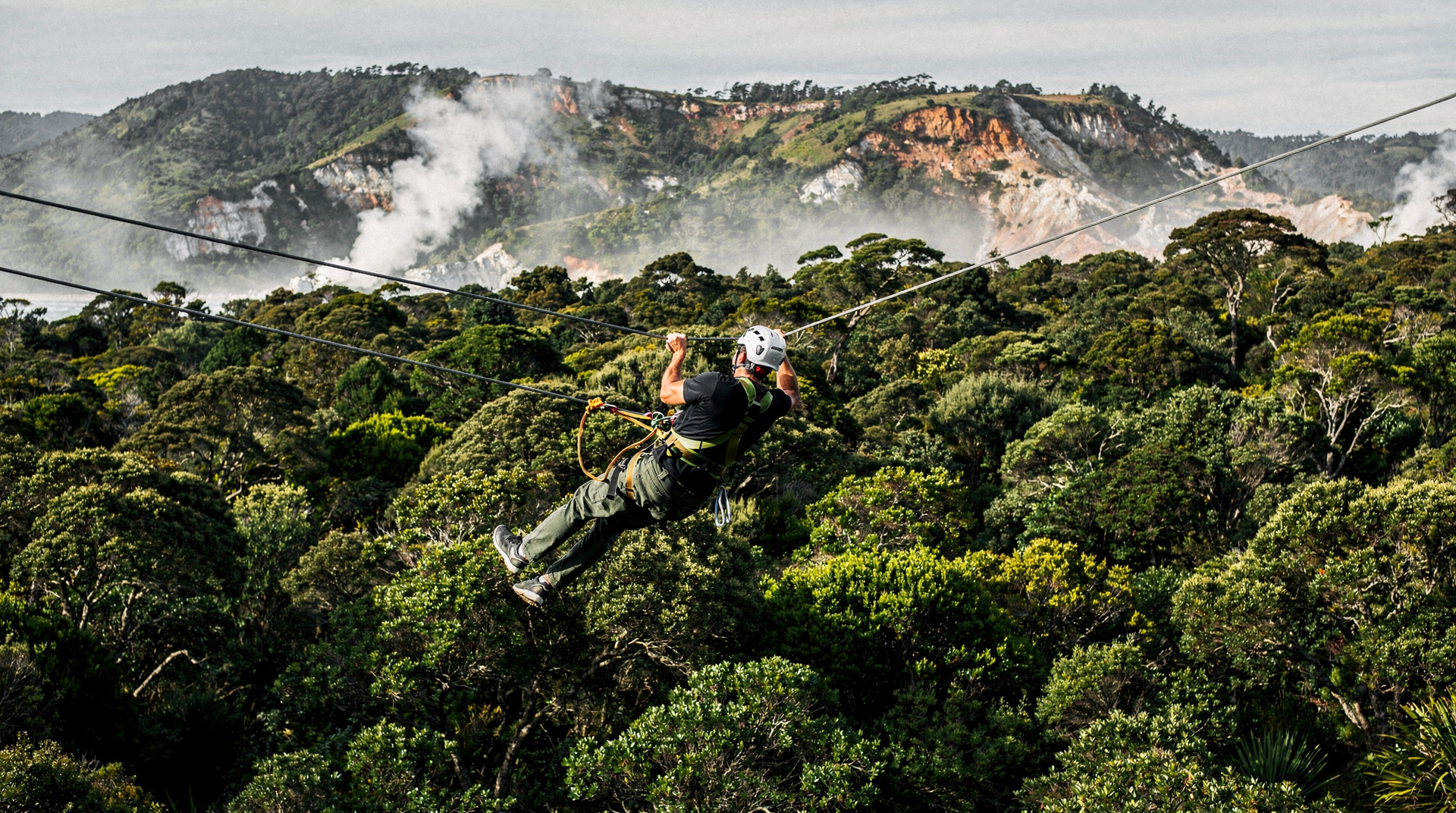
Ziplining in Rotorua — canopy tours through redwood forest
How much does ziplining in Rotorua cost?
Rotorua Canopy Tours costs NZD 145–165 / USD 87–99 / EUR 80–91 for the 3-hour Original Canopy Tour through ancient rimu and totara forest. It's the best-run eco-zipline operation in New Zealand, with genuine conservation work funded by tour revenue.
Ziplines through ancient New Zealand forest
Rotorua Canopy Tours operates in privately managed native forest above Rotorua — 1,100 hectares of regenerating rimu, totara, kahikatea, and kanuka that the company actively manages for predator control and species restoration. The ziplines are the mechanism that funds this conservation work, not the primary point.
That distinction matters. Most commercial zipline operations elsewhere are speed experiences in generic forest. Rotorua Canopy Tours is embedded in genuine conservation effort: the company has removed over 120,000 pest animals (rats, stoats, possums) from their managed forest since 2013, and the native bird population — including kiwi, kokako, and tomtit — has measurably recovered.
The result is a zipline that also happens to be ecologically interesting: you’re moving through forest that is actively regenerating, and the guides explain what you’re seeing rather than just ushering you from platform to platform.
Verdict: Worth it. The combination of well-engineered infrastructure, genuine conservation context, and trained guides makes this a better experience than most ziplines regardless of price.
| Where | Whakarewarewa Forest, ~5 km from Rotorua city centre |
| Cost | Around NZD 145–165 per person |
| Time needed | 2.5–3 hours including transfers |
| Best time | Morning departures for active birdlife; year-round |
| Booking | Advance recommended October–April |
Tour options
| Tour | Duration | Lines | NZD | USD | EUR |
|---|---|---|---|---|---|
| Original Canopy Tour | 3 hours | 6 lines + bridges | 165 | 99 | 91 |
| The Redwoods Altitude | 2.5 hours | 6 lines, focuses on redwoods | 145 | 87 | 80 |
Original Canopy Tour runs through the company’s privately managed native forest. This is the flagship experience — the one that includes the most ecological context and the most remote sections of forest. Maximum 9 people per group.
The Redwoods Altitude is a newer operation that runs in the famous Whakarewarewa Redwood Forest (the California giant redwoods planted in 1901, now 70m tall). Different setting — the iconic Rotorua trees rather than native bush. More photogenic in conventional terms; less ecologically significant. Also slightly shorter and cheaper.
Rotorua: Guided Zipline Adventure Tour with PhotosWhat the Rotorua zipline experience involves
Group size: Maximum 9 participants per guide. This keeps the experience intimate and allows the guide to engage with individual participants.
Infrastructure: The platforms are engineered in the canopy, connected by a combination of ziplines (cables you slide across), suspension bridges, and short walks. Heights vary — the highest point is approximately 22m above the forest floor. The longest individual line is approximately 200m.
Guide commentary: Guides at Rotorua Canopy Tours are trained to explain the ecology of the forest, identify native birds, and discuss the conservation work. This is not a scripted commentary — the quality varies by guide but the standard is consistently high. Many visitors report the ecological context as the highlight rather than the physical activity.
Speed: Rotorua ziplines run at moderate speed — this is not a high-speed thrill experience. The emphasis is on the canopy environment rather than velocity. Maximum speed on the longest lines is approximately 50–60 km/h.
The Redwoods Altitude — the tree-top walk alternative
The Redwoods Altitude runs through the Whakarewarewa Redwood Forest — the same location as the popular Redwoods Treewalk, which is a self-guided night experience on suspended bridges. The Altitude adds ziplines to the experience in daylight, with a guided element.
Rotorua: Redwoods Altitude High Ropes ExperienceA night treewalk through the same forest (lantern-lit suspended bridges among the 70m redwoods) is one of the most visually distinctive experiences in Rotorua and worth combining with the zipline if time allows.
Rotorua: Redwoods Altitude, Nighttime Fast Pass, & TreewalkRotorua adventure activities in context
Rotorua’s adventure offering sits alongside its geothermal and Maori cultural tourism, making it the most activity-dense city in the North Island outside Auckland. Combining ziplines with other Rotorua adventures in a two-day itinerary is common:
Day 1 morning: Wai-O-Tapu geothermal park (Lady Knox geyser departs at 10:15am daily — arrive early) Day 1 afternoon: Te Puia or Mitai Maori Village evening experience Day 2 morning: Rotorua Canopy Tours (departure from town 7:30am, back by 11am) Day 2 afternoon: Kaituna River white-water rafting — the Tutea Falls section is 7m, the tallest commercially rafted waterfall in the world
This itinerary covers the three strongest selling points of Rotorua (geothermal, Maori, adventure) without overpacking.
Comparing Rotorua’s adventure activities
| Activity | Duration | Price (NZD) | Adrenaline | Unique to Rotorua |
|---|---|---|---|---|
| Canopy Tours zipline | 3 hours | 165 | Medium | No, but best in NZ |
| White-water rafting Kaituna | 2 hours | 115–150 | High | Tutea Falls (7m) |
| Zorbing | 30 min | 59–99 | Medium | Partially |
| Velocity Valley multi-ride | 2 hours | variable | High | Yes |
| Redwoods night treewalk | 1.5 hours | 39–49 | Low | No |
The zipline sits in the mid-range for adrenaline but is the best-produced experience in the group. White-water rafting is the highest-value option if pure adrenaline is the goal.
Age, weight, and fitness requirements
- Minimum age: 7 years (must be accompanied by adult)
- Maximum weight: 130 kg (due to harness system)
- Minimum weight: 25 kg
- Fitness level required: Moderate — the tour includes walking sections on uneven terrain. The climbing involved is minimal (ladders with safety harness)
- Not suitable for: Significant mobility impairments, severe fear of heights (the bridges can trigger this for some), pregnancy
Getting there
The Rotorua Canopy Tours base is located at the edge of the Whakarewarewa Forest, approximately 5 km from Rotorua city centre. Driving time: 8 minutes via Tarawera Road. A shuttle from town is available — confirm when booking whether it’s included or available as an add-on.
Most Rotorua accommodation can call you a taxi or arrange shuttle pickup.
What the conservation work actually involves
The forest Rotorua Canopy Tours operates in was, until the company began managing it, in the same degraded state as most unprotected native bush in the North Island — overrun by introduced predators with birdlife pushed to the margins. The trapping network the company maintains targets rats, stoats, and possums specifically because those three species are responsible for most native bird and egg predation in New Zealand forest.
Guides carry out active pest monitoring as part of their work, not as a side activity, and a portion of every ticket price is allocated to trap maintenance and replacement. This is a useful model to understand before you go: you are not paying an entry fee to a static attraction, you’re partially funding an ongoing restoration project that happens to run through the trees on ziplines.
Is it worth it compared to just walking the forest for free?
Whakarewarewa Forest has extensive free walking and mountain-biking trails open to the public, and it’s reasonable to ask whether the zipline adds enough to justify the price over a free walk. The honest answer: the canopy perspective is genuinely different from a forest floor walk — you see the structure of the mature trees, the epiphytes, and birdlife from a vantage point the trails don’t offer, and the guide commentary adds ecological context most visitors wouldn’t otherwise get. If budget is the constraint, the free trails are a legitimate way to experience the forest; the zipline is the better choice if you want the elevated perspective and the guided context, not simply “more forest.”
Booking and timing
Season: Year-round. The forest is more atmospheric in rain (mist through the canopy is genuinely beautiful). Hot, dry summer days can make the forest feel drier and less lush.
Time of day: Morning departures (7:30am, 10am) benefit from active native birds in the canopy. Afternoon departures are cooler in summer but birds are less active.
Booking: Advance booking recommended from October through April. Outside peak season, walk-up is usually possible with same-day contact.
Frequently asked questions
Is the zipline in Rotorua safe?
Rotorua Canopy Tours has operated since 2013 with no serious incidents. All equipment is internationally certified. Guides are trained to current operator standards including first aid. The harness system uses redundant attachment points — you’re attached to the cable via two independent systems simultaneously.
How does it compare to ziplines elsewhere in New Zealand?
Queenstown has the ZipTrek operation (2–6 lines on Bob’s Peak, with views over Lake Wakatipu). ZipTrek Queenstown is faster and more adrenaline-focused; Rotorua Canopy Tours is more immersive in native forest and more ecologically meaningful. The Queenstown experience is better for pure speed; Rotorua is better for a holistic experience.
Does the conservation component actually make a difference?
Yes, measurably. The company has contracted independent ecological surveys since 2013. Kiwi calling activity in the managed forest has increased significantly. The kokako — a critically endangered native bird — has been detected in the forest for the first time in decades. These are auditable outcomes, not marketing claims.
Can I do the zipline if I have a fear of heights?
The ziplines run horizontally through the canopy — you’re not standing on an open platform looking down a vertical drop. Most people with moderate height concerns manage fine once they’re on the cables. The bridges can be more challenging for some — they’re suspended and move slightly. The guides are experienced at helping nervous participants and will not push anyone who is genuinely uncomfortable.
What should I wear for the Rotorua zipline?
Closed-toe shoes are compulsory (no sandals or jandals) since the harness and platforms require secure footing. Wear layers you can move freely in — the forest is often several degrees cooler than Rotorua town, and rain doesn’t cancel tours since the canopy offers some shelter. Long hair should be tied back and loose jewellery removed before the harness briefing.
Can I book the zipline as part of a wider Rotorua day tour?
Yes — a combined geothermal-and-culture day makes a good base if you want to add the zipline as a separate morning booking around it rather than a single long combined day.
Rotorua highlights day tour with Te Puia and the Redwoods
More adventures in Rotorua
Related guides
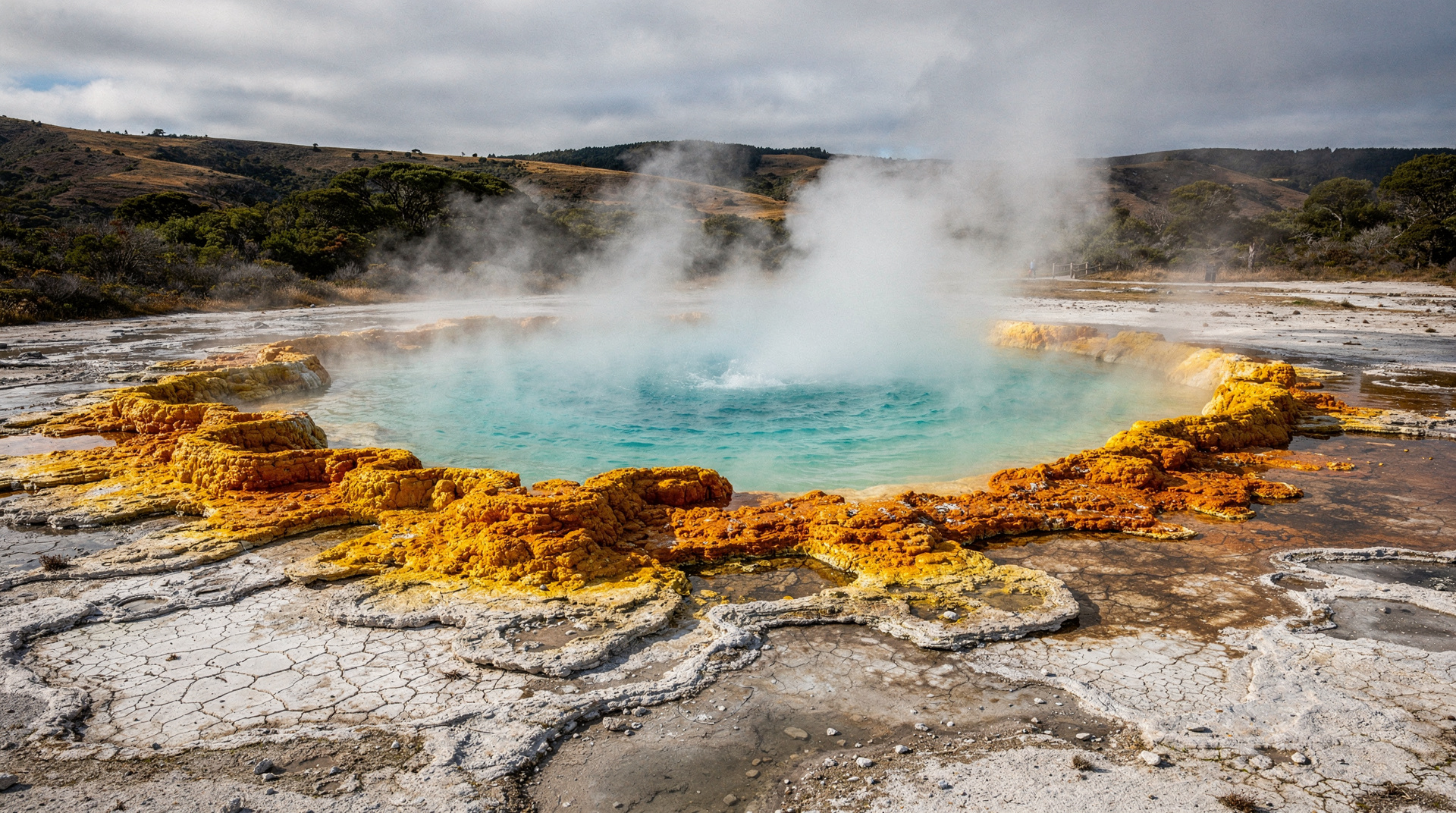
Rotorua
Honest Rotorua guide: Te Puia, Wai-O-Tapu, Polynesian Spa, Maori hangi, real prices NZD/USD/EUR, tourist traps to avoid, and best 2 days.
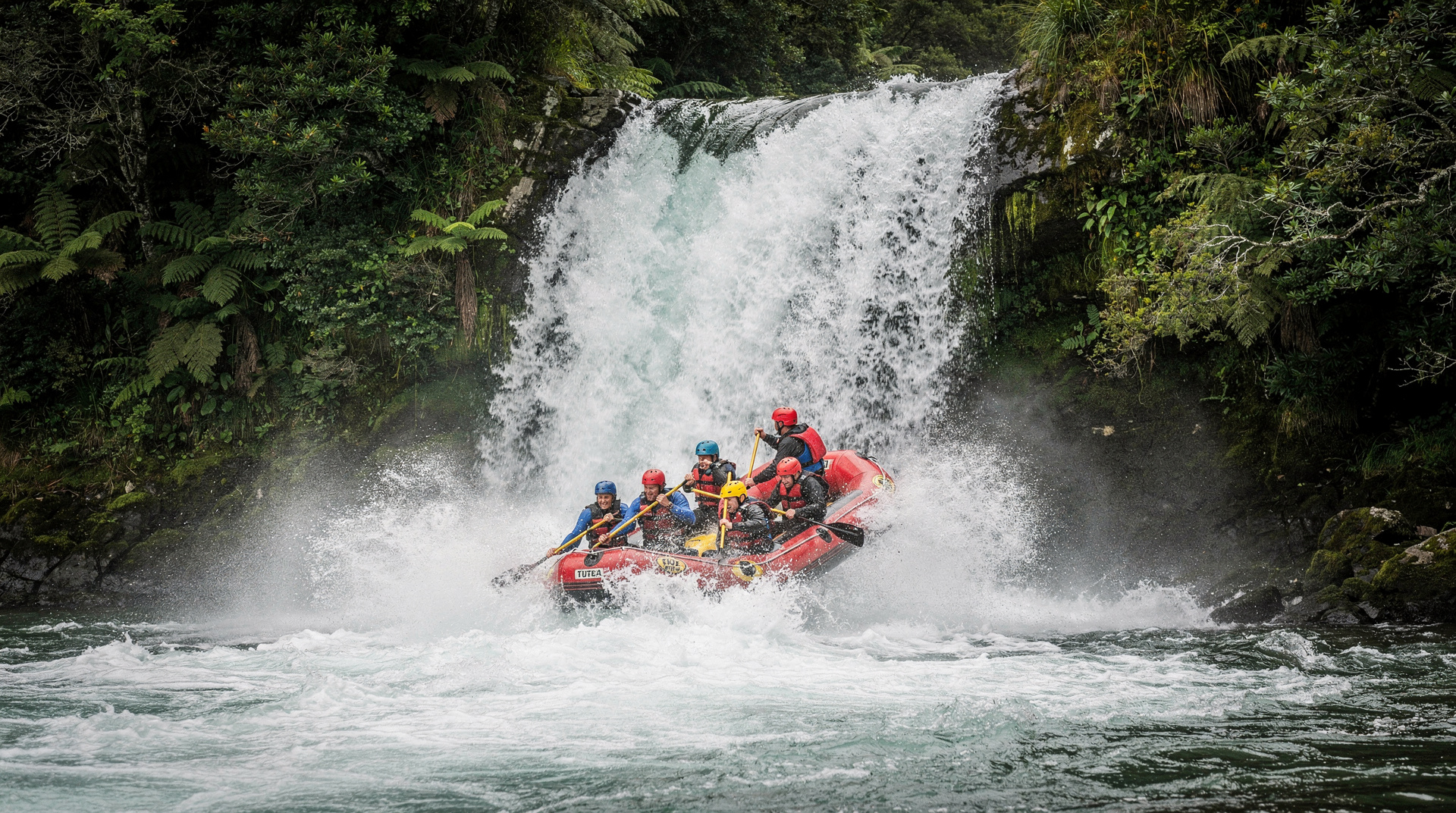
White-water rafting in Rotorua — Kaituna Falls and Grade 5 rapids
Rotorua rafting guide: Kaituna River's 7m Tutea Falls (world's tallest commercially rafted waterfall). Prices NZD/USD/EUR, grade, operators, and booking tips.
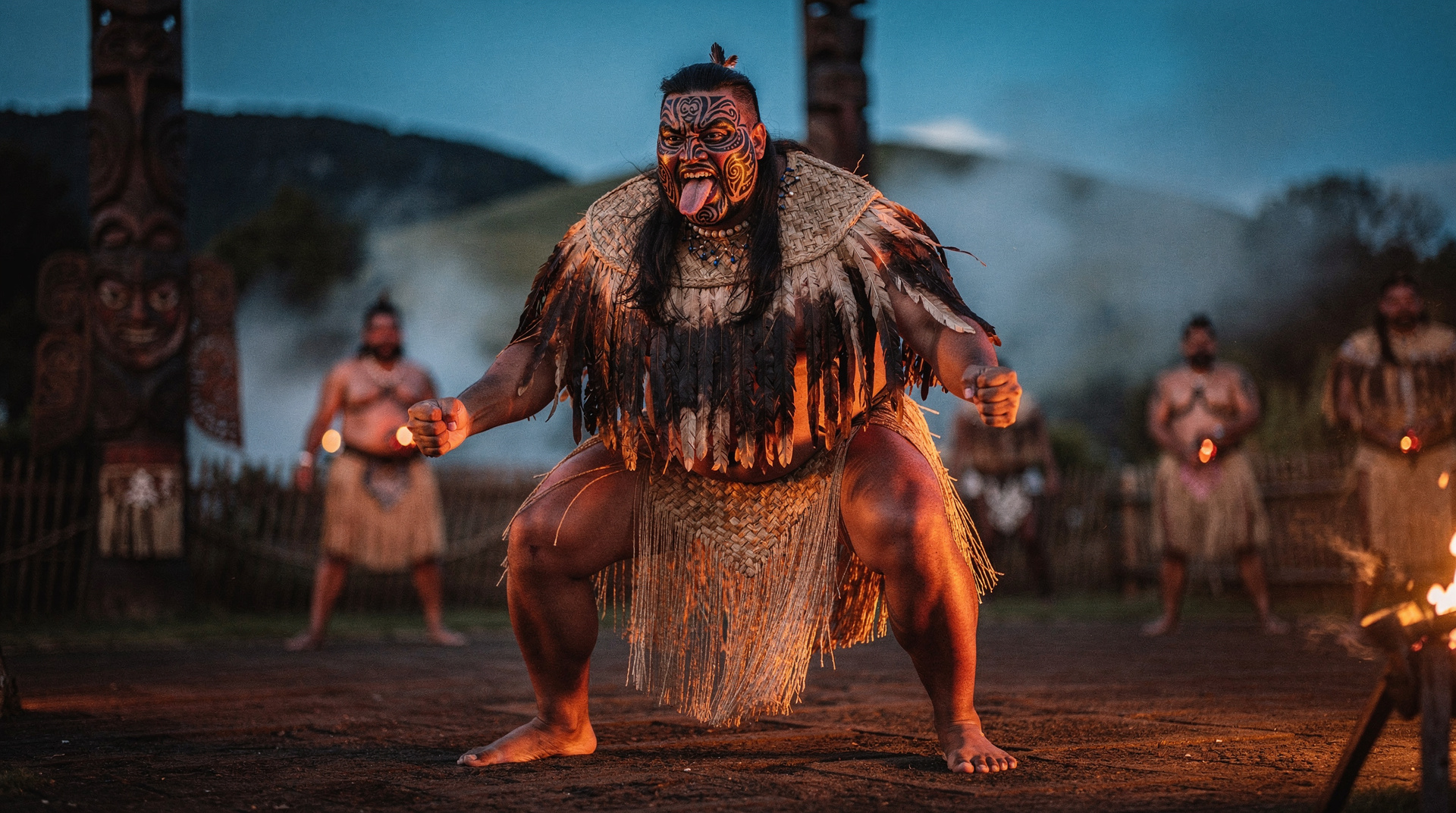
Maori culture overview — what every visitor should know
Respectful introduction to Maori culture for visitors: tangata whenua, Te Tiriti, tikanga basics, language, cultural experiences, and how to engage honestly.
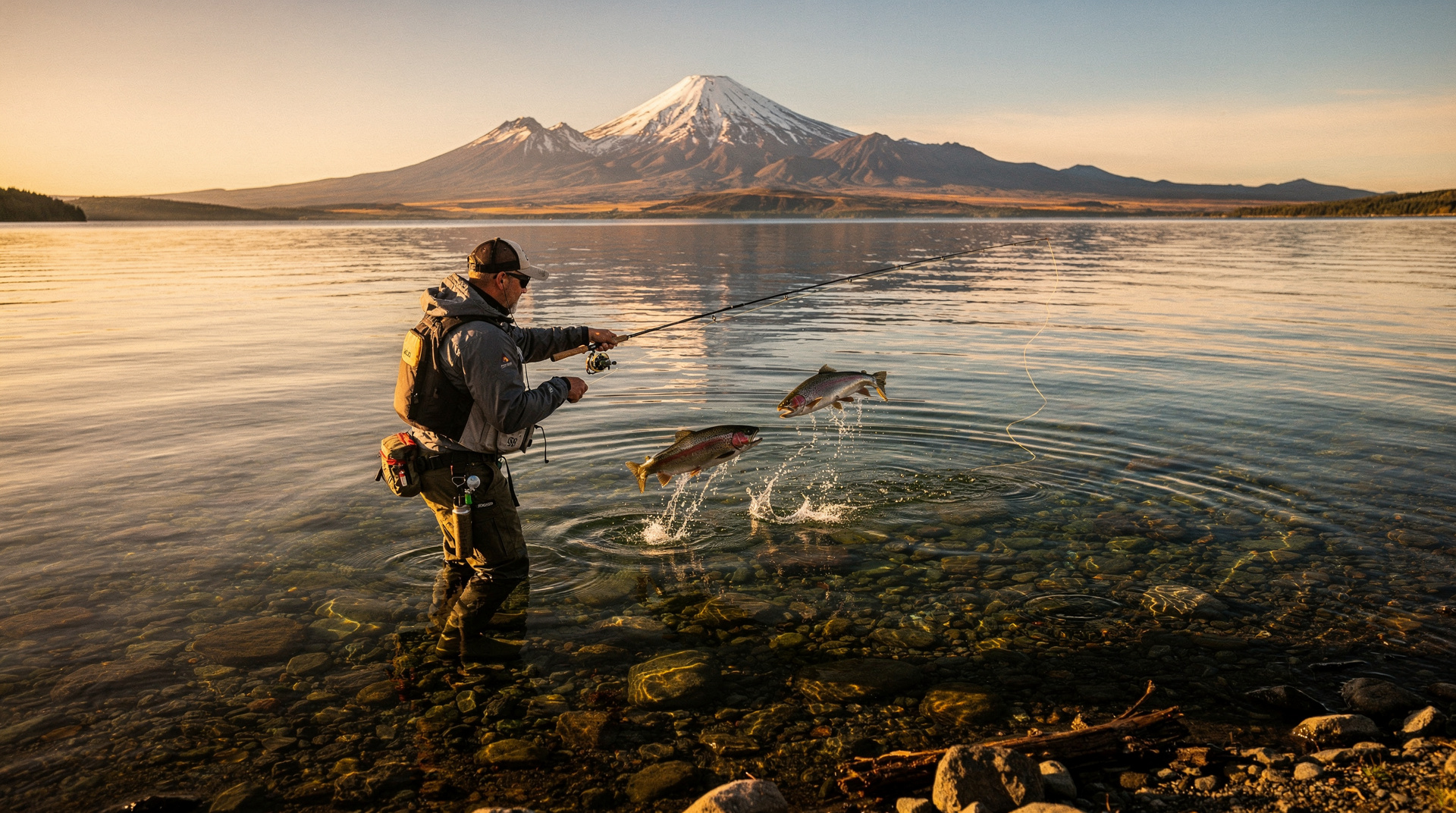
Taupo
Honest Taupo guide: Huka Falls jet boat, tandem skydive, Lake Taupo Maori rock carvings, Tongariro access, real prices NZD/USD/EUR.
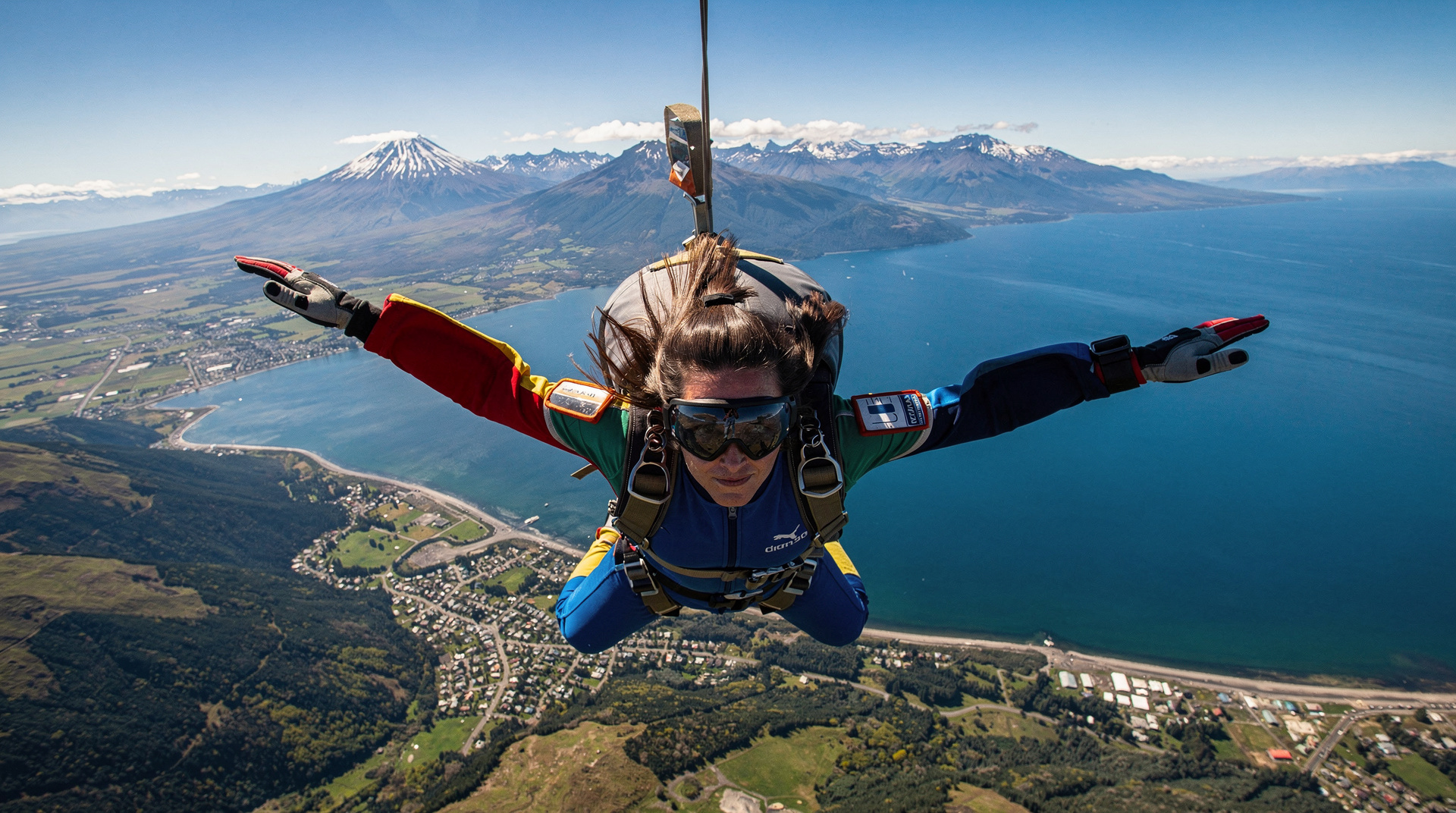
Skydiving in Taupo — New Zealand's highest tandem jump
Taupo skydiving guide: NZ's highest tandem at 15,000 ft over Lake Taupo. Prices NZD/USD/EUR, operator comparison, age limits, and best booking tips.
Last reviewed: