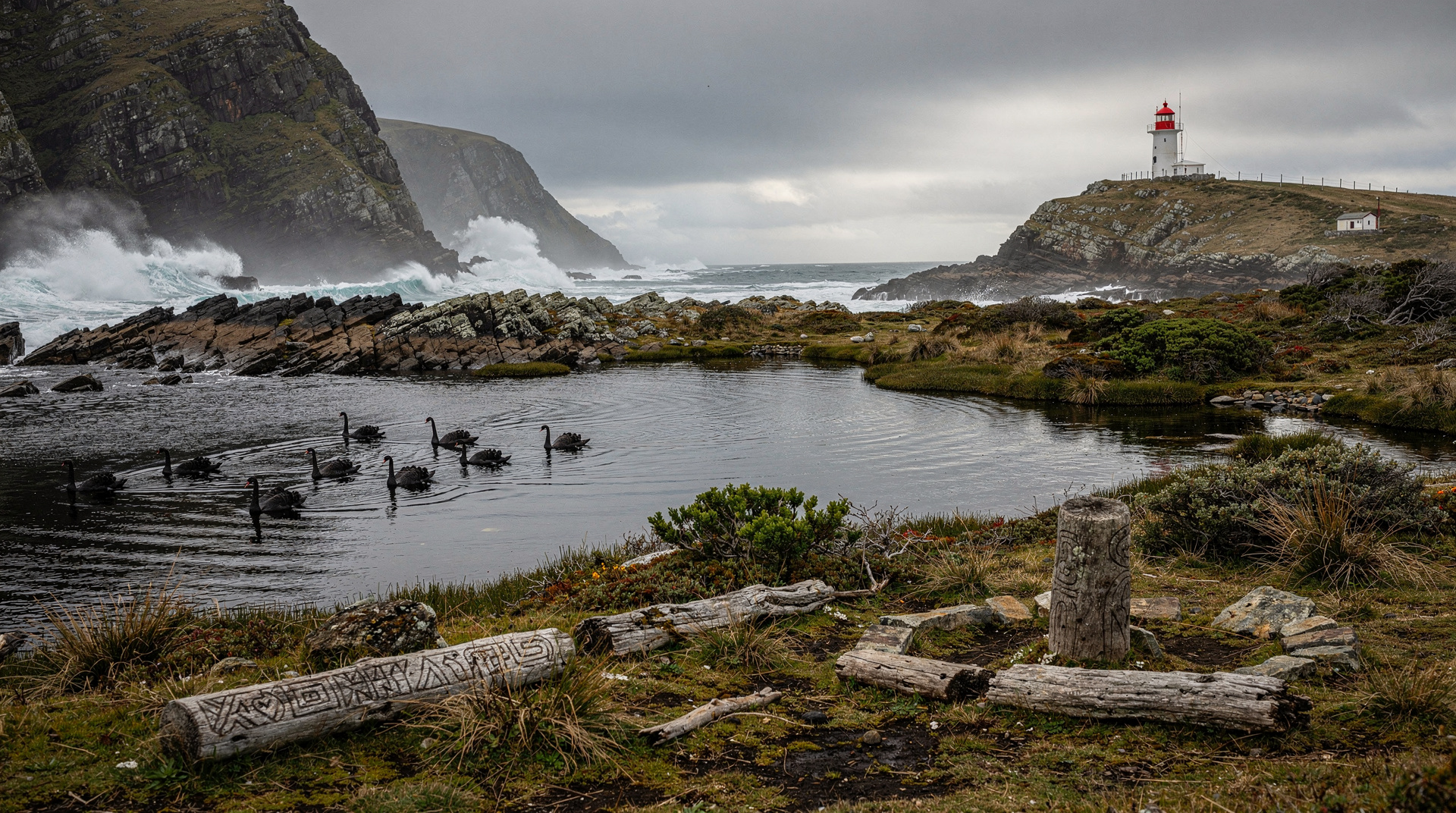
Chatham Islands — New Zealand's last frontier, 800km east of everywhere
The place that’s always in tomorrow
The Chatham Islands sit at 176°W longitude, just east of the International Date Line. They are the first inhabited territory on Earth to see each new day — the sun rises on Chatham before it rises anywhere else New Zealand encompasses. The Chatham Island Moriori, the original people of the islands, have a phrase: “we are the people of the first light.”
Eight hundred kilometres east of Christchurch. Two charter flights per week from Wellington or Christchurch on Air Chathams. A total resident population of around 600 people across two main islands — Chatham Island (Rekohu) and Pitt Island. No scheduled accommodation bookings available on any international booking platform. No tours on GetYourGuide. No tourist infrastructure in any recognisable sense.
This is the Chatham Islands in 2026, and it is, for a specific kind of traveller, one of the most interesting destinations in New Zealand’s orbit.
| Where | 800km east of Christchurch, near the International Date Line |
| Getting there | Air Chathams charter, ~2hrs from Christchurch, several flights weekly |
| Cost | Around NZD 650-900 return flight; NZD 130-380/night accommodation |
| Minimum stay | 4-5 days; a week is better |
| Best time | November to March |
Getting there
Air Chathams operates the only scheduled air service to the Chatham Islands, flying from Wellington and Christchurch on a schedule that runs several times per week. The aircraft are turboprops — comfortable but not pressurised to jet standards. Flight time from Christchurch is approximately 2 hours.
Fares are not cheap. Return economy from Christchurch runs approximately NZD 650-900 / USD 390-540 / EUR 358-495, depending on timing and availability. The route has limited competition and the fares reflect the operational reality of serving a remote community on small aircraft.
There is no scheduled ferry service to the Chatham Islands. The distance makes it impractical.
Accommodation and planning
The accommodation on the Chatham Islands is limited to a small number of self-contained lodges, farm stays, and one motel (the Chatham Island Hotel in Waitangi, the main settlement). Total accommodation capacity across the islands is perhaps 60-80 beds. Booking through the local providers directly is essential — go through Destination Chatham Islands (destinationchatham.co.nz) for a current list of options.
Plan your visit through the Chatham Islands Tourism operator network. Independent travel is possible but the island has almost no petrol stations (there are two), limited grocery supply (the main store in Waitangi restocks with the weekly freight service), and roads that range from unsealed gravel to grass tracks. A 4WD vehicle is essential; hire is available from a small number of operators.
Budget accommodation: approximately NZD 130-180 / USD 78-108 / EUR 72-99 per night for a basic room. The higher-end farm stays and lodges run NZD 250-380 / USD 150-228 / EUR 138-209 per night with meals included — full board is common given the limited dining options.
The Moriori
The Chatham Islands are the ancestral home of the Moriori people, who settled the islands from New Zealand approximately 700-1,000 years ago. Moriori culture developed in geographic isolation from mainland New Zealand and produced a Pacific civilisation with a distinctive character: notably, a formal commitment to non-violence (Nunuku’s Law) that governed the resolution of disputes.
In 1835, a group of Ngati Tama and Ngati Mutunga Maori arrived on the Chatham Islands from Taranaki and enslaved most of the Moriori population. By the 1860s, the Moriori numbered only a few hundred. The last person of full Moriori descent, Tame Horomona Rehe (Tommy Solomon), died in 1933.
This history — the deliberate extinction of a Pacific culture by another Pacific culture, mediated by the conditions of colonisation and its disruption of traditional balances — is one of the darker and more complex episodes in New Zealand’s history. It’s relevant to any visit to the Chatham Islands because it’s why you visit: the islands are, among other things, a surviving landscape of Moriori culture.
The Hokotehi Moriori Trust operates the Kopinga Marae on Chatham Island, a cultural centre that documents Moriori history and oversees the preservation of tōtara dendroglyph trees — carved trees that are the most visible material expression of pre-contact Moriori art. These are found nowhere else in the world. Access to the dendroglyphs requires permission and a guide; contact the Trust in advance.
The landscape
The Chatham Islands are not conventionally dramatic. There are no mountains — the highest point is only 299 metres. The landscape is rolling tussock farmland on the eastern side, dense bush and peat bog on the western coast, and a vast central lagoon (Te Whanga Lagoon) that covers about 170 square kilometres and is navigable by small boat.
What the Chathams have instead of mountains is a quality of light and openness that comes from being at 44° south in the middle of the ocean. The sky is enormous. The horizon is 360 degrees of sea. The wind comes from somewhere that hasn’t touched land for a long time.
The wildlife is where the landscape becomes exceptional. Black robins — once the world’s most endangered bird, reduced to 5 individuals in 1980 and recovered through one of conservation’s most celebrated interventions — live in forested areas of Rangatira (South East Island) and Mangere Island. Both are nature reserves with restricted access, managed by DOC; visits require permits and are conducted with guides.
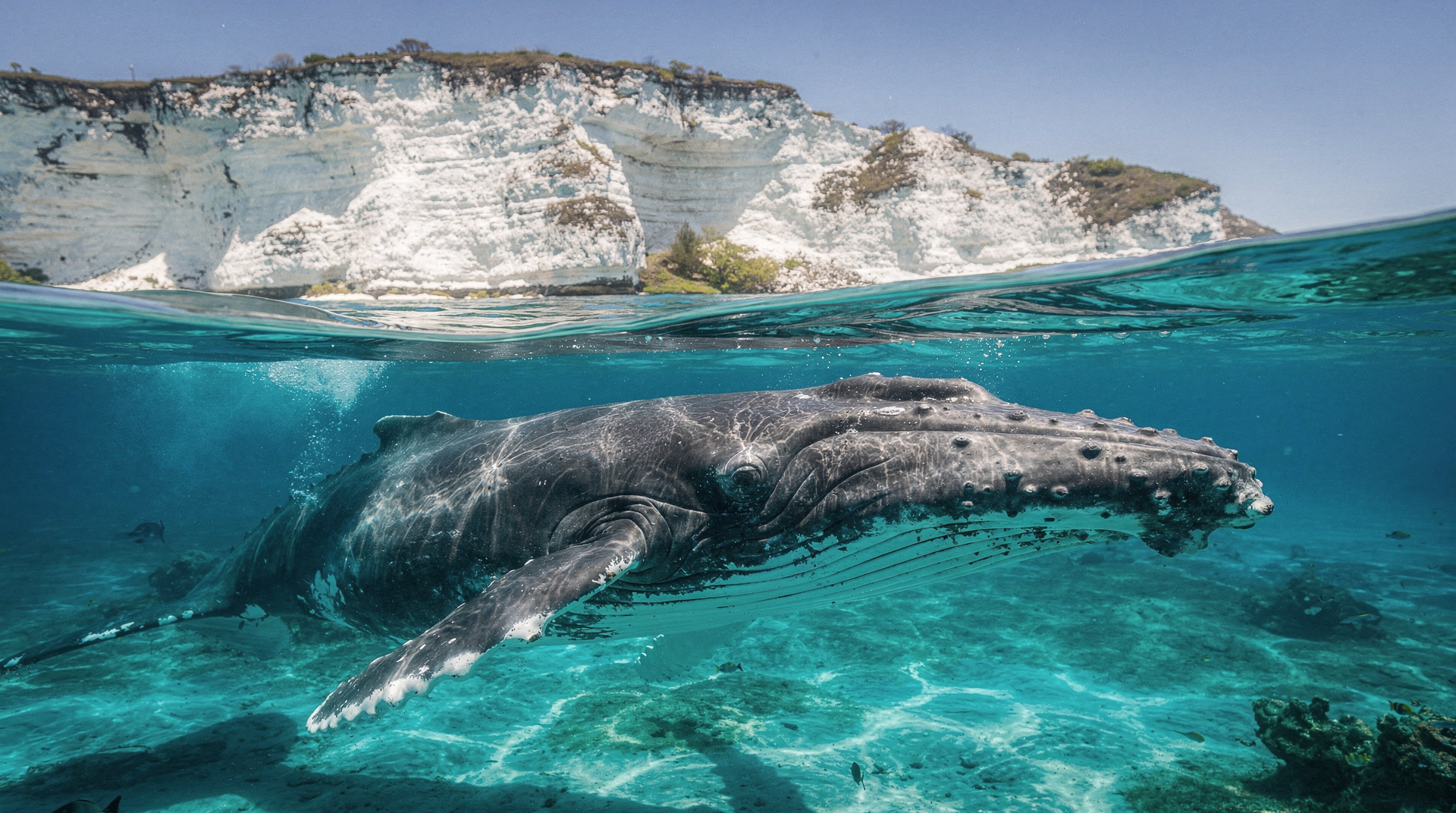
Chatham Island teal, Chatham Island shag, and the endemic Chatham Island mollymawk breed here. The offshore waters have significant populations of dolphins and various whale species.
Why almost nobody goes
The Chatham Islands get perhaps 2,000-3,000 visitors per year — an extraordinary contrast with the millions who visit Queenstown annually. The barriers are real: cost, distance, limited accommodation, and the absence of any organised tourism experience.
For travellers who value remoteness as an asset rather than a problem, these barriers are the point. The Chatham Islands reward visitors who come to observe and listen rather than to consume a curated experience. The farming community that has lived here for generations — predominantly of mixed Moriori, Maori, and European descent — is hospitable in the way of communities that don’t often see outsiders and haven’t become practiced at performing hospitality.
The honest assessment: the Chatham Islands are not for everyone. They are not a casual add-on to a New Zealand itinerary. They require planning, flexibility, a tolerance for limited amenities, and genuine interest in the cultural and natural history that justifies the trip.
For those for whom those conditions are met — go. It’s one of the most distinctive experiences available in the New Zealand orbit. If remoteness for its own sake appeals but the Chathams’ cost and logistics feel like a step too far, Stewart Island/Rakiura is a gentler version of the same instinct — much easier to reach, still genuinely quiet.
How it compares to New Zealand’s other remote outposts
The Chathams aren’t the only far-flung piece of the New Zealand realm. Niue, a self-governing Pacific island in free association with New Zealand, sits at the opposite end of the spectrum in some ways — warm, coral-based, with a small but real dive-tourism industry — while sharing the same core appeal of very low visitor numbers and an outsized welcome from locals who remember your name after one conversation.
Stewart Island, by contrast, is the easiest of the three to bolt onto a standard South Island trip: a short ferry or flight from Invercargill gets you to a place with genuinely wild kiwi-spotting and none of the Chathams’ logistics burden. If the Chathams feel like too much commitment on a first visit, Stewart Island or the Otago Peninsula — with its albatross colony and comparatively easy access from Dunedin — deliver a taste of the same remote-wildlife appeal at a fraction of the cost and planning.
Practical notes
Best time: November to March. Winter (May–September) is cold, windy, and the short days limit light for photography and wildlife observation. Summer temperatures reach 18-22°C; conditions for wildlife viewing are generally better.
Duration: minimum 4-5 days. The island doesn’t reward rushing. A week allows for weather flexibility and time with the landscape.
Driving: 4WD essential. Roads are largely unsealed. Some access tracks to key wildlife areas require specific local knowledge — your accommodation host can advise.
Communications: cell coverage on Chatham has improved but remains patchy outside Waitangi. Satellite-backed communication is available at most accommodation.
Related reading
Related guides
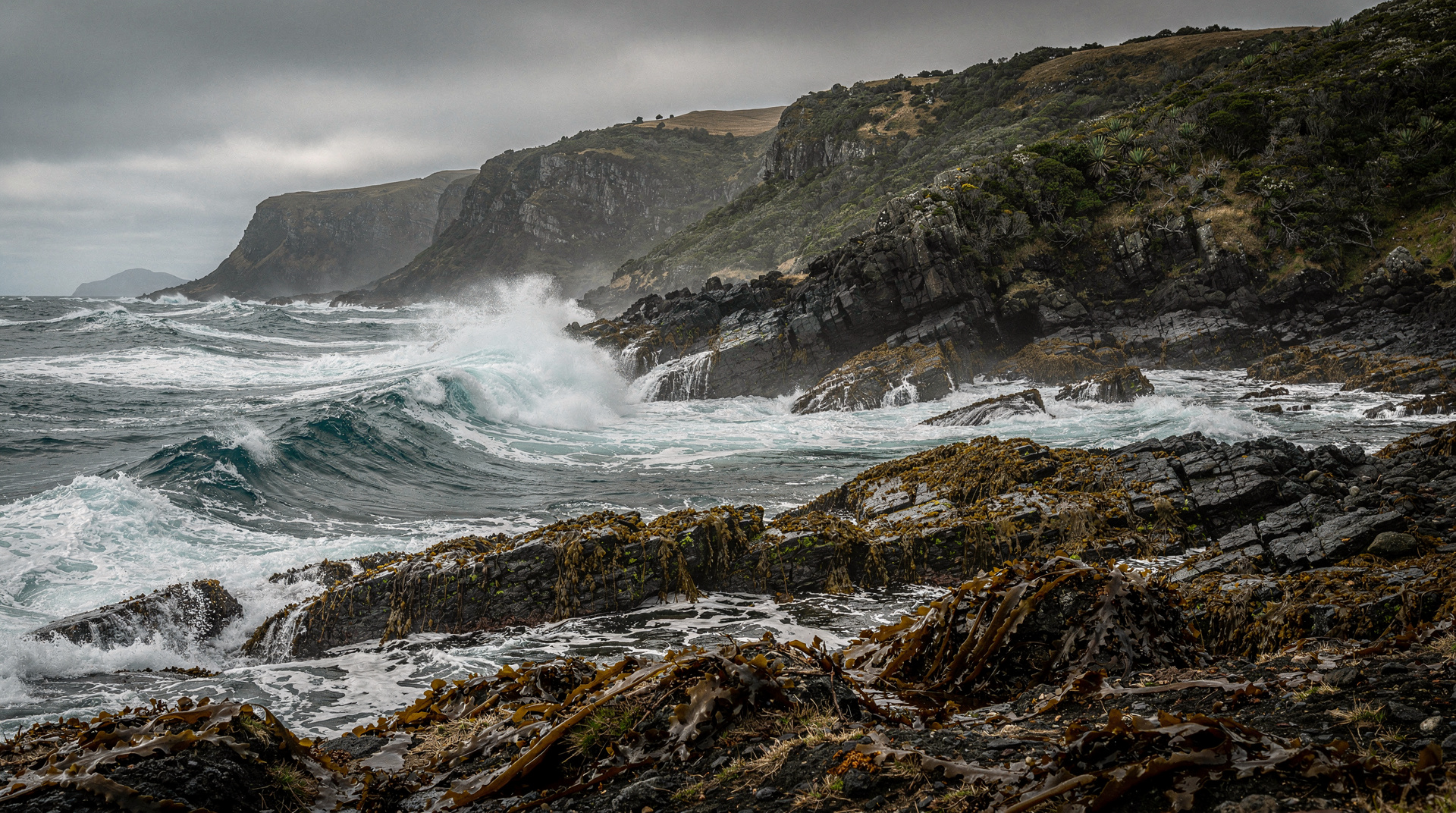
Chatham Islands
Honest guide to New Zealand's remote Chatham Islands: Moriori history, endemic birds, Air Chathams flights, real costs, and who this destination is truly for.
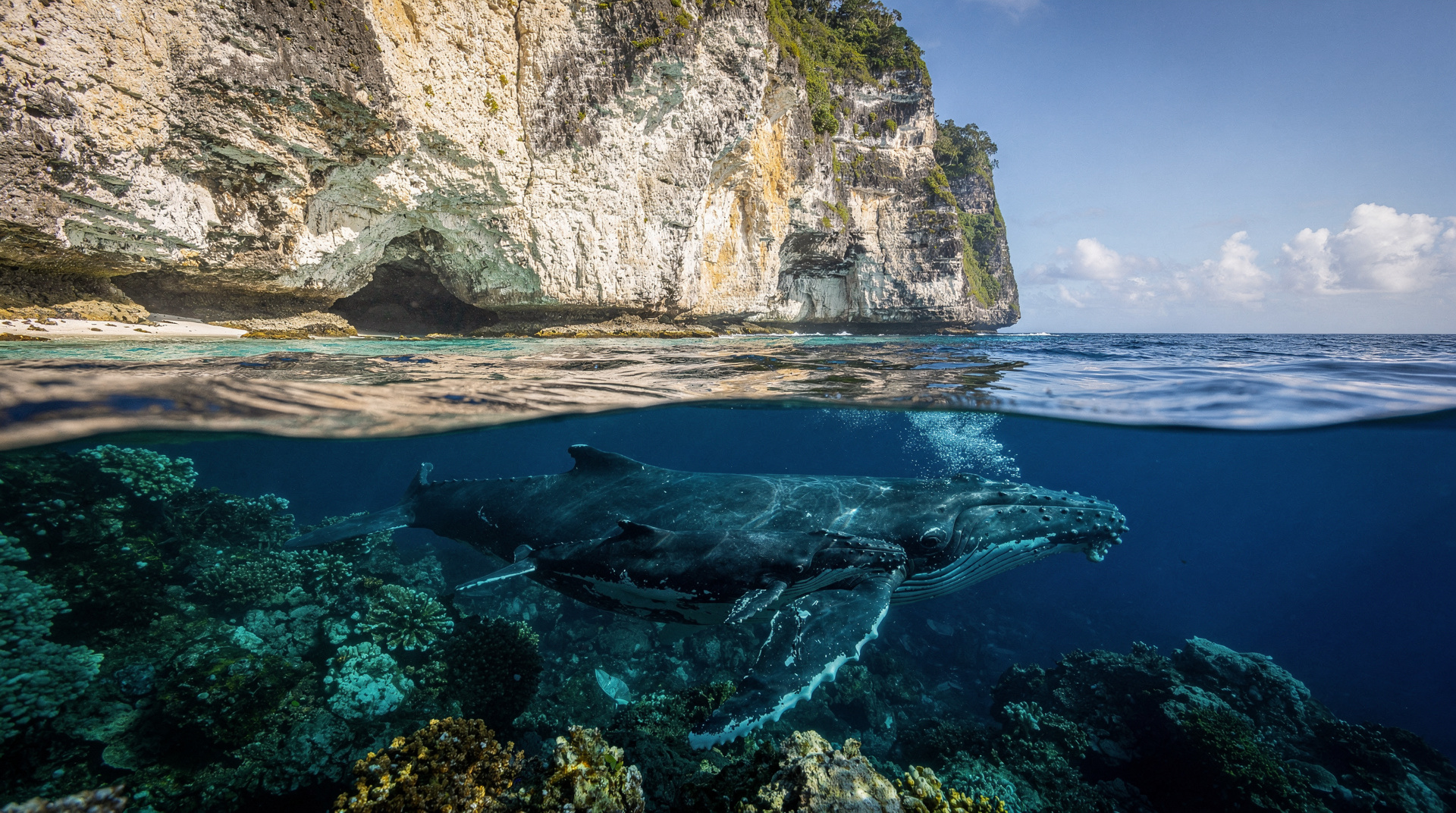
Niue
Honest guide to Niue: humpback whale swimming, Talava Arches, Matapa Chasm, sea snakes, direct booking only. Real costs NZD/USD/EUR for this remote Pacific gem.
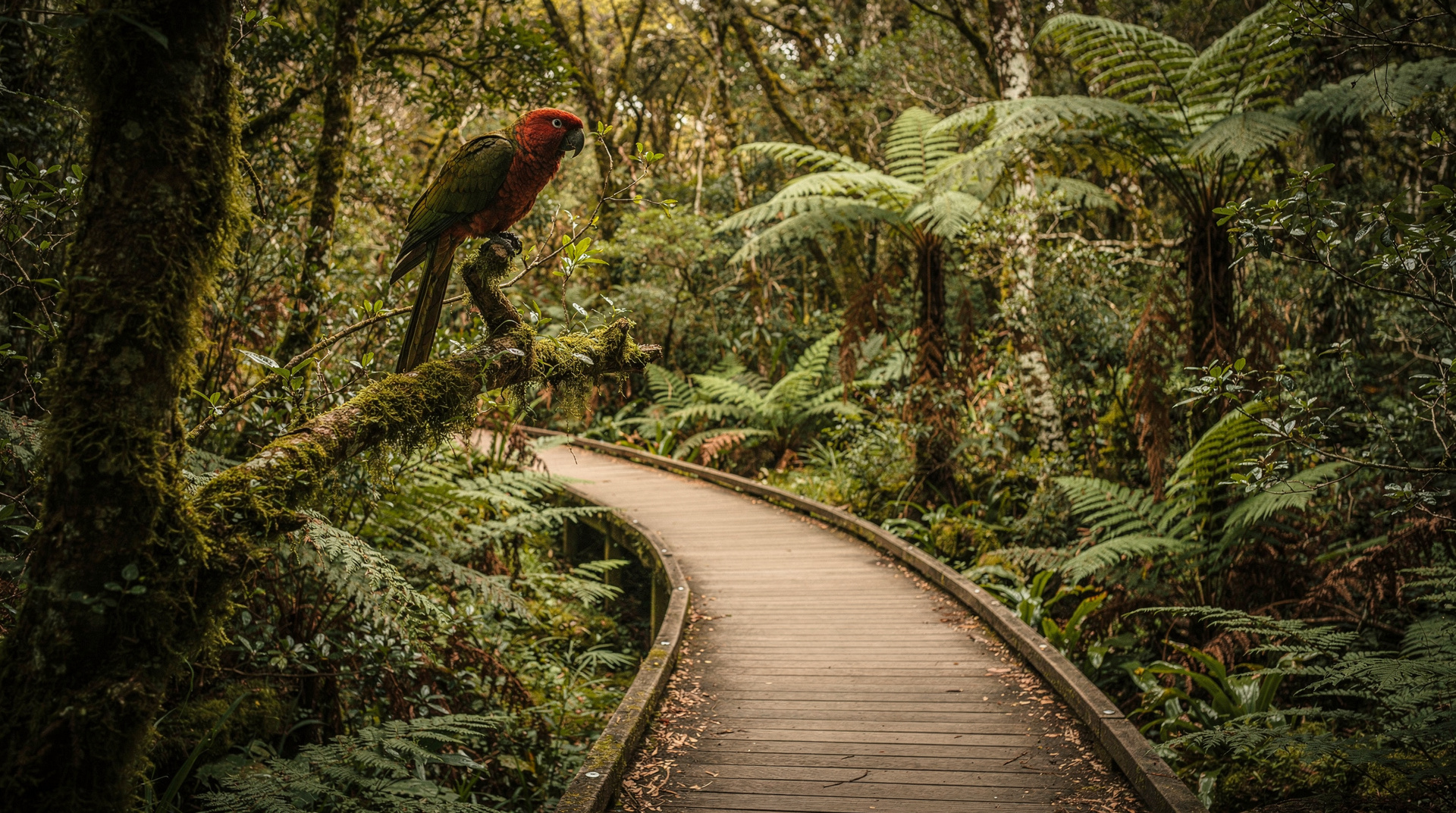
Slow travel on Stewart Island/Rakiura — three days in New Zealand's third island
Stewart Island/Rakiura in winter: no crowds, wild kiwi at dusk, and a ferry crossing that earns its reputation. A case for going further south.
Niue in 2026 — the world's smallest self-governing nation's quiet tourism revival
Niue: 1,600 people, one airport, one road, and some of the clearest water in the Pacific. A look at what's drawing travellers to the Rock of Polynesia in 2026.
Published: