Chatham Islands
Honest guide to New Zealand's remote Chatham Islands: Moriori history, endemic birds, Air Chathams flights, real costs, and who this destination is truly for.
Quick facts
- Location
- 800 km east of Christchurch — further east than any other NZ territory
- Population
- ~600 residents, mostly farming and fishing families
- Time zone
- 45 minutes ahead of New Zealand mainland (CHAST / CHADT)
- Access
- Air Chathams from Christchurch, Wellington, or Auckland
- Currency
- NZD — USD ~$0.60 / EUR ~€0.55
- Famous for
- Moriori history, endemic birds (parea, taiko), black sand beaches, dramatic isolation
The Chatham Islands in one minute
The Chatham Islands sit 800 kilometres east of Christchurch, pushed so far into the Pacific that they occupy their own time zone — 45 minutes ahead of the New Zealand mainland, one of the world’s few non-hour-increment time zone offsets. Around 600 people live on the two main islands, Chatham (Rekohu in Moriori, Wharekauri in Maori) and Pitt Island (Rangiauria), mostly in farming and fishing. There are no supermarkets, one pub, one community store, and a population that is simultaneously warm to visitors and accustomed to managing entirely without them.
If you have never heard of the Chatham Islands, you are in good company. They see perhaps a few thousand visitors per year. There are no GYG tours here, no major booking platforms, and no tourism infrastructure to speak of beyond a handful of lodges and a few operators willing to take visitors fishing or birdwatching. The attraction is precisely this: a place that exists for its own reasons, not yours.
We include the Chatham Islands in our Realm coverage because they are genuinely important — historically, ecologically, and culturally — and because almost no other multilingual travel site covers them at all. If you are reading this in French, German, Spanish, Italian, or Portuguese, you are almost certainly reading the only serious guide to the Chatham Islands in your language.
| Where | 800 km east of Christchurch, own time zone (CHAST/CHADT) |
| Cost | From around NZD 800 return flight plus NZD 250–400/night full board |
| Time needed | 2–3 days minimum, given flight cost and frequency |
| Getting there | Air Chathams only, from Christchurch, Wellington, or Auckland |
| Best time | November to March for milder weather; year-round for birdwatching |
The Moriori — New Zealand’s other indigenous people
The Chatham Islands’ history is one of the most extraordinary and tragic in the Pacific. The Moriori were a Polynesian people who arrived on Rekohu approximately 800–1000 years ago, descended from East Polynesian ancestors who reached the Chathams before — or separately from — the main Maori migrations to the North and South Islands of New Zealand.
Over the centuries, the Moriori developed a distinct culture shaped by the islands’ isolation and limited resources. Most notably, they developed Nunuku’s Law: a comprehensive prohibition on warfare and interpersonal violence, named after a leader who, according to tradition, ended a period of internal conflict by forbidding it absolutely. Moriori society became, by the standards of any era, genuinely peaceful — disputes were settled by ritual rather than combat.
In 1835, approximately 900 Ngati Tama and Ngati Mutunga Maori arrived on the Chathams after sailing from the North Island on a European vessel. Within years, they had enslaved the Moriori population, killed hundreds, and effectively destroyed the Moriori as a functioning culture. By the time European observers began documenting the situation, the damage was irreversible. The last person to have been born before the invasion died in 1933; the last person fluent in the Moriori language, Tommy Solomon, died in 1933 as well.
Today, there is a significant Moriori cultural revival underway. The Hokotehi Moriori Trust works to document and revive the language, genealogy, and cultural practices. The Kopinga Marae in Te One holds Moriori carvings (dendroglyphs — symbols carved into living kopi trees rather than built structures, a uniquely Moriori form). Visiting respectfully — which means understanding this history before you arrive, not after — is essential.
Getting here
Air Chathams is the only airline serving the islands. Flights operate from Christchurch (the most common connection), Wellington, and Auckland. There are no daily services — typically 3–5 weekly flights depending on season and demand. Return fares from Christchurch run approximately NZD 800–1,200 / USD 480–720 / EUR 440–660 depending on timing and availability. Book directly with Air Chathams (airchathams.co.nz); there is no GYG coverage here and no major booking platform lists these flights.
The aircraft are smaller regional turboprops. Luggage allowances are strictly enforced — pack light. Flights are subject to weather delays, particularly in the rougher winter months.
There is no regular passenger ferry to the Chatham Islands from the mainland. The island is resupplied by cargo ship but this is not a passenger service available to visitors.
On arrival, Chatham Island Airport (CHT) is near Te One on the northeast coast. You will need to arrange a rental vehicle in advance — there are no airport car hire desks in the traditional sense, but local operators such as Chatham Island Tourism and individual lodge hosts typically arrange vehicle hire as part of an accommodation package.
What to do
Birdwatching
The Chatham Islands are home to several endemic bird species found nowhere else on earth. For serious birdwatchers, this alone justifies the journey.
Parea (Chatham Island pigeon): One of the world’s largest pigeons, found only on these islands. It was nearly extinct in the 1980s — fewer than 40 individuals survived — and has recovered to approximately 600–700 birds through intensive conservation work. Seeing a parea in the forest is a genuine privilege.
Magenta petrel (taiko): Extremely rare and only found breeding at one location on Chatham Island. The Chatham Island Taiko Trust manages the breeding colony and offers guided visits for serious birdwatchers by prior arrangement. Contact directly at taikorecovery.org.nz. This is not a casual tourist experience — expect a real expedition.
Black robin (Chatham Island robin): Once reduced to a single breeding female (the famous “Old Blue”) and five surviving individuals in 1980 — the smallest wild bird population ever recorded for any species — the black robin is now approximately 250 individuals, all descended from Old Blue. Ranger Point and the Mangere Island sanctuary are the access points; organised birdwatching tours from local operators are the appropriate way to visit.
Chatham albatross, wading birds, shore birds: The coastline and wetlands hold numerous species including the northern giant petrel, New Zealand shoveler, variable oystercatcher, and banded dotterel.
Contact Chatham Island Tourism (chathamislands.co.nz) to connect with local birdwatching guides. Expect to pay NZD 200–350 / USD 120–210 / EUR 110–193 per person for a guided full-day birdwatching outing.
History and Moriori heritage
The Kopinga Marae in Te One is the main Moriori cultural site and worth visiting. The Moriori dendroglyphs — symbols and faces carved directly into living kopi trees — are some of the most extraordinary cultural artefacts in the Pacific and are found only here. Not all sites are accessible to visitors; respect any restrictions, which exist for legitimate conservation reasons.
The Chatham Islands Museum in Waitangi is small but informative, covering both Moriori and subsequent Maori and European history of the islands. Entry is by koha (donation).
Fishing
The Chatham Islands are among New Zealand’s premier deep-sea fishing destinations. Blue cod, hapuku (groper), and tarakihi are the primary species in season. Several charter operators work from Waitangi and Owenga. Expect approximately NZD 300–600 / USD 180–360 / EUR 165–330 per person per day for a shared charter. These are primarily self-booked operations — contact the Chatham Islands Tourism office for current operator contacts.
Landscape and beaches
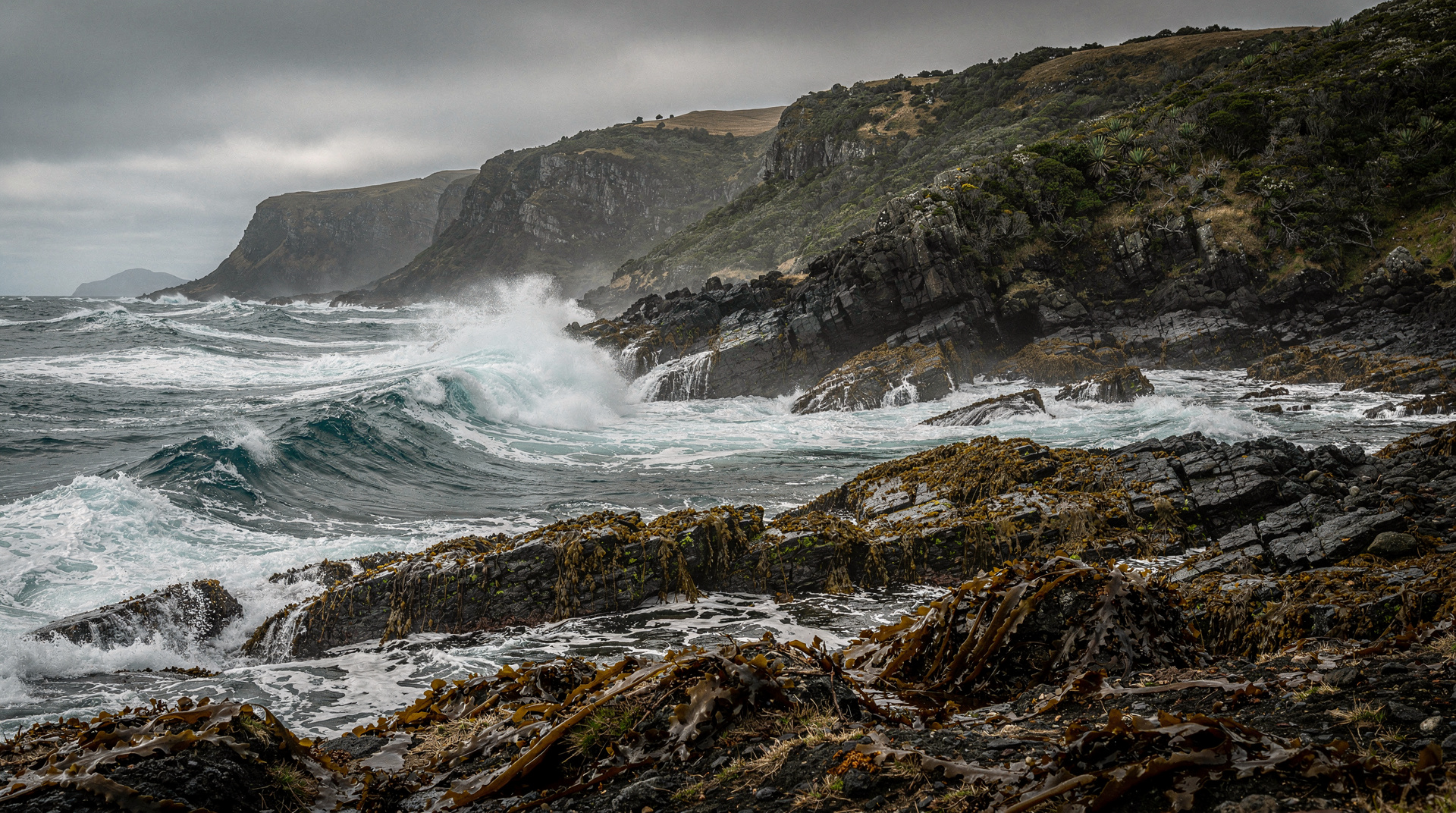
The islands are not conventionally beautiful in the way that Aoraki/Mt Cook or Fiordland are beautiful. The landscape is more elemental: tussock, low scrub, black sand beaches, strong ocean swells, vast skies, and a quality of light that changes quickly with the weather systems rolling in from the Tasman and the Pacific simultaneously. Kaingaroa Beach has black volcanic sand and is frequently deserted. Lake Huro is a tidal lagoon with excellent birdlife. The Owenga coast to the south is dramatic in all weather.
Drive slowly. Many roads are unsealed. The island is roughly 45 km north to south and 40 km east to west — enough to fill two or three days of exploration.
Where to stay
Accommodation is limited and should be booked well in advance regardless of season.
Henga Lodge: Well-regarded small lodge near Waitangi with full board options. Hosts are knowledgeable about local history and birdwatching. NZD 250–400 / USD 150–240 / EUR 138–220 per night including meals.
Chatham Island Hotel (Waitangi): The main pub/hotel on the island, functional and comfortable. Rooms from NZD 160–220 / USD 96–132 / EUR 88–121 per night. The bar is the social centre of the island.
Hanson Bay Lodge and various homestays: A handful of homestay-style options operate on the island, offering self-catering accommodation and sometimes guided activities. Contact Chatham Island Tourism for current listings.
There are no hostels or campsites in the traditional sense. This is not a destination that accommodates budget travel well — the cost of getting here means budget travellers should seriously consider whether the Chatham Islands makes sense for their trip.
What to eat and drink
Options are genuinely limited to hotel/lodge dining and self-catering from the community store. The Chatham Island Hotel serves meals including local seafood when available. Fresh-caught blue cod or crayfish (when in season) is the reason to ask your host rather than rely on a fixed menu.
Resupply from the mainland means fresh produce is expensive and sometimes unavailable. If you have dietary restrictions, communicate them clearly when booking accommodation and consider bringing supplementary supplies.
There is no dedicated restaurant scene, no cafes to browse, no food trucks. Plan around your lodge’s meals and embrace the simplicity.
What to pack
Because there is no supermarket beyond the single community store and resupply happens by cargo ship, pack more deliberately than for a typical New Zealand trip. Bring: layered clothing for wind and sudden rain regardless of season, sturdy waterproof walking shoes for unsealed tracks and beach walking, a good camera or binoculars if birdwatching is a priority (the parea and black robin sightings reward patience and decent optics), any specific dietary items you rely on, cash (card acceptance is inconsistent outside the hotel), and a fully charged phone plus a paper map — mobile data is patchy outside Waitangi. If you take regular medication, bring more than you think you need; there is no pharmacy equivalent to a mainland town.
A note on GYG coverage
We do not have any GetYourGuide tour recommendations for the Chatham Islands — no legitimate tours exist in the GYG catalog for these islands (note: the location ID l4662 in GYG refers to Chatham in Kent, United Kingdom, not Chatham Islands New Zealand). Everything here is direct booking through local operators. This is not a gap in our research; it accurately reflects the reality of a destination that operates entirely outside commercial tourism infrastructure.
Skip / worth it / splurge
- Skip: Coming here for a relaxing Pacific island holiday — this is not the Chatham Islands’ character. It is remote, occasionally bleak, and genuinely demanding to reach.
- Skip: Short visits of less than two full days — given the flight cost and infrequency of connections, a single night makes no sense. Allow at least two nights, ideally three.
- Worth it: The guided taiko birdwatching experience (by arrangement with the Taiko Trust) — genuinely one of New Zealand’s most rare and meaningful wildlife experiences
- Worth it: Taking time to properly learn the Moriori story before you arrive — the Hokotehi Moriori Trust website and the book “Moriori: A People Rediscovered” by Michael King provide essential context
- Splurge: A full-board stay at a lodge with a local guide who knows the birds and the history — the Chatham Islands without insider knowledge is just a windy island; with it, it is one of the most remarkable places in the Pacific
Planning a first-time visit: a realistic 3-day frame
Day 1: Fly in from Christchurch on the morning Air Chathams service (allow the whole day for arrival — flights are sometimes delayed by weather, and there is no benefit to booking onward connections tightly). Settle into your lodge, walk Waitangi’s short waterfront, and visit the Chatham Islands Museum in the afternoon (entry by koha). If your lodge can arrange it, a short evening chat with your host about the island’s rhythms is worth more than any guidebook.
Day 2: A full day with a birdwatching or history guide. Contact Chatham Island Tourism in advance (ideally weeks before your trip, since guides are few and often booked around fishing charters too) to arrange either a Ranger Point/black robin outing or a Kopinga Marae and dendroglyph visit. Afternoon: drive to Kaingaroa Beach on the north coast for the black volcanic sand and the sense of scale that no photograph captures.
Day 3: Fishing charter if that is your interest, or a slower day exploring the Owenga coast and Lake Huro’s birdlife before your return flight. Because Air Chathams’ schedule is thin, check your departure time carefully — some days have only a single return flight, and missing it means an unplanned extra night.
This pacing assumes good weather; build in a spare half-day if your budget and schedule allow, since the roaring-forties weather can disrupt outdoor plans on any given day. For context on how the Chathams compare with New Zealand’s other remote territories, see the Niue and Tokelau pages, and for a South Island approach route, the Kaikoura coast makes a scenic lead-in to a Christchurch departure.
Cultural notes
The Chatham Islands have a layered indigenous history that is active and sensitive. Moriori cultural revival is ongoing and should be approached with respect. The contemporary Moriori community is small, and its cultural institutions (Kopinga Marae, the Taiko Trust, genealogical projects) are underfunded and over-demanded. If you visit cultural sites, contribute financially (koha) and ask permission before photographing anything. The standard New Zealand principle — that Maori sites require the same respect you would give to a religious site — applies equally here, and perhaps more so given the traumatic history.
The broader Chatham Islands community is a mixture of Moriori descendants, Ngati Mutunga descendants, and farming families with roots in various European countries. Relationships between these groups have complex historical dimensions. Treat the island as what it is: a living community that happens to allow visitors, not a living museum.
Connecting your trip
The Chatham Islands connect logically to a Christchurch base — Air Chathams flights are most frequent from there. Many visitors combine a Chatham Islands trip with the broader Canterbury region or a South Island road trip through Kaikoura and Marlborough.
For those interested in remote New Zealand destinations more broadly, consider the broader Realm: Stewart Island / Rakiura to the south, and the Pacific territories — Niue, Tokelau, and the Cook Islands — to the north. No other multilingual travel site covers this cluster in depth. The Chatham Islands sit at the eastern end of a geographical and cultural arc that is one of New Zealand’s most distinctive and least-known dimensions.
Frequently asked questions about the Chatham Islands
How do I book flights to the Chatham Islands?
Directly through Air Chathams (airchathams.co.nz). There is no other carrier. Book as early as possible — seats are limited and the schedule is infrequent. Flights from Christchurch are the most convenient and most frequent option.
Do I need a visa to visit the Chatham Islands?
The Chatham Islands are part of New Zealand, so standard New Zealand entry requirements apply. If you need a NZeTA to enter New Zealand, the same visa covers the Chatham Islands. No additional permits are required.
What is the time zone difference?
The Chatham Islands operate on CHAST (Chatham Island Standard Time) in winter and CHADT (Chatham Island Daylight Time) in summer. This is 45 minutes ahead of NZST/NZDT respectively, making it one of the most easterly time zones on earth. Effectively, the Chatham Islands are 12:45 or 13:45 ahead of UTC depending on season. Account for this when communicating flight and activity times with mainland operators.
Is there mobile phone coverage?
Partial 3G/4G coverage exists in and around Waitangi. Rural and coastal areas have limited or no coverage. As with Stewart Island and remote tramping in New Zealand generally, carry a personal locator beacon (PLB) if you are going beyond settled areas.
What is the weather like?
Variable and often dramatic. The islands sit in the roaring forties latitudes and receive weather from multiple directions. Expect wind, rain, and sunshine in the same day, at any time of year. The January–March period is the mildest; June–August is the most challenging. Pack layers regardless of when you visit.
How much should I budget for a Chatham Islands trip?
For two nights, expect roughly NZD 800–1,200 for the return flight, NZD 500–800 for lodging with meals, and NZD 200–400 for a guided birdwatching or fishing activity — call it NZD 1,500–2,400 per person all-in for a well-planned short trip. There is no budget-travel version of the Chatham Islands; the cost structure is fixed by the flight and the small scale of the local economy.
Can I visit the Chatham Islands as a day trip?
Technically the flight schedule sometimes allows it, but it is not recommended. Between weather-related delays, the value of a full day on the ground, and the sheer cost of getting there, a day trip wastes most of the investment. Treat the Chathams as a minimum two-night, ideally three-night, dedicated visit.
Is it worth going to the Chatham Islands?
If you are asking this question, the honest answer is: probably yes, but only if you are going for the right reasons. The Moriori history, the endemic birdlife, and the profound sense of being at the edge of the inhabited world are genuinely unique. If you are hoping for beaches, convenience, or a certain number of “things to do” per day, the Chatham Islands will disappoint. If you want an experience that almost nobody else has had, and you are willing to do the reading and the preparation that makes it meaningful, this is one of New Zealand’s most extraordinary destinations.
Top experiences: chatham islands New Zealand
See all →Related guides
Niue
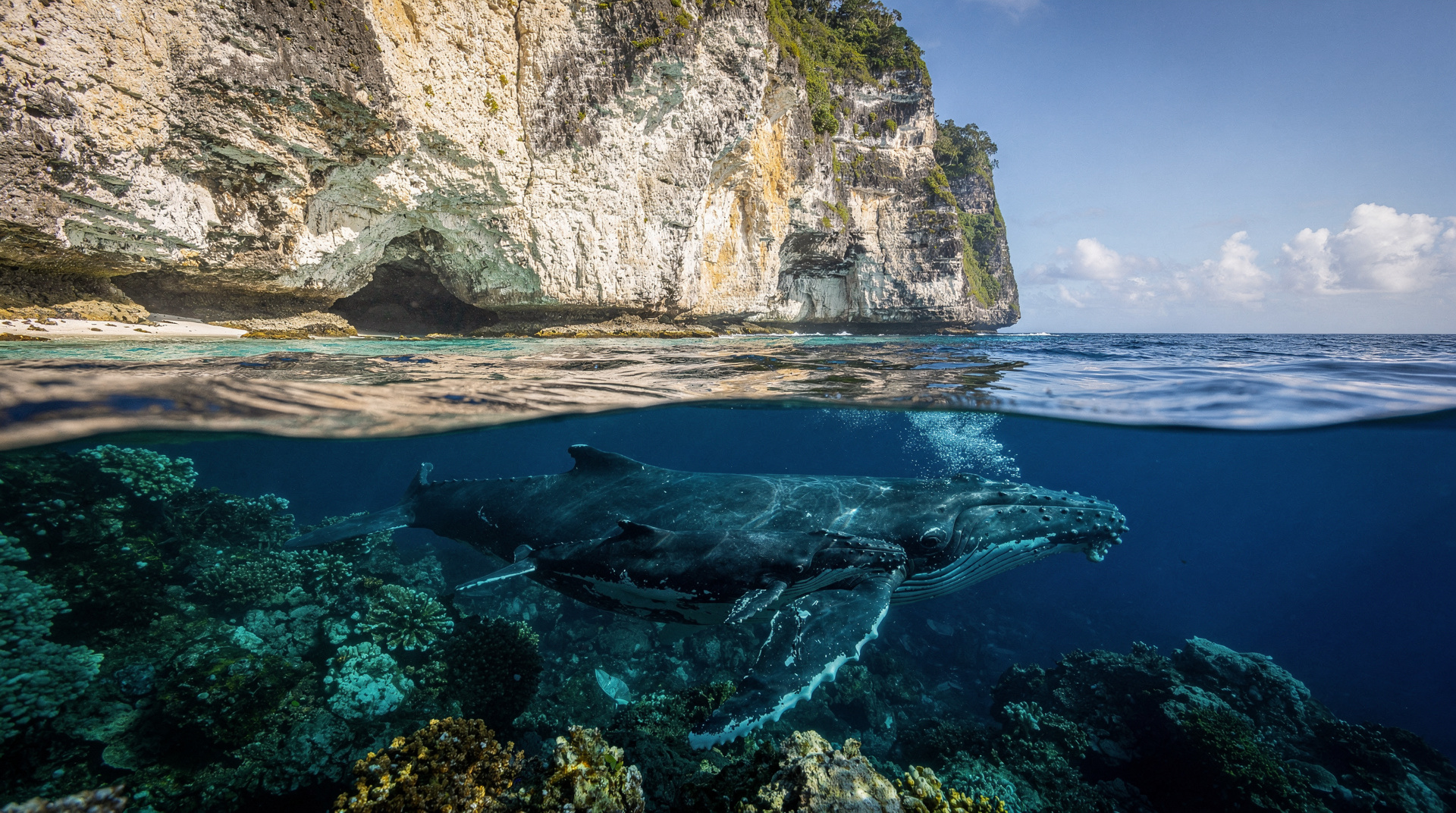
Honest guide to Niue: humpback whale swimming, Talava Arches, Matapa Chasm, sea snakes, direct booking only. Real costs NZD/USD/EUR for this remote Pacific gem.
Tokelau
Honest guide to Tokelau: the world's most remote inhabited territory. Cargo ship from Samoa, permits, what to expect on Atafu, Nukunonu, and Fakaofo atolls.
Cook Islands
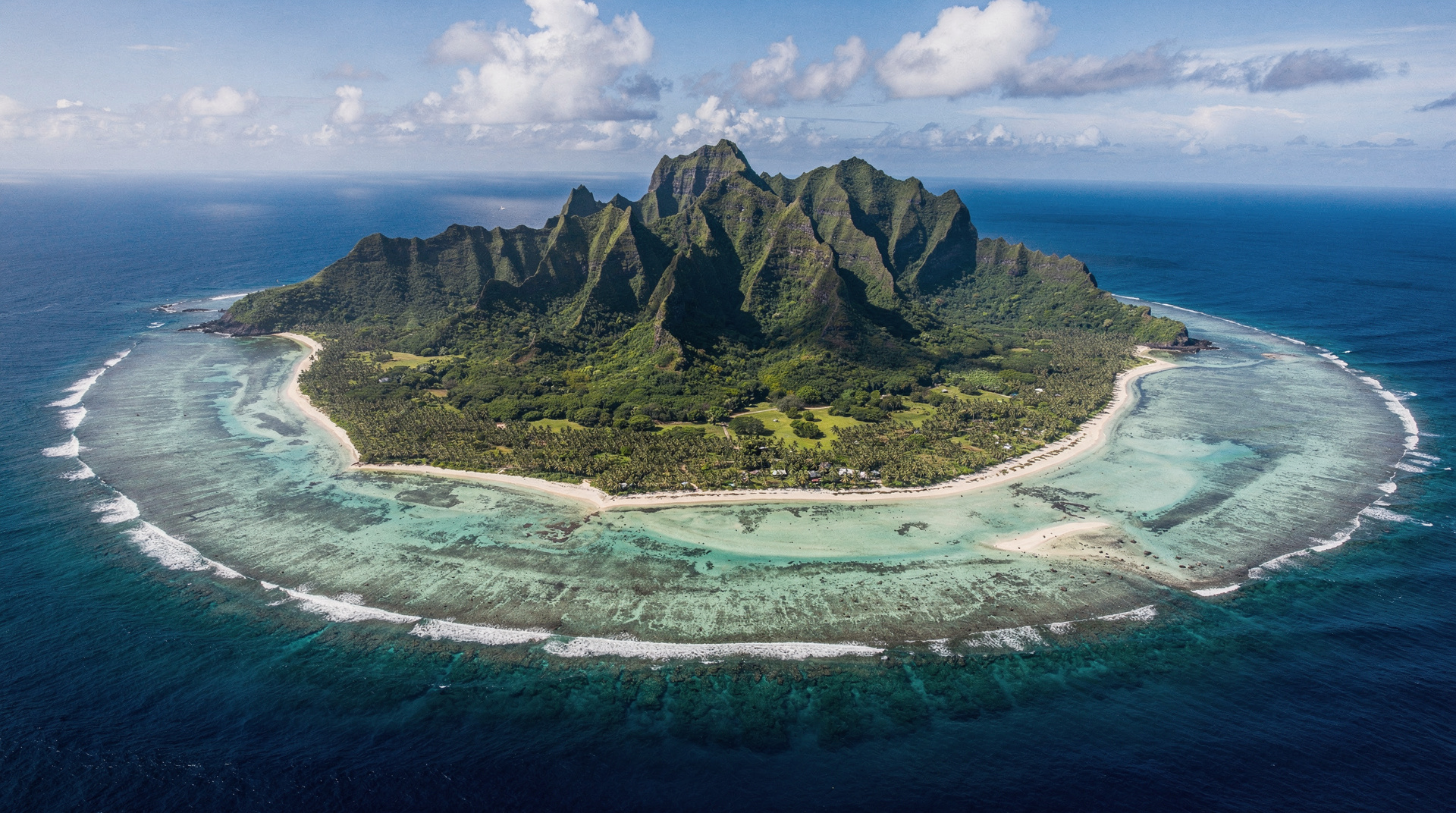
Complete honest guide to the Cook Islands: 15 islands in the Pacific, NZD currency, flights from Auckland, real prices and what each island is actually like.
Stewart Island / Rakiura
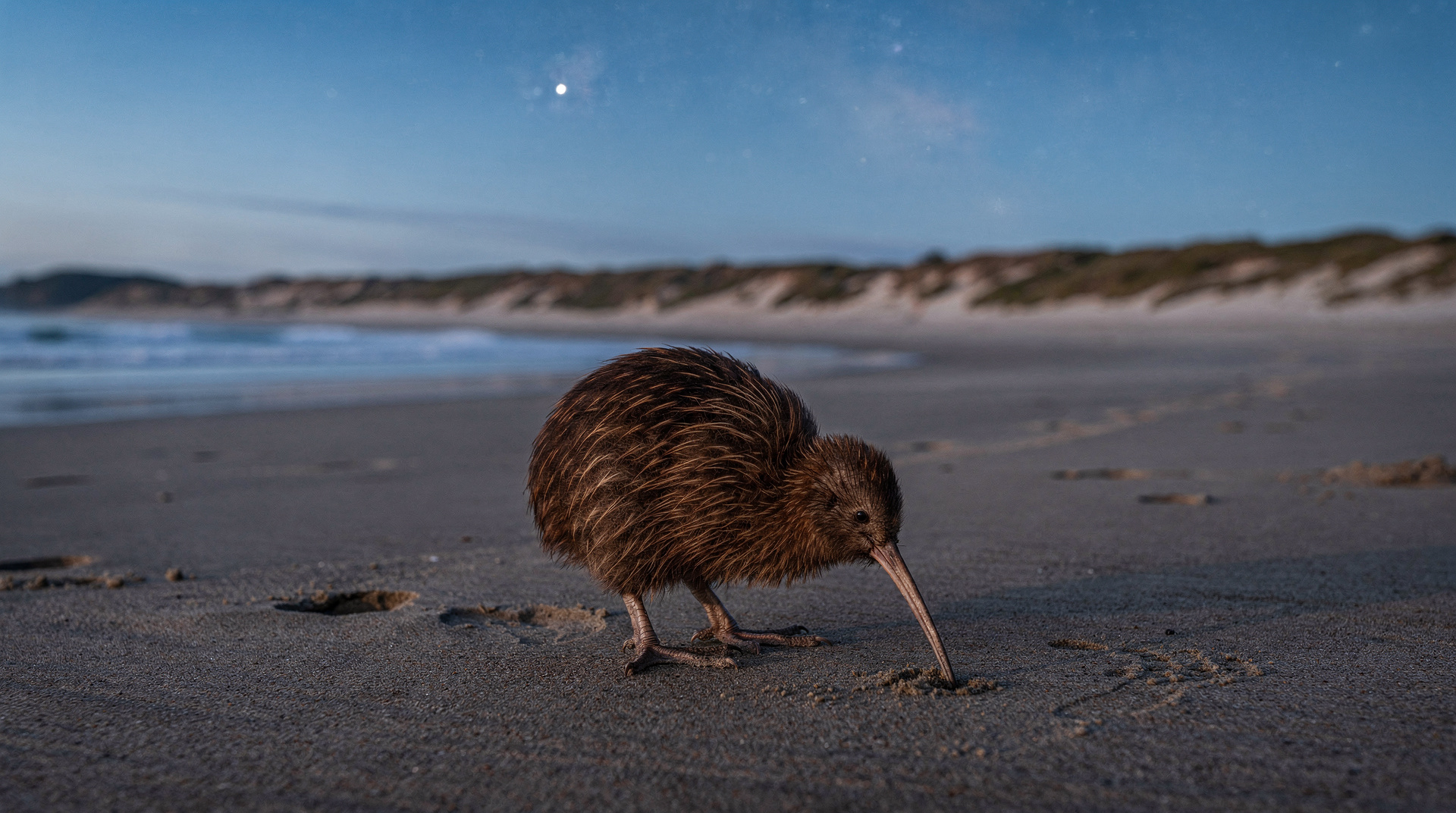
Honest guide to Stewart Island / Rakiura: wild kiwi at night, Ulva Island bird sanctuary, Rakiura Track, Foveaux Strait ferry, real prices NZD/USD/EUR.
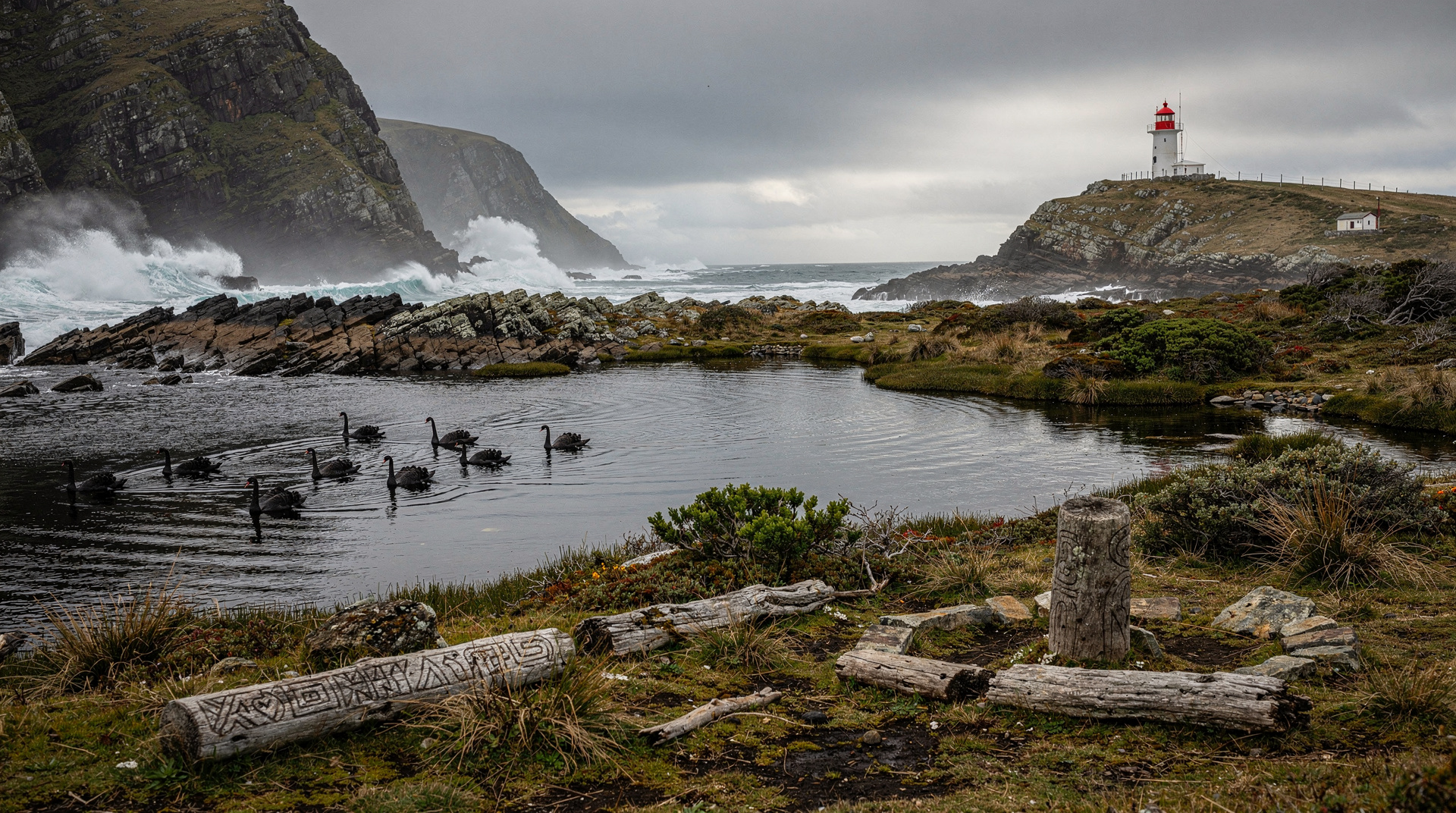
Chatham Islands — New Zealand's last frontier, 800km east of everywhere
The Chatham Islands: 800km east of Christchurch, 600 residents, almost no tourism infrastructure. What visiting the far east of NZ actually involves.
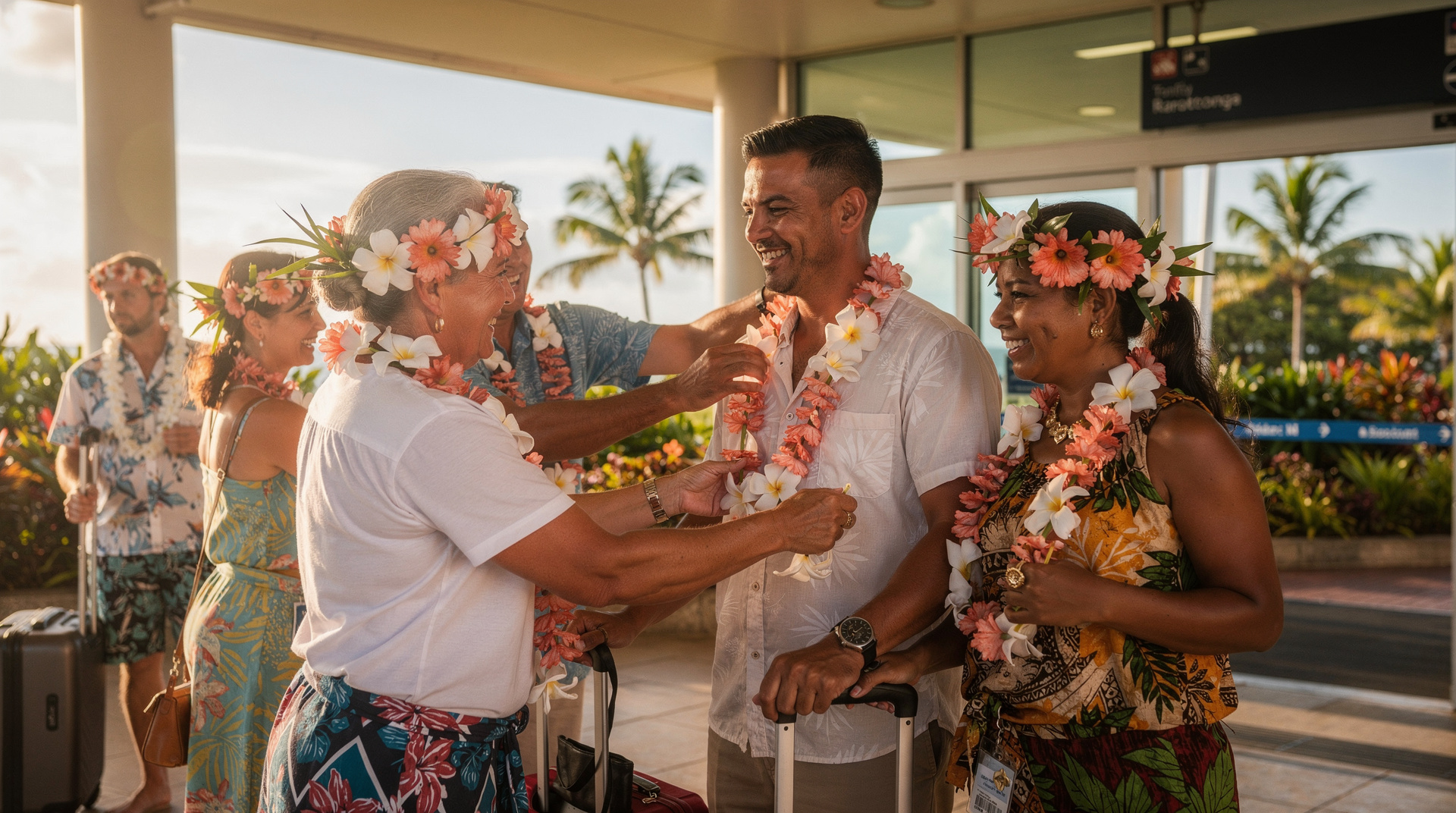
The Cook Islands travel bubble — what happened when New Zealand opened its borders in 2021
In May 2021 NZ opened a quarantine-free travel bubble with the Cook Islands. Three months later, Delta closed it. A look at what worked and what it revealed.
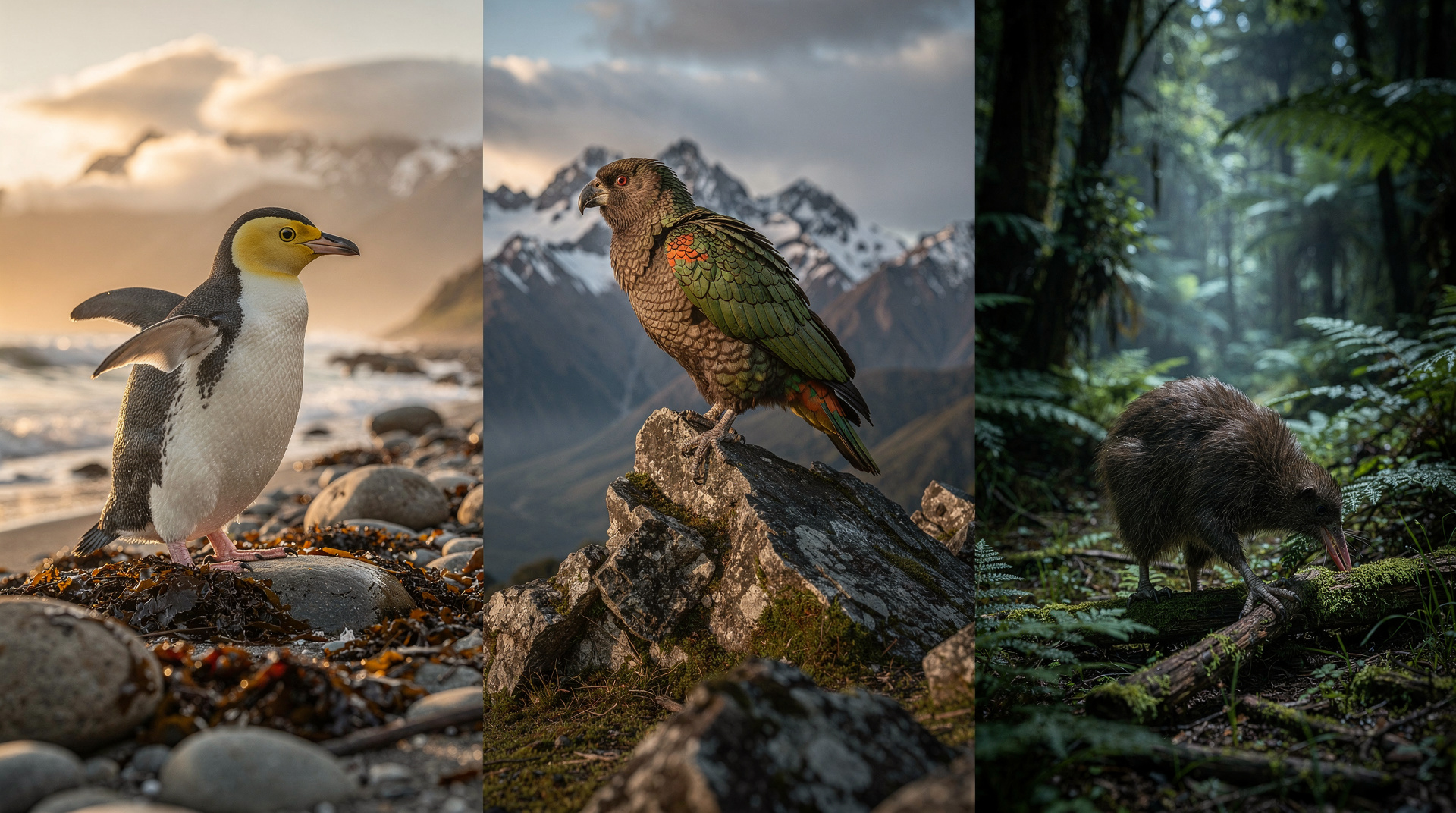
Wildlife in New Zealand — kiwi, penguins, whales, and more
Where to see NZ wildlife honestly: kiwi nights, yellow-eyed penguins, sperm whales at Kaikōura, royal albatross, fur seals. Best locations, real costs.
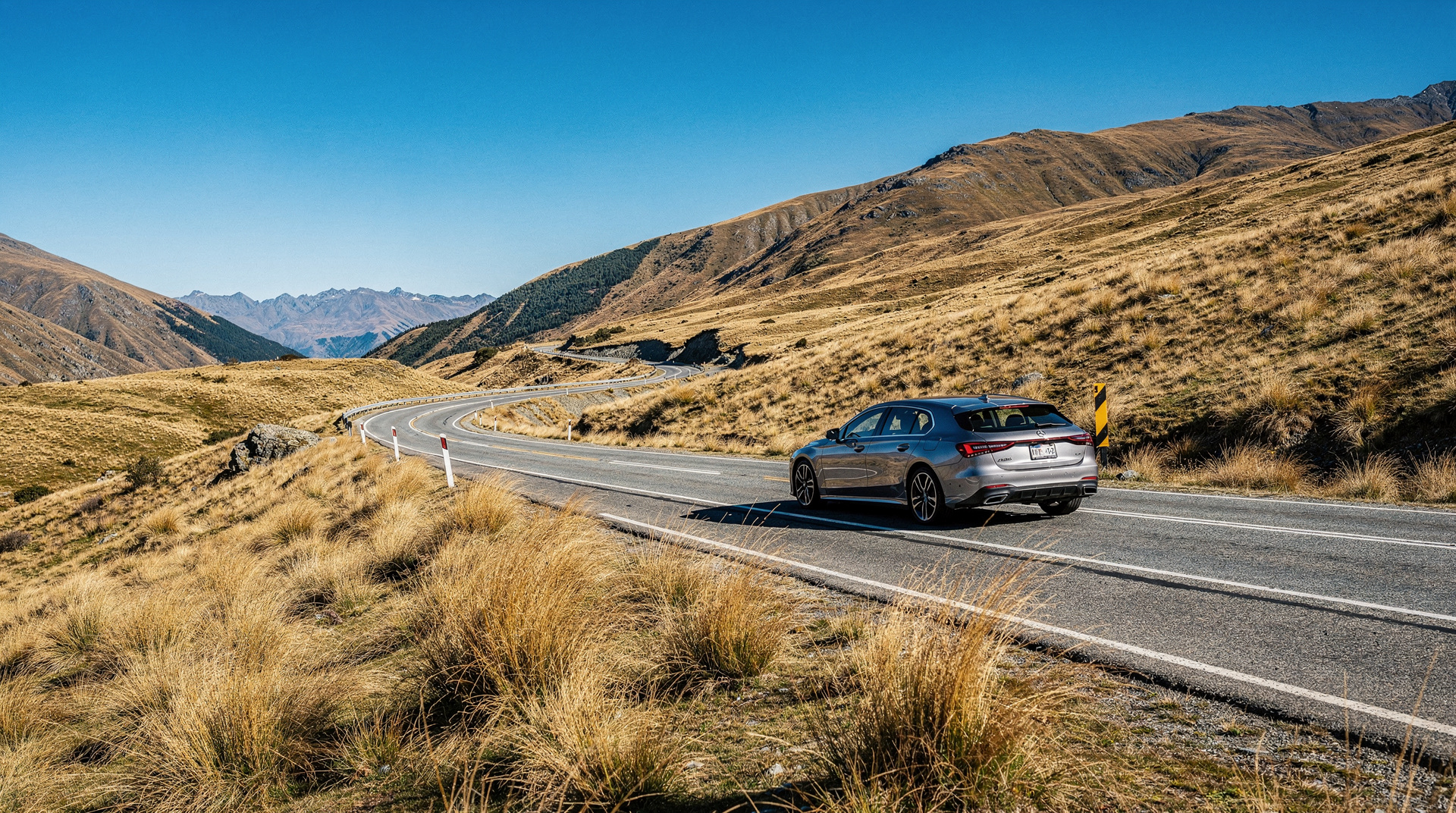
New Zealand self-drive itinerary — 14 days, car and motel
The classic 14-day NZ self-drive road trip by rental car and motels: both islands, ferry crossing, honest road times and costs in NZD, USD, and EUR.
Last reviewed: