Slow travel on Stewart Island/Rakiura — three days in New Zealand's third island
| Where | Foveaux Strait, south of Invercargill and Southland |
| Getting there | Ferry from Bluff (1hr) or flight from Invercargill (20min) |
| Time needed | 3 days minimum for the Rakiura Track; 2 days for Oban and Ulva Island |
| Cost | Around NZD 80 ferry, NZD 35/night DOC huts |
| Best time | Any season — kiwi are active year-round; winter is quietest |
The ferry crossing that sets the tone
The Foveaux Strait crossing takes one hour from Bluff to Oban. In winter — and August is winter in the southern hemisphere — the strait is not tame. The Foveaux Express cuts through a one-to-two metre swell with the kind of indifference that comes from running the route daily regardless of conditions. Half the passengers are reading. Half are gripping armrests. I was somewhere between the two.
This is the entry fee to Rakiura/Stewart Island: a crossing that reminds you the world extends further south than you might have planned for. There’s a flight option from Invercargill, 20 minutes, for those with strong views about their inner ear. I took the boat and recommend it. The approach to Halfmoon Bay — the only real settlement on the island, called Oban — through forested headlands and calm water, is worth the discomfort.
What Oban actually looks like
Population 380 on a quiet winter week. One main road. A general store that doubles as the post office and hardware shop. Two pubs — the South Sea Hotel and the bar at the Rakiura Retreat — both open, both local in the way pubs are when they serve people who live there rather than tourists who are passing through. A wharf with fishing boats that go out before dawn regardless of the season.
The DOC visitor centre on Main Road is excellent for anyone wanting context before walking. The island’s history — sealers, whalers, the failed farming attempt, the eventual protection as a national park — is laid out clearly without overproduction. The rangers are the best kind: knowledgeable, unsentimental, and direct about conditions on the tracks.
I arrived on a Friday afternoon in August and by Saturday morning I had the distinct feeling of having arrived somewhere that didn’t need me to be impressed.
The Rakiura Track
Stewart Island is home to one of New Zealand’s 11 Great Walks: the Rakiura Track, a 36-kilometre circuit that takes three days and stays within the DOC hut system. Unlike the Milford or Routeburn Tracks, it’s bookable online via DOC without the months-in-advance pressure of the more famous routes. August is genuinely quiet — I shared the Port William Hut with two other walkers on night one and had Maori Beach Hut almost entirely to myself on night two.
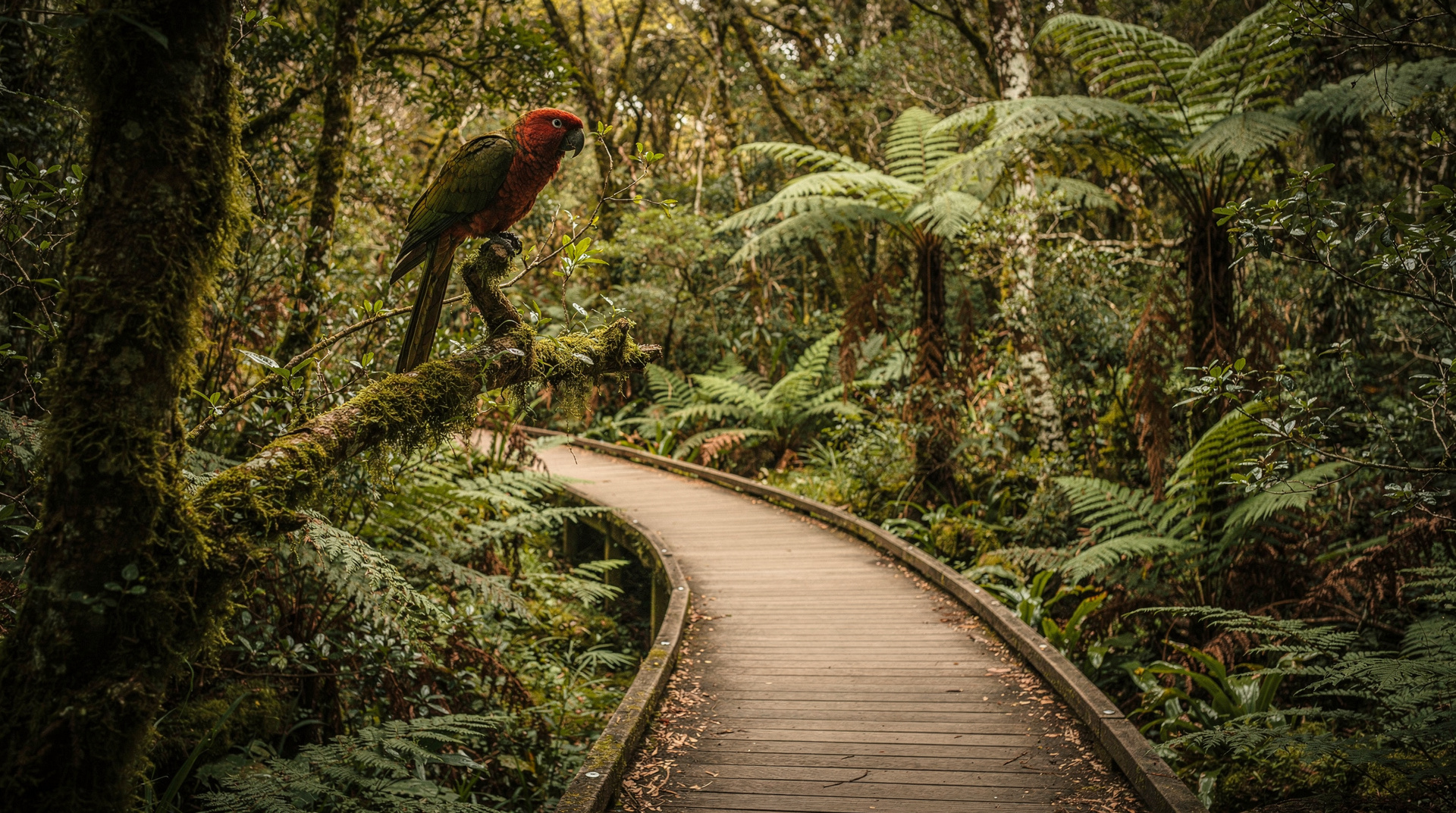
The track isn’t technically demanding. What it offers instead is density of birdlife, coastal views, and forest that feels genuinely remote for a walk that starts 10 minutes from the ferry terminal. Weka cross the track regularly — they are bold and curious and will inspect your boots without invitation. Tui and bellbirds run the soundscape above the bush canopy. On the open headlands, sooty shearwaters spiral overhead in their thousands during the summer (in August they’re mostly at sea).
DOC hut fees run NZD 35 / USD 21 / EUR 19 per night per person. Book online before arriving; winter availability is good but the huts do fill on busy weekends.
The kiwi
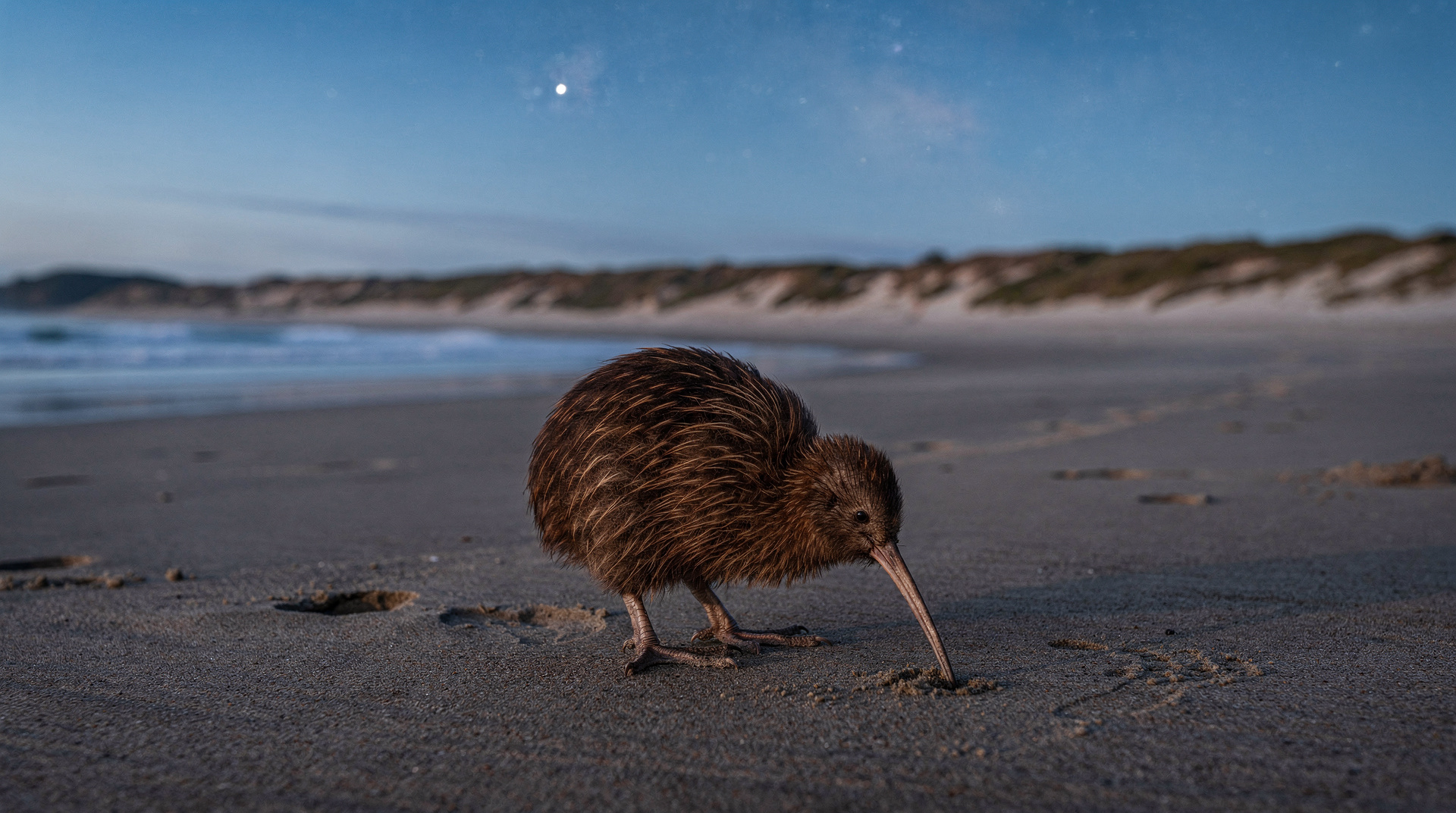
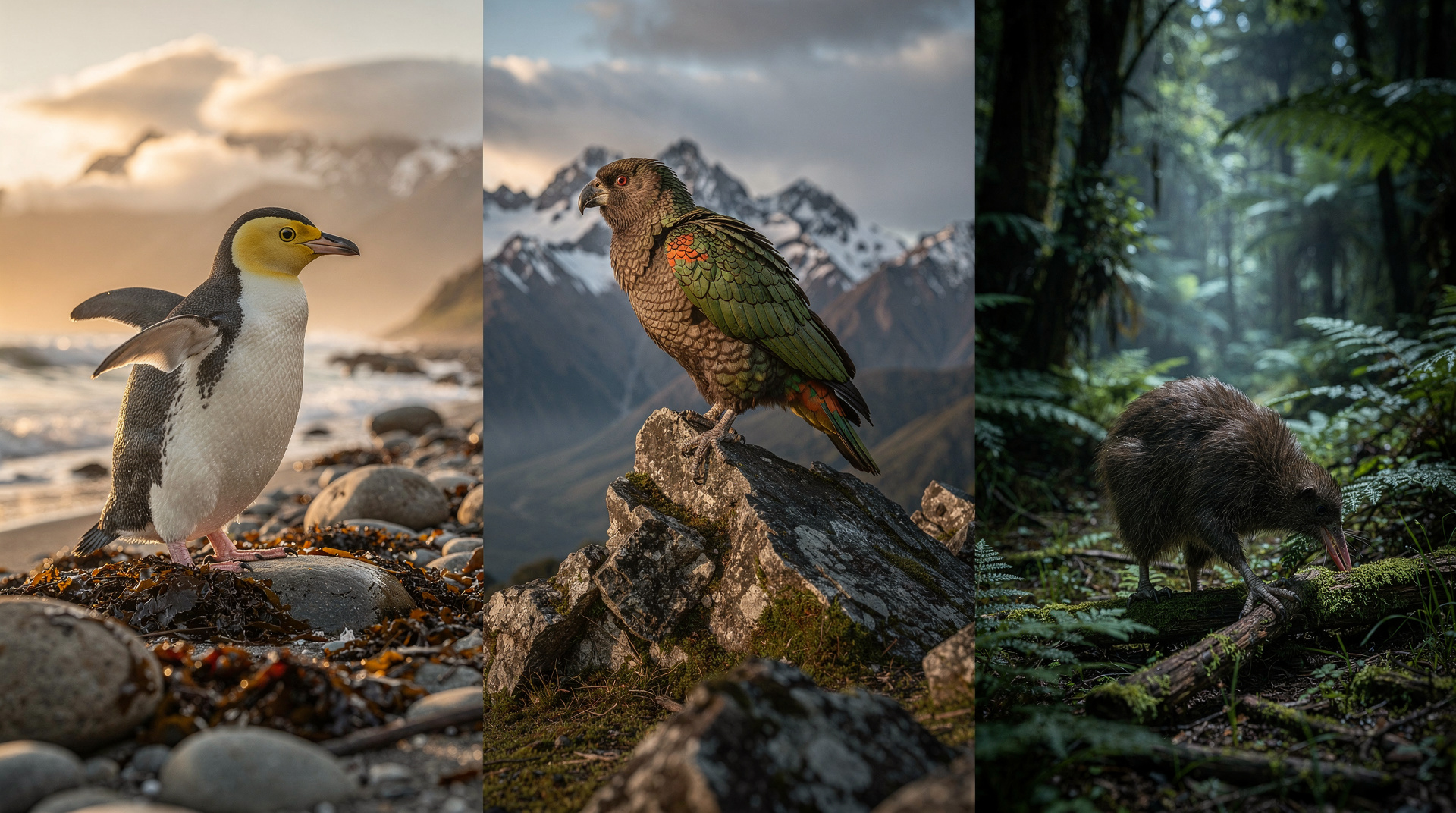
This is the main event for most visitors, and it deserves directness: Stewart Island/Rakiura has the highest density of wild kiwi in New Zealand. The birds here are Tokoeka kiwi, a subspecies of brown kiwi that forages along beaches at dusk and after dark. Unlike most kiwi elsewhere, which are strictly nocturnal, the Stewart Island population is often active in the late afternoon.
On my second evening I walked to the beach at Mason Bay — accessible by a 3-hour track or by water taxi — and sat on a driftwood log as the light failed. Within 20 minutes I had watched three kiwi foraging in the wrack line, completely unconcerned by my presence. Not in a reserve. Not in a nocturnal house. On a wild beach in the dark, with the sound of surf and nothing else.
The Stewart Island wild kiwi encounter guided tour operates from Oban and takes small groups to reliable kiwi habitat after dark. If you don’t want to do the full Mason Bay track independently, the guided option is legitimate — the guides know where the birds are reliably foraging and the groups are small enough to be unobtrusive.
Ulva Island
Ulva Island is a 10-minute water taxi from Golden Bay wharf and is one of the best intact examples of predator-free island ecology in New Zealand. No stoats, rats, or possums. The result is a bird density and auditory experience that is genuinely shocking if you’ve spent any time in mainland NZ bush.
Saddleback, South Island robin, rifleman, yellow-crowned parakeet, kaka — birds that are rare to the point of invisibility on the mainland are commonplace here. I walked the main tracks over three hours and had to stop several times because the combination of birdsong and the indifference of the birds to my presence was disorienting in the best possible way.
The Ulva Island guided walk and cruise includes water taxi transport and a guided interpretation of the island’s ecology. Worth taking on your first visit; on subsequent trips the self-guided option is entirely sufficient.
The honest case for going in winter
August on Stewart Island is cold — daytime highs around 10°C, overnight lows near 4°C, frequent rain. The ferry crossing is less predictable than in summer. Some accommodation reduces its hours.
And yet.
The island in August felt more itself than it might in a busy December. The fishing fleet goes out. The pub fills in the evening with people who live there. The kiwi are indifferent to the season. The birdlife on Ulva Island doesn’t take winter off. The forest on the Rakiura Track is wet and mossy and dark and smells of earth in a way that dry-season bush doesn’t.
Slow travel works best when the destination isn’t performing for you. Stewart Island/Rakiura in August is not performing. It’s just there, in the southernmost 46 degrees of latitude, doing what it does.
Practical notes
Getting there: Foveaux Express ferry from Bluff (1 hour, NZD 80 / USD 48 / EUR 44 one-way, or Stewart Island Flights from Invercargill (20 min, NZD 125 / USD 75 / EUR 69 one-way). Both book via the operators’ websites.
Accommodation: The South Sea Hotel on Elgin Terrace has comfortable pub rooms. Several self-contained baches available via local booking agents. Prices are reasonable by NZ standards — around NZD 130-180 / USD 78-108 / EUR 72-99 per night for a double.
Food: The South Sea Hotel pub serves solid meals. The Kaikoura Freehouse Cafe (despite the name) does good coffee and light food. Self-catering is possible via the general store but selection is limited — bring what you know you’ll need.
DOC huts: Book online at doc.govt.nz. NZD 35 / USD 21 / EUR 19 per night. Annual hut passes are available for frequent DOC users.
Getting to the ferry
Bluff, the ferry departure point, is a 40-minute drive from Invercargill. If you’re coming from further afield, Invercargill and Dunedin both connect reasonably by road, and it’s worth combining the trip with time in the Catlins — the wild southern coast between Dunedin and Invercargill shares the same unhurried, uncrowded character as Stewart Island itself. The Otago Peninsula, closer to Dunedin, is another wildlife stop that pairs naturally with a southern itinerary — royal albatross rather than kiwi, but the same principle of going where the crowds don’t.
The full Rakiura Track guide has the hut-by-hut breakdown if you’re planning the three-day walk in detail, and our kiwi-spotting guide for Stewart Island covers the Mason Bay approach and the guided-tour alternative in more depth than I’ve gone into here.
Stewart Island guided wilderness walkWhy this beats a rushed day trip
Some visitors do Stewart Island as a single long day from Invercargill — ferry over, a few hours in Oban, ferry back. It’s better than skipping the island entirely, but it compresses the two things that make Stewart Island worth the detour: the kiwi, which need dusk and patience, and the sense of remoteness, which needs at least one night to properly land. If your itinerary genuinely can’t fit two nights, prioritise the guided kiwi tour over the Rakiura Track — you’ll get the single best reason to come even on a tight schedule.
FAQ
Do I need to book the Stewart Island ferry in advance? In summer and around long weekends, yes — the Foveaux Express can sell out. In quieter months you can often book a day or two ahead, but booking early removes the risk entirely.
Is Stewart Island worth visiting if I only have one day in Southland? It’s better used as a 2–3 day add-on than a single day. A rushed day trip means missing the dusk kiwi window, which is the island’s main draw.
Related reading
Related guides
Stewart Island / Rakiura
Honest guide to Stewart Island / Rakiura: wild kiwi at night, Ulva Island bird sanctuary, Rakiura Track, Foveaux Strait ferry, real prices NZD/USD/EUR.
Invercargill
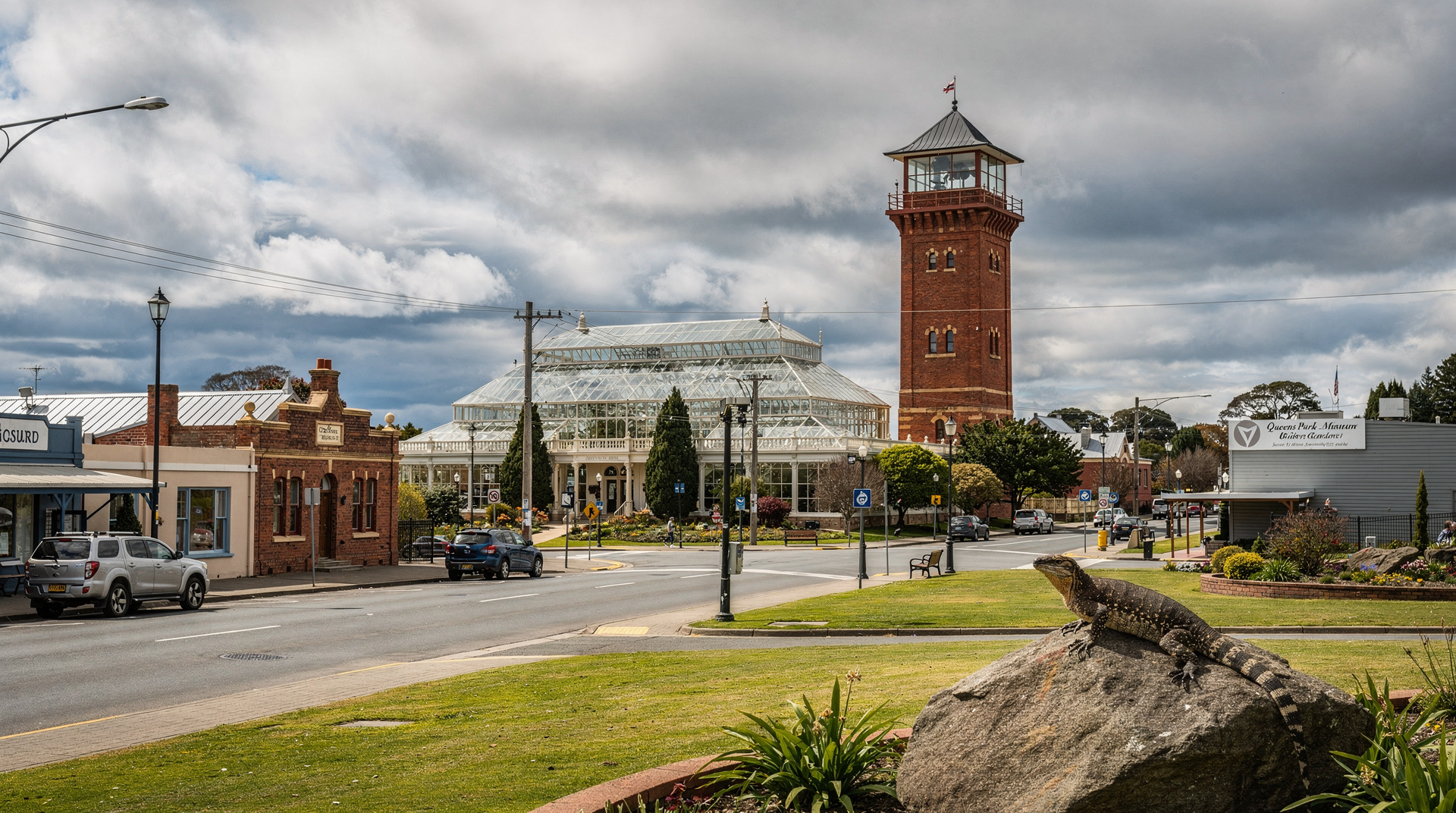
Invercargill: New Zealand's southernmost city, gateway to Stewart Island and the Catlins. Honest half-day guide with real costs NZD/USD/EUR.
New Zealand Great Walks — complete comparison guide
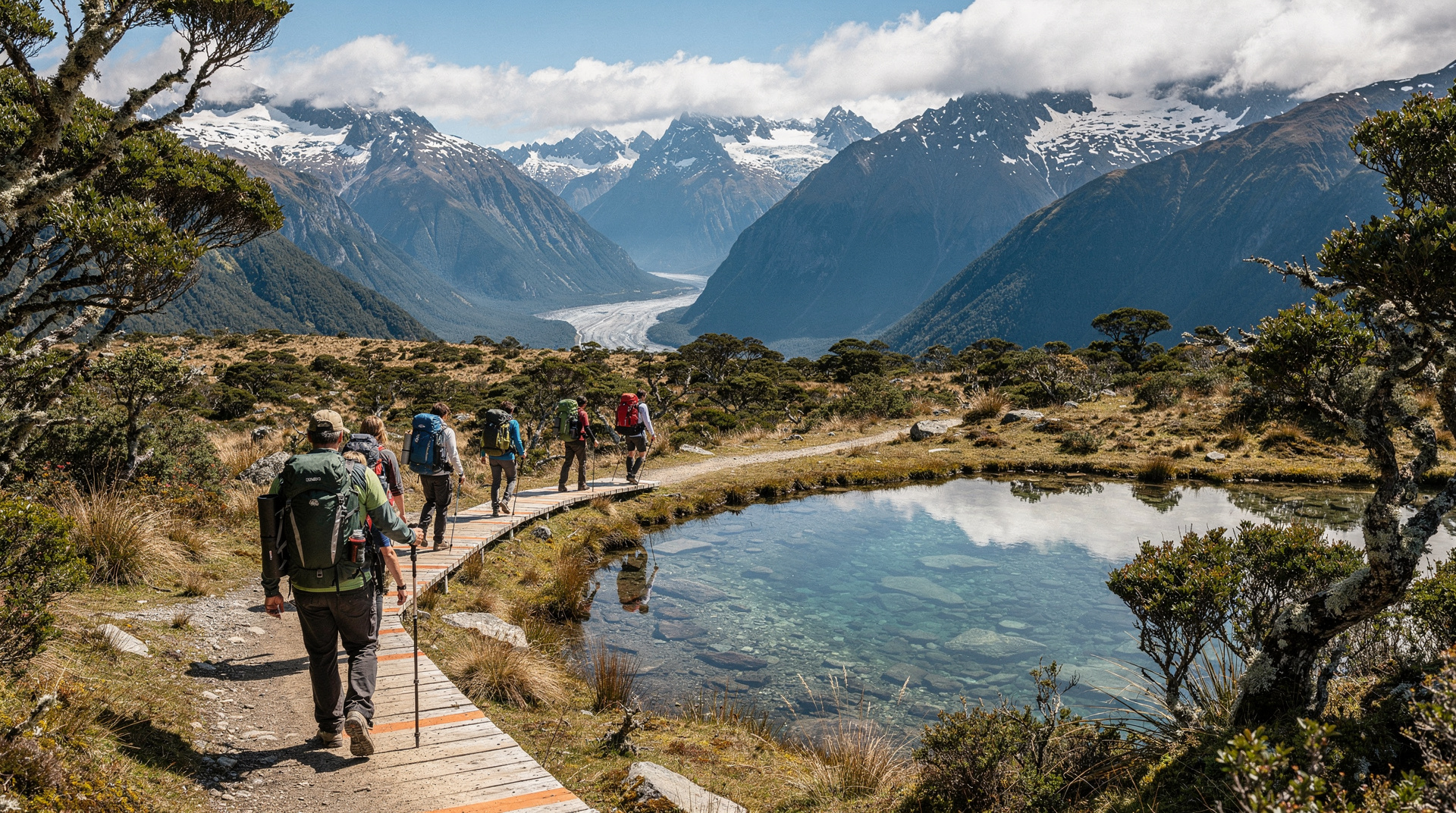
All 11 Great Walks compared: Milford vs Routeburn vs Kepler, difficulty, season, hut prices. Which one fits your trip and fitness level.
Wildlife in New Zealand — kiwi, penguins, whales, and more
Where to see NZ wildlife honestly: kiwi nights, yellow-eyed penguins, sperm whales at Kaikōura, royal albatross, fur seals. Best locations, real costs.
Published: