The Cook Islands travel bubble — what happened when New Zealand opened its borders in 2021
The day the bubble opened
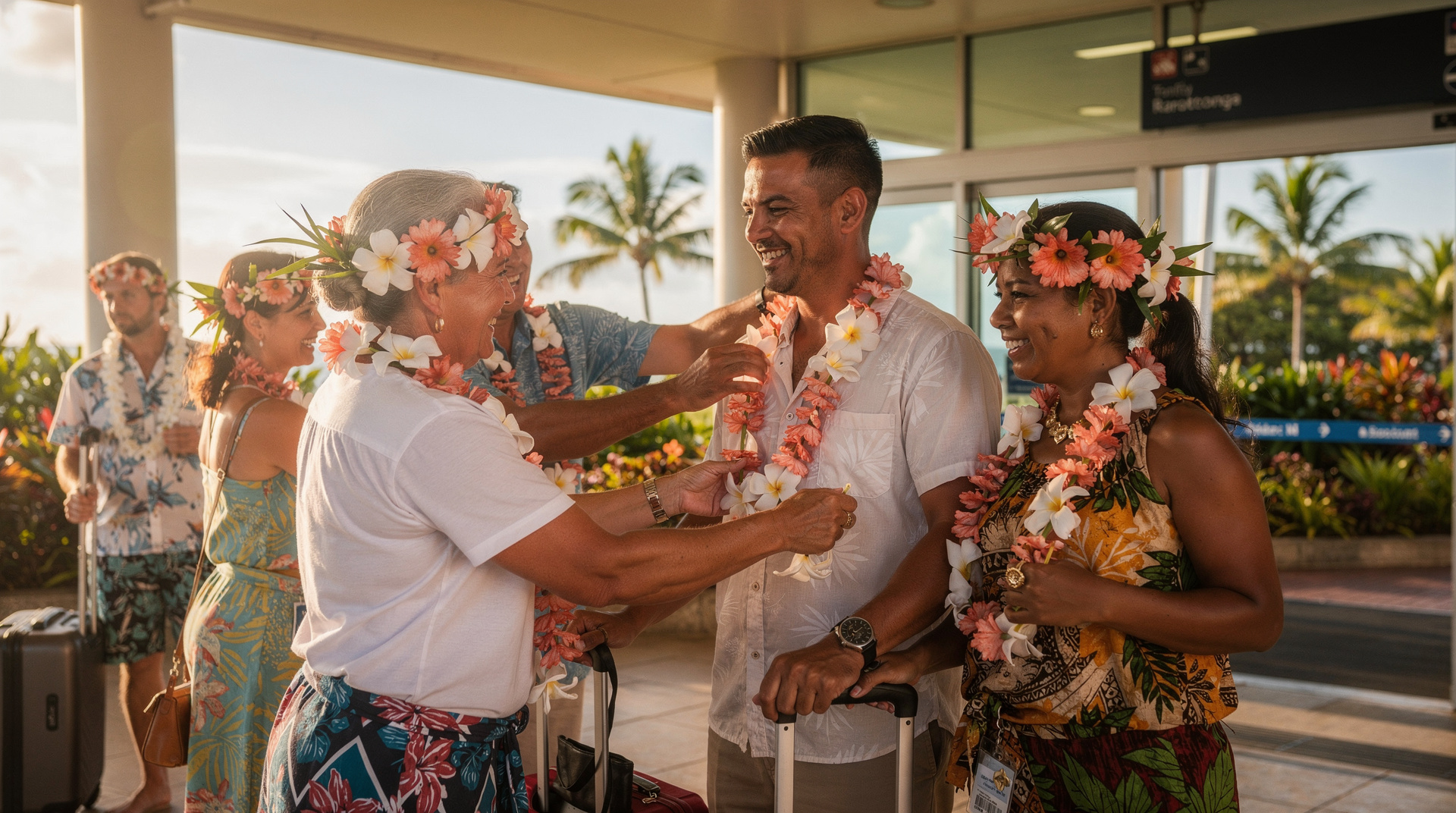
On 17 May 2021, a flight from Auckland touched down in Rarotonga carrying passengers who had not needed to quarantine. No managed isolation. No hotel rooms with sealed windows. Just a flight, an arrival, and the Cook Islands.
It was the first time in over a year that New Zealand had allowed quarantine-free international travel — not to Australia (the Trans-Tasman bubble had opened a month earlier in April), but to the Cook Islands specifically. The Cook Islands, with a population of around 17,000 and zero recorded community transmission of COVID-19 at the time, had been effectively sealed since March 2020. Tourism made up roughly 60 percent of the country’s GDP. The corridor wasn’t just symbolic. It was, for the Cook Islands, a matter of economic survival.
| Opened | 17 May 2021 |
| Closed | 17 August 2021 (Delta outbreak in Auckland) |
| Duration | Exactly 3 months |
| Visitor levels during bubble | Around 40-50% of pre-COVID comparable months |
| Route today | Auckland–Rarotonga, ~3.5hrs, no visa needed under 31 days |
What the corridor looked like in practice
The agreement was unidirectional at first: Cook Islanders could enter New Zealand quarantine-free, and New Zealanders and eligible visa holders could enter the Cook Islands quarantine-free. Other nationalities with New Zealand residency could qualify. Australians, notably, could not — at least not directly; you’d need to have been in New Zealand for 14 days first under the Trans-Tasman bubble rules.
The flights were almost entirely operated by Air New Zealand out of Auckland. A handful of services ran from Christchurch. Prices, which had been astronomical when the route was available only under managed isolation rules, dropped — though not to pre-COVID levels. Return flights from Auckland were running around NZD 650-900 / USD 455-630 / EUR 385-530 for economy seats in the first weeks, before demand settled.
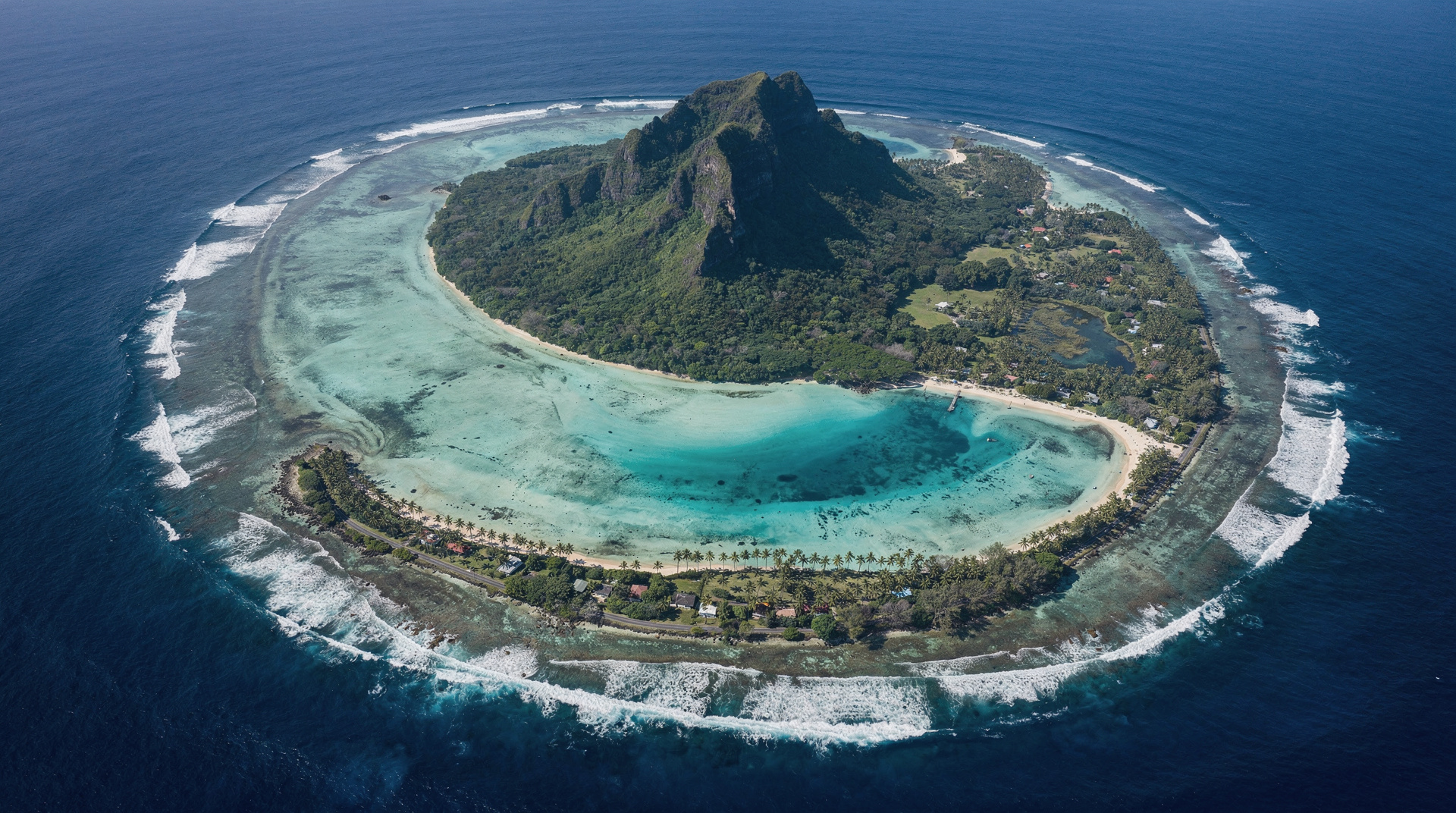
What people found on arrival was Rarotonga largely as it had been before: the lagoon, the circumnavigation road, the cultural shows, the diving and snorkelling on the barrier reef. What was different was the texture of the place. Some businesses had not survived 14 months of closure. The tourist economy was visibly thinner — fewer tour operators, fewer staff, tighter menus. But the island’s fundamental character was intact.
The Cook Islands on Rarotonga
Rarotonga, the main island and site of most tourism infrastructure, covers about 67 square kilometres and is ringed by a road that takes 45 minutes to drive. The mountainous interior — Mt Maungatea reaches 653 metres — is dense jungle and largely inaccessible except on foot with a guide.
What the island had going for it in May 2021 was uncrowded beaches and a local population genuinely glad of visitors. The economic impact of the border closure had been severe and personal — families relying on tourism income, resorts keeping skeleton staff on reduced wages through community support. The return of visitors in May, even a modest trickle, was not a commercial abstraction.
The Rarotonga lagoon cruise with snorkelling and BBQ was back operating within weeks of the corridor opening. For many operators, it was the first paying tour in 14 months.
The three-month window
The corridor ran from 17 May to 17 August 2021 — exactly three months. On 17 August, the Delta variant of COVID-19 forced New Zealand to close its borders again. A community case in Auckland on 17 August triggered a nationwide lockdown, and the Cook Islands bubble was suspended that same day.
The suspension, though indefinite at the time, became effectively permanent for 2021. New Zealand’s managed isolation system was reinstated. The Cook Islands remained COVID-free for several more months — a remarkable achievement for an island with limited health infrastructure — but the connection to New Zealand was severed again.
The three months had provided genuine economic relief. Later statistics from the Cook Islands Tourism Corporation suggested visitor numbers during the bubble period were running at around 40-50 percent of pre-COVID comparable months — not a full recovery, but meaningful cash flow for businesses that had been at zero for 14 months.
What the bubble revealed
For anyone paying attention, the Cook Islands bubble was a rehearsal for the full opening of New Zealand’s borders, which wouldn’t come until late 2021 and into 2022. What it revealed was mostly reassuring: that the logistics of quarantine-free international travel could work, that testing protocols at airports were manageable, and that island tourism could restart without overwhelming fragile health systems.
It also revealed something about the Cook Islands’ relationship with New Zealand more broadly. Roughly 80,000 Cook Islanders live in New Zealand — nearly five times the population of the Cook Islands themselves. Cook Islanders are New Zealand citizens. The bubble formalised what is in many respects an existing integration: that the Cook Islands and New Zealand are not simply geographically proximate but constitutionally entangled.
What it means for planning your trip now
The Cook Islands corridor is history, but the lesson it demonstrated remains relevant: the Cook Islands are more accessible from New Zealand than from almost anywhere else, and the connection runs deeper than simple geography. Flight times from Auckland are roughly 3.5 hours. No visa is required for most nationalities for stays under 31 days. The Cook Islands dollar is pegged at par to the New Zealand dollar (and NZD is accepted everywhere).
The best time to visit Rarotonga is the dry season, April to November. Wet season (December to March) brings humidity and short tropical downpours; the island remains functional but the hiking tracks can be slippery and the lagoon less clear.
For a full Cook Islands trip, the combination of Rarotonga for infrastructure and Aitutaki for the lagoon — arguably one of the most beautiful in the Pacific — is the standard recommendation for a reason. Book the Aitutaki day trip or overnight from Rarotonga well in advance. Air Rarotonga connects the two islands in about 45 minutes. Our Aitutaki vs Rarotonga comparison breaks down exactly how to split your time between the two if you’re planning that trip now.
Why the bubble still matters for today’s traveller
Looking back from 2026, the three-month corridor reads less like a footnote and more like a preview of how resilient the Cook Islands tourism sector actually is. Businesses that survived 14 months at zero income and then rebuilt again after the August 2021 closure have, by and large, stayed open — a sign of how central the New Zealand relationship is to the islands’ recovery capacity.
For today’s visitor, the practical upshot is that Rarotonga’s tourism infrastructure — tour operators, accommodation, the lagoon cruise circuit — is back to, and in places beyond, pre-2020 levels, while retaining the smaller-scale, personal character that a mass-tourism destination loses. The Cook Islands overview guide has current planning details; the history here is useful mainly for understanding why the islands’ relationship with New Zealand runs deeper than a typical holiday destination.
Related reading
Related guides
Cook Islands
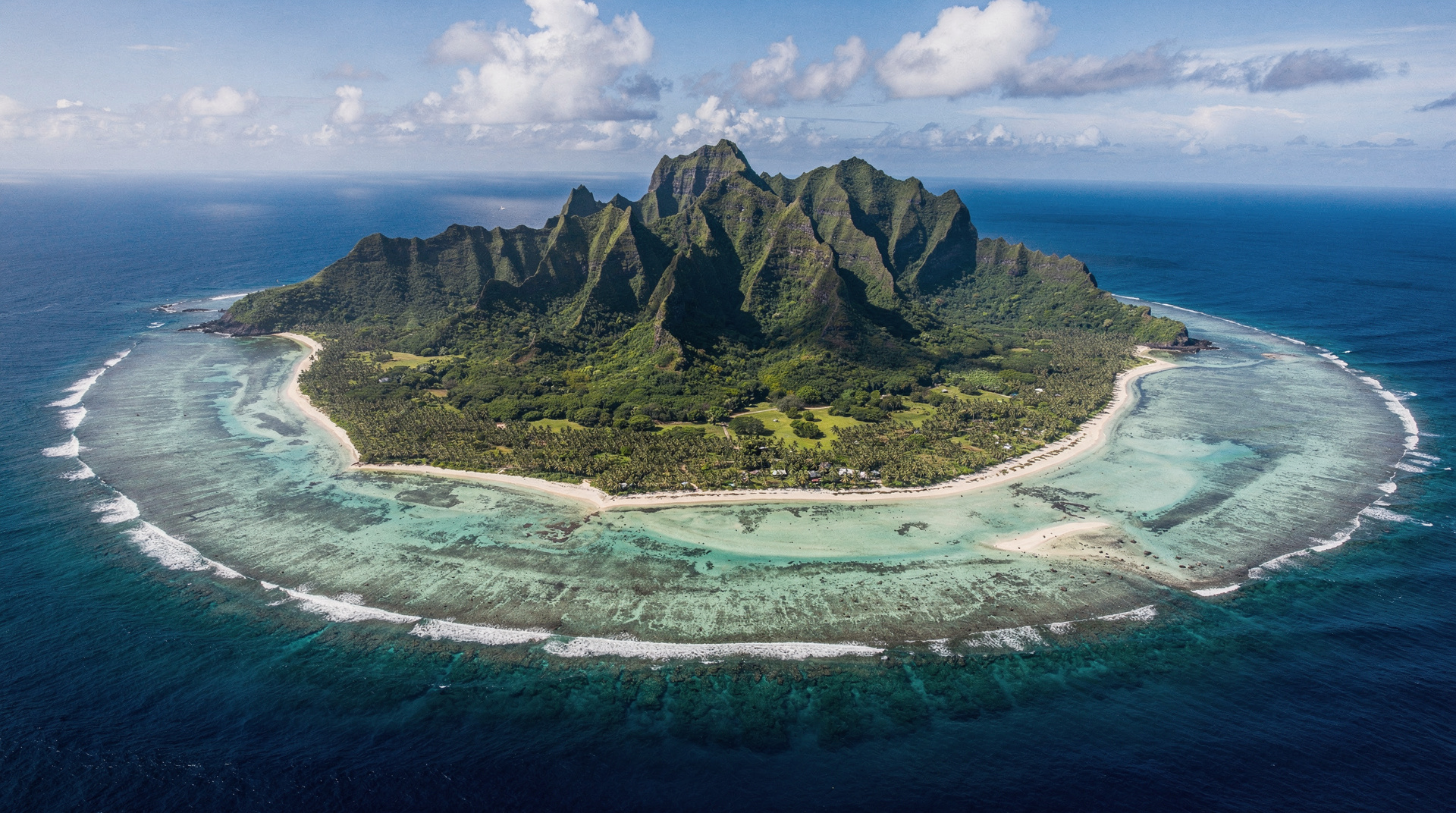
Complete honest guide to the Cook Islands: 15 islands in the Pacific, NZD currency, flights from Auckland, real prices and what each island is actually like.
Rarotonga
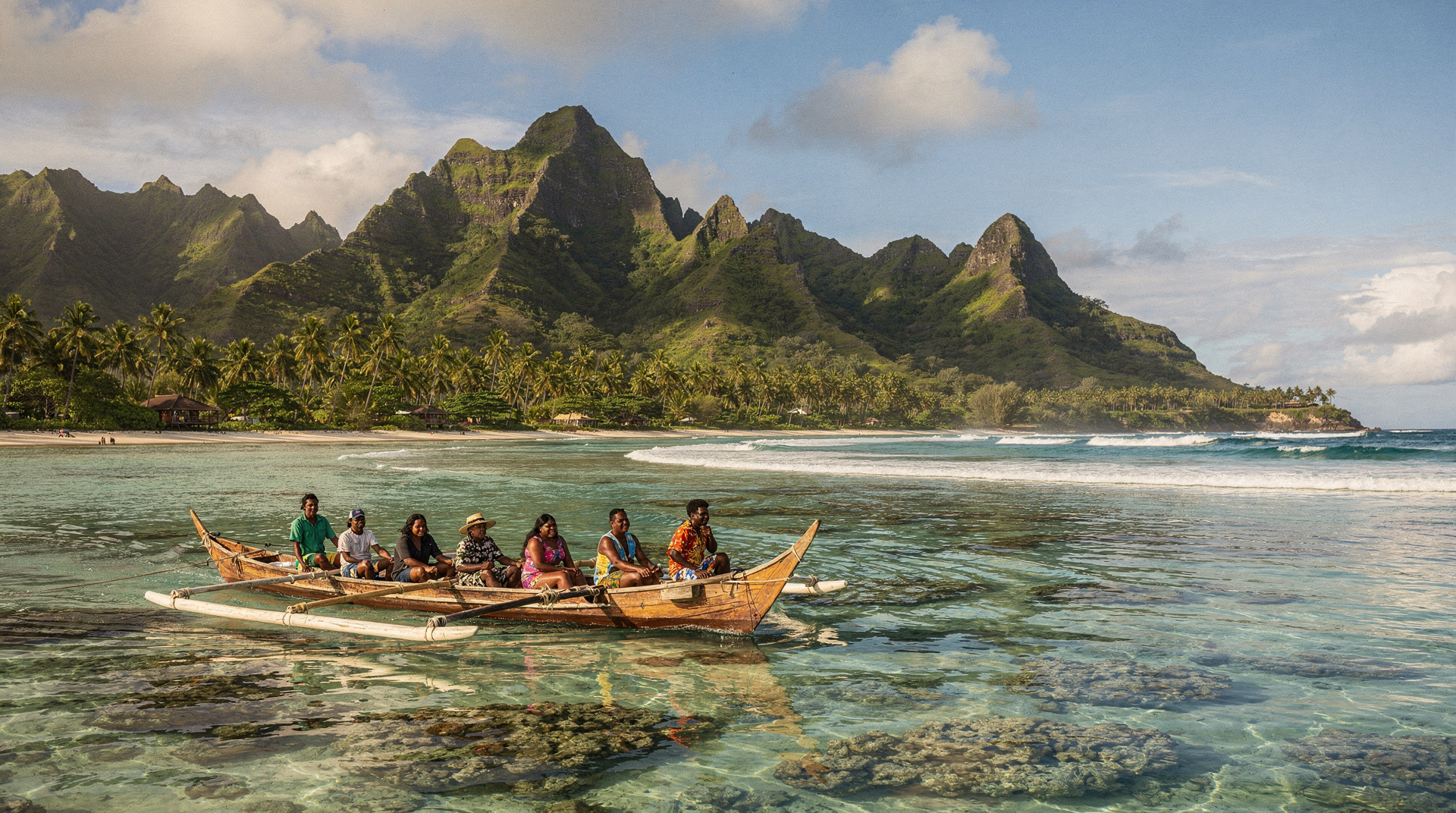
Honest Rarotonga guide: Muri lagoon cruise, Cross Island Track, Te Vara Nui, best beaches, where to stay. Real prices NZD/USD/EUR.
New Zealand during COVID — what travel actually felt like
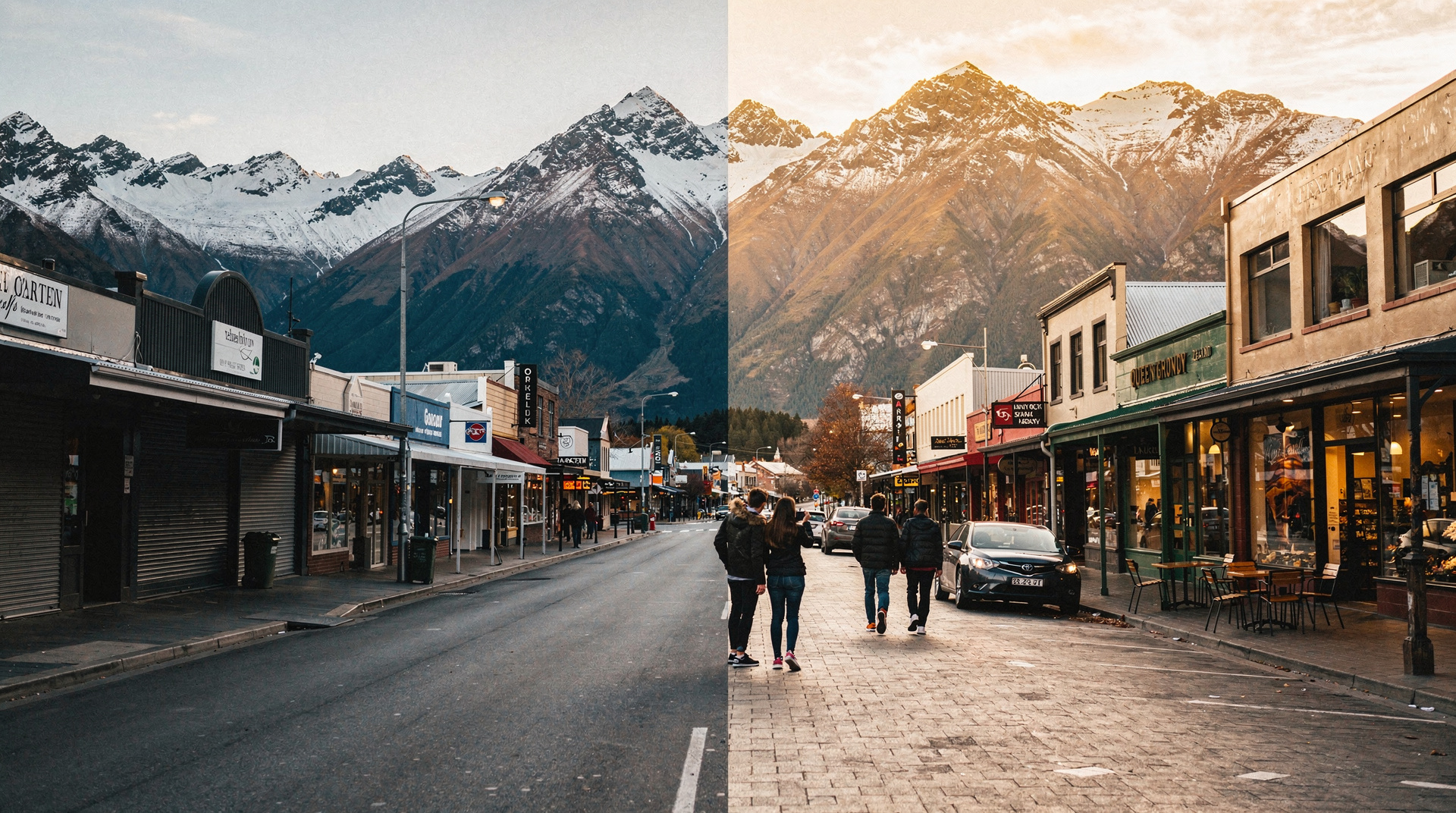
August 2020: New Zealand had eliminated community transmission. What did travel inside the country actually look like during that strange window?
Cook Islands travel guide — Rarotonga, Aitutaki, and the outer islands
Cook Islands honest overview: Rarotonga vs Aitutaki vs outer islands, visa-free entry, real costs NZD/USD/EUR, why NZ-bound travellers should consider it.
Published: