Freedom camping in New Zealand — the rules are tightening in 2025
What’s been happening
New Zealand’s freedom camping landscape has changed substantially since 2019. The country has a long tradition of freedom camping — the ability to park a self-contained vehicle on public land outside formal campgrounds — but the explosion of campervan tourism through the mid-2010s created waste management and environmental problems that individual councils found difficult to manage.
The response has been progressive and uneven: local councils have introduced bylaws restricting or banning freedom camping in specific areas, some of these bans are permanent, some seasonal, and the patchwork of rules across New Zealand’s 78 territorial authorities is genuinely confusing.
In 2025, the pattern has continued. More areas that were previously open have introduced restrictions. Enforcement, which was historically patchy, has become more consistent in the busier tourist areas. The fines for non-compliance are real.
| Requirement | NZMCA self-containment certification (toilet, 40L+ fresh water, grey water tank) |
| Fine for non-compliance | From NZD 200, higher for repeat/flagrant cases |
| Most restricted | Queenstown Lakes, Auckland, Wellington |
| Most permissive | West Coast, Southland/Catlins, DOC land generally |
| Key apps | Campermate, Rankers |
The self-contained vehicle distinction
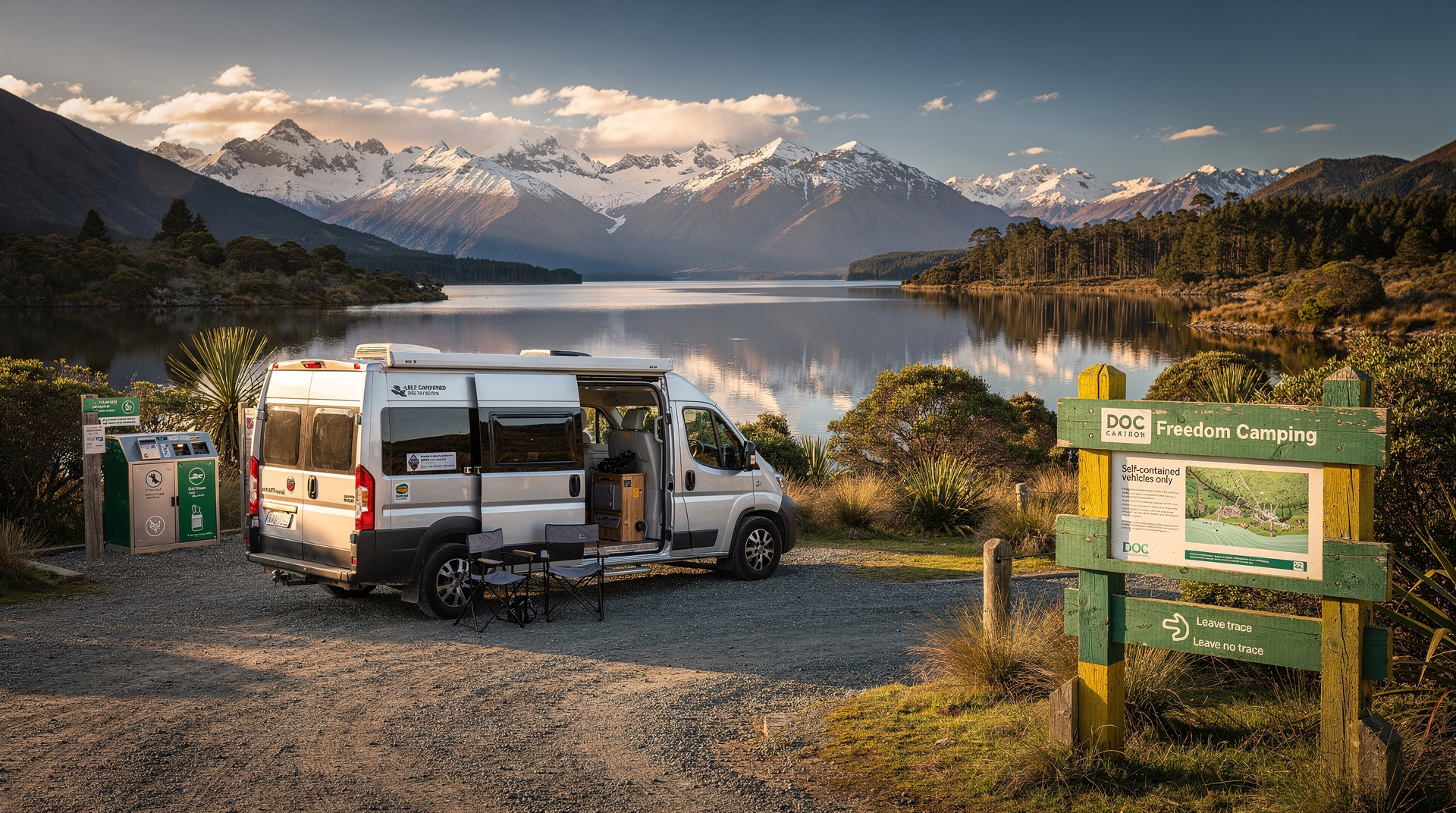
The key concept in New Zealand freedom camping is self-containment. A self-contained vehicle has an onboard freshwater supply (40 litres minimum), a grey water tank, and a toilet with a holding tank. Self-contained vehicles are certified by the NZMCA (New Zealand Motor Caravan Association) and carry a certification sticker.
The distinction matters because freedom camping law treats self-contained and non-self-contained vehicles differently. The Freedom Camping Act 2011 generally allows self-contained vehicles to camp on most public land unless specifically prohibited. Non-self-contained vehicles are restricted to formal campgrounds or designated freedom camping sites.
In 2025, some councils have moved beyond this distinction — banning even certified self-contained vehicles from specific areas. Queenstown Lakes District Council has progressively restricted freedom camping in the Queenstown and Wanaka areas. The Kaikōura District has restrictions in certain popular coastal areas. Auckland has essentially no freedom camping within the metropolitan area.
Where you can still freedom camp
The good news: substantial areas remain accessible. DOC (Department of Conservation) manages a network of campsites and freedom camping areas on conservation land that are generally more permissive than council-managed areas. Many DOC basic campsites are free or low-cost (NZD 10-21 / USD 6-13 / EUR 5-12 per night per person).
The campermate app and the Rankers app are the most useful tools for finding current freedom camping locations across New Zealand. Both are updated regularly and reflect bylaw changes. The caravan hire companies also typically provide guidance — ask at pickup.
Regional patterns as of mid-2025:
- Northland and Coromandel: multiple DOC and council freedom camping sites, some restrictions in popular coastal areas.
- Waikato: relatively permissive, some council sites.
- Rotorua and Taupo: formal campgrounds dominate; some DOC sites.
- Wellington region: very limited freedom camping.
- Marlborough and Nelson: DOC sites plentiful in the national parks.
- West Coast: some of the best freedom camping in New Zealand remains on the West Coast — isolated, beautiful, and less encumbered by bylaw restrictions.
The West Coast destination guide has the regional detail.
- Canterbury: mixed; some rural council areas permissive, urban areas restricted.
- Queenstown Lakes: significantly restricted. Budget for paid campgrounds in this area, or base yourself in nearby Wanaka or Glenorchy, where rules are somewhat looser than central Queenstown.
- Southland and Catlins: permissive, excellent DOC sites — see the Catlins self-drive guide for a route that leans on this.
The enforcement picture
Enforcement has become more systematic. Many councils employ ranger patrols, particularly in summer (December–February). Fines for freedom camping outside permitted areas start at NZD 200 / USD 120 / EUR 110 and can be higher for repeat or flagrant violations.
The practical advice: don’t guess. Check the Campermate app before stopping anywhere that isn’t clearly signed as permitted. The app’s accuracy is good. The cost of a fine is not.
The environmental argument
It’s worth engaging with the reason for the restrictions rather than treating them purely as bureaucratic friction.
New Zealand’s freedom camping problem was, at peak, a genuine environmental problem. In 2016-2019, some of the most popular freedom camping areas — the Wanaka lakefront, the Kaikoura coast, areas around Glenorchy — were receiving hundreds of vehicles simultaneously, with inadequate waste management infrastructure. Human waste in streams. Fires lit in fire-restricted areas. Damage to vegetation from vehicle parking.
The councils that introduced restrictions were responding to real community concern. Queenstown Lakes residents had legitimate grievances about the state of popular camping areas at peak season.
The self-contained vehicle requirement addresses the waste dimension. The spatial restrictions address the concentration problem. The result is less convenient for campervans but better for the environments they’re camping in.
Planning for freedom camping in 2025
If freedom camping is central to your New Zealand trip:
-
Rent a certified self-contained vehicle. Non-self-contained vehicles are restricted to formal campgrounds in most areas worth visiting. The additional cost of a self-contained campervan is worth it.
-
Use Campermate or Rankers. These apps give you current, location-specific information on what’s permitted.
-
Budget for paid campgrounds in restricted areas. Queenstown, Wanaka, Auckland, Wellington — these areas require formal campground bookings. A mix of freedom camping and paid campgrounds is realistic for most itineraries.
-
The DOC Annual Hut Pass. For trips combining camping with DOC huts (Great Walks and backcountry huts), the Annual Hut Pass (NZD 135 / USD 81 / EUR 74 for 12 months) provides good value if you’re using multiple huts. Hut tickets are also available individually. Our Great Walks overview explains how Great Walk huts differ from the standard backcountry huts covered by this pass — the booking systems and pricing aren’t the same.
-
Go west. The West Coast remains one of the best freedom camping environments in New Zealand — the balance of permissive rules, spectacular landscapes, and low visitor density makes it the region most suited to the traditional NZ campervan experience.
The campervan vs car debate
The freedom camping restrictions have shifted the economics of the campervan vs car calculation. In areas with significant restrictions — Queenstown, the major tourist corridors — a campervan saves less on accommodation than it did in 2019, because you’re paying for campgrounds rather than freedom camping. See campervan vs car and motel for the full breakdown.
The general rule still applies: campervans make economic sense for trips longer than 10 days with 2 people. For shorter trips, or 1 person, or trips with heavy reliance on restricted areas, a car plus accommodation often comes out cheaper with less logistical complexity. For the wider budget picture beyond accommodation, our New Zealand on a budget guide covers food, activities, and transport costs together.
What this means if you’re booking now
If freedom camping was central to your trip plan and you’re now facing more restrictions than expected, the fix isn’t necessarily abandoning the campervan — it’s rebalancing the route toward the regions where freedom camping still works well. A route weighted toward the West Coast, Southland and the Catlins, with paid campgrounds booked ahead for Queenstown, Wanaka and the main cities, keeps most of the cost benefit while avoiding fines and last-minute scrambles for a site.
Related reading
Related guides
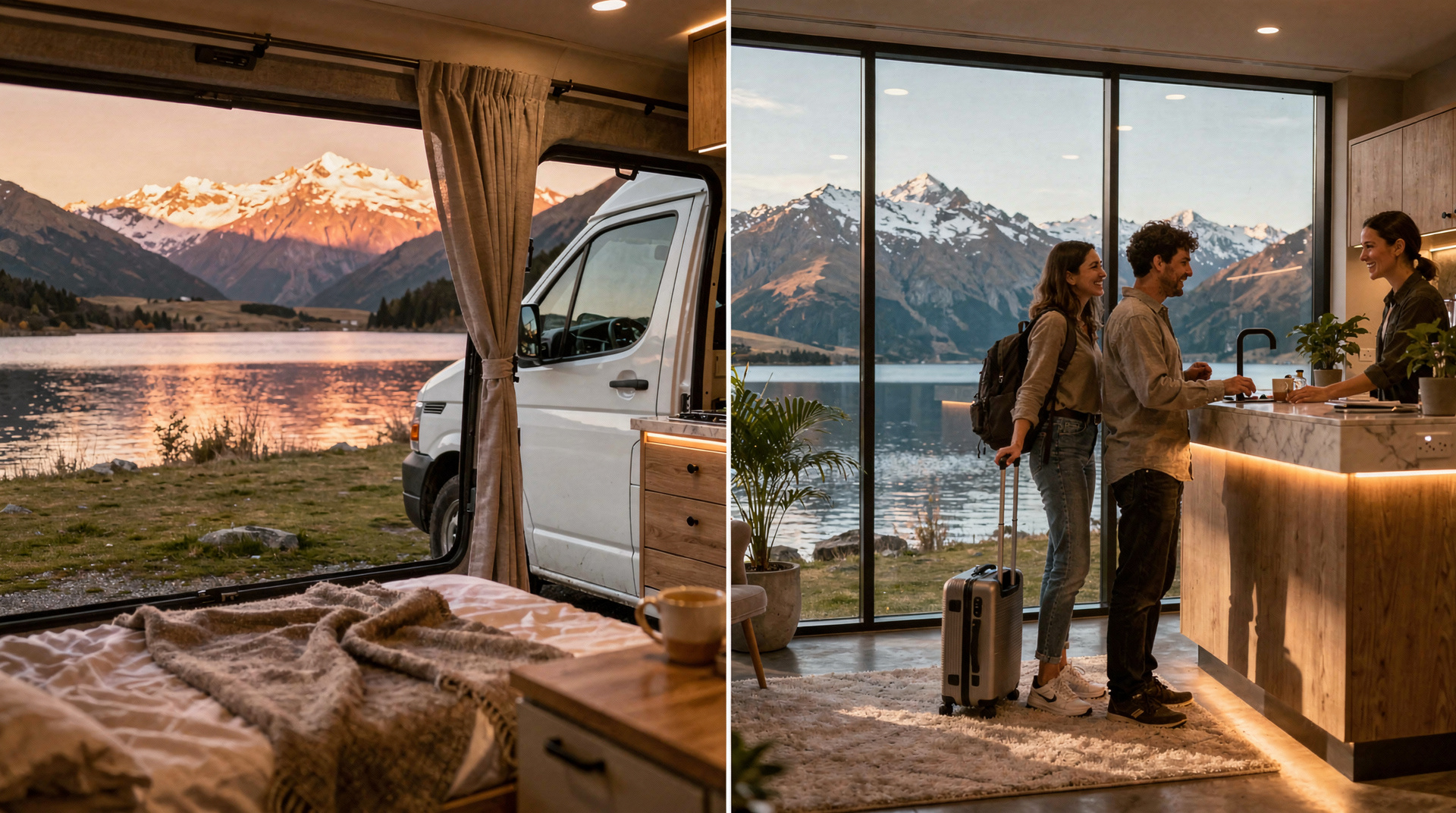
Campervan vs car and motel in New Zealand
Campervan vs car and motel in New Zealand: full cost breakdown, when each wins, and the tipping point. NZD/USD/EUR prices for both options.
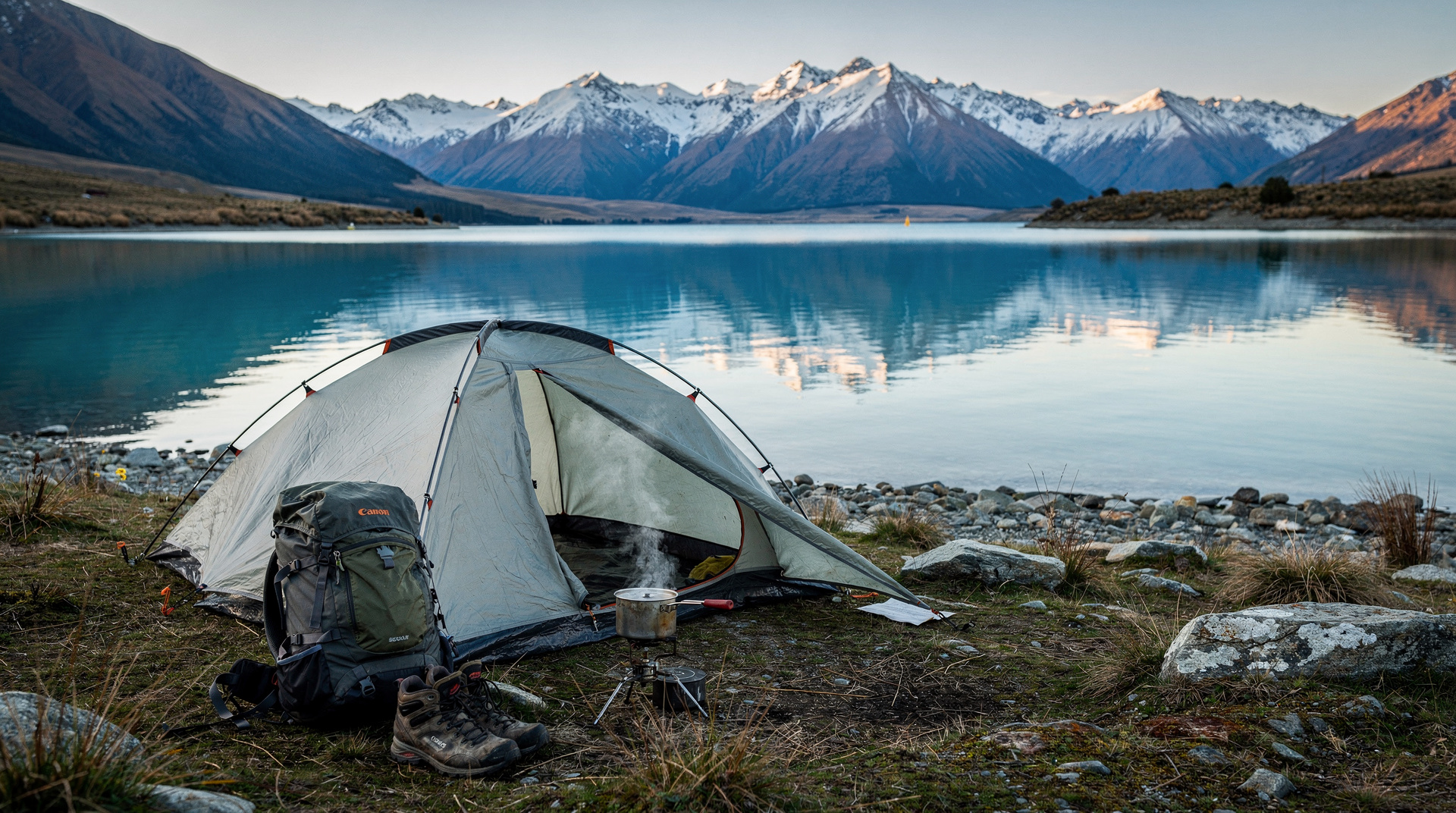
New Zealand on a budget
Honest budget guide to NZ: real daily costs, where to save, where not to cheap out, free things, and how to stretch NZD on a backpacker or mid-range budget.

New Zealand prices in 2025 — an inflation snapshot
What has New Zealand travel cost since 2019? A 2025 price snapshot: accommodation, food, activities, and transport in NZD, USD, and EUR.
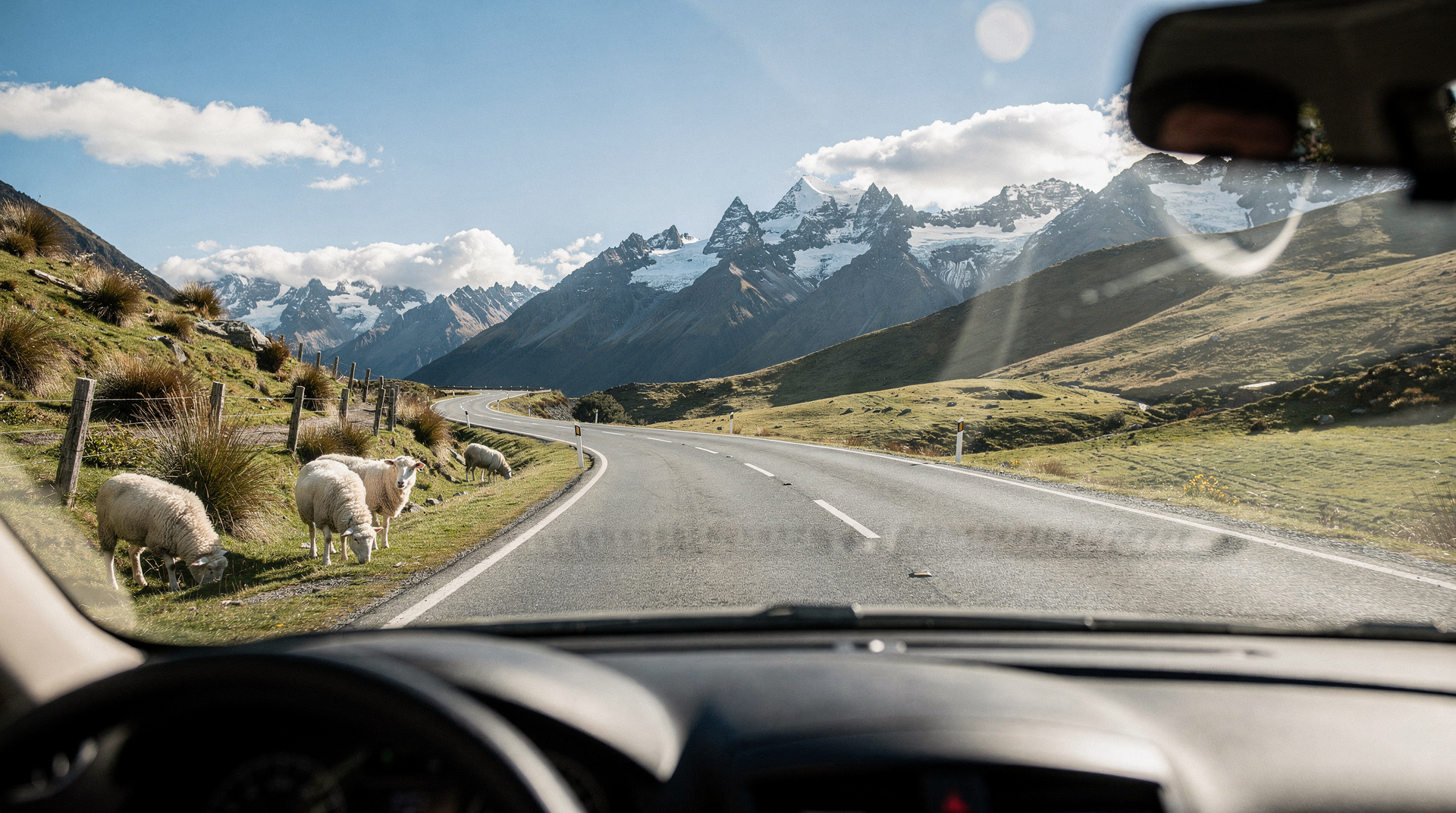
Driving in New Zealand
Honest driving guide for NZ: left-side rules, gravel road etiquette, why GPS lies, fuel costs, one-lane bridges, and what rental companies don't tell you.
Published: