New Zealand on a budget
What does New Zealand cost per day on a budget?
A backpacker budget is NZD 90-130 (USD 54-78 / EUR 50-72) per person per day, covering hostel dorms, self-catering, public transport, and some paid activities. Mid-range is NZD 200-350. New Zealand is not cheap — budget the IVL levy (NZD 100) and the NZeTA (NZD 23) as fixed entry costs, and expect groceries at UK-equivalent prices.
Is New Zealand expensive? The honest answer
Yes, relatively. New Zealand is not a budget backpacker destination in the same way Southeast Asia or Eastern Europe is. It is more comparable to Australia, Scandinavia, or Switzerland in cost structure — high wages, high cost of living, and significant geographic isolation that increases import costs.
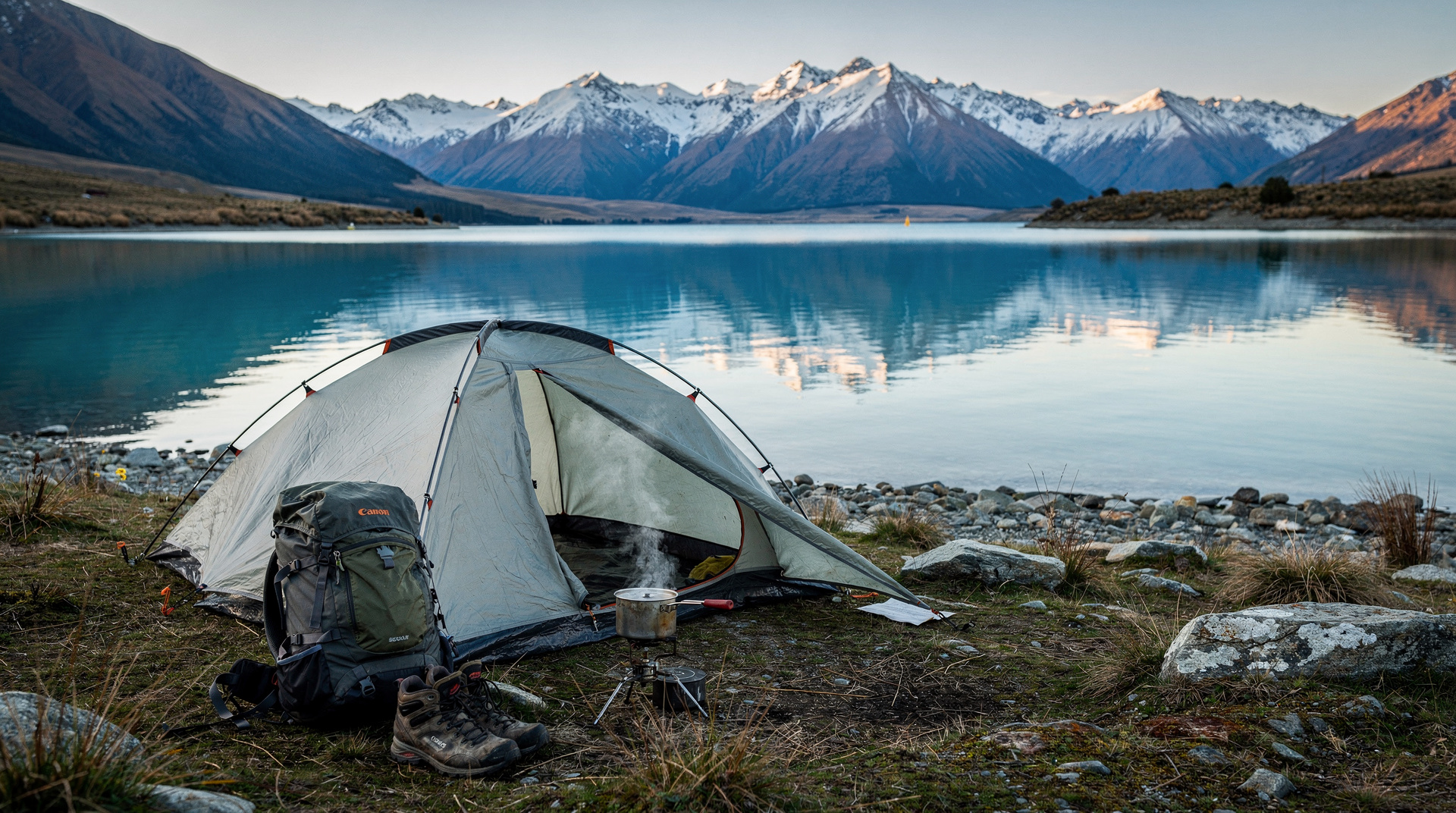
The good news: many of New Zealand’s best experiences are free or very cheap. Hiking the country’s extraordinary trails costs nothing except the gear you bring. Freedom camping (where legal) is free. Public beaches, viewpoints, thermal areas like Craters of the Moon and Wai-O-Tapu roadside access — all free. The famous landscapes are publicly accessible.
The costs come from getting around (fuel or campervan hire is expensive), accommodation (particularly in Queenstown and Auckland), and some key bucket-list paid experiences (Milford Sound cruises, glacier helicopter flights, bungy jumping).
| Backpacker budget | NZD 90–130 / USD 54–78 / EUR 50–72 per person/day |
| Mid-range budget | NZD 200–350 / USD 120–210 / EUR 110–193 per person/day |
| Fixed entry costs | NZD 123 / USD 74 / EUR 68 per person (NZeTA + IVL) |
| Cheapest months | May–early June (before ski season) |
| Biggest cost driver | Transport (fuel or campervan hire) and Queenstown/Auckland accommodation |
Fixed pre-trip costs every visitor pays
These are costs you cannot avoid, regardless of budget:
| Item | Cost NZD | USD | EUR |
|---|---|---|---|
| NZeTA online | NZD 23 | USD 14 | EUR 13 |
| International Visitor Levy | NZD 100 | USD 60 | EUR 55 |
| Total entry levy | NZD 123 | USD 74 | EUR 68 |
(App application saves NZD 6 on the NZeTA fee — use the app.)
These apply per person, per trip. Factor them into your total trip budget before thinking about daily expenses.
Daily budget breakdown
Backpacker budget: NZD 90-130 per person per day
Accommodation: NZD 35-55 in hostel dorm (YHA, Base, Nomads, or independent hostels). Dorm quality varies; read recent reviews. In peak season (December-February), dorms can be NZD 45-65 in Queenstown.
Food: NZD 25-45 per day self-catering. New Zealand supermarkets (Countdown/Woolworths, New World, Pak’nSave) stock everything needed. Pak’nSave is the cheapest — no-frills, no bags, but excellent value. Budget NZD 15-20 per day for groceries plus occasional bakery lunch (NZD 5-8 for a good pie and drink at a petrol station bakery — this is a New Zealand institution).
Transport: On a campervan (fuel shared between two) or InterCity bus passes, NZD 25-35 per person per day.
Activities: Budget NZD 10-20 for one paid activity per day on average (some days free hikes, some days NZD 40-80 cave tours). Spread over the week, the daily average comes down.
Total realistic low: NZD 90-100. Realistic daily typical: NZD 110-130.
Mid-range budget: NZD 200-350 per person per day
Accommodation: NZD 120-200 for a twin/double in a motel or mid-range hotel. Holiday park cabins at NZD 80-130 for a couple offer the best value in this tier.
Food: NZD 60-100 per day — mix of grocery self-catering and eating out once per day (cafe lunch NZD 20-28; restaurant dinner NZD 45-70 for main and drink).
Transport: Rental car fuel plus hire costs divided by two, NZD 60-100 per person per day.
Activities: NZD 50-100 for one paid activity per day.
Total: NZD 200-350 is realistic for a comfortable but not extravagant experience.
Splurge/luxury: NZD 500-1,500+ per person per day
Queenstown’s Matakauri Lodge, helicopter glacier flights (NZD 400-800 per person), fine dining (NZD 120-200 for dinner per person), private 4WD scenic tours. Entirely possible; New Zealand has excellent luxury infrastructure, particularly in Queenstown, Taupo, and the Bay of Islands.
Where to genuinely save
Supermarket over restaurant: New Zealand supermarkets are excellent. Fresh produce, good deli sections, excellent bakery sections. Eating one meal per day from the supermarket instead of a cafe saves NZD 20-30 per day.
Pak’nSave: New Zealand’s cheapest grocery chain. Mildly chaotic but extraordinary value. Stock up here before heading to areas with expensive small-town supermarkets.
DOC huts and campgrounds: Department of Conservation backcountry huts (NZD 5-15 per night) and campgrounds (NZD 6-12 per night) are the best accommodation bargain in the country. Not for everyone (basic facilities) but remarkable value in spectacular locations.
Freedom camping (where legal): Use the CamperMate app to find legal freedom camping areas. In a self-contained campervan, many nights of accommodation can be free. See the campervan guide.
Free iconic experiences:
- Tongariro Alpine Crossing (track is free; you need a shuttle, typically NZD 25-35 return)
- Hooker Valley Track (Aoraki/Mt Cook — completely free, day hike, extraordinary views)
- All DOC beaches and viewpoints
- Whanganui National Park
- Mount Eden and One Tree Hill (Auckland)
- Auckland Museum on the weekend ($28 weekdays, NZD 28 is fair for the quality)
Wait — the Auckland Museum charges an international visitor fee (NZD 28), but this is genuinely worth it. The Maori taonga collection is world-class. Do not skip it to save NZD 28.
Self-drive over tours: For most scenic drives, your own car is cheaper per person than a guided tour. The TranzAlpine exceeds this rule — take the train, not the road.
Cooking dinner at the hostel kitchen: Every YHA and most independent hostels have full communal kitchens. A pasta dinner for two cooked at the hostel costs NZD 12-15; the same restaurant meal costs NZD 60-80.
Where not to cheap out
Travel insurance: ACC covers accident injury but not illness, cancellations, or lost gear. A 3-week policy costs USD 40-100. Do not skip it.
The NZeTA: Only apply through the official Immigration NZ website or app. Third-party services charging NZD 60-120 for “NZeTA assistance” are simply reselling the same application with a markup. The official process takes 5 minutes.
Sandfly repellent (West Coast): NZ West Coast sandflies are serious. A NZD 12 bottle of DEET-based repellent prevents a genuinely miserable experience. The bites itch for 5-7 days and can become infected.
Milford Sound: The drive is free; the cruise is not. Budget around NZD 90-150 per person for a Milford Sound nature cruise (USD 54-90 / EUR 50-83). The “budget” coach tours from Queenstown (NZD 130-190) are 13 hours of driving for a 2-hour cruise — consider staying overnight in Te Anau (much better experience) rather than the exhausting day trip.
DOC Great Walk bookings: The booking fee is non-negotiable and justified. Milford Track huts in peak season cost NZD 165-175 per night. Budget for this rather than attempting to hike the track independently (off-season only permitted, and requires DOC permit).
Budget-friendly activities
| Activity | Cost (NZD) | Cost (USD) | Cost (EUR) |
|---|---|---|---|
| Tongariro Alpine Crossing (shuttle only) | NZD 25-35 | USD 15-21 | EUR 14-19 |
| Wai-O-Tapu entry | NZD 45 | USD 27 | EUR 25 |
| Rotorua Polynesian Spa public pools | NZD 25-32 | USD 15-19 | EUR 14-18 |
| Waitomo Glowworm Caves 45min tour | NZD 56 | USD 34 | EUR 31 |
| TranzAlpine day return | NZD 189 | USD 113 | EUR 104 |
| Milford Sound cruise (basic) | NZD 90-120 | USD 54-72 | EUR 50-66 |
| Franz Josef Glacier heli-hike | NZD 550-750 | USD 330-450 | EUR 303-413 |
| Bungy Queenstown (Kawarau Bridge) | NZD 220 | USD 132 | EUR 121 |
The glacier helicopter and bungy are expensive by global standards. They are worth it to most people who do them; they are entirely optional to a great New Zealand trip.
Transport budget
InterCity bus: Cheapest for non-drivers. FlexiPass 15 hours: NZD 195 (USD 117 / EUR 107). See the intercity bus guide.
Rental car split between 2: NZD 55-90/day for a small car. Fuel: NZD 40-60/day for typical driving. Per person: NZD 48-75. Beats the bus for groups of 2+ on most routes.
Domestic flights: Auckland to Queenstown from NZD 90. Often the best value for the time it saves on a short trip. See the domestic flights guide.
Cook Strait ferry: NZD 55-100 foot passenger. Book ahead for cheaper fares.
Two budget-friendly bookings worth making early
Not every good-value experience needs to be improvised on the day. Two that are worth locking in ahead of time because prices don’t fluctuate and last-minute availability can vanish in peak season:
Waitomo Glowworm Caves 45-minute guided tour — a fixed-price, genuinely unmissable experience that doesn’t get cheaper by shopping around; the value is in the experience itself, not in hunting for a discount.
Milford Sound nature cruise from Te Anau — the basic catamaran cruise, not the premium version, gets you the full fiord experience at the lower end of the NZD 90–150 range quoted above. Skip the 13-hour Queenstown day-coach version and stay overnight in Te Anau instead — cheaper in total once you factor in a mediocre, exhausting day versus a relaxed one.
Where a rental car actually beats a campervan on cost
The campervan-vs-car debate deserves a specific budget note: for trips under 10 days, a compact rental car plus motels or holiday park cabins is almost always cheaper than a campervan once you account for campervan daily rates (NZD 95-180+), higher fuel consumption, and holiday park powered-site fees (NZD 45-65/night for two) that erase much of the “free camping” saving unless you’re genuinely freedom camping every night. The campervan vs car rental guide runs the full break-even math — the short version is that campervans pay off on trips of 10+ days, or for travelers prioritising flexibility over pure cost.
Frequently asked questions about NZ budgeting
Is New Zealand cheaper than Australia?
Broadly comparable, with some differences. Auckland is slightly cheaper than Sydney; Queenstown rivals Sydney in peak season. The NZ dollar is weaker, so from a US or European perspective, prices look similar to Australia but slightly cheaper.
Are there discount tourist cards like an Aucklandcard?
Some local deal aggregators exist (Jucystay.com for accommodation, Grabone.co.nz for local activity deals). Worth checking before major purchases. There is no national tourist discount card equivalent to the Vienna City Card or similar European products.
Can I work to fund my trip in New Zealand?
Only with a Working Holiday Visa. Visitors on NZeTA cannot work legally for New Zealand clients. See the Working Holiday Visa guide.
What is the cheapest time to visit New Zealand?
May to early June is typically the cheapest period — off-peak season, before ski season. Accommodation and flight prices are lowest, and the country is uncrowded. The weather is cooler but perfectly manageable with the right gear.
Is a Working Holiday Visa worth it just to save money?
Only if you genuinely want to work while traveling — it’s not a shortcut to a cheaper holiday on its own. It suits travelers under 30–35 (depending on nationality) planning a longer stay who want to fund extra months through seasonal or hospitality work. For a standard 2–4 week trip, it adds visa complexity without a real budget benefit; see the Working Holiday Visa guide for eligibility and how the funding actually works in practice.
Related guides and itineraries
- Currency and money in New Zealand — NZD rates and ATMs
- Tipping in New Zealand — not required (saves money)
- Campervan vs car rental — cost comparison
- InterCity bus guide — cheapest transport option
- Working Holiday Visa New Zealand — work-fund option
- NZeTA visa guide — entry costs
- Best time to visit New Zealand — cheapest seasons
Related guides

Currency and money in New Zealand
Everything about NZ money: NZD exchange rates, where to get cash, card usage, ATMs, GST, tipping rules, and how to avoid bad exchange deals.
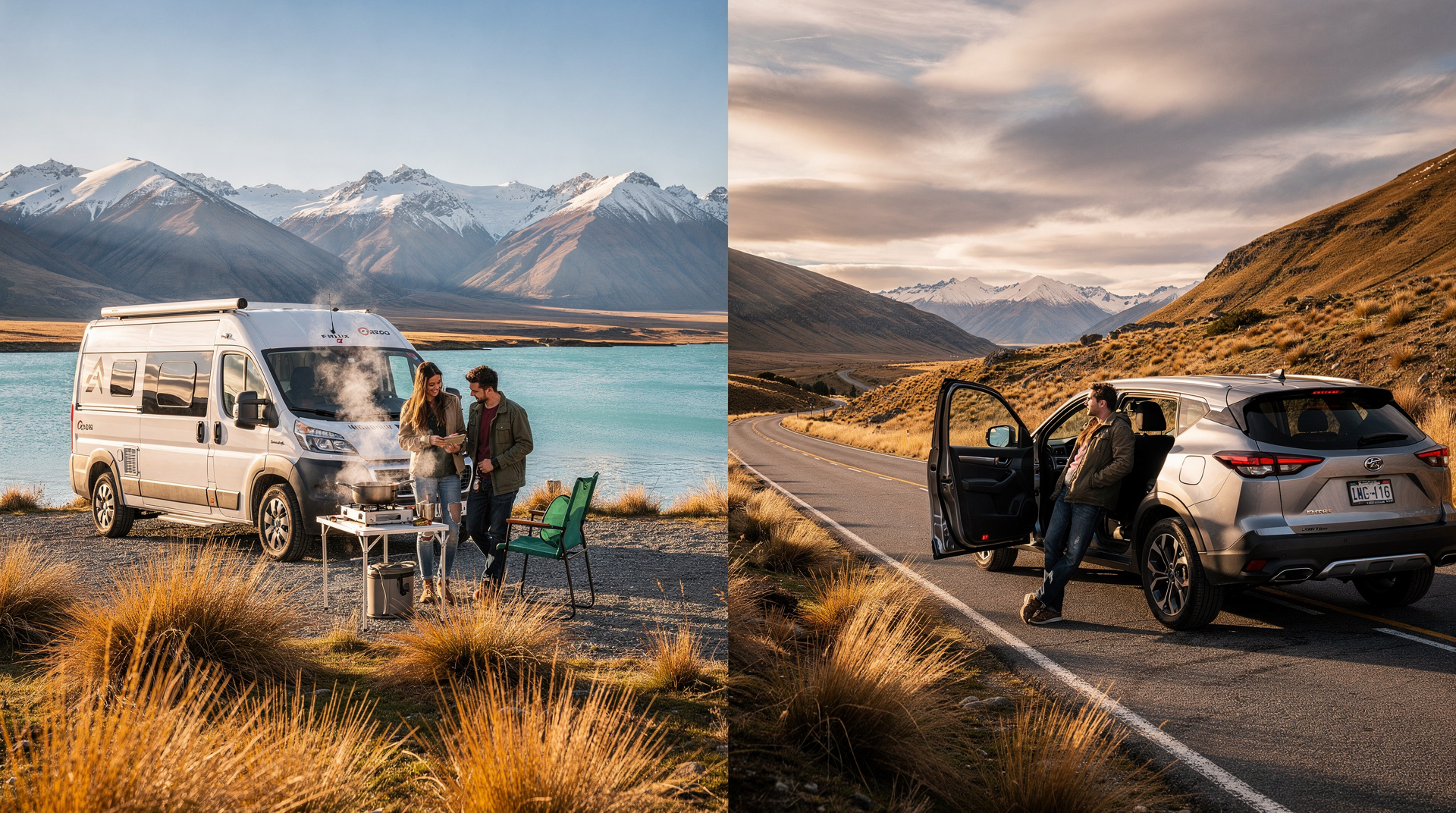
Campervan vs car rental in New Zealand
Honest campervan vs car rental comparison for NZ: real costs, freedom camping rules, who should choose each, and what the brochures don't tell you.
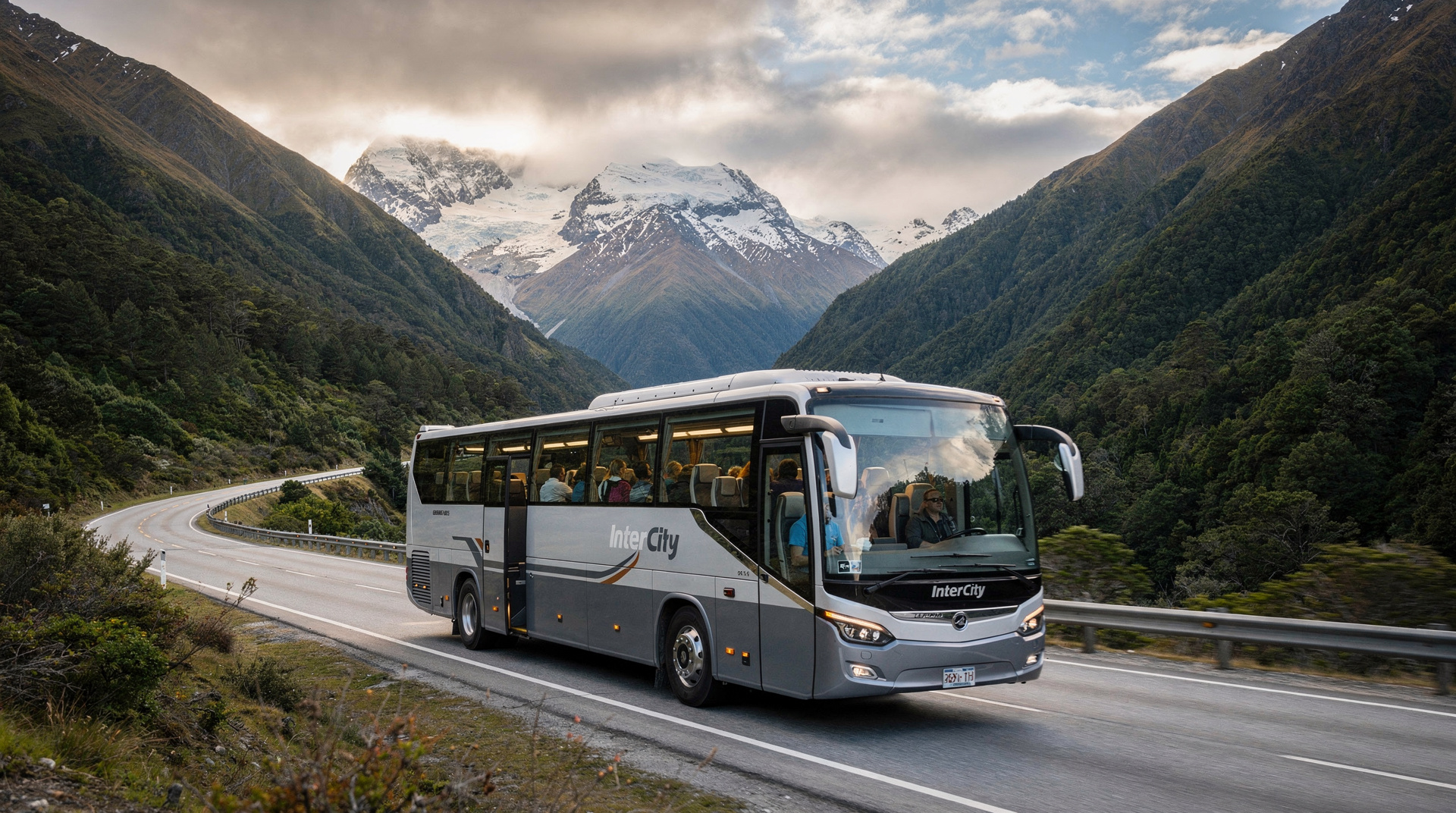
InterCity bus guide
Complete InterCity bus guide for NZ: main routes, FlexiPass vs point-to-point, actual journey times, and when the bus is smarter than renting a car.

Working Holiday Visa New Zealand
Complete guide to the NZ Working Holiday Visa: age limits by nationality, costs, how to apply, what work you can do, and realistic expectations.

New Zealand backpacker itinerary — 28 days on a budget
28-day NZ backpacker trip for WHV travellers: Stray Bus, hostels, freedom camping, and the classic NZ experience. Budget under NZD 120/day with real costs.
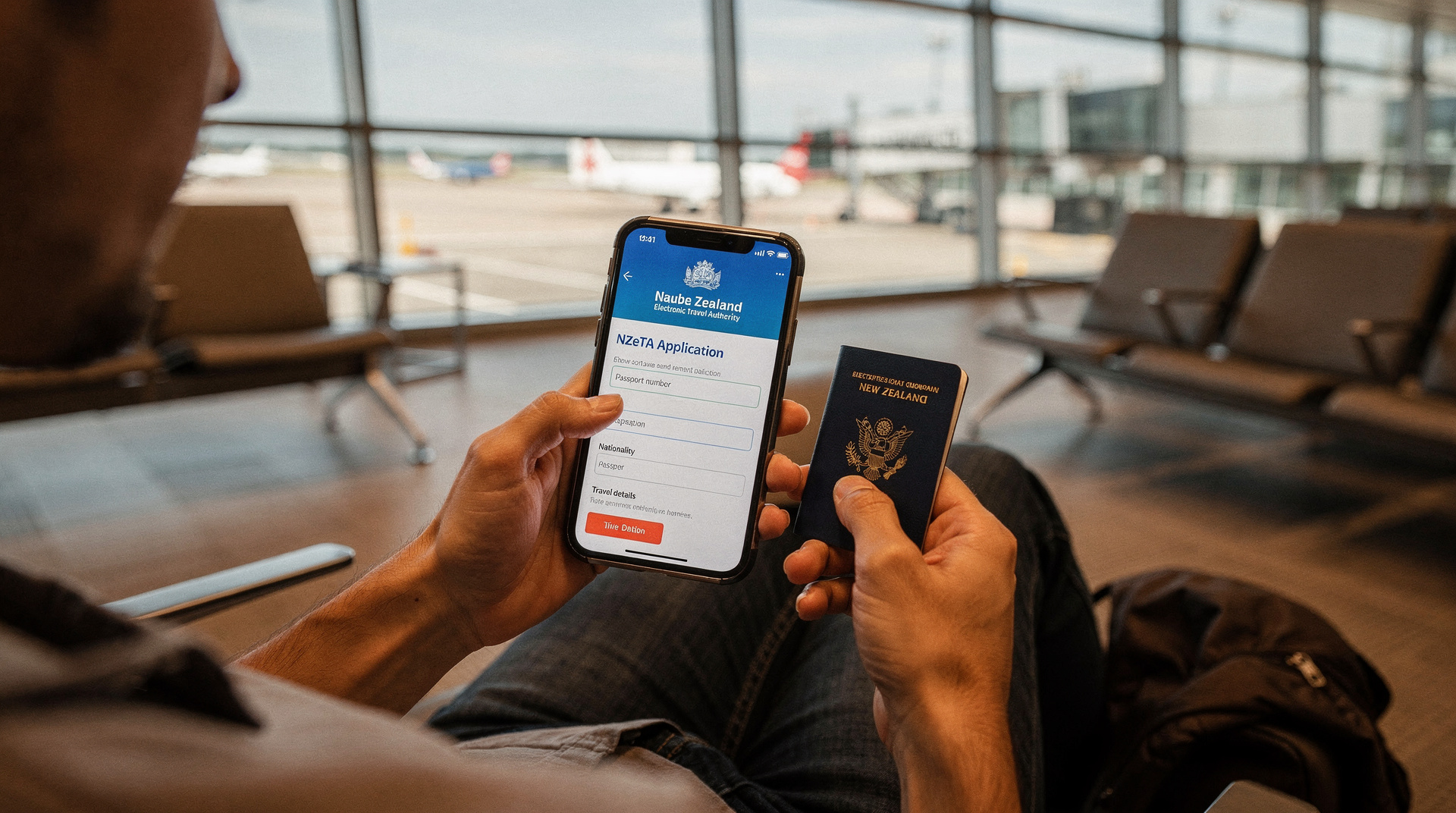
NZeTA visa guide (by nationality)
Complete NZeTA guide: who needs it, costs (NZD 23 + IVL 100), validity, and a per-nationality table for FR, DE, IT, ES, PT, US, CA, UK.
Last reviewed: