Is Queenstown overcrowded? A real answer
The honest answer
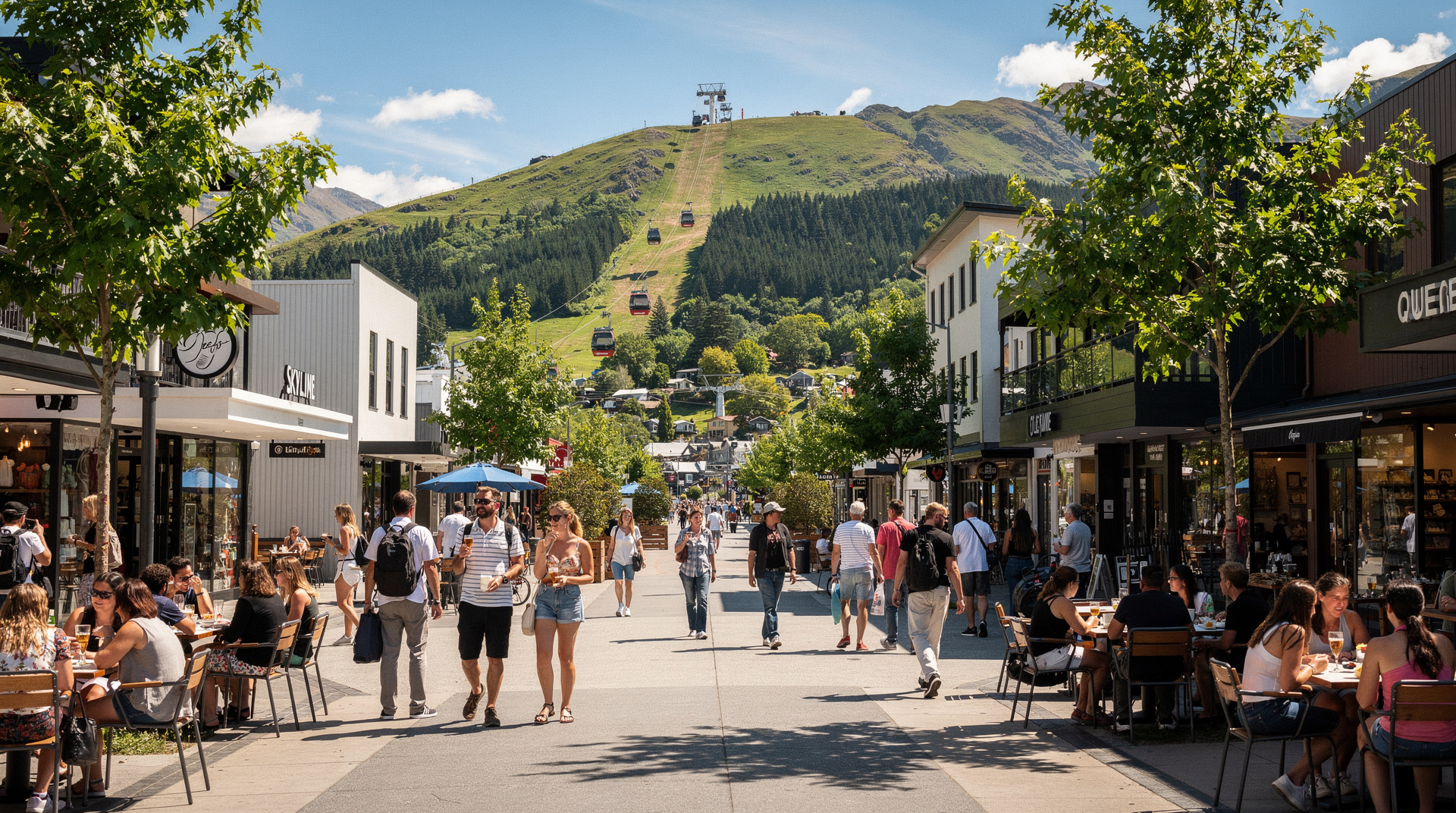
Yes and no. Queenstown in January is genuinely overcrowded. The lakefront, Shotover Street, the restaurants — they’re at capacity in ways that reduce the experience. The queues for popular activities are real. Hotel prices reach absurd levels. The town of 15,000 permanent residents is managing several hundred thousand visitors simultaneously and the seams show.
| Worst months | December–February (peak summer) |
| Better months | April–June, September–October |
| Quiet alternative | Glenorchy, 45 min north |
| Better base | Wanaka, ~1hr via Crown Range |
| Ski crowding | June–September (different crowd, skiers not hikers) |
Queenstown in April, or June, or September, is different. The same town, the same lakes and mountains, without the pressure. The question isn’t whether Queenstown gets overcrowded but whether you’re going at a time when it does.
This is probably not what you wanted to hear if you’re planning a December trip and can’t change the dates. So let me be more useful.
What the overcrowding actually looks like
The Queenstown problem is concentrated. The lakefront promenade, the Skyline gondola queue, the Remarkables and Coronet Peak access roads on opening weekend — these hit genuine capacity in peak season. The restaurants that appear on every listicle have multi-hour waits. The car parks are full.
What isn’t crowded: Glenorchy, 45 minutes north. The Routeburn Track access road beyond the carpark. The wine valley at Gibbston and Cromwell. Arrowtown on a weekday. The TSS Earnslaw cruise on Lake Wakatipu on a Tuesday morning.
The overcrowding is, in other words, spatially concentrated and time-concentrated. Most visitors do the same things at the same times. The alternatives are a short drive away and often significantly better for the space they give you.
Glenorchy: the obvious answer
I’ve written this before and I’ll write it again: Glenorchy is what Queenstown’s landscape is actually about. The Dart River valley, the Humboldt Mountains, the flat pastoral foreground against sharp peaks — this is the landscape that made New Zealand a destination for serious film productions and serious walkers.
Glenorchy has a small general store, a pub, a scattering of accommodation. It has no Shotover Street. The population is a few hundred. Drive the 45 minutes from Queenstown early in the morning and you’ll have the valley largely to yourself in any season.
The Routeburn Track starts at Glenorchy. The Dart River jet boat tours leave from here. A half-day tour to Glenorchy and Paradise from Queenstown is a completely different New Zealand experience from the bungy-and-gondola version — and more authentic to what the region actually is.
Wanaka: the correct alternative
If you have flexibility in your base, Wanaka beats Queenstown for most travellers. Closer to the Southern Alps, smaller, with better access to walking and cycling. The lake is larger and calmer. The town has the café culture and restaurant quality of Queenstown without the volume.
Wanaka is growing — it’s not undiscovered — but the visitor numbers are still significantly lower than Queenstown and the town has better managed its growth. The drive between the two (about an hour via the Crown Range, one of the best scenic drives in New Zealand) makes it easy to access Queenstown’s activity infrastructure from a Wanaka base if you want the adventure activities.
What you lose by avoiding Queenstown
Be honest about this: Queenstown has things Wanaka and Glenorchy don’t.
The bungy infrastructure is uniquely concentrated here. AJ Hackett’s three Queenstown sites — Kawarau Bridge (the original 1988 commercial bungy, 43m), the Ledge (Sky Jump in town), and the Nevis (134m, New Zealand’s highest) — are the canonical bungy experience. The Nevis bungy at NZD 275 / USD 198 / EUR 181 is a specific experience that doesn’t exist anywhere else in New Zealand.
The skydiving, the jet boats on the Shotover — these are at the top of their class globally. If adventure activities at this level are your primary reason for visiting New Zealand, Queenstown is the correct destination regardless of the crowds.
The seasonal reality in 2023
Post-COVID, Queenstown came back fast. International visitor numbers recovered rapidly through 2022 and into 2023. The summer of 2022-23 (December–February) was, by multiple reports, at or near pre-COVID peak volume. The complaints about overcrowding were widespread and largely accurate.
The 2023 shoulder seasons (March–May) are meaningfully better. The ski season (June–September) brings a different kind of crowding — Coronet Peak and the Remarkables bring skiers, not hikers — but the town manages it differently. Winter Queenstown has a distinct character from summer Queenstown and is, for many visitors, preferable.
My actual recommendation
Go, but don’t go in January. If you have no choice of timing, choose your activities carefully — the ones that take you away from the town centre, into the valleys, onto the lake at uncrowded times. Book the Glenorchy drive as a day trip. Eat at restaurants on side streets, at lunch rather than dinner. Walk up to the Tiki Trail rather than taking the gondola.
Queenstown is spectacular and it knows it. The landscape that made it what it is — Lake Wakatipu, the Remarkables, the Cecil Peak skyline — doesn’t care about the crowds on Shotover Street. Go there for the landscape and build your time accordingly.
How to actually dodge the crowds day to day
Timing beats avoidance. Even in peak January, the lakefront and gondola queue thin out by 8am and after 8pm — the middle of the day is when the town is genuinely at capacity. Booking the Nevis bungy or a jet boat run for a first-morning slot avoids both the queue and the midday heat. The Routeburn vs Milford comparison is worth reading if you’re weighing a Great Walk day trip against the more crowded Milford Sound coach tours — the Routeburn’s Queenstown-side access sees a fraction of the Milford traffic.
If your dates are fixed to peak summer, shift your base rather than your dates. A Wanaka or Glenorchy base with day trips into Queenstown for the specific activities you want gives you the infrastructure without the nightly crush. See the Queenstown vs Wanaka guide for how the two towns actually compare for a multi-night stay, and the Glenorchy day trip guide for logistics on the drive itself.
What locals do differently
Ask anyone who lives in Queenstown year-round and the pattern is consistent: they shop and eat before 9am or after 9pm in summer, they avoid Shotover Street entirely between December and February, and they treat the shoulder seasons as the real Queenstown. Locals overwhelmingly prefer May and September — cool, clear, and functionally empty compared to January. If your travel dates are flexible at all, this is the single highest-leverage change you can make to the trip.
Related reading
Related guides
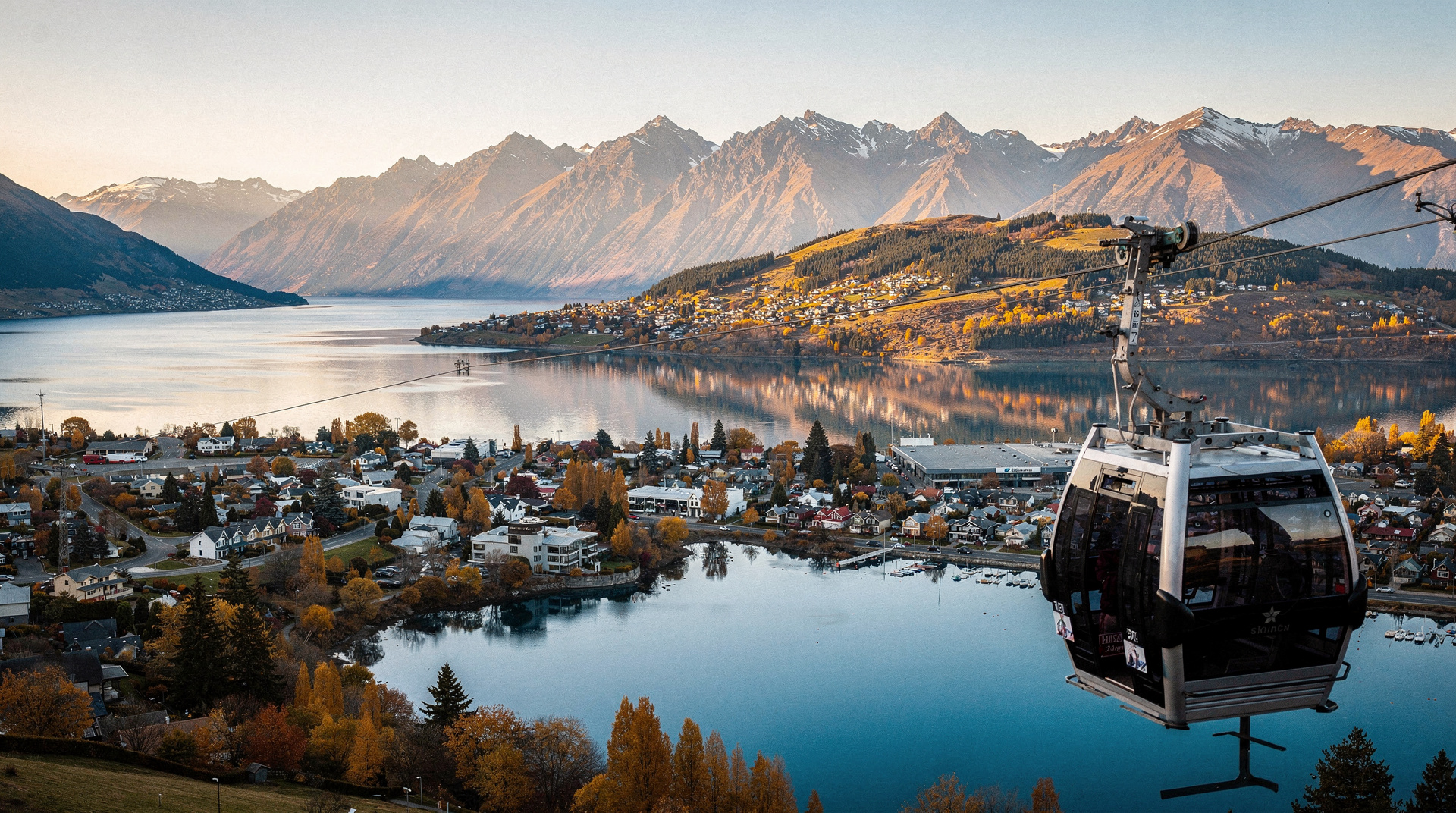
Queenstown
The honest Queenstown planner: bungy, jet boat, ski, scenic flights — real prices in NZD/USD/EUR, what to skip and what's worth your money.
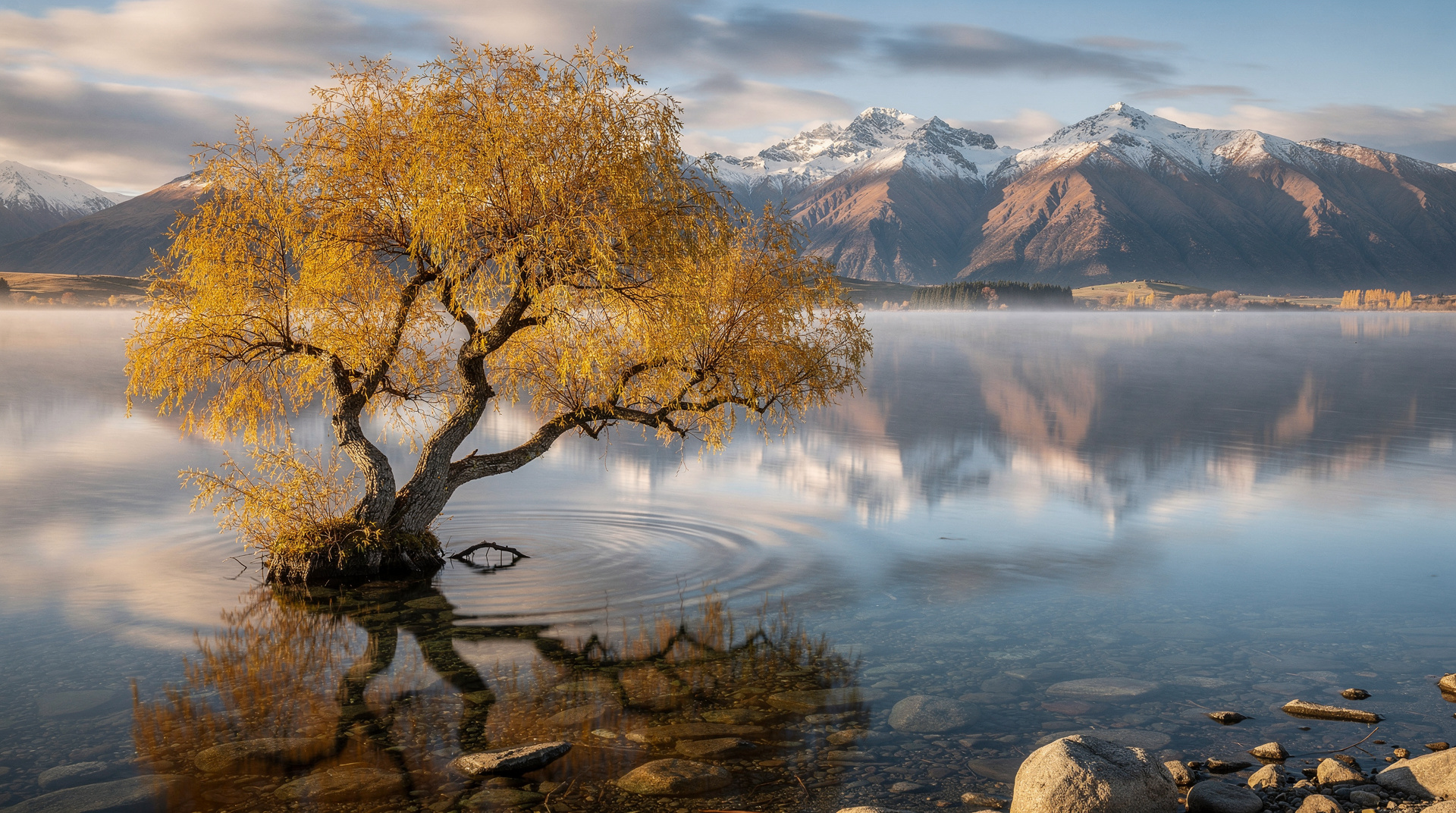
Wanaka
Honest Wanaka guide: Roy's Peak, Cardrona ski, lake kayaking — real NZD/USD/EUR costs and the honest Queenstown vs Wanaka verdict.
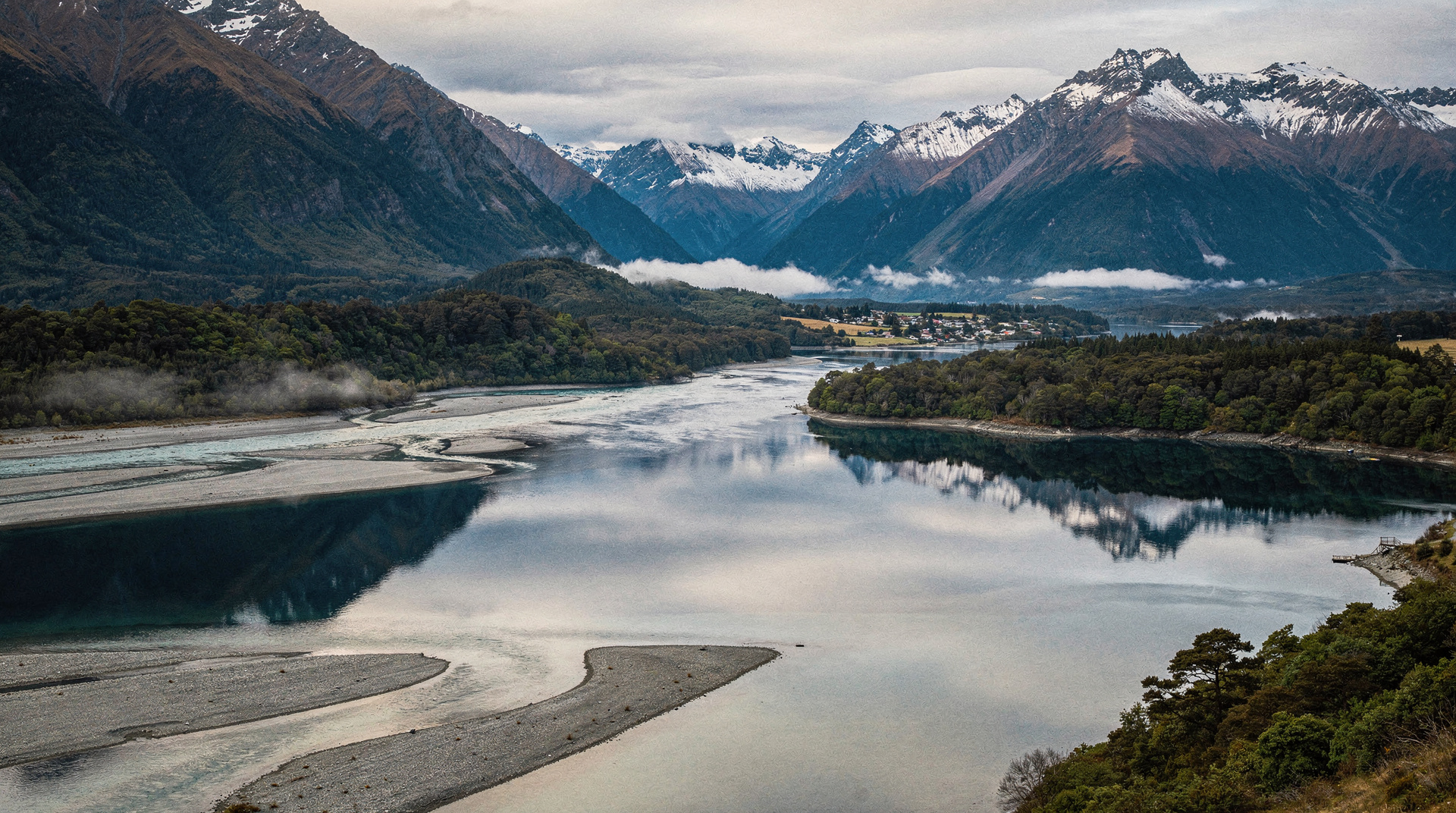
Glenorchy
Glenorchy: Isengard and Lothlórien filming country, Routeburn trailhead, Dart River jet boats, the quiet end of Lake Wakatipu. Real prices.
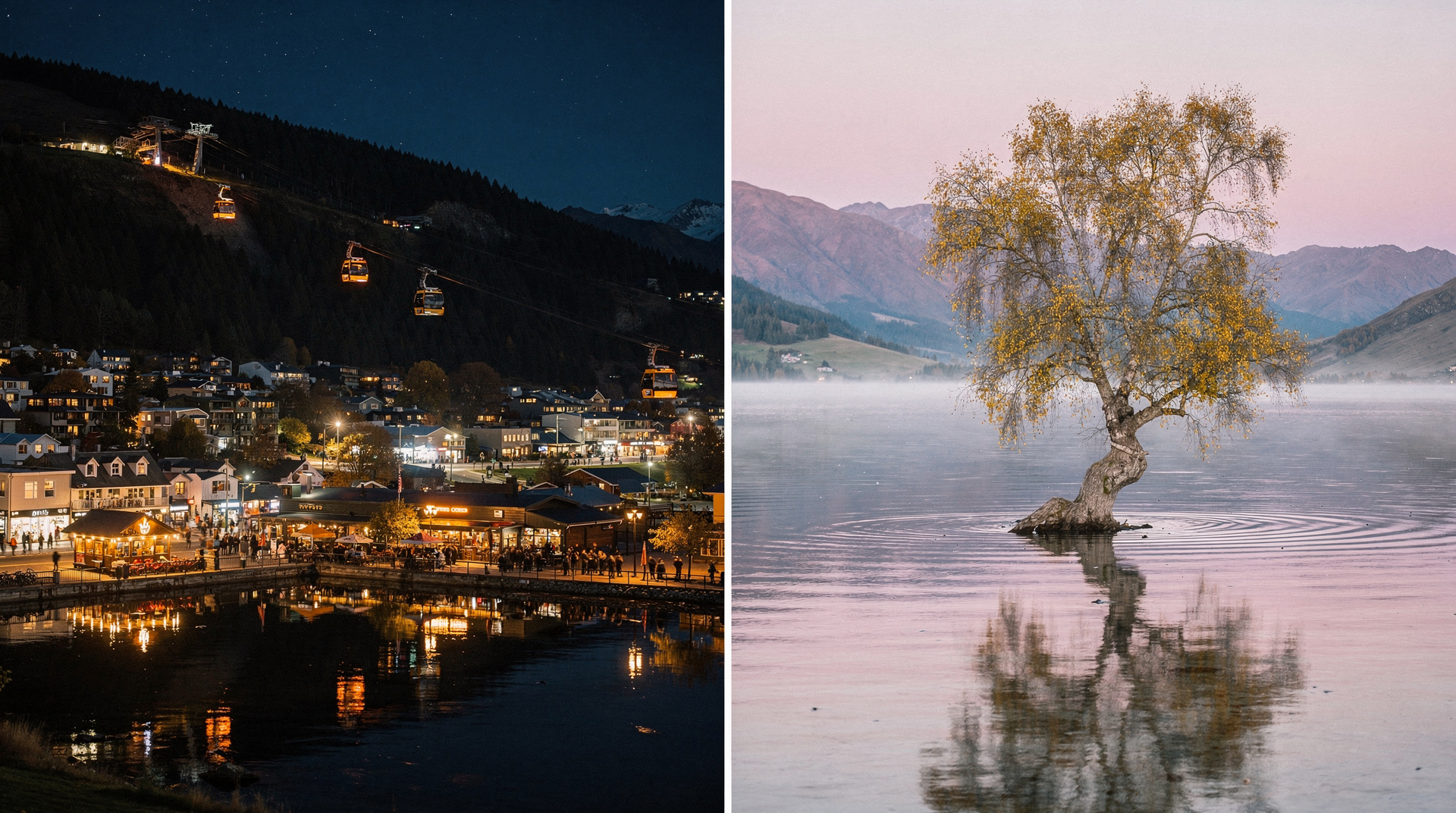
Queenstown vs Wanaka
The honest Queenstown vs Wanaka comparison: prices, crowds, ski, hikes, vibe — with a clear verdict for adventure, families, couples and budget travelers.
Published: