Summer 2025-26 in New Zealand — what the season revealed
| When | December–February, New Zealand’s high season |
| Pressure points | Queenstown accommodation, Tongariro Crossing, Milford Sound bookings |
| What held up | West Coast, the Catlins, Wellington |
| Best fix | Shoulder season (March–April, October–November) for 20-30% of the crowds |
| Booking lead time | Great Walk huts: months ahead; Queenstown summer stays: 4-6 months |
Another record summer
The 2025-26 summer season — New Zealand’s high season running December through February — produced visitor numbers that approached and in some cases exceeded pre-COVID 2019 levels. International arrivals through Auckland Airport in January 2026 were the highest since 2018. The domestic market, which had sustained the industry through the border closures, remained robust alongside the returning international visitors.
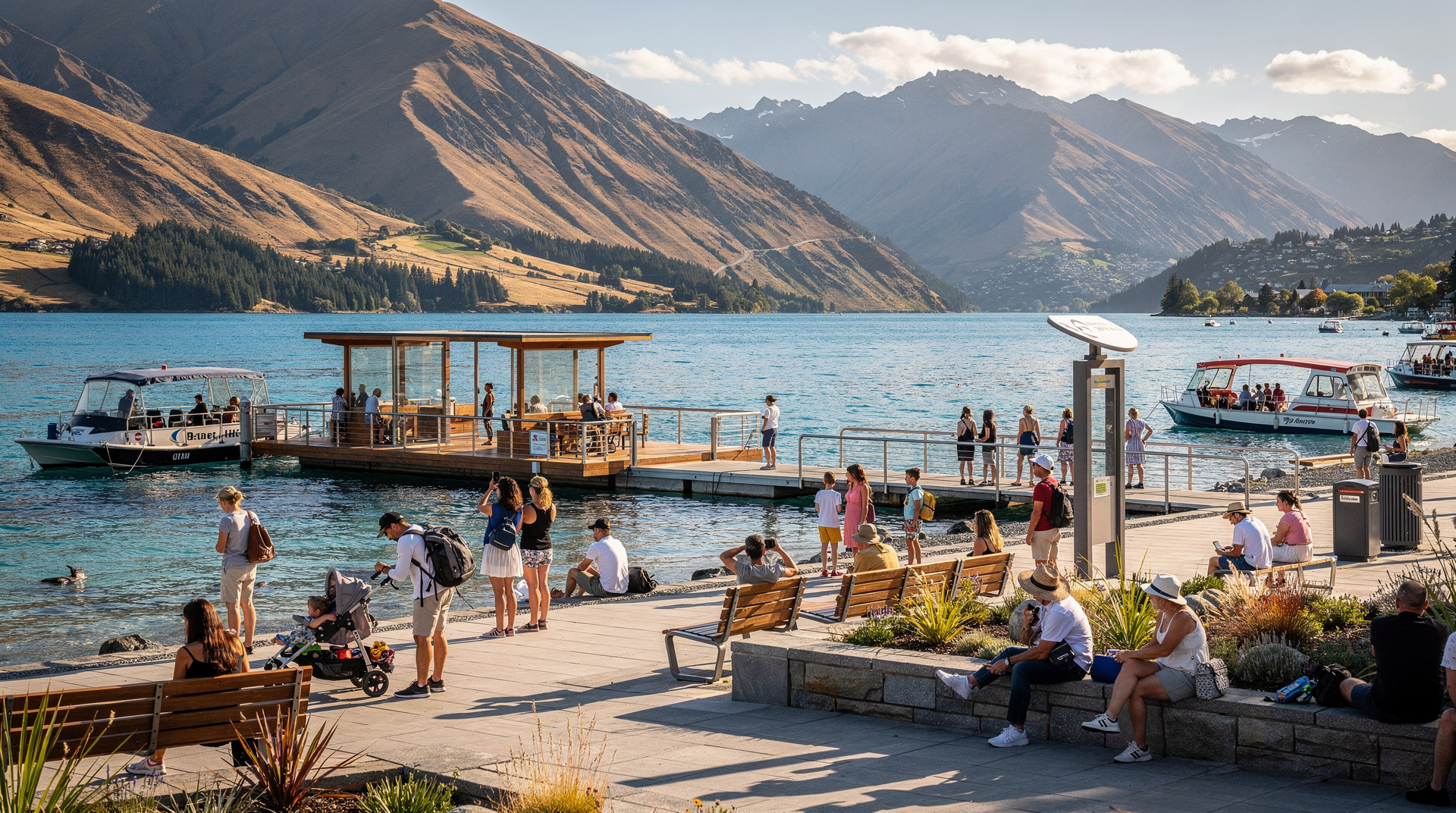
The result was a predictable recurrence of the pressures that characterised the peak pre-COVID years: accommodation prices elevated across the main tourist corridors, the Tongariro Alpine Crossing at capacity on clear-weather days, Milford Sound boat bookings sold out weeks ahead, and Queenstown’s lakefront with the specific quality it acquires in mid-January when there are simply a lot of people there.
None of this is disqualifying. It’s worth recounting because the experience of New Zealand in peak summer is genuinely different from shoulder season, and the difference matters for trip planning.
What held up
The landscape doesn’t care about visitor numbers. The Milford Sound in late December morning light — cloud fragments in the valley, Mitre Peak reflected in still water before the first cruise boats disturb it — is what it always is. The Tongariro Alpine Crossing in good February weather is the same geological spectacle. Lake Tekapo’s colour on a calm morning remains implausible.
What the high season does is change the frame around these experiences. The 6am start at the Tongariro trailhead (now more necessary than ever to get ahead of the main wave of walkers), the pre-booking of everything, the acceptance that popular restaurants will have queues — these are management questions rather than dealbreakers.
Several areas held up better than expected:
The West Coast had a very good summer. Visitor numbers were high but the West Coast has the geographic capacity to absorb them — it’s a long, narrow corridor with the infrastructure distributed along it, and the Franz Josef and Fox Glacier helicopter operations handled demand well. Weather was more cooperative than average for the glacier flight windows.
The Catlins remained genuinely uncrowded. The summer season brings slightly more visitors to this southern coast but the volume is still modest by any comparison. The wildlife — sea lions, yellow-eyed penguins, Hector’s dolphins — was reliably present. The freedom camping at Curio Bay had some pressure on the best spots but was manageable.
Wellington was excellent. The capital consistently underperforms its reputation in tourist attention relative to what it offers. The restaurant scene, Te Papa, the Zealandia ecosanctuary, the craft beer circuit — Wellington in summer is a genuinely good urban experience.
What was under pressure
Queenstown accommodation in January: the average nightly rate for a mid-range double room in Queenstown during the second and third week of January 2026 hit NZD 420-500 / USD 252-300 / EUR 231-275. The value proposition at those prices requires some thought.
The Tongariro Alpine Crossing: popular weather windows in late December and January had hundreds of walkers completing the route. The experience is still worth doing, but the solo-in-the-wilderness feeling is not what you’re getting on a clear-weather Saturday in January.
Abel Tasman National Park: the combination of sea kayaking, boat tours, and walkers on the Coast Track means the park in peak season has a carnival quality that doesn’t suit everyone. The early morning kayak departure from Marahau was still superb; the same trip at 11am had more company.
Great Barrier Island (Aotea): a ferry from Auckland, mostly visited by Aucklanders. The island had its highest sustained visitor numbers of the post-COVID period through January. Those who know it cherish the relative wildness; the 2025-26 summer slightly compressed that quality.
What the season changed
A few developments that matter for future planning:
The Interislander service: the new ferry (the replacement vessel) was fully operational through its first summer season. The Wellington-Picton crossing has the same fundamental character — three hours through Cook Strait and the Sounds — but the new vessel’s capacity and comfort are improved from the previous period.
Milford Sound access road: the road from Te Anau to Milford Sound continues to be subject to rockfall and closure events, particularly after heavy rain. Summer 2025-26 had two significant closures that affected visitor access. The contingency options (helicopter access from Queenstown or Te Anau, the one-way flight options) are genuine alternatives but require pre-booking. If Milford Sound is the fixed-point of your trip, build flexibility around access.
Great Walks booking pace: DOC’s booking system for Great Walks continues to see January huts on the Milford Track selling out within hours of the June opening. The Routeburn and Kepler had slightly more availability but still required early booking. If Great Walk huts are in your plans, the June booking opening date is a firm calendar event.
Planning notes for the next summer
The lesson from 2025-26 is the same lesson from every high season: the experience of New Zealand in peak summer is genuine, rewarding, and crowded. The country has not solved its capacity problem and is unlikely to do so — the landscape that draws visitors is finite and some of the key experiences (the Milford Sound, the Tongariro Crossing, the Hobbiton tour) have fixed daily capacity.
Plan around the crowds rather than hoping to avoid them:
- Start hiking days at 6am rather than 8am.
- Book everything (accommodation, activities, Great Walk huts, ferry crossings) months ahead.
- Consider shoulder season (March–April or October–November) for the same landscapes with 20-30 percent of the pressure.
- Accept that Queenstown in January is what it is and build a trip that doesn’t depend on Queenstown being quiet.
The Milford Sound overnight cruise continues to be one of the best ways to experience the Sound in summer — staying overnight means you have the fiord in morning light, before the day-trip boats arrive, which is the best time of day. It books out quickly; add it to the early booking list.
How the season compares
| Season | Crowds | Prices | Best for |
|---|---|---|---|
| Peak summer (Dec–Feb) | Highest | Highest, especially Queenstown | Guaranteed warm weather, long daylight for hiking |
| Shoulder (Mar–Apr, Oct–Nov) | 20-30% of peak | Meaningfully lower | Same landscapes, far more availability |
| Winter (Jun–Sep) | Low outside ski areas | Low except ski towns | Ski season, quiet Great Walks alternatives |
Where the pressure eases fastest
If you’re weighing a peak-summer trip against shifting dates, the regions that held up well in 2025-26 are worth building around rather than fighting the crowds elsewhere. Wellington barely felt the pressure that hit Queenstown — the Wellington craft beer scene and Te Papa are just as good in January as in April.
The West Coast has the geographic capacity to absorb visitor numbers along its length, and the glacier operations there kept running well even in peak weeks — see the West Coast glaciers update for what that access actually looks like now. Abel Tasman National Park gets crowded by 11am but an early kayak departure from Marahau still delivers the quiet version of the park.
For Queenstown specifically, the fuller picture — including whether “overcrowded” is a fair label — is in the honest Queenstown crowding assessment. And if the Milford Sound versus the Routeburn Track question is on your list, the Routeburn vs Milford comparison covers booking pressure for both in more detail.
FAQ
Is New Zealand still worth visiting in peak summer despite the crowds? Yes — the landscape and wildlife experiences are unaffected by visitor numbers, and the crowding is mostly a logistics and booking-lead-time issue rather than something that ruins the trip.
Which regions are the least crowded in a New Zealand summer? The Catlins, the West Coast beyond the glacier towns, and Wellington consistently see far lighter pressure than Queenstown, Milford Sound, or the Tongariro Crossing during peak season.
Related reading
Related guides
Best time to visit New Zealand
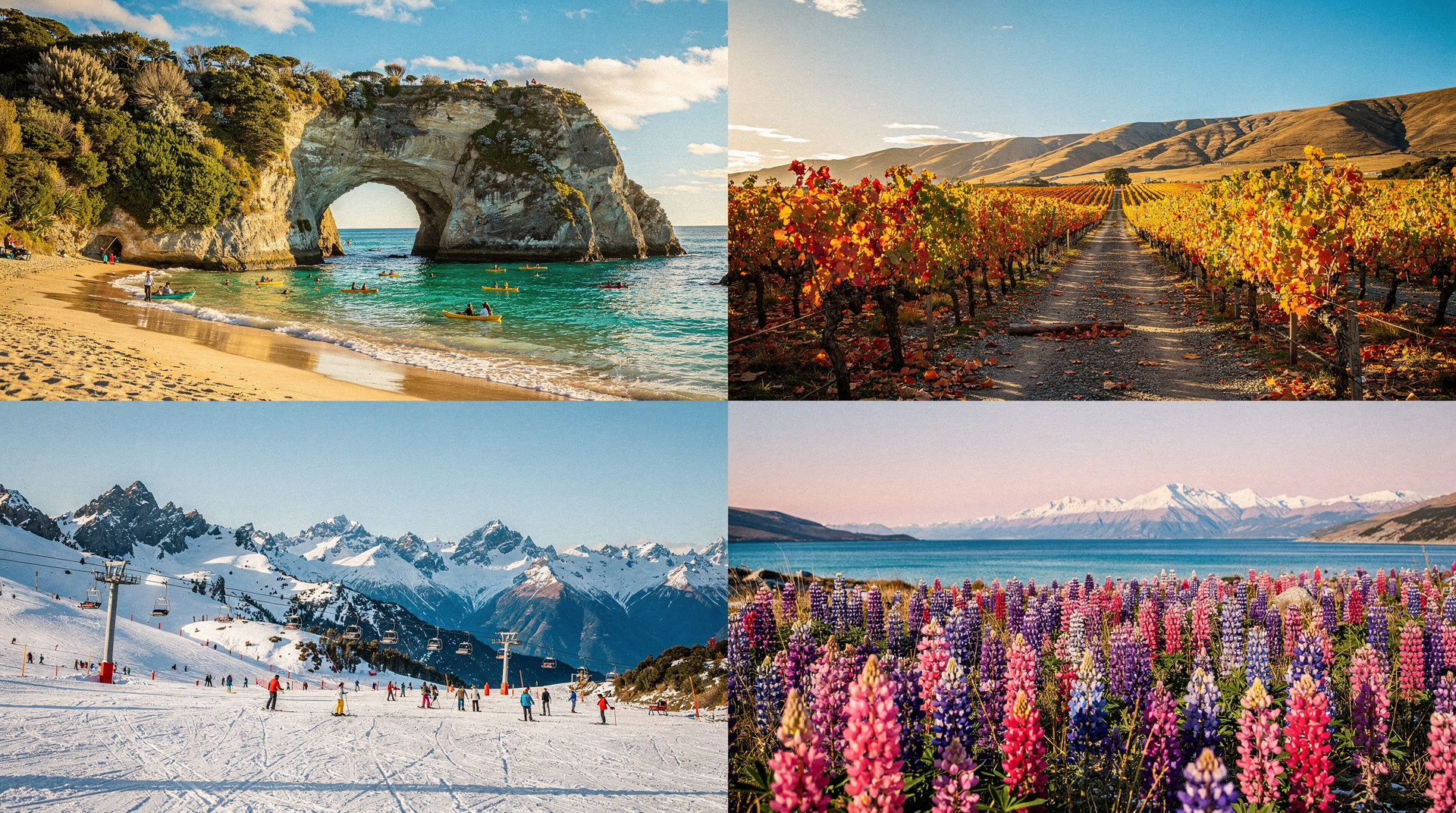
When to visit New Zealand: honest breakdown by season, region, and activity type. Summer is not always best. Spring and autumn often outperform the peak season.
Is Queenstown overcrowded? A real answer
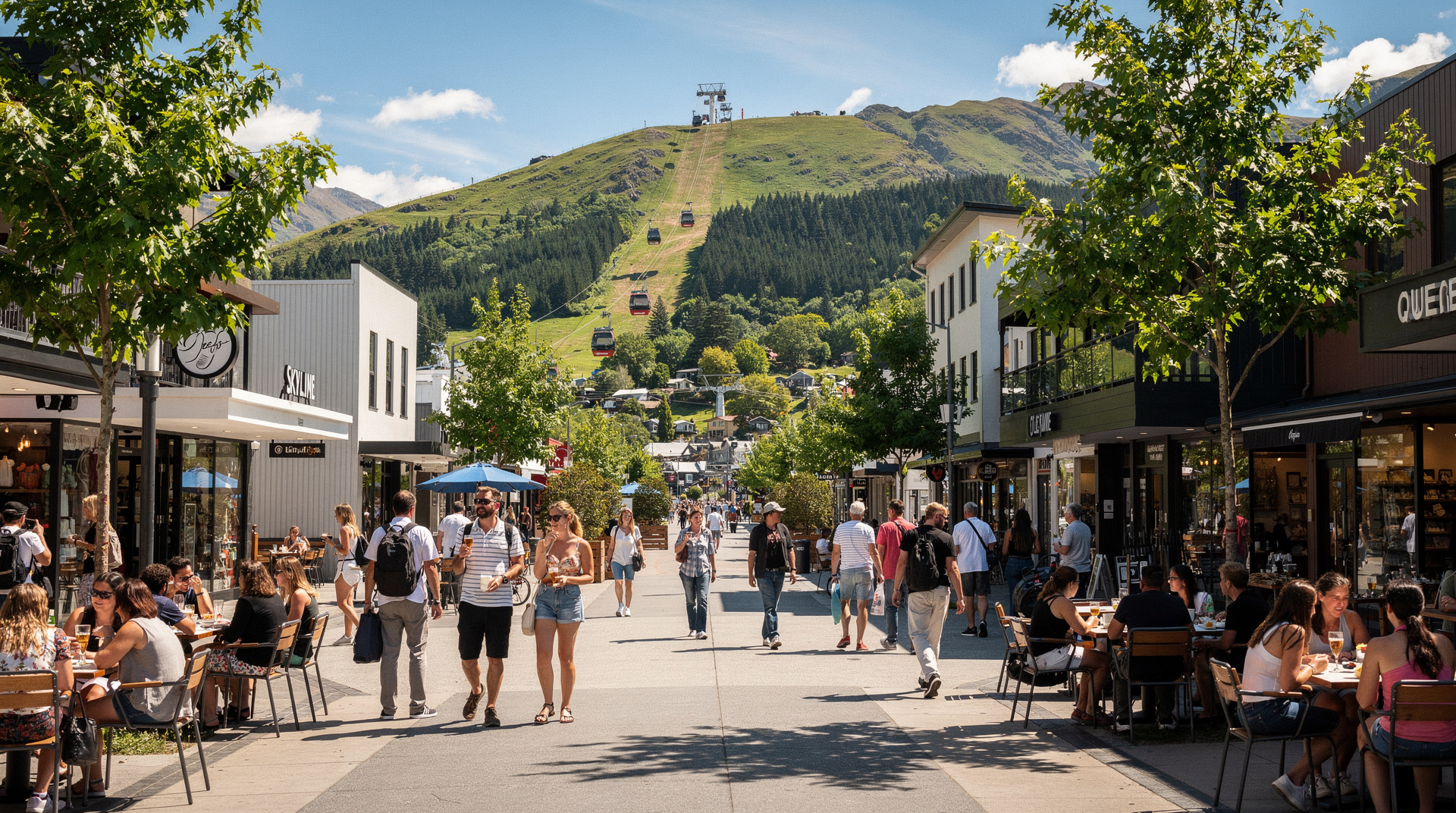
Queenstown gets accused of being over-touristed. Here's an honest answer: when it's genuinely crowded, when it's fine, and what to do instead.

New Zealand prices in 2025 — an inflation snapshot
What has New Zealand travel cost since 2019? A 2025 price snapshot: accommodation, food, activities, and transport in NZD, USD, and EUR.
How many days do you need in New Zealand
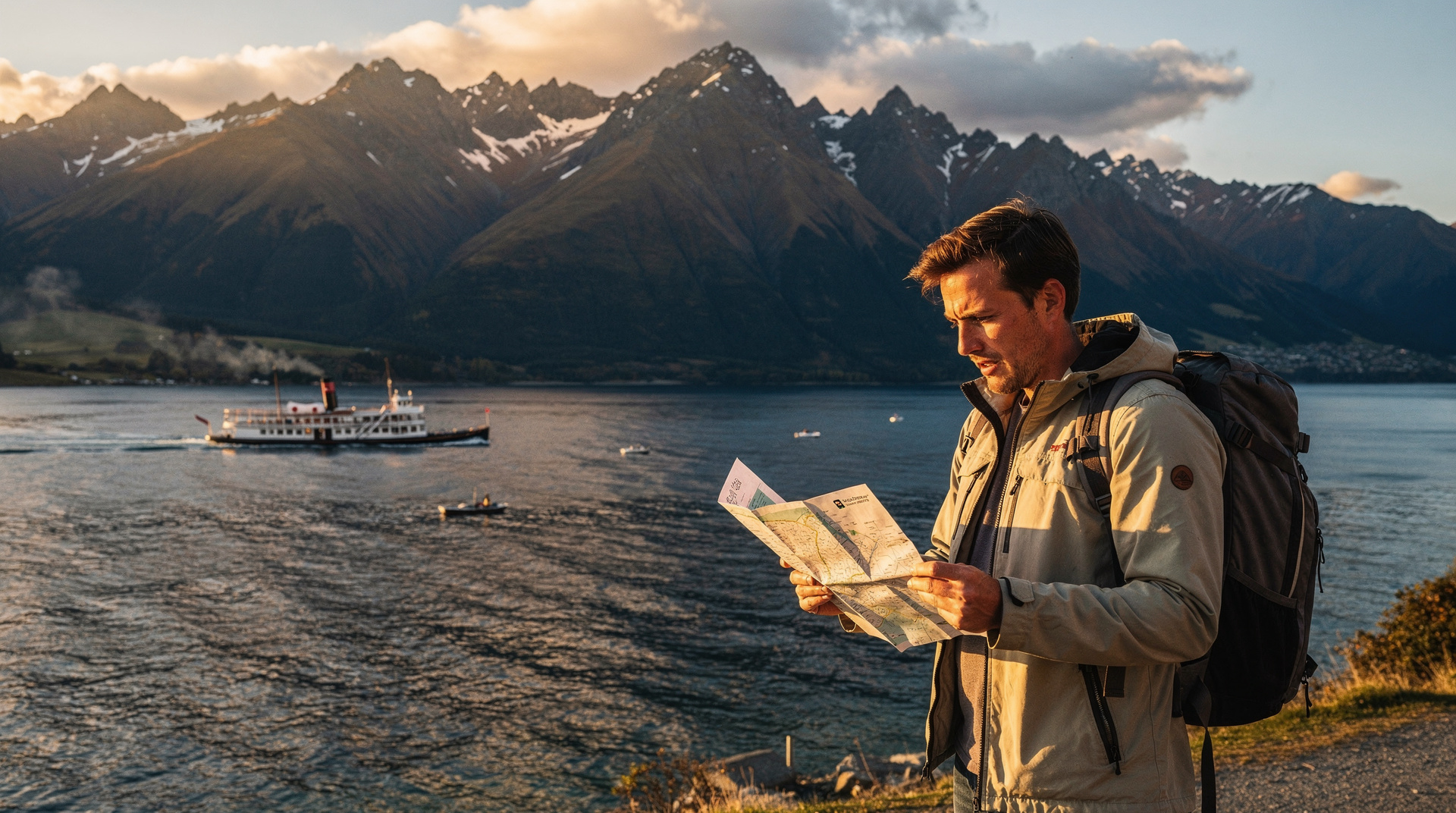
7 days, 14 days, or 3 weeks? Honest guide to how much time you need for New Zealand, island by island, with sample day-counts by priority and travel style.
Published: