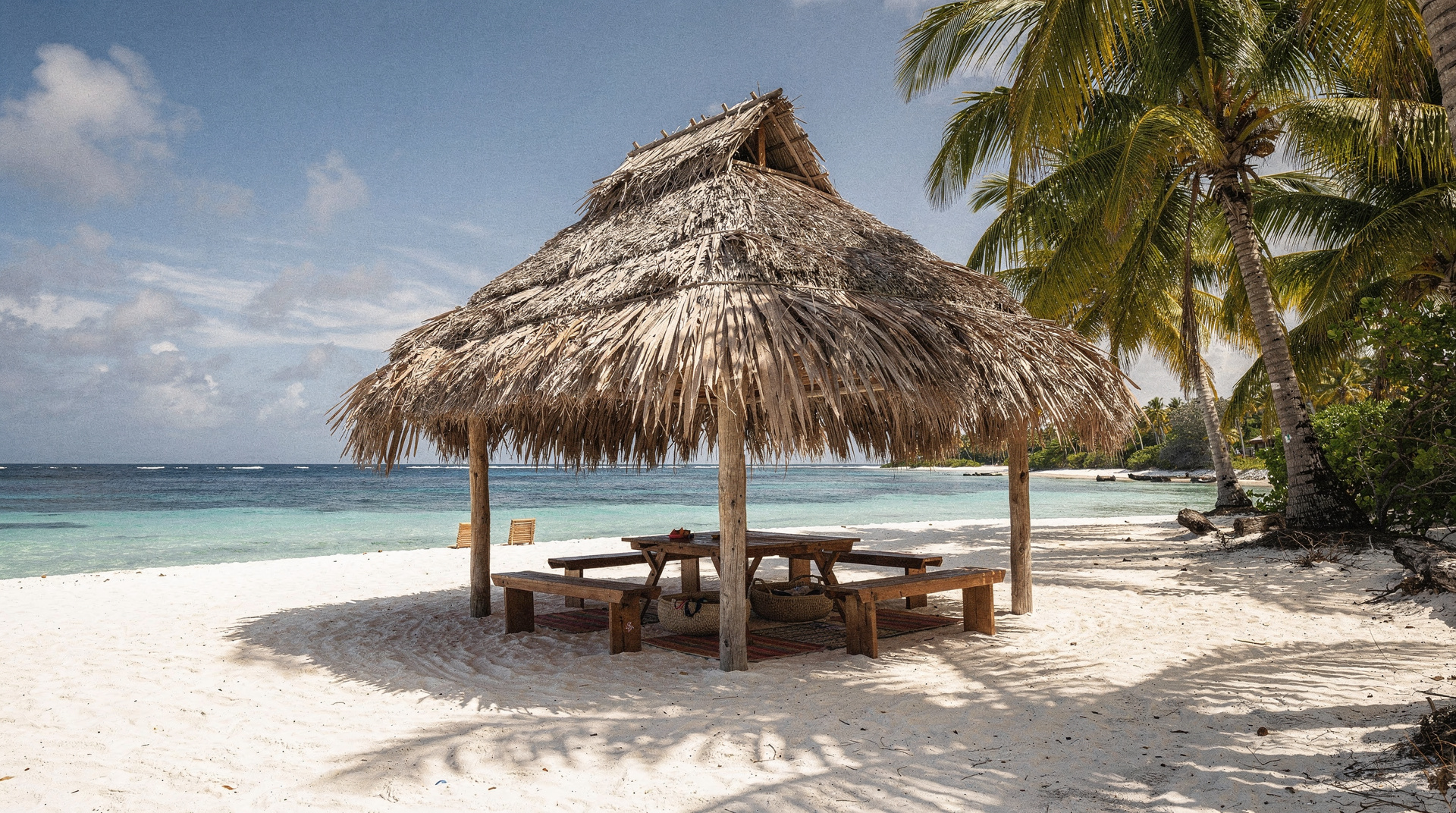
Tokelau
Honest guide to Tokelau: the world's most remote inhabited territory. Cargo ship from Samoa, permits, what to expect on Atafu, Nukunonu, and Fakaofo atolls.
Quick facts
- Population
- ~1,500 people across three atolls
- Access
- Cargo ship from Apia, Samoa — 4 days at sea, no airstrip
- Currency
- NZD — USD ~$0.60 / EUR ~€0.55
- Permit
- Required from the Tokelau Office in Apia, Samoa before departure
- Tourism
- No commercial tourism infrastructure — a few hundred outside visitors per year
- Highest point
- Less than 5 metres above sea level — one of the most climate-vulnerable territories on earth
Tokelau in one minute
Tokelau is three coral atolls — Atafu, Nukunonu, and Fakaofo — rising less than 5 metres above the Pacific Ocean, with a combined land area of approximately 12 square kilometres and a total population of roughly 1,500 people. It is the smallest territory in the Realm of New Zealand, and among the smallest political territories on earth. There is no airstrip, no hotel, no ATM, and no commercial tourism industry. The only regular access is a cargo-and-passenger vessel from Apia, Samoa — a journey of approximately 36–48 hours at sea, with departures roughly every 10 days.
| Where | Three coral atolls, Pacific Ocean, Realm of New Zealand |
| Getting there | 4-day cargo ship from Apia, Samoa — no airstrip |
| Time needed | Logistics-dependent — one vessel circuit minimum (10+ days) |
| Cost | Around NZD 200-400 one-way for the vessel, plus Apia flights |
| Best time | May-October (dry season, calmer seas) |
Tokelau receives perhaps a few hundred non-Tokelauan visitors per year. Most of these are aid workers, researchers, journalists, and people with family connections. A small number are travellers who specifically sought out one of the world’s most remote inhabited places. If you are reading this page, you are one of the latter. We will tell you what you actually need to know.
We cover Tokelau here for editorial completeness: almost no other multilingual travel site discusses Tokelau at all. We will not romanticise or over-sell it. It is a remarkable place with a close-knit community that has sustained itself against extraordinary odds. It is not a destination in any commercial sense. It is a community that, on occasion, allows visitors.
The three atolls
Atafu is the northernmost atoll, with a small lagoon and a population of approximately 500. It was historically the centre of Tokelauan cultural and political life. The village structure — traditional fale (open-sided houses), a central area for community gatherings, the sea on every side — is more intact here than anywhere else in Tokelau.
Nukunonu is the middle atoll and the largest by land area. The population is approximately 450. Nukunonu is predominantly Catholic (Atafu and Fakaofo are largely Protestant/Christian), which gives it a slightly different cultural texture. The lagoon is the largest in Tokelau and is used for fishing and canoe travel between the islets of the atoll.
Fakaofo is the southernmost atoll and has the most government administrative activity (the rotating capital, the Tokelau National Government, moves between atolls every year in a system called the Ulu o Tokelau). Population approximately 500. It has the most active community canoe culture.
The cargo vessel visits all three atolls on each voyage. Depending on conditions and the loading/unloading time at each atoll, you may be able to go ashore at all three or at one or two.
How to get there — honestly
Getting to Tokelau involves five distinct steps, each of which requires planning:
Step 1 — Travel to Samoa. Fly to Apia (Faleolo International Airport, APW), Samoa. Air New Zealand, Fiji Airways, and Virgin Australia all serve Apia from New Zealand and other Pacific hubs. Apia is the jump-off point; allow at least two days here before the cargo vessel departs.
Step 2 — Obtain a permit. A permit is required from the Office for the Council for the Ongoing Government of Tokelau in Apia (known as the Tokelau Office). Contact them before your trip — ideally weeks in advance. The permit process involves providing your reason for visiting, your length of stay, and your accommodation arrangements (which must be confirmed homestay with a Tokelau family). The Office will want to know that your visit is appropriate and that you have a genuine host. The permit is free.
Contact: Government of Tokelau, Apia, Samoa. Email contact details available through the Tokelau government website (tokelau.org.nz). Do not attempt to board the cargo vessel without a confirmed permit and confirmed hosting arrangements.
Step 3 — Book the cargo vessel (MV Mataliki or equivalent). The vessel is operated under contract to the Tokelau National Government. Scheduling information and booking must be done through the Tokelau Office in Apia. The voyage is approximately 36–48 hours one-way. Basic passenger accommodation is provided (bunk berths, shared facilities). There is no luxury option. Cost: approximately NZD 200–400 / USD 120–240 / EUR 110–220 one-way; check current pricing with the Tokelau Office as this varies.
Step 4 — The voyage. The Pacific on this route can be rough. The vessel is a working cargo ship, not a cruise ship. Bring sea-sickness medication, food you will want to eat if conditions are bad, and enough reading material for two days each way. Sunscreen. A sleeping bag or sheet. Water.
Step 5 — Arrival. There is no jetty at the atolls — the cargo is lightered (transferred to smaller boats) from the anchor position offshore. You will need to transfer to a small boat and may get wet. This is not a complaint; it is a practical note.
What visiting Tokelau is actually like
You will sleep in a family home. Tokelauan culture practices inati — the traditional system of communal distribution of resources, particularly food from fishing. As a guest in a family home, you participate in this community rather than consuming from it as a paying customer.
The accommodation will be basic: a mat on the floor or a simple bed, shared bathroom facilities (if bathroom facilities exist in the Western sense). The food will be what the family eats: fresh fish, coconut, breadfruit, taro. There is no restaurant.
Internet connectivity is limited and expensive. Tokelau was notable for having one of the world’s first complete solar power systems (which they built partly out of climate necessity, given the fuel supply chain), but data connectivity remains limited. The .tk domain name (Tokelau’s country code top-level domain) generated revenue for Tokelau for years by providing free domain registration — this is genuinely interesting context for any visitor interested in how small countries sustain themselves.
The pace of life is set by the community, not by you. Fishing is central. Church is central. Family is central. If you align yourself with this — waking when they wake, going fishing if invited, participating in whatever community activity is happening — you will have a genuinely extraordinary experience. If you are waiting for something to be organised for your entertainment, it will be a long wait.
You may have no choice about when you leave. The cargo vessel’s schedule is approximate. Weather, loading requirements, and the unpredictable realities of remote atoll logistics mean your stay may be shorter or longer than planned. This is not a hypothetical — it is reported regularly by the few journalists and travellers who have been here. Have total flexibility in your return travel from Apia, and do not book expensive onward tickets with tight connections.
Climate vulnerability
Tokelau’s highest point is less than 5 metres above sea level. In a world where sea levels are rising and storm surges intensifying, Tokelau faces an existential threat that is not abstract or long-term — it is happening within the lifetimes of people currently living there.
The Tokelauan government has been explicit about this in international forums. In 2011, Tokelau voted in a referendum to maintain its current relationship with New Zealand rather than pursue independence — in part because New Zealand citizenship (and the right to emigrate to NZ) provides a safety valve for the community if the atolls become uninhabitable.
Any visit to Tokelau should be undertaken with awareness of this context. The community you are visiting is not maintaining a tourist attraction; it is sustaining a way of life under genuine and increasing threat. The act of visiting, done respectfully, is a small act of witness to something that may not exist in its current form in fifty years.
What there is to do
Almost nothing in the commercial tourism sense. Entirely everything in the experiential sense.
Fishing — with families, on traditional canoes or motorised dinghies, catching the fish that sustain the community.
Community observation and participation — church services (which are sung beautifully), community meetings (in which all adults participate, including decisions about the visit of outsiders), family meals.
Swimming — the lagoon is clear and warm. Be careful of currents, particularly near tidal passages.
Walking — each inhabited islet is small enough to walk in an hour. The landscape is flat, palm-covered, surrounded by sea.
Conversation — most Tokelauans speak some English (particularly younger people and those who have lived in New Zealand), and some speak fluent English. Te reo Tokelau is the community language; learning a few words (mālō — thank you; tālofa — hello) is a gesture of respect that will be noticed.
There is nothing to buy except perhaps a small handmade item if you ask and if the family has something they are willing to sell. There is nowhere to go for a drink alone. There are no Wi-Fi cafes. There is no nightlife. Bring yourself, and your attention.
Skip / worth it / deeply considered
- Skip if: You need comfort, schedule reliability, entertainment options, or the ability to leave when you want. Tokelau offers none of these. This is not a criticism — it is a genuine description that should guide your decision.
- Skip if: You are visiting primarily for a photo or a social media story. The community is not a backdrop. If this is your motivation, find somewhere more appropriate.
- Worth it if: You have a genuine desire to understand how a small Pacific community sustains itself — culturally, economically, practically — under conditions that would have erased most places. The specifics of inati, the communal governance, the way a community of 500 makes collective decisions, are worth your sustained attention.
- Deeply considered: The experience of being in a place that genuinely has no commercial frame for your presence — where you are a guest in the most literal sense, dependent on the goodwill and hospitality of a family who owes you nothing — is rare and valuable in ways that are hard to articulate in advance. Some travellers find it uncomfortable. Some find it transformative. Most find it both.
Cultural notes
Tokelauan culture is Polynesian, closely related to Samoan and Tuvaluan traditions. The inati communal distribution system is the defining social institution: fish caught are distributed according to family size and community need, not market price or individual merit. This system has sustained the community for generations. Witnessing it in practice — which you will, if you are a guest in a family home — is a lesson in economic organisation that no classroom provides.
Tokelauans are among the most climate-active peoples on earth, by necessity. Their testimony in international climate forums carries moral weight that comes from being among the first communities directly threatened. If you discuss this with residents, listen more than you speak.
Religious observance is central to community life on all three atolls. Attend services if invited (dress appropriately — covered shoulders and knees). Do not photograph church services or community gatherings without explicit permission.
The distinction between the atolls’ dominant denominations matters practically as well as culturally: Nukunonu’s Catholic congregation and Atafu and Fakaofo’s Congregational Christian traditions each have their own rhythms of Sunday observance, community meetings, and expectations of visitors. If your homestay is arranged on a particular atoll, ask your hosts (or the Tokelau Office in advance) what is expected of guests during church time — in practice this usually means quiet, respectful presence rather than active participation unless invited.
There is no tipping economy. Your contribution as a visitor is the permit fee, the vessel cost, and the contribution you make to your host family — which may take the form of useful goods brought from Apia (a community bucket list of useful items is sometimes circulated by the Tokelau Office for incoming visitors, as practical needs are genuine here).
Governance and self-determination
Tokelau’s political status is unusual even among the Pacific’s small territories. It is governed by the General Fono, a national council made up of representatives from each atoll’s Taupulega (Council of Elders), and administered day-to-day through the office of the Council for the Ongoing Government of Tokelau (the body visitors deal with for permits). The role of Head of Government (Ulu o Tokelau) rotates annually between the leaders of the three atolls.
New Zealand has held Tokelau as a non-self-governing territory since 1925, but the relationship has evolved substantially toward self-determination. In 2006 and again in 2007, Tokelau held UN-observed referendums on becoming a self-governing state in free association with New Zealand — a status similar to the Cook Islands or Niue. Both referendums fell just short of the required two-thirds majority, with many Tokelauans citing concerns about the practical challenges of full self-governance for a population this small and this remote. The question of Tokelau’s constitutional future remains open, discussed periodically at the General Fono, and is a genuinely live topic if you find yourself in conversation with residents.
What to pack for Tokelau
Because there is nowhere to buy replacement gear once you’re on an atoll, packing correctly before leaving Apia matters more here than almost anywhere else covered on this site:
- Cash in small denominations (NZD) — there is no ATM anywhere in Tokelau, and card payments do not exist in any practical sense.
- A basic first-aid kit with any personal medication for the full trip duration plus a buffer, since the vessel schedule can add unplanned days.
- Reef-safe sunscreen, a hat, and sunglasses — there is no shade relief on the atolls and the equatorial sun is intense.
- A dry bag or waterproof phone pouch — you will get wet transferring from the ship to shore by small boat.
- Gifts or useful goods for your host family — the Tokelau Office in Apia can advise on genuinely useful items (tools, school supplies, specific foodstuffs) rather than tourist trinkets.
- A physical book, journal, or offline entertainment — connectivity is minimal to nonexistent, and the two-day voyage each way is a good stretch of genuinely unplugged time.
Connecting your trip
Tokelau connects logically to Samoa, which is the only gateway. Apia is a genuinely interesting stop in its own right — see it for two to four days before and after the cargo vessel voyage.
The broader context of the Realm of New Zealand — Cook Islands, Niue, Chatham Islands, Stewart Island / Rakiura — is the appropriate frame for understanding why Tokelau exists in relationship to New Zealand. These territories are not footnotes to New Zealand; they are an extension of a Pacific identity that New Zealand’s formal political relationship makes visible.
The contrast between the most accessible Realm territory (Rarotonga, with daily international flights and full resort infrastructure) and Tokelau (four-day cargo ship, no accommodation, no commercial tourism) is as vivid as any contrast in the Pacific. It is worth understanding both ends of that spectrum.
Frequently asked questions about Tokelau
Can I just turn up in Apia and get on the ship?
No. A permit is required. The ship is a working cargo vessel with limited passenger space, and priority is given to Tokelauans and their families, medical and government personnel, and those with confirmed permits and hosting arrangements. The Tokelau Office in Apia manages the process. Contact them well in advance.
Is there any accommodation in Tokelau?
There are no hotels, guesthouses, or any commercial accommodation. Visitors stay with Tokelauan families who have agreed to host them through the permit process. Your hosts are providing hospitality in the full traditional sense — you are a guest in their home.
How long can I stay?
Constrained by the cargo vessel schedule. A minimum practical visit is one or two stops (one or two atolls) during a single vessel circuit. A longer visit requires remaining until the following vessel circuit — approximately 10 days later — which means being hosted in the community for the full duration. Both arrangements are possible; which is appropriate depends on your purpose and your hosts’ willingness.
Is there internet access?
Very limited. Tokelau has satellite connectivity but it is expensive and bandwidth is limited and shared across the community. Do not plan to work remotely from Tokelau. Do not plan to stream anything. Plan to be genuinely offline, which is actually part of the experience.
Is it safe?
Yes, in the conventional sense. Crime is essentially non-existent. The physical safety considerations are: ocean conditions (currents in the tidal passes between islets can be strong), sea conditions during the cargo vessel voyage (the Pacific can be rough), and the remoteness itself (medical evacuation from Tokelau is logistically complex; do not go with serious pre-existing conditions without medical clearance and full evacuation insurance).
Why does Tokelau have its own internet domain (.tk)?
In 2000, Tokelau licensed the .tk top-level domain to a Dutch company, which offered free domain registration to individuals and organisations globally. At its peak, .tk was one of the most registered TLDs in the world, with tens of millions of registrations, generating modest but meaningful revenue for Tokelau’s government. This arrangement has evolved over time. It remains one of the most inventive ways a small Pacific territory has used a digital asset to generate revenue from global infrastructure.
Should I go?
Only you can answer that. The question is not whether Tokelau is worth visiting — it is whether you are the kind of traveller for whom this experience is meaningful. If your answer to most of the preceding practical notes was “fine, I can handle that,” and if your motivation is genuine respect and curiosity rather than novelty collection, then yes: Tokelau will give you something that very few other places on earth can.
If your answer to any of the practical notes was “that sounds too difficult or uncomfortable,” this is useful self-knowledge. Aitutaki, Niue, or any number of other Pacific destinations offer genuine remoteness and beauty without the logistical demands that Tokelau requires.
Could Tokelau become independent?
It’s an open question. Tokelau held UN-observed self-governance referendums in 2006 and 2007, both of which fell just short of the required two-thirds majority. The relationship with New Zealand continues to evolve, and the topic remains actively discussed at the General Fono. There is no fixed timeline for any change in status.
Top experiences: tokelau New Zealand
See all →Related guides
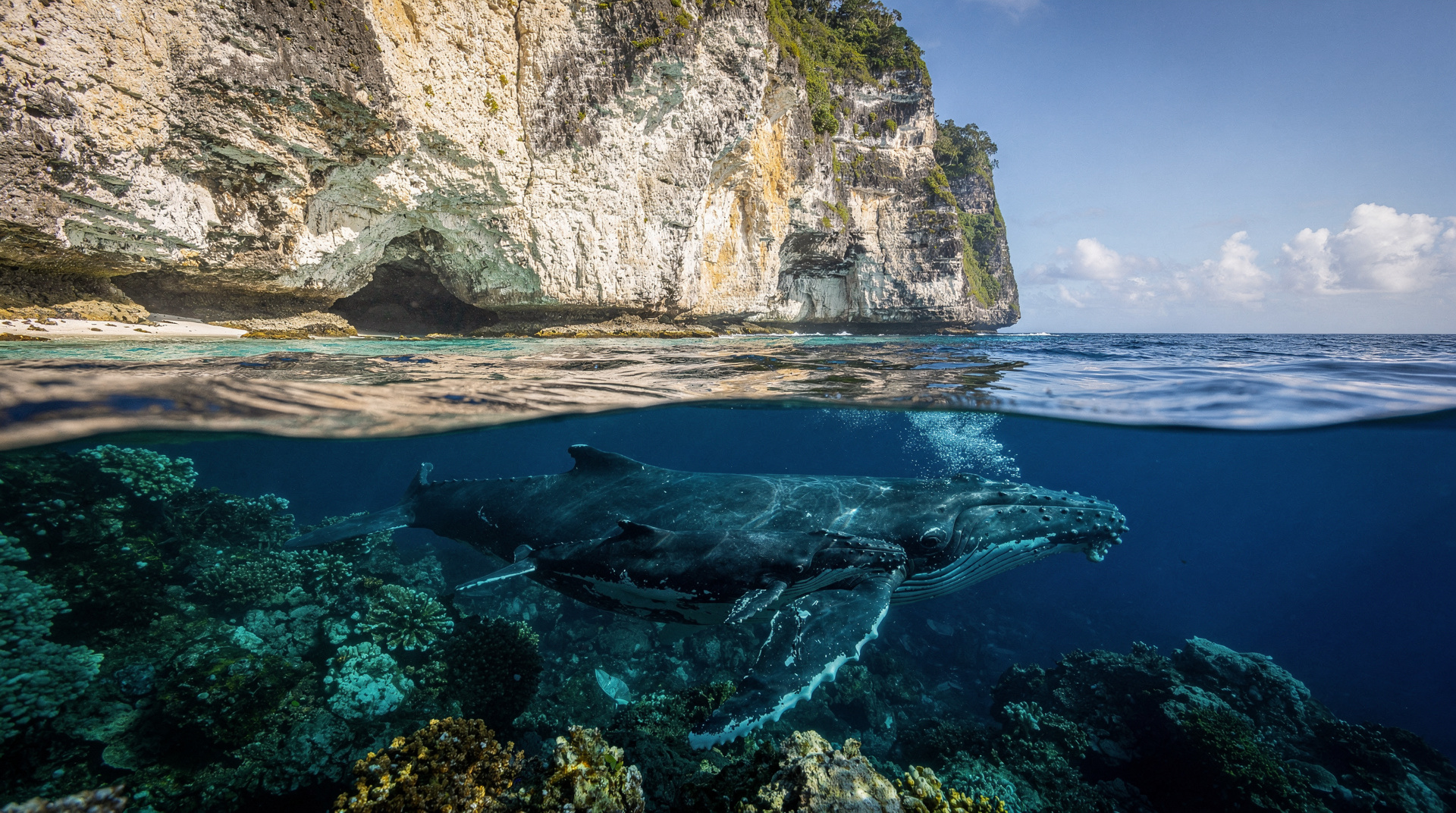
Niue
Honest guide to Niue: humpback whale swimming, Talava Arches, Matapa Chasm, sea snakes, direct booking only. Real costs NZD/USD/EUR for this remote Pacific gem.
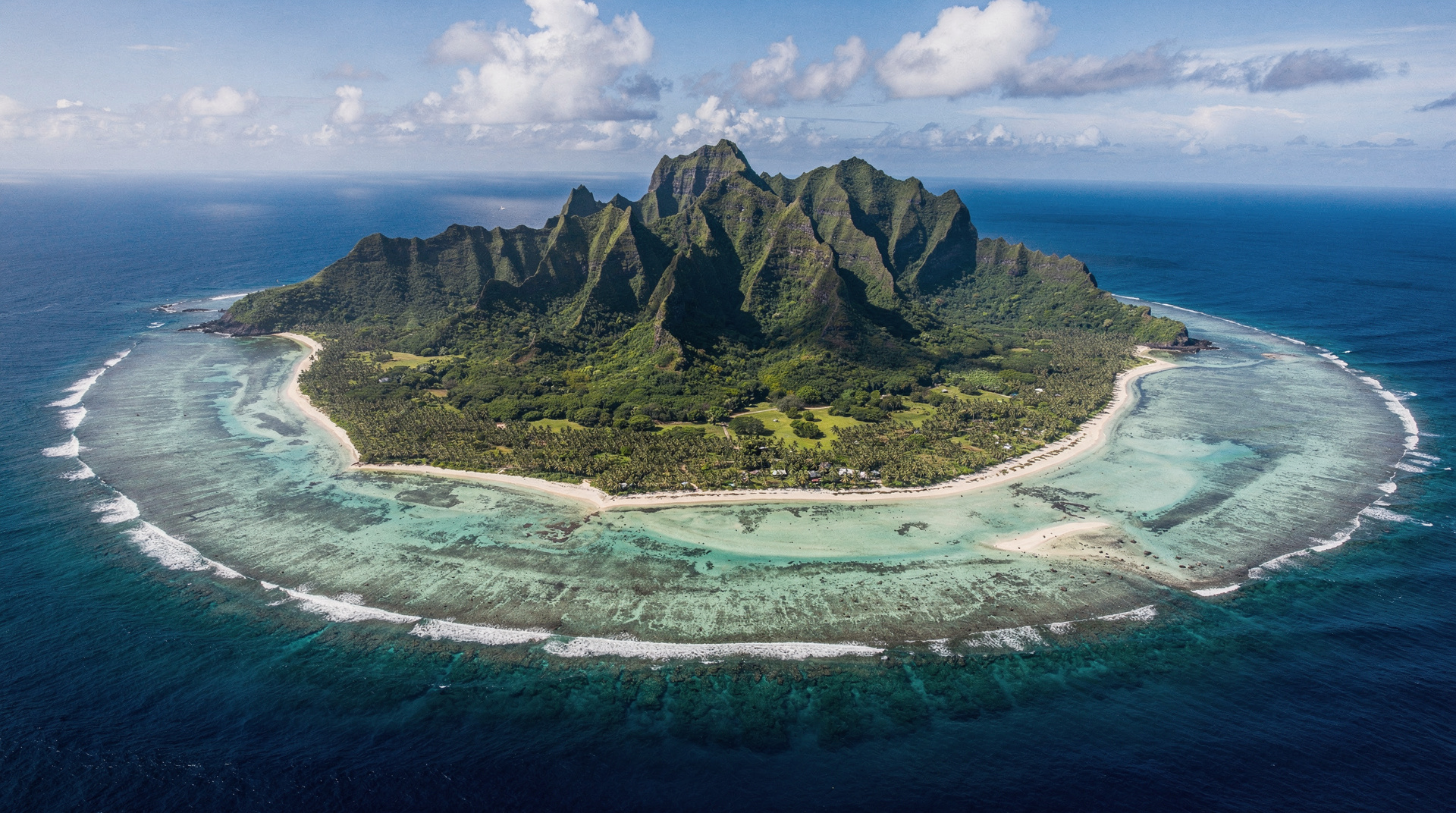
Cook Islands
Complete honest guide to the Cook Islands: 15 islands in the Pacific, NZD currency, flights from Auckland, real prices and what each island is actually like.
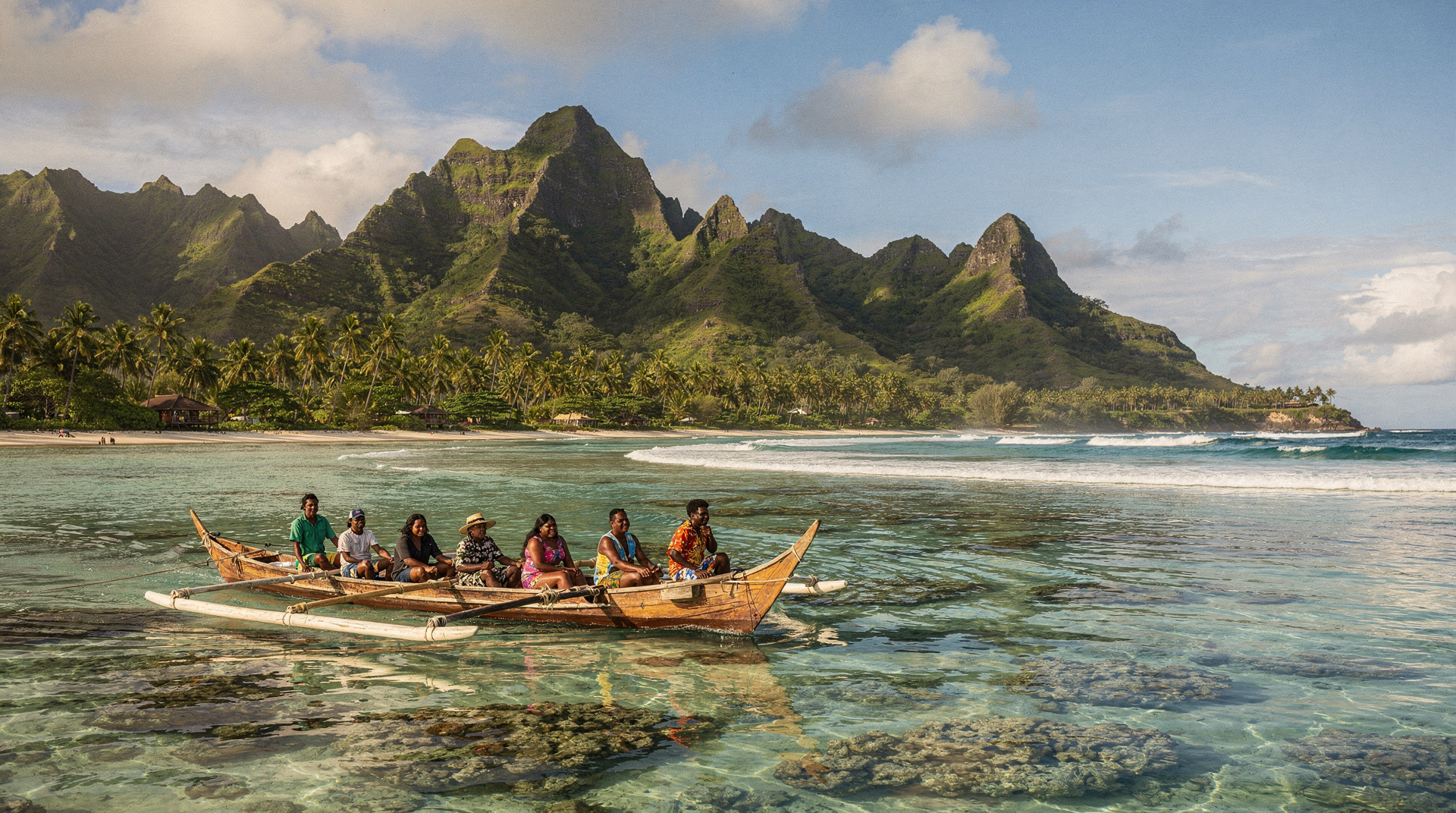
Rarotonga
Honest Rarotonga guide: Muri lagoon cruise, Cross Island Track, Te Vara Nui, best beaches, where to stay. Real prices NZD/USD/EUR.
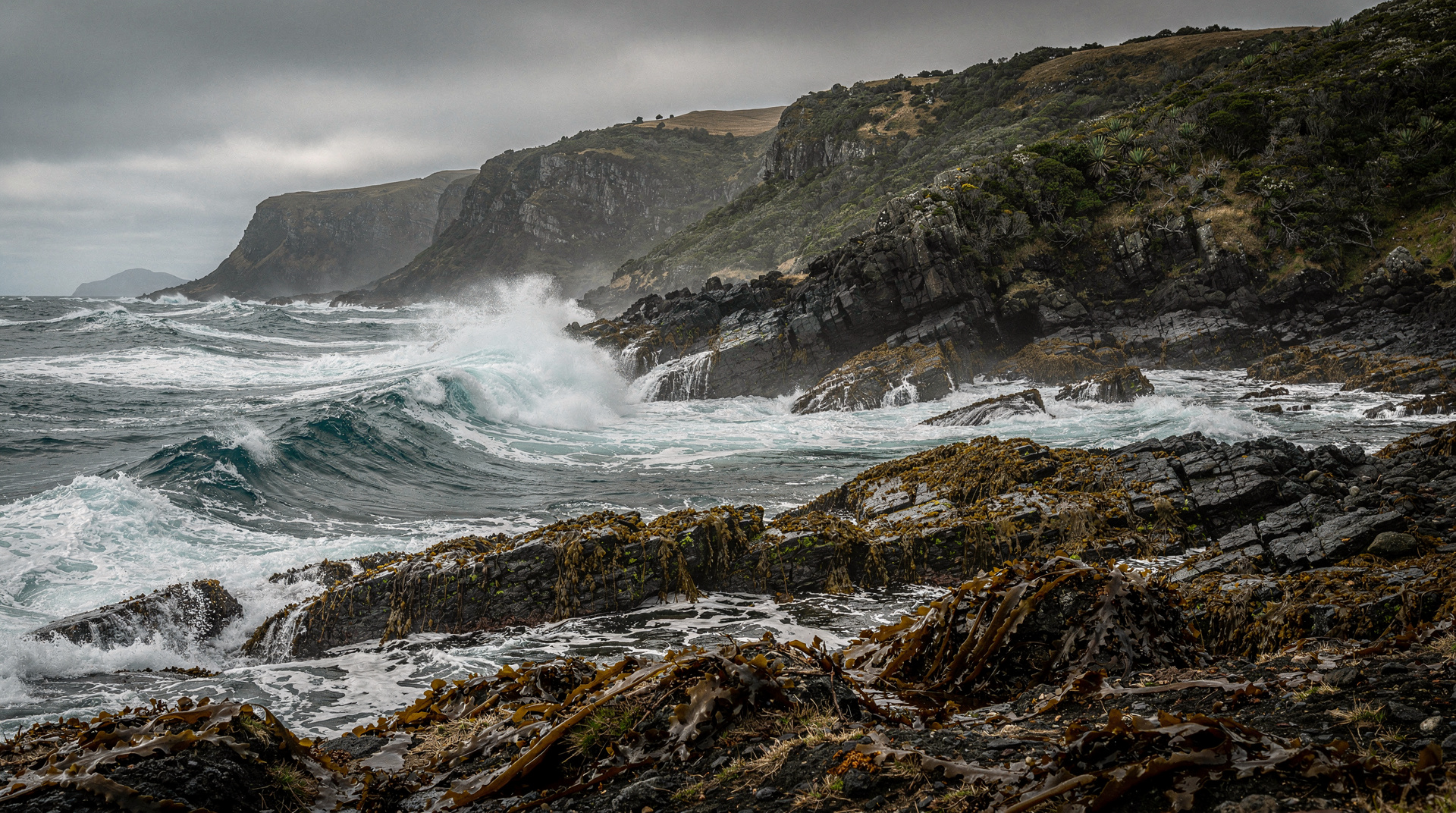
Chatham Islands
Honest guide to New Zealand's remote Chatham Islands: Moriori history, endemic birds, Air Chathams flights, real costs, and who this destination is truly for.
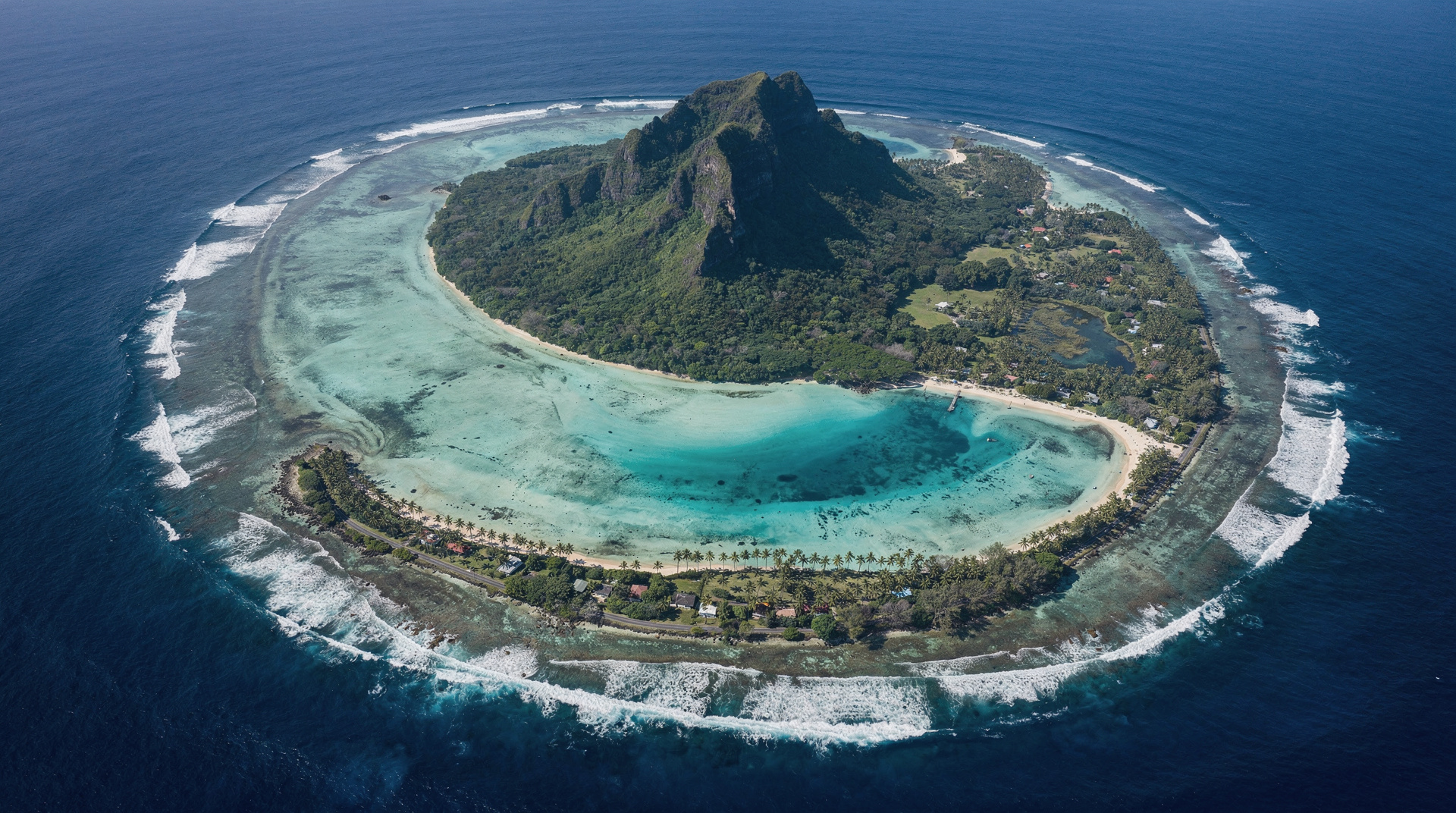
Cook Islands travel guide — Rarotonga, Aitutaki, and the outer islands
Cook Islands honest overview: Rarotonga vs Aitutaki vs outer islands, visa-free entry, real costs NZD/USD/EUR, why NZ-bound travellers should consider it.
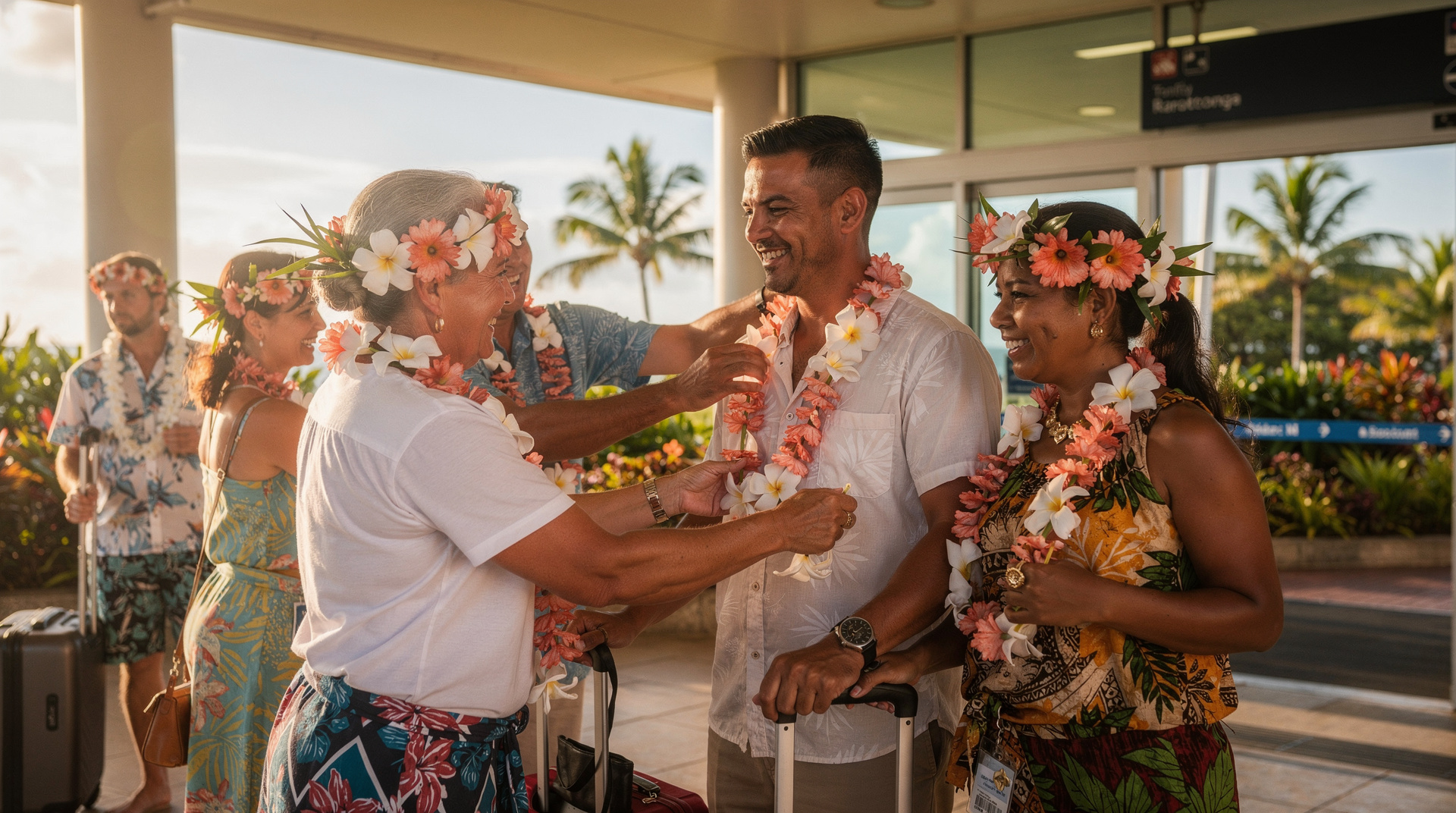
The Cook Islands travel bubble — what happened when New Zealand opened its borders in 2021
In May 2021 NZ opened a quarantine-free travel bubble with the Cook Islands. Three months later, Delta closed it. A look at what worked and what it revealed.
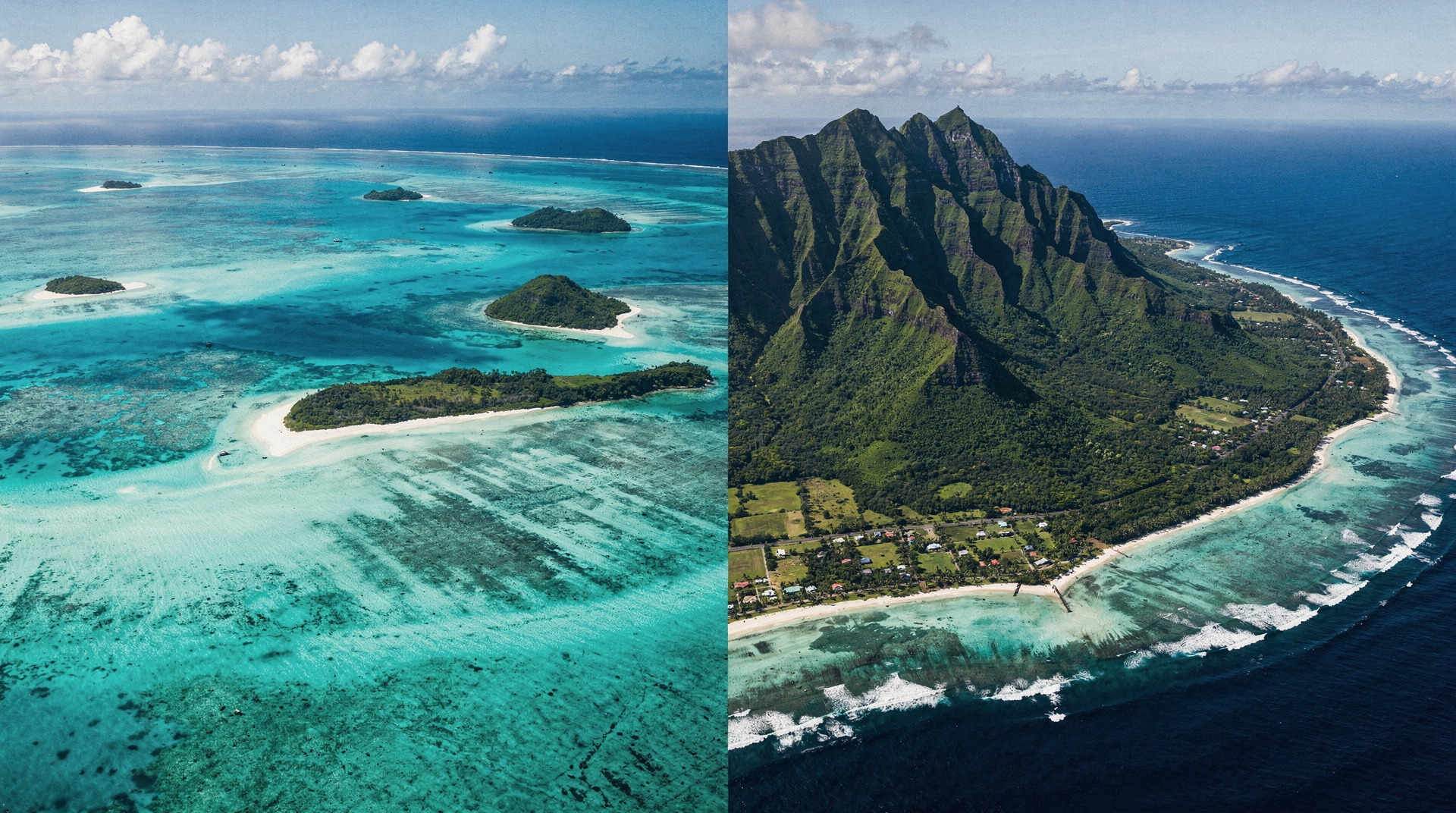
Aitutaki vs Rarotonga — which Cook Island should you choose?
Rarotonga has the infrastructure. Aitutaki has the lagoon. A genuine comparison of both Cook Islands: cost, access, and what you actually get.
New Zealand honeymoon itinerary — 14 days of premium romance
14-day NZ honeymoon: luxury lodges, Milford Sound fly-cruise, scenic flights over Aoraki, private wine tours, and slow mornings. Real costs included.
Last reviewed: