Hawke's Bay
Honest Hawke's Bay guide: Napier Art Deco, Marlborough-rivalling wines, Cape Kidnappers gannets, real NZD/USD/EUR costs. Best time to visit and what to skip.
Quick facts
- Region
- Eastern North Island, facing Hawke Bay
- Major hubs
- Napier, Hastings, Havelock North
- Currency
- NZD — 1 NZD ≈ USD 0.60 / EUR 0.55
- Best for
- Wine touring, Art Deco architecture, gannet colony, cycling
- Skip if
- You want dramatic landscapes rather than food and wine culture
Hawke’s Bay in one minute
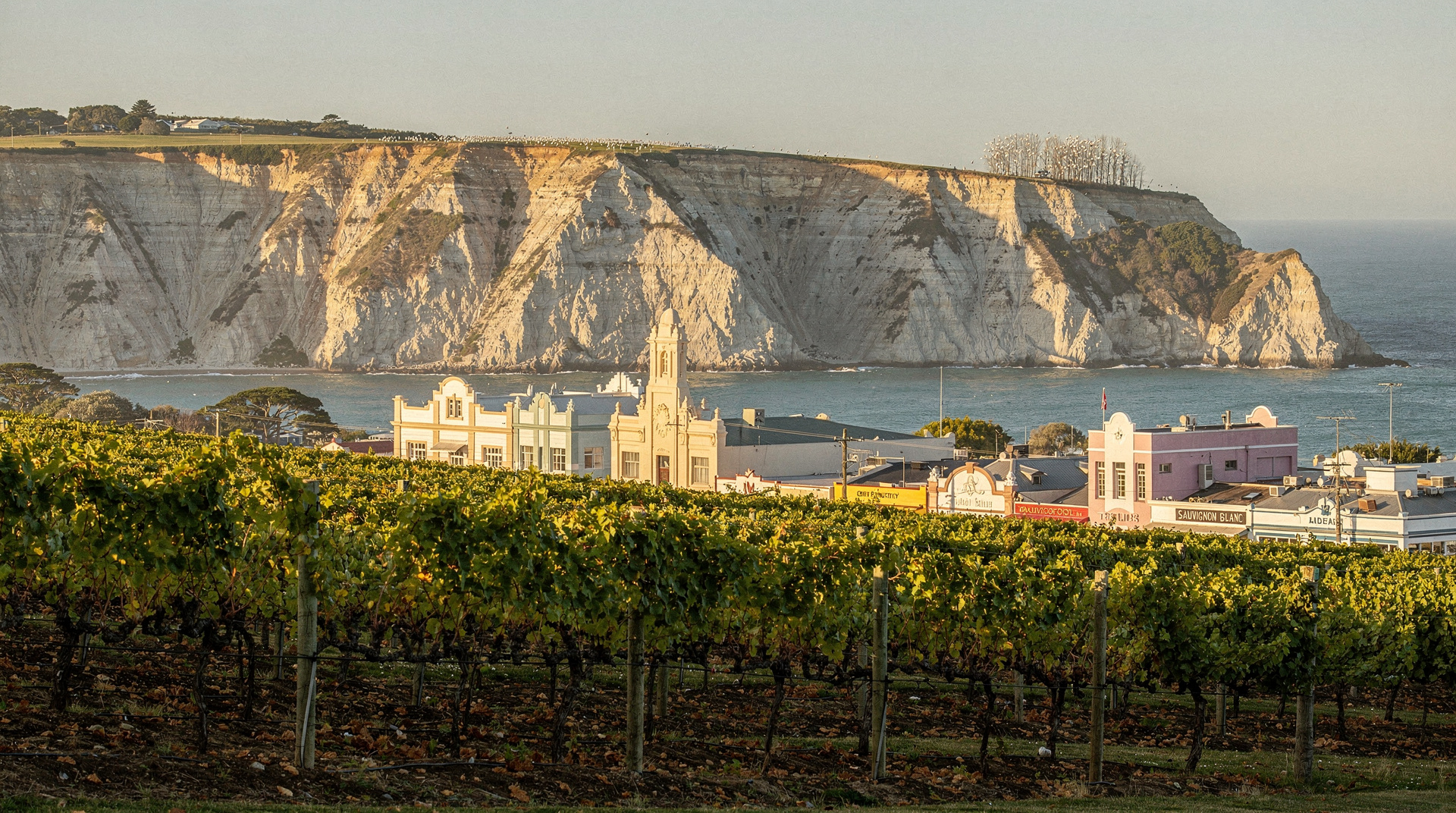
Hawke’s Bay is New Zealand’s most underrated destination — consistently overlooked in favour of the obvious headline acts, but quietly magnificent. Napier is unique: rebuilt almost entirely in Art Deco style after a catastrophic earthquake in 1931 killed 256 people, it is one of the most concentrated collections of Art Deco architecture in the world. On the edge of Napier, a limestone cape drops into the ocean at Cape Kidnappers, where the world’s largest mainland gannet colony nests from October to April. And everywhere in between, the Hawke’s Bay wine region produces chardonnay, Bordeaux varieties, and syrah that compete with the country’s best.
| Where | Eastern North Island — Napier, Hastings, Havelock North |
| Time needed | 3–4 days for the full texture; 2 days minimum |
| Getting there | 3.5–4 hrs drive from Wellington; flights from Auckland/Wellington |
| Cost | Wine tastings NZD 10–20; gannet tours from NZD 58; Art Deco walk NZD 30 |
| Best time | February–April for harvest; October–April for gannets |
The region runs at a slower pace than most of New Zealand. That’s the point. You cycle between wineries, eat very well, and arrive at a restaurant for dinner to find the sommelier is also the winemaker. Come for 3-4 days minimum; the standard 1-night stop almost everyone makes after Wellington misses the whole texture of the place.
The honest case for Hawke’s Bay
Hawke’s Bay won’t give you mountains, glaciers, or dramatic wilderness. It gives you something rarer on the New Zealand itinerary: a genuinely sophisticated food and wine destination set in a flat, sunny landscape that rewards slow exploration by bicycle.
Worth it without question: A half-day Art Deco walking tour in Napier. The Cape Kidnappers gannet colony (October-April only — outside this window the gannets are gone). One full day of wine tasting in the Bay. The Hawke’s Bay Trails cycling network.
Honest trade-off: The beaches at Napier (Marine Parade) are grey shingle — pleasant for a walk but not swimming beaches in the way that the Bay of Plenty or Coromandel are. The region’s appeal is food, wine, and architecture, not scenery.
Where to base yourself
Napier is the obvious choice — the Art Deco centre, the waterfront, the best restaurants, and the most accommodation at every price point. The city is entirely walkable in the central area.
Havelock North is the upmarket village 20km inland from Napier. Boutique accommodation, excellent restaurants (Village Ice Cream, Maina, Pipi — all excellent), and direct access to the Havelock North Trails. More relaxed than Napier; slightly less convenient for the city’s architectural core. Good choice if you have a rental car.
Hastings sits between Napier and Havelock North. Larger than Havelock North, smaller than Napier. Useful as a base for farmers’ market fans — the Hastings Farmers’ Market (Sunday morning, year-round) is one of the best in New Zealand. The Food & Wine Trail starts here.
Top experiences in Hawke’s Bay
Napier Art Deco architecture
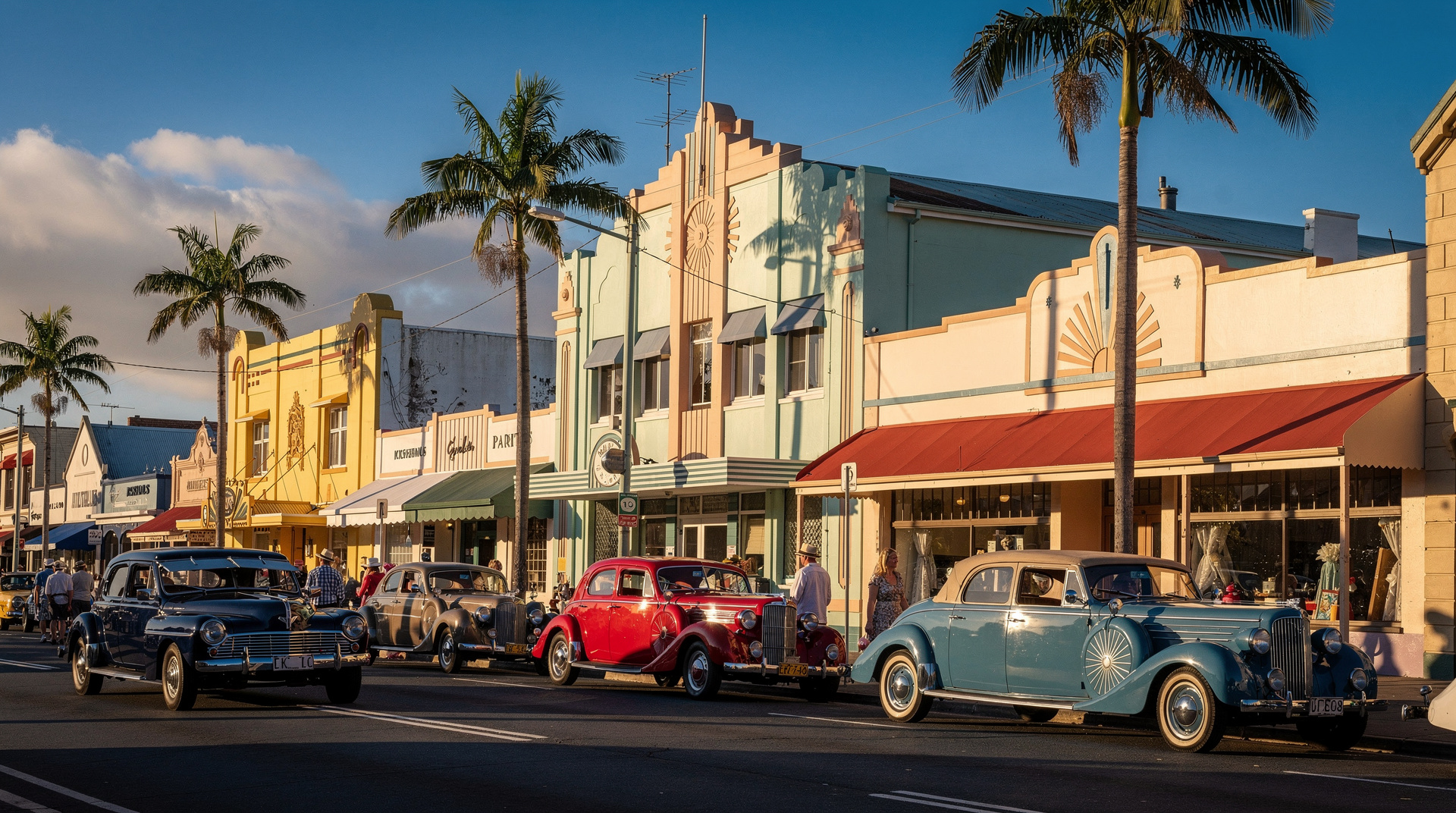
The 1931 earthquake flattened most of Napier in 3 minutes. The city was rebuilt over the following 3 years almost entirely in the architectural style then dominant in Europe: Art Deco and its Spanish Mission cousin. The result is 140+ buildings with streamlined facades, geometric ornament, bas-relief figures, and pastel colours — concentrated in a walkable 1km grid around the Marine Parade and Emerson Street.
The Art Deco Trust runs excellent guided walks: Napier Art Deco guided walk (NZD 30 / USD 18 / EUR 16.5, 1.5 hours, three times weekly). Self-guided audio tours using your phone are also excellent and cheaper: Napier Art Deco self-guided audio tour (NZD 18 / USD 10.80 / EUR 9.90). The vintage bus tour is fun but less architecturally informative.
The buildings are at their most beautiful in morning light (east-facing facades catch the sun from 7am). Allow 2-3 hours for a thorough exploration on foot. The full Napier Art Deco guide includes a self-guided route map.
Hawke’s Bay wine touring
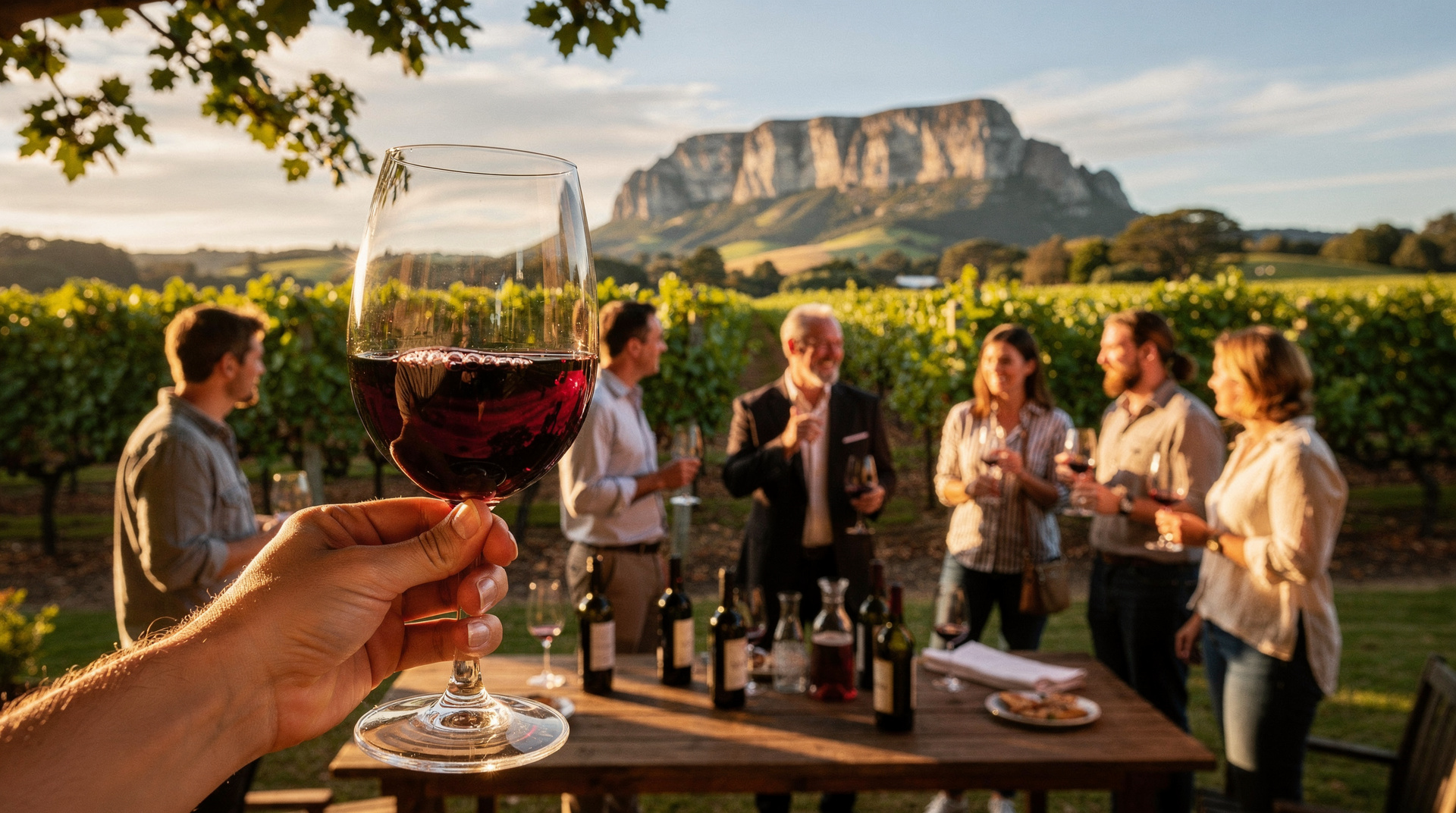
Hawke’s Bay is New Zealand’s second-largest wine region by volume and arguably its most diverse in style. The Gimblett Gravels sub-region (gravel soils deposited by the Ngaruroro River) produces some of the country’s best red wine: syrah, cabernet sauvignon, merlot, and Bordeaux blends. The Bridge Pa Triangle area specialises in aromatic whites and chardonnay.
The Hawke’s Bay Wine Trail (self-guided, 170km of marked cycling routes) connects 25+ wineries. By bicycle the wineries feel close enough to visit 3-4 in a day at a relaxed pace; by car you can cover more but the roads are flat and cycling is the authentic way.
Key wineries: Craggy Range (Havelock North, with excellent restaurant); Te Mata Estate (oldest winery in NZ, founded 1896, remarkable reds); Church Road (Taradale, excellent chardonnay and the best public cellar-door); Elephant Hill (Estate Winery, Te Awanga, ocean views and very good food). All have drop-in tasting (NZD 10-20 / USD 6-12 / EUR 5.5-11, usually waived on purchase).
From Napier: Hawke’s Bay small group wine tour — a guided day tour visiting 4 wineries with a gourmet lunch included. NZD 195 / USD 117 / EUR 107.
Full guide: Hawke’s Bay wine tour.
Cape Kidnappers gannet colony
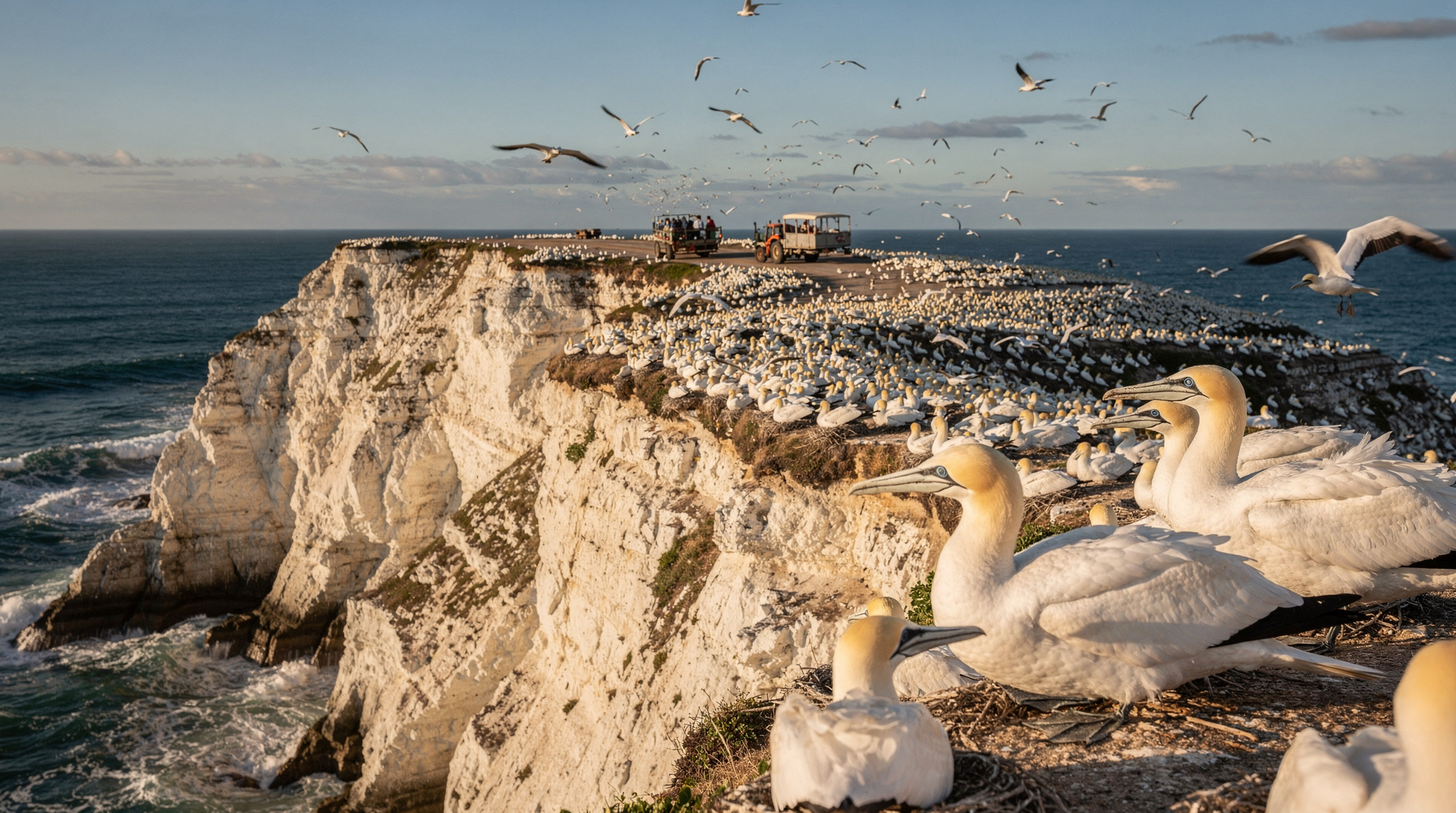
Cape Kidnappers is a 10km limestone cape that dramatically ends the Hawke’s Bay coast in the south. The gannet colony at the tip — accessible only by guided tour — is the largest mainland colony of Australasian gannets in the world: 6,000+ birds at peak nesting season (October to April). At breeding time the birds are completely unconcerned by human visitors standing 2 metres away.
Tours run by tractor-and-trailer along the beach at low tide (90-minute journey each way) or by 4WD. The tractor tour (NZD 58 / USD 35 / EUR 32 adult, “Gannet Safaris”) is the most popular. The sunrise tour is exceptional.
Napier: Cape Kidnappers gannet, nature and sightseeing tour — NZD 78 / USD 47 / EUR 43.
Cape Kidnappers gannet colony exclusive sunrise tour — NZD 95 / USD 57 / EUR 52.
Critical note: The colony is only present from October to April. Outside this window, the gannets have migrated and you’re walking to an empty cliff. Check the season before booking. See Cape Kidnappers gannets guide.
Cycling the Hawke’s Bay Trails
The Hawke’s Bay Trails are 200km of shared cycling and walking paths covering the flat valley floors between Napier, Hastings, Havelock North, and the coast. The trails pass through orchards, vineyards, wetlands, and along the Tutaekuri River. They connect almost every major attraction in the region, including wineries, farmers’ markets, and the Expressway cycleway into Napier city.
You don’t need to be a committed cyclist. The terrain is almost entirely flat; electric bikes are widely available from Napier rental shops (NZD 50-80 / USD 30-48 / EUR 27-44 per day). The 30km Winery Loop is the classic half-day: Napier → Taradale → 2-3 wineries → Church Road → return. Full guide to the cycle trails: Hawke’s Bay self-guided coast to vineyards cycle tour .
Getting there and getting around
From Wellington: 3.5-4 hours north via SH2 — one of New Zealand’s better drives, through the Manawatu Gorge and across the Hawke’s Bay plains. InterCity buses run daily (NZD 25-65 / USD 15-39 / EUR 13.8-35.8). Domestic flights from Wellington to Napier (Hawke’s Bay Airport) take 45 minutes; fares from NZD 80-180 / USD 48-108 / EUR 44-99.
From Auckland: 4.5-5 hours by road via SH1 and SH2 (340km). Flights from Auckland to Napier take 50 minutes and can be found for NZD 90-200 / USD 54-120 / EUR 50-110.
Within Hawke’s Bay: A rental car significantly expands your options, but the cycling trail network means a car is less essential here than in most New Zealand regions. Taxis and Uber work between Napier, Hastings, and Havelock North. For Cape Kidnappers, you need to book a tour — no public access on your own.
Where to stay
Budget (NZD 35-100 / night)
Stables Lodge Backpackers (Napier) — long-established hostel with a social atmosphere, central location. Dorm NZD 38; private NZD 90.
Hastings TOP 10 Holiday Park — good family option with powered sites (NZD 55) and motel units (NZD 120-150).
Mid-range (NZD 130-300 / night)
Masonic Hotel (Napier) — an Art Deco landmark itself, centrally located, pleasantly quirky. NZD 160-250.
Mangapapa Hotel (Havelock North) — a gracious country house hotel with 12 rooms, very good restaurant, pool. NZD 220-350.
Luxury (NZD 400+)
The Farm at Cape Kidnappers — consistently rated one of the best lodges in New Zealand. 22 suites on a working sheep and cattle station at the cape, designed by renowned architect. Golf course. From NZD 1,500-3,000 per night. Exceptional.
Craggy Range Vineyard Villas — self-contained luxury villas on the Te Matu vineyard estate in Havelock North. From NZD 600 per night.
Best time to visit
February to April is harvest season — the best time for wine tourism. Wineries are harvesting and fermenting; some offer harvest experiences. The Hawke’s Bay Harvest Festival (late February-early March) is one of New Zealand’s best food events.
November to January combines gannet nesting season with warm beaches along the Marine Parade. Hot enough for beach walks (though not the swimming beaches of the west coast).
Year-round: The Art Deco tour, cycling trails, and most wineries operate year-round. Winter (June-August) is cool but rarely cold; the wineries are quieter and tasting room staff have more time for conversation. The Hawke’s Bay A&P Show (late autumn) and the Art Deco Weekend (February) are the two peak events that fill accommodation months ahead.
Common mistakes
Arriving October to September expecting the gannet colony. The birds are present October to April only. Outside this window, the cape is still beautiful but the reason most visitors go — the gannets — is absent. This mistake is especially common in May and September.
Rushing the Art Deco in 30 minutes. People often spend half an hour on Marine Parade and feel they’ve “done” Napier. The real buildings are on Emerson Street, Dalton Street, and in the CBD blocks behind the waterfront. The guided tour is valuable precisely because it takes you to buildings you’d walk past.
Staying only 1 night. One night gives you Art Deco and dinner. It misses the wine trail, Cape Kidnappers, and the full character of the place. Three nights is the minimum for a proper visit.
Not checking the wine calendar. January to March is Hawke’s Bay wine’s best season for touring, but the wineries are also busiest. If you prefer a more intimate tasting experience, go in April-May or September-October.
Sample itineraries
2-day minimum
Day 1: Arrive Napier. Afternoon: Art Deco guided walk (1.5 hours). Marine Parade sunset walk. Dinner at Mister D (consistently the best restaurant in Napier — lamb rack, local mushroom risotto, excellent wine list). Book ahead.
Day 2: Bike the Winery Loop — Church Road, Elephant Hill, and one boutique winery. Arrive back in Napier by 4pm. Drive south to Wellington or north to Taupo/Rotorua.
4-day proper visit
Day 1: Arrive. Art Deco afternoon. Dinner at Ujazi (excellent casual dining, good value).
Day 2: Cape Kidnappers gannet tour (morning departure). Afternoon rest or Hastings Farmers’ Market (Sunday). Te Mata Peak lookout for sunset — panoramic views of the region.
Day 3: Full winery day — Craggy Range for lunch on the terrace (stunning Te Mata Peak backdrop), 2 Gimblett Gravels wineries for tastings. Cycling optional.
Day 4: Napier Arts and Culture (MTG Hawke’s Bay museum, good colonial and Maori collections). Cape Coast ride or morning markets. Depart.
For connections south see Wellington region guide and north see 7-day North Island itinerary.
Hawke’s Bay vs. nearby regions
Travellers weighing Hawke’s Bay against neighbouring Gisborne and Wairarapa are really choosing between three different food-and-wine personalities. Gisborne is smaller, more remote, and chardonnay-focused with far fewer visitors — genuinely worth the extra drive if solitude matters more than polish. Wairarapa, closer to Wellington, is the easy weekend-away pinot noir region and pairs naturally with a Wairarapa day trip from Wellington rather than a dedicated multi-day stay. Hawke’s Bay sits between them in scale: bigger wine list, better restaurants, and the Art Deco and gannet attractions neither of the others can match.
FAQ
When are the gannets at Cape Kidnappers?
The colony is active October to April. Peak breeding and nesting: November to March. Do not visit outside October-April expecting to see gannets in significant numbers — the birds migrate north for the winter.
Is Hawke’s Bay wine as good as Marlborough?
Different style. Marlborough dominates with sauvignon blanc. Hawke’s Bay is New Zealand’s best region for chardonnay and red wine (syrah, cabernet, merlot, Bordeaux blends). Most serious wine writers consider Hawke’s Bay the more interesting region overall, though Marlborough has the global name recognition.
Can you cycle between wineries?
Yes — the Hawke’s Bay Trails cycling network is specifically designed for this. The valley is flat; even non-cyclists manage 3-4 wineries in a half-day. Electric bike rental removes any difficulty. Most wineries have bike racks and will hold your purchases for later collection.
Is Napier worth visiting for non-wine, non-architecture types?
The Art Deco centre is genuinely interesting regardless of prior interest in architecture — it’s the story behind the buildings (an earthquake, a city rebuilt in 3 years in 1930s style) that makes it compelling. If you care about neither wine nor architecture, Napier is pleasant but not essential. The Cape Kidnappers gannet colony is reason enough alone.
What is the Hawke’s Bay harvest festival?
The Harvest Hawke’s Bay event (late February to early March) is the region’s signature food and wine festival. Winery open days, food truck villages, guided tastings, and outdoor events across Hastings, Havelock North, and the Bridge Pa Triangle. Accommodation books out months in advance for the festival weekend. The “Winetopia” event in late January is a companion indoor tasting festival.
How many days does Hawke’s Bay really need?
Three to four days is the honest minimum to get past the highlight reel — one day for Napier and Art Deco, one for Cape Kidnappers, one for wine touring, and a spare day for the farmers’ market or Te Mata Peak. Two days works if you accept skipping either the gannet colony or a full wine day. See the sample itineraries above for both structures.
Do I need a rental car in Hawke’s Bay?
It helps but isn’t mandatory. The Hawke’s Bay Trails cycling network connects Napier, Hastings, Havelock North, and most wineries, so a car is less essential here than in most New Zealand regions. The one exception is Cape Kidnappers, which requires a booked tour regardless of how you get around — there is no independent access to the gannet colony on foot or by car.
Is Hawke’s Bay a good base for exploring the wider eastern North Island?
Reasonably, though it’s more of a destination in itself than a hub. Gisborne is a further 2 hours north along a scenic but slow coastal road, and Wairarapa is roughly 3 hours south toward Wellington — both are day-trip-too-far from a Hawke’s Bay base, better visited as separate legs of a longer North Island route rather than side trips.
Top experiences: hawkes bay New Zealand
See all →Guides for Hawke's Bay
Gannets at Cape Kidnappers
Cape Kidnappers holds the world's largest mainland gannet colony. Tractor tours, prices (NZD/USD/EUR), best season, and how to visit from Napier or Hawke's Bay.
Hawke's Bay wine tour guide
Hawke's Bay is New Zealand's red wine capital. Syrah, Bordeaux blends, and Art Deco Napier — guided tours, cycling, and prices (NZD/USD/EUR).
Related guides
Napier
Honest Napier guide: Art Deco architecture, Hawke's Bay wine tours, Cape Kidnappers gannets, real prices NZD/USD/EUR, and how long to stay.
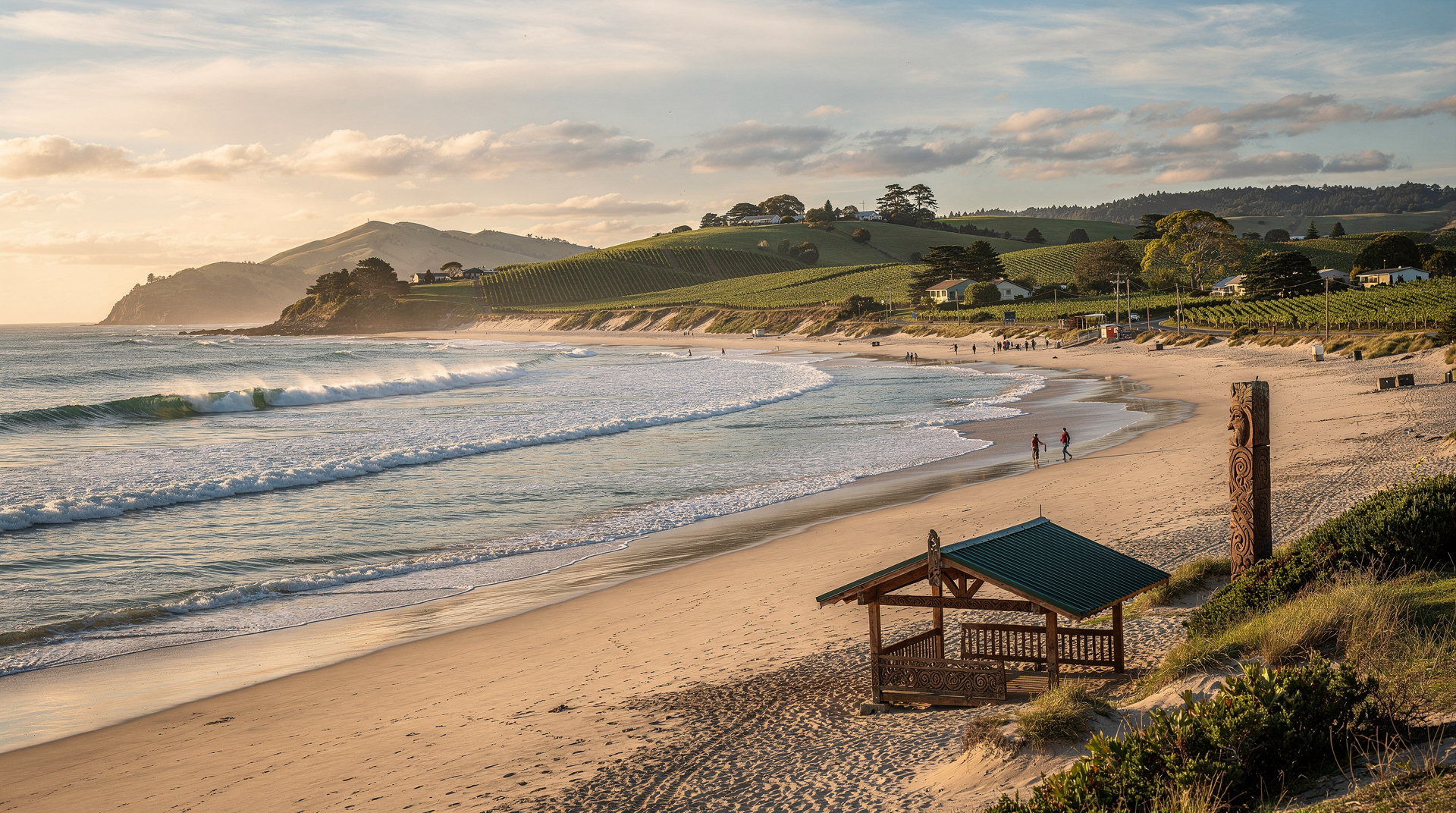
Gisborne
Gisborne: world's first city to see the sun, NZ's surf capital, Chardonnay and Chenin Blanc country — no GYG tours, book direct. Real prices.
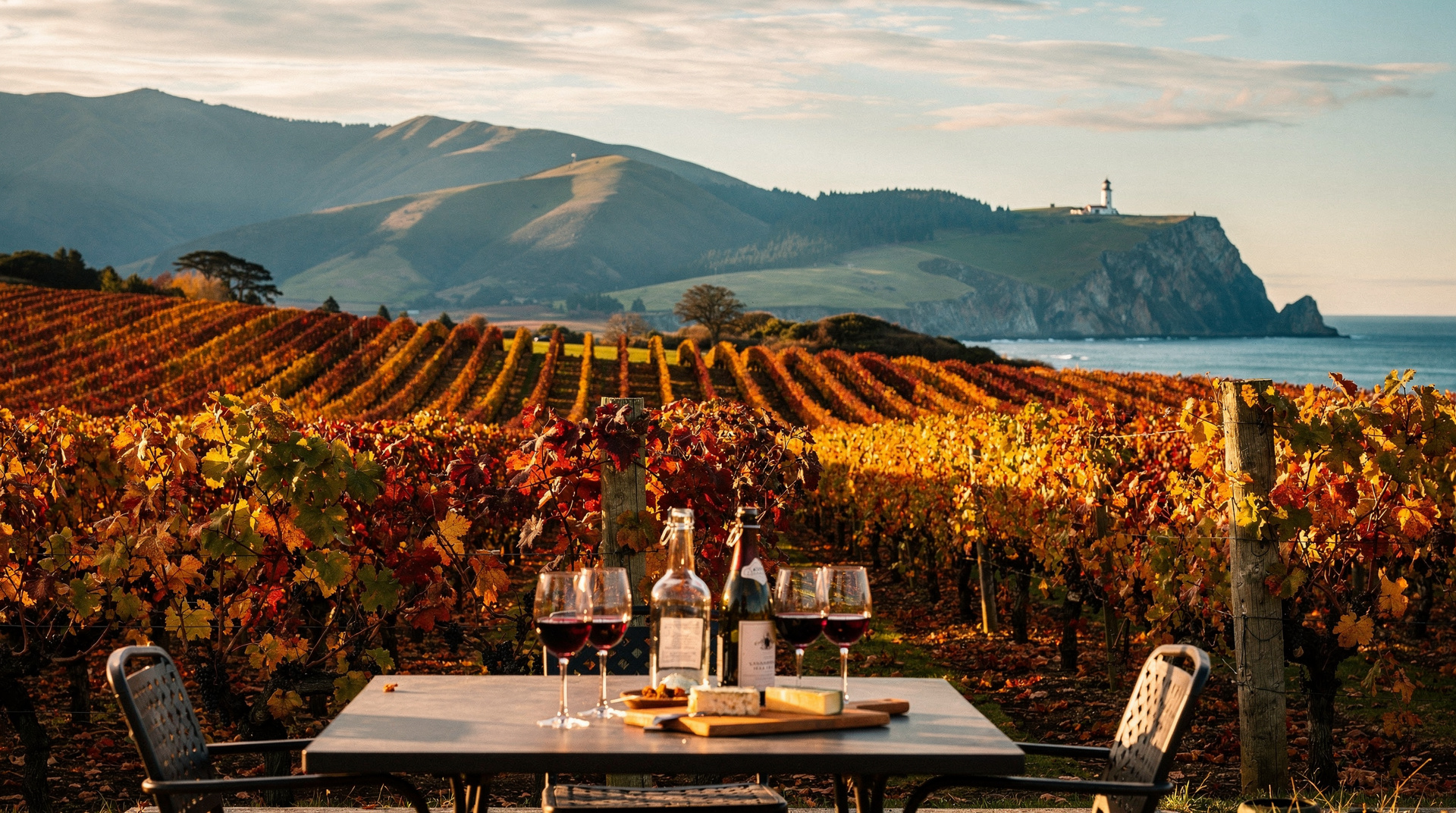
Wairarapa
Wairarapa: Martinborough Pinot Noir, Cape Palliser fur seals and lighthouse, Castlepoint — Wellington day trip or overnight. NZD/USD/EUR.
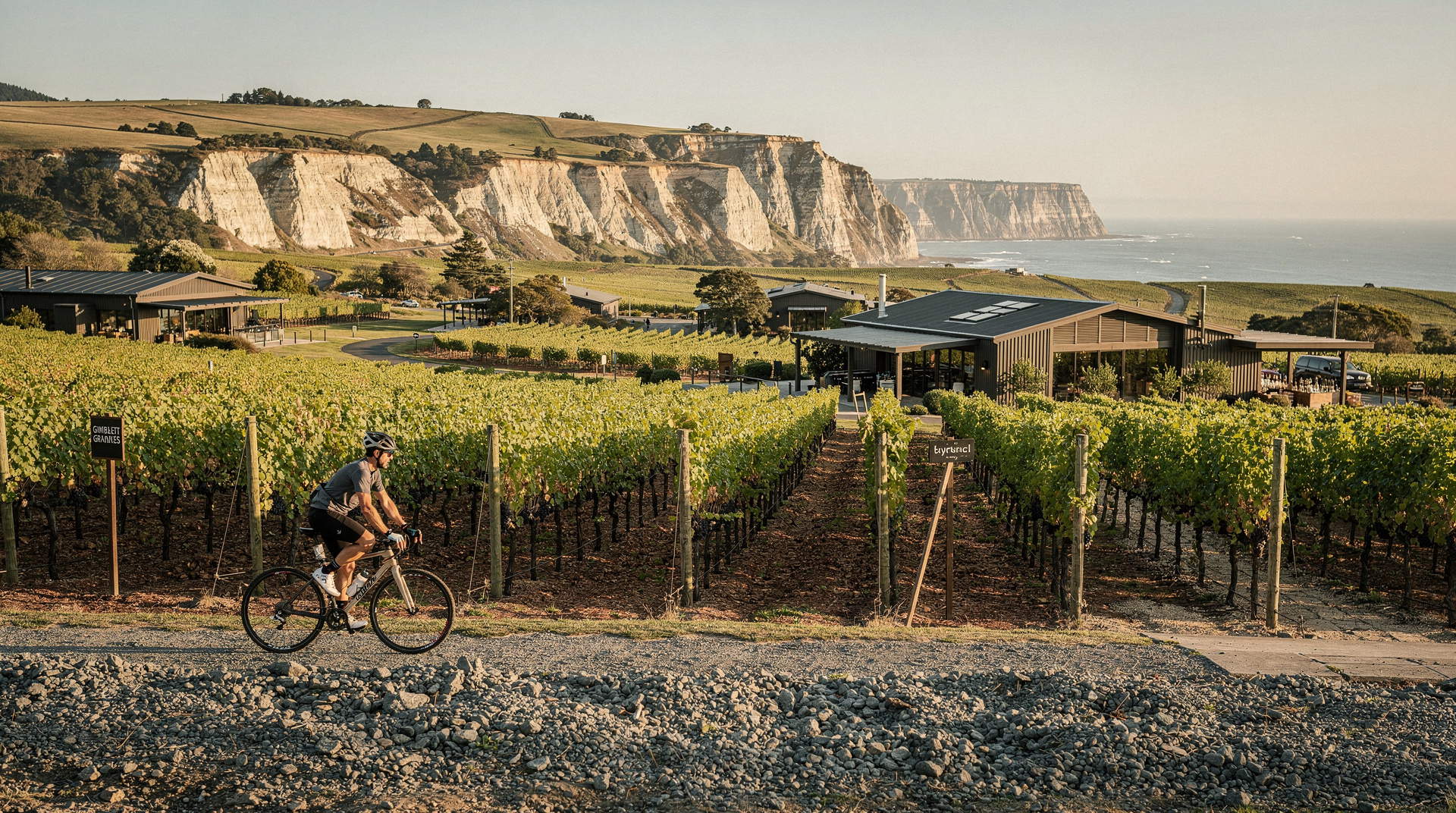
Hawke's Bay wine routes — the honest guide
Hawke's Bay wine: Mission Estate, Craggy Range, Black Barn, Te Mata, Trinity Hill. Gimblett Gravels reds, real costs NZD/USD/EUR, car vs cycle vs guided tour.
Gannets at Cape Kidnappers
Cape Kidnappers holds the world's largest mainland gannet colony. Tractor tours, prices (NZD/USD/EUR), best season, and how to visit from Napier or Hawke's Bay.
Hawke's Bay wine tour guide
Hawke's Bay is New Zealand's red wine capital. Syrah, Bordeaux blends, and Art Deco Napier — guided tours, cycling, and prices (NZD/USD/EUR).
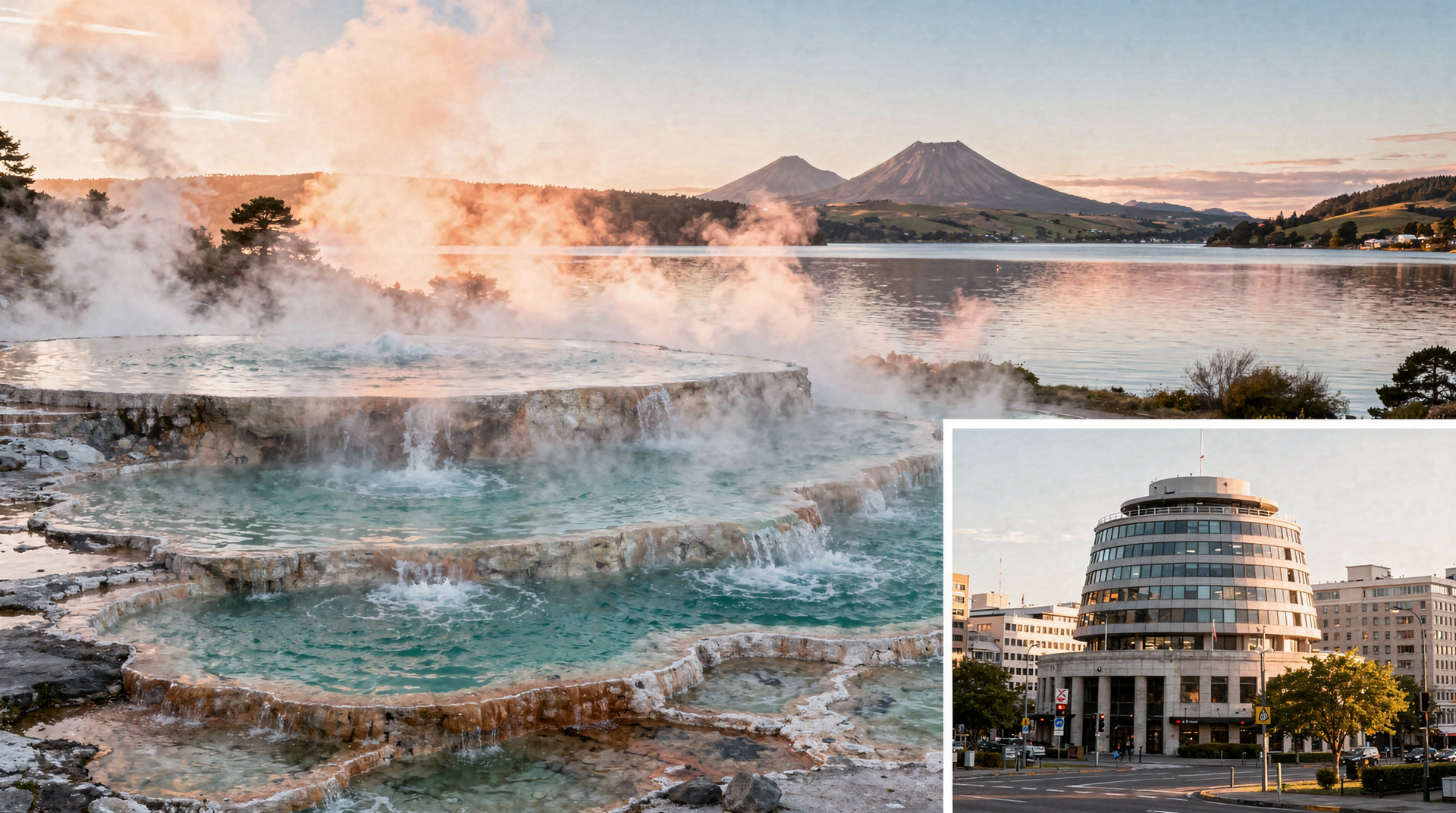
7-day North Island itinerary — the essential highlights
Auckland → Bay of Islands → Hobbiton → Waitomo → Rotorua → Taupo → Tongariro → Wellington. 7 days, both car and costs covered honestly.
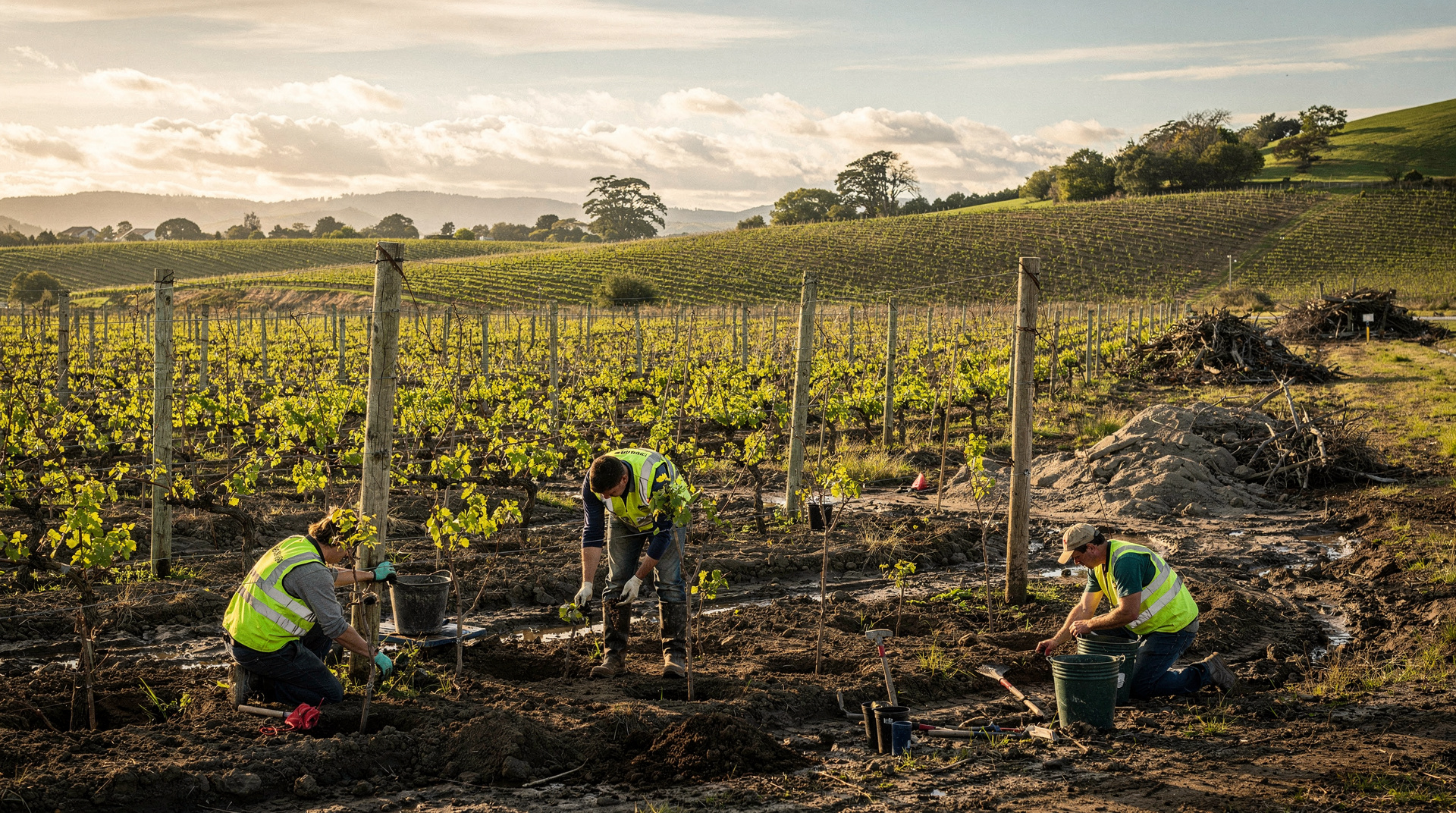
Cyclone Gabrielle and Hawke's Bay — recovery, and why you should still visit
Cyclone Gabrielle hit Hawke's Bay in February 2023. Six months on, here's the honest picture: what's open, what's changed, and how tourism supports recovery.
Last reviewed: