Wellington region
Honest Wellington region planner: city highlights, Te Papa, Weta Workshop, Wairarapa wine, Kapiti Island. Real NZD/USD/EUR costs and practical logistics.
Quick facts
- Region
- Southern tip of the North Island
- Major hubs
- Wellington city, Lower Hutt, Martinborough, Paraparaumu
- Currency
- NZD — 1 NZD ≈ USD 0.60 / EUR 0.55
- Best for
- Museums, food scene, film culture, Cook Strait ferry, Wairarapa wine
- Skip if
- You have only 5 days total and haven't done the South Island yet
Wellington region in one minute
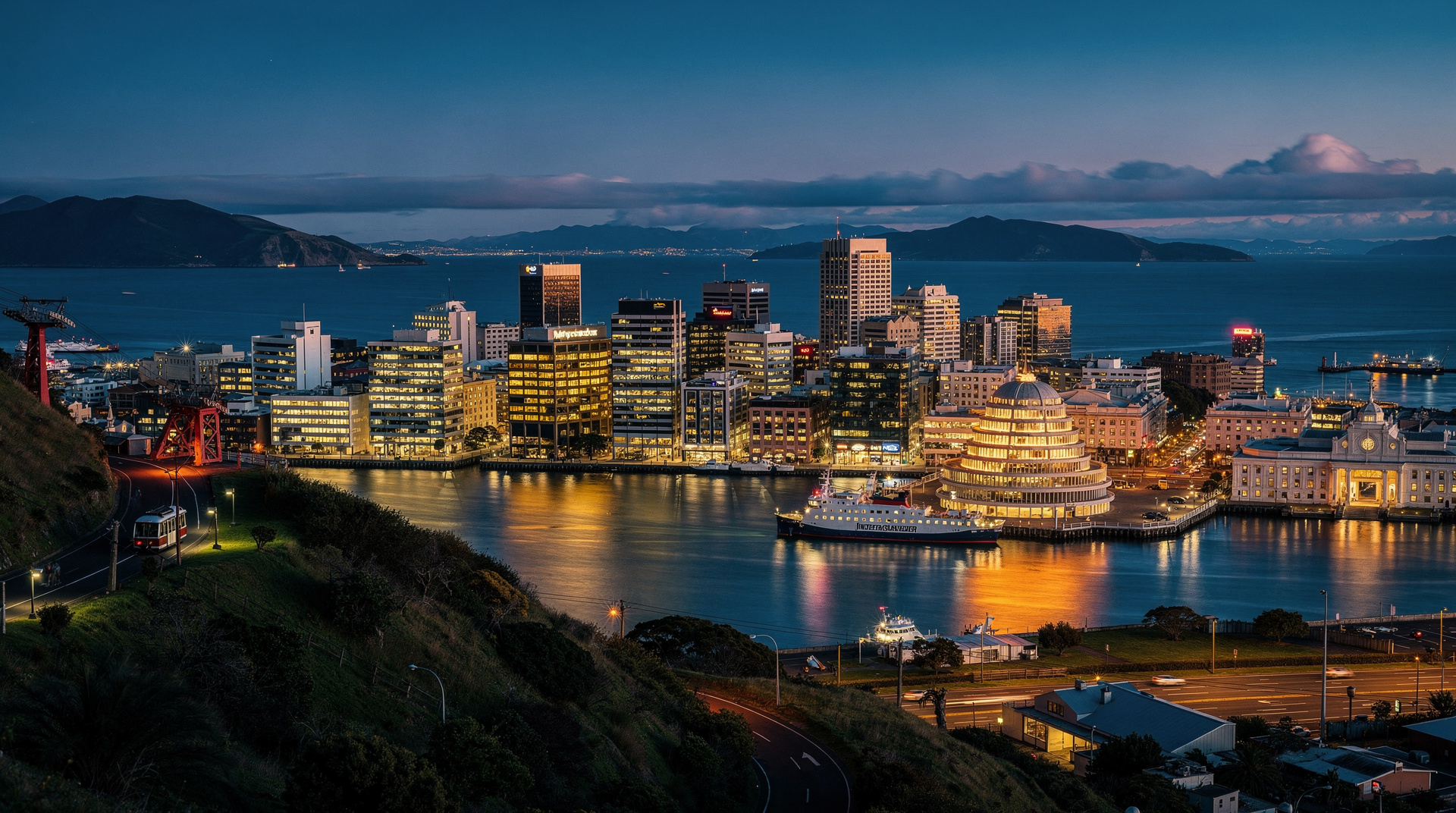
Wellington is one of the world’s windiest capital cities and one of its most interesting small ones. Built on steep hills around a deep harbour at the bottom of the North Island, it functions as both the political capital of New Zealand and the cultural capital of a country that punches well above its weight in film, food, and music. Te Papa Tongarewa — the national museum — is the best museum in the country. The Weta Workshop (behind Lord of the Rings, Avatar, and dozens of other films) runs guided studio tours. The Cuba Quarter has a dense restaurant and bar scene built around flat whites and craft beer.
The Wellington region extends beyond the city into three distinct areas that reward day trips or overnight stays: Wairarapa (wine country, 1 hour east through a mountain tunnel); Kapiti Coast (surf beaches, the wildlife sanctuary of Kapiti Island, 1 hour north); and the Hutt Valley (urban, less interesting to visitors but close).
The region matters strategically: Wellington is the departure port for the Interislander and Bluebridge Cook Strait ferries to Picton on the South Island. Most people pass through as transit — and miss the fact that the city itself deserves 3 nights.
| Where | Southern tip of the North Island |
| Time needed | 3–5 days to cover the city, Wairarapa and Kapiti Coast |
| Cost | Free museums (Te Papa); around NZD 185 for a guided wine day trip |
| Getting there | Domestic flights, InterCity bus, or the Capital Connection train |
| Best time | October–April for weather; year-round for museums and food |
The honest case for staying
Wellington’s reputation for wind and rain is deserved but exaggerated. The Wellington Southerly — a sudden gale that strips umbrellas inside out — is a real phenomenon. But the city also has 2,040 sunshine hours per year (comparable to Auckland), and the seasons are mild. October to April is reliably good; winter (June-August) is grey and windy but the cultural calendar is full.
The honest caveat: Wellington is not scenic in the way that Queenstown, Milford Sound, or the West Coast glaciers are scenic. It’s an urban destination — brilliant for museums, food, coffee culture, and walking the steep suburbs — but the landscapes around the city are gentler than dramatic. If you’re running short on time, do the South Island first.
If you’re on a longer trip (14+ days), Wellington is essential. It is the most interesting city in New Zealand for culture, creative energy, and eating well.
Where to base yourself
Wellington CBD and Te Aro covers the flat area between the Lambton Quay ferry terminal and the waterfront. Most hotels, the best restaurants, Te Papa, and the waterfront walk are within 15 minutes on foot. Stay here if it’s your first Wellington visit and you want to cover ground efficiently.
Cuba Quarter (Te Aro) is the most characterful area — bohemian, dense with independent cafes, restaurants, record shops, and music venues. Accommodation in the Cuba Quarter runs slightly cheaper than the waterfront. Cuba Street itself is one of the best urban streets in New Zealand.
Oriental Bay is the upscale residential area east of the CBD with a golden sand beach (small, more for sunbathing than swimming) and the suburb’s best coffee. 20 minutes’ walk from the CBD.
Wairarapa (Martinborough): 1 hour through the Remutaka Tunnel. If you’re doing wine country seriously, stay one night in Martinborough and base yourself in Wellington for city days.
Top experiences in the Wellington region
Te Papa Tongarewa
Te Papa (which means “our place” in te reo Maori) is the Museum of New Zealand on the waterfront. It is one of the best museums in the Southern Hemisphere — genuinely impressive collection of Maori taonga (treasures), Pacific Island artefacts, natural history, and art — presented in a building designed specifically to tell the story of Aotearoa New Zealand from multiple perspectives simultaneously.
The free general admission policy is a genuine gift. The Maori collection on floor 4 is essential: the wharenui (meeting house) Rongomaraeroa is a contemporary carved house commissioned for the museum opening in 1998 and sits at the centre of the floor. The Gallipoli exhibition (ticketed separately, NZD 20-25 / USD 12-15 / EUR 11-13.75) is a scale reconstruction of the WWI Gallipoli campaign that is extraordinarily moving.
Wellington: Museum of NZ guided tour and general admission — a 2-hour guided tour with a curator. NZD 35 / USD 21 / EUR 19.25. The Maori-specific Mana tour is particularly recommended. See Te Papa museum guide.
Weta Workshop
Weta Workshop is the Wellington-based film effects company founded by Peter Jackson that has created physical effects for Lord of the Rings, The Hobbit, Avatar, Planet of the Apes, and dozens of other films. The Workshop tour is 45 minutes through the actual workshop, showing how weapons, armour, and creature suits are built, with props from recent productions on display.
Wellington: Weta Workshop guided tour ticket — NZD 49 / USD 29.40 / EUR 27. Tours depart every 30 minutes; no pre-booking strictly required but recommended in summer.
The more interactive Weta Workshop Creative Classes (painting and sculpting workshops run by Weta artists) are available for small groups — a genuinely unusual experience. NZD 99-150 / USD 59-90 / EUR 54-82.
For Lord of the Rings filming locations around Wellington (Miramar Peninsula, Harcourt Park, Dry Creek Quarry): Wellington LOTR half-day experience with Weta Workshop — combines a 2-hour drive through filming locations with the Weta Workshop tour. NZD 99 / USD 59.40 / EUR 54.45.
Cuba Quarter and the food scene
Wellington has a disproportionate number of excellent independent restaurants and cafes for a city of 215,000 people. The Cuba Quarter (Cuba Street and the streets parallel to it) is the epicentre. Recommendations that have proven durable: Loretta (brunch, all-day menu, small plates), Shepherd (lamb focused, excellent wine list), Ortega Fish Shack (the best seafood in the city), Logan Brown (fine dining, 25 years and still excellent), and Customs Brew Bar for craft beer.
The flat white was either invented in Wellington or Sydney, depending on who you ask — Wellingtonians are very clear on the answer. The coffee here is among the best in the country.
Wellington 3-hour walking food tour — covers the Cuba Quarter and waterfront with stops at 5-6 producers and restaurants. NZD 120 / USD 72 / EUR 66. Good orientation for a first visit.
Wellington Cable Car and Botanic Garden
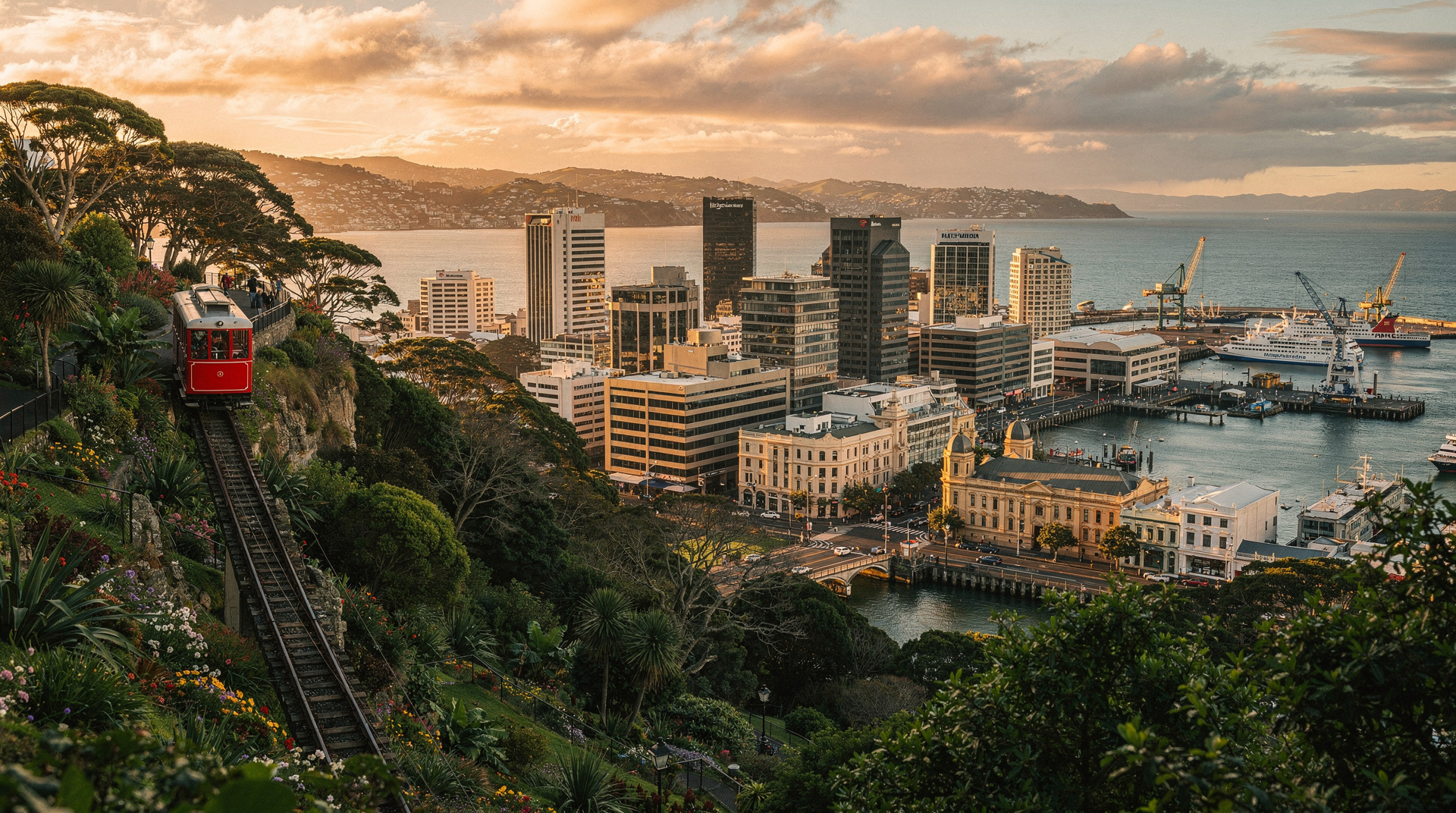
The red cable car from Lambton Quay to the Kelburn neighbourhood is both a commuter service and a tourist experience. The 5-minute ride gains 120m elevation; from Kelburn you walk down through the Wellington Botanic Garden (free, 25 hectares, the rose garden is exceptional in November-December) back to the city. The viewpoint at the top gives the best panorama of the harbour and Miramar Peninsula.
Wellington return cable car ticket — NZD 11 / USD 6.60 / EUR 6.05 return. One of the best value experiences in the city.
Zealandia eco-sanctuary
Zealandia is a 225-hectare fenced wildlife sanctuary 2km from the CBD, dedicated to restoring the ecology of an urban Wellington valley to its pre-European state. Inside the predator-proof fence: tuatara (a living fossil, the only reptile not found elsewhere on earth), kaka (endemic forest parrot), various rare geckos, and increasingly common sightings of rare native birds including the hihi (stitchbird) and toutouwai (North Island robin).
The daytime tour is good; the nocturnal tour (start time 8:30pm) is better — NZD 85-95 / USD 51-57 / EUR 47-52. Tuatara are nocturnal, more visible on the night tour; kaka squabble audibly at dusk. Zealandia by night tour — recommended.
Wairarapa wine and Martinborough
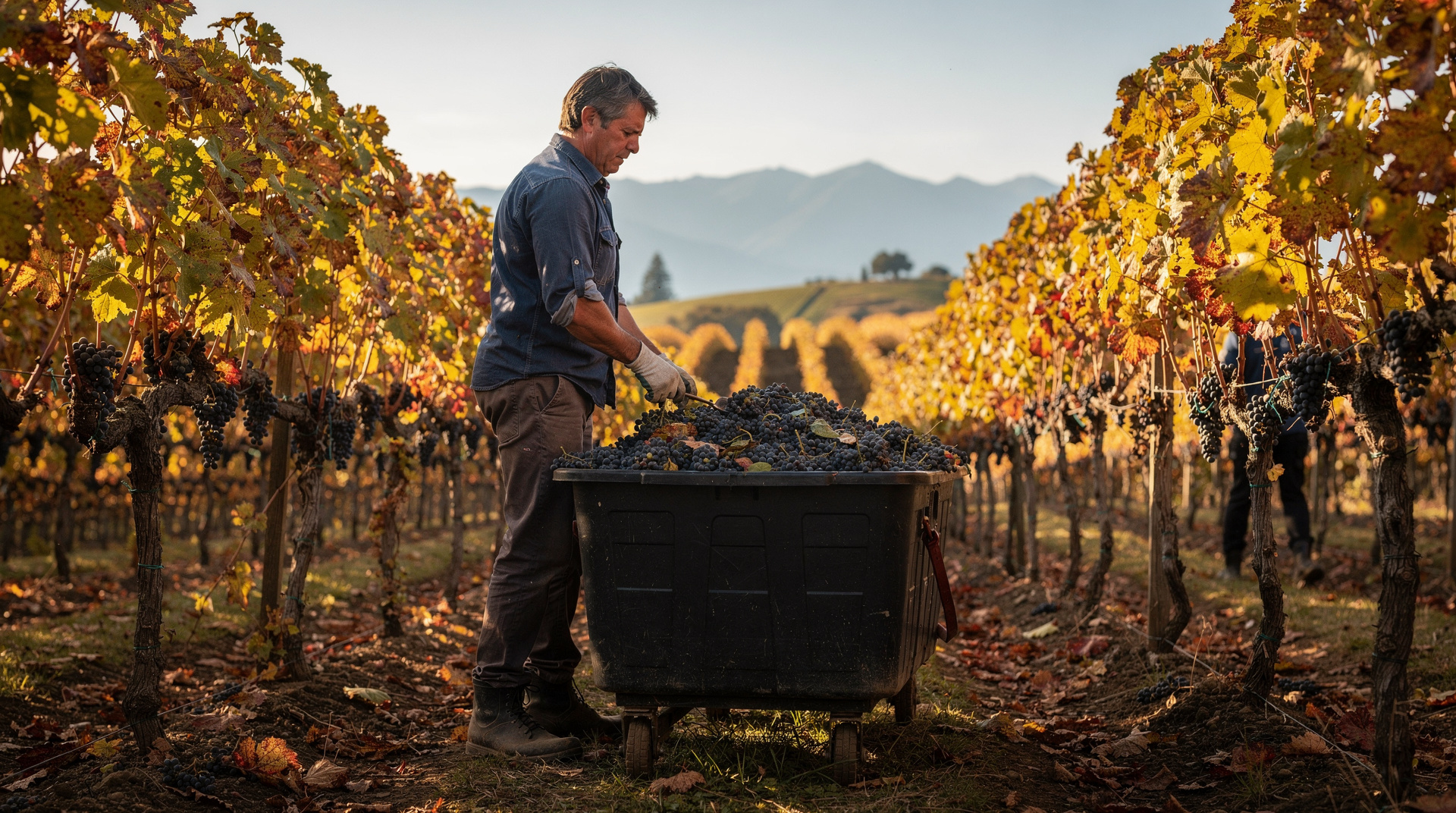
An hour east of Wellington through the Remutaka Tunnel lies the Wairarapa wine region — New Zealand’s most focused pinot noir production. Martinborough is the epicentre: a village with 20+ wineries within cycling distance, all in a compact area shaped like a Union Jack (the streets literally radiate from the central village green).
Wairarapa pinot noir is distinguished by its combination of warm days and cool nights (the Rimutaka Range blocks the Wellington southerly but allows cold air drainage from the ranges). The style tends toward elegance and aromatic complexity rather than power: Ata Rangi, Craggy Range (second label), Dry River, and Palliser Estate are the benchmark producers.
From Wellington: Martinborough wine tasting tour — a guided day trip visiting 3 Martinborough wineries with wine and food included. NZD 185 / USD 111 / EUR 102.
See also Wairarapa day trip from Wellington guide.
Kapiti Island
Kapiti Island is a predator-free wildlife sanctuary 5km off the Kapiti Coast, 1 hour north of Wellington. The island is home to little spotted kiwi, weka, kaka, and dozens of other species that have been locally extinct on the mainland for over a century. A day visit requires a DOC permit and boat booking — numbers are strictly limited (50 people per day). Worth the planning effort: the short bush walk to the summit and back, listening to bird calls that have been absent from the mainland for generations, is one of the most moving wildlife experiences in New Zealand.
Day trips from Wellington via Paraparaumu by train and then boat: See the Kapiti Island day trip guide for full logistics. Plan 4-6 weeks ahead for permit availability.
Getting there and getting around
To Wellington: Domestic flights from Auckland (55 min, NZD 80-200 / USD 48-120 / EUR 44-110), Christchurch (50 min, NZD 80-200 / USD 48-120 / EUR 44-110), and Nelson (45 min). Bus from Auckland via InterCity (9-10 hours; not recommended). Train from Palmerston North via the Capital Connection (5 hours, scenic but slow).
Within the city: The central Wellington zone is compact and very walkable (flat CBD, hilly suburbs accessible by cable car). Metlink’s suburban train connects to Hutt Valley, Kapiti Coast, and Porirua. Buses cover most of the urban area. Uber and taxis work well. A rental car is not useful in the CBD but essential for Wairarapa day trips.
Cook Strait ferry from Wellington: The Interislander ferry to Picton departs from Wellington Harbour — a scenic 3.5-hour crossing through the Marlborough Sounds. Book in advance, especially for campervans and peak season (December-February). The ferry terminal is 5km from the CBD; a shuttle runs from the downtown ferry terminal (buy tickets separately).
Where to stay
Budget (NZD 40-100 / night)
YHA Wellington City — the best-positioned backpacker in the city, steps from the waterfront and Te Papa. Dorm NZD 38; private NZD 100-120.
Nomads Capital Hostel (Cuba Street) — livelier, more social, good Cuba Quarter location. Dorm NZD 35; private NZD 95.
Mid-range (NZD 140-300 / night)
Bolton Hotel (CBD) — very well-run, good CBD location, studio apartments with kitchenettes. NZD 165-250.
QT Wellington (Waterfront) — design hotel with good service and a strong bar. NZD 200-350.
Luxury (NZD 350+)
InterContinental Wellington — the most dependable luxury option, with consistent standards, good restaurant, and harbour views from upper floors. NZD 350-600.
The Museum Art Hotel (adjacent to Te Papa) — boutique luxury with an excellent art collection throughout, 90 rooms, and the best hotel restaurant in Wellington (The Larder). NZD 400-700.
Best time to visit
October to April is warmest, sunniest, and best for outdoor activities. The Matariki celebrations (late June-July, Wellington puts on excellent events) are a winter exception worth considering. Wellington Anniversary Weekend in January brings large crowds.
Year-round: Te Papa, Weta Workshop, Cuba Quarter, and most indoor attractions are excellent regardless of weather. Wellington has an active arts calendar (New Zealand International Arts Festival is February-March in even years; Wellington Jazz Festival in late June).
Avoid: Cook Strait ferry in winter storms. The crossing can be rough and delays are common in June-August. Book an early morning slot when seas are typically calmer.
Common mistakes
Not going to Wairarapa. The 1-hour train (Metlink, NZD 12 / USD 7.20 / EUR 6.60 return) through the Remutaka Tunnel puts you in Martinborough for lunch. It’s the most underused day trip in New Zealand.
Spending only 1 night. Wellington needs 3 nights to do it properly — a day for Te Papa and the waterfront, a day for Weta Workshop and Cuba Quarter culture, a day for Wairarapa or Zealandia. Most travellers give it one night and leave feeling they missed something significant.
Not booking Kapiti Island early enough. Numbers are capped at 50 visitors a day, and the boat operators manage bookings months ahead in peak season. If wildlife viewing is a priority for your trip, this is the single booking to make first, before flights or accommodation.
Missing the waterfront walk. The Frank Kitts Park to Oriental Bay walk is one of New Zealand’s best urban strolls — 3km, flat, past the lagoon, the Museum, Frank Kitts Park, and the Oriental Parade. Free, 45 minutes, best at sunset.
Underestimating the wind. The Wellington Southerly is real. A day that was calm at 9am can be genuinely unpleasant by 2pm. Pack a wind layer regardless of sunshine forecasts.
Sample itineraries
2-day essential Wellington
Day 1: Morning at Te Papa (3 hours minimum). Cable car and Botanic Garden walk back. Cuba Quarter afternoon — coffee and lunch. Cuba Street exploration. Dinner at Loretta.
Day 2: Weta Workshop tour (morning, 45 min). LOTR filming locations (optional, 2 hours). Zealandia afternoon or evening (night tour recommended). Dinner at Ortega Fish Shack.
4-day region loop
Days 1-2 as above.
Day 3: Wairarapa day trip by train — Martinborough wine tour. Return by evening train.
Day 4: Kapiti Island (requires advance booking — plan 4+ weeks ahead). Return to Wellington for dinner and overnight before departure south.
Ferry gateway to South Island
Build 2 nights in Wellington before taking the morning ferry to Picton. Use the Cook Strait ferry guide for booking logistics. Combine with the 7-day South Island itinerary for the complete circuit.
Choosing which part of the region to prioritise
With limited time, most visitors have to choose between the city itself, Wairarapa wine country, and Kapiti Island — few manage all three properly on a first visit.
| Best for | Time needed | Advance booking | |
|---|---|---|---|
| Wellington city | Museums, food, film culture, first-time visitors | 2–3 days | Not required, book popular restaurants |
| Wairarapa/Martinborough | Wine lovers, a relaxed day out of the city | 1 day (or 1 night) | Recommended for wine tours, not essential |
| Kapiti Island | Birdwatchers, wildlife enthusiasts | 1 full day | Essential — permits limited to 50/day, book 4–6 weeks ahead |
If you only have 2 days total, spend them in the city — Te Papa and Weta Workshop alone justify it. Add Wairarapa on a 3rd day if wine interests you, or Kapiti Island if you’ve booked ahead and wildlife is a priority.
Wellington’s climate and when the wind actually matters
Wellington’s reputation for wind is deserved, but it’s worth separating the myth from the practical planning implications. The Cook Strait acts as a wind funnel between the two islands, so Wellington experiences stronger and more frequent gales than most of the rest of the country — this is a genuine meteorological effect, not just local folklore. In practice, the wind is most disruptive to ferry crossings (delays and rough seas are common in a southerly) and to any outdoor activity requiring calm conditions, like kayaking or a cable car photo stop.
The wind is least troublesome in summer mornings and during settled high-pressure spells, which is one reason October–April is the recommended window. Rain is a separate issue from wind — Wellington’s rainfall is unremarkable by New Zealand standards, so a windy day is not necessarily a wet one. Check a short-range forecast (MetService or Windy.com) the morning of any outdoor plans rather than relying on a multi-day forecast, since Wellington’s weather can flip within hours.
FAQ
Is Wellington worth visiting compared to Auckland?
Very much yes. Auckland is bigger and more internationally diverse; Wellington is more interesting culturally, more walkable, better for food and museums, and has more character per square kilometre. New Zealanders from both cities will disagree strongly about this. See Auckland vs Wellington comparison.
Is Te Papa Tongarewa free?
General admission is free. Some special exhibitions charge separately (NZD 15-30 / USD 9-18 / EUR 8.25-16.50). The Gallipoli exhibition is separately ticketed at around NZD 20-25. Budget 3-4 hours for a thorough visit.
Is the Weta Workshop tour worth it for non-film fans?
Moderately. The film effects process is genuinely interesting — armourers, sculptors, creature makers — regardless of which films you’ve seen. If you have no interest in any of the films Weta has worked on (unlikely), the novelty wears off faster. For Lord of the Rings fans, it’s essential.
Is the Cook Strait crossing rough?
It can be. The Cook Strait is one of the roughest short sea crossings in the world because of the strong swells generated in the Tasman Sea. Moderate seas (significant wave heights 1-2m) are common; the ferry can roll noticeably. Calm crossings are also common, especially in summer and in the morning. If you’re prone to sea-sickness, take medication 1 hour before departure and book a seat on the upper decks with a horizon view.
What is Matariki and when is it celebrated in Wellington?
Matariki is the Maori New Year, marked by the first rising of the Pleiades star cluster in June-July. Since 2022 it has been a national public holiday (the date varies year by year; in 2026 it falls on Friday 10 July). Wellington’s Matariki Festival is one of the best in the country — lantern installations, outdoor projections, cultural performances, and market events across the city for 2-3 weeks around the holiday.
How many days should I give the whole Wellington region, not just the city?
4–5 days is realistic if you want the city (2–3 days), a Wairarapa day or overnight, and Kapiti Island. If you only have 2–3 days total, stick to the city itself — see the Wellington destination guide for a tighter city-only plan.
Can I visit both Wairarapa and Kapiti Island on the same trip?
Yes, but not on the same day — they’re in opposite directions from Wellington (Wairarapa east through the Remutaka Tunnel, Kapiti Coast north via Paraparaumu) and each deserves a dedicated day. Most itineraries with 4+ nights in the region manage both by treating them as separate day trips or overnights.
Top experiences: wellington region New Zealand
See all →Guides for Wellington region
Related guides
Wellington
Honest Wellington guide: Te Papa museum, Weta Workshop LOTR tours, Zealandia, Cuba Street, ferry to South Island, real prices NZD/USD/EUR.
Wairarapa
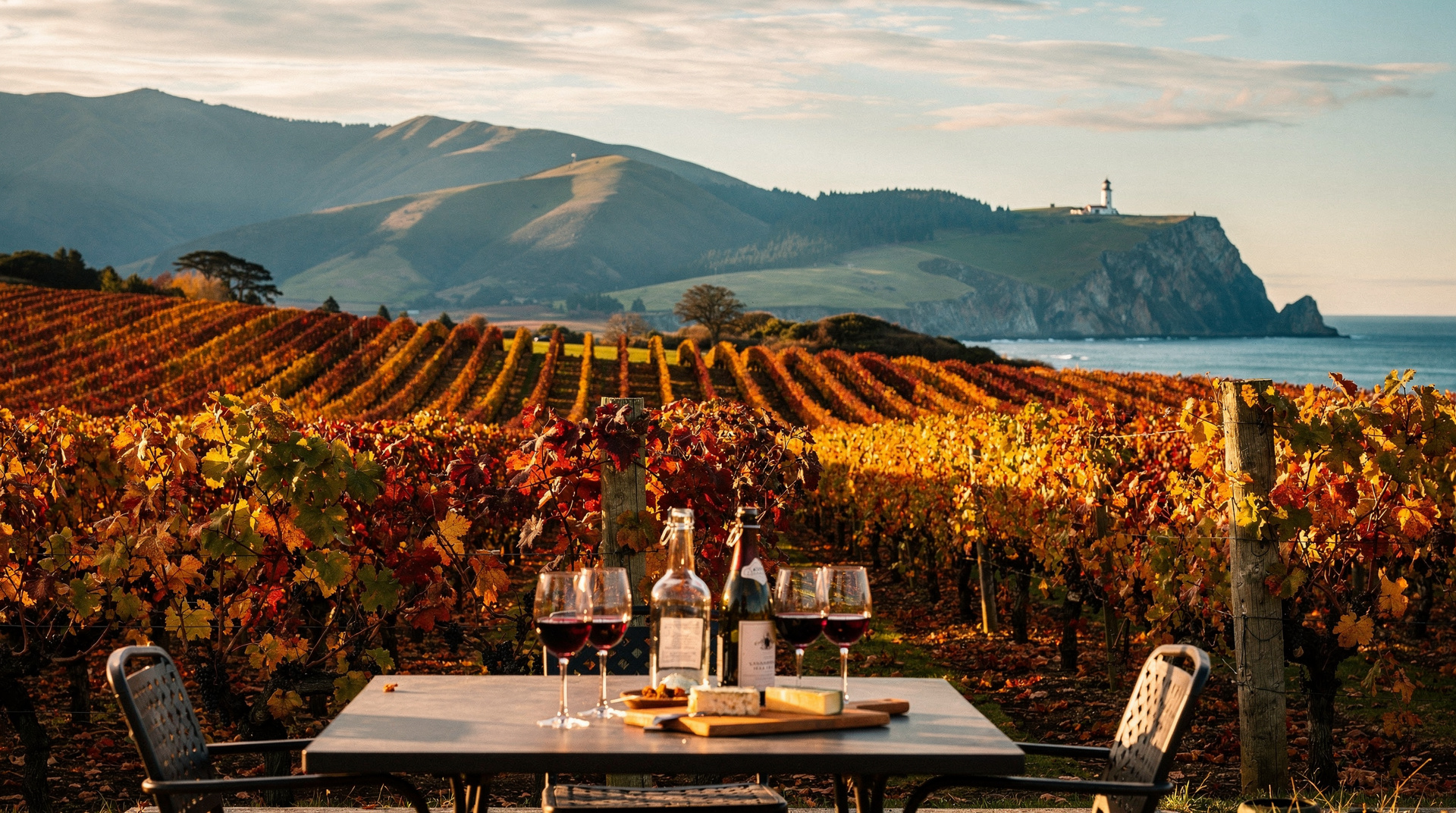
Wairarapa: Martinborough Pinot Noir, Cape Palliser fur seals and lighthouse, Castlepoint — Wellington day trip or overnight. NZD/USD/EUR.
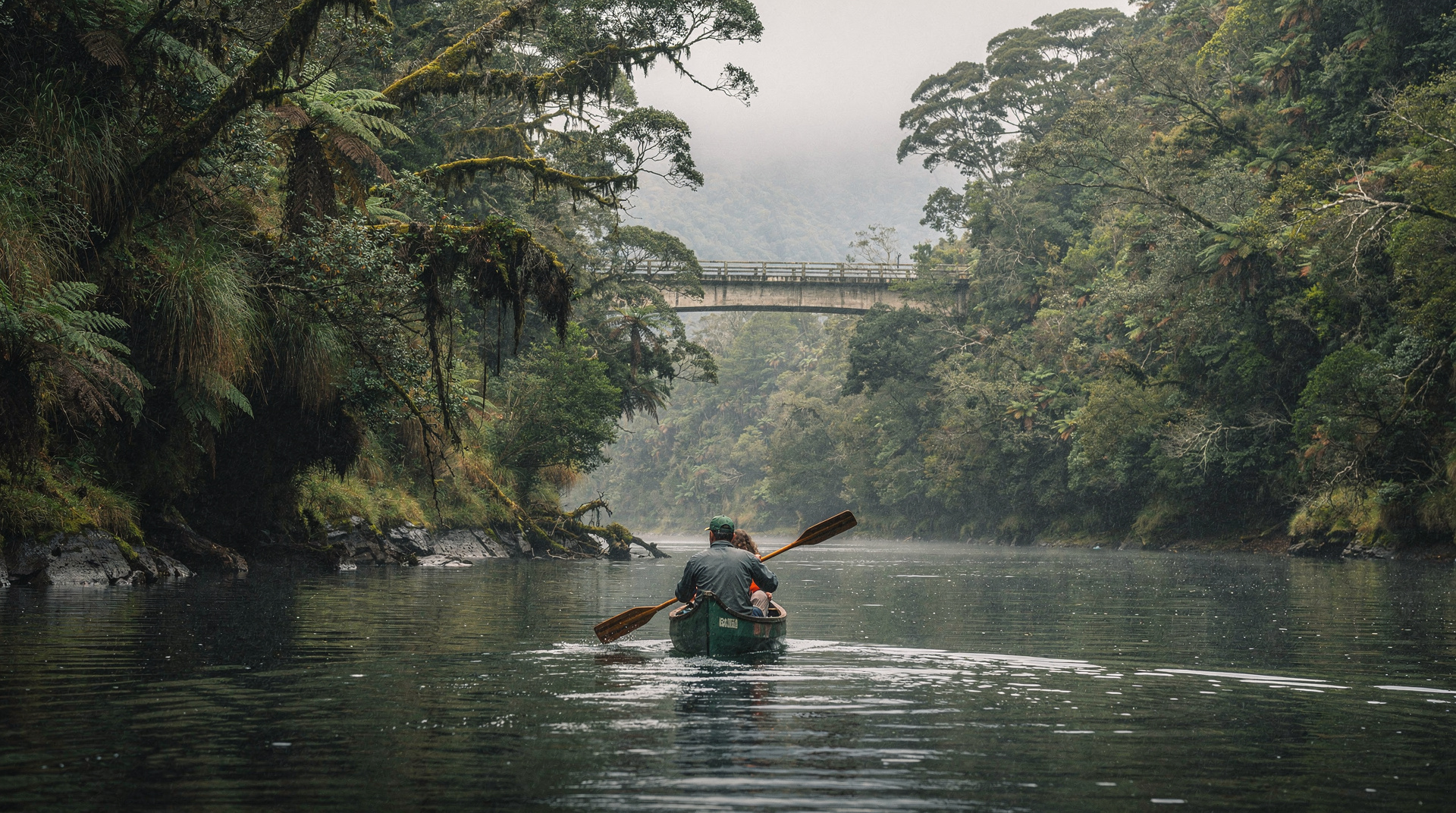
Manawatu-Whanganui
Manawatu-Whanganui: the Whanganui River Journey Great Walk by canoe, Palmerston North, and the Forgotten World Highway. Real costs NZD/USD/EUR.
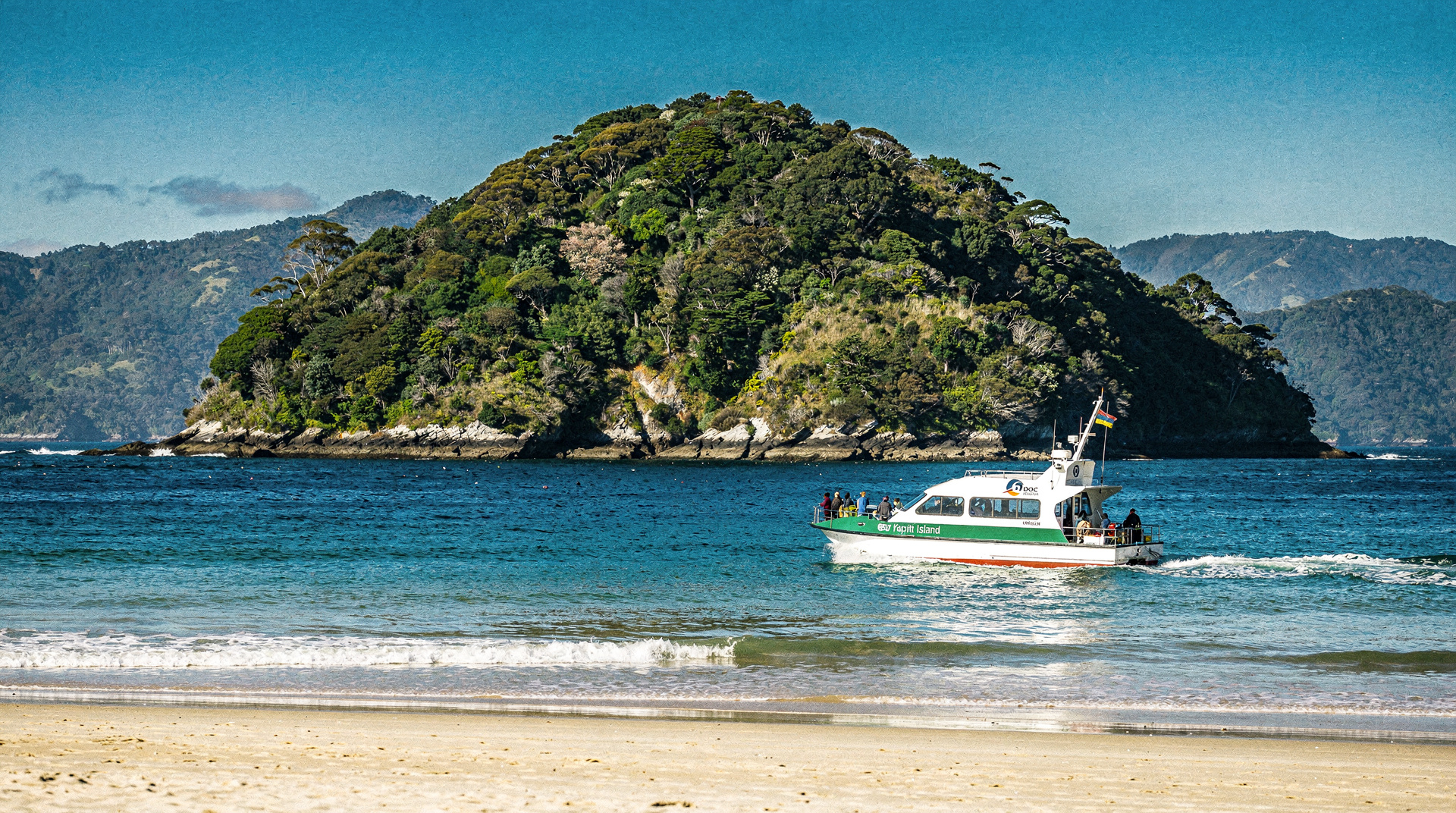
Best day trips from Wellington
Best day trips from Wellington: Martinborough wine (1h), Wairarapa coast (1.5h), Kapiti Island (permit required). Drive times and honest verdicts.
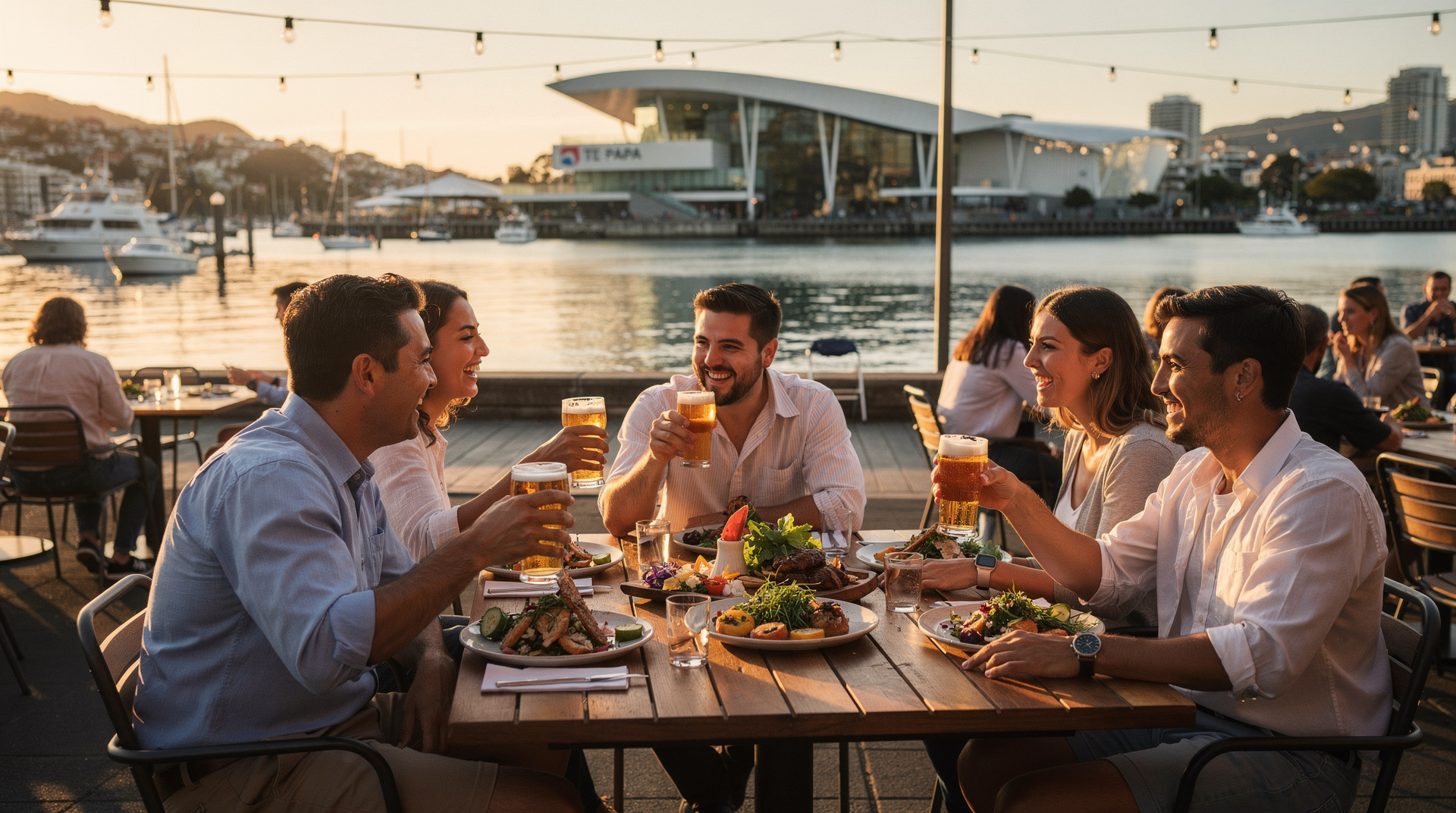
Wellington food and drink — the honest guide
Wellington food scene: Logan Brown, Hiakai, Ortega Fish Shack, Cuba Quarter, Garage Project craft beer, Flight Coffee, Wellington on a Plate. Real costs.
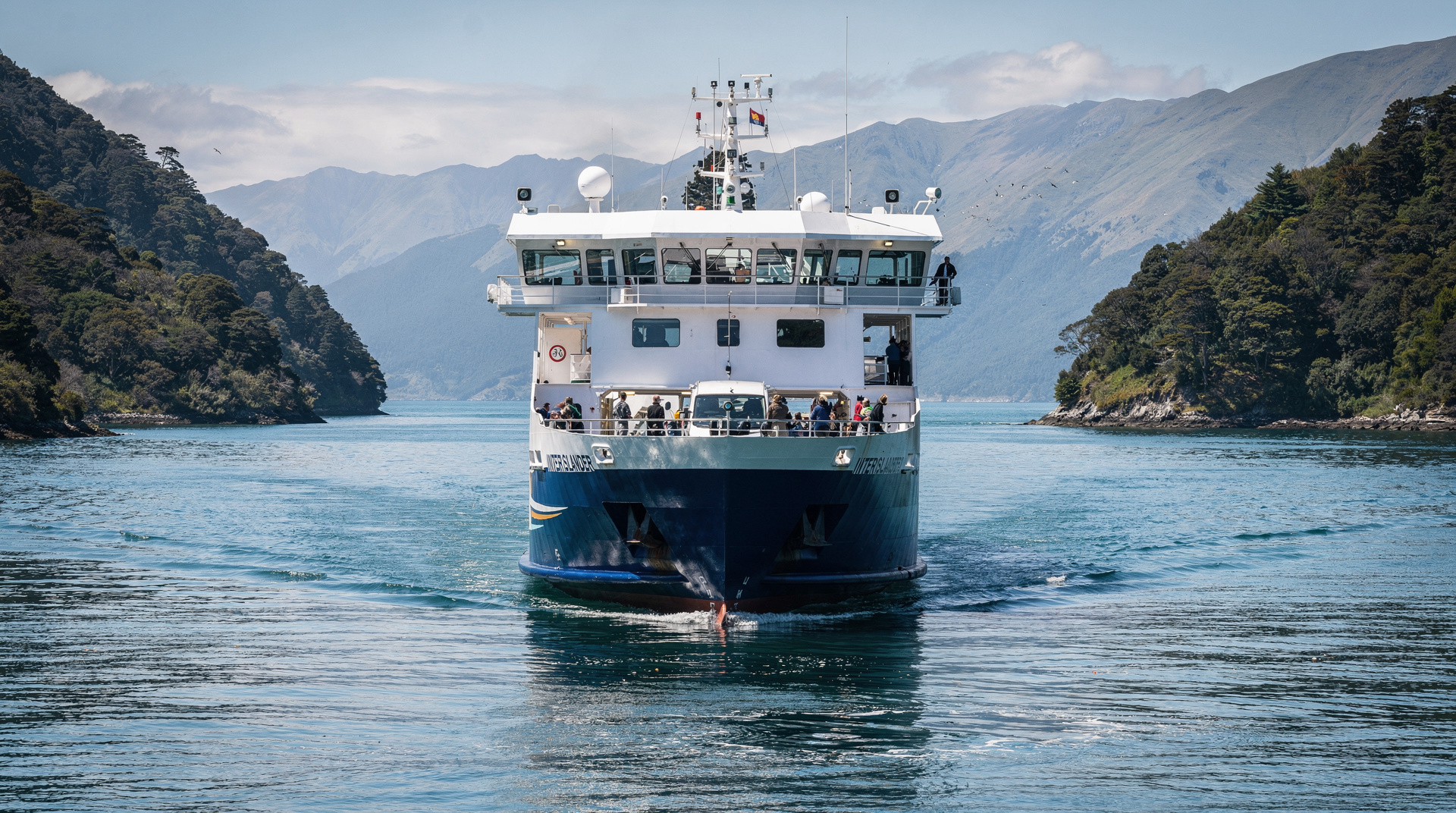
Cook Strait ferry guide
Complete Cook Strait ferry guide: Interislander vs Bluebridge, timetables, costs, booking tips, campervan advice, and the flying alternative.
7-day North Island itinerary — the essential highlights
Auckland → Bay of Islands → Hobbiton → Waitomo → Rotorua → Taupo → Tongariro → Wellington. 7 days, both car and costs covered honestly.

Wellington's craft beer scene in 2026 — the honest guide
Wellington has more craft breweries per capita than almost any city its size. The honest 2026 guide: what's good, what's changed, and where to go.
Last reviewed: