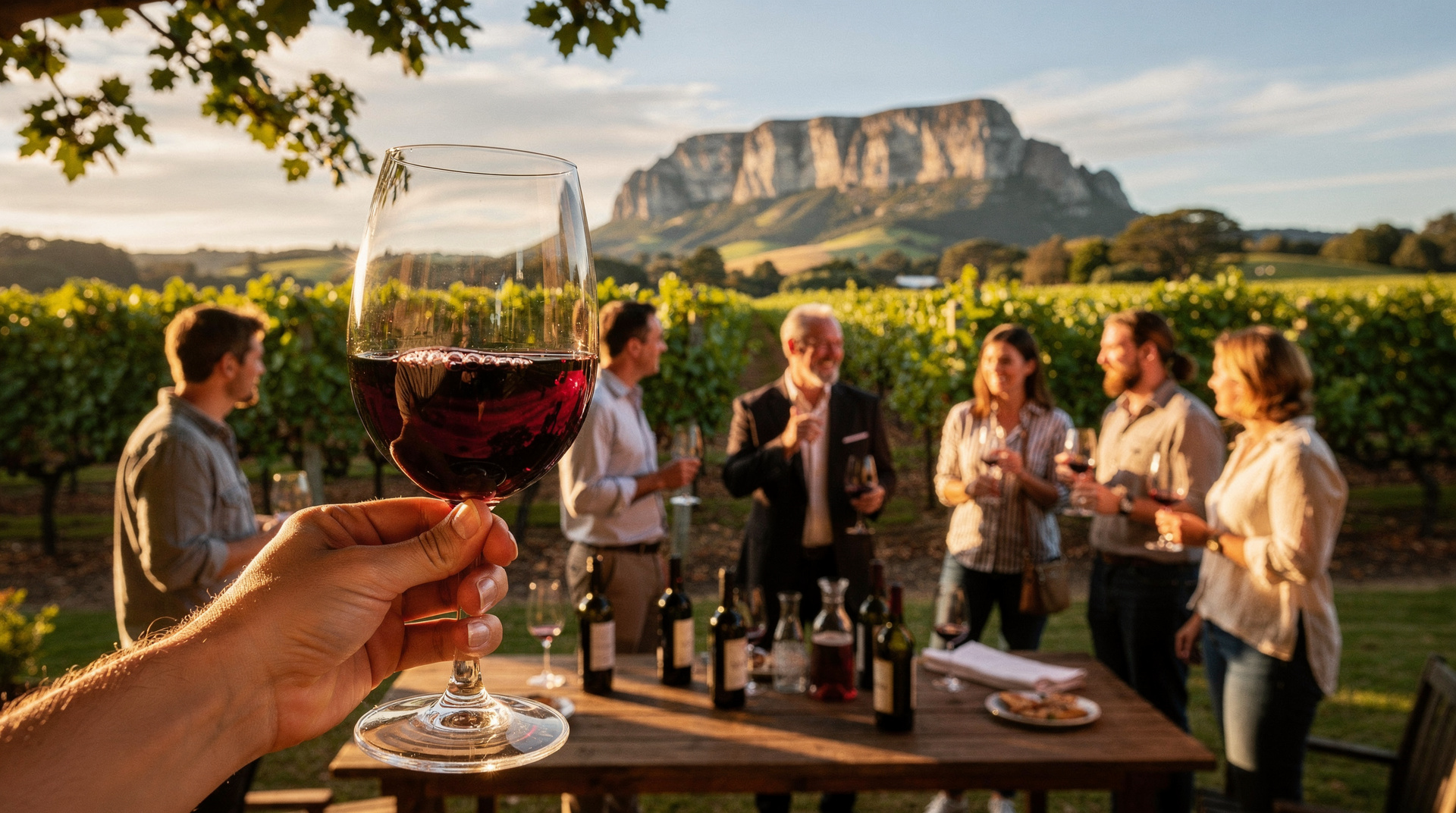
Hawke's Bay wine tour guide
What wine is Hawke's Bay famous for?
Hawke's Bay is New Zealand's top red wine region, best known for syrah, Bordeaux-style red blends (merlot/cabernet), and chardonnay. The Gimblett Gravels subregion produces the finest reds. Guided wine tours cost NZD 95–165 / USD 57–99 / EUR 52–91 from Napier or Havelock North.
New Zealand’s red wine heartland
| Where | Napier, Hastings, Havelock North (North Island east coast) |
| Known for | Syrah, Bordeaux-style reds, Chardonnay |
| Guided tours | around NZD 95–165 per person |
| Getting there | 45-min flight or 4.5hr drive from Wellington |
| Pairs well with | Napier’s Art Deco architecture |
Hawke’s Bay is New Zealand’s oldest wine region (commercial production since the 1890s) and its finest for red wines. While Marlborough dominates national production with sauvignon blanc, Hawke’s Bay makes the country’s most serious syrahs, Bordeaux-style blends, and chardonnays. The climate is warm (it holds the “sunshine capital of New Zealand” title by annual hours), the soils are varied, and the combination produces wines with genuine structure and aging potential.
The region centres on Napier (population 65,000), one of New Zealand’s most interesting cities architecturally — rebuilt in Art Deco style after a catastrophic 1931 earthquake, with an internationally recognised collection of 1930s buildings concentrated in an area small enough to walk. Wine touring and Art Deco architecture give Hawke’s Bay a two-layered appeal unusual in New Zealand’s wine regions.
The Gimblett Gravels — New Zealand’s premier red wine subregion
The Gimblett Gravels is a 800-hectare alluvial terrace northwest of Hastings that is New Zealand’s most prestigious wine subregion outside Central Otago. The gravels — rounded river stones deposited by an ancient Ngaruroro River flood — drain freely, warm rapidly in sun, and store heat overnight. The result is exceptional ripening conditions for red varieties, particularly syrah and cabernet sauvignon.
Key Gimblett Gravels producers:
Te Mata Estate: New Zealand’s oldest winery (established 1896). The Coleraine (Bordeaux blend) is one of the country’s most consistently acclaimed reds. The cellar door is beautiful — an old stone winery building surrounded by vines on the estate. Open daily, no appointment needed.
Craggy Range: The flagship Gimblett Gravels winery, with an exceptional restaurant (Terrôir) and architectural design by architect Matt Cooper. Le Sol syrah is the headline wine. The cellar door tasting experience is the most polished in the region.
Trinity Hill: Family-owned, strong across reds and the Gimblett Gravels blend. More casual atmosphere than Craggy Range; comparable quality at lower prices in some lines.
Sileni Estates: Popular with visitors for its café/restaurant and approachable pricing. The Grand Reserve syrah punches above its price point.
Alpha Domus: Small producer, excellent AD range. Often overlooked in favour of the marquee names.
Wine cycling tours
Hawke’s Bay has one of New Zealand’s best cycling networks for wine touring — the Hawke’s Bay Trails system links Napier, Hastings, Havelock North, and the major winery areas on dedicated shared paths and quiet roads.
The Hawke’s Bay coast and vineyards cycling tour combines a coastal section along the seafront with vineyard roads through the plains. The cycling is flat and manageable for all fitness levels; the route passes 3–4 wineries with cellar door stops built into the day.
Price: NZD 90–130 / USD 54–78 / EUR 50–72.
Drink-drive alternative note: Cycling between wineries requires the same restraint as driving — NZ’s 50 mg limit applies to cyclists. The cycling tours typically include a lunch break with food to pace the tasting.
Guided wine tasting tours from Napier
The Napier full-day wine tasting tour covers 4–5 producers including Gimblett Gravels and the hills above Havelock North. A full-day tour is the most efficient approach: a driver handles navigation, the guide contextualises the wines, and you can taste properly at each stop.
The Napier gourmet winery tour with lunch at 4 wineries is the premium option — winery restaurant meals at each stop, matched with the estate’s wines. Expensive by half-day standards (NZD 195–230 / USD 117–138 / EUR 108–127) but delivers an exceptional food-and-wine immersion.
Standard guided tour price: NZD 95–165 / USD 57–99 / EUR 52–91.
The Napier wine and food half-day tour covers 2–3 producers in a focused morning or afternoon session. This suits visitors who want wine country exposure without a full-day commitment — useful if combining with Art Deco Napier or the Cape Kidnappers gannet colony on the same day.
Art Deco Napier + wine: the full Hawke’s Bay day
The combination that Hawke’s Bay does better than any other New Zealand wine region is architectural heritage plus wine. Napier’s Art Deco district is walkable in 1.5–2 hours with a self-guided audio tour; combine it with a half-day wine tour for a full day.
The Art Deco Napier, Te Mata, and wine and cheese tour packages these elements together — the Art Deco walk through Napier, a visit to Te Mata’s historic cellar door, and a cheese-and-wine pairing session at a local cheesemonger. This is the recommended introductory experience for first-time visitors who haven’t prioritised one element over the other.
Regional wine styles to seek out
Syrah: Hawke’s Bay syrah is different from both Marlborough’s lighter pinot and Central Otago’s powerful pinot noir. At its best (Craggy Range Le Sol, Trinity Hill Homage), it has the white pepper and dark fruit character of a northern Rhône wine. This is the wine that most surprised the international wine world when Hawke’s Bay producers entered global competitions.
Bordeaux blends: Merlot, cabernet sauvignon, cabernet franc, and malbec combinations work well in the warm Gimblett Gravels. Te Mata Coleraine and Elephant Hill’s Airavata are the regional benchmarks.
Chardonnay: The Bay produces generous, full-bodied chardonnays with genuine complexity. Craggy Range Kidnappers and Clearview’s Reserve Chardonnay are standouts.
Viognier and other whites: The warm climate suits viognier — Elephant Hill produces one of New Zealand’s better examples. Sauvignon blanc exists here but is not the focus.
Beyond wine: Elephant Hill restaurant
Elephant Hill winery on the clifftops above the ocean south of Napier has one of the best restaurant settings in New Zealand. The dining room overlooks the Pacific through floor-to-ceiling windows; the menu uses Hawke’s Bay produce with winery-matched wines. Reserve at least 3 weeks ahead in summer. The lunch menu (NZD 70–100 / USD 42–60 / EUR 39–55 for two courses) is slightly more accessible than dinner.
Getting around Hawke’s Bay wine country
The wine producers are spread across a 30 km triangle between Napier, Hastings, and the Gimblett Gravels. Self-driving is possible (same caution applies about tasting and driving), or use one of the guided tour options above.
From Wellington: Domestic flight to Napier (45 minutes) or a 4.5-hour drive on SH2. The drive south through the Tararua Range and Hawke’s Bay coastline is beautiful in clear weather.
From Taupo: 80 km south on SH5 over the Napier-Taupo Road — a winding, scenic, frequently foggy route that takes 1.5 hours (allow 2). Worth doing in daylight for the views.
Costs summary (NZD / USD / EUR)
| Activity | NZD | USD | EUR |
|---|---|---|---|
| Guided full-day wine tour | 95–165 | 57–99 | 52–91 |
| Gourmet lunch wine tour (4 wineries) | 195–230 | 117–138 | 108–127 |
| Wine and food half-day tour | 75–110 | 45–66 | 41–61 |
| Cycling wine tour (half-day) | 90–130 | 54–78 | 50–72 |
| Cellar door tastings | 15–30 | 9–18 | 8–17 |
Exchange rate: 1 NZD ≈ 0.60 USD ≈ 0.55 EUR.
Where to stay for a wine-focused trip
Napier is the default base for most visitors — Art Deco walkability, the widest restaurant choice, and the best accommodation range. Havelock North, closer to Craggy Range and Te Mata Estate, suits wine-focused visitors who don’t need Napier’s city buzz and prefer a quieter, more upscale village setting at the foot of Te Mata Peak. Hastings sits centrally between the two and is a practical, less scenic option if you’re prioritising proximity to the Gimblett Gravels wineries over atmosphere.
Two nights is the realistic minimum to do the wine touring and the Art Deco walk without rushing either. A single overnight works if you split the day cleanly — Art Deco in the morning, wine tour in the afternoon, or the reverse.
Best time of year to visit
Harvest season (March–May) is the most atmospheric time, with cellar doors busy with vintage activity and the countryside turning gold. Spring (September–November) is quieter with good value on accommodation. Summer (December–February) is the most crowded, with restaurant bookings essential well ahead, particularly around the Art Deco Festival in February. Winter (June–August) is the low season — some cellar doors reduce hours, but this suits visitors focused on buying wine rather than a full touring day.
Honest verdict
Worth it for red wine lovers and for anyone who appreciates both food culture and architectural heritage in the same destination. Hawke’s Bay is genuinely underrated on the international wine tourism circuit — it lacks the global name recognition of Marlborough, but for red wine quality and restaurant scene, it’s comparable to anything New Zealand offers.
Frequently asked questions
How does Hawke’s Bay compare to Marlborough for wine?
They’re completely different in style. Marlborough is primarily a white wine region (sauvignon blanc dominant). Hawke’s Bay is New Zealand’s red wine heartland — syrah, Bordeaux blends, and chardonnay are the focus. If you drink red wine, Hawke’s Bay is the correct choice.
What is the Gimblett Gravels?
A legally defined 800-hectare subregion of Hawke’s Bay, named for the rounded river-stone soils that characterise it. The gravels drain freely, warm quickly, and produce the most concentrated reds in the region. Wines labelled “Gimblett Gravels” must contain 95% grapes from within the zone. Think of it as Hawke’s Bay’s premier cru appellation.
Is Art Deco Napier worth seeing even without wine interest?
Yes. Napier’s 1931 earthquake killed 256 people and destroyed most of the town; the rebuild happened almost entirely in the Art Deco style fashionable in 1931–32, resulting in one of the world’s best-preserved Art Deco streetscapes. The annual Art Deco Festival (February) draws visitors who have no particular wine interest.
Related reading
Related guides
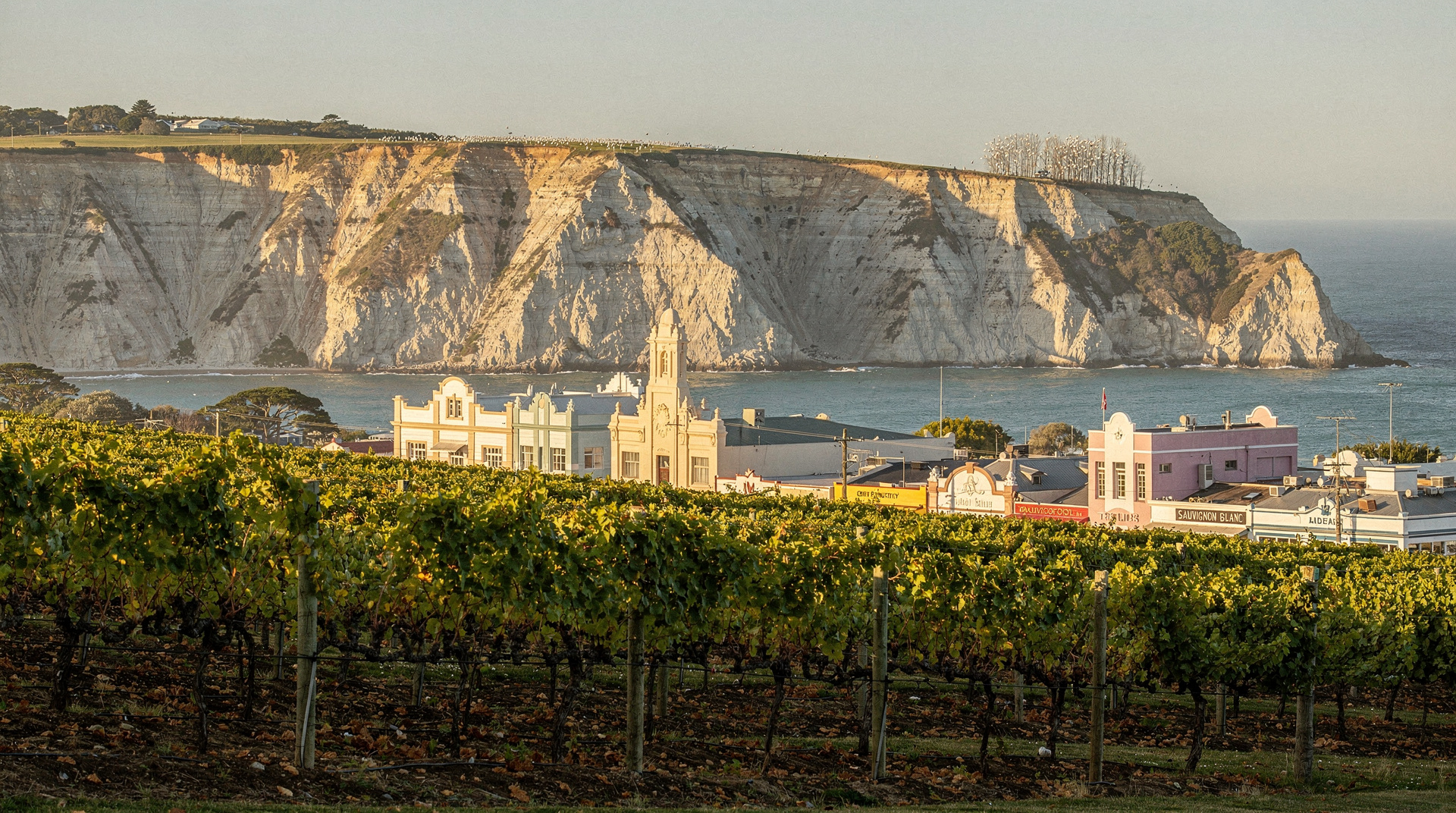
Hawke's Bay
Honest Hawke's Bay guide: Napier Art Deco, Marlborough-rivalling wines, Cape Kidnappers gannets, real NZD/USD/EUR costs. Best time to visit and what to skip.
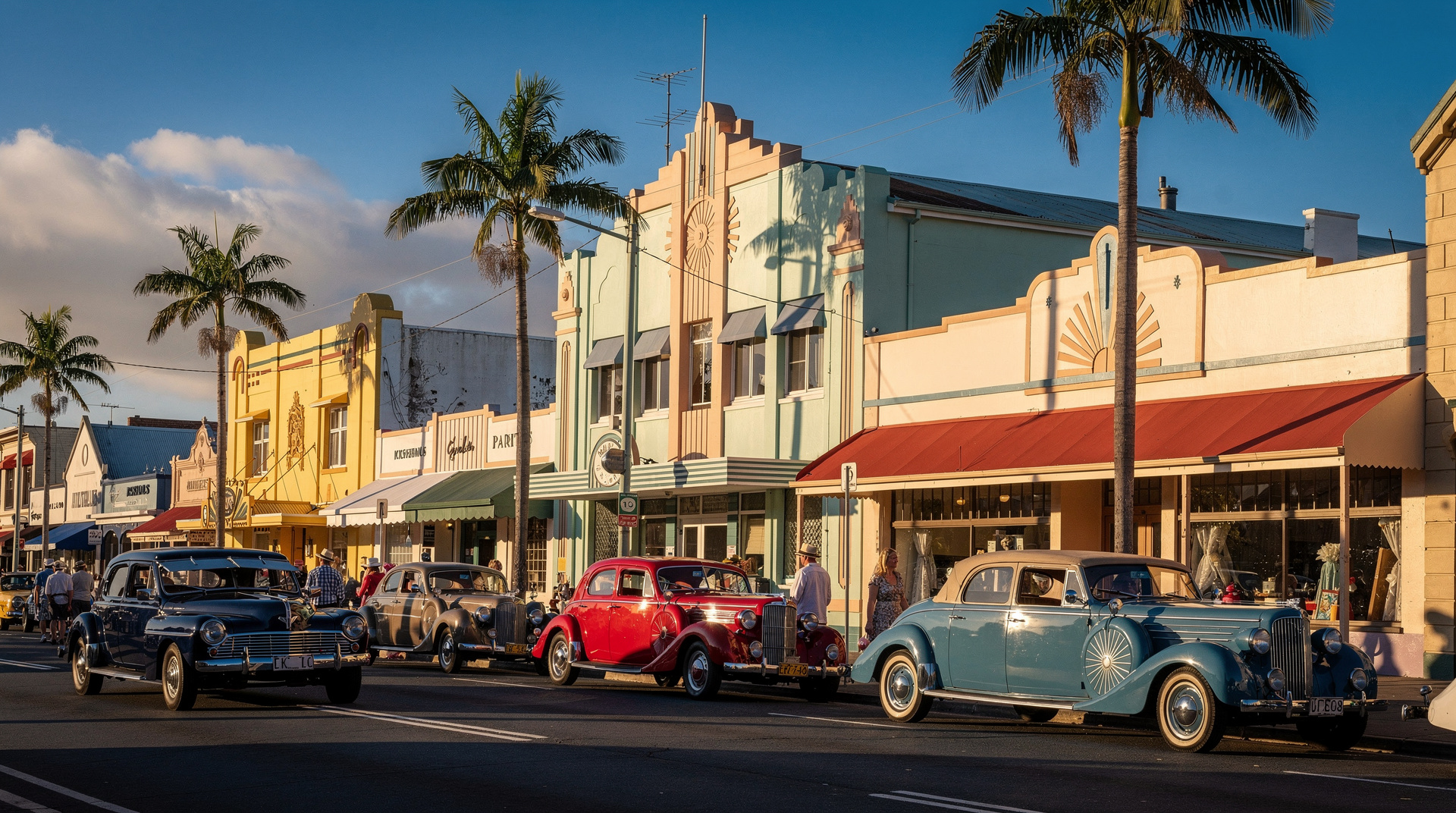
Napier
Honest Napier guide: Art Deco architecture, Hawke's Bay wine tours, Cape Kidnappers gannets, real prices NZD/USD/EUR, and how long to stay.
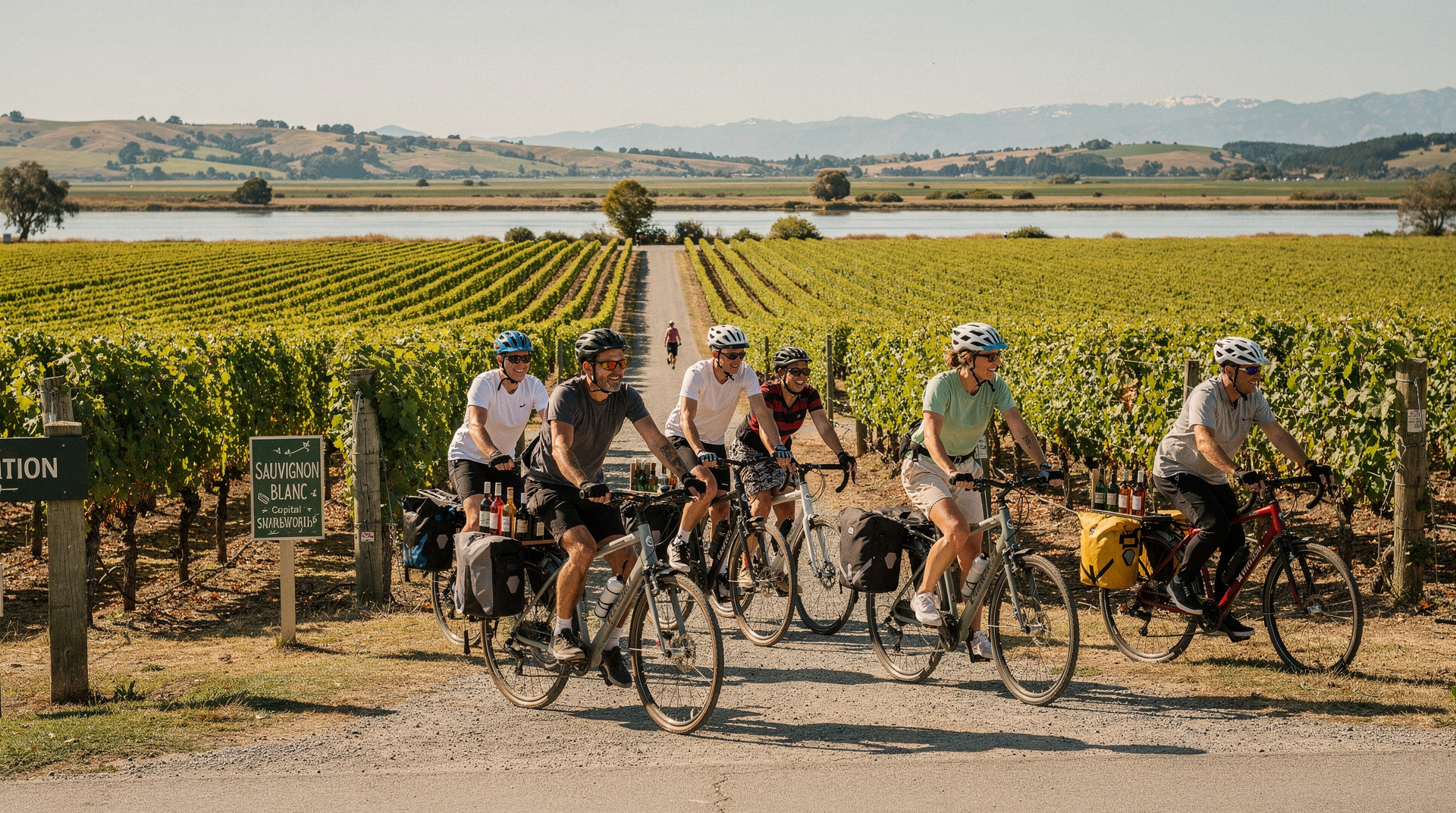
Marlborough wine tour guide
Marlborough produces 77% of NZ's wine. Self-drive routes, guided tours, top wineries around Blenheim — prices NZD/USD/EUR and drink-drive tips.
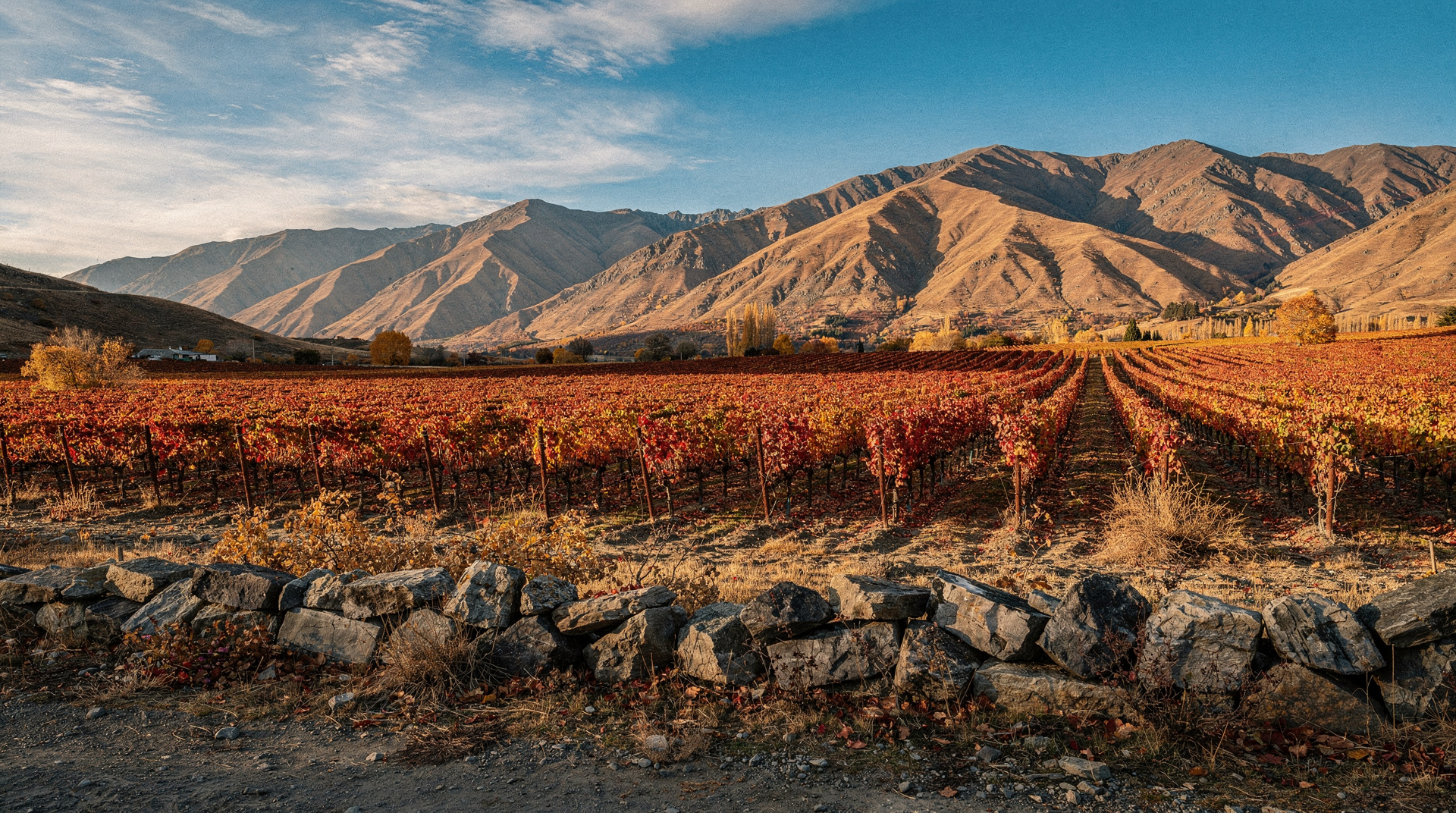
Central Otago wine tour guide
Central Otago is the world's southernmost wine region and NZ's pinot noir capital. Cromwell Basin, Bannockburn, Gibbston — tours and prices NZD/USD/EUR.
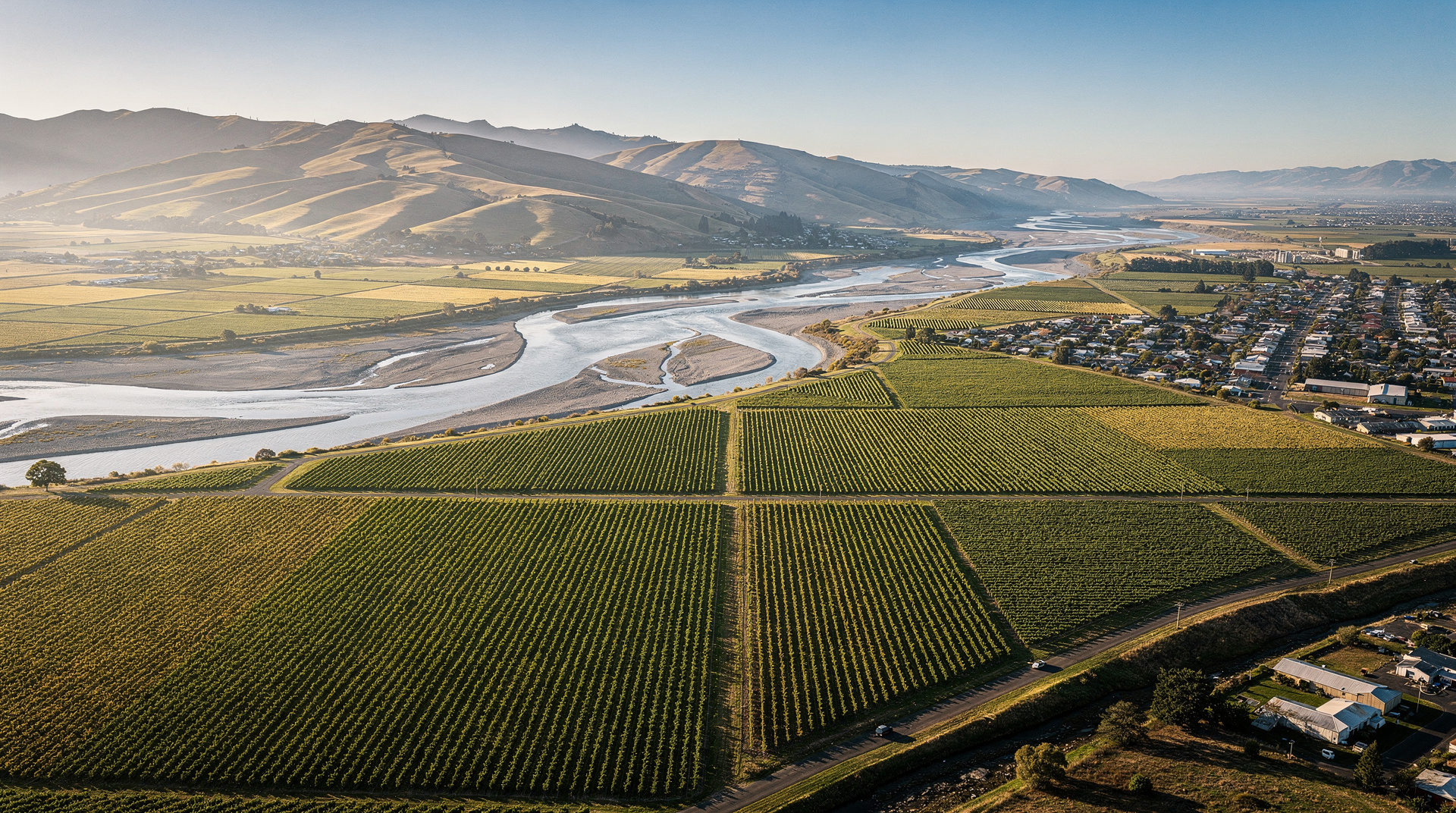
New Zealand wine regions — complete guide
Complete guide to New Zealand's 10 wine regions: Marlborough, Central Otago, Hawke's Bay, Martinborough and more. Which to visit, what to taste, prices.
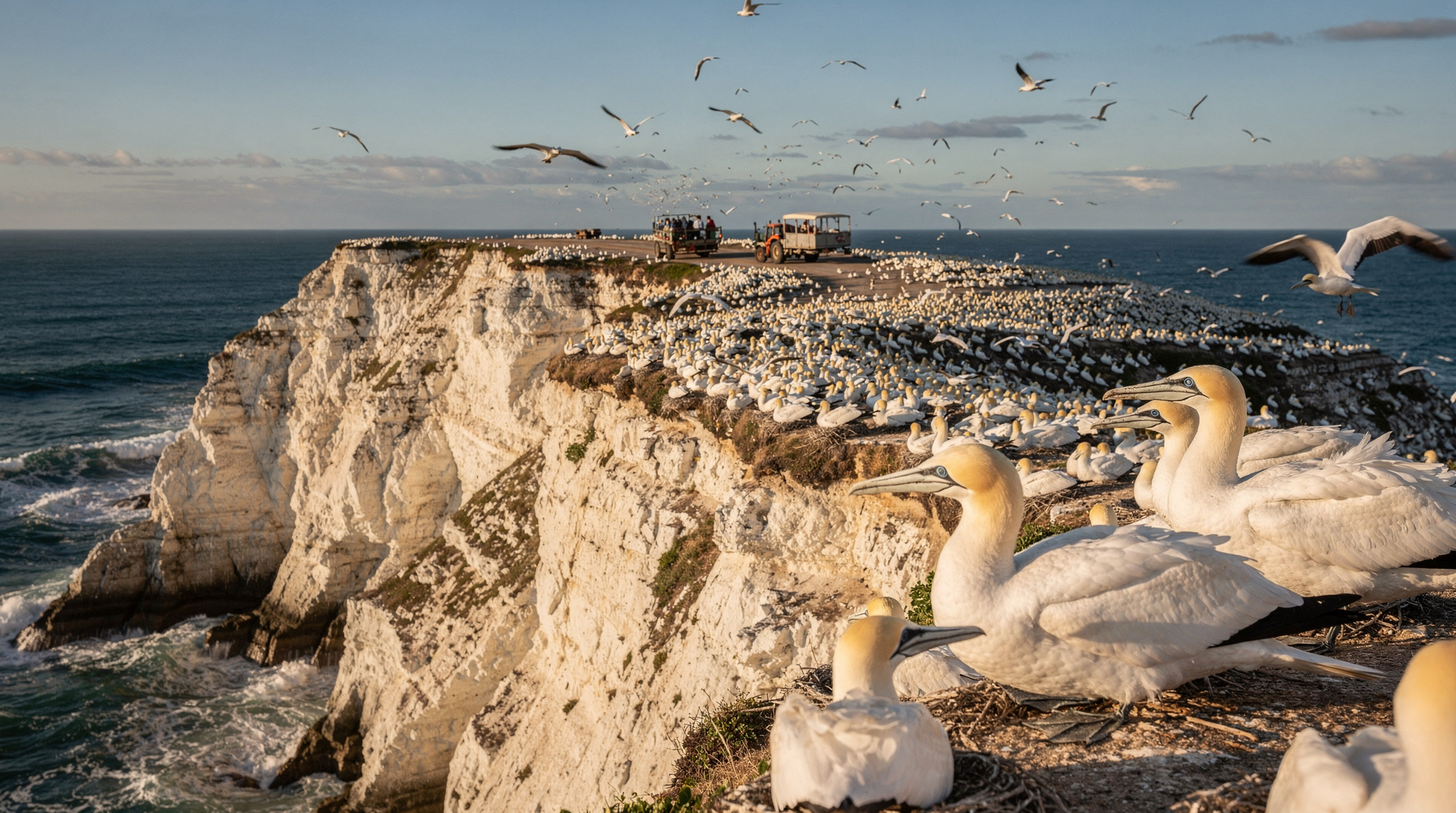
Gannets at Cape Kidnappers
Cape Kidnappers holds the world's largest mainland gannet colony. Tractor tours, prices (NZD/USD/EUR), best season, and how to visit from Napier or Hawke's Bay.
Last reviewed: