Auckland Museum + Maori cultural performance review
Is the Auckland Museum cultural performance worth the upgrade?
Yes if it's your first stop in NZ — 45 minutes of authentic Maori performance with the museum's world-class taonga collection is the best intro to the culture. Skip if you're also doing Te Puia or Mitai in Rotorua — you'll see a more substantial show there.
Two experiences in one building — and one is worth considerably more than the other
✓ Museum: Worth it ✓ Performance combo: Worth it (first-timers) ✕ Performance solo (without museum): SkipMaori Cultural Experience & Auckland Museum Admission
Auckland Museum entry + 45-minute Maori cultural performance — combo ticket.
From NZD 56 adult / USD 34 / EUR 31
| Where | Auckland Domain, Parnell, about 2km from the CBD |
| Cost | Around NZD 56 combo, NZD 28 museum-only (adult) |
| Time needed | 2.5-3.5 hours for a thorough visit |
| Getting there | 20 min walk, short taxi/rideshare, or bus to Parnell Road |
| Best time | 10am performance for the quietest visit |
The Auckland War Memorial Museum sits at the top of the Domain in Parnell, about 2 km from the city centre. It is simultaneously one of New Zealand’s finest institutions — a genuine world-class collection of taonga Maori and Pacific artefacts — and a place where the tourist experience is heavily layered over a serious research museum. Understanding which parts are worth your time requires some navigation. For the full standalone museum guide without the performance-versus-Rotorua comparison, see the complete Auckland Museum guide.
The museum itself opened in 1929. The permanent collection spans three floors: natural history and geology on the ground floor, Maori and Pacific cultures (the undisputed highlight) on the first floor, and New Zealand at war on the second floor. The war galleries are comprehensive and historically significant; the natural history floor is solid but standard. The Maori and Pacific galleries are exceptional.
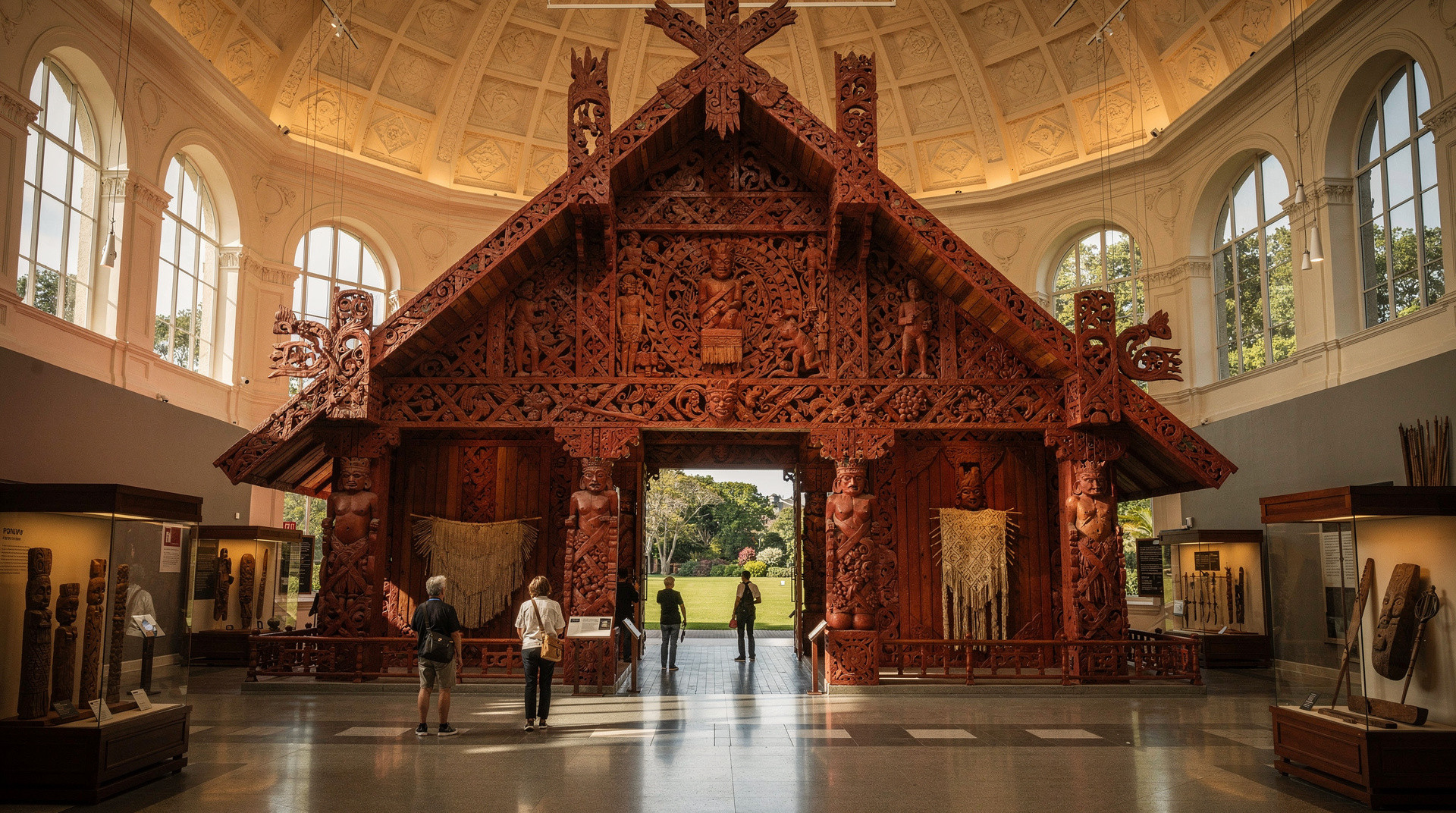
The cultural performance is a separate 45-minute show that runs three times daily, included in the combo ticket. It takes place in a wharenui (carved meeting house) adjacent to the Maori galleries and features kapa haka performance (song and dance), wero (challenge), poi, and haka.
These two experiences are sold together. Whether that pairing is worth it depends almost entirely on whether you have other Maori cultural experiences planned later in your trip.
The museum: what you actually see
Ground floor — natural history
The natural history galleries cover the geological formation of New Zealand, the arrival of Polynesian settlers, and the diversity of flora and fauna. The moa skeleton and huia specimens are legitimately impressive — both are extinct New Zealand species with significant cultural weight. The volcanic eruption simulation (a room that shakes and fills with recorded eruption sounds) is harmless family entertainment but adds little for adults.
Verdict: Walk through but don’t plan more than 30 minutes here unless you have a specific interest.
First floor — Maori and Pacific (Te Ao Hou)
★ First floor: Don't rush thisThis is the reason to come. The collection includes:
- Te Ao Hou waka taua — a 25-metre war canoe, one of the finest surviving examples in the world. The carving detail is extraordinary.
- Hotunui wharenui — a fully carved meeting house from the Ngati Maru iwi of Thames, constructed in 1878 and donated to the museum. You can walk inside.
- Taonga collection — greenstone (pounamu) weapons and ornaments, carved wooden storage boxes (waka huia), cloaks woven from kiekie and feathers. Several items date from before European contact.
- Pacific collection — outrigger canoes, navigation instruments, tapa cloth, and carvings from throughout the Pacific. The Cook Islands and Samoa sections are particularly strong.
Allow 60-90 minutes here. If you have a serious interest in Maori culture, 2 hours is not excessive.
Second floor — war memorial
The war galleries document New Zealand’s involvement in major conflicts from the South African War through to Afghanistan. The World War One section is particularly comprehensive — New Zealand’s per-capita losses at Gallipoli were among the highest of any Allied force, and the museum handles this with appropriate gravity. The World War Two section covers the Pacific theatre and North Africa campaigns.
Verdict: Worthwhile, particularly if you have family history connected to either war, or are interested in how a small nation’s military history shaped its national identity. Allow 45-60 minutes.
The cultural performance
The performance is 45 minutes, runs at 10am, 12pm, and 2pm (check the museum website for current schedule — hours vary seasonally).
The performing group changes but is consistently sourced from Auckland-based Maori performers. The programme covers:
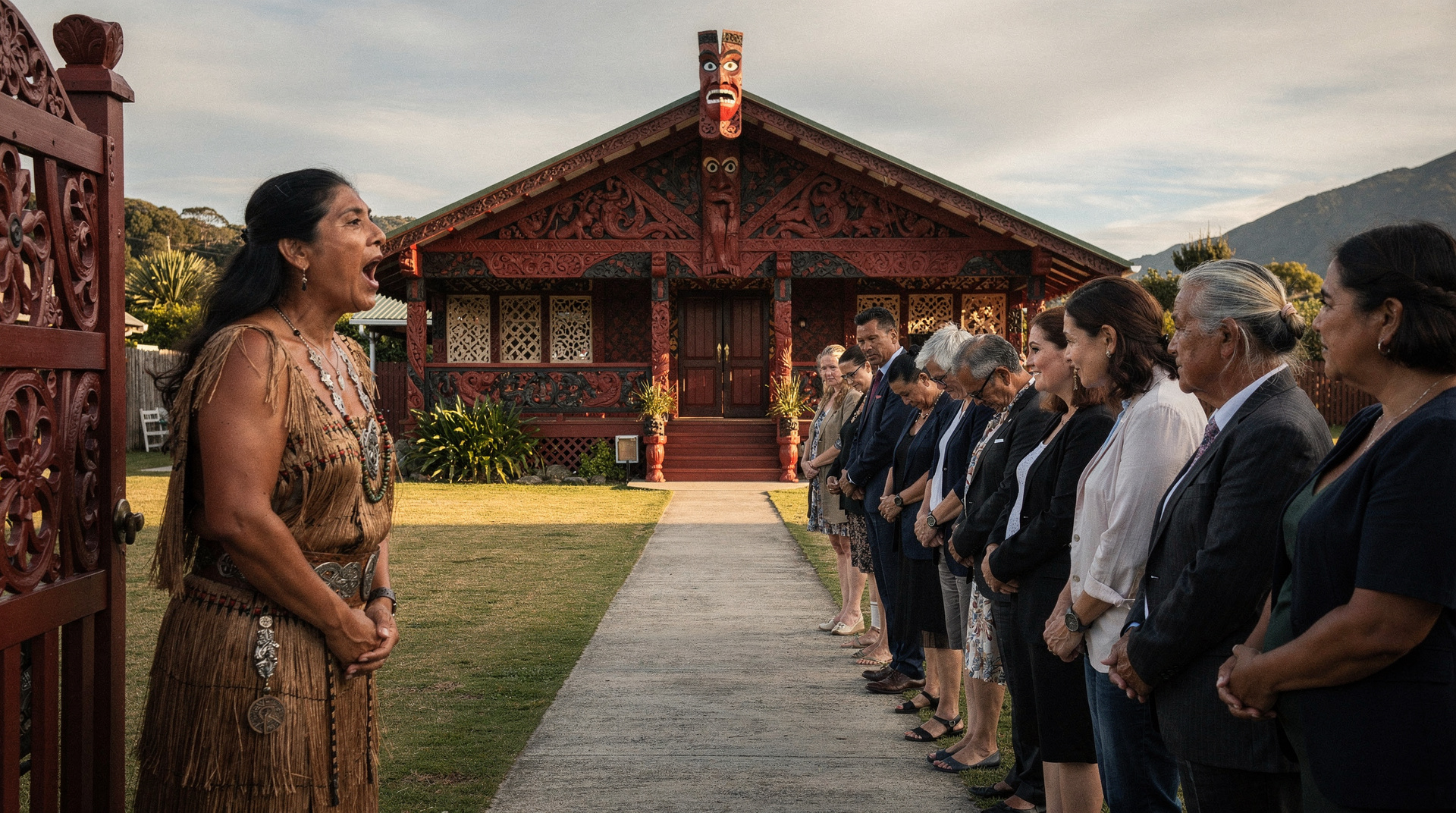
- Wero (challenge): A ritual greeting challenge performed at the entrance to the wharenui. The male lead carries a dart (rautapu) and places it on the ground; a member of the audience picks it up, signalling peaceful intent.
- Waiata (songs): A range of traditional and contemporary Maori songs, accompanied by poi swinging (women) and action song.
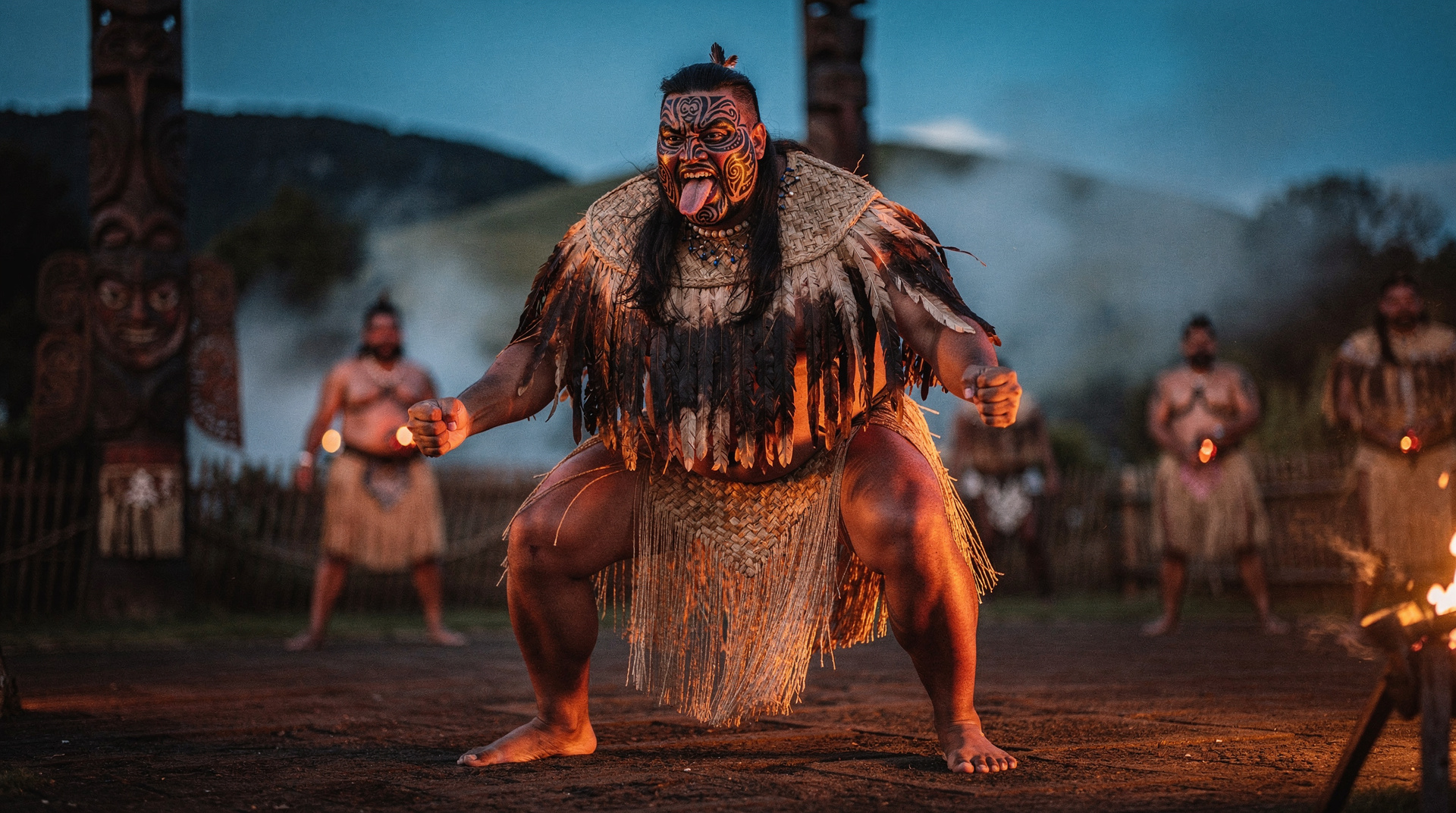
- Haka: The well-known vigorous war dance. The performance is the genuine article — it is not a watered-down tourist version.
- Ta moko and taonga pounamu demonstration: A brief explanation of traditional tattooing and greenstone tools.
What the performance does well: The performers take questions at the end and speak candidly about contemporary Maori culture, the meaning of te reo Maori, and what manaakitanga (hospitality) means in a modern context. This section is often more valuable than the performance itself.
What it doesn’t do: At 45 minutes and in a museum context, it cannot match the depth of a dedicated Maori cultural experience at a living marae. See the Te Puia Rotorua guide, where the iwi-led performances happen in the context of an active geothermal area and a working carving school, and are in a different category entirely. If visiting a marae during your trip, the marae etiquette guide is essential reading beforehand.
The honest comparison:
| Experience | Duration | Setting | Depth | Cost |
|---|---|---|---|---|
| Auckland Museum performance | 45 min | Museum wharenui | Introductory | Included in NZD 56 combo |
| Te Puia, Rotorua | 3-4 hours | Active iwi village | Substantial | NZD 135-180 |
| Mitai Maori Village, Rotorua | 2.5 hours | Evening setting | Substantial | NZD 115-125 |
| Tamaki Maori Village, Rotorua | 2 hours | Historical village replica | Moderate | NZD 110-120 |
Who should book this
Book the combo ticket if:
- Auckland is your first stop in New Zealand and you want cultural orientation before heading south.
- You have limited time in NZ and won’t be visiting Rotorua.
- You are travelling with children aged 8-14 who need engagement across different formats — the haka and waka taua are genuinely arresting.
- You have a specific interest in the Pacific collection or Maori taonga.
Book museum-only if:
- You are doing Te Puia or Mitai in Rotorua — you’ll get a significantly more substantial cultural performance there.
- You visit regularly in Auckland and want to explore the war galleries or natural history at your own pace.
Skip the museum entirely if:
- You have fewer than 3 hours in Auckland total and are prioritising waterfront, markets, or the Sky Tower. The museum is worth doing but requires a half-day commitment to do properly.
Getting there
The museum is at Parnell Domain, Auckland. The address is The Auckland Domain, Parnell.
From the city centre: 20 minutes walk via Parnell Road (uphill the final 500 metres through the Domain). A taxi or rideshare takes 8-10 minutes and costs NZD 12-18.
Bus: Several AT Metro routes stop on Parnell Road, approximately 500 metres from the museum. Check the AT Journey Planner for current routes.
Parking: Limited Domain car park (paid). The Parnell Baths car park nearby has additional spaces. Parking in Auckland is genuinely difficult — public transport or rideshare is easier.
Combination tip: The museum pairs well with a walk through the Auckland Domain rose gardens and the nearby Wintergarden (free entry). The Parnell Village strip (5 minutes walk) has good lunch options. Build a half-day: museum (2.5-3 hours) + lunch in Parnell + Domain walk.
Fitting the museum into a wider Auckland stay
The museum works best as one anchor in a day rather than the whole plan. If you are building your first days in the city, the Auckland destination guide shows how the neighbourhoods connect, and the day trips from Auckland page helps you decide which days to spend out of town. A museum morning followed by an easy afternoon leaves the next day free for something bigger, such as the Waiheke day trip or the Hobbiton day trip from Auckland.
Travellers who prefer an adrenaline contrast to a quiet gallery morning often pair the visit with the Sky Tower and SkyWalk on another half-day. If the weather turns, the museum is a sound wet-day fallback, and Kelly Tarlton’s is the other indoor option that works well with children.
If you are still deciding how many days to give the whole country, the first-time New Zealand guide and the 10-day itinerary show where Auckland sits in a typical route, and the te reo Maori glossary is a useful read before you walk into the galleries, so the words on the signage and in the performance land with more meaning.
Red flags
- Gift shop prices: ⚠ Tourist trap The museum shop sells Maori-themed jewellery, prints, and reproductions at significant markup. Functional but expensive. If you want authentic pounamu greenstone, go to a dedicated jeweller in Queenstown or Hokitika — the selection and provenance tracking is better.
- Audio guides: An additional NZD 5-8. In our assessment, not necessary — the signage in the Maori galleries is exceptionally good and the performance includes more cultural context than the audio guide covers for that section.
- Photography in the wharenui: Photography of the performance is permitted but the wharenui is dim. Phone cameras in auto mode produce poor results. If you want photographs of the waka taua, the lighting on the main floor is significantly better.
Alternatives
Auckland City Sights + Museum combo
If you want to combine the museum with a broader Auckland orientation, the Auckland City Sights tour with Museum and Cultural Performance covers both in a half-day guided format — useful if you have just arrived and want an overview before self-directing.
Museum-only entry
Entry without the cultural performance: approximately NZD 25-28 adult. This is the better option if you will be doing a full Maori cultural experience in Rotorua — see the Mitai Maori Village guide and the broader Maori culture overview for planning a deeper cultural itinerary beyond Auckland.
Other ways to book
If you only want the galleries and prefer to secure entry in advance, a standalone museum entry ticket covers the collection without the show. Travellers who want a more private, guided cultural experience in the city can look at a small-group Maori cultural tour around Auckland instead of the museum format.
Cost breakdown
Cost breakdown
All prices approximate 2026. Museum combo prices may vary — check museum website.
| Item | NZD | USD | EUR | Verdict |
|---|---|---|---|---|
| Museum entry + cultural performance combo (adult) | NZD 56 | USD 34 | EUR 31 | ✓ Worth it |
| Museum entry only (adult) | NZD 28 | USD 17 | EUR 15 | ✓ Worth it |
| Museum entry (child 5-14) | NZD 16 | USD 10 | EUR 9 | ✓ Worth it |
| Audio guide Signage in Maori galleries is sufficient | NZD 6 | USD 4 | EUR 3 | ✕ Skip |
| Rideshare from city centre (each way) | NZD 12–18 | USD 7–11 | EUR 7–10 | |
| Lunch at Parnell Village (nearby) Not included — good options 5 min walk | NZD 20–35 | USD 12–21 | EUR 11–19 |
Frequently asked questions about Auckland Museum + Maori cultural performance review
What time is best to visit to catch the cultural performance?
The 10am performance is the quietest (fewer tour groups) and lets you explore the galleries at leisure afterward. The 2pm performance works well if you combine the museum with a Parnell morning. The 12pm performance can be crowded — tour groups often converge then.
Is the museum suitable for young children?
Yes, with caveats. The war galleries contain graphic content (photographs, dioramas of combat) that requires parental judgement for children under 10. The natural history floor and Maori galleries are consistently rated well for families. The cultural performance is excellent for children — the haka is visceral and engaging.
Can I buy tickets on the day?
Yes, tickets are available at the door. However, if your schedule is fixed around a specific performance time, booking online guarantees a seat. The 10am Saturday performance can fill up in peak season (January-March).
How does this compare to Auckland Museum vs Te Papa in Wellington?
Both are world-class. Te Papa has a broader national collection and is larger. Auckland Museum has a stronger Maori and Pacific-specific collection and the cultural performance is a genuine differentiator. If you are visiting both cities, both are worth the time — they cover complementary rather than duplicate ground.
Is the museum fully accessible?
Yes. Lifts serve all floors. The Domain approach has ramps. The wharenui performance space has accessible seating. Contact the museum in advance for specific needs.
How long does the full museum + performance take?
Allow 3-3.5 hours for a thorough visit including the performance. If you focus only on the Maori/Pacific floor and the performance, 2 hours is sufficient.
Is there food in the museum?
Yes — a cafe on the ground floor (Domain Kitchen) and a kiosk. Food is standard museum-cafe quality. Better lunch options are a 5-minute walk in Parnell Village.
Is te reo Maori used in the performance?
Yes, throughout. Songs and haka are in te reo Maori. The performers translate and contextualise throughout. One of the genuine values of the performance is hearing te reo Maori spoken and sung in context — this is less common in central Auckland than it might appear.
Related guides
Auckland
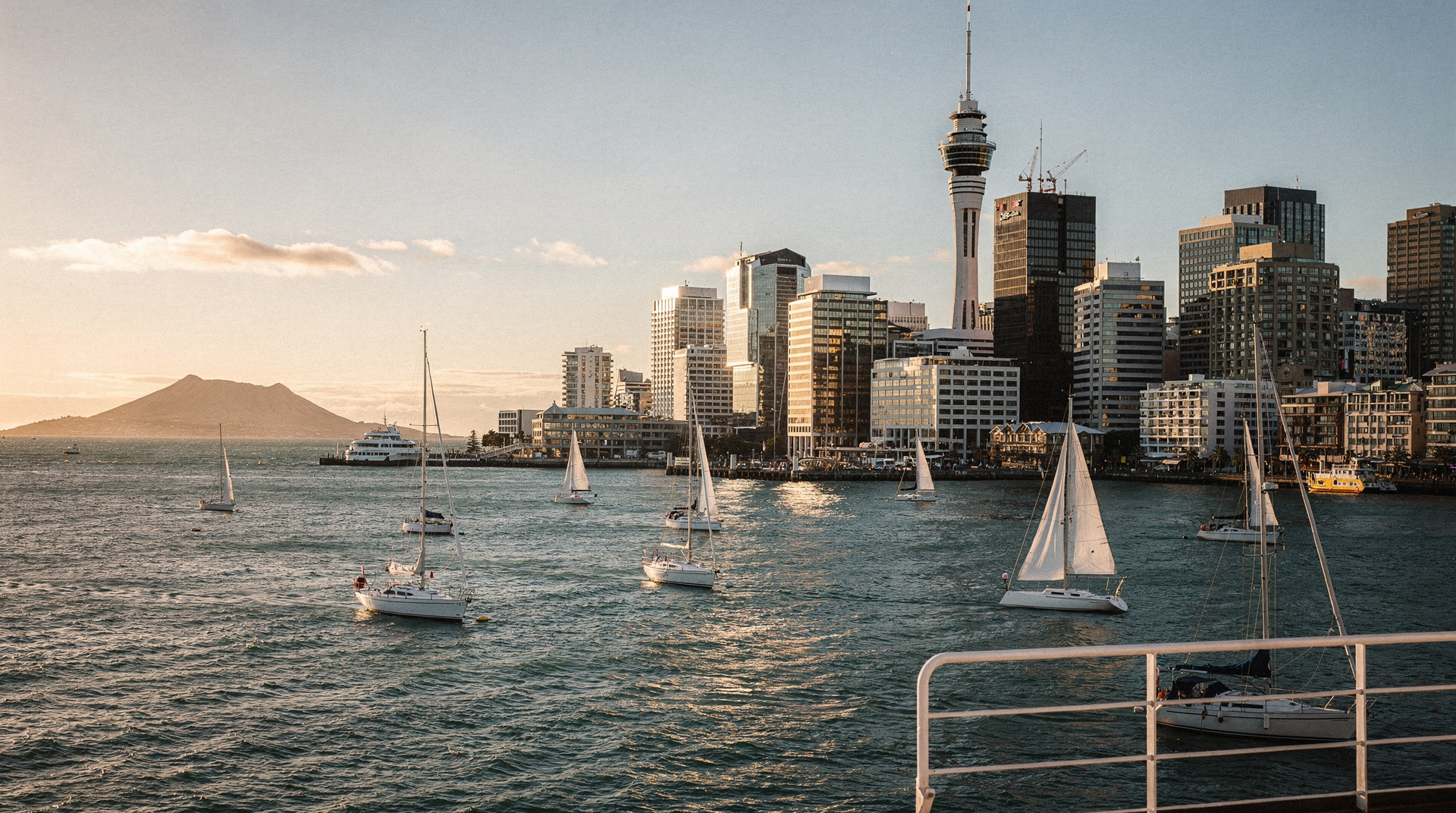
Honest Auckland planner: harbour, Sky Tower, Waiheke wineries, day-trips to Hobbiton, real prices NZD/USD/EUR, and what's actually worth your time.
Te Puia Rotorua — the complete iwi-led cultural experience guide
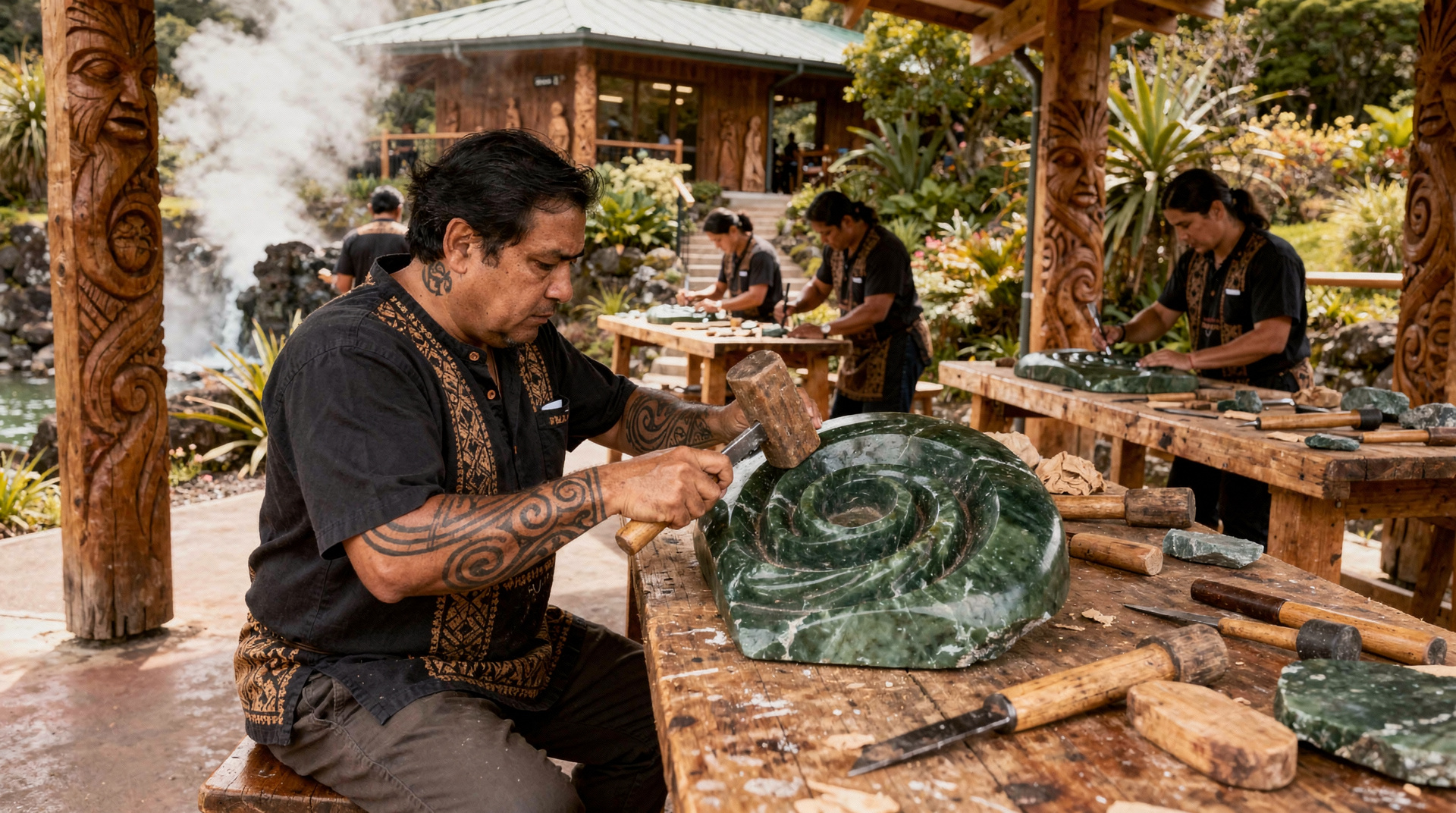
Te Puia: Rotorua's iwi-led Maori cultural centre. Pohutu Geyser, living carving school, kapa haka, and hangi.
Mitai Maori Village Rotorua — honest review and visitor guide
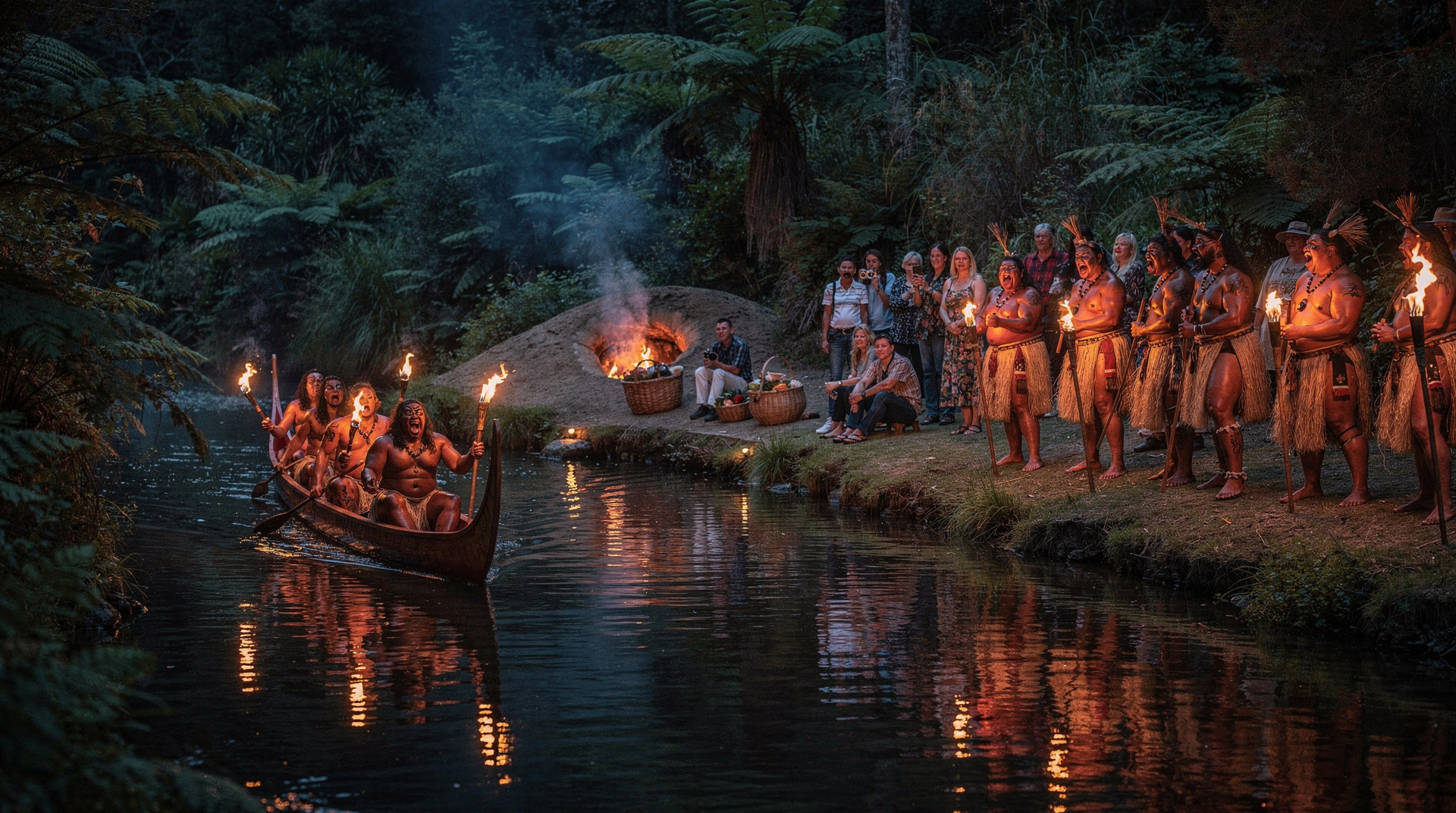
Honest review of Mitai Maori Village Rotorua: the family-run waka arrival, kapa haka, hangi feast, and glowworm walk.
Maori culture overview — what every visitor should know
Respectful introduction to Maori culture for visitors: tangata whenua, Te Tiriti, tikanga basics, language, cultural experiences.
Marae etiquette for visitors
Marae etiquette: powhiri protocol, hongi greeting, shoes off, what not to do, and how to be a respectful guest at a Maori meeting place.