Central Otago wine tour guide
What is Central Otago wine region famous for?
Central Otago (Cromwell Basin, Gibbston Valley, Bannockburn) is New Zealand's pinot noir capital and the world's southernmost wine region. The extreme continental climate produces intensely flavoured, structured pinots. Guided wine tours from Queenstown cost NZD 100–160 / USD 60–96 / EUR 55–88.
The world’s southernmost wine region
Central Otago sits at 44–47°S latitude — the world’s southernmost wine region. The climate is extreme for viticulture: hot, dry summers (occasionally reaching 35°C), cold winters with frost and snow, very low rainfall, and intense UV radiation. This is not a marginal wine climate where grapes struggle to ripen; it’s a marginal climate in a different sense — the extreme diurnal temperature variation (hot days, cold nights) preserves aromatic compounds and acidity while allowing full phenolic ripeness. The result is pinot noir of a character unlike anything produced elsewhere.
Central Otago pinot noir is the wine that put New Zealand on the world’s serious wine map. When Felton Road Pinot Noir began winning international competitions in the early 2000s, it prompted a reassessment of New Zealand’s wine potential that had been previously limited to Marlborough sauvignon blanc. Today, names like Burn Cottage, Rippon, Ata Rangi (technically Martinborough, but in the same stylistic orbit), and Felton Road are on the lists of the world’s top wine producers.
| Where | Cromwell Basin, Gibbston Valley, Bannockburn — 20-80 min from Queenstown |
| Cost | Around NZD 100-200/person for a guided tour |
| Time needed | Half day (Gibbston) to full day (Cromwell Basin) |
| Getting there | Guided tour, e-bike, or self-drive (spit or limit tastings if driving) |
| Best time | Harvest season (late March-April) for colour and fewer crowds |
The subregions
Central Otago divides into five main subregions, each producing wines with distinct characteristics:
Cromwell Basin: The largest and most planted subregion, centred on the Cromwell Flats between Lake Dunstan and the Cromwell township. Warmer than Gibbston; the grapes ripen fully and produce powerful, fruit-driven pinots. Key producers: Felton Road (biodynamic, benchmark), Mount Difficulty, Peregrine, Two Paddocks.
Bannockburn: Specifically warm due to proximity to Lake Dunstan. Produces some of the region’s most structured and age-worthy pinots. Mount Difficulty and Felton Road both have vineyards here.
Gibbston Valley: The coolest and highest subregion, closest to Queenstown (35 km east on SH6). Longer growing season; the wines have higher acidity and more aromatic delicacy. Cave tours into the schist rock caves where wine is aged are a distinctive visitor experience.
Wanaka: Smaller plantings around Lake Wanaka. Rippon Vineyard’s lakeside setting is one of the most photographed vineyard views in the world; the wines match the setting.
Alexandra: The most southerly, with the most extreme temperature swings. Experimental territory; limited visitors but interesting wines from Alexandra-based producers.
Gibbston Valley — Queenstown’s wine backyard
For visitors based in Queenstown, Gibbston Valley is the closest and most accessible wine country — 35 km along SH6 through the Kawarau Gorge (same road as the Kawarau Bridge bungy site).
The Gibbston hop-on hop-off wine tour from Queenstown is the most flexible approach: a scheduled service between Queenstown and Gibbston Valley cellar doors, allowing you to get on and off at multiple stops and self-pace your day.
The Queenstown, Arrowtown and Gibbston Valley wine tour combines Arrowtown (the historic gold rush village, 20 km from Queenstown) with the wine country — a logical geographic combination that covers the broader Wakatipu basin in a day.
Key Gibbston cellar doors:
Gibbston Valley Wines: The first Gibbston cellar door; large operation with a cave complex carved into the schist. The cave tour (NZD 25 / USD 15 / EUR 14) is worthwhile for the setting. Restaurant on site — the cheese cave platters are locally famous.
Brennan Wines: Small producer, excellent pinot, unpretentious cellar door. Often overlooked in favour of the larger operations.
Peregrine Wines: Distinctive architecture (the building design references a peregrine falcon’s wing). Reliable pinot noir; strong visitor infrastructure.
Cromwell Basin tours
The Central Otago wine tour from Queenstown extends into the Cromwell Basin — an 80 km drive from Queenstown through the dramatic Kawarau Gorge and Cromwell township. This allows access to Felton Road, Mount Difficulty, and the Cromwell flat producers that Gibbston-only tours miss.
The Central Otago boutique wine tour focuses specifically on small producers with limited distribution — the tours that go beyond the main cellar door trail and into relationships with winemakers who don’t typically receive casual visitors.
Price (guided full day from Queenstown): NZD 120–180 / USD 72–108 / EUR 66–99.
E-bike wine tours
The Queenstown trails network extends into the Arrow River Bridges Trail, which passes near several Gibbston wineries. The Queenstown e-bike winery tour uses electric assistance to make the uphill sections manageable, allowing genuine cycling between cellar doors without arriving sweaty and tired. The terrain around Gibbston is more challenging than Marlborough’s flat valley — e-bikes make a significant difference.
Price: NZD 110–150 / USD 66–90 / EUR 61–83.
Drink-drive reminder: The same 50 mg BAC limit applies to cyclists in New Zealand. Spit at tastings if cycling, or restrict consumption and use water and food to pace yourself.
The half-day guided e-bike wine tour from Queenstown is the shorter version of the same concept — 3–4 hours, covering a selection of Gibbston Valley producers on electric-assisted bikes with a guide who provides wine context and manages the logistics. Good for visitors who want the wine experience without committing a full day to it.
Guided full-day wine and food tours
For visitors who want a curated combination of scenery, wine, and food rather than a self-paced approach, the Wine and Food Tour with Scenic Tastings and Paired Lunch is the most comprehensive guided option from Queenstown — covering multiple Central Otago subregions, matched food pairings at each stop, and a structured lunch in the wine country. This is a full-day experience (7–8 hours) appropriate for visitors who want to cover the region in depth rather than focus on a single valley.
The Premium Wine Tasting Tour from Queenstown focuses specifically on the highest-tier producers in the region — the estates whose wines reach international wine lists. Smaller group, longer cellar door access, and a level of tasting depth not available on standard tours. For serious wine enthusiasts who already know Central Otago pinot and want to go beyond the visitor-trail cellars.
The original Central Otago wine tour from Queenstown remains one of the most popular introductory options — an efficient half-day covering the Gibbston Valley core with good guide commentary, appropriate for first-time visitors to the region who want an overview before choosing their focus.
Rippon Vineyard, Wanaka — the view that sells wine
Rippon Vineyard, 3 km from Wanaka town on the Lake Wanaka lakefront, has the most photographed vineyard setting in New Zealand. The cellar door (open December to April, biodynamic-only tasting season) allows visits to the historic biodynamic estate that has been farmed without synthetic inputs since the 1980s. The pinot noirs — Emma Pinot Noir, Mature Vine Pinot Noir — are among the region’s most subtle and complex.
The cellar door is access-only by self-drive from Wanaka; no organised tours. Add it to a Wanaka day if you’re in the area.
Autumn harvest season
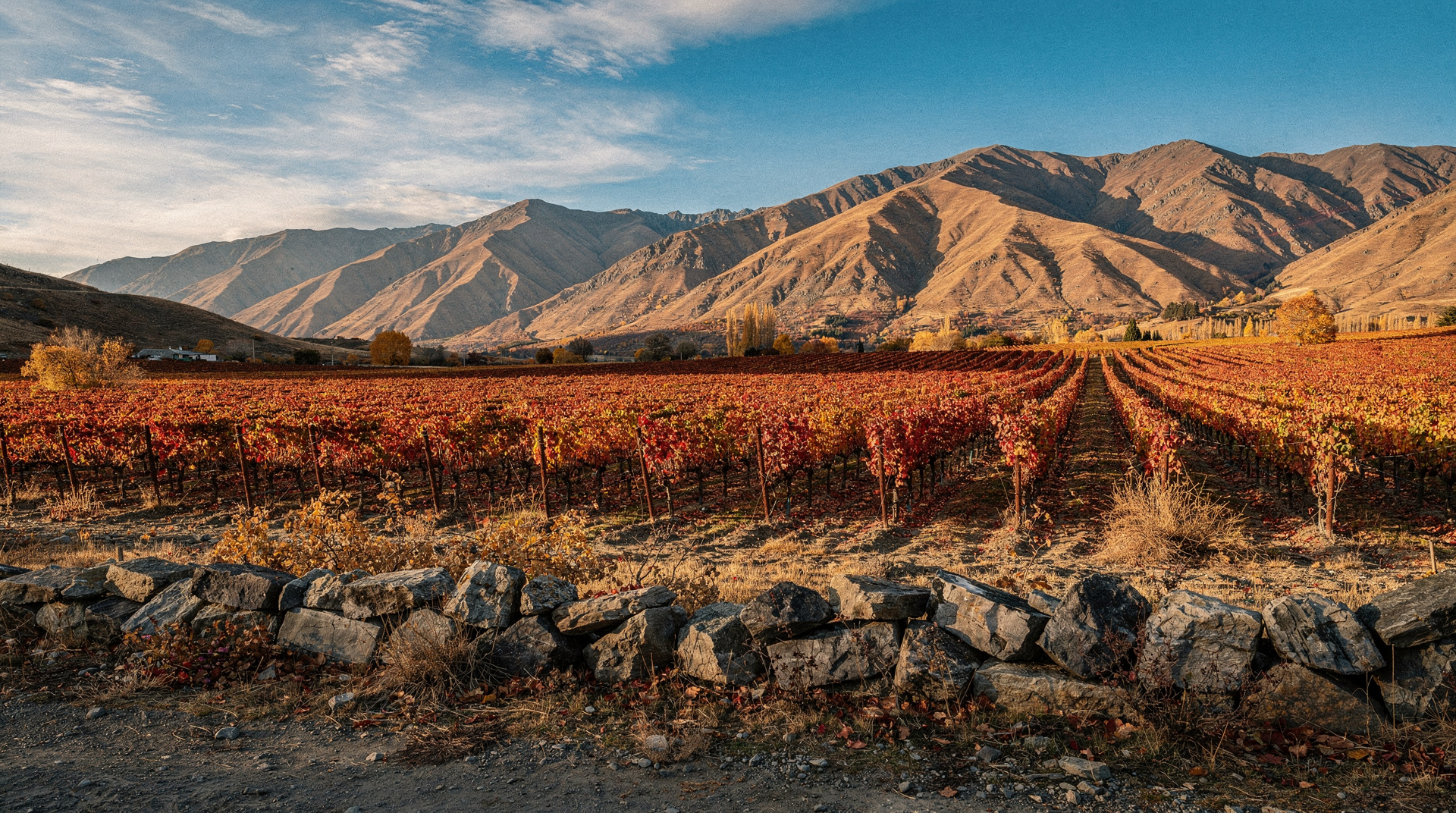
Central Otago’s harvest (late March–April) is one of the most beautiful times to be in the region. The vines turn gold and orange against the brown schist hills; the light is different from summer’s harsh UV intensity; temperatures are comfortable for driving. Many wineries offer harvest events and barrel tastings during this period. The region is significantly less crowded than midsummer — accommodation prices drop, restaurants are calmer, and the landscape is at its most dramatic colour.
Self-driving and the designated driver question
If you’re not on a guided tour, New Zealand’s drink-drive limit is 250 micrograms of alcohol per litre of breath (roughly equivalent to one standard drink for many adults, though it varies by body weight) — meaningfully stricter than many visitors’ home countries. Cellar doors expect this and pour generous “taste and spit” pours; most Gibbston and Cromwell wineries have spittoons on the tasting counter and will not judge you for using them.
If you’d rather not calculate blood alcohol on holiday, a designated non-tasting driver, a guided tour, or the e-bike option (subject to the same 50mg limit but with far lower consequences if you misjudge it) all remove the guesswork. Taxis and rideshare between Queenstown and Gibbston exist but are expensive (NZD 60-90 one-way) and should not be relied on as a same-day fallback in peak season when demand outstrips supply.
Tasting fees — what to expect
Most Central Otago cellar doors charge a tasting fee, typically NZD 10-25 for a flight of 4-6 wines, which is usually waived or credited toward a bottle purchase. Larger, more established producers (Felton Road, Rippon) sometimes require advance booking for tastings, especially in peak season, and may charge more for reserve-tier pours. Smaller boutique producers are more likely to be walk-in friendly with lower or no fees, but have shorter opening hours — check ahead rather than assuming a cellar door will be staffed outside the main December-April season.
Costs summary (NZD / USD / EUR)
| Activity | NZD | USD | EUR |
|---|---|---|---|
| Gibbston hop-on hop-off wine tour | 55–85 | 33–51 | 30–47 |
| Gibbston + Arrowtown wine tour | 90–120 | 54–72 | 50–66 |
| Central Otago full-day wine tour | 120–180 | 72–108 | 66–99 |
| Boutique winery tour | 130–200 | 78–120 | 72–110 |
| E-bike winery tour | 110–150 | 66–90 | 61–83 |
| Gibbston Valley cave tour | 25 | 15 | 14 |
Exchange rate: 1 NZD ≈ 0.60 USD ≈ 0.55 EUR.
Honest verdict
Worth it — particularly for serious wine drinkers who already know and love pinot noir. Central Otago’s wines are genuinely world-class in a way that rewards knowledge; the better you understand pinot noir, the more impressive the region’s output becomes. Even without wine knowledge, the landscape — schist gorges, turquoise lakes, brown hills — is spectacular, and adding wine stops to any Queenstown or Wanaka itinerary is a natural overlay.
Frequently asked questions
How does Central Otago pinot compare to Burgundy or Oregon?
Central Otago pinot is darker in colour and more intensely fruited than most Burgundy, and more structured than most Willamette Valley Oregon pinots. The extreme diurnal temperature variation produces ripe tannins alongside fresh acidity — a combination that makes the wines both rich and food-friendly. Serious collectors rate the best Otago pinots (Felton Road Block 3, Burn Cottage, Rippon Mature Vine) alongside good village-level Burgundy.
What else should I taste besides pinot noir?
Riesling is Central Otago’s best white — the combination of cool nights and intense sunlight produces rieslings with exceptional aromatic intensity and natural acidity. Mount Difficulty, Felton Road, and Rippon all make good versions. Pinot gris and chardonnay also succeed, though pinot is always the focus.
Is it worth driving from Queenstown to Cromwell for wine?
Yes, if you’re a serious wine enthusiast — Felton Road, Mount Difficulty, and the Cromwell Basin producers represent the top tier of Central Otago production and are not accessible on Gibbston-only tours. The 80 km drive takes about an hour; the Kawarau Gorge section is spectacular. If you’re doing Queenstown on a tight itinerary, Gibbston is the more efficient choice.
Do I need to book cellar door visits ahead, or can I turn up?
Depends on the producer. Smaller boutique cellar doors are often walk-in friendly, especially outside peak December-April. Established names like Felton Road and Rippon frequently require advance booking, particularly for reserve tastings or in the busiest weeks. Guided tours solve this by pre-arranging access, which is one of their genuine advantages over ad hoc self-driving beyond just the drink-drive question.
Related reading
Related guides
Queenstown
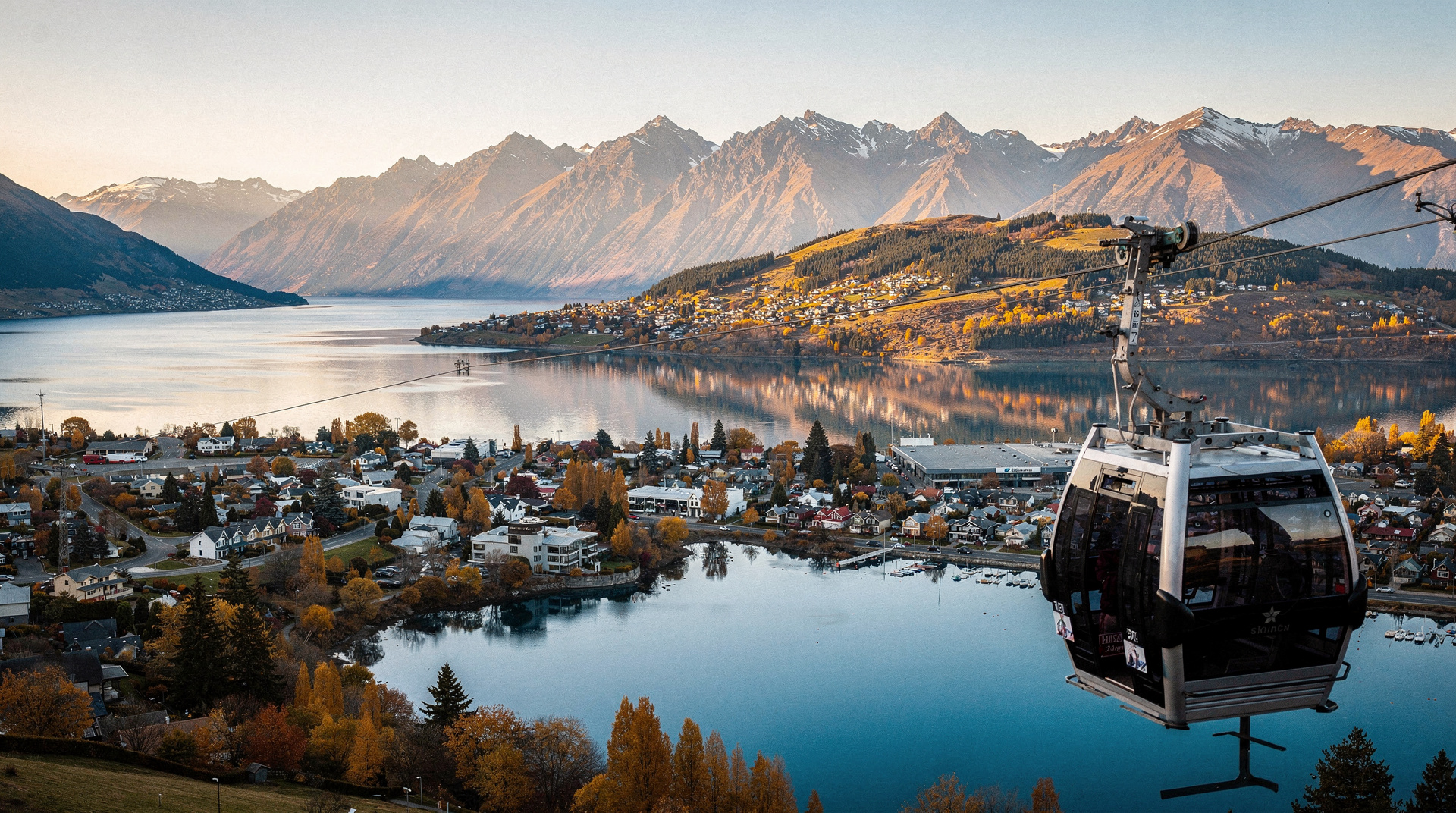
The honest Queenstown planner: bungy, jet boat, ski, scenic flights — real prices in NZD/USD/EUR, what to skip and what's worth your money.
Wanaka
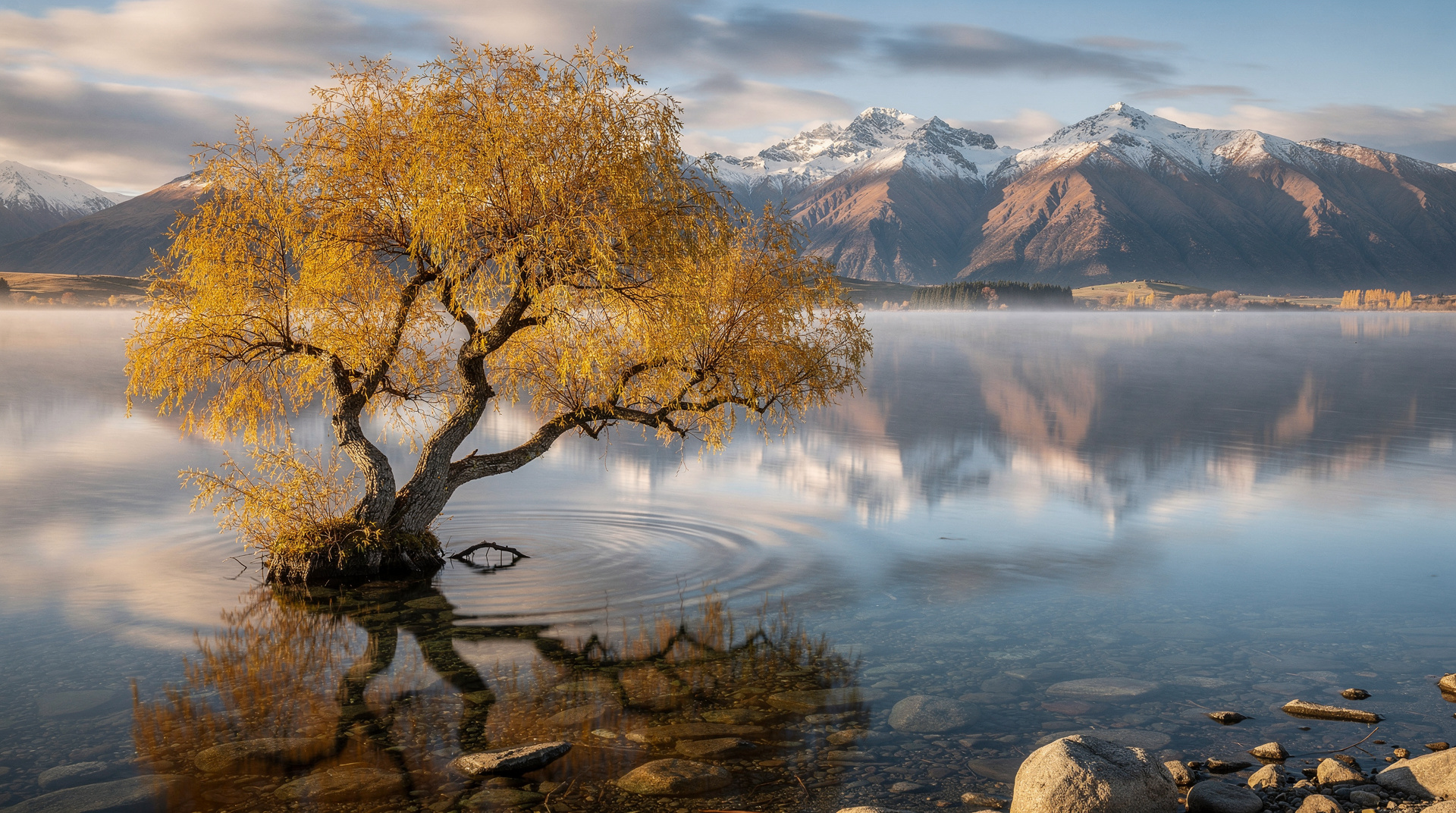
Honest Wanaka guide: Roy's Peak, Cardrona ski, lake kayaking — real NZD/USD/EUR costs and the honest Queenstown vs Wanaka verdict.
Marlborough wine tour guide
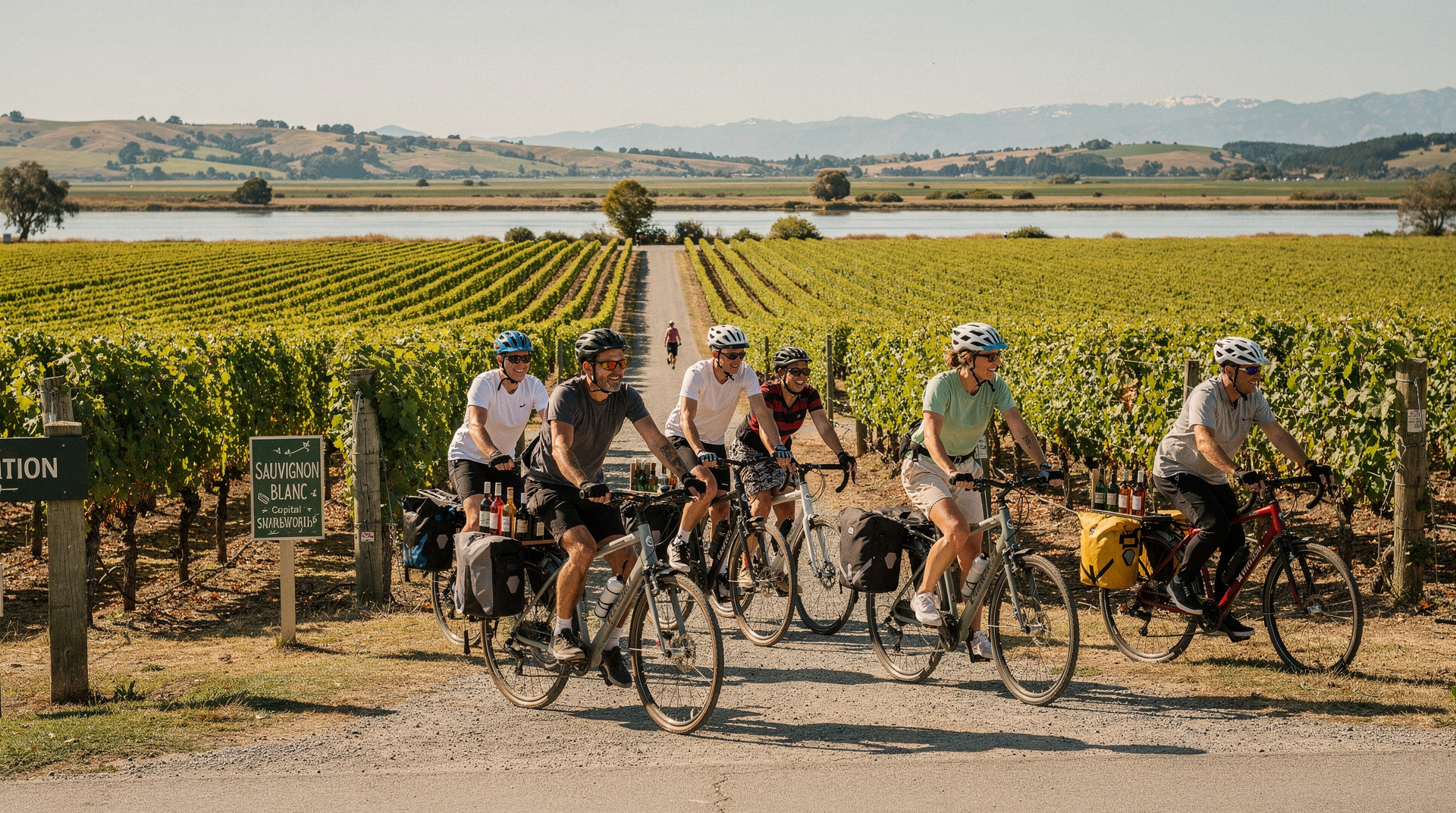
Marlborough produces 77% of NZ's wine. Self-drive routes, guided tours, top wineries around Blenheim — prices NZD/USD/EUR and drink-drive tips.
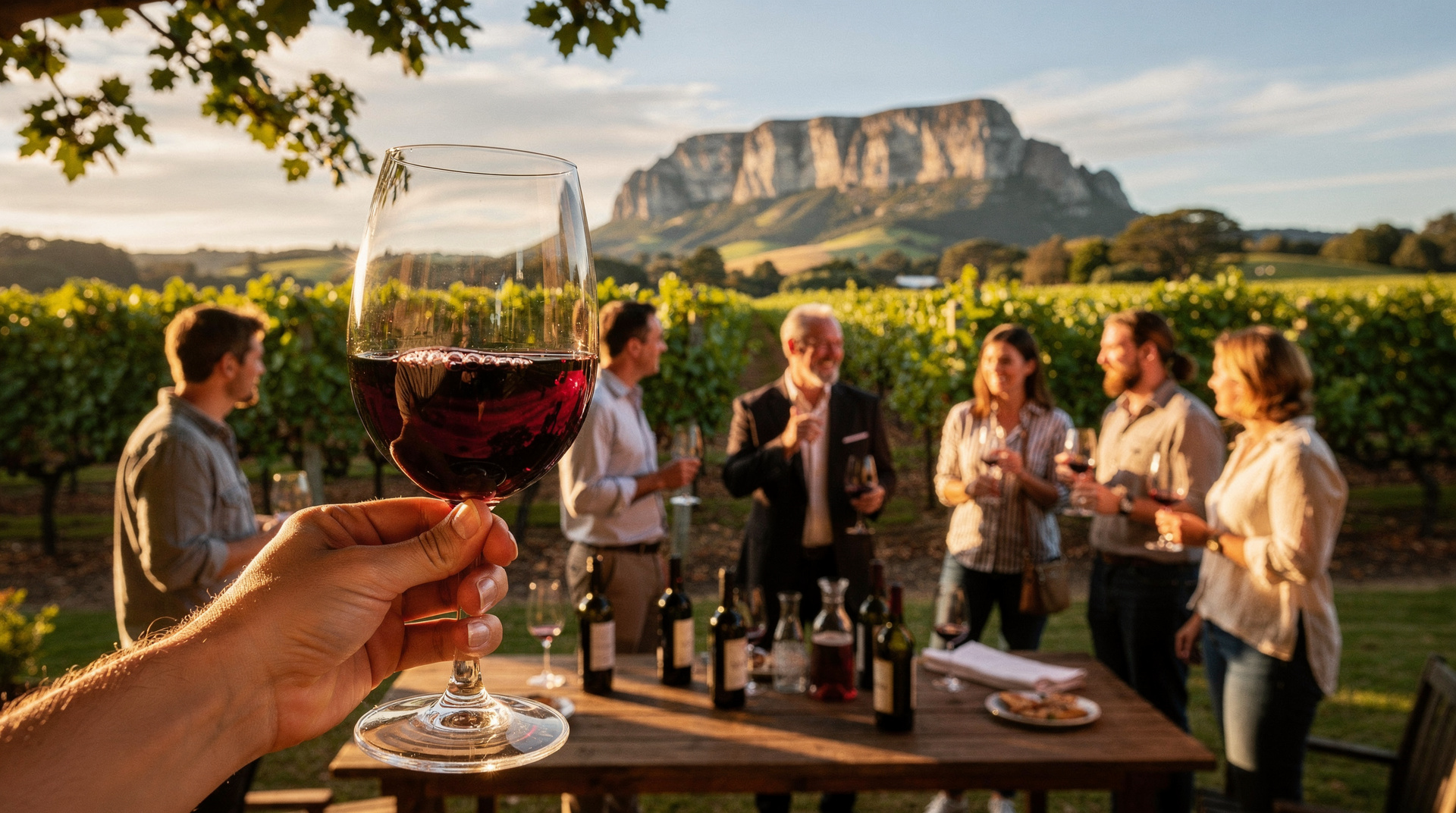
Hawke's Bay wine tour guide
Hawke's Bay is New Zealand's red wine capital. Syrah, Bordeaux blends, and Art Deco Napier — guided tours, cycling, and prices (NZD/USD/EUR).
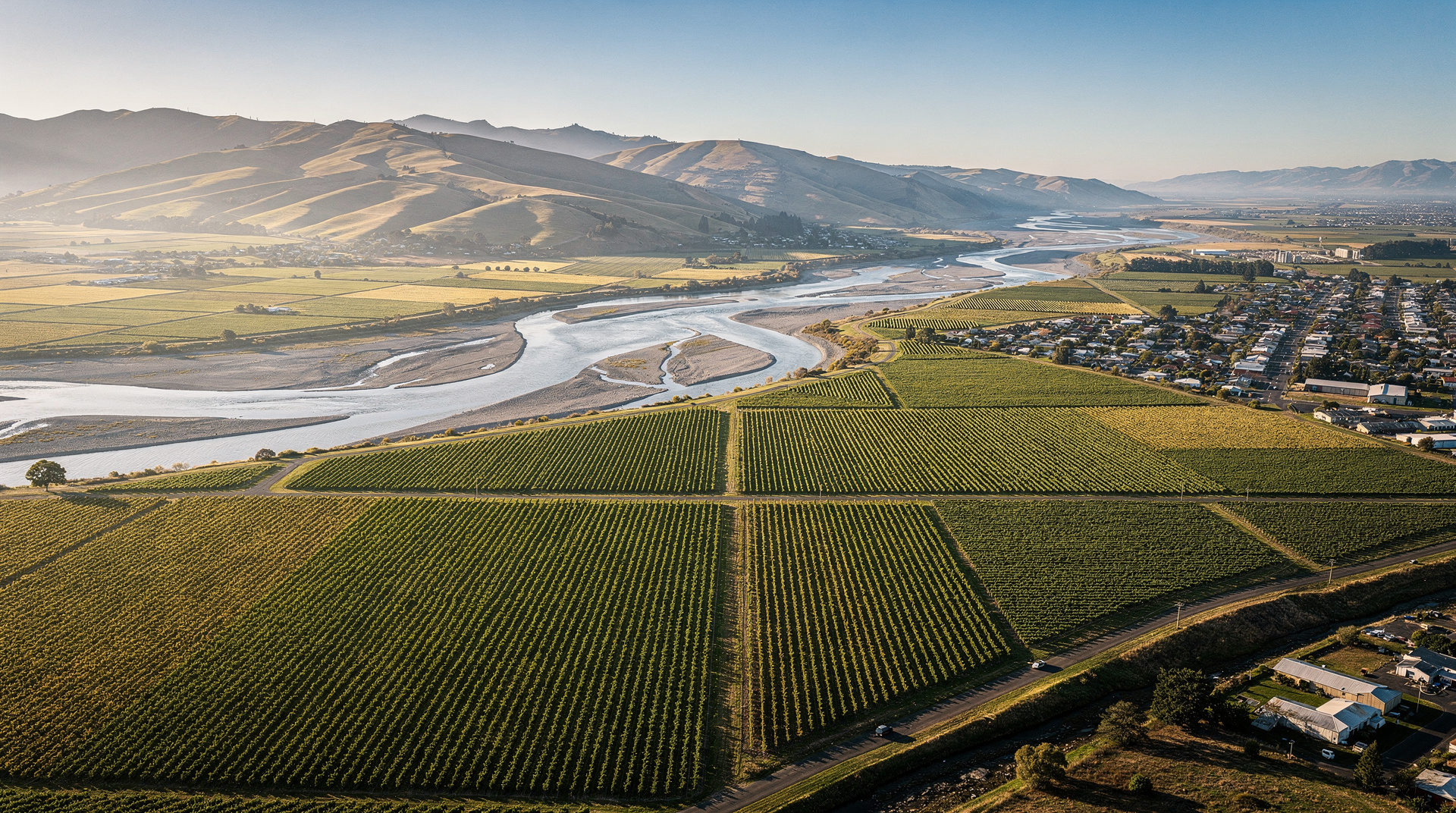
New Zealand wine regions — complete guide
Complete guide to New Zealand's 10 wine regions: Marlborough, Central Otago, Hawke's Bay, Martinborough and more. Which to visit, what to taste, prices.
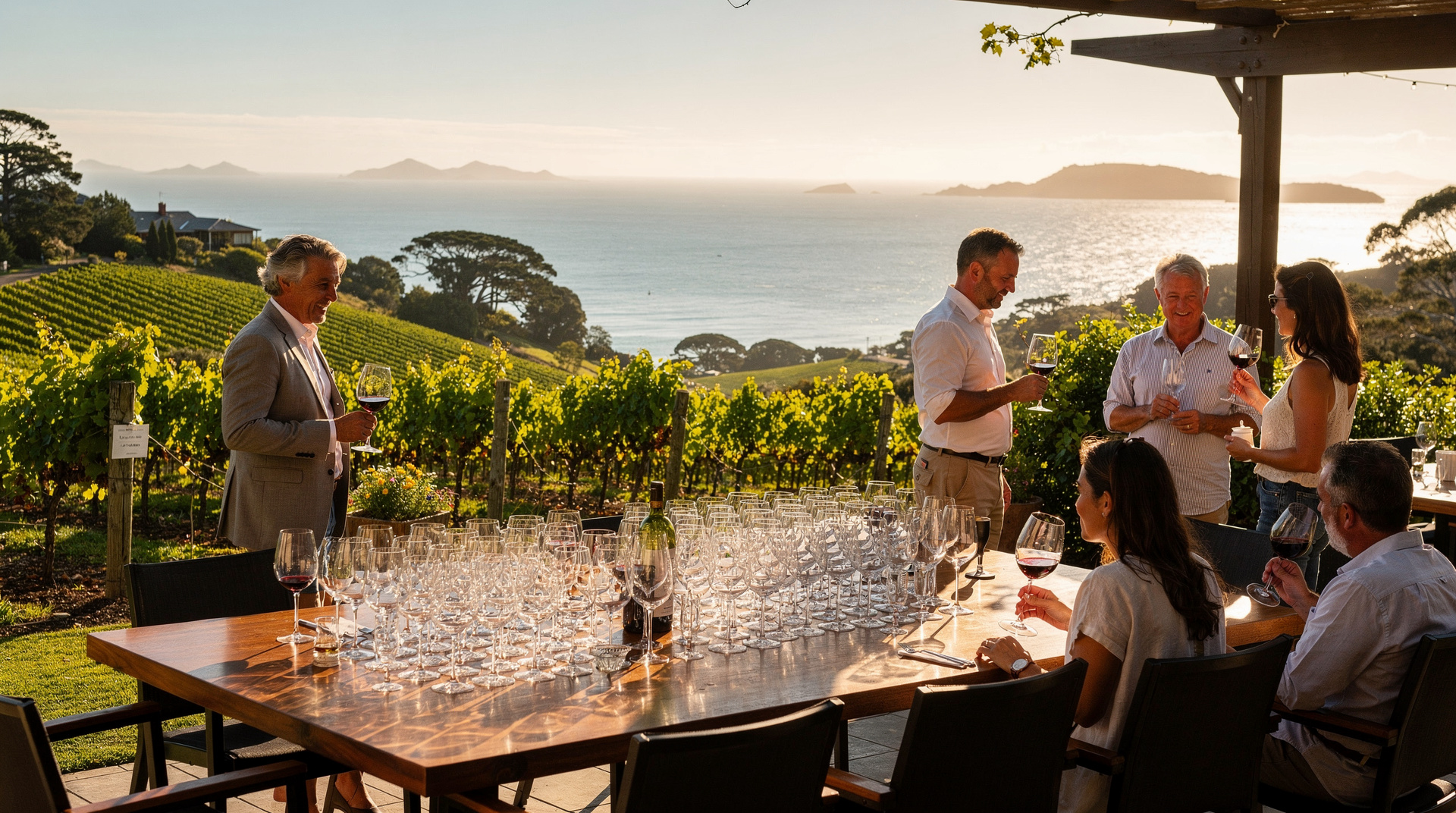
Waiheke Island wine tour
Waiheke has 30+ boutique wineries 35 min from Auckland. Full-day tours, self-guided cycling, ferry access — prices NZD/USD/EUR and top cellar doors.
Last reviewed: