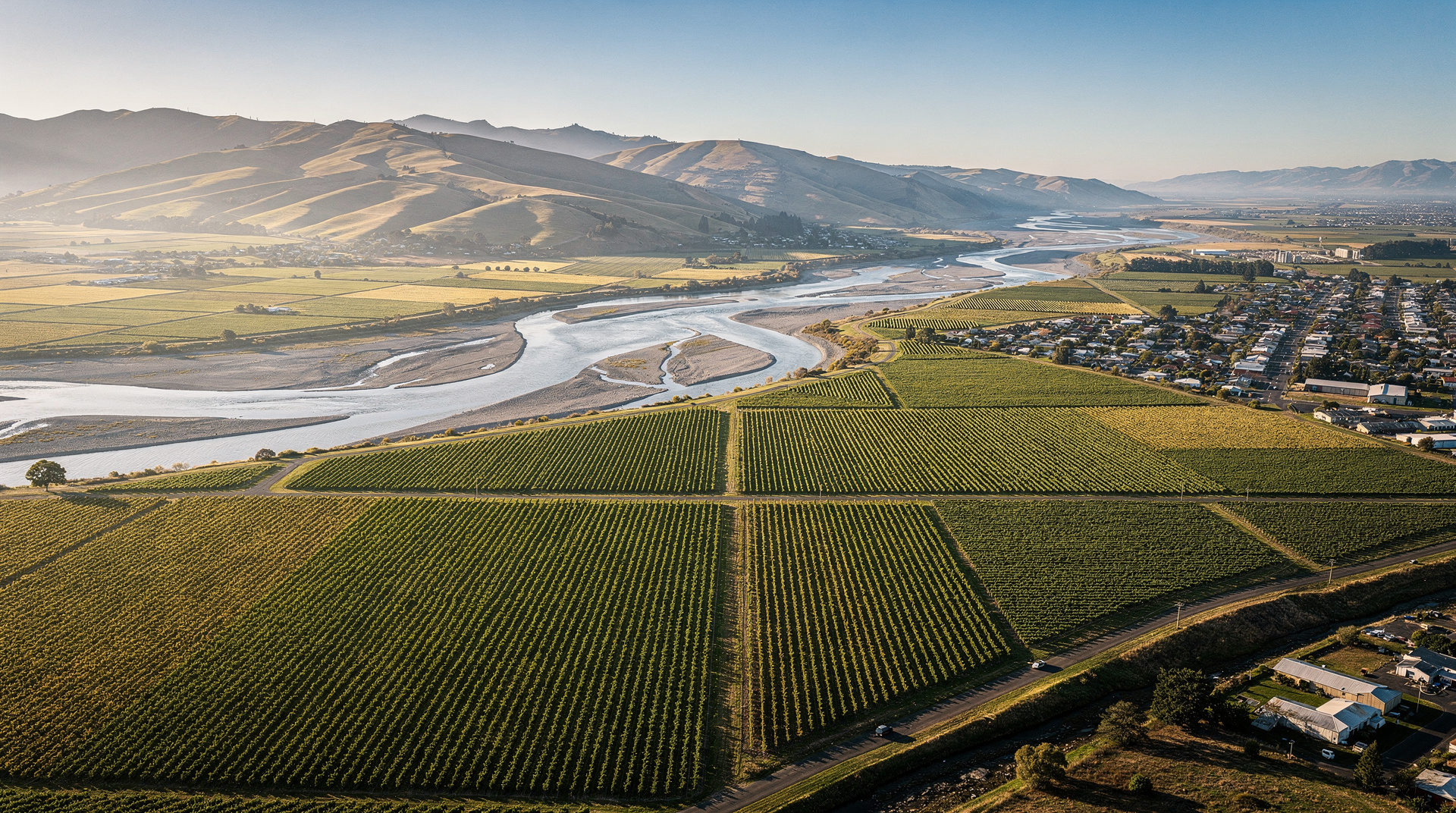
New Zealand wine regions — complete guide
Which is the best wine region in New Zealand to visit?
Marlborough (sauvignon blanc, most accessible), Central Otago (pinot noir, most dramatic scenery), and Hawke's Bay (reds, Art Deco) are the three main wine tourism regions. Waiheke Island (35 min from Auckland) and Martinborough (1 hr from Wellington) are the most convenient day trips.
New Zealand’s wine identity — and how it happened
New Zealand has 10 officially recognised wine regions, producing wines across most major European grape varieties. The country’s reputation was built almost entirely on a single grape and a single region: sauvignon blanc from Marlborough. The 1985 Cloudy Bay Sauvignon Blanc changed how the wine world thought about this variety and set off a viticulture expansion that transformed New Zealand’s agricultural landscape.
Today the total planted vineyard area is approximately 40,000 hectares — tiny by French, Italian, or Spanish standards, but remarkable for a country of 5 million people. Average annual production is around 300 million litres. The wine industry is concentrated in the South Island (Marlborough, Central Otago, Canterbury, Nelson), with significant North Island production in Hawke’s Bay, Martinborough/Wairarapa, Gisborne, Auckland, and Northland.
| Where | 10 regions, concentrated in Marlborough, Central Otago, Hawke’s Bay |
| Cost | Cellar door tastings from NZD 10; guided tours from NZD 75 |
| Time needed | Half a day per region minimum; a full day for a proper guided circuit |
| Getting there | Self-drive (non-drinking driver required) or a guided tour |
| Best time | February-April for harvest atmosphere; year-round for cellar doors |
The ten regions — quick summary
Marlborough (South Island)
What to drink: Sauvignon blanc (77% of national production), pinot noir, pinot gris, riesling Where to go: Wairau Valley (main cellar door route), Awatere Valley (more structured style) Best for: First-time NZ wine visitors, sauvignon blanc lovers, cycling tours Season: February–April (harvest); year-round cellar door access
Marlborough is the default first stop for wine tourism and justified in that position. The sheer scale of production means there’s enormous variety across price points; guided tours are efficient and well-organised. See Marlborough wine tour guide.
Central Otago (South Island)
What to drink: Pinot noir (world-class), riesling, pinot gris Where to go: Gibbston Valley, Cromwell Basin, Bannockburn, Wanaka (Rippon) Best for: Pinot noir enthusiasts, visitors already in Queenstown/Wanaka Season: March–April (autumn harvest is the best time visually)
The world’s southernmost wine region; the most dramatic setting. Felton Road, Burn Cottage, and Rippon are among New Zealand’s most internationally acclaimed producers. See Central Otago wine tour guide.
Hawke’s Bay (North Island)
What to drink: Syrah, Bordeaux blends, chardonnay Where to go: Gimblett Gravels, Havelock North, Te Mata Estate Best for: Red wine drinkers, visitors combining with Napier Art Deco Season: February–April; year-round
The red wine heartland. Craggy Range Le Sol and Te Mata Coleraine are the region’s finest. Combine with the Cape Kidnappers gannet colony for a full Hawke’s Bay day. See Hawke’s Bay wine tour guide.
Martinborough/Wairarapa (North Island)
What to drink: Pinot noir (Burgundian style), pinot gris, sauvignon blanc Where to go: Martinborough village (walkable cellar door circuit), Dry River, Ata Rangi Best for: Pinot noir lovers, Wellington day trips, boutique winery atmosphere Season: November–April; walkable year-round
Intimate, serious, and accessible on foot. Ata Rangi pinot is a global reference. 80 km from Wellington. See Martinborough wine tour guide.
Waiheke Island (Auckland)
What to drink: Merlot, malbec, Bordeaux blends, rosé Where to go: Oneroa, Stonyridge, Mudbrick, Cable Bay Best for: Auckland day trips, combination with beaches and ferry experience Season: February–April; year-round ferry access
Boutique reds in a spectacular harbour setting. 35 minutes from Auckland by ferry. See Waiheke Island wine tour guide.
Nelson-Tasman (South Island)
What to drink: Sauvignon blanc, pinot noir, chardonnay, riesling Where to go: Waimea Plains, Upper Moutere, Mapua Road Best for: Visitors combining with Abel Tasman National Park Standout producers: Neudorf, Seifried Estate, Waimea Estates
The Nelson wine tour with tastings and lunch covers the Waimea Plains producers in a half-day. Nelson is underrated — Neudorf in particular produces world-class chardonnay and pinot noir that rarely appear outside the region.
Canterbury (South Island)
What to drink: Pinot noir (lighter style), riesling, sauvignon blanc Where to go: Waipara Valley (45 km north of Christchurch), Banks Peninsula Standout producers: Pegasus Bay, Muddy Water, Greystone
The Canterbury wine and Arthur’s Pass combination links the Waipara Valley with the alpine scenery to the west. Pegasus Bay Sauvignon Blanc is a regional benchmark; the restaurant on site is excellent.
Gisborne (North Island)
What to drink: Chardonnay, gewürztraminer, viognier Best for: First sunrise, East Cape tourism Note: Limited wine tourism infrastructure; the region produces bulk wine for Marlborough blending as well as boutique varietals. No major guided wine tourism.
Northland (North Island)
What to drink: Syrah, viognier, chardonnay Best for: Visitors to the Bay of Islands incorporating a winery visit Standout: Marsden Estate (Kerikeri) and Omata Estate. The Kerikeri Bay of Islands wine tour combines the region with Bay of Islands sightseeing.
Auckland (City region)
What to drink: Bordeaux blends, syrah Note: Limited genuine wine tourism within the city; most Auckland wine content redirects to Waiheke Island (covered separately).
Choosing a region by travel style
| If you… | Go to… |
|---|---|
| Are basing in Auckland for 3+ days | Waiheke Island |
| Are basing in Wellington for 2+ days | Martinborough |
| Love sauvignon blanc | Marlborough |
| Love pinot noir | Central Otago or Martinborough |
| Love red wine generally | Hawke’s Bay |
| Want the most dramatic scenery | Central Otago |
| Want maximum cellar doors in minimum time | Marlborough (Wairau Valley) |
| Want to walk between wineries | Martinborough |
| Want to cycle between wineries | Marlborough or Waiheke |
New Zealand grape varieties by region
| Variety | Primary Region | Style Notes |
|---|---|---|
| Sauvignon blanc | Marlborough | Passionfruit, cut grass, gooseberry; crisp and aromatic |
| Pinot noir | Central Otago + Martinborough | Otago: dark, fruity; Martinborough: lighter, savoury |
| Syrah | Hawke’s Bay + Northland | Pepper, dark fruit; Northern Rhône character |
| Chardonnay | Hawke’s Bay + Nelson | Full-bodied, generous; less oak than typical |
| Bordeaux blends | Hawke’s Bay + Waiheke | Merlot-led; ripe and accessible |
| Riesling | Central Otago + Marlborough | Dry to off-dry; intense aromatics |
| Pinot gris | Martinborough + Marlborough | Full-bodied, textured; food-friendly |
| Gewürztraminer | Gisborne + Marlborough | Lychee, rose petal; lush and aromatic |
Wine tourism costs overview (NZD / USD / EUR)
| Type | NZD | USD | EUR |
|---|---|---|---|
| Cellar door tasting | 10–30 | 6–18 | 5–17 |
| Half-day guided tour | 75–130 | 45–78 | 41–72 |
| Full-day guided tour | 120–200 | 72–120 | 66–110 |
| Self-guided bike hire | 50–95 | 30–57 | 28–52 |
| Winery restaurant lunch | 40–85 per person | 24–51 | 22–47 |
Exchange rate: 1 NZD ≈ 0.60 USD ≈ 0.55 EUR.
Combining regions on one trip
Most visitors don’t have time for all ten regions, and trying to do so dilutes the experience. A realistic South Island wine loop pairs Marlborough (arriving via the Picton ferry or a Blenheim flight) with Central Otago as part of a Queenstown/Wanaka stay — the two are 4-5 hours apart by road and represent the country’s two flagship styles (sauvignon blanc and pinot noir) without overlap.
On the North Island, Hawke’s Bay and Martinborough are both easy additions to a Wellington-based itinerary: Martinborough as a half-day trip from the city itself, Hawke’s Bay as a stop en route to or from Napier’s Art Deco architecture. Waiheke Island stands alone as an Auckland day trip and rarely needs pairing with anything else given the ferry logistics.
If you’re short on time and can only choose one region, match it to your base rather than chasing the “best” region in the abstract — a mediocre detour to reach a marginally better region usually delivers less satisfaction than a great half-day close to where you’re already staying.
Drink-drive rules — non-negotiable
New Zealand’s legal driving limit is 50 mg per 100 ml of blood (equivalent to 0.05% BAC) — lower than the US (0.08%), UK (0.08%), and Australia (0.05%, same as NZ). A standard 150 ml glass of 13.5% wine raises most adults’ BAC by approximately 0.02–0.03% — meaning 2 glasses puts you at or near the legal limit.
The only safe approach for a serious wine tasting day is one of:
- A guided tour with a driver
- Cycling (with moderation — the same limit applies to cyclists)
- A designated non-drinking driver
- Staying overnight in the wine region
The consequences of DUI in New Zealand: disqualification, fines of NZD 2,000–6,000 / USD 1,200–3,600 / EUR 1,100–3,300, possible criminal record, and vehicle impoundment.
Frequently asked questions
Is New Zealand wine worth the price?
New Zealand wine is generally priced in the mid-to-premium tier in export markets. When bought at the cellar door in New Zealand, it’s significantly cheaper than the same bottle abroad. The country’s wine quality for the price — particularly in pinot noir and sauvignon blanc — is high by international standards. The wines that command attention at tastings in Paris or New York (Felton Road, Dry River, Ata Rangi) are bought at reasonable cellar door prices in New Zealand.
Which wine region has the best scenery?
Central Otago wins this argument decisively — schist rock gorges, turquoise lakes, and snow-capped mountains behind the vineyards. Waiheke (harbour and gulf views) is a close second for a different aesthetic. Marlborough is scenic in a flat agricultural way rather than dramatically so.
Can I visit New Zealand wine country without knowing much about wine?
Yes — the best cellar doors (Mudbrick on Waiheke, Craggy Range in Hawke’s Bay, Gibbston Valley in Central Otago) cater equally to knowledgeable enthusiasts and casual visitors. Good cellar door staff explain without condescending.
Related reading
Related guides
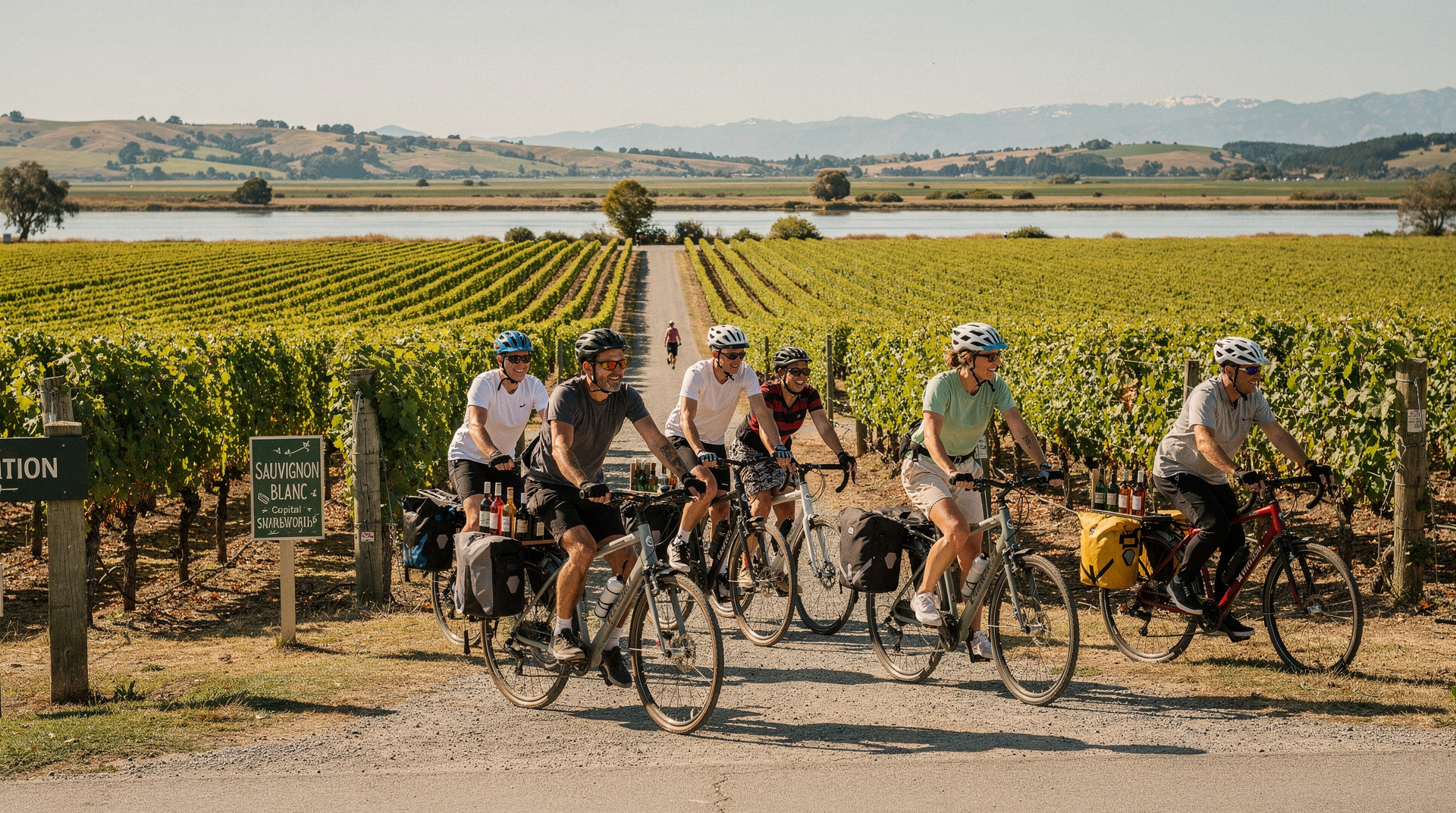
Marlborough wine tour guide
Marlborough produces 77% of NZ's wine. Self-drive routes, guided tours, top wineries around Blenheim — prices NZD/USD/EUR and drink-drive tips.
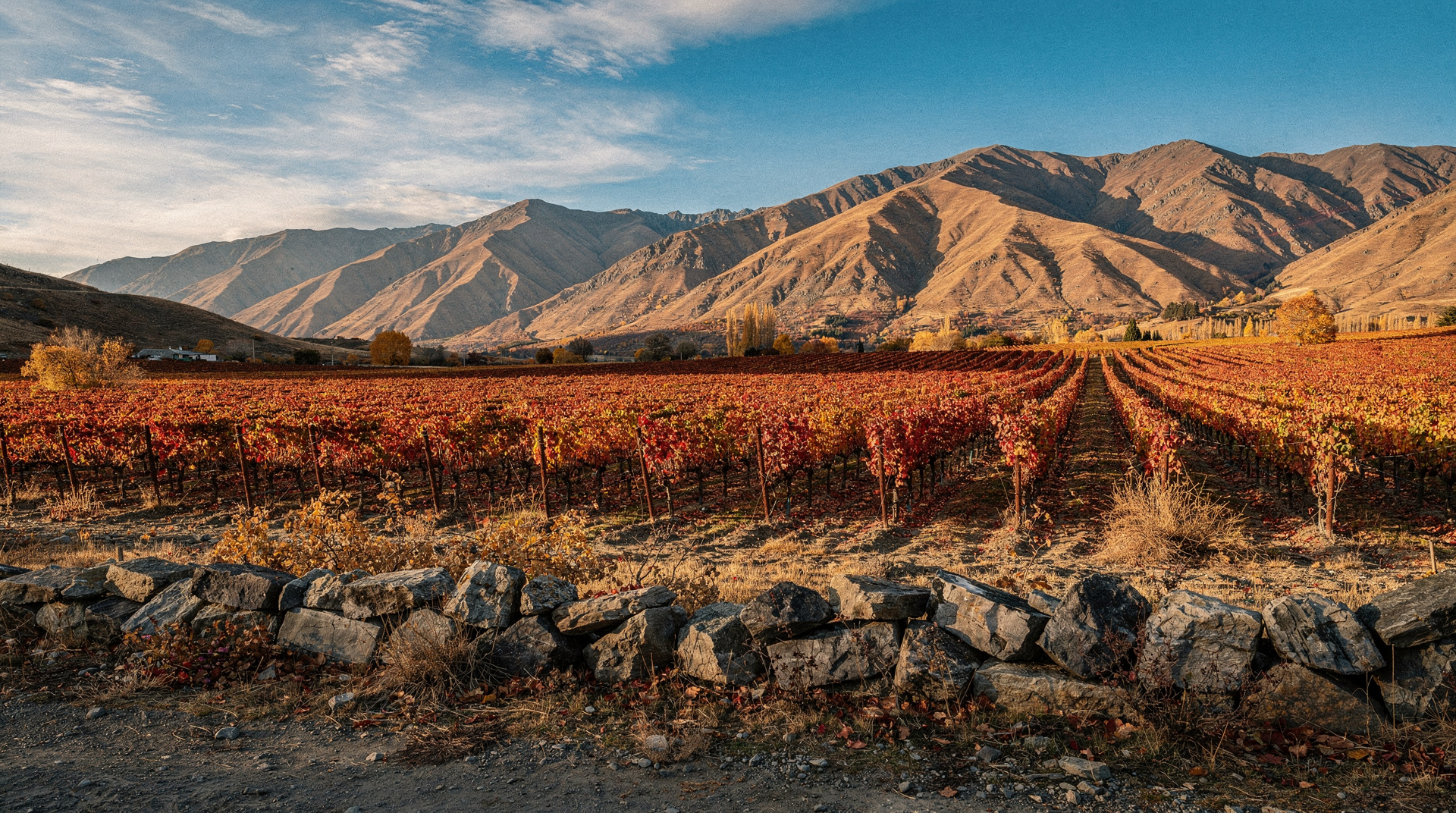
Central Otago wine tour guide
Central Otago is the world's southernmost wine region and NZ's pinot noir capital. Cromwell Basin, Bannockburn, Gibbston — tours and prices NZD/USD/EUR.
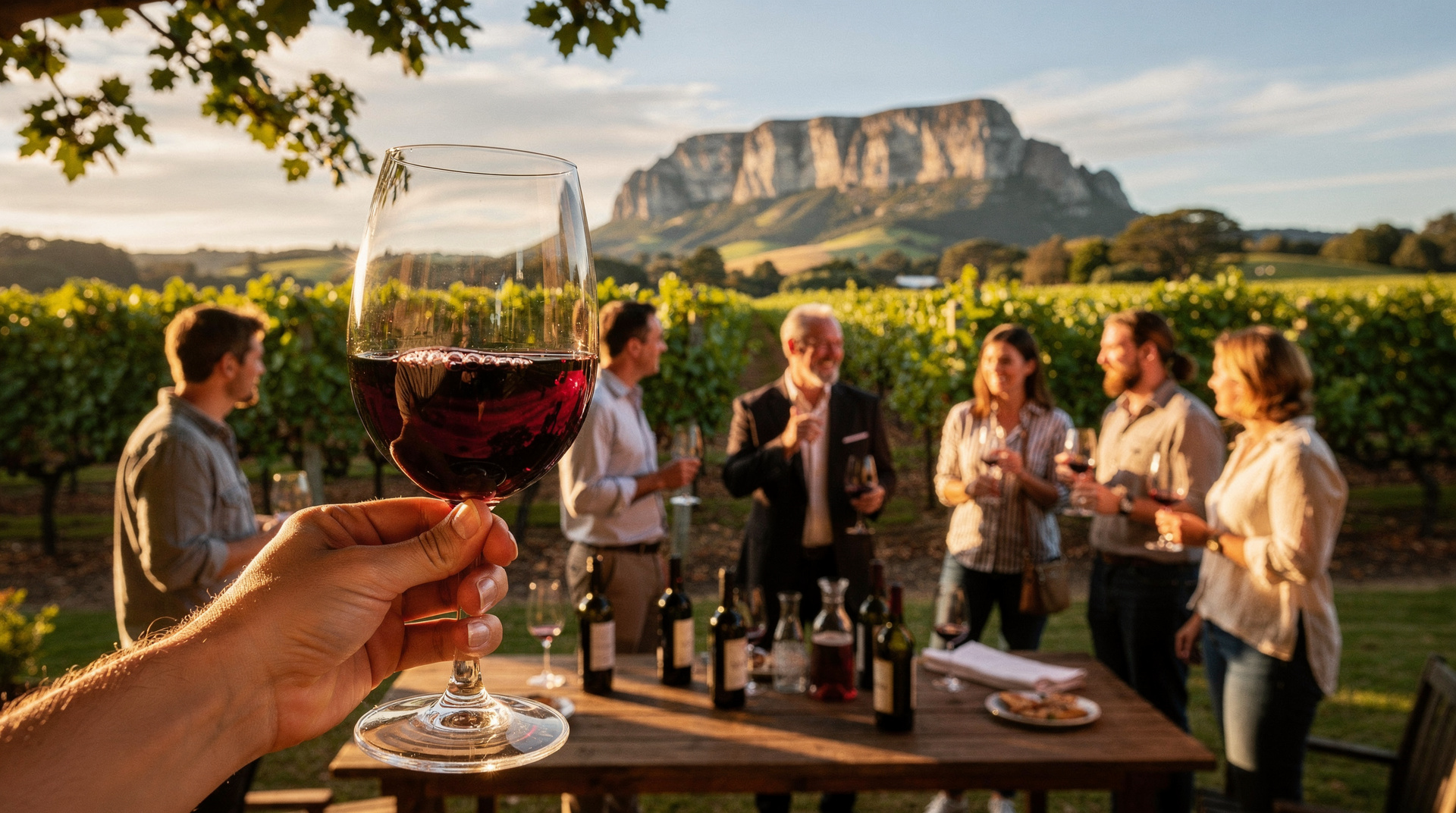
Hawke's Bay wine tour guide
Hawke's Bay is New Zealand's red wine capital. Syrah, Bordeaux blends, and Art Deco Napier — guided tours, cycling, and prices (NZD/USD/EUR).
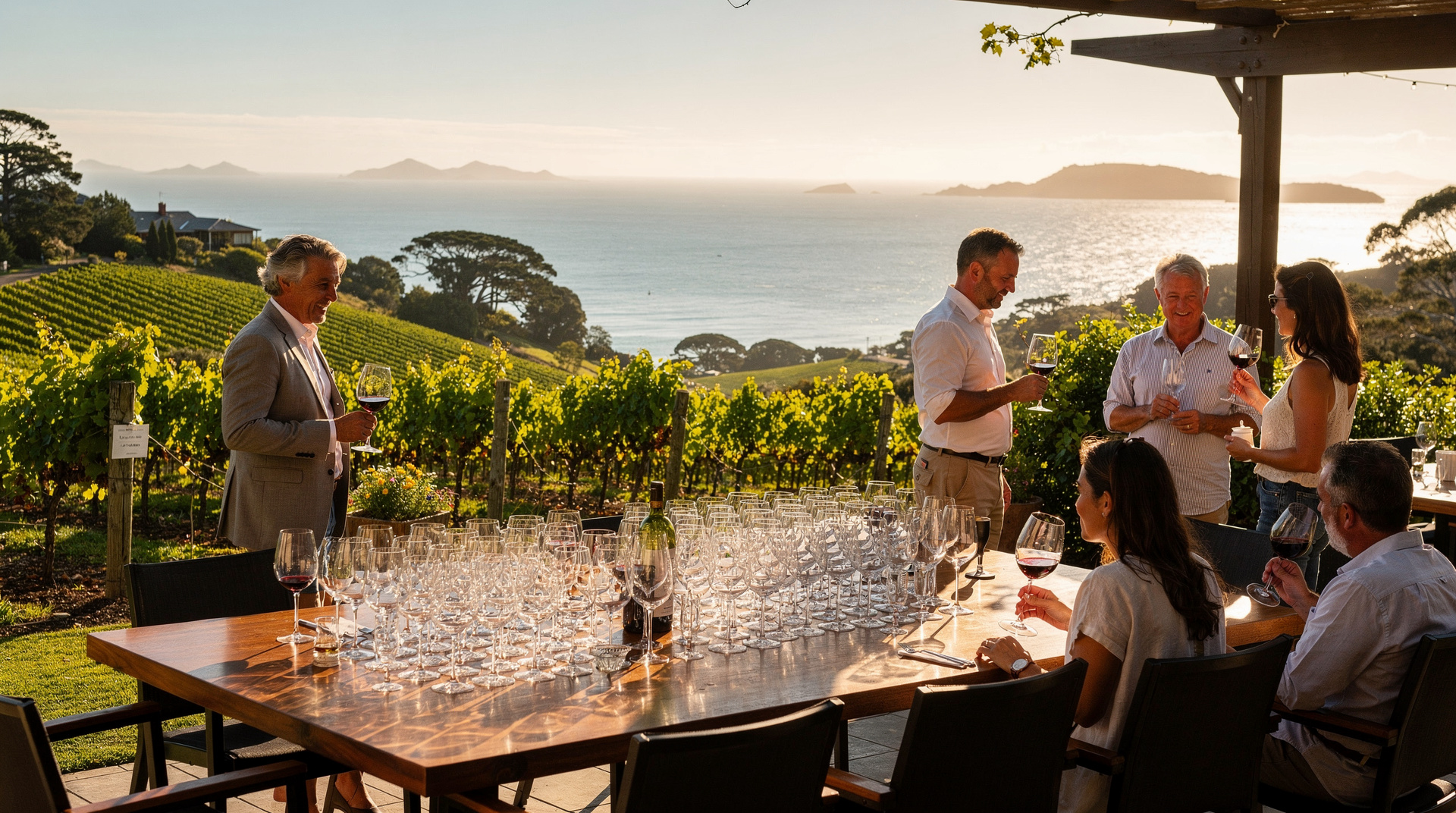
Waiheke Island wine tour
Waiheke has 30+ boutique wineries 35 min from Auckland. Full-day tours, self-guided cycling, ferry access — prices NZD/USD/EUR and top cellar doors.
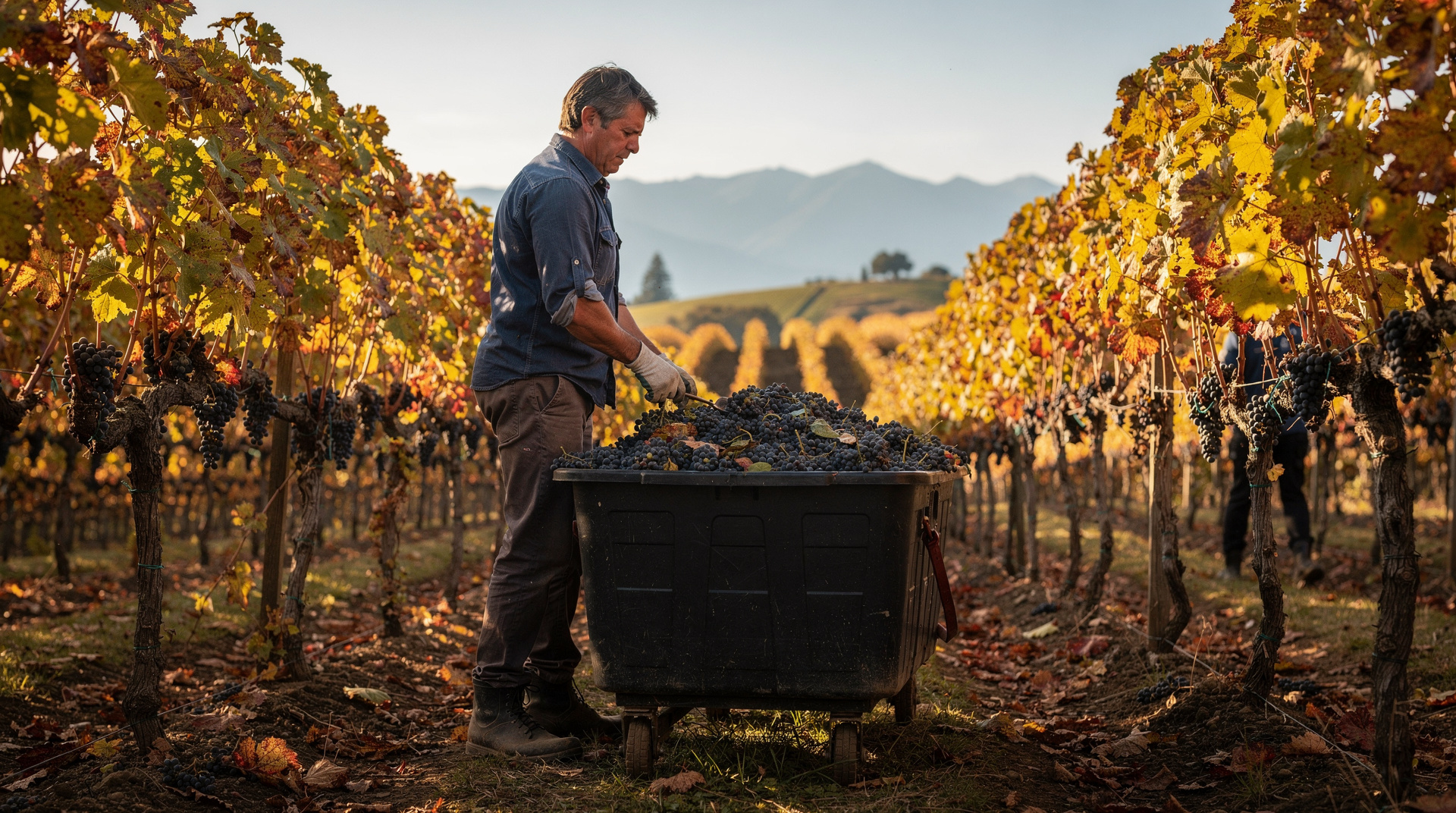
Martinborough wine tour guide
Martinborough is Wellington's boutique wine region — 30+ wineries, acclaimed pinot noir, walkable village. Tours, cycling, prices NZD/USD/EUR.
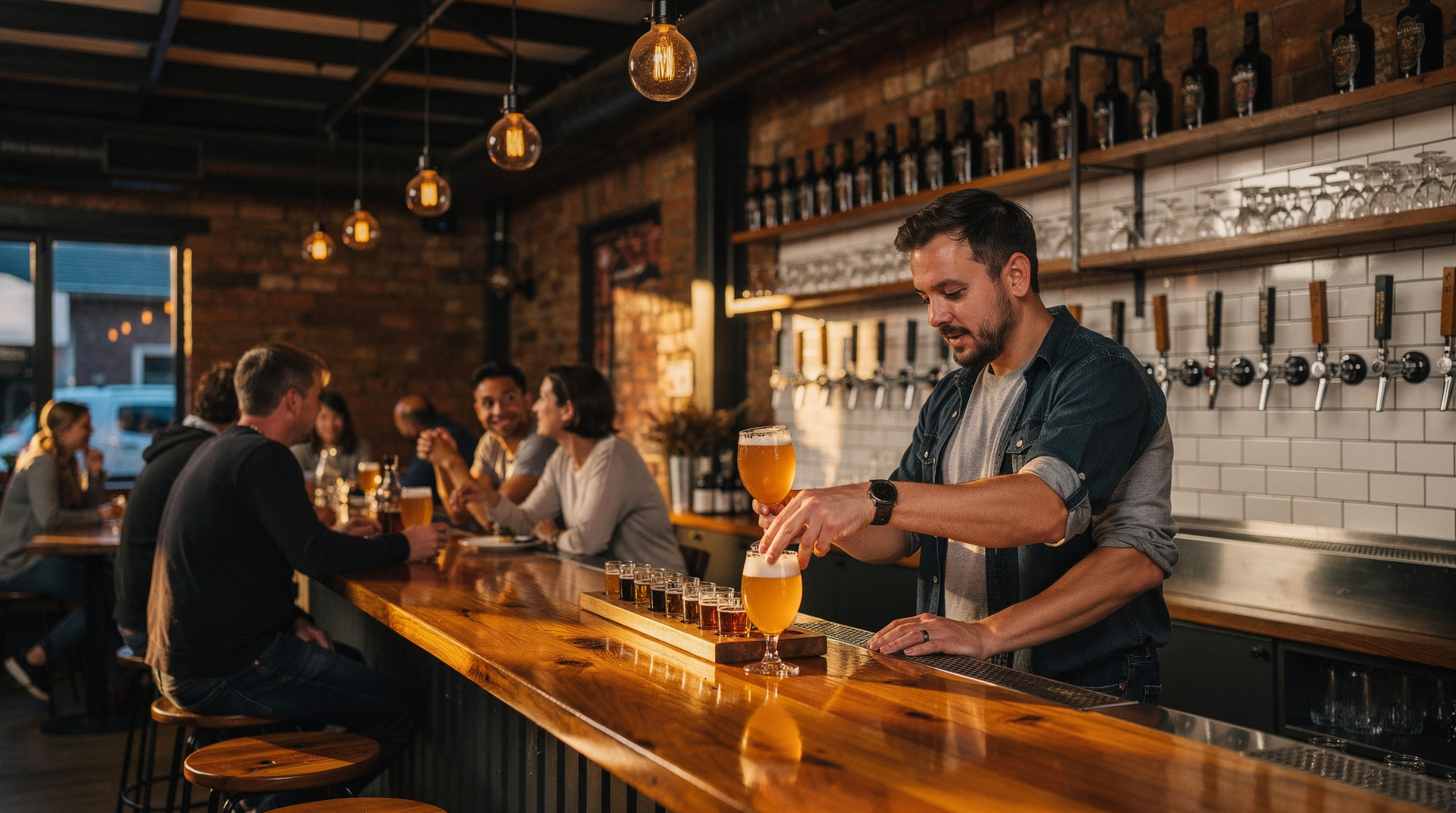
New Zealand craft beer trail
New Zealand has a world-class craft beer scene led by Wellington. Brewery tours, best taprooms, NZ hops, and how to explore the trail — prices (NZD/USD/EUR).
Last reviewed: