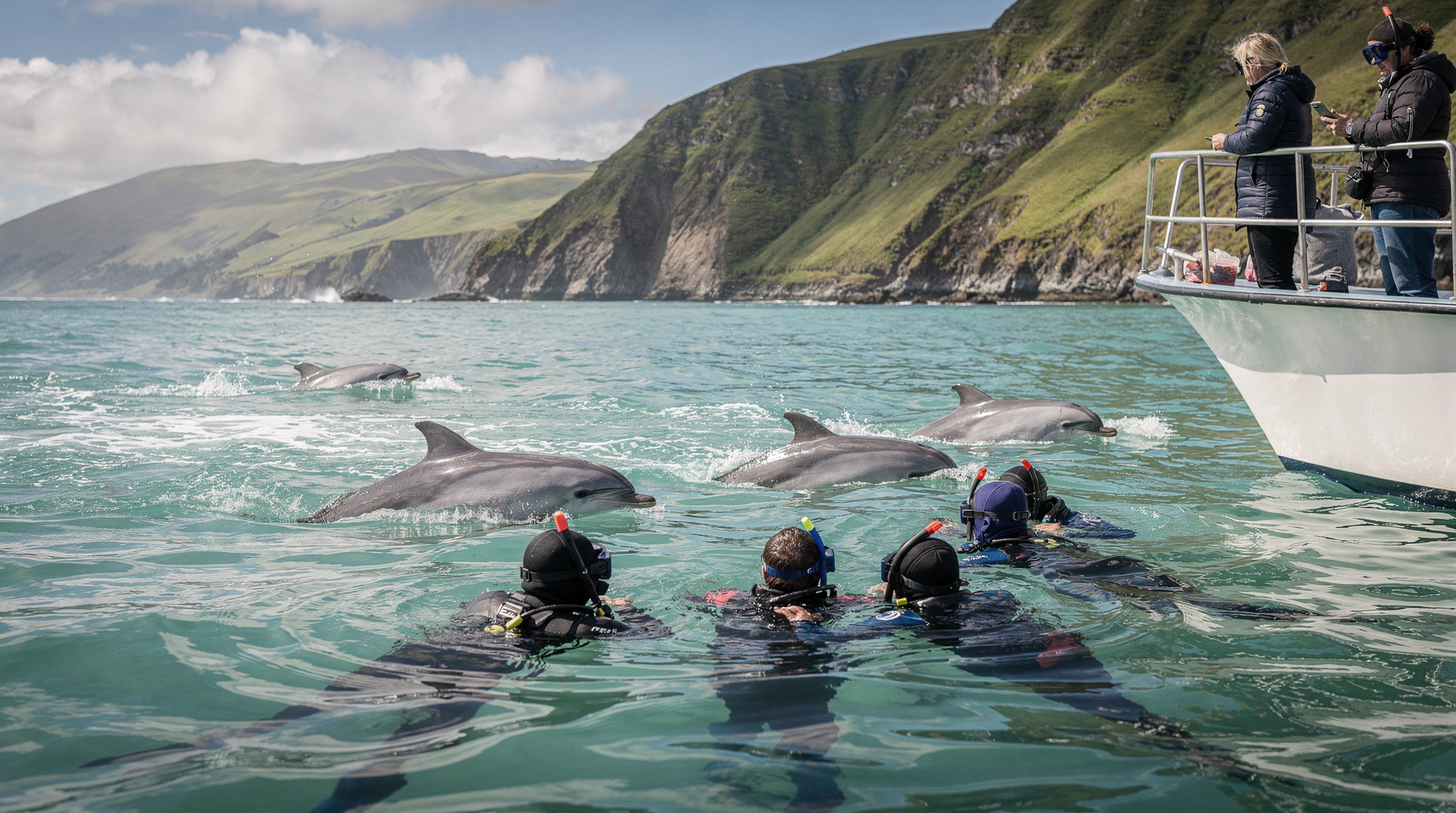
Hector's dolphins in Akaroa
Can you swim with Hector's dolphins in Akaroa?
Yes — Akaroa Harbour hosts the world's most accessible population of Hector's dolphins, the world's smallest dolphin species. Swim-with-dolphins permits are DOC-licensed; tours cost NZD 115–150 (USD 69–90 / EUR 63–83). The season runs October to April; winter is cruise-only.
The world’s smallest dolphin — and why Akaroa matters
Hector’s dolphins (Cephalorhynchus hectori) are found only in New Zealand coastal waters. They are the world’s smallest marine dolphin species — adults typically reach 1.2–1.4 metres and weigh 40–60 kg. Their rounded dorsal fin (unlike the pointed fin of most dolphin species) and distinctive black, white, and grey colouring make them unmistakable.
The species is listed as Endangered under IUCN criteria. The total population numbers approximately 15,000 individuals, with the Maui’s dolphin subspecies (found only on the North Island’s west coast) down to fewer than 60 individuals. Akaroa Harbour on Banks Peninsula is one of the most important strongholds for the South Island population — and the single best location globally to observe and (under permit) swim with these animals.
The harbour’s geography helps. Akaroa is a long drowned volcanic crater, creating a sheltered bay with relatively calm water and good prey availability. The dolphin population here is semi-resident — the same individuals are present year-round, though more reliably so in summer (October to April) when they enter the harbour consistently.
| Where | Akaroa Harbour, Banks Peninsula, 85km from Christchurch |
| Cost | Around NZD 65–150/person (cruise to swim tour) |
| Season | October–April for swimming; cruise-only outside this window |
| Getting there | Around 75–90 minutes’ drive from Christchurch, or shuttle/day tour |
| Booking | Advance recommended — only two operators hold swim permits |
Swimming with Hector’s dolphins
DOC (Department of Conservation) issues a limited number of permits to operators running in-water dolphin encounters. The permit system is not promotional bureaucracy — it directly limits disturbance to the dolphins. In Akaroa, only two operators hold current swim permits.
What to expect:
- Wetsuit and snorkel gear provided by the operator
- You enter the water when a pod of dolphins is nearby
- No chasing, no touching, no cornering dolphins against the shore
- Dolphins choose whether to approach and interact — it’s not guaranteed
- Most participants find that the dolphins approach out of curiosity; occasionally they remain indifferent and swim past
Interaction quality: Hector’s dolphins are genuinely curious animals. In calm water on a good day, the dolphins often swim within arm’s reach, sometimes investigating swimmers for several minutes. The experience varies — on some trips the interaction is extraordinary; on others the dolphins pass quickly. This variability is intentional; it reflects ethical wildlife tourism rather than a scripted animal show.
The sea kayaking and wildlife cruise combination in Akaroa is an alternative activity for those who prefer not to enter the water, offering surface-level dolphin encounters from a stable craft.
Price (swim tour): NZD 115–150 / USD 69–90 / EUR 63–83 per person, depending on operator.
Season: October to April for swimming. Outside this window, the water temperature drops significantly (8–12°C in winter) and operators switch to cruise-only.
Cruise tours — seeing dolphins without swimming
Year-round boat cruises operate in Akaroa Harbour. These typically run 90 minutes to 2 hours and cover the harbour mouth and outer bay where Hector’s dolphins are most commonly found.
What you see: Bow-riding behaviour, surface swimming, occasionally jumping. Hector’s dolphins are enthusiastic bow riders — they frequently approach vessels and surf the pressure wave at the bow. This is spontaneous behaviour that requires no encouragement from operators or passengers.
The Akaroa little penguin and dolphin eco-cruise combines dolphin watching with a visit to the Pohatu Penguin Reserve — home to the largest colony of little penguins (kororā) on the South Island mainland. This is the most efficient combination if you’re on a single day.
Cruise price: NZD 65–85 / USD 39–51 / EUR 36–47. Penguin reserve combos: NZD 95–120 / USD 57–72 / EUR 52–66.
Little penguins at Pohatu
Pohatu, in the Flea Bay area of Banks Peninsula, holds approximately 2,000 breeding pairs of little blue penguins (kororā). Unlike the commercial penguin viewing in Oamaru (set up specifically for tourism), Pohatu is a working private conservation reserve on farmland. The viewing involves walking with a guide through the penguin nesting area at dusk as the birds return from the sea.
This is one of the most intimate penguin viewing experiences available in New Zealand, and it’s within easy reach of Akaroa by boat or a 40-minute drive on a gravel road. Bookings are essential; numbers are strictly limited.
Getting to Akaroa
Akaroa is 85 km southeast of Christchurch on Banks Peninsula. By car: 75–90 minutes on a winding road (add 20% to GPS estimates — the hill sections are significantly slower than flat-road calculations suggest). Day trips from Christchurch are entirely feasible.
The Christchurch to Akaroa day tour is the most convenient option if you don’t want to self-drive. It includes transport from Christchurch plus time in Akaroa for the cruise or swim — typically 9 hours total.
By shuttle from Christchurch: French Connection Tourism operates a daily shuttle (approximately NZD 35 / USD 21 / EUR 19 return). You can combine it with a swim or cruise booked independently on arrival.
Ethical guidelines
DOC’s permit conditions for swim-with-dolphin operations in Akaroa include:
- No encircling or herding of dolphins
- No pursuit if dolphins move away
- No noise-making or splashing to attract dolphins
- Maximum 8 swimmers per pod at any time
- No interaction during feeding, calf-rearing, or resting behaviour
Non-DOC-permitted activities you should avoid: swimming independently with dolphins, kayaking into known dolphin aggregation zones without a permit, feeding, or any attempt to touch.
Hector’s dolphins face ongoing threats from fishing bycatch (gillnets and trawls). Choosing operators who actively support DOC’s Hector’s Dolphin Conservation Plan is meaningful — ask operators directly about their advocacy positions.
Akaroa village
The town of Akaroa itself is charming in a way that’s unusual for New Zealand — it was the site of a French colonial attempt in 1840, just weeks after the Treaty of Waitangi made Britain’s sovereignty clear. The French population remained, and the town still has French street names, bakeries, and a Franco-NZ cultural character. Main Wharf Road, the main drag, has good cafes, an excellent fish and chip shop, and a small museum covering both the French colonial history and the Banks Peninsula environment.
Lavender Hill Farm, a lavender plantation 8 km from town, is worth the detour in November–December when it’s in bloom.
Costs summary (NZD / USD / EUR)
| Activity | NZD | USD | EUR |
|---|---|---|---|
| Swim with dolphins | 115–150 | 69–90 | 63–83 |
| Dolphin watching cruise (boat only) | 65–85 | 39–51 | 36–47 |
| Pohatu penguin + dolphin combo | 95–120 | 57–72 | 52–66 |
| Christchurch to Akaroa day tour | 80–110 | 48–66 | 44–61 |
Exchange rate: 1 NZD ≈ 0.60 USD ≈ 0.55 EUR.
Planning an Akaroa day or overnight from Christchurch
Most visitors do Akaroa as a day trip from Christchurch, and it works well for that if timed properly: leave the city by 8:30-9am, arrive by 10-10:30am, allowing a full morning and early afternoon for the swim or cruise plus lunch and a wander through the village before the drive back.
Visitors who want to add the Pohatu penguin viewing at dusk should seriously consider staying overnight instead — the round trip plus a full day of dolphin activity plus an evening penguin walk is a genuinely long day, and Akaroa’s own accommodation (from simple motels to boutique B&Bs overlooking the harbour) makes an overnight easy to justify. For those combining Akaroa with the wider Christchurch day-trip circuit, see the day trips from Christchurch guide for how it fits alongside Kaikoura and Hanmer Springs.
Comparing Akaroa to other South Island wildlife stops
Akaroa’s Hector’s dolphins are a genuinely different experience from Kaikoura’s sperm whales, and the two are often confused by first-time visitors planning a Christchurch-based itinerary. Kaikoura offers near-guaranteed, resident, year-round whale sightings from a larger boat; Akaroa offers a smaller-scale, more intimate encounter with the world’s smallest and rarest dolphin species, with swimming as a possibility rather than a certainty. Both are worth doing if time allows, and neither substitutes for the other — see the Kaikoura vs Akaroa wildlife comparison for the full breakdown.
Frequently asked questions
Are Hector’s dolphins endangered?
Yes. The total South Island Hector’s dolphin population is approximately 15,000 individuals, and the North Island Maui’s dolphin subspecies has fewer than 60 adults remaining. The species faces ongoing pressure from fishing bycatch, boat traffic, and coastal development. Choosing DOC-permitted operators and supporting conservation advocacy is the most effective thing tourists can do.
What’s the water temperature for swimming?
In summer (December–March), surface temperatures in Akaroa Harbour reach 17–20°C. A 5mm wetsuit (provided by operators) makes this comfortable. Outside the swim season (May–September), temperatures drop to 10–14°C — operators do not offer swimming at these temperatures.
What’s the difference between Akaroa and Bay of Islands for dolphin encounters?
Akaroa is uniquely important for Hector’s dolphins — the world’s smallest and one of the rarest. Bay of Islands offers swimming with bottlenose dolphins — larger, more numerous, and found globally. The Akaroa experience is more restricted (lower numbers, shorter season) but involves a genuinely endemic and endangered species. If your priority is the rarest encounter, choose Akaroa. If flexibility and warmer water matter more, Bay of Islands.
Can children swim with dolphins?
Yes, with conditions. Most operators require children to be at least 8 years old and able to swim independently. Life jackets are not permitted (they prevent diving to dolphin level). All minors need parental consent and supervision.
Related reading
Related guides
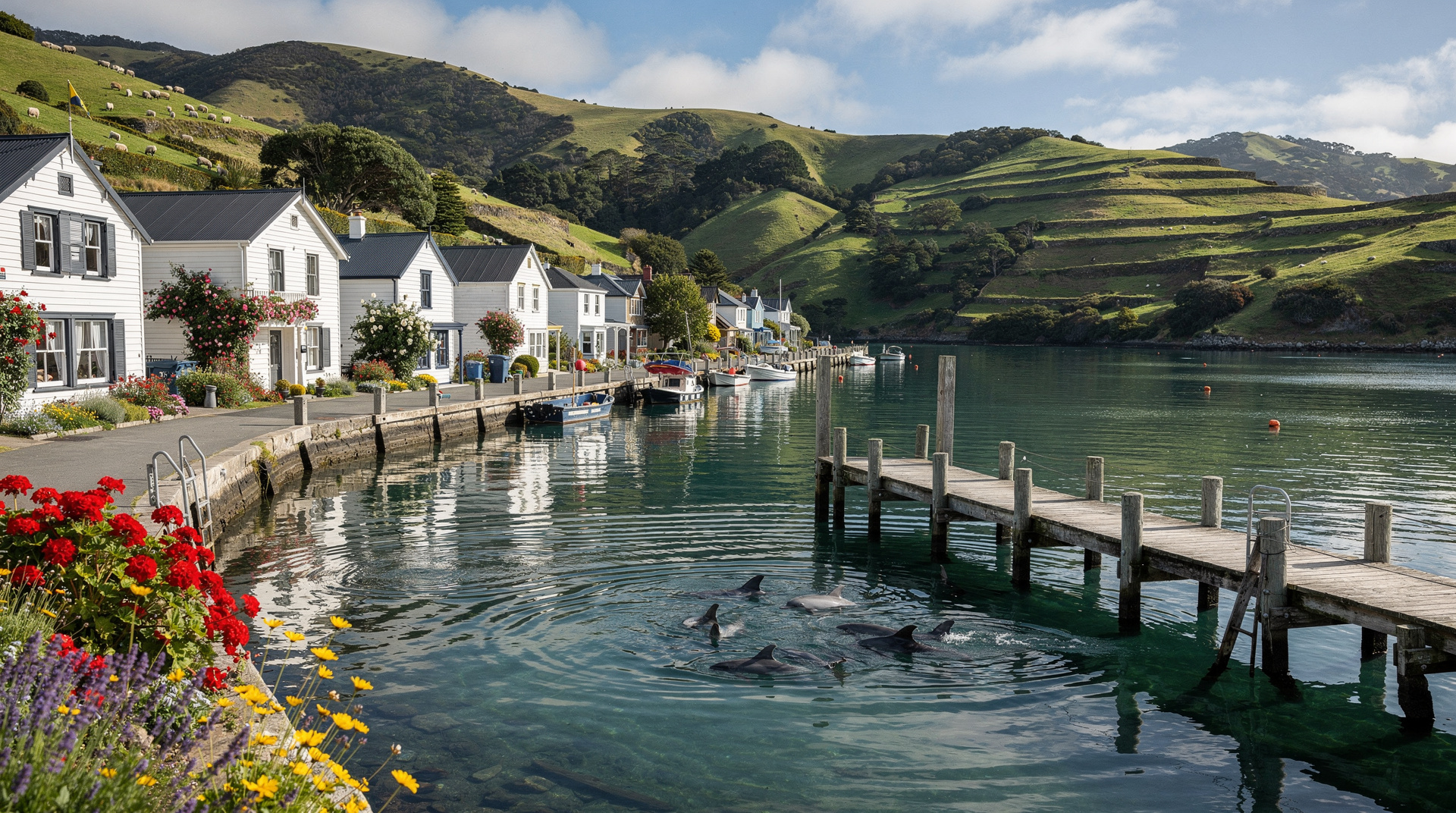
Akaroa
Akaroa: New Zealand's only French-founded town, Hector's dolphins, sea kayaking on Banks Peninsula. Day trip from Christchurch. Real costs NZD/USD/EUR.
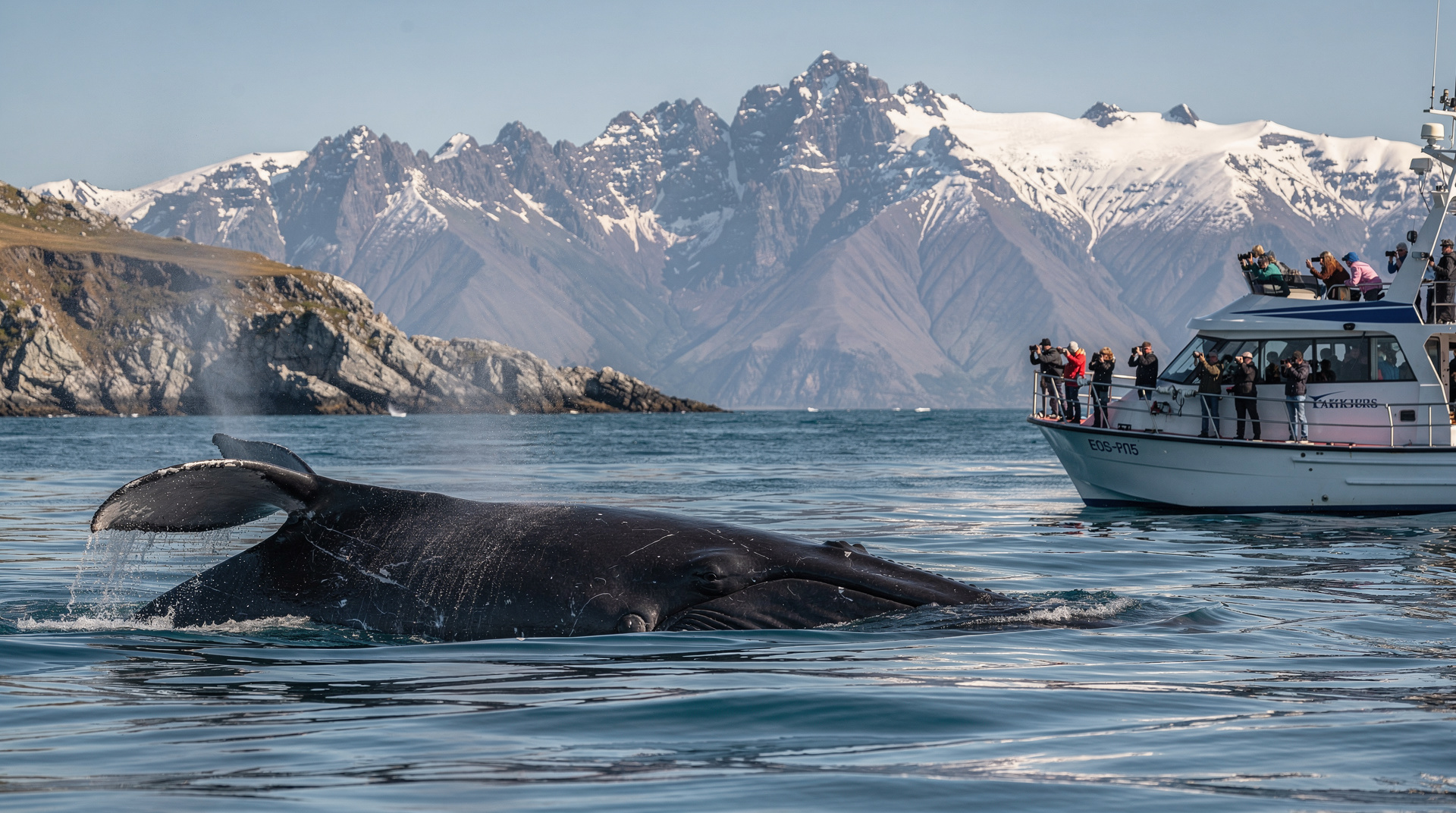
Kaikoura whale watching
Sperm whales off Kaikoura year-round: boat, flight, or kayak? Real prices (NZD/USD/EUR), sighting rates, and which operator to book.
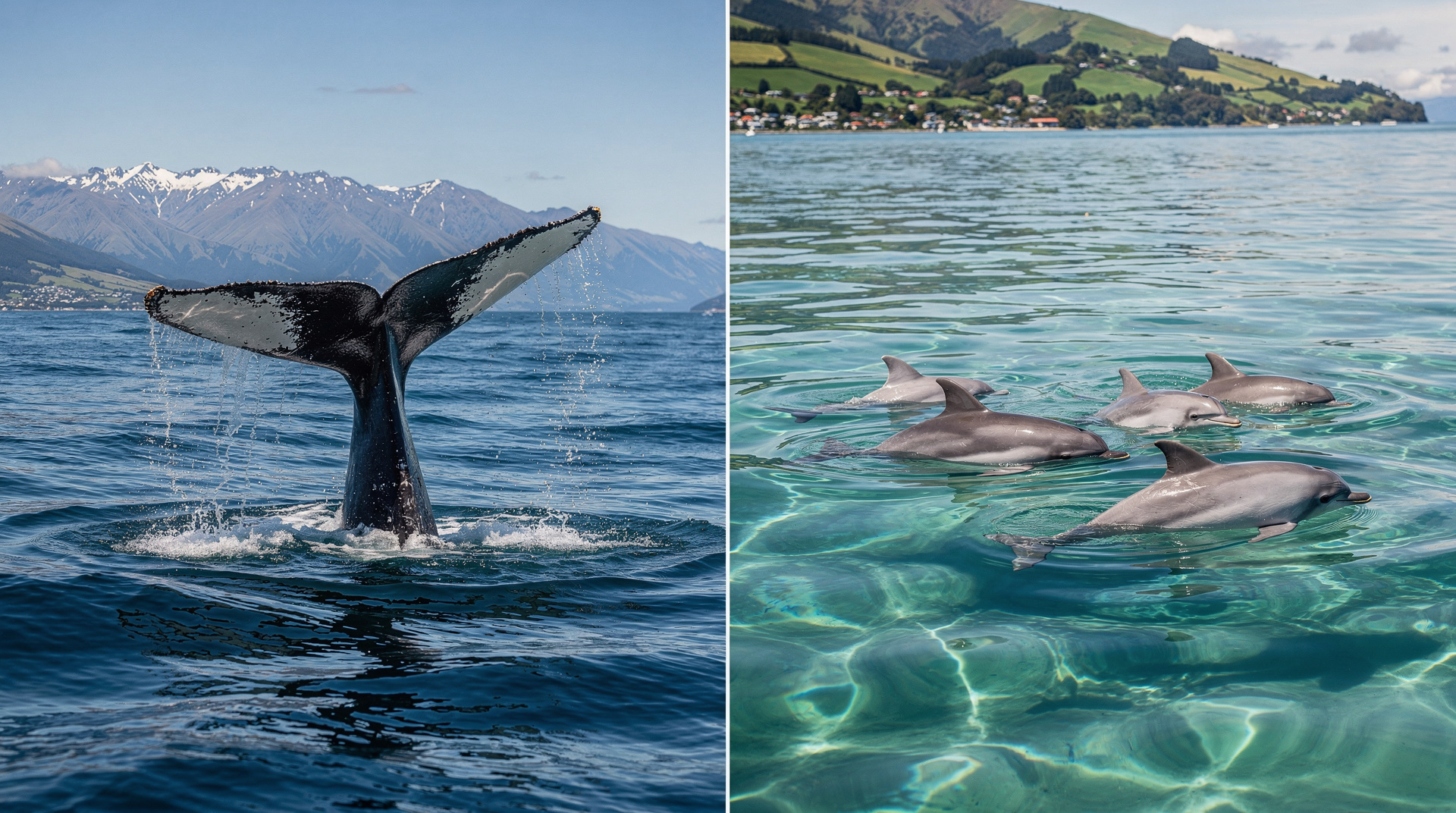
Kaikoura vs Akaroa for wildlife
Kaikoura vs Akaroa wildlife comparison: whales vs Hector's dolphins, sea kayaking, and which is better for a wildlife day from Christchurch. NZD/USD/EUR.
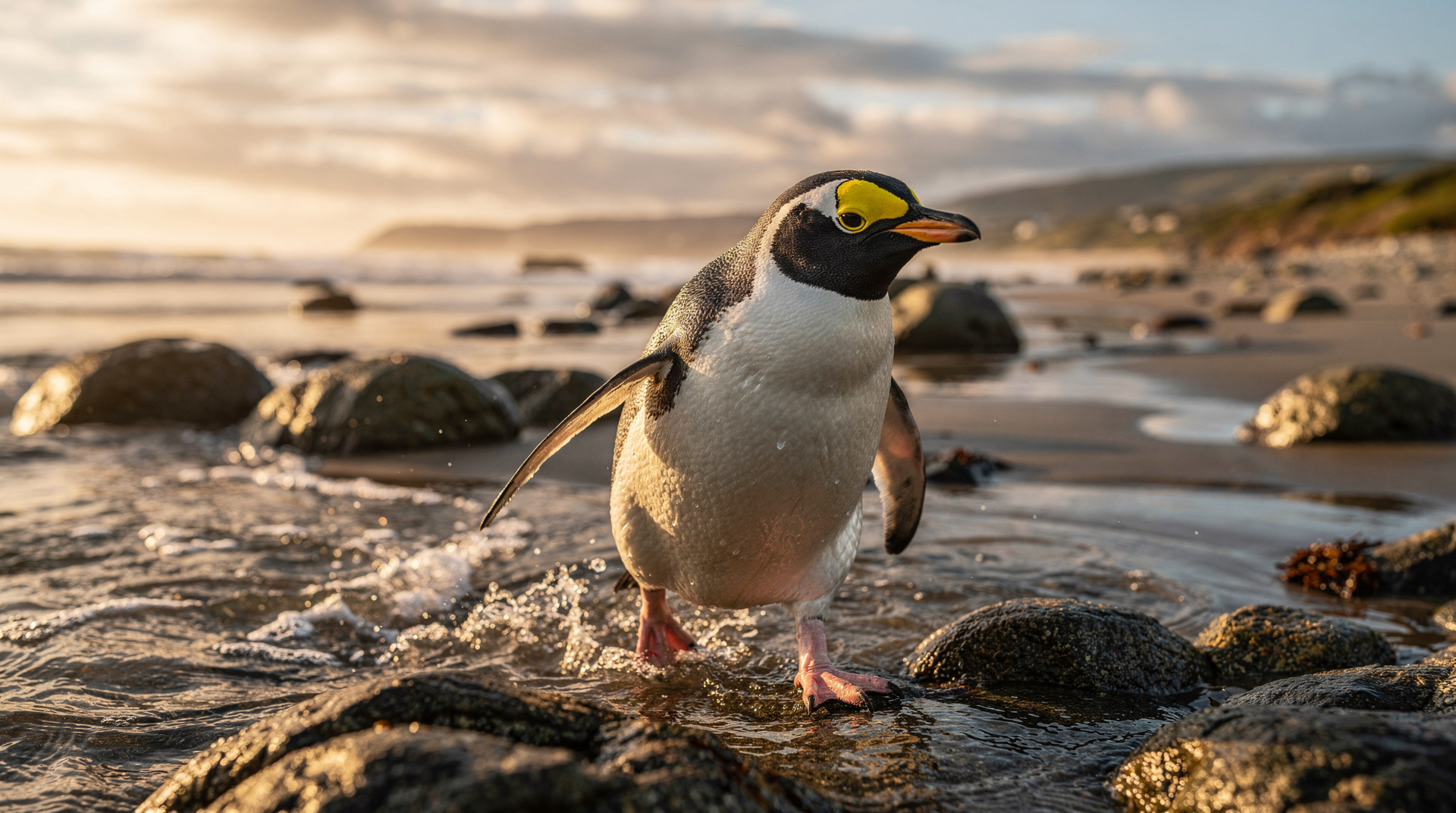
Yellow-eyed penguins on the Otago Peninsula
Hoiho (yellow-eyed penguin) are the world's rarest penguin. Where to see them wild on Otago Peninsula, ethical viewing hides, prices, and best timing.
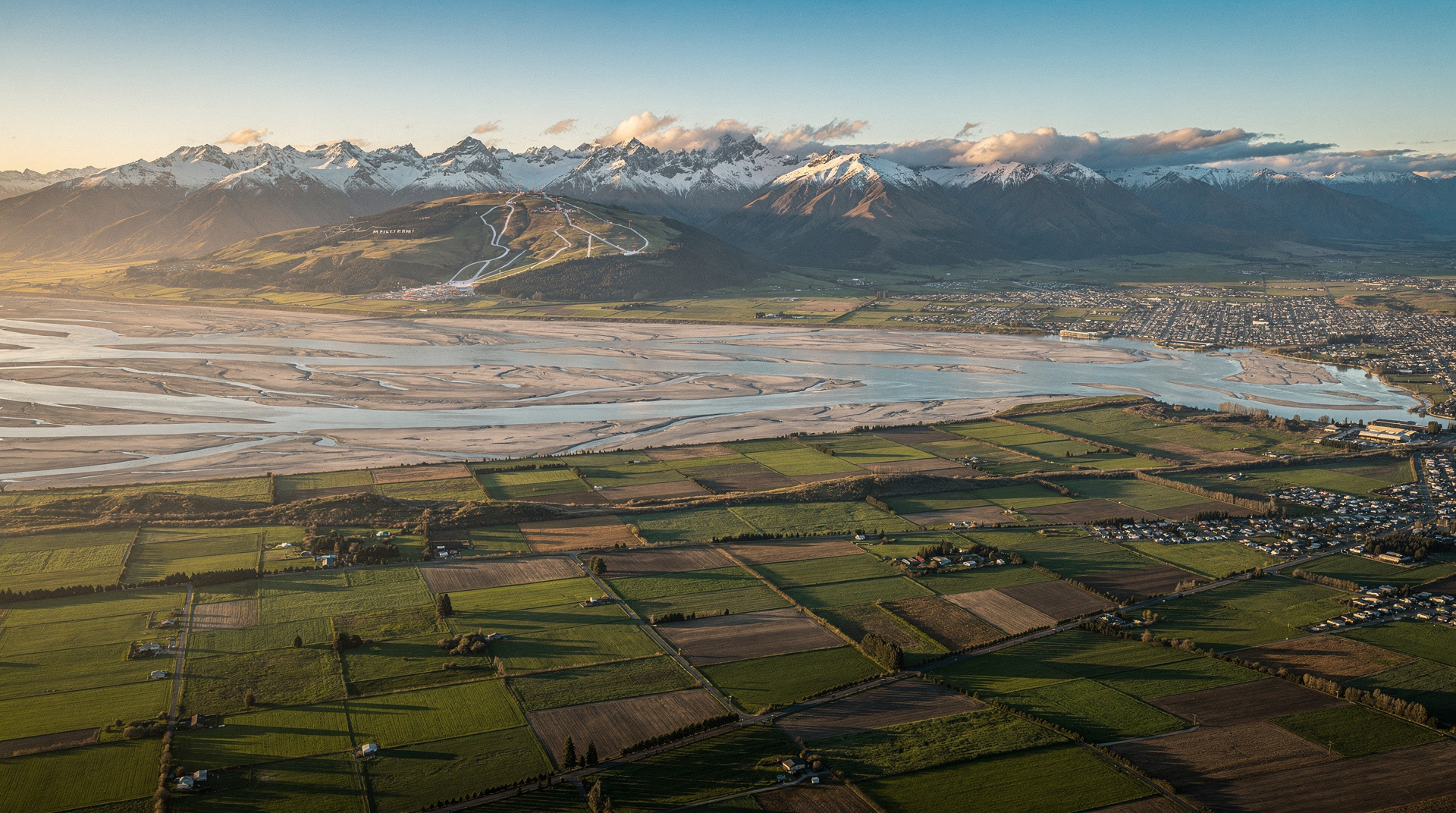
Canterbury
Honest Canterbury guide: Christchurch, Akaroa, Lake Tekapo stargazing, Aoraki/Mt Cook. Real NZD/USD/EUR costs, scenic train, ski, and practical itineraries.
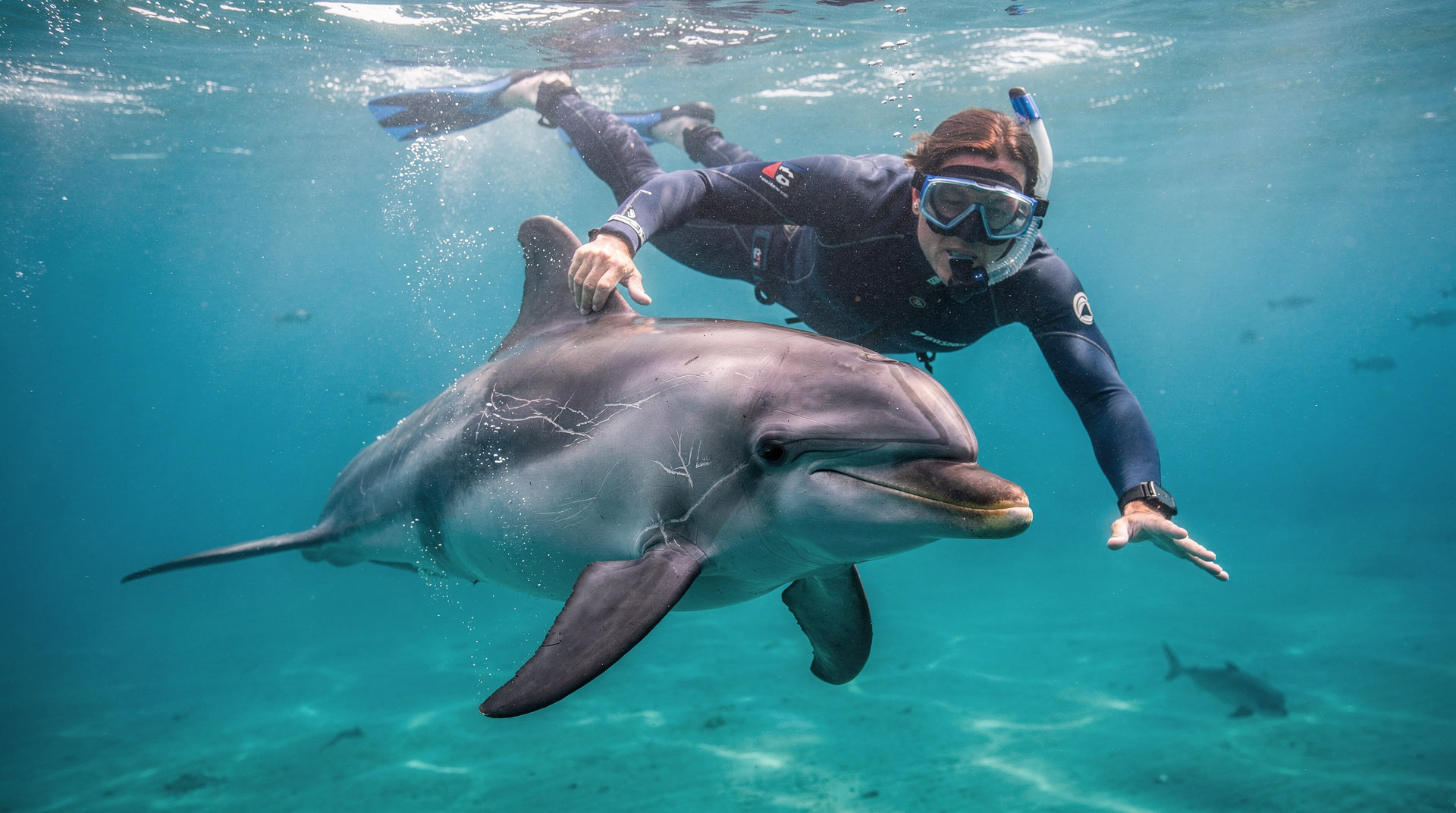
Dolphin swim in the Bay of Islands
Swimming with bottlenose dolphins in the Bay of Islands: DOC-permitted operators, best months, ethical restrictions, and prices (NZD/USD/EUR).
Last reviewed: