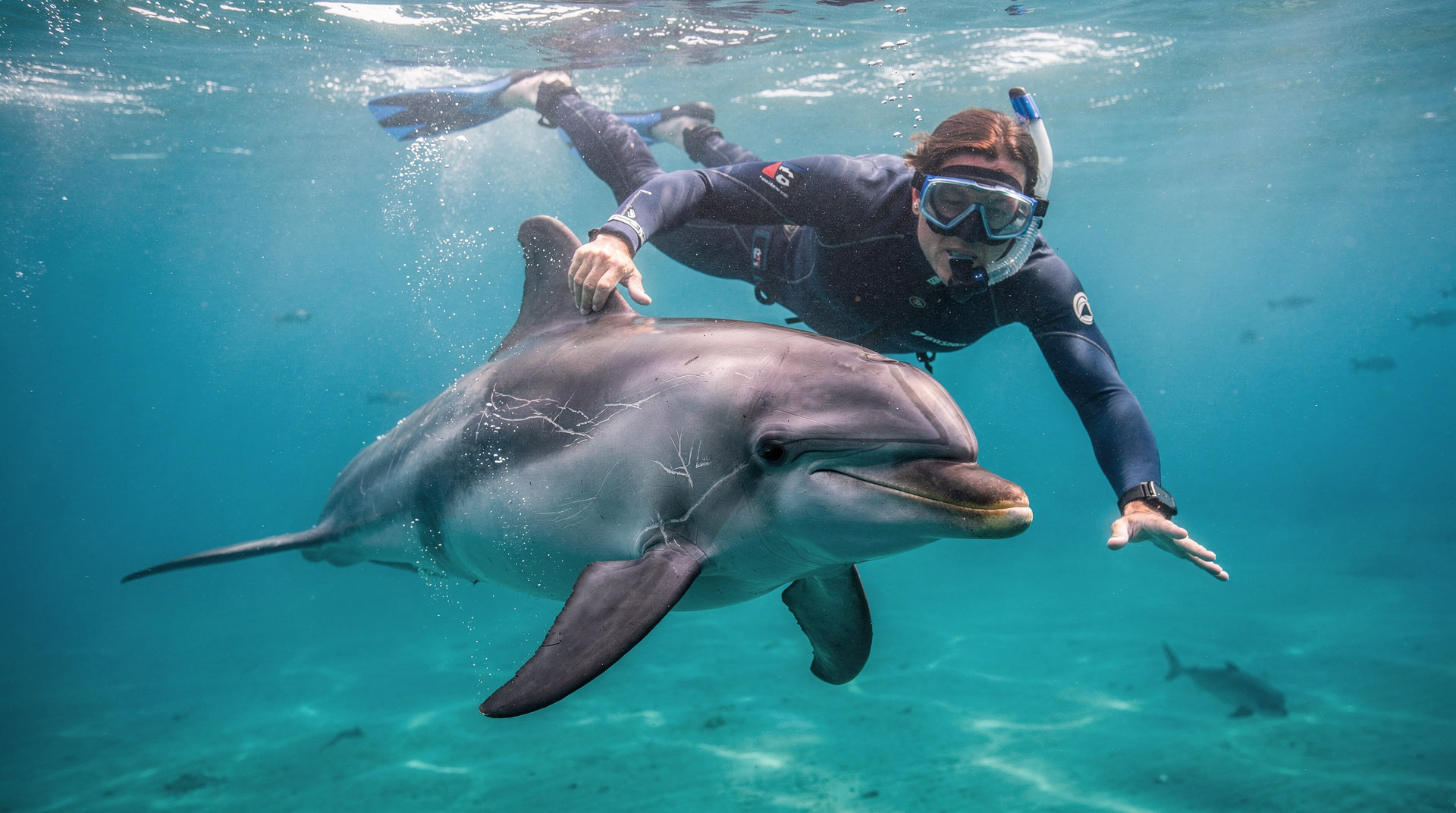
Dolphin swim in the Bay of Islands
Can you swim with dolphins in the Bay of Islands?
Yes — DOC-licensed operators offer dolphin swimming with bottlenose and common dolphins in the Bay of Islands. Tours cost NZD 120–175 / USD 72–105 / EUR 66–96. Swimming is restricted to avoid nursing dolphins and mothers with calves. The bay has year-round dolphin populations.
Bottlenose dolphins in the Bay of Islands year-round
The Bay of Islands holds one of New Zealand’s most accessible year-round dolphin populations. The bay’s 144 islands, sheltered channels, and productive waters support resident and transient pods of bottlenose dolphins (Tursiops truncatus aduncus), common dolphins (Delphinus delphis), and orca (Orcinus orca, occasional). The bottlenose population is the primary draw for swim-with-dolphin operations — they are the largest (2.5–3 m), most robust, and most reliably interactive of the bay’s dolphin species.
The Bay of Islands sits in Northland, New Zealand’s subtropical north, with water temperatures reaching 21–24°C in midsummer — warm by New Zealand standards and comfortable for swimming without a wetsuit for some visitors. This combination of warmth, dolphin presence, and established marine tourism infrastructure makes it the most accessible dolphin swimming destination in New Zealand for international visitors, particularly those based in Auckland.
| Where | Paihia or Russell, Bay of Islands, Northland |
| Cost | Around NZD 85–175/person (cruise-only to swim tour) |
| Season | Year-round; swimming conditional on DOC rules and pod composition |
| Getting there | Around 3 hours’ drive from Auckland, or seasonal flights to Kerikeri |
| Booking | Advance recommended, especially December–February |
DOC permits and ethical restrictions
Swimming with dolphins in New Zealand requires a DOC (Department of Conservation) marine mammal swimming permit. Not all dolphin cruise operators hold swim permits — only those with specific DOC authorization may allow passengers into the water with dolphins.
Key restrictions under DOC rules:
- Swimming with any dolphin within a group that contains a nursing mother and calf is prohibited
- No pursuit of dolphins; vessels must shut down engines and wait for dolphins to approach
- No touching, feeding, or blocking a dolphin’s path
- Swimmers must enter and exit the water quietly; no splashing near dolphin aggregations
- Maximum swimmer numbers per interaction are specified in each operator’s permit
These restrictions exist because bottlenose dolphins are susceptible to breeding disruption from excessive human contact. The Bay of Islands has had documented cases of mother-calf pairs separating due to swim harassment; current permit conditions reflect lessons learned from those incidents.
What this means practically: On any given tour, swimming with the dolphins is not guaranteed. If the pod has nursing mothers, calves, or shows signs of stress, the operator must keep swimmers aboard. Many tours result in an excellent close-boat encounter without in-water interaction. Reputable operators are transparent about this before you book.
Cruise tours — the realistic base option
Year-round dolphin cruises in the bay offer consistent close encounters from the boat without the conditional nature of in-water permits. These are a reliable option even if swimming is your goal.
The Bay of Islands dolphin eco-cruise from Paihia is a dedicated wildlife-focused vessel rather than a sailing trip with dolphin sightings as an add-on. The vessel is smaller, allowing more manoeuvrability near dolphin pods, and the crew includes trained naturalists who provide context on individual animal identification (the same pods return repeatedly and many individuals are recognisable).
Price (cruise): NZD 85–120 / USD 51–72 / EUR 47–66 per adult.
The small group Bay of Islands cruise limits passenger numbers, which improves wildlife encounter quality — fewer people crowding the bow for a dolphin sighting, more responsive vessel management.
What to expect on a swim tour
If you’re booking specifically for the swim experience:
- Pre-tour briefing: All permitted operators conduct a safety and ethics briefing before entering the water. This covers wetsuit fitting, snorkel use, permitted behaviour, and what to do if dolphins approach.
- Water time: Actual in-water time with dolphins varies from 5 minutes to 45 minutes depending on pod behaviour and regulatory conditions. The average is 15–25 minutes when swimming is permitted.
- Dolphins’ behaviour: Bottlenose dolphins in the Bay of Islands are generally curious about swimmers. They may circle, swim underneath, and briefly investigate — then lose interest. The interaction is on their terms entirely.
- Photography: Underwater housings are allowed. Video mode typically yields better results than stills when dolphins are moving quickly. Cameras are not required — the operators have underwater footage that can be purchased separately.
Beyond dolphins: the bay’s full wildlife picture
The Bay of Islands is one of New Zealand’s richest marine environments:
Orca (killer whales): Transient orca pods visit the bay irregularly — typically following prey fish runs or stingray aggregations. Orca sightings are not predictable but are reported several times per year. In-water swimming with orca is prohibited under DOC rules.
Whales: Dwarf minke whales pass through the bay during winter migration. Bryde’s whales are occasionally seen in the outer bay. Humpbacks are rare but possible.
Seabirds: Gannets, flesh-footed shearwaters, and Buller’s shearwaters feed in the outer bay, particularly in autumn. The bay’s shearwater diversity is significant for pelagic birders.
Fur seals: Small haul-out populations on some outer island rocks. Visible from cruises.
Land-based wildlife around the bay
Cape Reinga, 3 hours north of Paihia, has a separate wildlife draw: the large mangrove systems of the Karikari Peninsula and Doubtless Bay harbour populations of wading birds including royal spoonbills and pied stilts. The 90 Mile Beach area has patchy populations of kiwi in protected coastal scrub — rarely seen but present.
Waipoua Forest, 2 hours south of Paihia, contains ancient kauri trees (Agathis australis) that dwarf anything else in New Zealand’s native forests. The giant kauri Tane Mahuta — estimated at 2,000 years old — is 51 m tall with an 18 m trunk circumference. The forest is a short detour if driving between Auckland and Paihia.
Getting to the Bay of Islands
From Auckland: 3 hours driving on SH1, approximately 250 km. The route passes through Whangarei (worth a stop for the falls) and continues to Paihia or Russell (ferry crossing required for Russell). Coaches run daily from Auckland (InterCity, NakedBus).
Domestic flight: No regular scheduled service to Kerikeri (the regional airport, 15 km from Paihia). Air New Zealand operates some seasonal flights; check availability. Private charter flights operate from Auckland.
Stay in: Paihia is the main hub with most accommodation and all dolphin tour operators. Russell (across the bay) is quieter and more characterful but requires a passenger ferry (NZD 15 / USD 9 / EUR 8 each way from Paihia).
Costs summary (NZD / USD / EUR)
| Activity | NZD | USD | EUR |
|---|---|---|---|
| Dolphin eco-cruise (no swimming) | 85–120 | 51–72 | 47–66 |
| Dolphin swim tour (with permit) | 120–175 | 72–105 | 66–96 |
| Small group wildlife cruise | 105–140 | 63–84 | 58–77 |
| Paihia–Russell ferry (one-way) | 15 | 9 | 8 |
Exchange rate: 1 NZD ≈ 0.60 USD ≈ 0.55 EUR.
Making the most of a Bay of Islands trip beyond the dolphins
A dolphin cruise or swim is rarely the only reason to make the 3-hour trip north from Auckland, and it’s worth planning the day or two around it rather than treating it as a there-and-back excursion. Waitangi Treaty Grounds, a short drive from Paihia, is the site where the Treaty of Waitangi was signed in 1840 and is essential context for understanding modern New Zealand — allow half a day.
Russell, reachable by passenger ferry from Paihia, was the country’s first permanent European settlement and has a quieter, more historic character than Paihia’s tourism-focused waterfront. For travellers with an extra day, the drive north to Cape Reinga and 90 Mile Beach adds New Zealand’s northernmost point and its distinctive sand-dune landscape, though it deserves a full day of its own rather than a rushed add-on to a dolphin tour day.
Booking timing and realistic expectations
Book the dolphin swim tour for the morning if possible — dolphins are frequently more active and easier to locate earlier in the day before boat traffic in the bay increases, and morning tours give you a backup afternoon slot if weather or pod conditions cancel the first attempt. In peak summer (December-February), popular operators can sell out several days ahead, so booking before arriving in Paihia is the safer approach. Manage your own expectations around the swim itself: the DOC permit system exists precisely because in-water interaction is not the default outcome of every tour, and operators who promise a guaranteed swim should be treated with some scepticism.
Frequently asked questions
What species of dolphin will I see?
Bottlenose dolphins are the primary species. Common dolphins are also present and often encountered in larger numbers (pods of 50–200 common dolphins are frequent). Orca are irregular visitors; Hector’s dolphins are not found in the Bay of Islands (they’re a South Island species). Common dolphins are less interactive with swimmers than bottlenose but create more dramatic spectacle in large pods.
Is in-water dolphin contact ethical?
The DOC permit system attempts to make it so by restricting interaction to consenting pod members and prohibiting contact with nursing mothers and calves. The ethics remain contested — some marine biologists argue that any regular in-water human contact disrupts dolphin social behaviour. Choosing DOC-permitted operators and accepting when the crew declines to allow swimming is the minimum standard for ethical participation.
How does this compare to swimming with Hector’s dolphins in Akaroa?
Hector’s dolphins (Akaroa) are smaller, critically endangered, found only in New Zealand, and the interaction is typically more intimate due to smaller group sizes and slower relative movement. Bottlenose dolphins (Bay of Islands) are larger, globally distributed, and encountered in the open bay with more dynamic movement. Both are worth doing; they’re different in character. The Bay of Islands wins on landscape and year-round access; Akaroa wins on rarity and intimacy.
Are there age restrictions for the dolphin swim?
Most operators require swimmers to be at least 8 years old and able to swim independently with a snorkel. Life jackets are not worn in the water (they prevent diving down to dolphin level). Wetsuits are provided or available to rent; children are accommodated in available sizes. Under-8s can still join the cruise and experience the boat encounter.
Related reading
Related guides
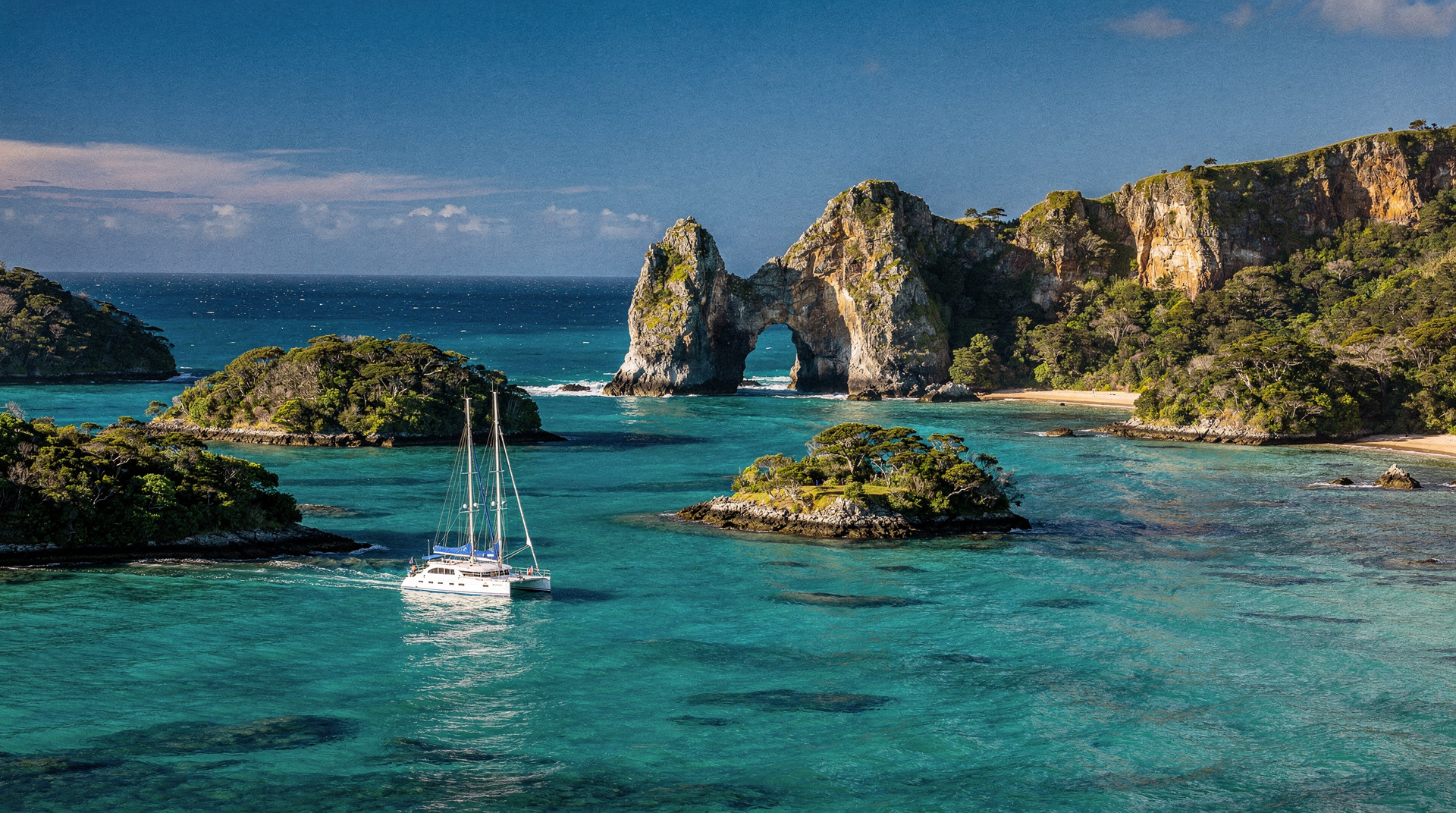
Bay of Islands
Honest Bay of Islands guide: Hole in the Rock cruise, dolphin swimming, Waitangi Treaty Grounds, Cape Reinga, real costs NZD/USD/EUR.
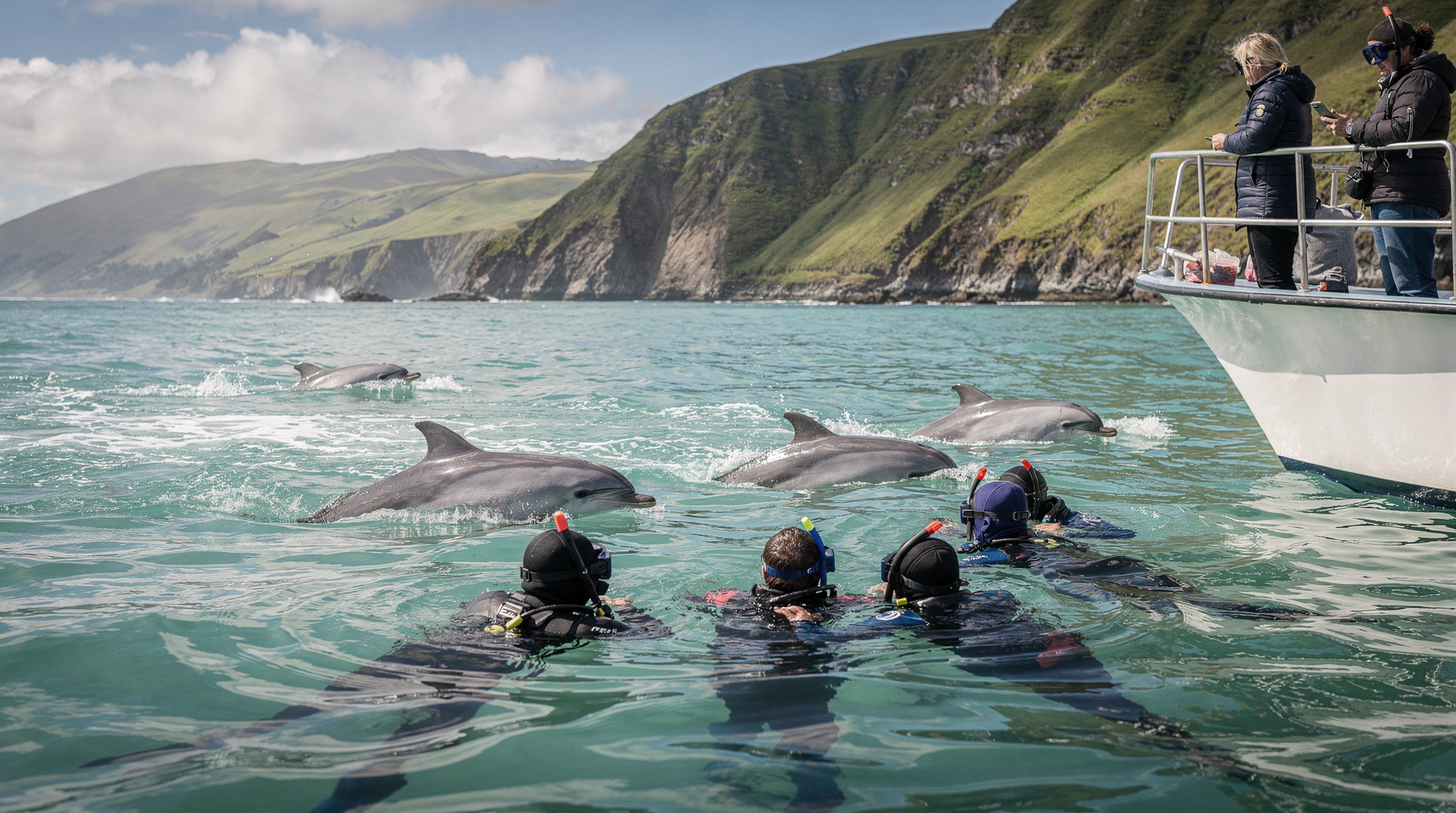
Hector's dolphins in Akaroa
Akaroa is the best place on earth to see Hector's dolphins, the world's smallest. Swim tours, cruise prices, ethical guidelines, and booking tips.
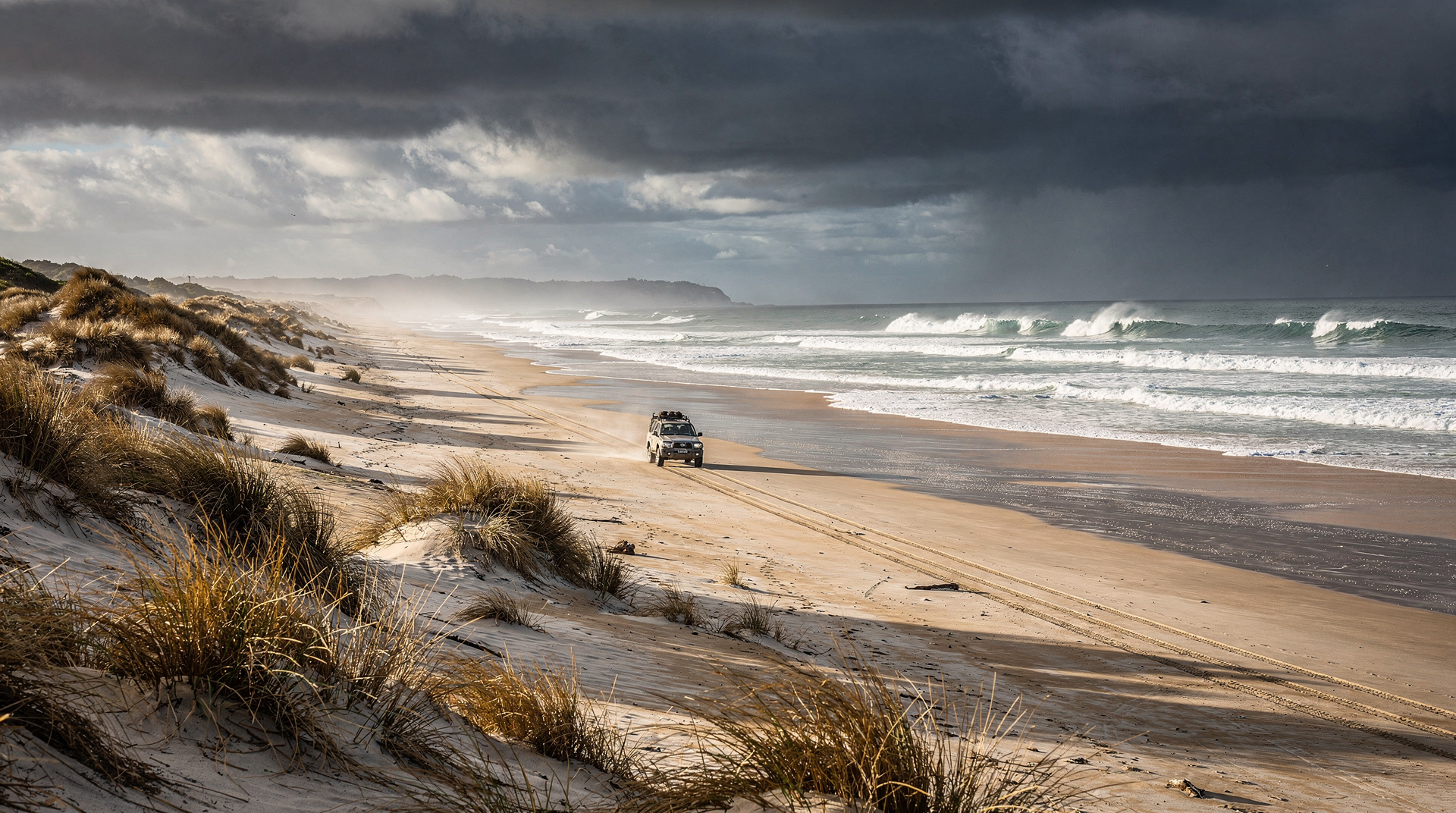
Northland
Honest Northland planner: Bay of Islands, Cape Reinga, 90 Mile Beach, Paihia, Russell, Whangarei. Real NZD/USD/EUR costs, what's worth your time.
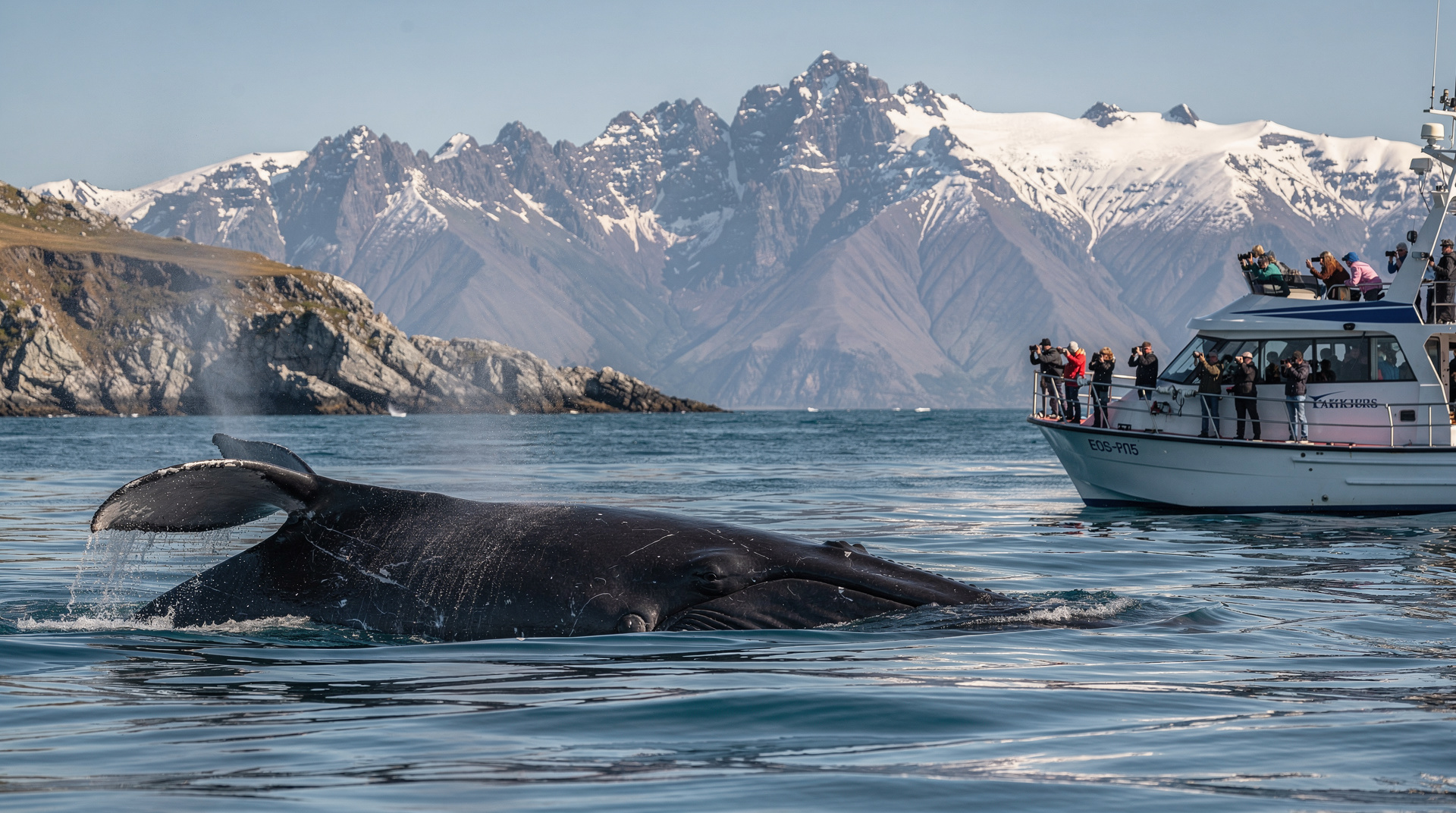
Kaikoura whale watching
Sperm whales off Kaikoura year-round: boat, flight, or kayak? Real prices (NZD/USD/EUR), sighting rates, and which operator to book.
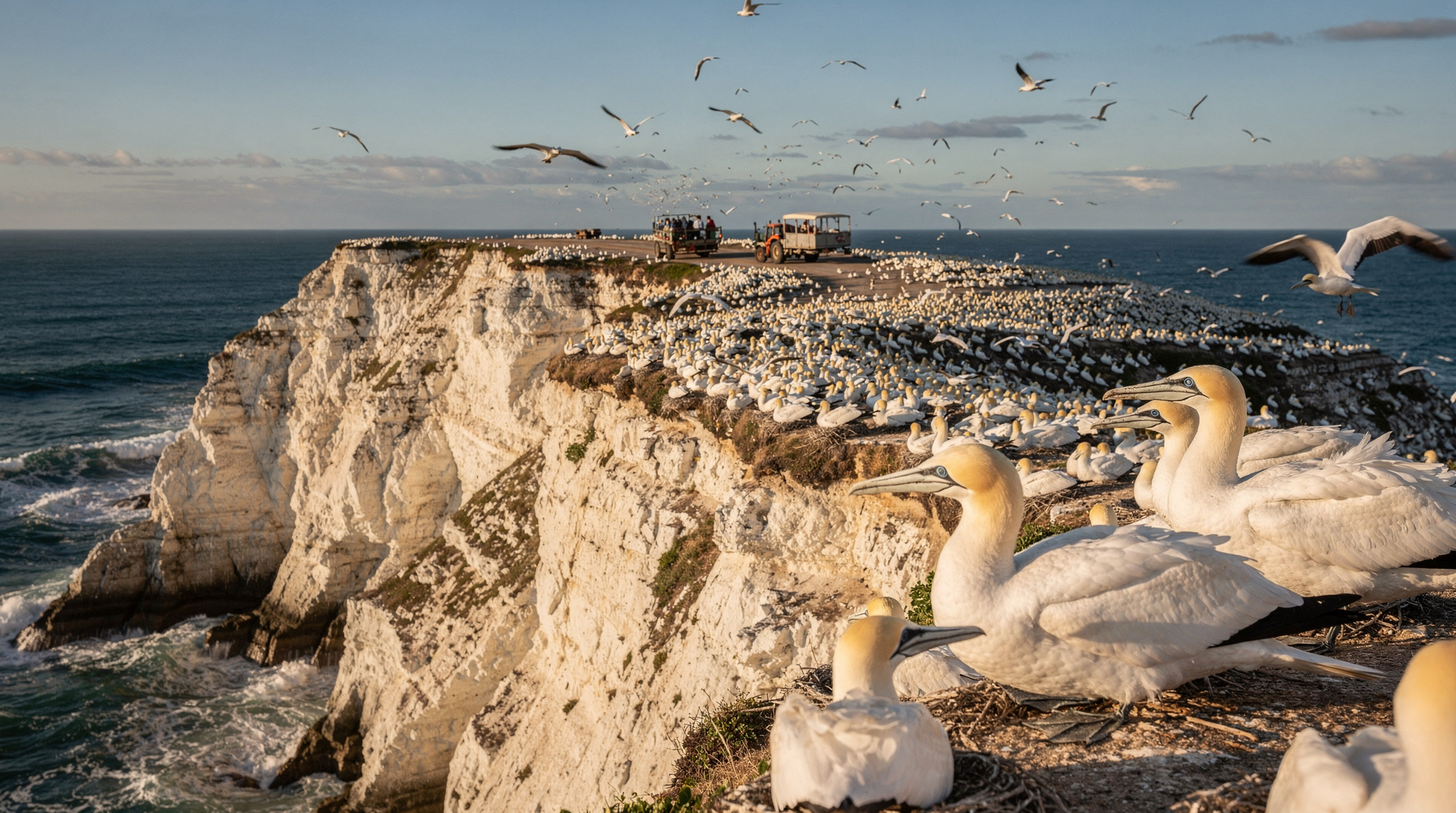
Gannets at Cape Kidnappers
Cape Kidnappers holds the world's largest mainland gannet colony. Tractor tours, prices (NZD/USD/EUR), best season, and how to visit from Napier or Hawke's Bay.
Last reviewed: