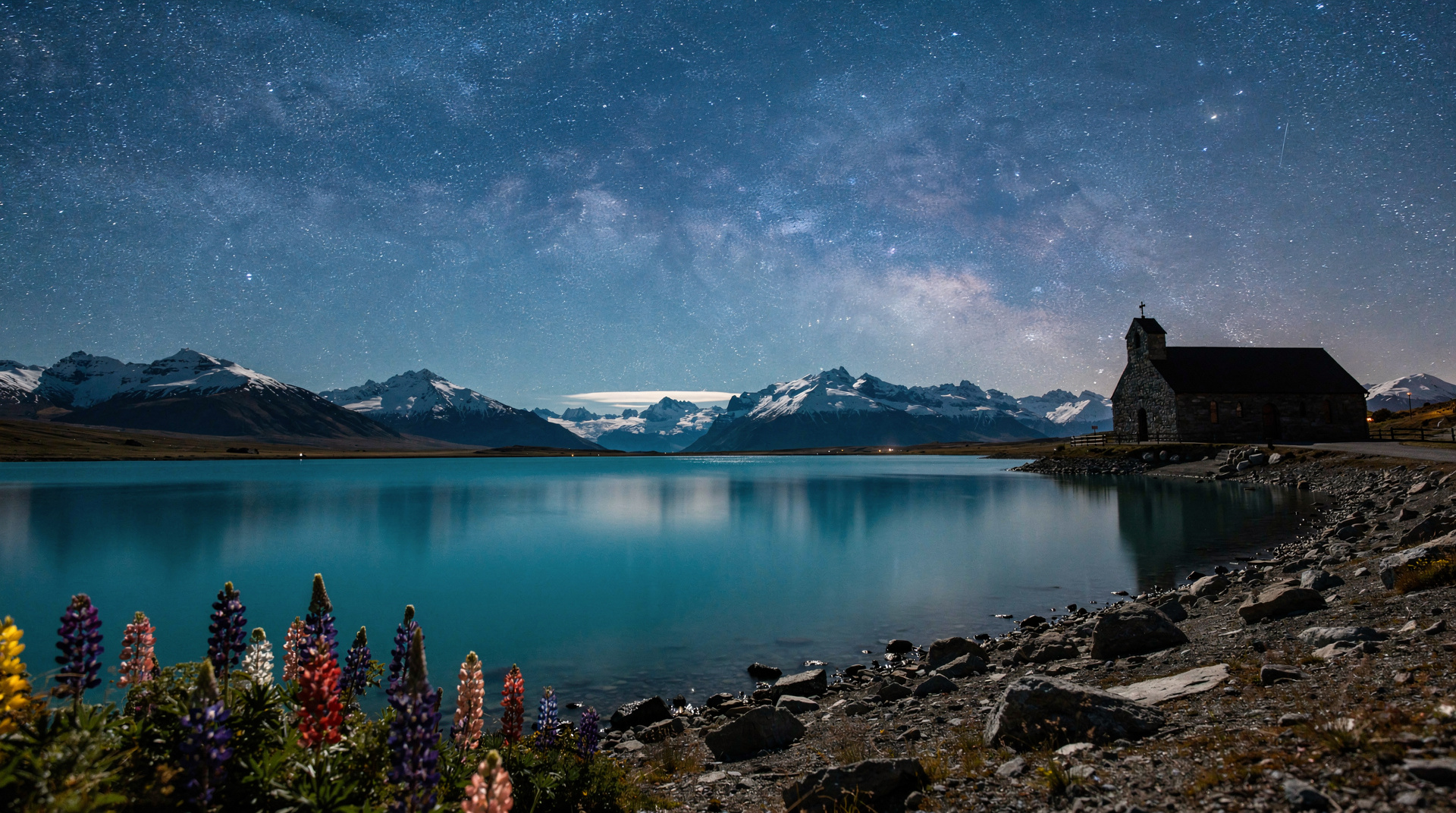
Lake Tekapo — turquoise lake and stargazing guide
Why is Lake Tekapo's water so turquoise?
Glacial flour — rock ground to a fine powder by glacier movement — is suspended in the water. The particles scatter light differently from normal water particles, producing the distinctive turquoise-milky blue colour. The colour is most intense in summer (more glacial meltwater) and less intense in winter (less melt). Not dyed, not photoshopped — genuinely that colour.
The most photographed lake in New Zealand
Lake Tekapo is the most-photographed lake in New Zealand, and arguably the most frequently misunderstood. Most visitors arrive expecting a small, easily-walked lake with a famous church and leave with a sense that they’ve checked something off a list. Those who stay overnight — or better, two nights — discover a dramatically different experience: one of the world’s finest stargazing environments, a landscape that changes entirely under winter snowfall, and a base for Mt Cook that removes the rushed day-trip mentality entirely.
The lake sits at 700m altitude in the Mackenzie Basin, enclosed by schist moraines and glacier-carved valleys. At 83 square kilometres, it is New Zealand’s third-largest freshwater lake. The colour varies from pale teal in winter to vivid turquoise-green in summer — the result of glacial rock flour suspended in the water.
| Where | Mackenzie Basin, Canterbury, 1.5hrs from Aoraki/Mt Cook Village |
| Cost | Free lakefront and church; stargazing around NZD 115-225pp |
| Time needed | 1 night minimum, 2 nights better |
| Getting there | 3hrs from Christchurch or Queenstown on SH8 |
| Best time | Winter for clearest skies, October-November for lupins |
Getting to Lake Tekapo
Tekapo sits almost exactly midway on SH8 between Christchurch and Queenstown, which makes it a natural overnight stop rather than a dedicated destination for most self-drive itineraries — though it rewards travellers who treat it as the latter. From Christchurch, the drive takes around 3 hours via Geraldine and the Mackenzie Basin’s long, open straights.
From Queenstown, it’s a similar 3 hours via Cromwell and Omarama, crossing the Lindis Pass. There is no commercial airport at Tekapo itself; the nearest air access is a scenic flight strip used for Mt Cook flights, not scheduled services. Renting a car remains the only practical way in — buses exist but run infrequently and don’t suit a stargazing schedule that depends on staying out after dark.
The Church of the Good Shepherd
The Church of the Good Shepherd (1935) is a small stone church at the lake’s edge, famous for its lakeside position with the mountains framed through the altar window. It is probably New Zealand’s most photographed single structure.
Practical notes for visitors:
- In summer, a permanent queue forms for photographs at the front of the church. Arrive before 8am or after 5pm for a quiet shot.
- The church is an active Anglican church — services are still held, and the interior is open to visitors outside service times.
- The bronze collie dog statue adjacent to the church is a memorial to the working dogs of the Mackenzie sheep runs.
- The church and surrounds are free to visit.
Stargazing: the International Dark Sky Reserve
The Aoraki Mackenzie International Dark Sky Reserve, established in 2012, encompasses Lake Tekapo, Lake Pukaki, and the Aoraki/Mt Cook area. It is one of the largest Dark Sky Reserves in the world by area, and the only one that includes inhabited communities.
The combination of altitude (700m at the lake), low humidity, and absence of urban light pollution within 100 km produces exceptional conditions for astronomical observation. On clear, moonless nights, the Milky Way is visible to the naked eye as a distinct band.
Guided stargazing at the University of Canterbury’s Mt John Observatory:
The Mt John Observatory sits at 1031m on a hill above the town, operated by the University of Canterbury for research purposes. Tourism access is through Earth & Sky, who operate guided telescope sessions and naked-eye tours:
The Lake Tekapo: Stargazing Experience at Cowan's Observatory accesses the Cowan’s Observatory with guide-led telescope viewing of galaxies, nebulae, and star clusters. NZD 145-175 / USD 87-105 / EUR 80-96.
The Lake Tekapo: Mountaintop Stargazing at Mount John Summit is the premium experience — a guided night at the Mt John summit telescopes with observatory access. NZD 185-225 / USD 111-135 / EUR 102-124.
The Lake Tekapo: Alpine Stargazing Experience with a Guide covers a shorter stargazing session for visitors with limited time. NZD 115-145 / USD 69-87 / EUR 63-80.
Maori astronomy: The Lake Tekapo: Indoor Maori Cultural Astronomy Experience connects the night sky observation with Maori star knowledge (whetu, the stars; Matariki, the Pleiades; Maui and the sky fishing). NZD 135-165 / USD 81-99 / EUR 74-91.
Self-guided stargazing: Simply walk to the lakefront after 10pm on a clear night. No equipment required. The milky way is genuinely visible. The reflection of stars on the lake surface is not a tourist marketing claim.
Mt Cook day trip from Tekapo
Lake Tekapo is 1.5 hours from Aoraki/Mt Cook Village via SH80 — a road that runs alongside Lake Pukaki for 55 km. The Mt Cook day trip from Tekapo is significantly less rushed than the Christchurch or Queenstown day trips, making it the ideal base for a relaxed Mt Cook visit.
The Tekapo Shuttle: Mt Cook Day Tour via Pukaki & Tasman Lake handles transport to Mt Cook and back with a stop at Lake Pukaki. NZD 65-85 / USD 39-51 / EUR 36-47.
For aerial access to Mt Cook, the Lake Tekapo: 50-Minute Mount Cook and Beyond Scenic Flight departs from Tekapo airport and overflies the Mt Cook range with mountain landing options. NZD 395-475 / USD 237-285 / EUR 217-261.
Tekapo Hot Springs
A commercial geothermal pool facility (not natural — the hot pools are heated by electricity) sits on the lake shore with mountain views. Open year-round, the pools offer a warm soak in cold ambient temperatures. NZD 28-35 / USD 17-21 / EUR 16-19. Worth doing on a winter evening.
Where to stay at Tekapo
Lake Tekapo Scenic Resort: Large resort accommodation, from NZD 185-350/night. Mountain views from upper floors.
Peppers Bluewater Resort: Good quality with lake access, from NZD 220-380/night / USD 132-228 / EUR 121-209.
YHA Lake Tekapo: Backpacker standard, from NZD 35-55 dorm / USD 21-33 / EUR 19-30.
DOC campsites: Several DOC camp areas around the lake, NZD 8-15/night. The lakeside position makes these excellent in summer.
Book well ahead for December-February — the village has limited accommodation and the tourism demand significantly exceeds capacity during peak season.
Where to eat in Tekapo
The village is small, so options are limited but generally reliable. Kohan Restaurant serves Japanese food with lake views and has been a Tekapo fixture for years — popular with the Japanese tour groups that visit for the stargazing. Run 76 Café does solid all-day breakfast and coffee, useful before an early Mt Cook departure. Reflections Restaurant at the Lake Tekapo Scenic Resort covers a more formal dinner option. Grocery options are limited to a single small supermarket, so self-caterers should stock up in Fairlie or Twizel if arriving with specific plans, rather than assuming Tekapo has everything.
Photography beyond the church
While the Church of the Good Shepherd draws the crowds, the lake rewards photographers who walk further. The lupin fields along the eastern shore (in season) and the lakefront track toward the holiday park both offer angles without a queue. For night photography, the dark sky reserve status means even a basic tripod setup can capture the Milky Way from the public lakefront — you don’t need the paid observatory tours for photography specifically, only for guided telescope access to deep-sky objects. Sunrise over the lake, with Mt John silhouetted and mist occasionally rising off the water, is consistently underrated compared to the sunset shots that dominate social media.
Spring lupins (October-November)
Lake Tekapo has become associated with a curious invasive plant: Russell lupins, introduced originally as erosion control, bloom in every colour from pink to purple to orange along the lake margins in October and November. They are officially a pest species that DOC actively manages — but they’re also genuinely beautiful. The lupin bloom transforms the lakefront and is the primary reason visitor numbers spike in October-November specifically.
Some conservationists argue (correctly) that lupins displace native plants and alter soil chemistry. Some photographers argue (also correctly) that the lupin season is extraordinary. Both positions can coexist.
Seasonal notes
Summer (December-February): Peak season. The lake is its most vivid turquoise. Book all accommodation in advance.
Autumn (March-May): One of the best times — the lupin seed pods turn russet, the crowds reduce, the air is clear, and the stargazing season extends to earlier in the evening.
Winter (June-August): Snow on the surrounding ranges and the mountains beyond creates a dramatically different landscape. The lake doesn’t freeze (too large and wind-mixed). Hot pools are particularly pleasant. Stargazing is best in winter (clearest air, longest nights).
Spring (September-November): Lupin season peak is November. October brings early snow on the ranges combined with the first lupins.
Cost breakdown (NZD / USD / EUR)
| Experience | NZD | USD | EUR |
|---|---|---|---|
| Church of Good Shepherd | Free | Free | Free |
| Lakefront walk and photography | Free | Free | Free |
| Mt John stargazing (full) | 185-225 | 111-135 | 102-124 |
| Alpine stargazing | 115-145 | 69-87 | 63-80 |
| Mt Cook scenic flight from Tekapo | 395-475 | 237-285 | 217-261 |
| Hot Springs | 28-35 | 17-21 | 16-19 |
| Tekapo to Mt Cook shuttle | 65-85 | 39-51 | 36-47 |
Frequently asked questions
How long should I spend at Lake Tekapo?
Minimum 1 night (to allow stargazing and a morning on the lake). Two nights is better — it allows a full Mt Cook day trip, a stargazing evening, and a relaxed morning on the lake. Three nights works well if combining with a Mt Cook overnight.
Is the lake colour visible on cloudy days?
Yes — the turquoise colour comes from the suspended glacial flour, not reflected sky. Even on overcast days, the water has a distinctly different appearance from standard alpine lakes.
Can I swim in Lake Tekapo?
Yes, but it’s cold — 10-14°C in summer, 4-6°C in winter. The main swimming area is the calm water near the Church of the Good Shepherd. The hot springs are the better option for a warm water experience.
How far is Tekapo from Queenstown and Christchurch?
- Christchurch: 3 hours via SH1 and the Tekapo road
- Queenstown: 3 hours via Cromwell and Omarama
- The mid-point position makes Tekapo a natural overnight stop on either route
Is Tekapo or Mt Cook Village the better base for stargazing?
Tekapo has the more established stargazing tourism infrastructure (Mt John Observatory, multiple operators, the town itself) and a wider choice of accommodation. Mt Cook Village sits deeper inside the Dark Sky Reserve with fewer facilities but arguably even darker skies right at your door. The Mt Cook Village vs Lake Tekapo vs Twizel comparison breaks down which base suits which kind of trip.
Related guides and reading
Related guides
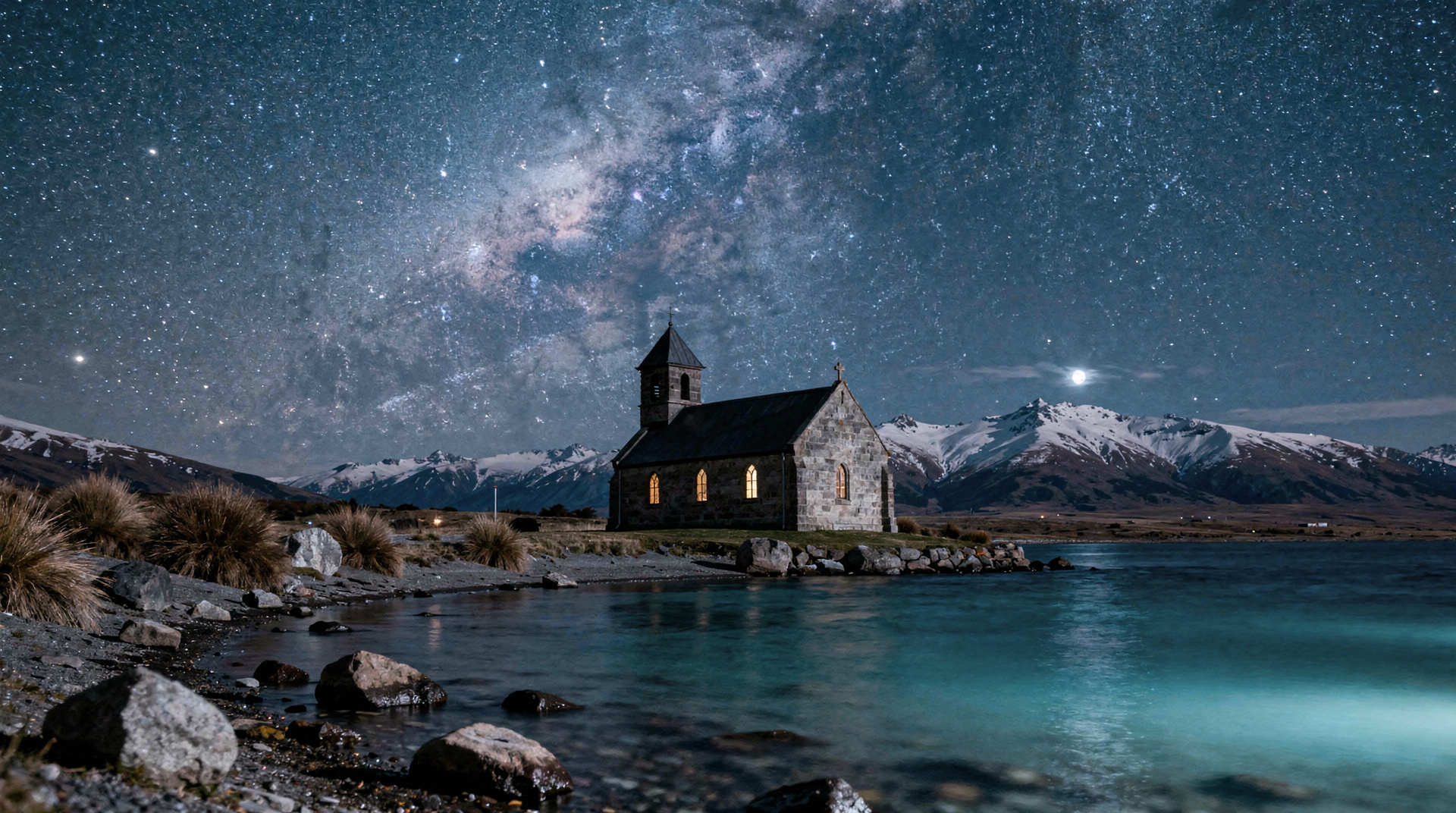
Lake Tekapo
Honest Lake Tekapo guide: stargazing, Church of the Good Shepherd, hot pools — real NZD/USD/EUR costs and how long you actually need here.
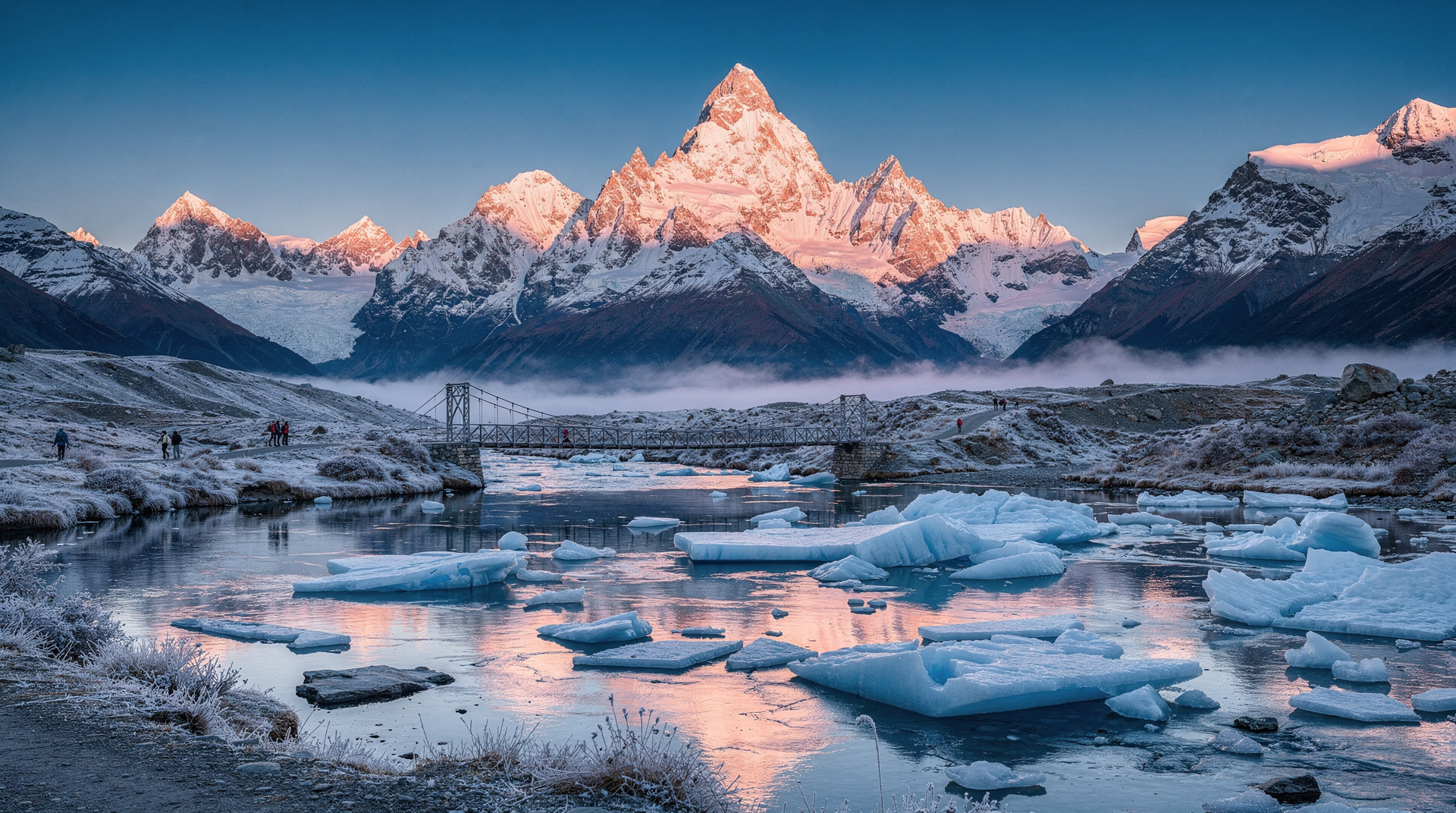
Aoraki / Mount Cook
Honest Aoraki / Mount Cook guide: Hooker Valley Track, Tasman Glacier, scenic flights — real NZD/USD/EUR prices and what to expect in all seasons.
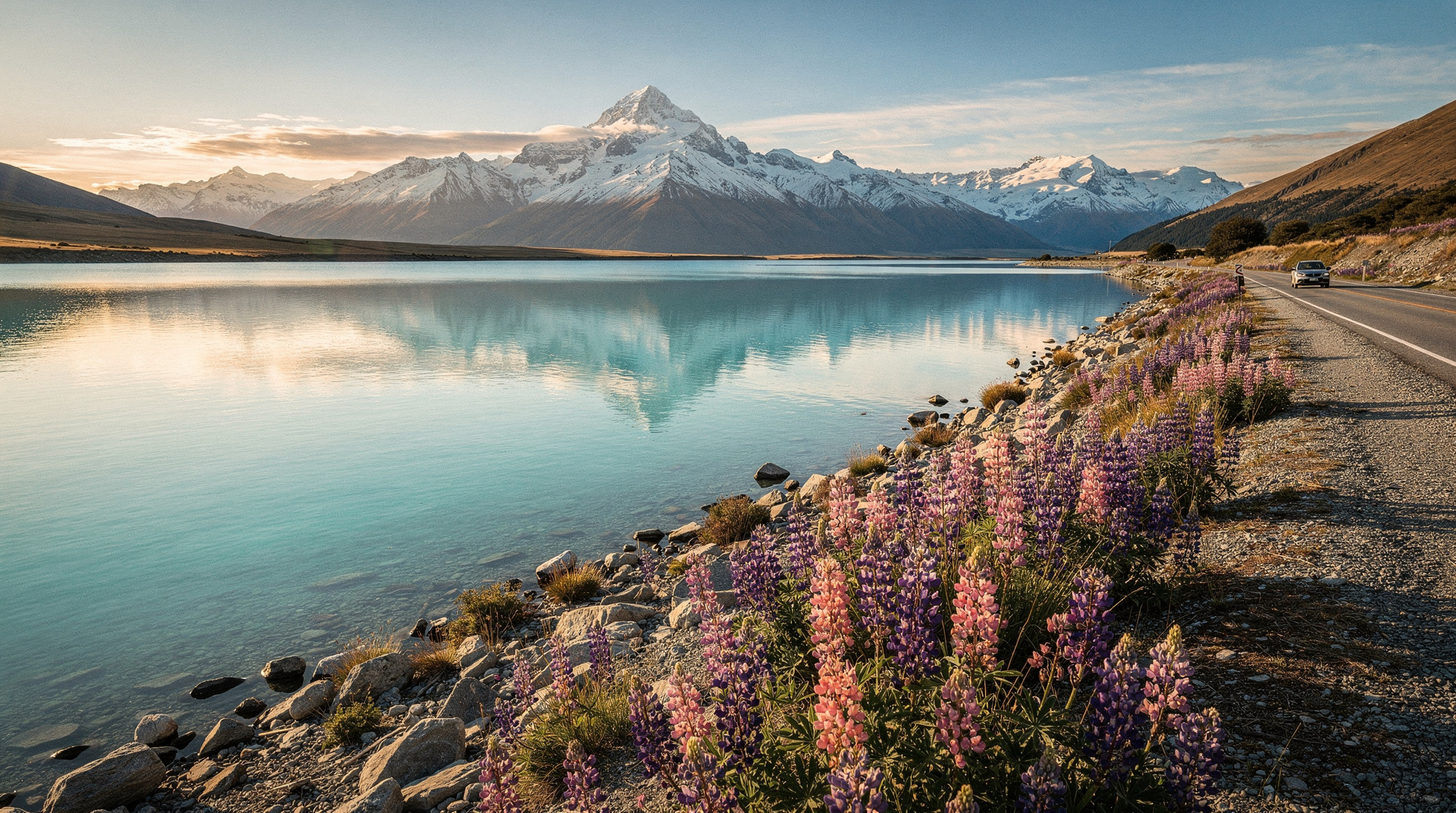
Lake Pukaki — the turquoise gateway to Aoraki/Mt Cook
Lake Pukaki guide: turquoise glacial lake on the road to Aoraki/Mt Cook. The dam viewpoint, SH80 drive, Braemar Station salmon farm, photography guide.
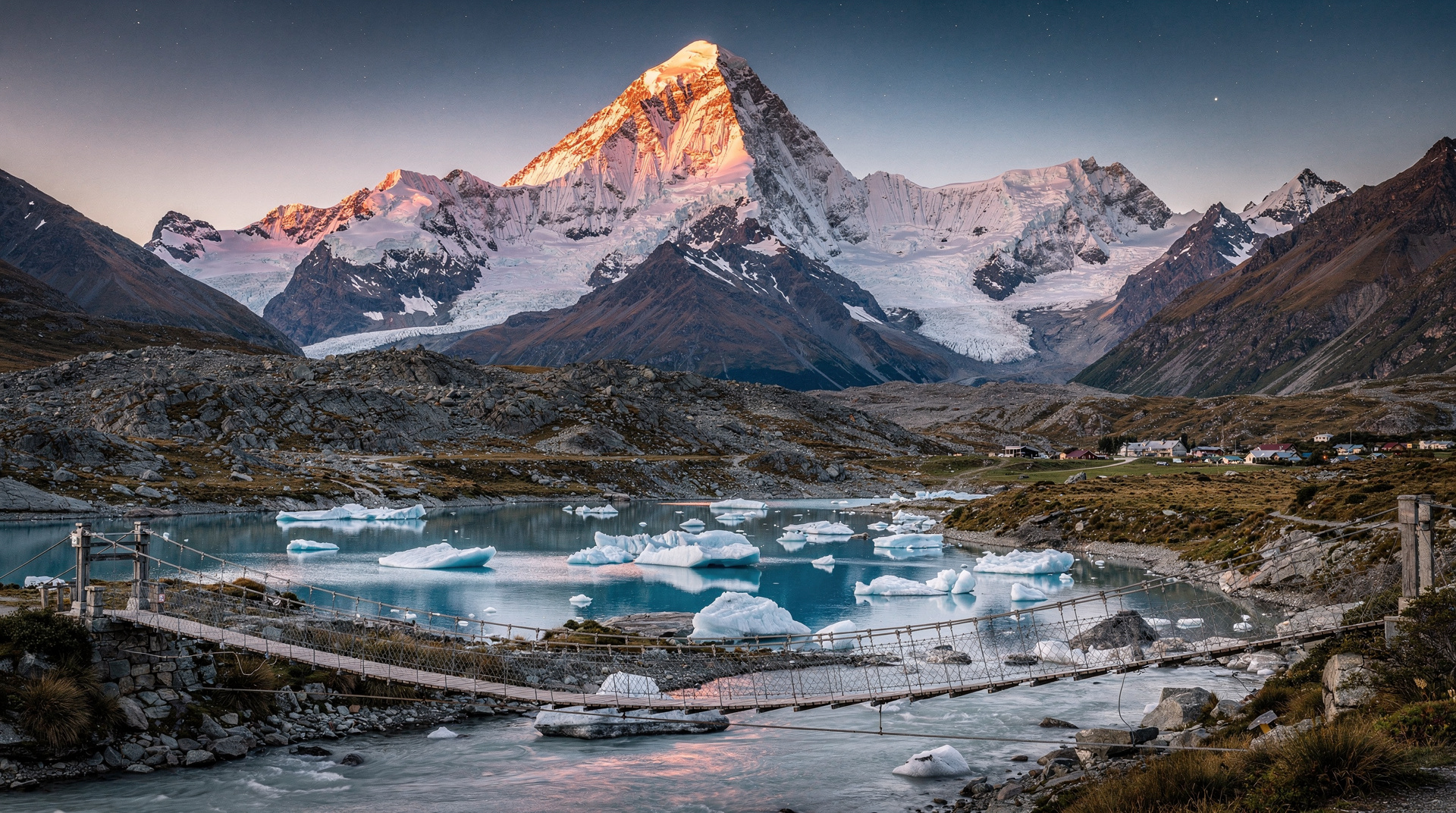
Aoraki/Mt Cook — complete visitor guide
Aoraki/Mt Cook complete guide: Hooker Valley Track, Tasman Glacier heli-hike, stargazing, accommodation. NZ's highest peak 3724m. Plan your visit.
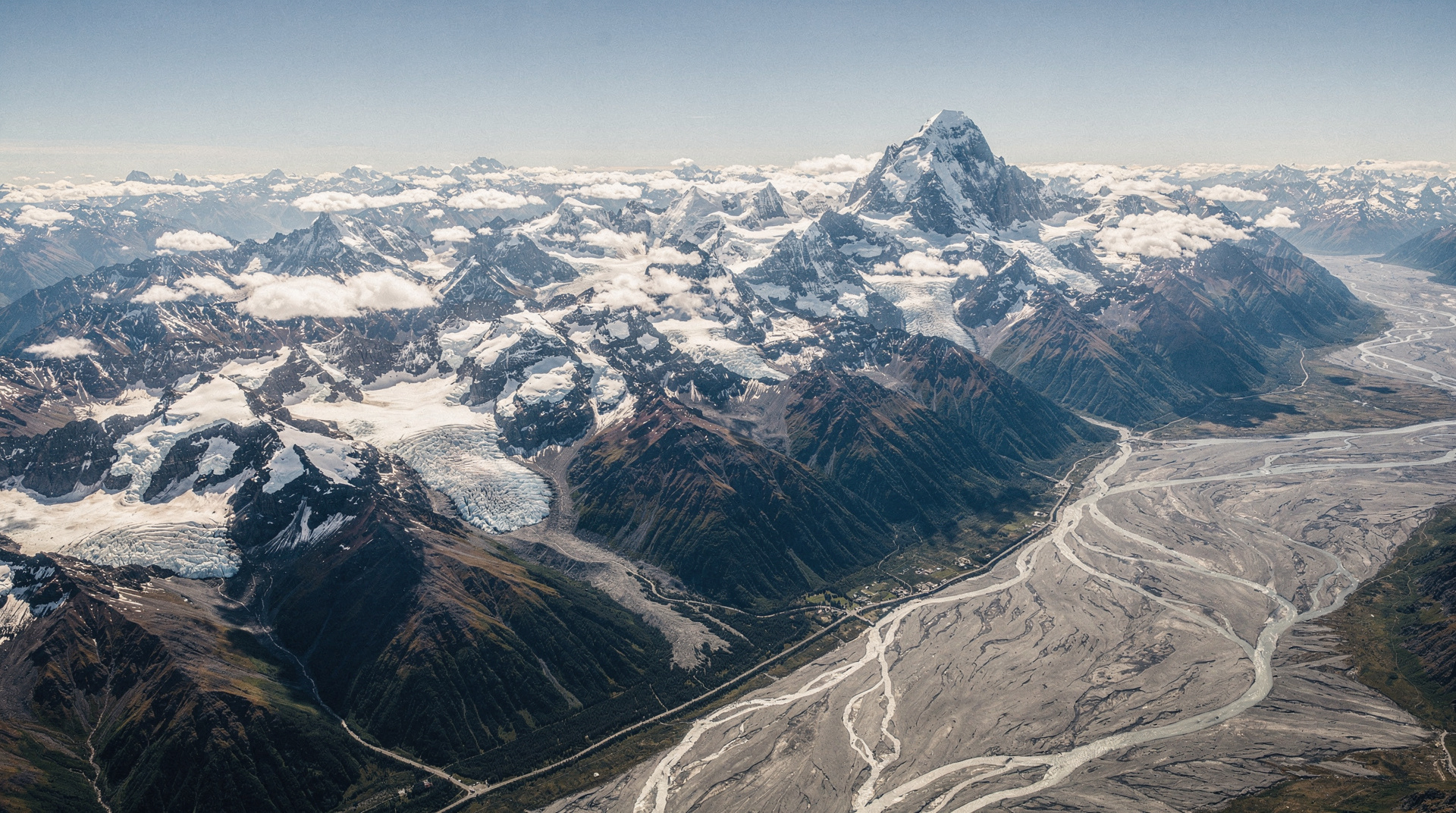
Southern Alps — overview of New Zealand's mountain spine
Southern Alps overview: 500km mountain spine, 19 peaks over 3000m, world's longest non-polar glaciers. How to access, experience, and understand NZ's backbone.
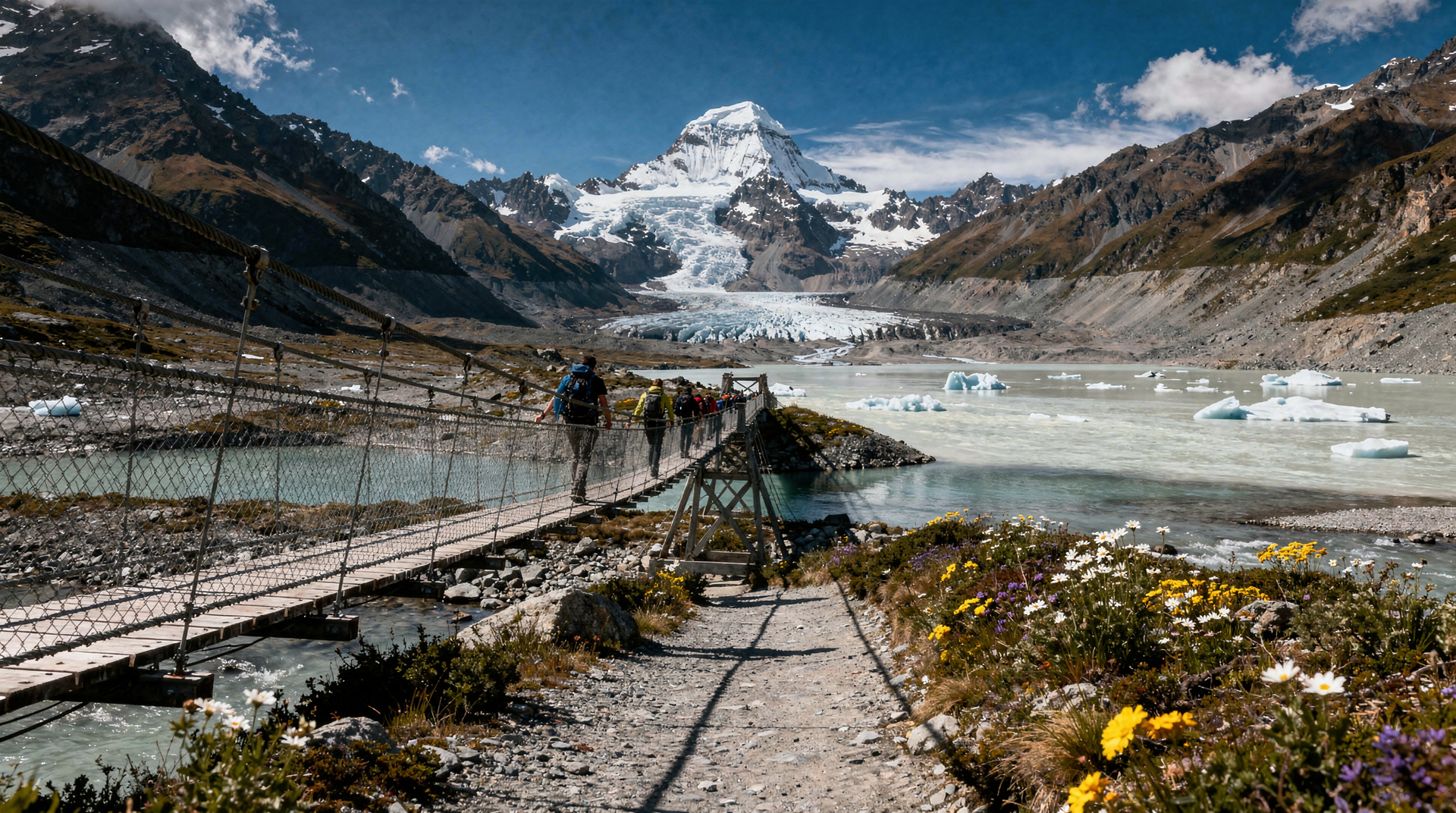
Hooker Valley Track — Aoraki/Mt Cook day walk
Hooker Valley Track: 10km return, easy-moderate, three swing bridges, glacial lake, Aoraki/Mt Cook views. Honest guide with logistics and safety.
Last reviewed: