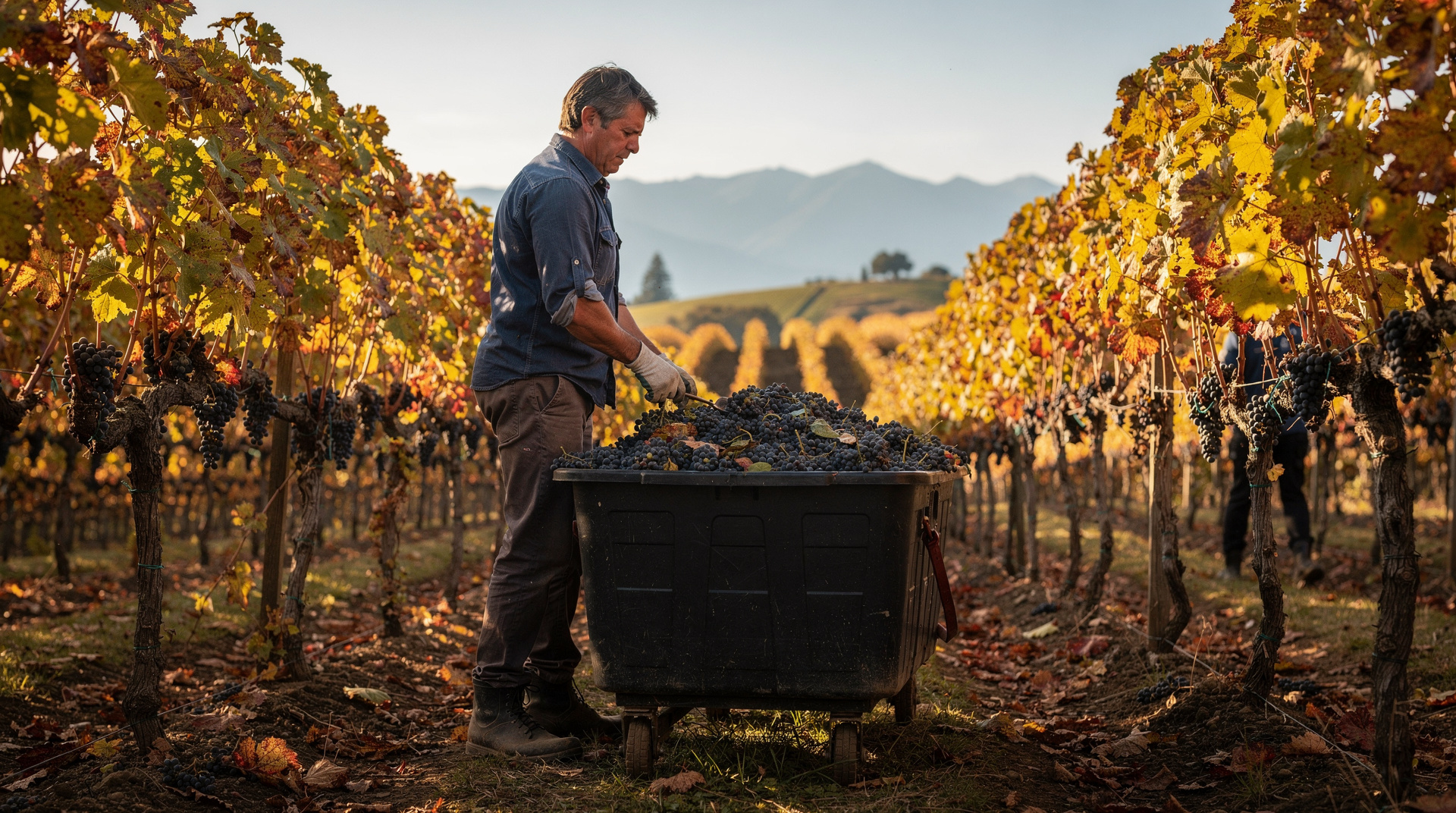
Martinborough wine tour guide
Is Martinborough worth visiting for wine?
Yes — Martinborough is a compact wine village 80 km from Wellington with 30+ boutique wineries producing some of New Zealand's best pinot noir and pinot gris. Guided wine tours from Wellington cost NZD 100–145 / USD 60–87 / EUR 55–80. The village is walkable between cellar doors.
| Where | Martinborough village, Wairarapa, 80 km east of Wellington |
| Cost | Guided tour NZD 100–195; tastings NZD 10–25/winery |
| Time needed | Half day (walking circuit) to full day (with lunch) |
| Getting there | ~1 hr drive over the Remutaka Hill, or train + local transfer |
| Best time | February–March (Harvest) or November (Fayre); avoid festival weekends if you dislike crowds |
Wellington’s wine escape — boutique pinot an hour away
Martinborough sits in the Wairarapa, east of Wellington across the Remutaka Ranges. The 80 km drive takes about an hour from central Wellington (allow 75 minutes — the Remutaka Hill road is winding and regularly foggy). At the other end: a quiet Victorian town square, 30+ boutique wineries walkable from the central square, acclaimed pinot noir, and an atmosphere that feels unchanged since the region’s wine revolution in the 1980s.
The Wairarapa’s climate is the key. Wellington is notoriously windy and cool; Martinborough, sheltered by the ranges, is warmer, drier, and sunnier. The free-draining river terrace soils — similar in character to parts of Burgundy — suit pinot noir extremely well. The first commercial plantings (Dry River, Ata Rangi, Martinborough Vineyard) in 1980–1984 produced wines that immediately won critical attention and established the region’s reputation.
Today Martinborough is an excellent counterpoint to Marlborough’s sauvignon blanc tourism: intimate scale, serious wine, walkable access, and a village character that resists the commercialisation that has overtaken larger wine regions.
Walking between wineries
Martinborough’s unusual advantage: most wineries are within walking distance of the central square. The estate map is roughly circular — you can do a full circuit in 4–5 hours on foot, visiting 4–5 cellar doors without a vehicle. This is genuinely rare in New Zealand wine country (everywhere else requires a car, bike, or tour transport between stops).
The walking cellar door circuit:
- Martinborough Vineyard (5 min walk from square) — historic first mover; the Martinborough Vineyard Reserve Pinot Noir is the regional benchmark
- Ata Rangi (10 min walk) — widely considered New Zealand’s finest pinot noir; the Ata Rangi Pinot is on Michelin-starred wine lists globally.
Cellar door open limited hours; worth calling ahead
- Dry River (10 min in opposite direction) — biodynamic, small production, almost no walk-in visitors; if you can get an appointment, remarkable pinot gris and pinot noir
- Palliser Estate (15 min) — the largest producer in the region; good introduction to regional styles across a wider range
- Tirohana Estate (15 min) — boutique; the sauvignon blanc from Martinborough’s cooler slopes is underrated
Guided tours from Wellington
The Wellington to Martinborough wine tasting tour includes return transport from Wellington, a guided tasting at 2–3 wineries, and a light lunch or antipasto platter with wine. This handles the Remutaka Hill driving and is the correct approach for those who want a full tasting day.
The Wellington Martinborough winery 5-hour tour covers more ground — 4–5 cellar doors in a day, with professional tasting guidance and a driver who knows which producers are genuinely worth visiting versus which have better marketing than wine.
The Martinborough wine and food lunch tour focuses on the pairing experience — a formal lunch at one of the estate restaurants matched with that winery’s releases, followed by cellar door visits in the afternoon. This is the premium end of the Martinborough experience.
Price (guided tours with transport from Wellington): NZD 100–145 / USD 60–87 / EUR 55–80.
Drink-drive note: The Remutaka Hill road has sharp corners and significant elevation change. This is not a road to drive while over the limit. Organised transport or a sober designated driver is essential.
Train and self-guided option
The Wairarapa Connection train from Wellington to Masterton (1 hour) stops near Carterton and can be combined with cycling between Martinborough and Carterton — 25 km on flat Wairarapa roads. Hire bikes at Masterton or Carterton; ride to Martinborough; tour the walkable cellar doors; return by train with bike.
This is the most independent option for self-guided wine touring in Martinborough, and the cycling landscape (flat farmland, sheep, the Tararua Ranges visible to the west) is beautiful. Total cycling time: approximately 1.5 hours each direction on flat terrain.
Regional wine styles
Pinot noir: The primary reason to come to Martinborough. The best examples (Ata Rangi, Dry River, Martinborough Vineyard Te Tera) have delicacy and savoury depth that differentiates them from Central Otago’s more powerful fruit-forward style. Martinborough pinot is subtler; food-friendly in a more classical European way.
Pinot gris: Martinborough produces some of New Zealand’s finest pinot gris — fuller-bodied, more textured, and more food-compatible than many sauvignon-blancs-mislabelled-as-important-white-wines. Dry River’s pinot gris is a reference wine.
Sauvignon blanc: The cooler slopes produce sauvignon with more restraint and herb character than Marlborough’s intensity. Palliser Estate’s sauvignon is the regional standard.
Syrah: A newer direction for some producers — the warm Martinborough summers suit it. Experiment-level quality currently, but watch this space.
The Martinborough village
The village square itself (Union Square) is surrounded by original Victorian buildings, a small heritage museum, and several good restaurants and cafes. The Martinborough Hotel, in continuous operation since 1882, has a good bar and a wine list that skews heavily local. The village hosts Martinborough Fayre (wine festival, November) and Harvest Martinborough (February/March) — two annual events that draw visitors from Wellington and beyond.
Cape Palliser: add geological drama
Cape Palliser, 50 km southeast of Martinborough, is the southernmost point of the North Island — a dramatic coastline of layered mudstone cliffs, a working lighthouse (1897), and New Zealand’s largest North Island fur seal colony. The drive from Martinborough through Lake Ferry and along the coast is spectacular on a clear day. Add it to a Wairarapa day if you have time.
Martinborough vs a day trip that also covers Cape Palliser
Not every visitor comes purely for wine. If you want to combine the cellar doors with the wider Wairarapa coastline, the Martinborough day trip from Wellington guide sets out a version of the day built around transport logistics rather than wine specifically, and the standalone Wairarapa day trip guide covers pairing Cape Palliser’s seal colony and lighthouse with an afternoon in the village. Trying to do wine, Cape Palliser and a leisurely lunch all in one day from Wellington is ambitious — pick two of the three unless you’re staying overnight.
Choosing between Martinborough and Marlborough
Both are excellent, and the choice usually comes down to time and taste. Martinborough is closer to Wellington, walkable, and pinot-noir-focused; the Marlborough wine tour guide covers a much larger, sauvignon-blanc-dominated region reached via the Cook Strait ferry, better suited to visitors already routing through Picton or the South Island. If your itinerary allows only one wine day and pinot noir is your priority, Martinborough wins on convenience alone.
Costs summary (NZD / USD / EUR)
| Activity | NZD | USD | EUR |
|---|---|---|---|
| Guided wine tour from Wellington (half-day) | 100–125 | 60–75 | 55–69 |
| Guided wine tour from Wellington (full day) | 120–145 | 72–87 | 66–80 |
| Wine and food lunch tour | 150–195 | 90–117 | 83–107 |
| Wairarapa train (Wellington–Masterton return) | 22–35 | 13–21 | 12–19 |
| Cellar door tastings | 10–25 | 6–15 | 5–14 |
Exchange rate: 1 NZD ≈ 0.60 USD ≈ 0.55 EUR.
Honest verdict
Worth it for pinot noir enthusiasts and for Wellington visitors who want a day out in a different landscape. Martinborough’s walkable format is unique in New Zealand wine country — the ability to cover 4–5 serious cellar doors on foot is a genuine differentiator. The wines, particularly Ata Rangi and Dry River, are among New Zealand’s best. The village atmosphere is authentically unpretentious.
Not worth it if you’re not interested in pinot noir specifically — the region lacks the breadth of styles that would appeal to a generalist wine tourist.
Frequently asked questions
How far is Martinborough from Wellington?
80 km, approximately 1 hour by car over the Remutaka Hill. The road is winding and can be slow in poor weather or heavy traffic. Organised transport from Wellington is strongly recommended for full tasting days.
Can I walk between all the wineries?
Yes — the main cluster is within 15 minutes walk of the central square. Some outlying producers (on the town’s edges or on rural roads) require a vehicle. The walking circuit comfortably covers 4–5 cellar doors; a bike extends your range to 6–8 without requiring a car.
What makes Martinborough pinot different from Central Otago?
Both are world-class New Zealand pinot noirs, but they’re stylistically distinct. Martinborough pinot tends to be lighter in colour, more herbal and savoury, and more influenced by Burgundy in its restraint. Central Otago pinot is typically darker, richer, and more fruit-forward — driven by more intense sunlight. Both are excellent; the differences are matters of style preference rather than quality.
Is Ata Rangi the best winery?
Ata Rangi is the most internationally recognised name. The cellar door visit is not as visitor-friendly as some larger operations — limited hours, small tasting room, limited walk-in capacity. But the wine is extraordinary. If you can get an appointment, prioritise it.
Can I combine Martinborough with Cape Palliser in one day?
It’s tight but possible if you prioritise. Cape Palliser is about 50 km further southeast, and the drive there and back plus the seal colony walk eats most of an afternoon — see the Wairarapa day trip guide for a realistic combined itinerary. Most visitors either do a wine-focused day in Martinborough or a coast-focused day with a shorter cellar door stop, rather than both at full depth.
Related reading
Related guides
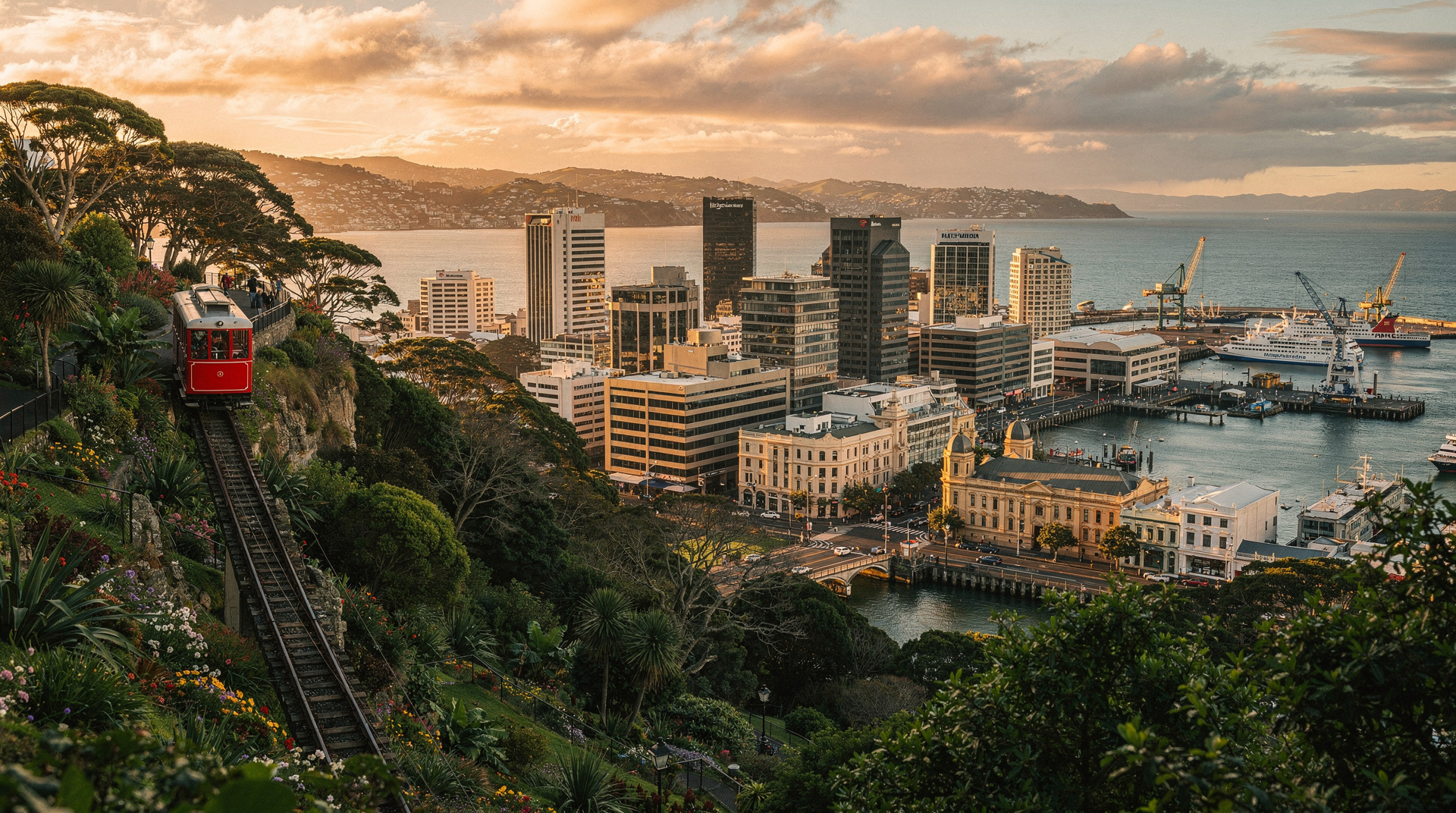
Wellington
Honest Wellington guide: Te Papa museum, Weta Workshop LOTR tours, Zealandia, Cuba Street, ferry to South Island, real prices NZD/USD/EUR.
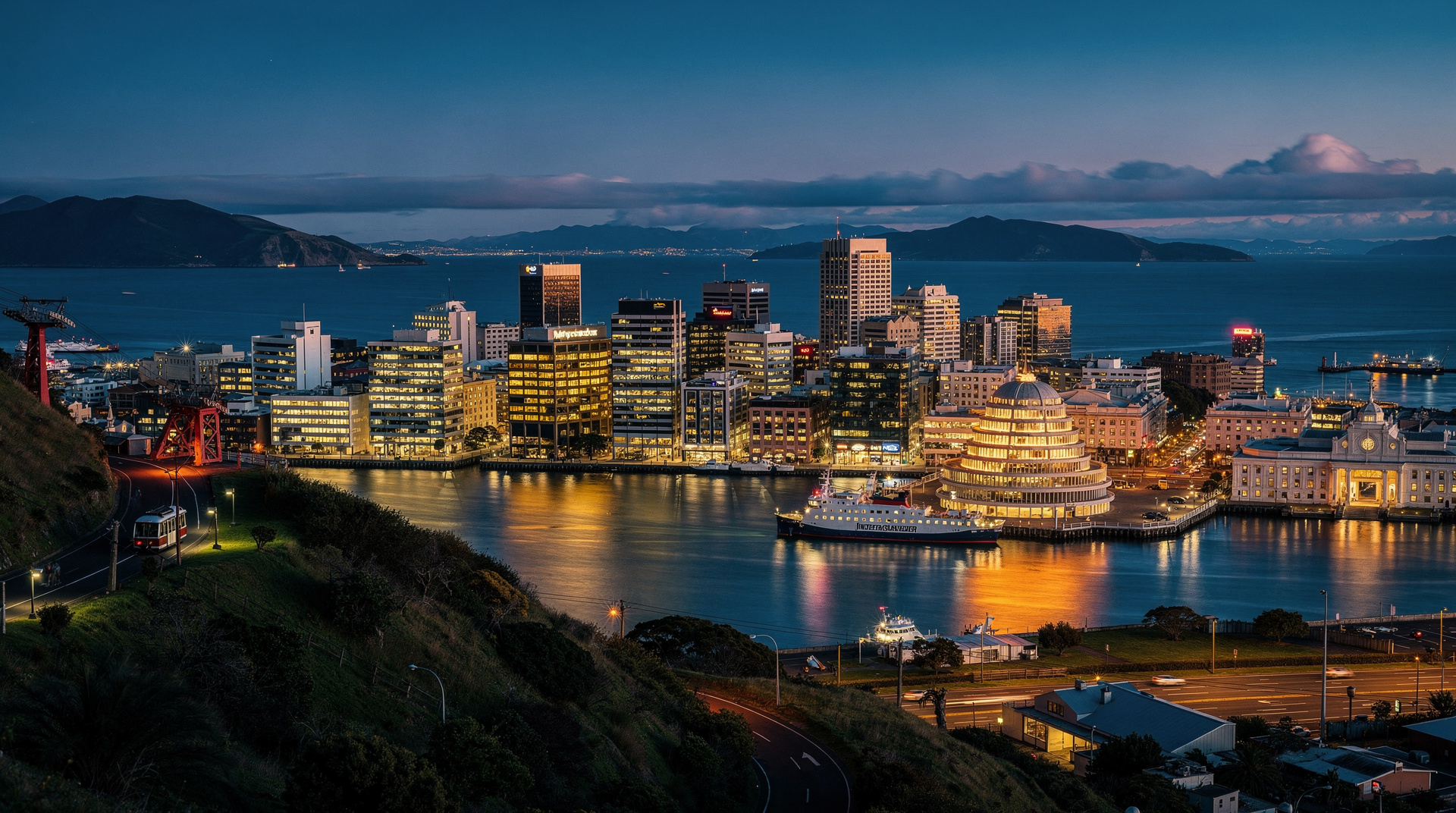
Wellington region
Honest Wellington region planner: city highlights, Te Papa, Weta Workshop, Wairarapa wine, Kapiti Island. Real NZD/USD/EUR costs and practical logistics.
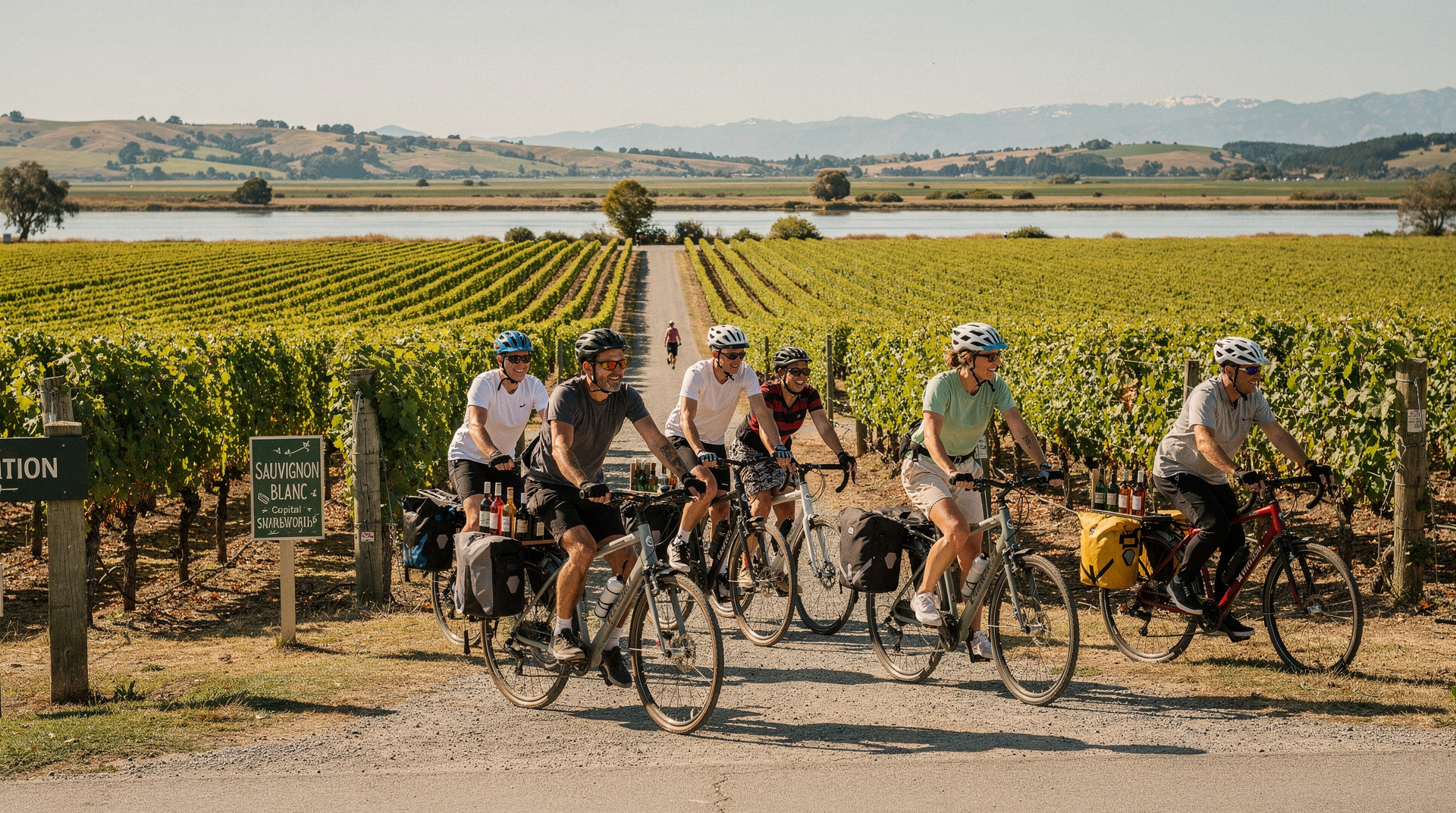
Marlborough wine tour guide
Marlborough produces 77% of NZ's wine. Self-drive routes, guided tours, top wineries around Blenheim — prices NZD/USD/EUR and drink-drive tips.
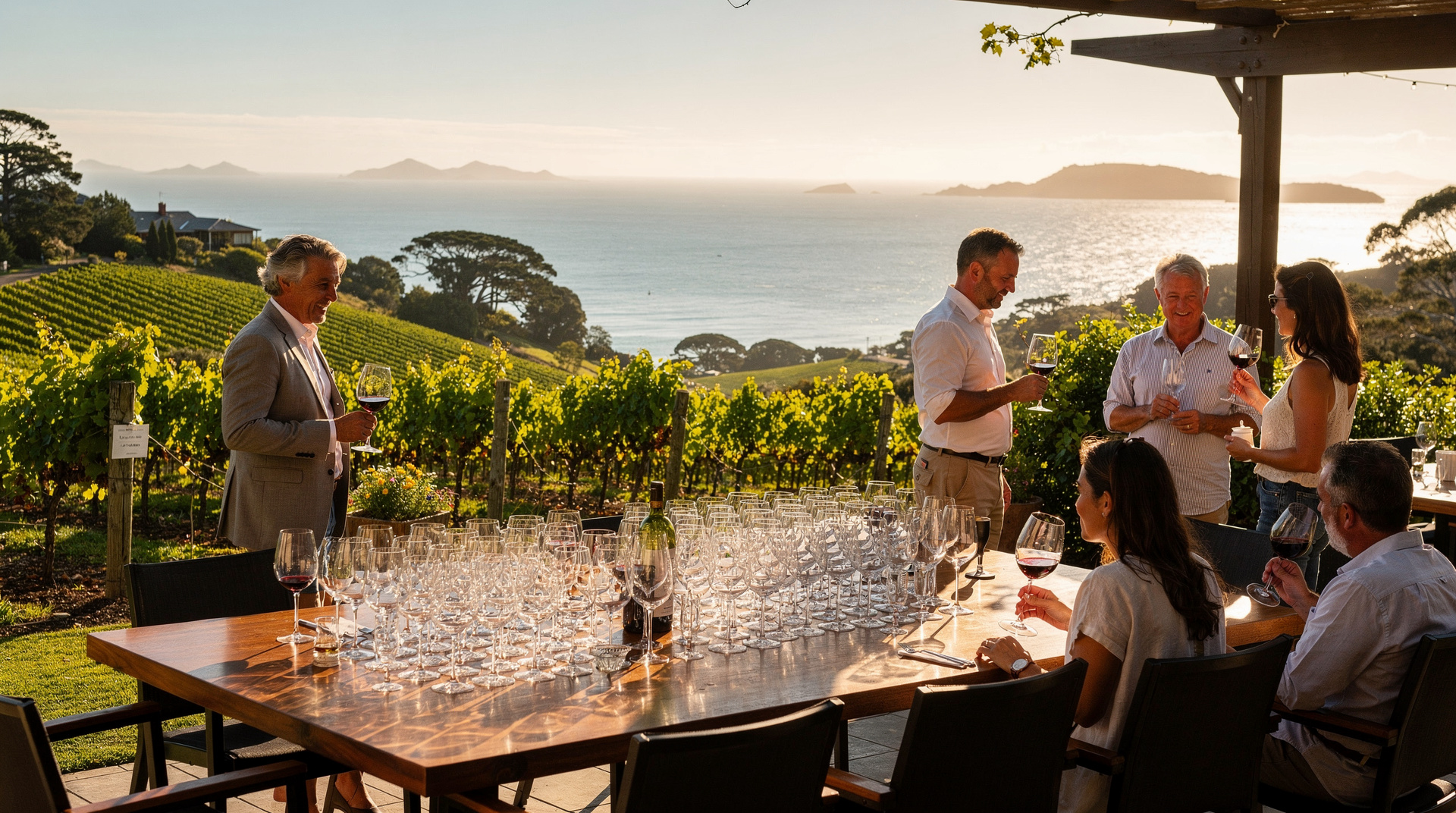
Waiheke Island wine tour
Waiheke has 30+ boutique wineries 35 min from Auckland. Full-day tours, self-guided cycling, ferry access — prices NZD/USD/EUR and top cellar doors.
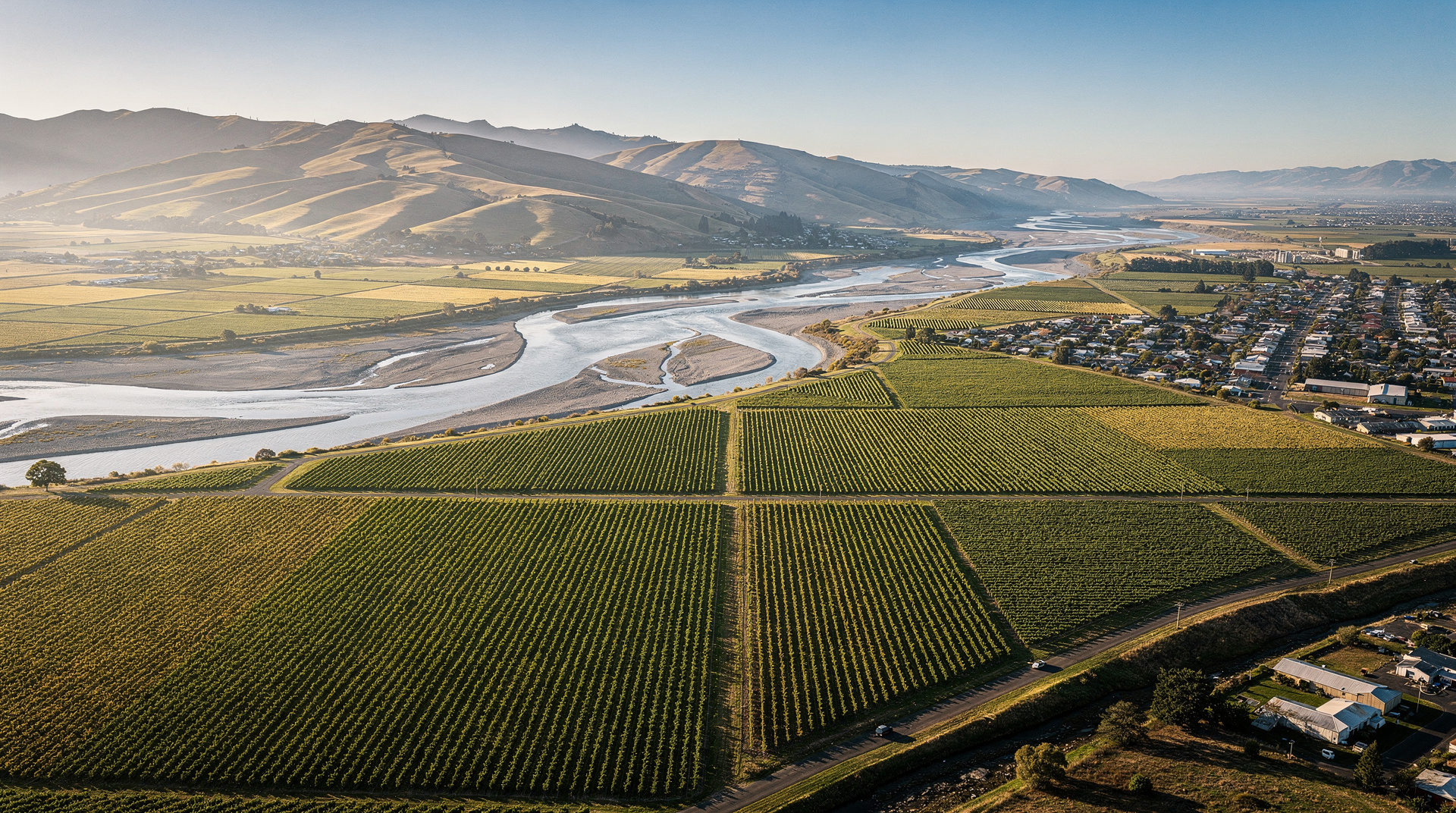
New Zealand wine regions — complete guide
Complete guide to New Zealand's 10 wine regions: Marlborough, Central Otago, Hawke's Bay, Martinborough and more. Which to visit, what to taste, prices.
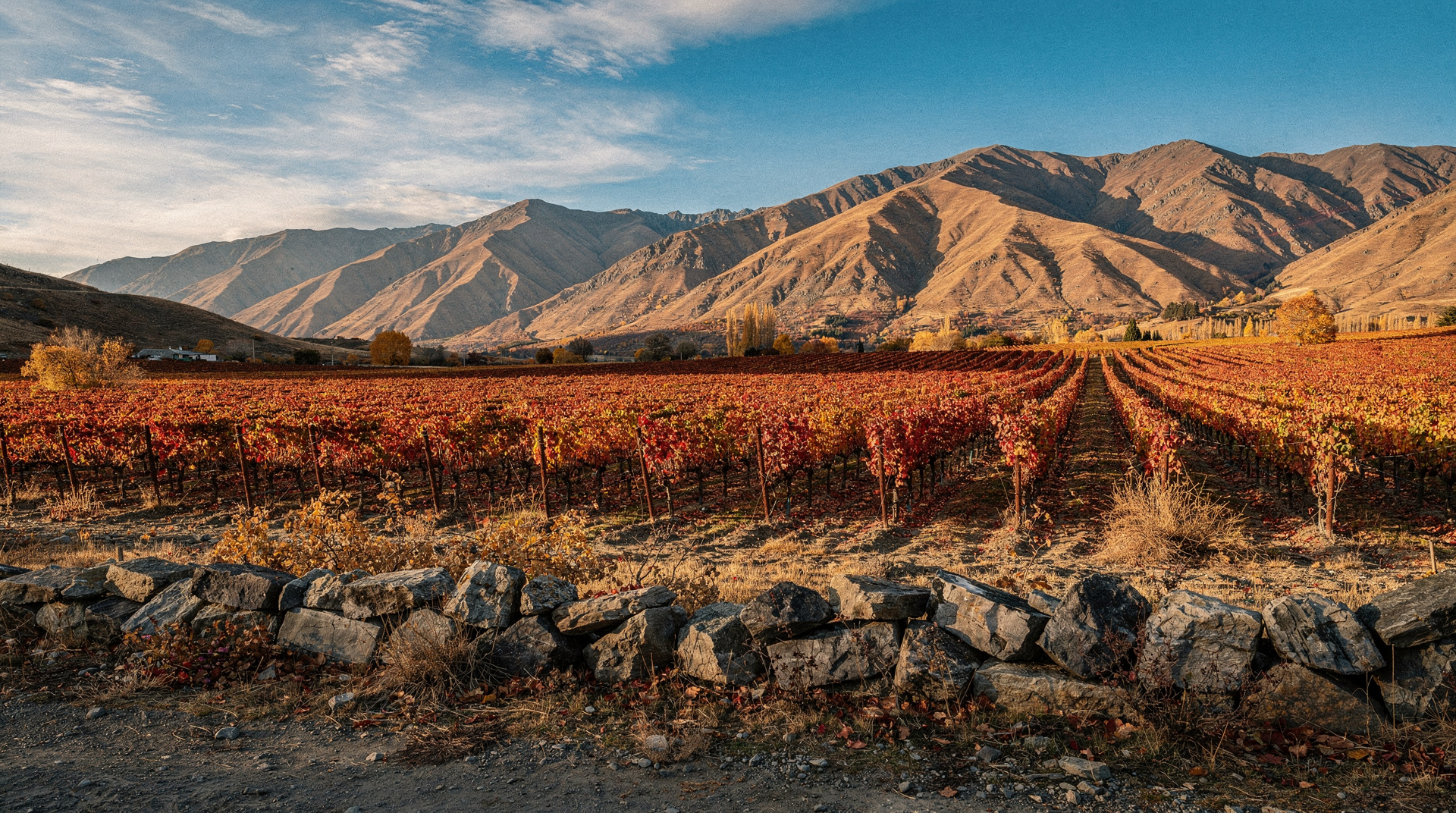
Central Otago wine tour guide
Central Otago is the world's southernmost wine region and NZ's pinot noir capital. Cromwell Basin, Bannockburn, Gibbston — tours and prices NZD/USD/EUR.
Last reviewed: