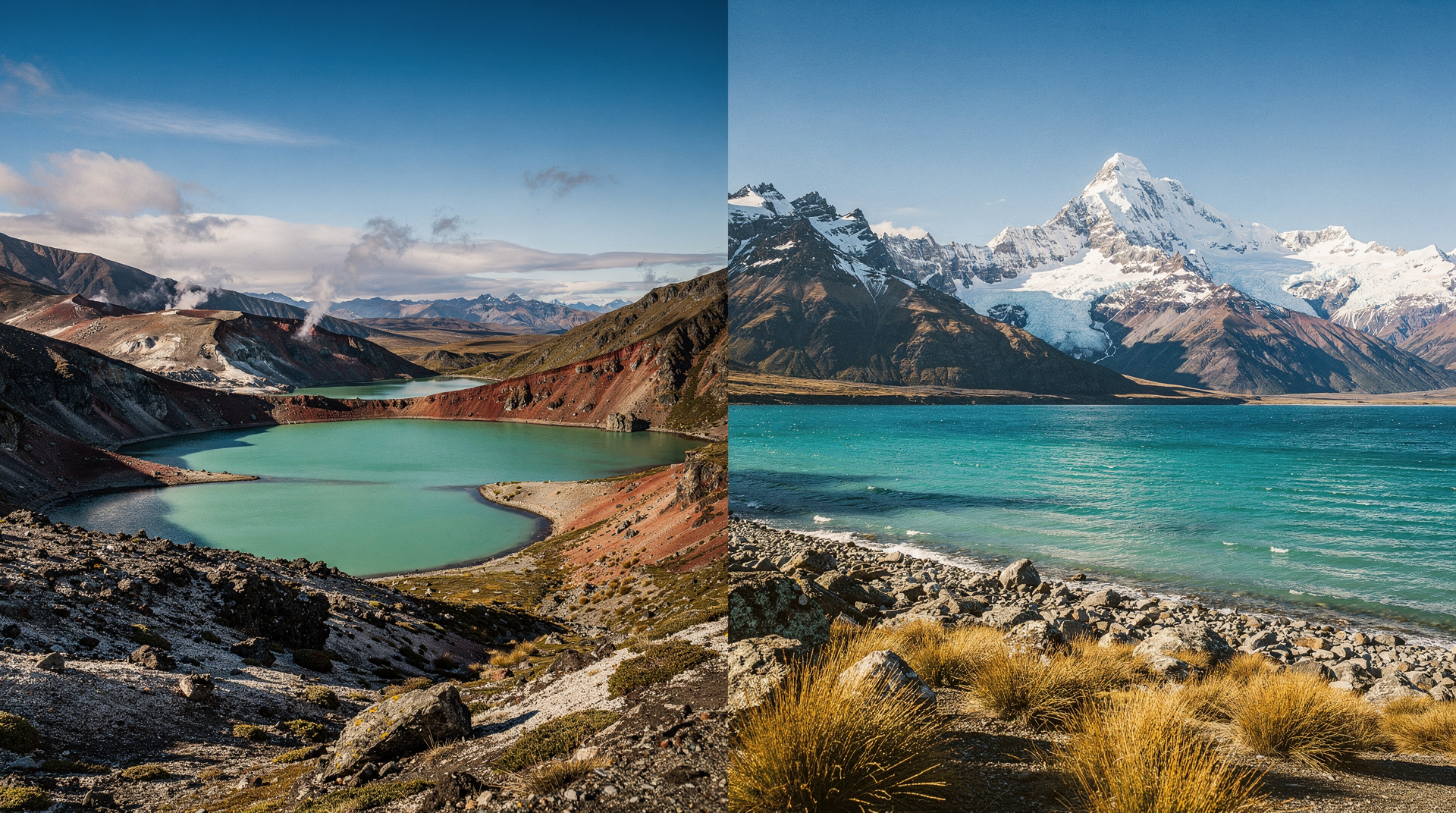
North vs South Island — which is right for you
Should I visit the North Island or South Island first?
South Island for landscapes — mountains, fjords, glaciers and the best scenery on earth. North Island for culture, beaches, geothermal and city life. With 7 days, pick one. With 10–14 days, do both — fly between them to skip the ferry day.
The honest answer most sites won’t give you
First-timers often agonise over this choice. Here is the verdict: if you have one island and two weeks, take the South Island. The mountain landscapes — Fiordland, the Southern Alps, Mt Cook, the glaciers — are unique on a global scale. Nothing quite like them exists within a comparable flight from most departure cities.
That said, the North Island is not the lesser option. It has things the South Island lacks entirely: Auckland’s Pacific energy, Rotorua’s geothermal and Maori culture, the thermal wonderland of Taupo, Wellington’s genuine world-class food scene, and Hobbiton. Travelers who visit only the South Island often return specifically for the North.
The honest planning advice is not “which is better” but “which fits your trip length and your priorities.”
| Pick one — landscapes | South Island |
| Pick one — culture, beaches, cities | North Island |
| Time needed to do one properly | 7 days |
| Time needed to do both without rushing | 10–14 days |
| Best time to book Cook Strait crossings | 4–8 weeks ahead for Dec–Feb |
Side-by-side comparison
| Dimension | North Island | South Island |
|---|---|---|
| Size | 113,729 km2 | 150,437 km2 |
| Population | 3.7 million (75% of NZ) | 1.1 million |
| Main gateway | Auckland (AKL) | Christchurch (CHC) |
| Alternative gateways | Wellington (WLG) | Queenstown (ZQN) |
| Best-known landscapes | Beaches, geothermal, volcanic | Mountains, fjords, glaciers |
| Maori culture depth | Deep — Waitangi, Rotorua, Te Papa | Present but lighter |
| Ski | Mt Ruapehu (Whakapapa + Turoa) | Coronet Peak, The Remarkables, Cardrona, Treble Cone |
| Best hiking | Tongariro Alpine Crossing (1-day) | Milford Track, Routeburn, Kepler (multi-day Great Walks) |
| Average daily cost | Slightly lower (outside Auckland) | Slightly higher (Queenstown premium) |
| Driving distances | Shorter gaps between highlights | Long gaps; scenic but time-consuming |
| International flights in | Auckland mostly | Christchurch + Queenstown |
When the North Island wins
You care about Maori culture. The North Island is where the Treaty of Waitangi was signed, where the major iwi heartlands are, and where the richest cultural experiences live. Rotorua has Te Puia (an iwi-operated geothermal park with a genuine cultural dimension), Mitai, and Tamaki Maori Village. Waitangi, in the Bay of Islands, is the birthplace of modern New Zealand. The Te Papa museum in Wellington has the finest Maori and Pacific collection in the world.
You have 7 days or fewer. The North Island’s highlights are closer together. Auckland to Rotorua is 2.5 hours. Auckland to Taupo is 4 hours. You can meaningfully cover the Auckland-Hobbiton-Rotorua-Taupo corridor in a week without feeling rushed.
You want great beaches. The Coromandel, Bay of Islands, and Northland have the best beaches in New Zealand. The South Island has beaches too, but they’re cold — the Tasman Sea on the West Coast is spectacular but not swimming weather except in high summer.
You want geothermal activity. Rotorua is unlike anywhere on earth: the ground hisses, the mud pools boil, and the smell of sulphur is genuinely disorienting. Wai-O-Tapu, Waimangu, Hell’s Gate — these are extraordinary. The South Island has almost none of this.
You want city life. Auckland is a real Pacific city with good food, arts, and urban energy. Wellington is the capital — compact, craft-beer-focused, museum-rich, and walkable in a way that neither Christchurch nor Queenstown manages.
You’re a LOTR fan focused on Hobbiton. The Hobbiton Movie Set at Matamata is a North Island experience. Wellington has Weta Workshop.
Mitai Maori Village cultural experience in Rotorua is a standout evening programme — hangi feast, traditional performance, waka (canoe) ceremony, kiwi viewing.
When the South Island wins
You want the most dramatic landscapes. Milford Sound, Doubtful Sound, Queenstown, the Remarkables, Franz Josef Glacier — these are landscapes that belong on a global shortlist. The South Island has ten times more visual drama per square kilometre than the North.
You love multi-day hiking. The Milford Track, Routeburn Track, Kepler Track, and Abel Tasman Coast Track are four of New Zealand’s eleven Great Walks, all on the South Island. The North Island has the Tongariro Alpine Crossing (one day, outstanding) but fewer multi-day classics.
You’re skiing. Queenstown and Wanaka have four ski fields within an hour of town — Coronet Peak, The Remarkables, Cardrona, Treble Cone. Mt Ruapehu on the North Island is a legitimate ski destination but smaller.
You want to drive scenic routes. The Milford Road, the Crown Range, Haast Pass, the Kaikoura Coast, the Lake Tekapo route — these are road trips in their own right. South Island driving is among the best in the world, though roads are slow and distances long.
You’re doing a classic New Zealand road trip. The South Island loop (Christchurch-Tekapo-Mt Cook-Queenstown-Milford-West Coast-Christchurch, or reverse) is one of the world’s great road trips. It takes 10–12 days done properly.
You want fewer crowds. The South Island has 1.1 million residents versus 3.7 million in the North. Outside Queenstown, it feels genuinely uncrowded.
What they share
Both islands have excellent wine regions (Marlborough Sauvignon Blanc and Hawke’s Bay Syrah in the South and North respectively), excellent cafés, excellent wildlife watching, and the same underlying New Zealand character — friendly, outdoorsy, honest. Both islands drive on the left. Both use New Zealand dollars. Both have a mix of Great Walks, scenic flights, and adventure activities.
The 7 / 10 / 14 day decision matrix
7 days — pick one island:
- North Island: Auckland (2 nights) → Bay of Islands or Coromandel (1 night) → Hobbiton-Rotorua (2 nights) → Taupo (1 night) → Wellington (1 night, then fly out). Good cultural arc.
- South Island: Christchurch (1 night) → Tekapo-Mt Cook (1 night) → Queenstown (3 nights) → Milford Sound (day trip) → fly out. Landscape-focused.
10 days — both islands, fly between: North Island: Auckland (2 nights) → Rotorua (2 nights) → Wellington (1 night) → fly to South Island (skip the 3.5-hour ferry). South Island: Queenstown (3 nights) → Milford Sound + West Coast (2 nights) → Christchurch (1 night) → fly out. Full sweep of both without the ferry-crossing-day inefficiency.
14 days — the classic loop: Auckland → Rotorua → Taupo → Wellington → Interislander ferry → Picton → Kaikoura → Christchurch → Lake Tekapo → Mt Cook → Queenstown → Milford Sound → fly Queenstown to Auckland. This is the route most New Zealand road-trip itineraries converge on. It works. See the 14-day New Zealand itinerary for the day-by-day breakdown.
Cost comparison (NZD + USD + EUR)
| Category | North Island avg | South Island avg |
|---|---|---|
| Budget daily (hostel + food, no activities) | NZD 90–120 / USD 54–72 / EUR 50–66 | NZD 95–130 / USD 57–78 / EUR 52–72 |
| Mid-range daily (hotel + meals + 1 activity) | NZD 250–380 / USD 150–228 / EUR 138–209 | NZD 280–420 / USD 168–252 / EUR 154–231 |
| Luxury per night | NZD 400–900 / USD 240–540 / EUR 220–495 | NZD 450–1,200 / USD 270–720 / EUR 248–660 |
| Note | Auckland and Wellington push costs up | Queenstown is 20–35% above NZ average |
The South Island runs slightly more expensive per activity (helicopter flights over Milford, glacier heli-hikes) but cheaper per accommodation night outside Queenstown. Overall: budget NZD 100–150/day more for a Queenstown-heavy South Island trip vs. a Rotorua-focused North Island trip.
Te Papa Museum guided tour in Wellington is an excellent use of half a day — the Maori collection alone is world-class and the museum is free (guided tours cost extra).
Getting between islands
Interislander ferry (Wellington to Picton): 3.5 hours, 2 sailings daily (more in peak season). Car-carrying. Book weeks ahead in January and school holidays. Adult NZD 55–100 / USD 33–60 / EUR 30–55 one way; car NZD 130–250 / USD 78–150 / EUR 72–138 extra. The Marlborough Sounds scenery as you arrive into Picton is beautiful.
Bluebridge ferry (Wellington to Picton): competitor to Interislander, similar prices, sometimes cheaper if you book ahead.
Flying: Auckland-Christchurch (1h20m), Auckland-Queenstown (2h), Wellington-Christchurch (50m). For 10-day trips, flying saves the ferry day and is often price-competitive when booked ahead.
The ferry vs fly calculation
If you’re on a 14-day loop, do the ferry — the Cook Strait crossing is an experience and you see the Marlborough Sounds. If you’re on 10 days, fly and use the time elsewhere. Never take the ferry just because it exists; it costs a day and the route between Wellington and Picton is not the most interesting driving in the country.
Choosing for specific traveler types
Solo travelers and backpackers generally lean South Island — the hostel network, bus passes, and Great Walks community make it easy to meet people, and the landscapes reward slower, cheaper travel. Couples do best splitting time between both if the budget allows: North Island culture and food for a romantic city stretch, South Island scenery for the classic road-trip photos.
Families should weigh driving tolerance heavily — see the North vs South Island for families guide for the full breakdown by age group. Whichever traveler type you are, matching your itinerary length to realistic driving times matters more than the island choice itself; see how many days you actually need in New Zealand.
If you can only do a taste of the other island
Short on time but don’t want to skip one island entirely? A few options work well as a “taste” without committing extra days. From the North Island, a one-way flight into Queenstown followed by 2–3 nights covers the Skyline gondola, a Milford Sound day trip, and Lake Wakatipu — the South Island’s highlight reel in miniature. From the South Island, 2 nights in Rotorua covers geothermal parks and Maori cultural experiences without needing Auckland or Wellington at all. This “taste” approach works better than trying to add a rushed extra 3 days to an already tight itinerary — see 7 vs 10 vs 14 days in New Zealand for how the maths plays out.
Frequently asked questions
Can I drive the whole of New Zealand in two weeks?
Technically yes, but the driving distances are deceptive. New Zealand roads are winding, scenic, and slow. Google Maps ETA is optimistic by 20–30%. A Christchurch-to-Queenstown GPS says 4.5 hours via Lake Tekapo; budget 6 hours with stops. Plan fewer days of driving than you think you need.
Is the North Island boring compared to the South?
No. People who say this have usually only seen the South Island. The North Island is less dramatically alpine, but Rotorua’s geothermal landscape, the Tongariro Alpine Crossing, and the Bay of Islands are each world-class experiences. The cultural depth is also unmatched.
Which island is better for families?
Both work well for families. The North Island is slightly easier — distances are shorter, accommodation is more varied at lower price points, and geothermal activities and beaches are family-friendly without the altitude and weather variability of the South Island. See the North vs South Island for families guide for a full comparison.
When is the best time to visit each island?
Both islands are year-round destinations. Summer (December–February) is peak season for both — beaches in the North, Great Walks in the South. Winter (June–August) is ski season in Queenstown and Wanaka; the North Island stays mild. Spring and autumn (March–May, September–November) are the best value seasons on both islands.
Do I need to book accommodation far in advance?
Yes, for summer (December–February) and Queenstown year-round. Book 3–6 months ahead for peak season accommodation in Queenstown, Milford Sound, and the Great Walks huts. The North Island is more forgiving, but Rotorua and Bay of Islands fill up in January.
Is it worth flying instead of taking the Interislander ferry?
Depends on your route length. On a 10-day trip, flying Wellington to Christchurch (50 minutes) instead of the 3.5-hour ferry plus driving day gives you a full extra day of sightseeing, and fares are often comparable to the ferry once you add a car. On a 14-day loop, the ferry crossing itself — with Marlborough Sounds scenery — is worth the time if you have it to spare.
Should first-timers start on the North or South Island?
Either works logistically, since Auckland and Christchurch/Queenstown are both major international gateways. Starting on the North Island (Auckland) gives a gentler introduction — shorter drives, easier jet lag recovery — before tackling the South Island’s longer distances. Starting South (Christchurch or Queenstown) front-loads the scenery, which some travelers prefer if the South Island is the trip’s main draw.
Related comparisons and guides
Related guides
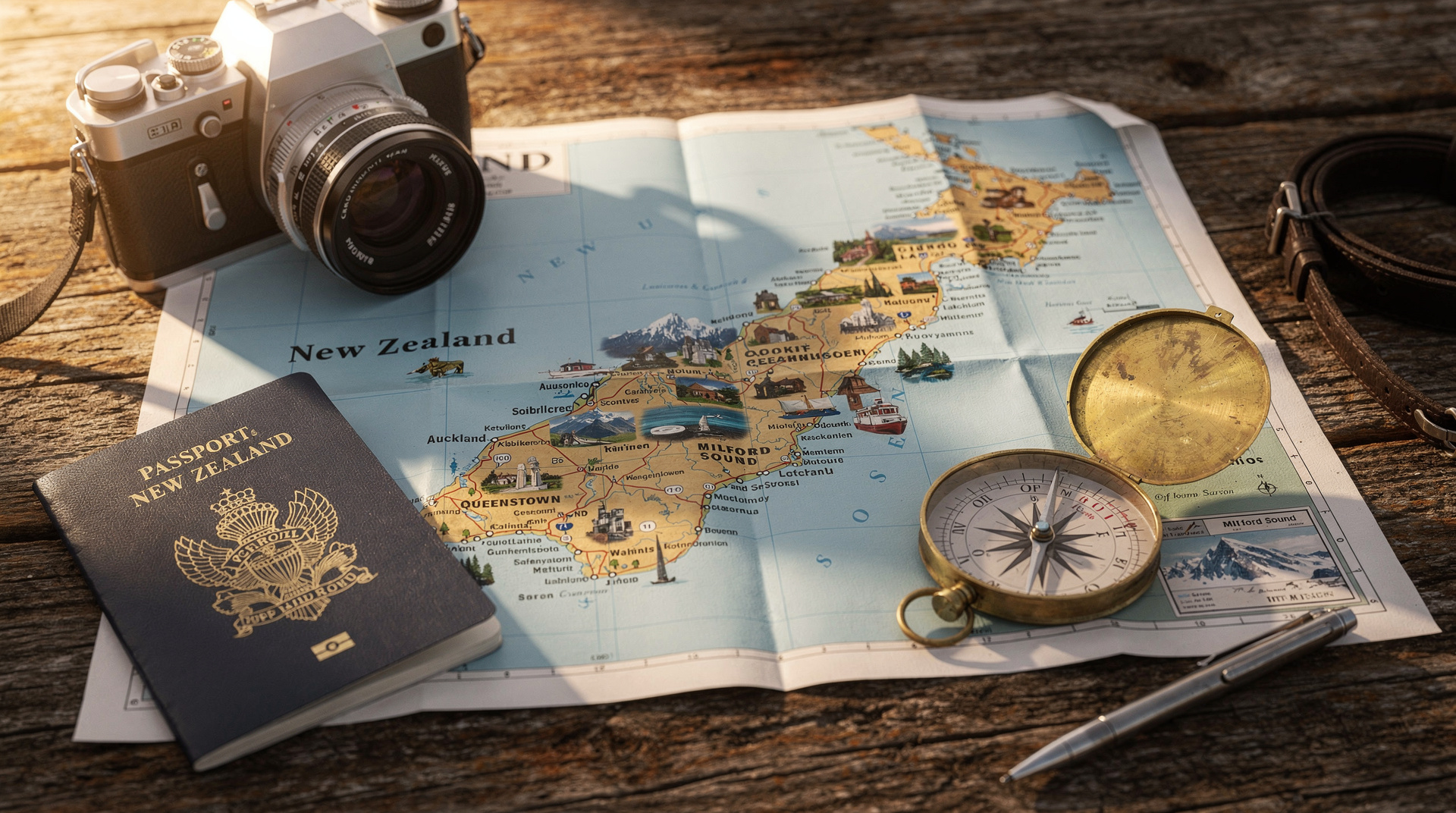
7 vs 10 vs 14 days in New Zealand
7, 10 or 14 days in New Zealand: what each trip length achieves, sample itineraries for both islands, and honest advice on what gets cut. NZD/USD/EUR.
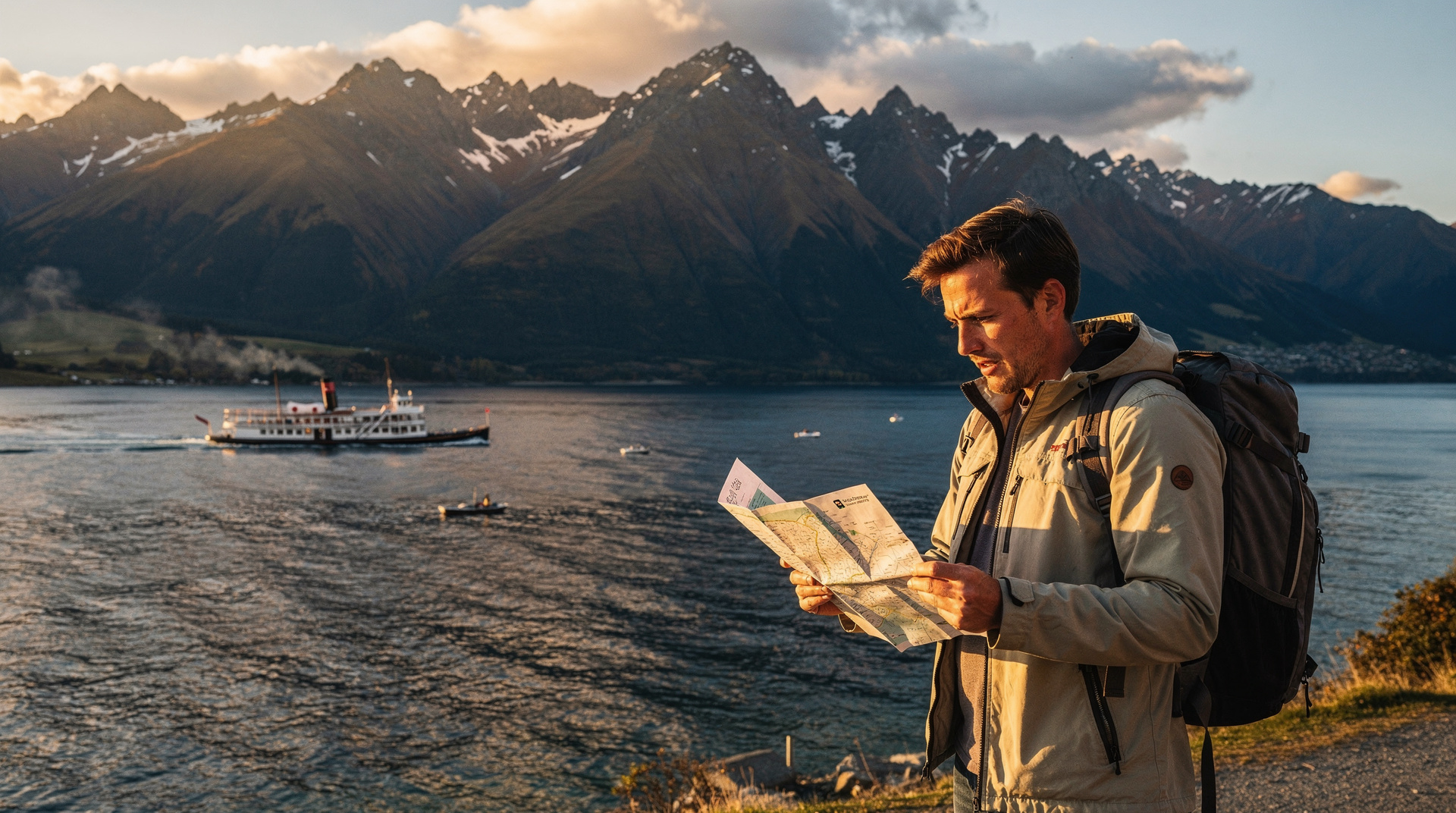
How many days do you need in New Zealand
7 days, 14 days, or 3 weeks? Honest guide to how much time you need for New Zealand, island by island, with sample day-counts by priority and travel style.
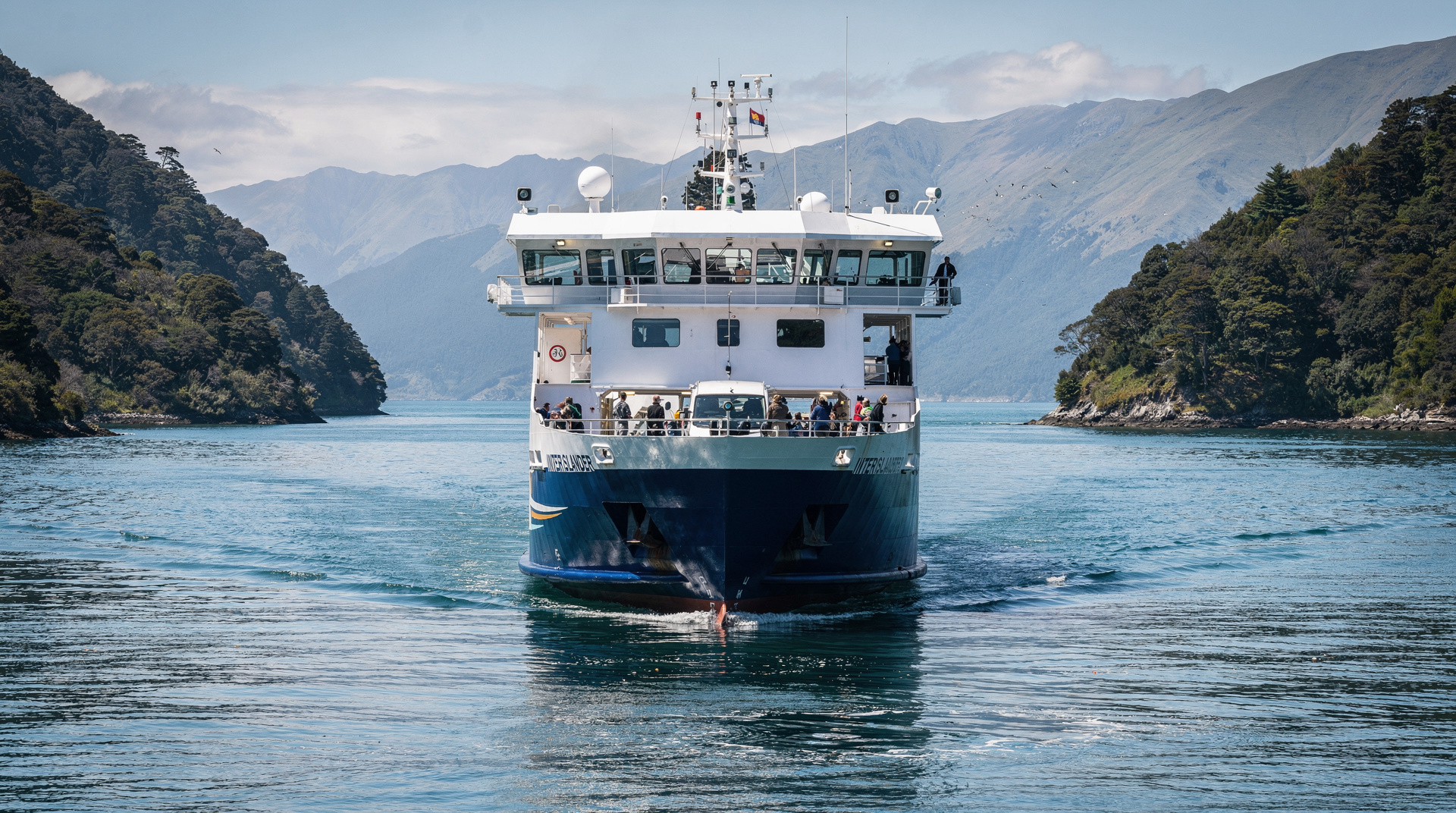
Cook Strait ferry guide
Complete Cook Strait ferry guide: Interislander vs Bluebridge, timetables, costs, booking tips, campervan advice, and the flying alternative.
Domestic flights in New Zealand
Guide to flying domestically in NZ: Air New Zealand vs Jetstar, cheapest routes, Auckland-Queenstown timing, and when flying beats 10 hours of driving.
14-day New Zealand itinerary — both islands, grand tour
Honest 14-day NZ grand tour: Auckland, Bay of Islands, Hobbiton, Rotorua, Wellington, ferry, Kaikoura, Christchurch, Queenstown, Milford.

First time in New Zealand
Complete first-timer's guide to NZ: costs, logistics, Maori culture, what to book early, and how to structure 7–21 days.
Last reviewed: