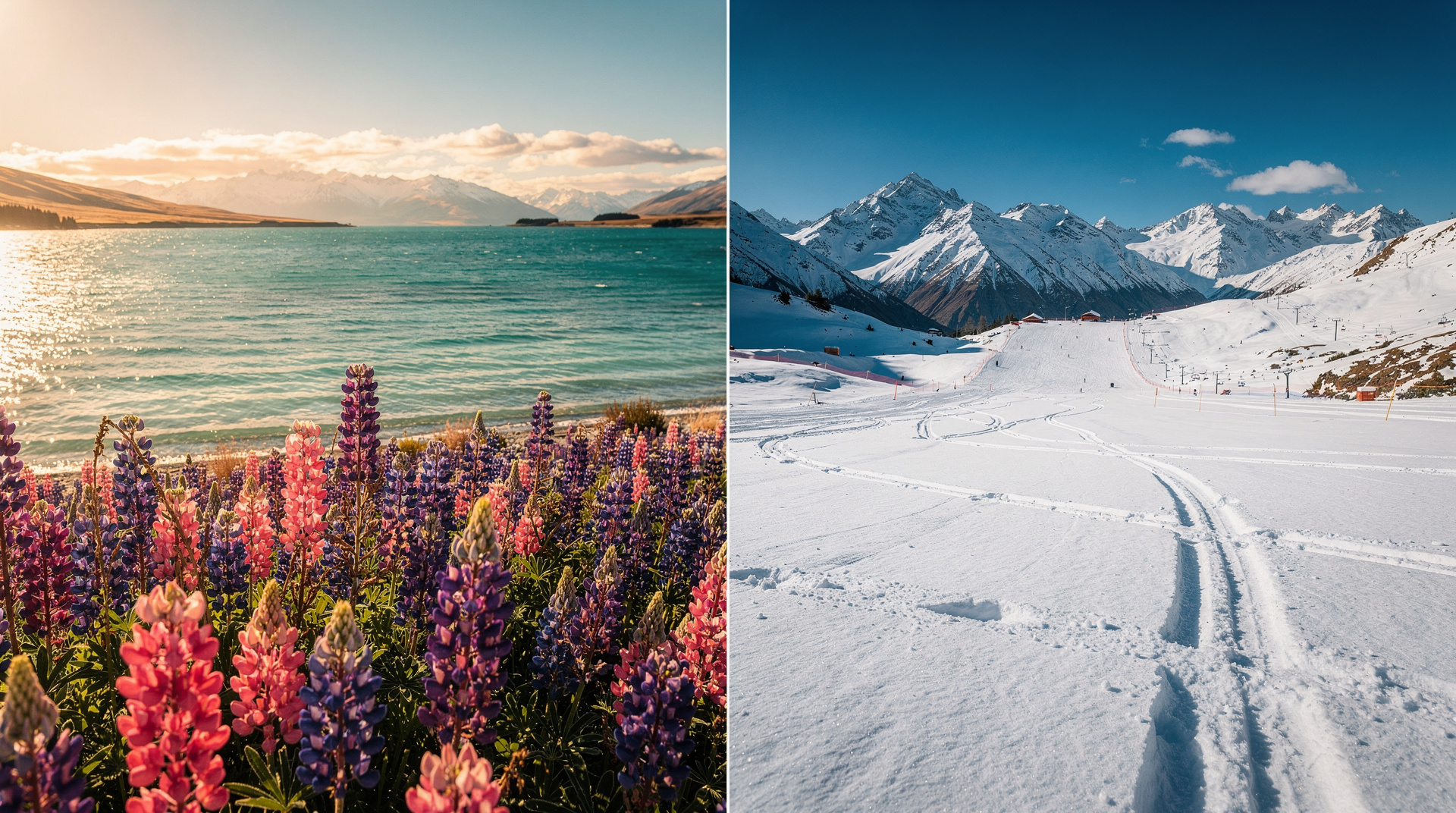
Summer vs winter in New Zealand
Is summer or winter better for visiting New Zealand?
Summer (December–February) for beaches, hiking, outdoor activities and the full range of New Zealand's landscapes. Winter (June–August) for skiing, lower prices, smaller crowds and spectacular snow-capped scenery — but many outdoor activities close or become weather-limited. Most visitors should aim for summer or shoulder season.
The honest verdict
New Zealand’s seasons are the inverse of Europe and North America: summer runs December–February, autumn March–May, winter June–August, and spring September–November. This matters enormously for planning.
Summer is the default best season for most visitors. All Great Walks are open, beaches are warm and swimmable, days are long (16+ hours of light in January), and every activity — from glacier heli-hikes to whale watching — operates at full capacity. The trade-off is crowds (particularly January, which is both New Zealand summer and Southern Hemisphere school holidays) and peak accommodation prices.
Winter is genuinely excellent if skiing is your priority. Queenstown’s Coronet Peak and The Remarkables, Wanaka’s Cardrona and Treble Cone, and Methven’s Mt Hutt offer world-class skiing at a fraction of what European resorts charge. Winter also offers dramatic photography, Milford Sound at its most waterfall-laden (the Sound receives 8m+ of rain annually — most falls in winter), and significantly lower non-ski accommodation rates.
The shoulder seasons (March–April and October–November) are often the best compromise — fewer crowds than summer, better prices than summer, and most outdoor activities still operating. March–April is particularly good: warm, settled, harvest season in wine regions, and the South Island’s autumn foliage is genuinely beautiful.
Season-by-season breakdown
| Dimension | Summer (Dec–Feb) | Autumn (Mar–May) | Winter (Jun–Aug) | Spring (Sep–Nov) |
|---|---|---|---|---|
| Temperature (North Island) | 22–27°C | 17–22°C | 11–16°C | 14–20°C |
| Temperature (South Island) | 18–24°C | 14–19°C | 5–12°C | 10–16°C |
| Beach swimming | Excellent (both islands) | Good (North Island) | Cold; North Island only | Marginal |
| Great Walks open | All open | Most open (closing May) | Closed / hut-only | Opening Oct–Nov |
| Skiing | None | None | Excellent (Jun–Aug) | Late season (some) |
| Crowds | Peak — very busy | Light–moderate | Light (non-ski) / Busy (ski resorts) | Building |
| Accommodation prices | Peak | 20–30% lower than summer | 30–40% lower (non-ski); ski resorts same/higher | 15–25% lower |
| Daylight hours | 15–16 hours | 12–14 hours | 9–10 hours | 11–14 hours |
| Rainfall | Variable; wet in Fiordland | Settled, often dry | Wet everywhere; heavy in West Coast | Variable |
| Milford Sound waterfalls | Present but smaller | Building | Maximum — dramatic | Tapering |
| Whale watching (Kaikoura) | Year-round | Year-round | Year-round | Year-round |
Summer in detail (December–February)
Summer is when New Zealand performs at its best for the widest range of visitors. January is the peak of peak — New Zealand’s school holidays (which align with Australian and European summer break) combine to create the busiest period of the year. Queenstown, Milford Sound, Rotorua, and the Coromandel Peninsula are all at maximum capacity in the last week of December and through January.
What works best in summer:
The Tongariro Alpine Crossing is best in summer — the volcanic plateau is above the snow line (the crossing sits at 1,900m), the track is dry and stable, and the views of Mt Ngauruhoe, Emerald Lakes and the Red Crater are at their most vivid. Tongariro Alpine Crossing shuttle transfers are essential — private cars cannot park at the trailhead. Summer departure times start from 5:30am to beat crowds.
Milford Sound cruises in summer show the Sound in clear light, with waterfalls flowing and a reasonable chance of calm conditions. Milford Sound nature cruise by catamaran — NZD 85–115 / USD 51–69 / EUR 47–63 — operates daily and is heavily booked in January. Reserve 4–6 weeks ahead.
Bay of Islands beaches and the Coromandel are at their best: water temperatures reach 22–24°C, far exceeding anything the South Island beaches offer. The Bay of Islands’ Hole in the Rock bay cruise runs daily and dolphin sightings are reliable in the calm summer waters.
Glacier heli-hiking at Franz Josef is best in summer — the windows of clear weather are longer, flights operate more reliably, and the glacial ice is most accessible. Franz Josef 2.5-hour glacier heli-hike — NZD 405–465 / USD 243–279 / EUR 223–256 — books out weeks ahead in December–January.
Abel Tasman National Park’s golden beaches and turquoise water are summer-optimal: the water is warm enough to swim in (18–20°C), sea kayaking conditions are calmer, and the water taxi network operates at full frequency. See the Abel Tasman vs Kahurangi guide for full details.
Summer cautions:
January is significantly over-crowded at the most popular sites. The Milford Sound road can have 3,000–5,000 visitors per day. Queenstown accommodation is at maximum price and minimum availability. Cathedral Cove requires advance booking of the carpark or a water taxi. If visiting in January, book everything — accommodation, activities, rental cars — a minimum of 4 months ahead.
The South Island’s West Coast can have heavy summer rainfall — Hokitika, Franz Josef, and Fox Glacier receive rain even in summer months. Build flexibility into West Coast days.
Winter in detail (June–August)
Winter transforms New Zealand into a different destination. The North Island remains relatively mild (Rotorua, Auckland, and the Bay of Islands see temperatures of 10–16°C) and operates normally. The South Island gets cold — Queenstown regularly dips below 5°C overnight, and frost and snow at lower elevations are common — but the ski fields are the reason winter exists as a peak season.
What winter does exceptionally well:
Queenstown skiing is world-class at a fraction of European prices. Coronet Peak (1,649m summit, 280 hectares, night skiing) and The Remarkables (1,943m, dramatic lake views from piste) both operate from late June through mid-September. Lift passes run NZD 90–165 / USD 54–99 / EUR 50–91 per day — significantly cheaper than Verbier or Whistler. Coronet Peak is more beginner-friendly; The Remarkables has more challenging terrain and is more visually dramatic.
Wanaka’s ski fields — Cardrona Alpine Resort and Treble Cone — are less crowded than Queenstown’s while offering comparable terrain. Cardrona and Treble Cone multi-day ski experience covers both mountains and includes lift access across both fields — NZD 350–480 / USD 210–288 / EUR 193–264 for multi-day packages.
Milford Sound is arguably more dramatic in winter than summer. The rainfall is heavier (Fiordland receives 8 metres annually, concentrated in winter), meaning hundreds of temporary waterfalls appear on the valley walls. The light is different — lower angle, more moody — and the Sound is visually extraordinary after heavy rain. Crowds are minimal compared to summer. See the Milford Sound vs Doubtful Sound guide for access details.
Mt Cook and the Mackenzie Basin are at their most striking in winter: Aoraki/Mt Cook (3,724m) carries more snow, and the reflections on Lake Tekapo from the snow-dusted Mackenzie Basin are exceptional. Stargazing at Tekapo is superb year-round but winter nights are longer, making the International Dark Sky Reserve more accessible.
Hanmer Springs thermal pools are at their best in winter — the contrast between cold air and hot mineral water is most pleasurable when snow is on the surrounding mountains. Hanmer Springs thermal pools entry — NZD 25–35 / USD 15–21 / EUR 14–19.
What winter restricts:
The Great Walks are closed for guided/hut-based tramping from May through October (exact dates vary by track). The Routeburn, Milford, and Kepler Tracks require significant experience, avalanche awareness, and self-sufficiency to attempt in winter — not for casual walkers. The Tongariro Alpine Crossing is snow-covered and requires crampons and ice axes from approximately June through October — a completely different (and significantly more dangerous) undertaking than the summer walk.
Glacier heli-hikes at Franz Josef are weather-dependent in all seasons but are cancelled far more frequently in winter. The West Coast in winter is often shrouded in cloud.
Swimming beaches are effectively closed in winter — even the North Island’s Bay of Islands drops to 15°C water temperature, which most visitors find too cold.
Shoulder seasons: the real winner
Autumn (March–May) is arguably the best time to visit for most travellers who aren’t specifically skiing. Temperatures remain warm enough for outdoor activity (particularly March and April). The Great Walks are still open through April. Summer crowds have thinned significantly. Marlborough’s wine harvest (March–April) is excellent timing for wine touring. The Mackenzie Basin’s tussock grass turns golden. Central Otago’s poplar avenues near Arrowtown turn amber and gold in April — the most photographed autumn scene in New Zealand.
Spring (September–November) is building toward summer. October and November are good months — ski resorts are wrapping up, hiking tracks are opening, lambs are in the paddocks, and tourist infrastructure is running at less than full capacity. The West Coast waterfalls are fed by spring melt. September can still be cold, particularly in the South Island.
Cost comparison by season
| Cost category | Summer (Dec–Feb) | Shoulder (Mar–Apr, Oct–Nov) | Winter (Jun–Aug) |
|---|---|---|---|
| Queenstown mid-range hotel (per night) | NZD 300–600 / USD 180–360 / EUR 165–330 | NZD 200–380 / USD 120–228 / EUR 110–209 | NZD 200–450 ski season / USD 120–270 / EUR 110–248 |
| Rotorua hotel (per night) | NZD 200–350 / USD 120–210 / EUR 110–193 | NZD 160–280 / USD 96–168 / EUR 88–154 | NZD 140–220 / USD 84–132 / EUR 77–121 |
| Rental car (small, per day) | NZD 70–110 / USD 42–66 / EUR 38–61 | NZD 50–80 / USD 30–48 / EUR 28–44 | NZD 45–70 / USD 27–42 / EUR 25–39 |
| Domestic flights (CHC–ZQN) | NZD 150–350 / USD 90–210 / EUR 83–193 | NZD 100–200 / USD 60–120 / EUR 55–110 | NZD 90–180 / USD 54–108 / EUR 50–99 |
| Activity prices | Full price | Same or slight discount | Same (non-ski) or ski-specific pricing |
What to book in each season
Summer: Book rental cars 3–4 months ahead. Accommodation in Queenstown and Milford Sound gateway (Te Anau) 4–6 months ahead for January. Great Walk huts (Milford Track especially) book out in mid-March for the following season — book the moment DOC opens sales.
Winter: Book ski accommodation in Queenstown and Wanaka 2–3 months ahead for peak school holiday weeks (late July is New Zealand school holidays). Lift passes can usually be booked closer to arrival. Car rental is more available in winter.
Shoulder: Book 4–6 weeks ahead for most accommodation. Great Walk huts are much easier to secure in March–April and October–November.
The twelve-month guide
| Month | Verdict |
|---|---|
| December | Excellent — early summer, before January peak. Good weather, activities open. |
| January | Peak — best weather, all activities, highest crowds and prices |
| February | Excellent — crowds thinning slightly, still perfect weather |
| March | Very good — warm, far fewer crowds, Great Walks still open |
| April | Good — autumn colours, lower prices, most activities still operating |
| May | Mixed — Great Walks closing, NI still fine, SI cooling |
| June | Winter begins — skiing opens mid-June, most hiking limited |
| July | Peak winter/ski season — great for snow, avoid if not skiing |
| August | Ski season peak — similar to July |
| September | Shoulder spring — ski resorts closing, hiking tracks opening |
| October | Building season — most hiking open, weather variable |
| November | Good — pre-peak, everything open, prices not yet at summer level |
Regional differences that change the summer-vs-winter calculation
The North Island and South Island respond very differently to season, and the “summer or winter” question actually has different answers depending where you’re spending most of your trip.
Auckland, Bay of Islands, Coromandel (North Island north): Genuinely mild year-round. Winter (June-August) rarely drops below 8-10°C and the beaches, while too cold to swim, remain scenic. If your itinerary is mostly North Island, winter is a far more viable choice than it is further south — you lose swimming and some water activities but keep almost everything else.
Rotorua, Taupo, Wellington (North Island central/south): Geothermal activity at Rotorua works in any weather — the Wai-O-Tapu geothermal half-day is arguably more atmospheric in winter, with steam rising against cold air. Wellington’s wind is a factor year-round but winter storms are more frequent; check forecasts before a cable car or waterfront day.
Queenstown, Fiordland, West Coast (South Island): This is where the season split matters most. Summer opens the Great Walks and warm-weather activities; winter closes most tramping but opens world-class skiing. Milford Sound genuinely changes character between seasons — see the Milford Sound vs Doubtful Sound guide for how rainfall (heavier in winter) affects the waterfalls.
Christchurch, Canterbury, Mackenzie Basin: Continental climate with the widest temperature swings — hot, dry summer days and genuinely cold, frosty winter nights. This is the region where packing for both extremes within a single week (December-February can still have cold mountain evenings) matters most.
Frequently asked questions
Is New Zealand rainy year-round?
Fiordland (Milford Sound, Doubtful Sound, Te Anau) is one of the wettest places on earth — 8 metres of rain per year, concentrated on the South Island’s West Coast and southwest. Auckland and the North Island receive year-round rain but rarely for sustained periods. Marlborough and Nelson in the north of the South Island are notably dry. The Mackenzie Basin and Central Otago are New Zealand’s driest regions. Check regional weather, not a single “New Zealand weather” forecast.
When should I avoid New Zealand?
January (specifically Christmas to mid-January) and the New Zealand school holiday weeks in July are the periods with maximum crowds and prices. If you’re flexible, early February or late March give almost equivalent weather with significantly better prices and fewer people.
Can I visit both islands in any season?
Yes — both islands are accessible year-round. The seasonal differences are more pronounced on the South Island (skiing in winter, Great Walks in summer). The North Island is less dramatically seasonal — Rotorua, Auckland, and Wellington operate at full capacity throughout the year, with only mild weather differences.
Related comparisons and guides
Related guides
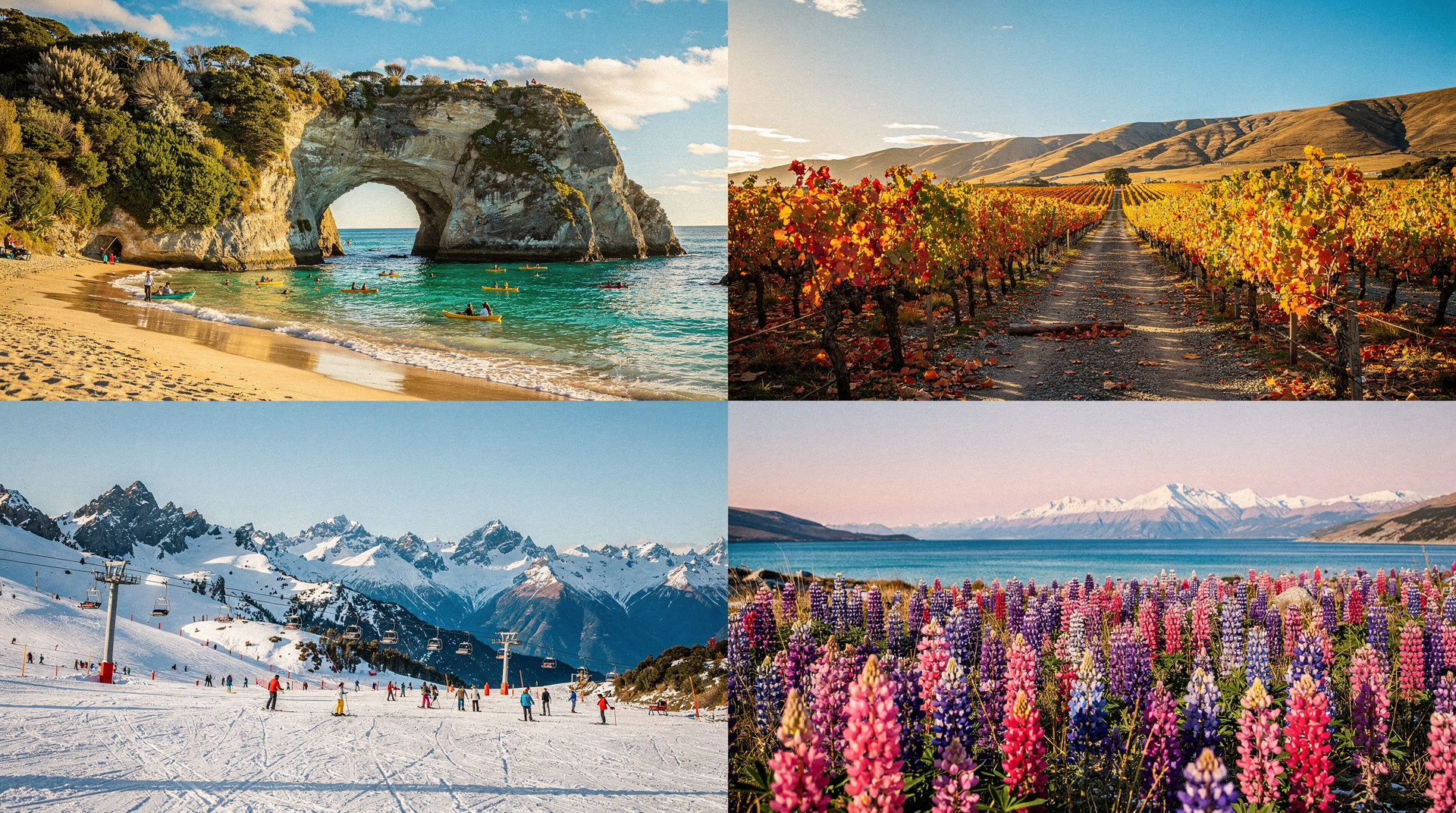
Best time to visit New Zealand
When to visit New Zealand: honest breakdown by season, region, and activity type. Summer is not always best. Spring and autumn often outperform the peak season.
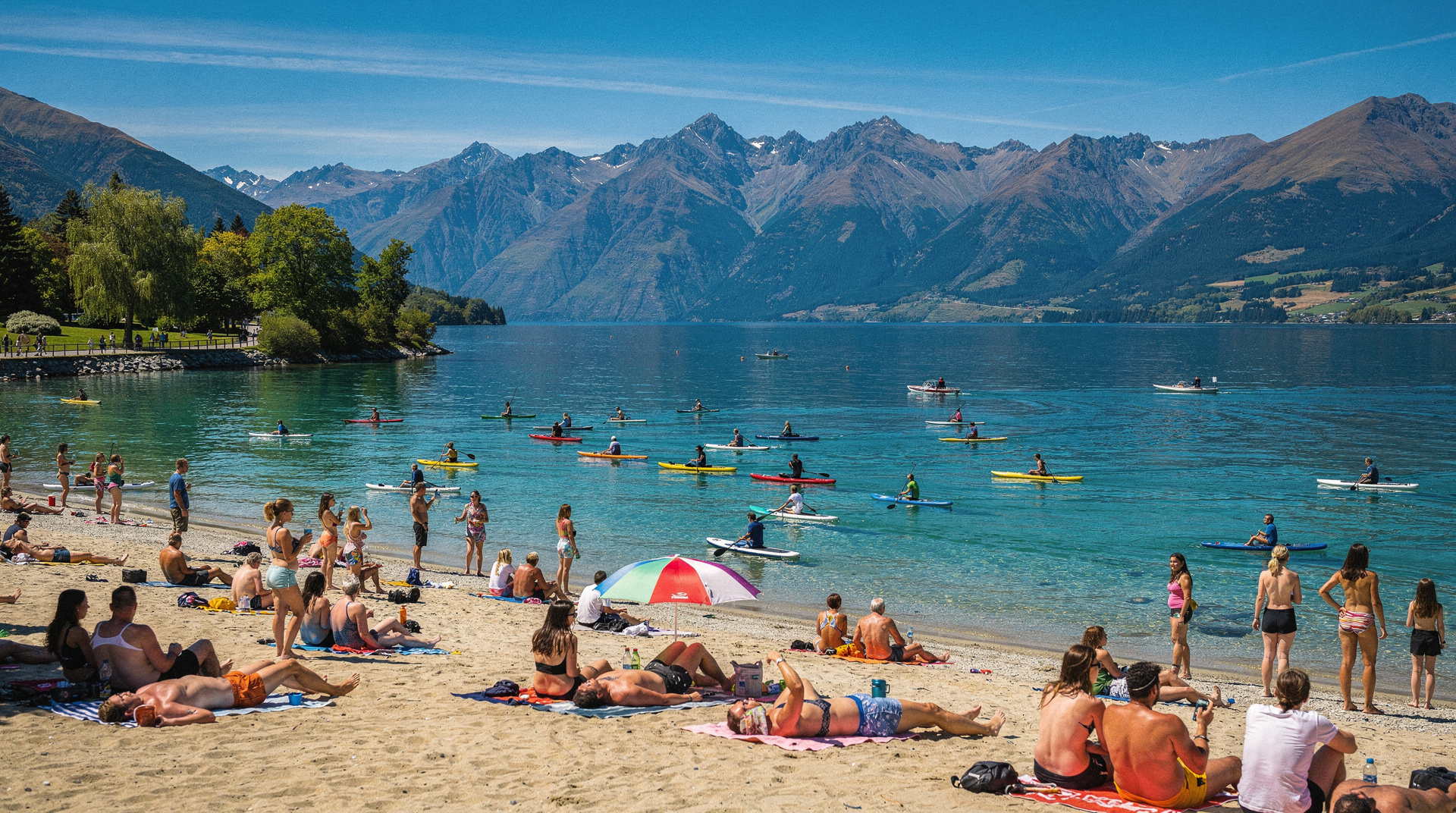
New Zealand in February
February is NZ's best month: warm summer, post-holiday crowds thinning, wine harvest starting. Real prices in NZD/USD/EUR and what to book ahead.
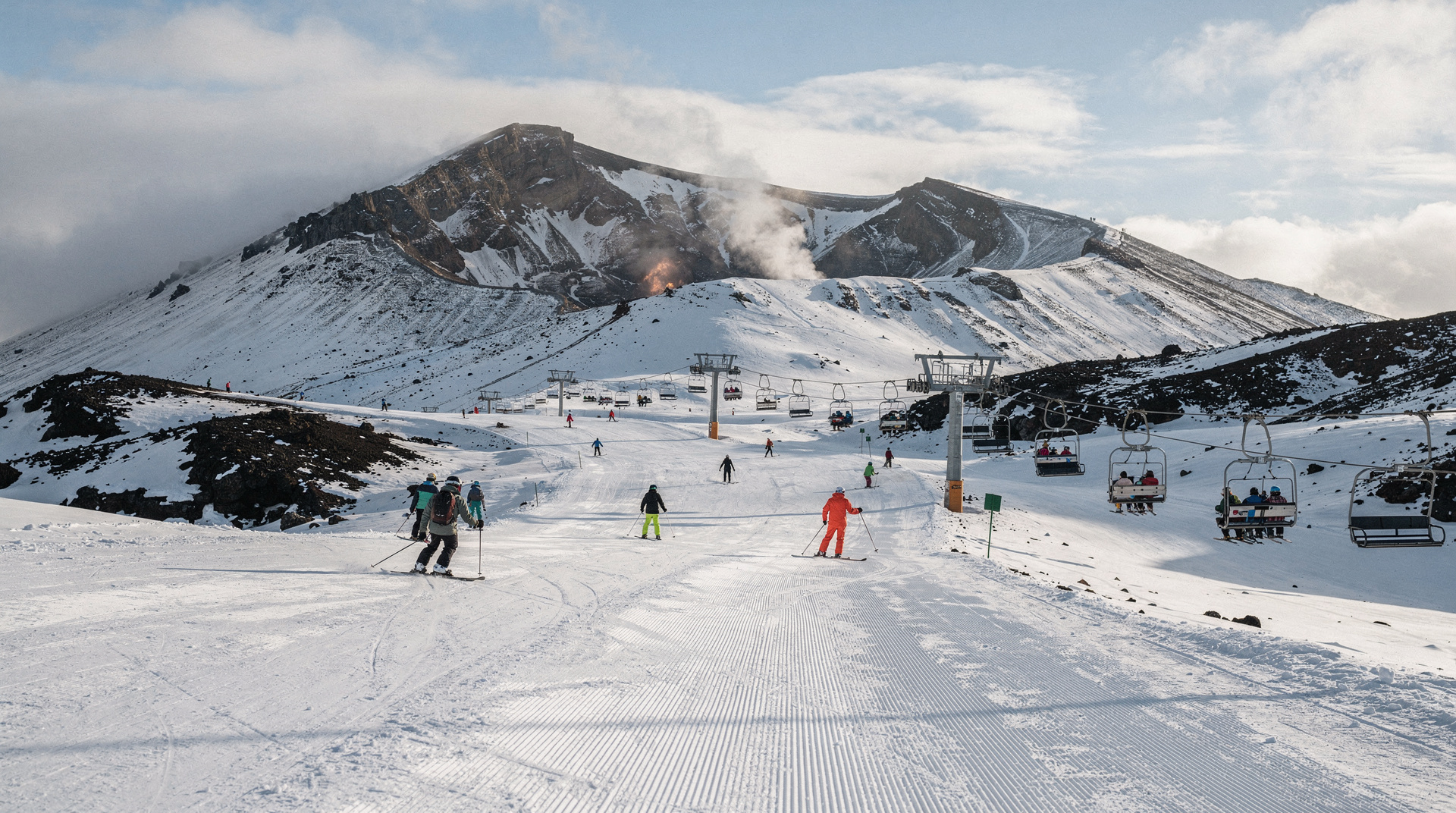
New Zealand in July
July is peak ski season at Queenstown and Wanaka. Matariki public holiday, Australian school holidays drive prices up. Real NZD/USD/EUR pricing.
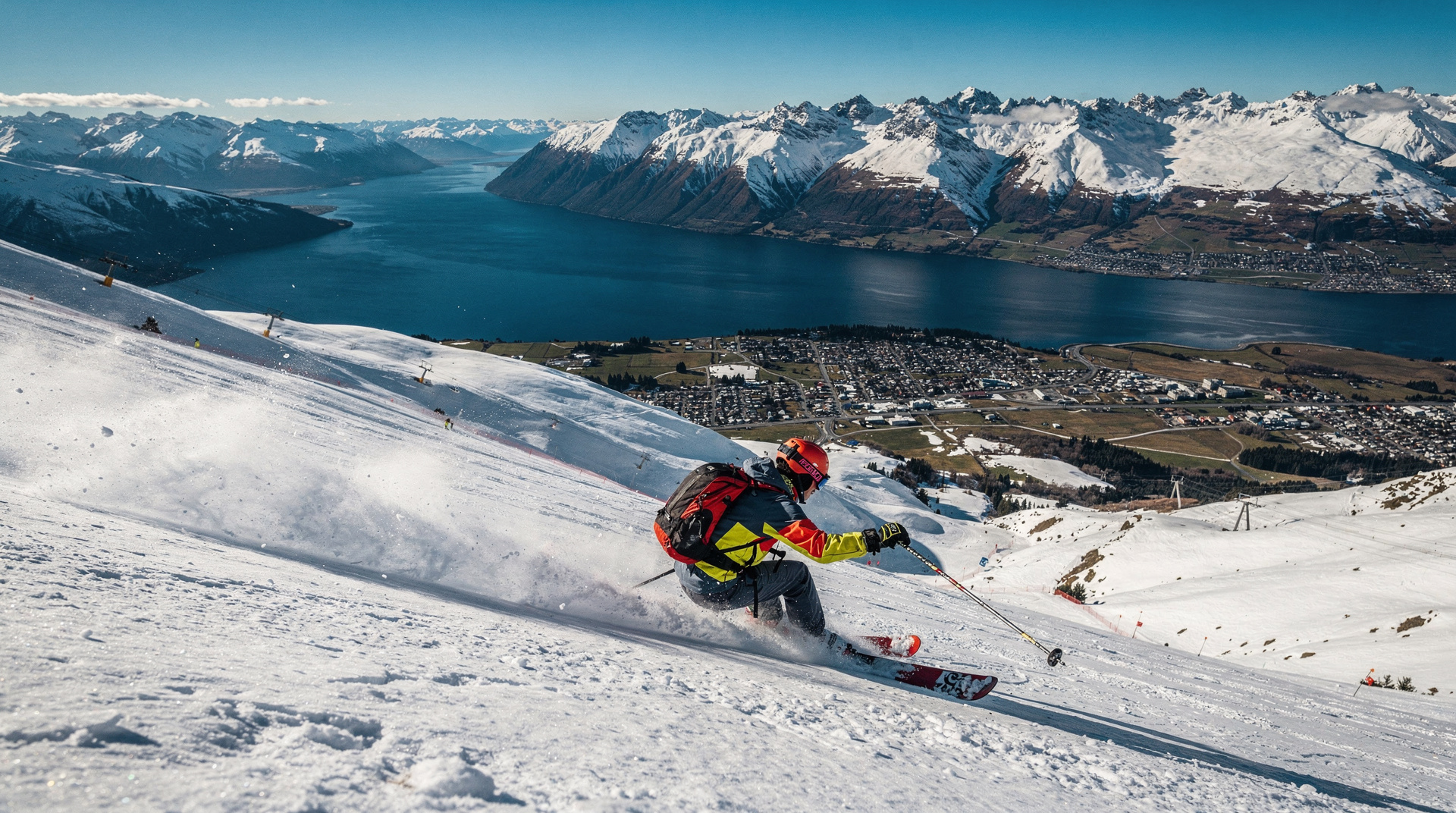
Skiing in New Zealand — complete resort guide 2026
Complete NZ ski guide: Coronet Peak, Remarkables, Cardrona, Treble Cone, Mt Hutt, Ruapehu. Season, lift passes, real costs NZD/USD/EUR.
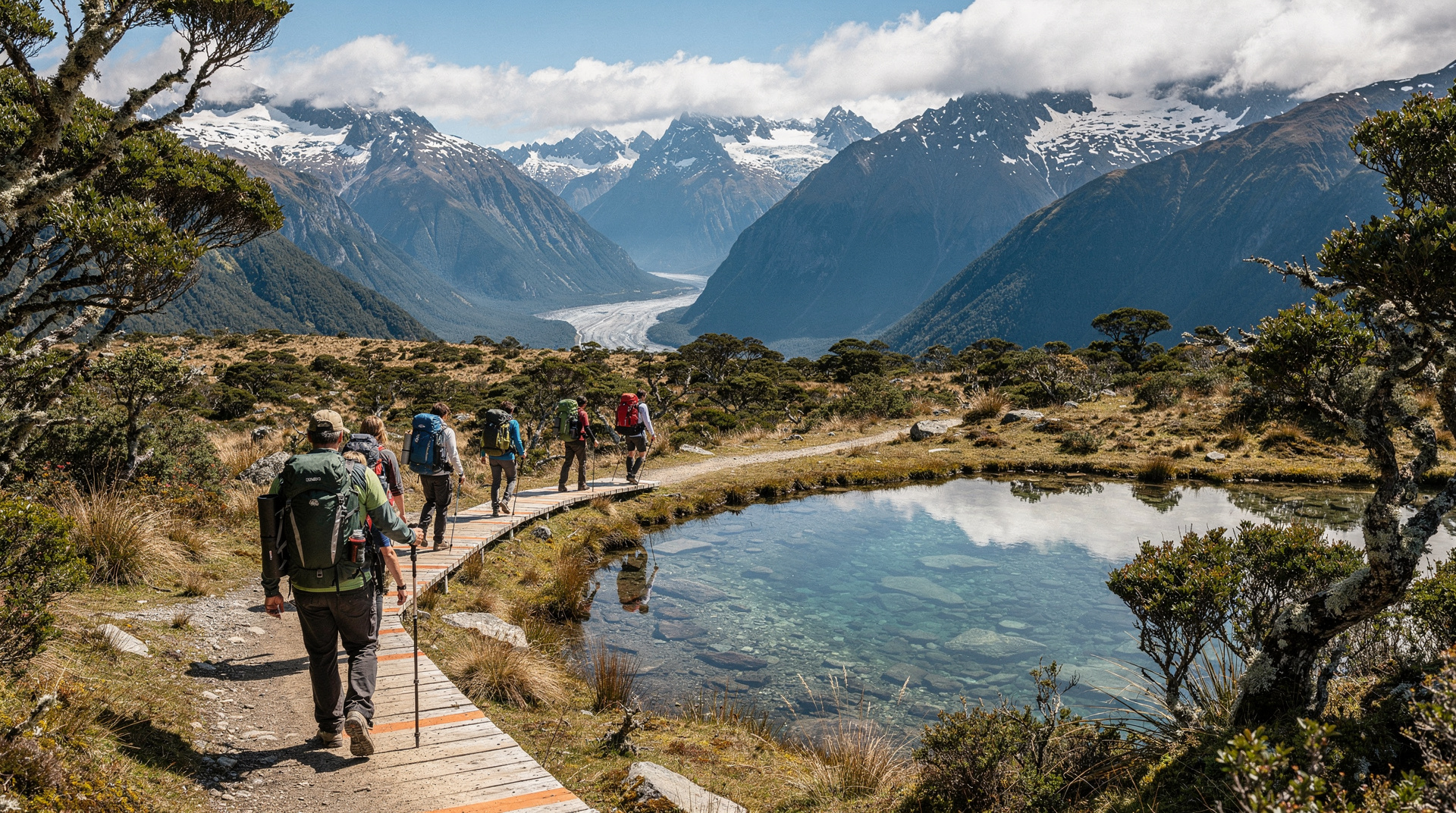
New Zealand Great Walks — complete comparison guide
All 11 Great Walks compared: Milford vs Routeburn vs Kepler, difficulty, season, hut prices. Which one fits your trip and fitness level.
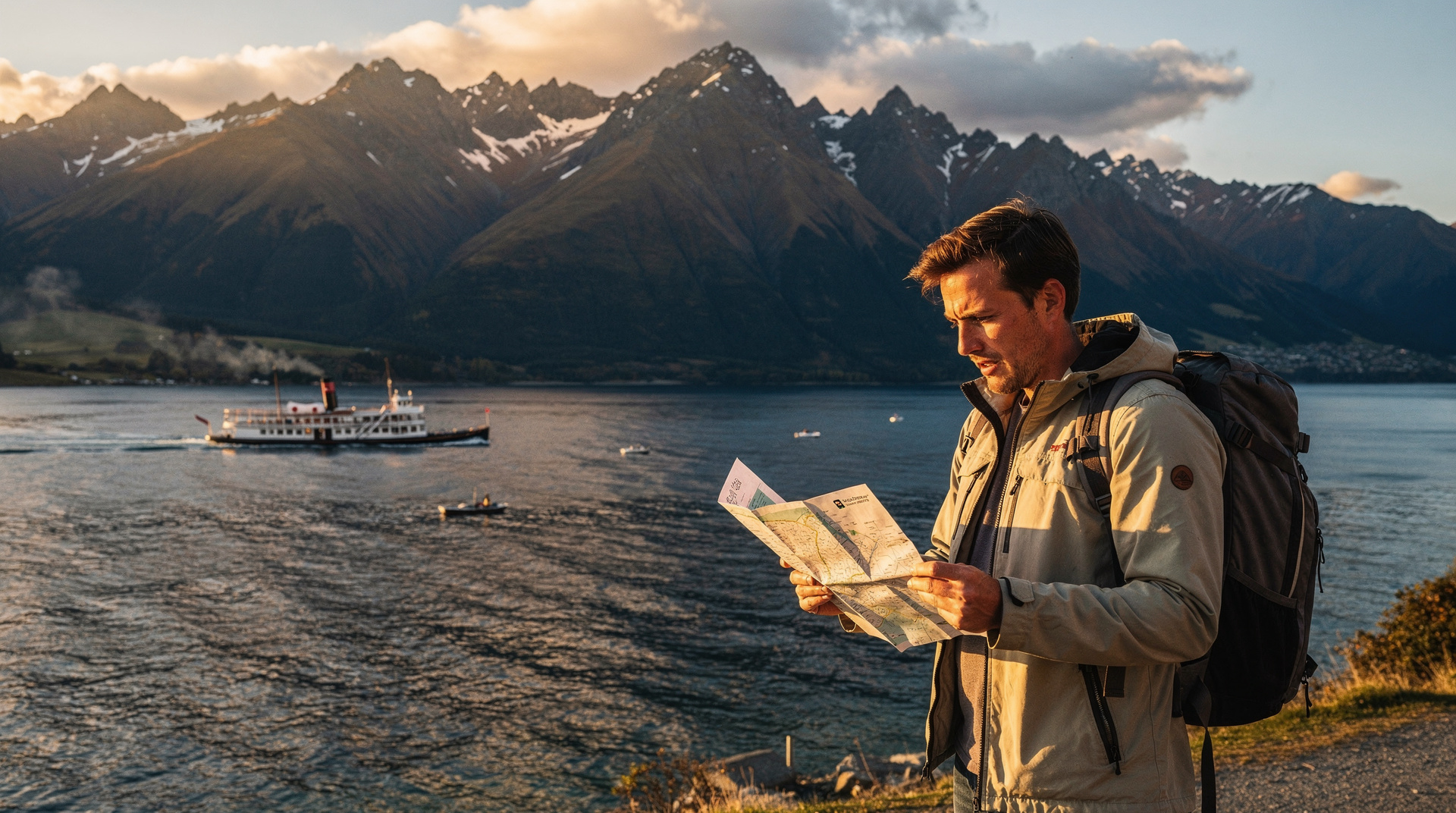
How many days do you need in New Zealand
7 days, 14 days, or 3 weeks? Honest guide to how much time you need for New Zealand, island by island, with sample day-counts by priority and travel style.
Last reviewed: